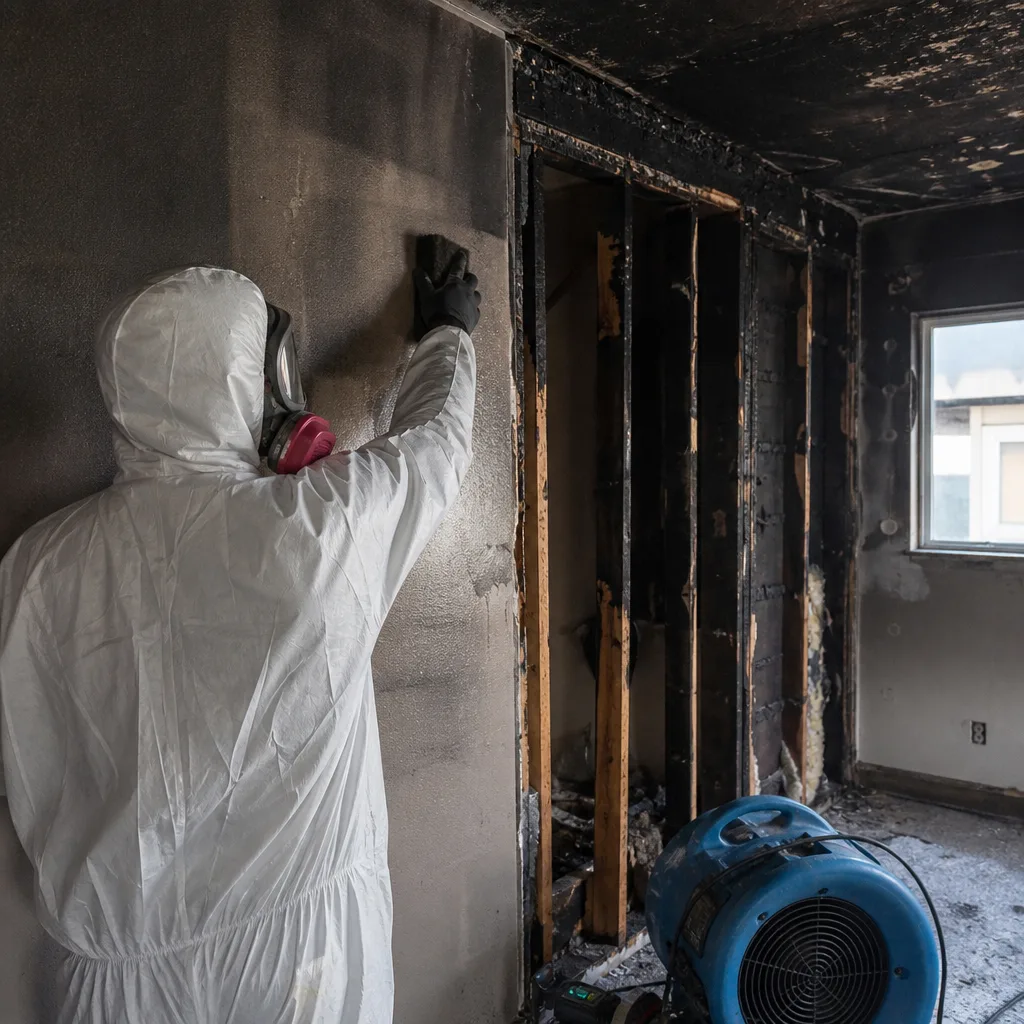
Free visual inspection and a written scope of work before any mitigation begins - photos, moisture readings, and drying logs go in your claim file
The scope we write is the scope we bill. Anything new gets shown to you, in writing, before we touch it.
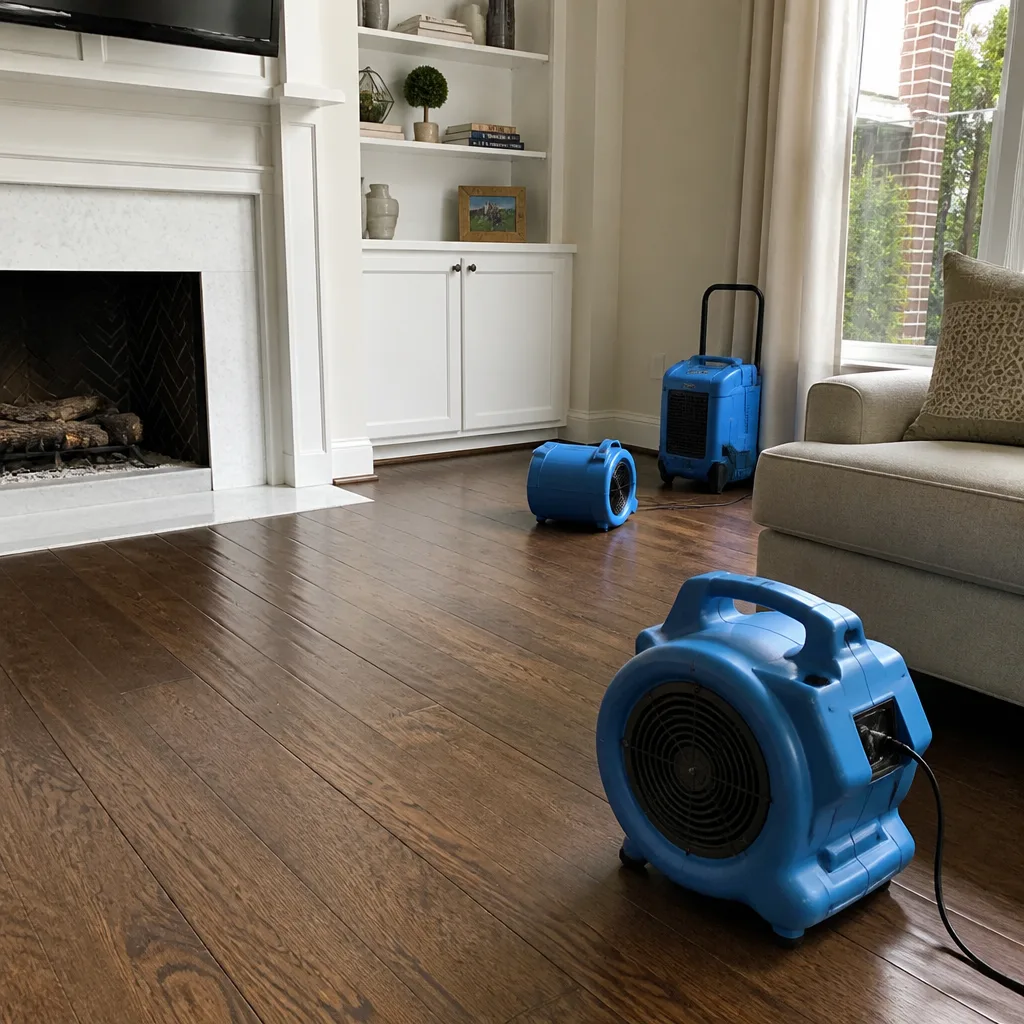
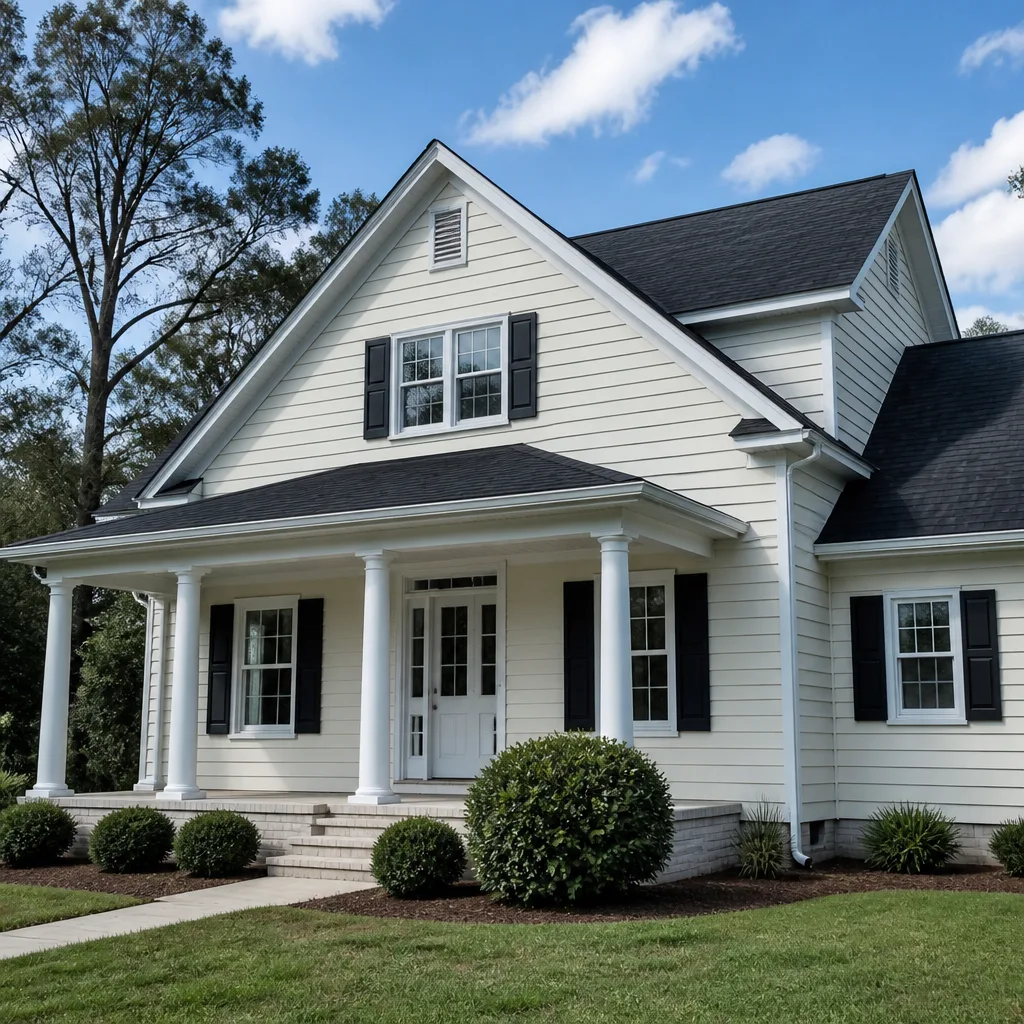
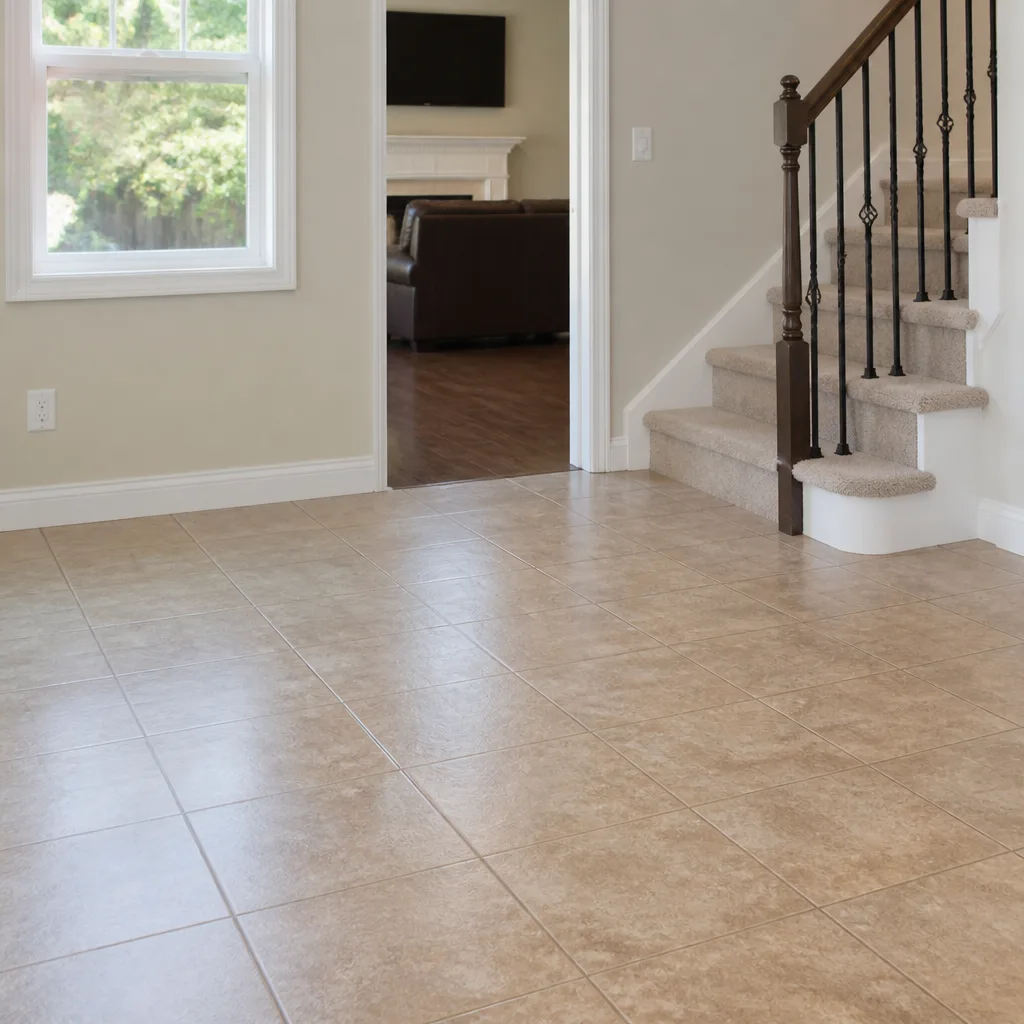
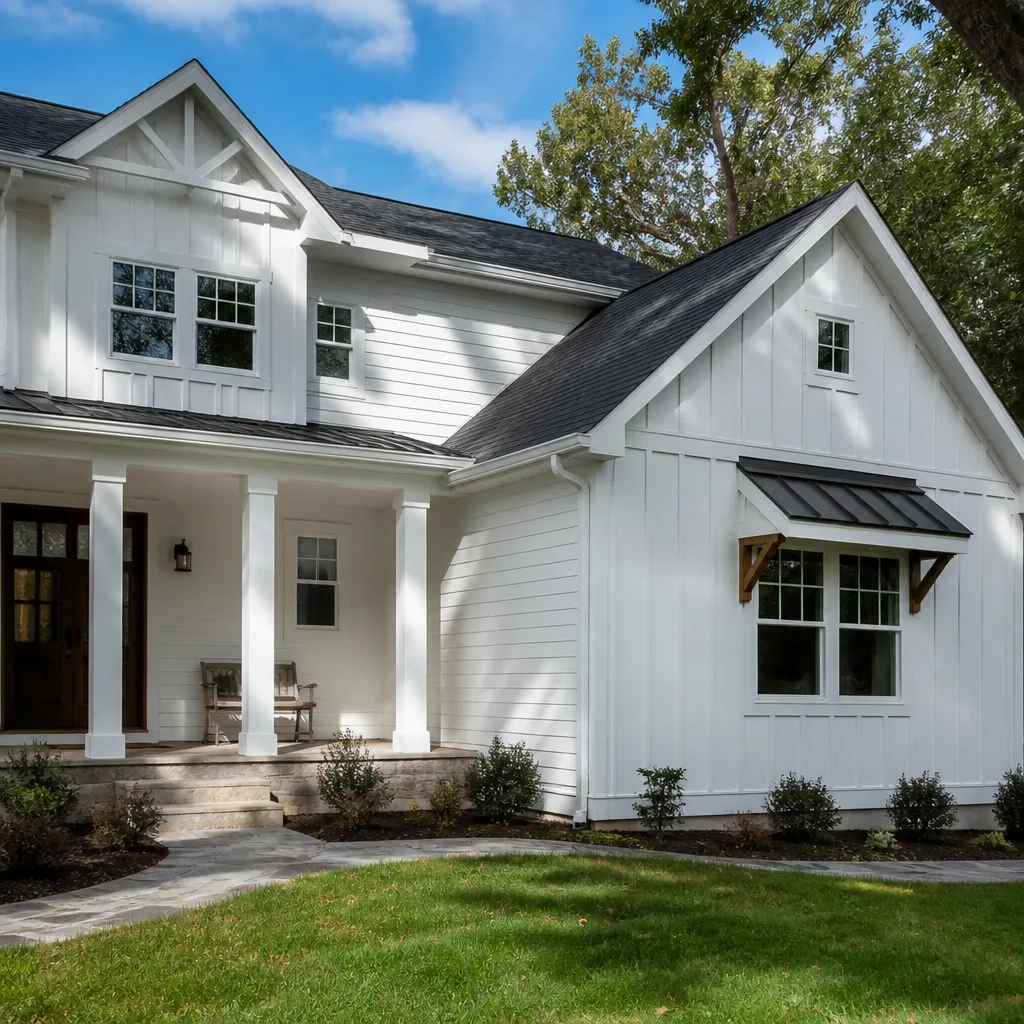
 Before
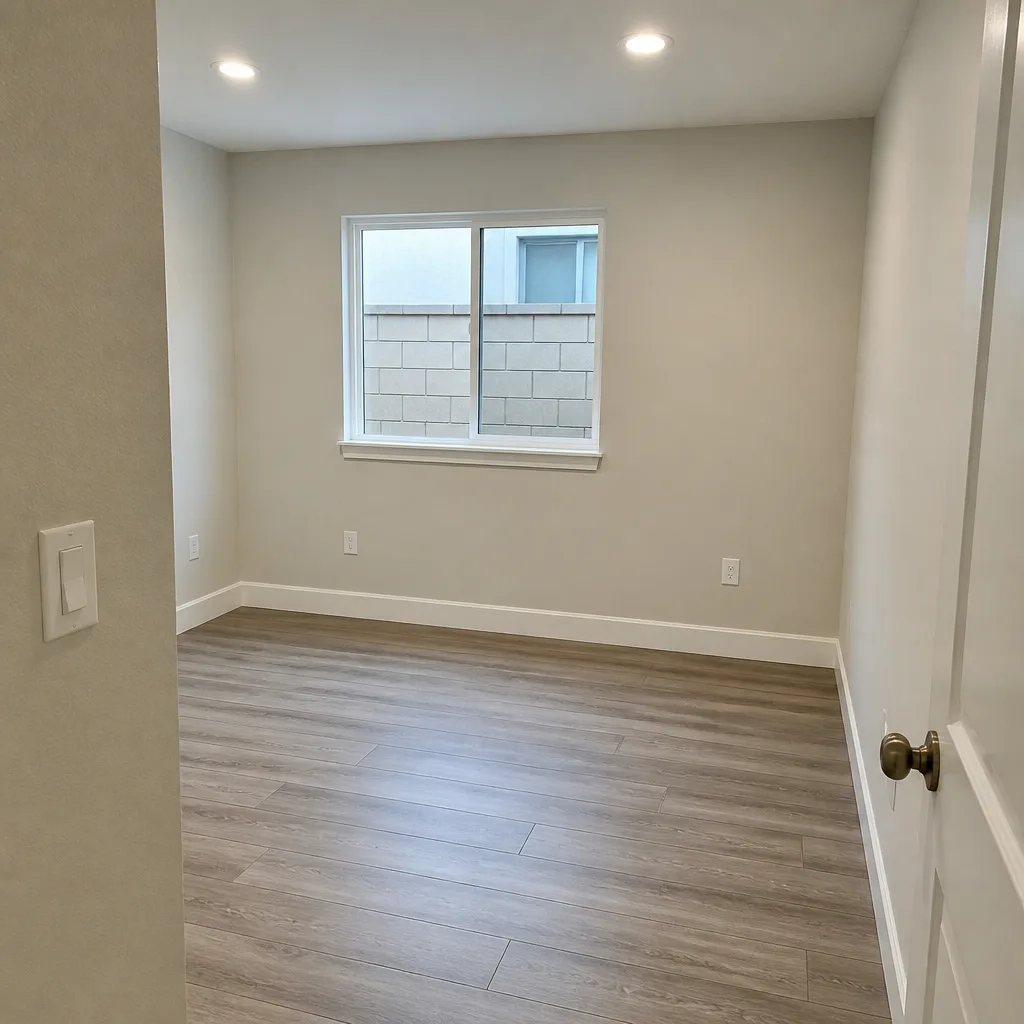 After
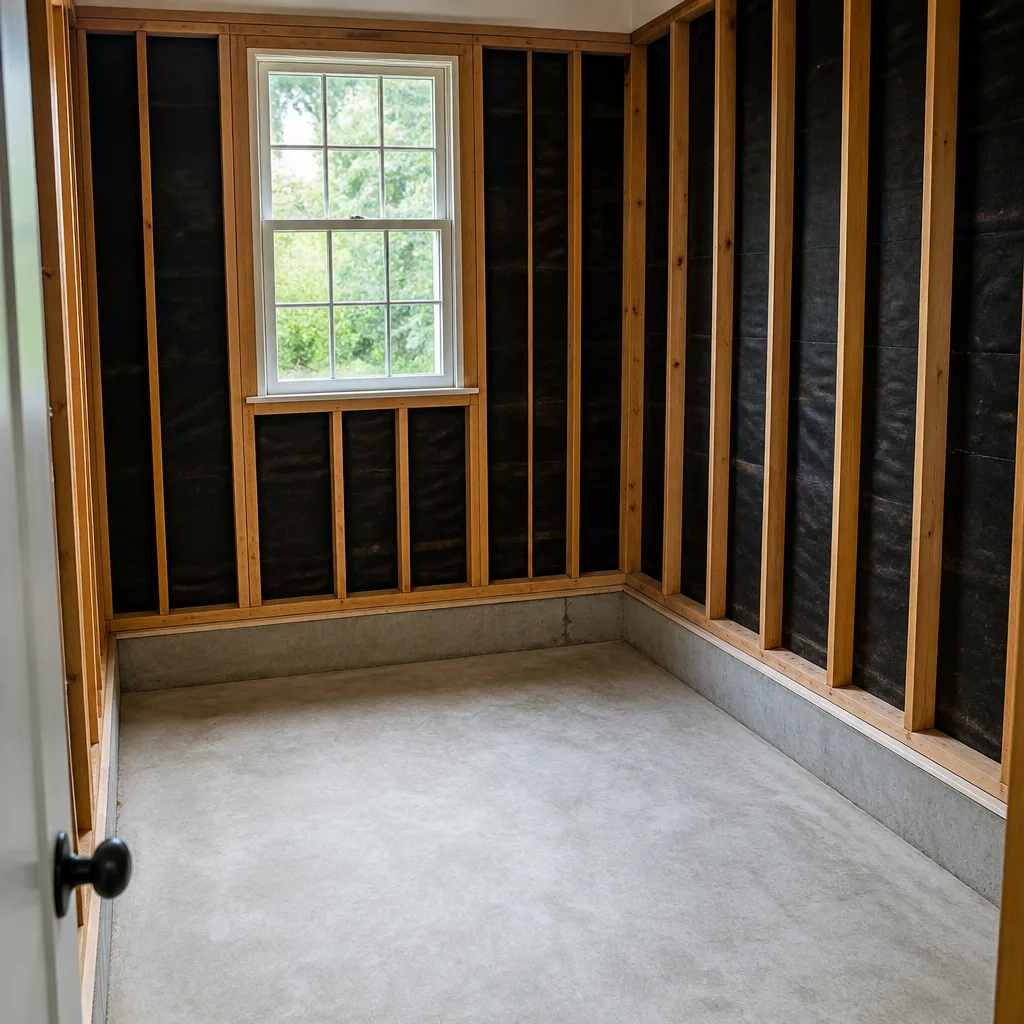
After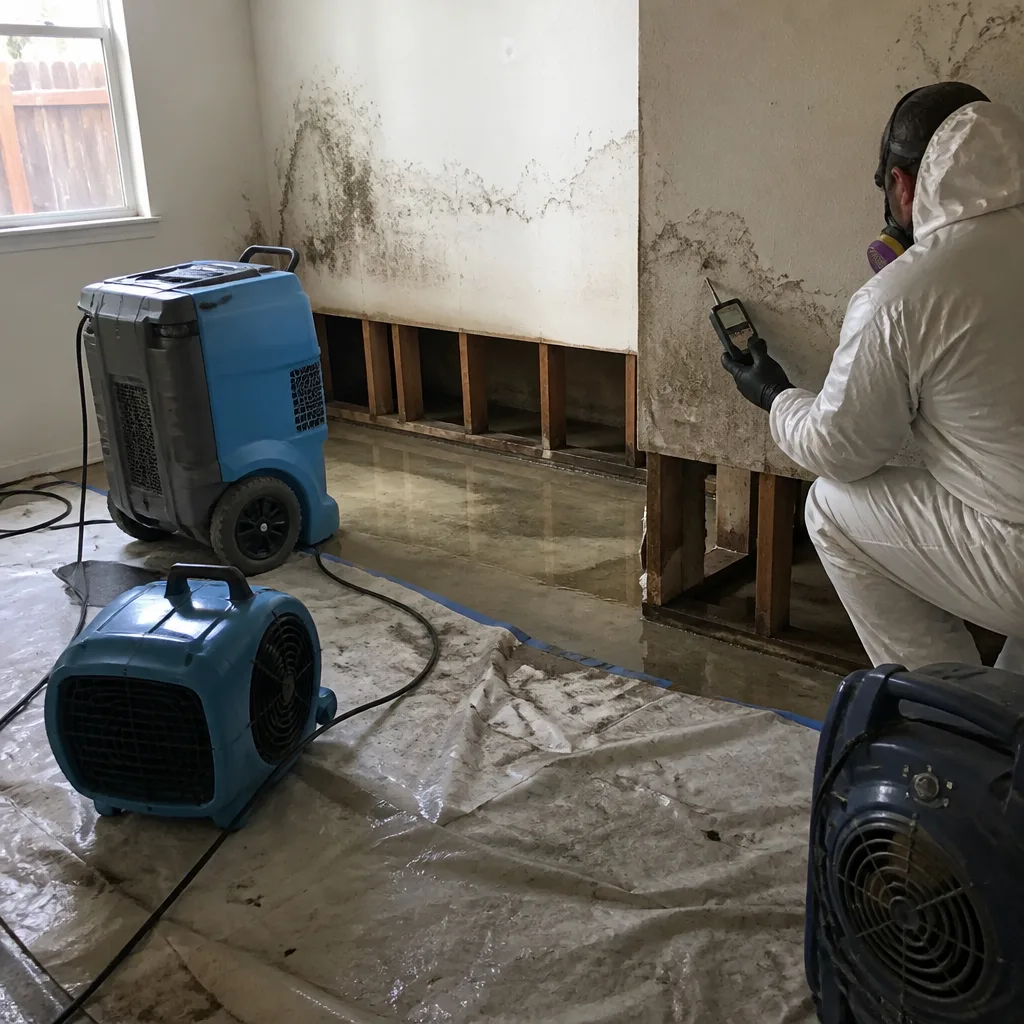 Before
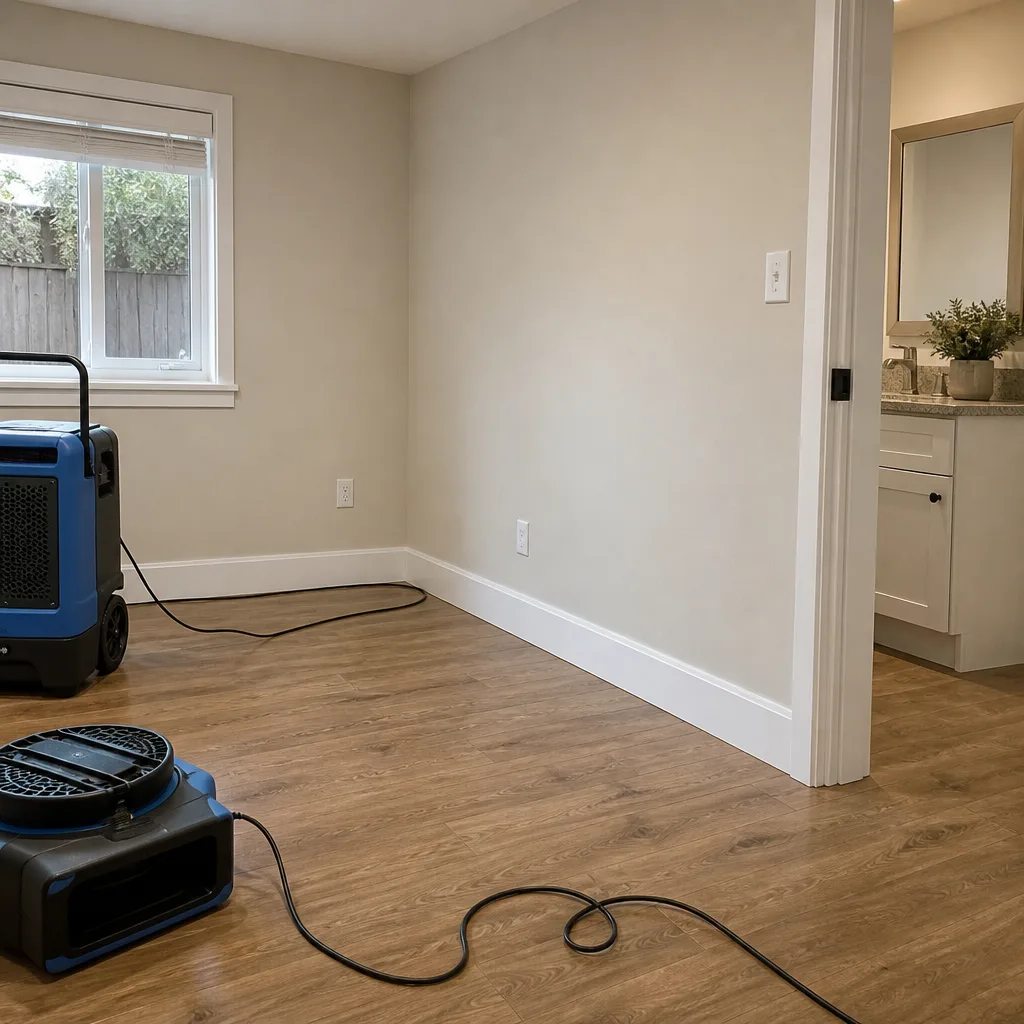 After
After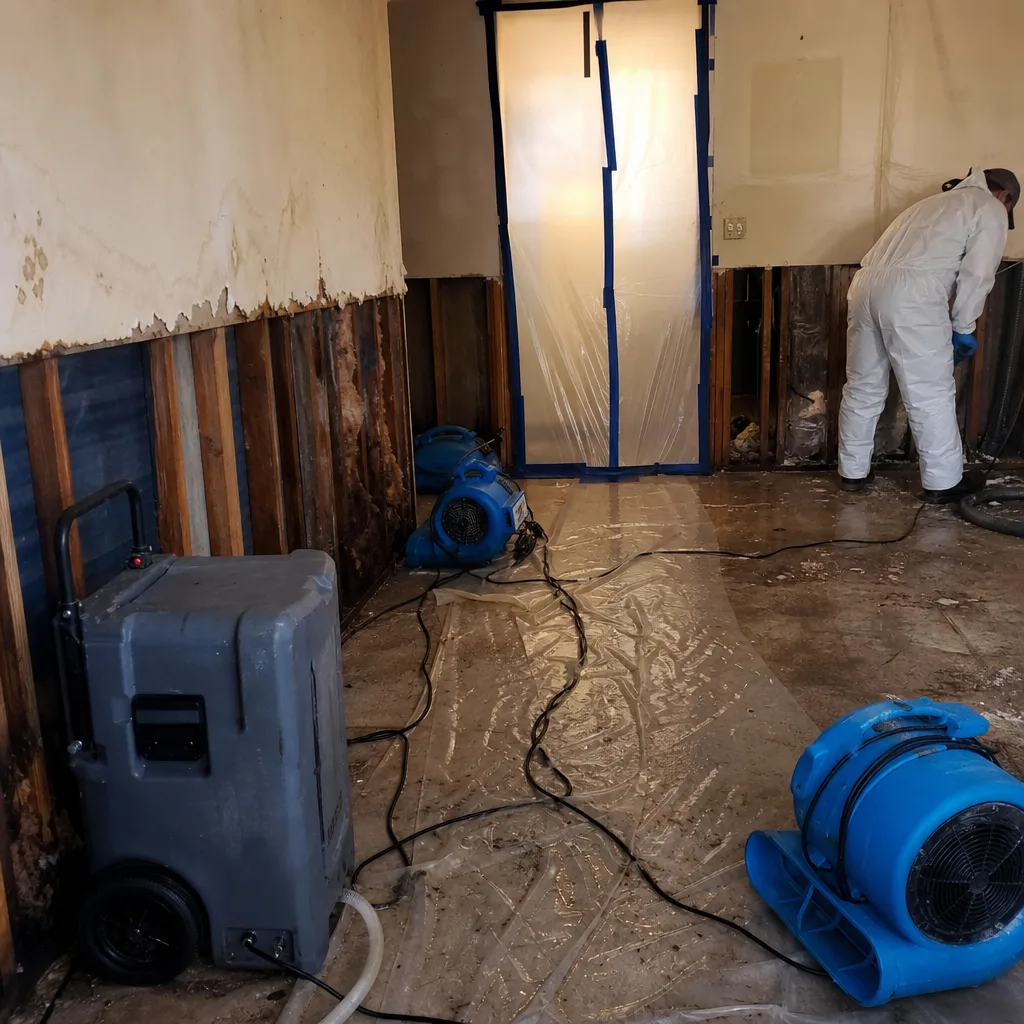 Before
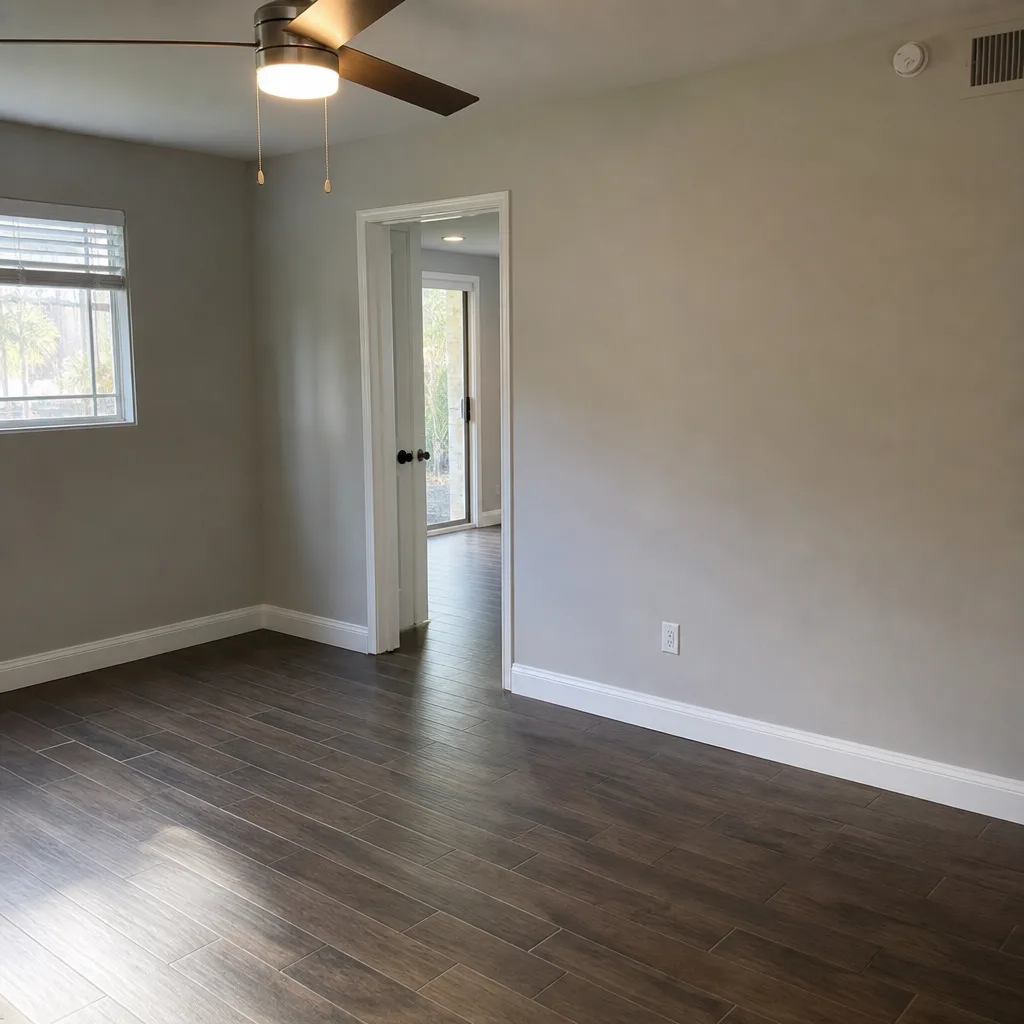 After
After24/7 Emergency Water Damage Restoration in Fallbrook
Water damage restoration in Fallbrook typically costs between $2,800 and $7,500 for a standard residential dry-out, with emergency extraction starting around $1,200 and full reconstruction reaching $15,000 or more on custom hillside properties. Most water losses in Fallbrook are stabilized within the first four hours if crews arrive promptly. Call (760) 546-9565 now - a live person answers every emergency line, 24 hours a day, 7 days a week, with no voicemail trees while water is still moving through your walls.
Our crews dispatch from the San Diego metro office and carry Fallbrook response routes for properties from the downtown village corridor to the canyon estates off Reche Road and Sleeping Indian Road. The first hour determines whether a water loss stays contained to wet drywall or spreads to hardwood flooring, insulation, and structural framing. We arrive with thermal imaging, moisture meters, and extraction equipment already loaded. Every job starts with a free visual inspection and a written scope before any work begins.
Understanding Water Damage Restoration Severity in Fallbrook Properties
Water damage in Fallbrook breaks into three categories, and getting the classification right determines everything that follows. Category 1 is clean water from a burst supply line or failed water heater - common in the 1950s-1980s ranch homes along Mission Road and Alturas Road where original copper or galvanized plumbing reaches end of life. Category 2 carries contaminants, typical when a dishwasher drain backs up or rainwater infiltrates through compromised roofing. Category 3 is grossly contaminated water - sewage, floodwater, or well-backup - and it is far more common in Fallbrook than in neighboring Temecula because so many rural properties rely on private septic systems and well pumps that fail during power outages.
Moisture mapping with thermal imaging reveals what the eye cannot: water wicking horizontally through slab foundations in older ranches, or vertically into skip sheathing beneath original wood-shake roofs where the ceiling reads dry but the structural framing stays saturated. Psychrometric data - temperature, relative humidity, and vapor pressure differential - tells us how aggressively to dry and for how long. Tertiary drying targets materials like dense hardwood or plaster that release moisture slowly. In Fallbrook’s custom hillside builds, we often find water trapped behind stucco or in structural insulated panels that require injectidry systems and controlled dehumidification over seven to fourteen days rather than the standard three to five.
Why Fallbrook Property Owners Choose DryMark Restoration Oceanside
- 45-minute response commitment to Fallbrook properties during active emergencies - our crews know the canyon routes and avoid the I-15 corridor chokepoints.
- 24/7 live answer by a real person, never an automated system or voicemail tree; the phone rings through to dispatch every hour of every day.
- IICRC-certified crews holding WRT (Water Damage Restoration Technician) and ASD (Applied Structural Drying) credentials, with AMRT (Applied Microbial Remediation Technician) certification for mold-prone Category 2 and 3 losses.
- Free visual inspection with moisture readings and thermal imaging before any commitment or contract.
- Direct insurance billing with photo-documented estimates formatted to carrier standards - we coordinate with your adjuster, not just hand you an invoice.
- One team from extraction through reconstruction: no handoffs to unknown subcontractors, no gaps in documentation, no finger-pointing if something needs correction.
BeforeAfterOur Water Damage Restoration Process
1. Inspection & Assessment
We arrive with FLIR thermal cameras, penetrating and non-penetrating moisture meters, and hygrometers to map the full extent of the water migration. In Fallbrook’s older ranch homes, we pay special attention to skip sheathing and rafter bays where wood-shake roofing wicks water vertically past the ceiling plane. Every reading is logged.
2. Extraction & Stabilization
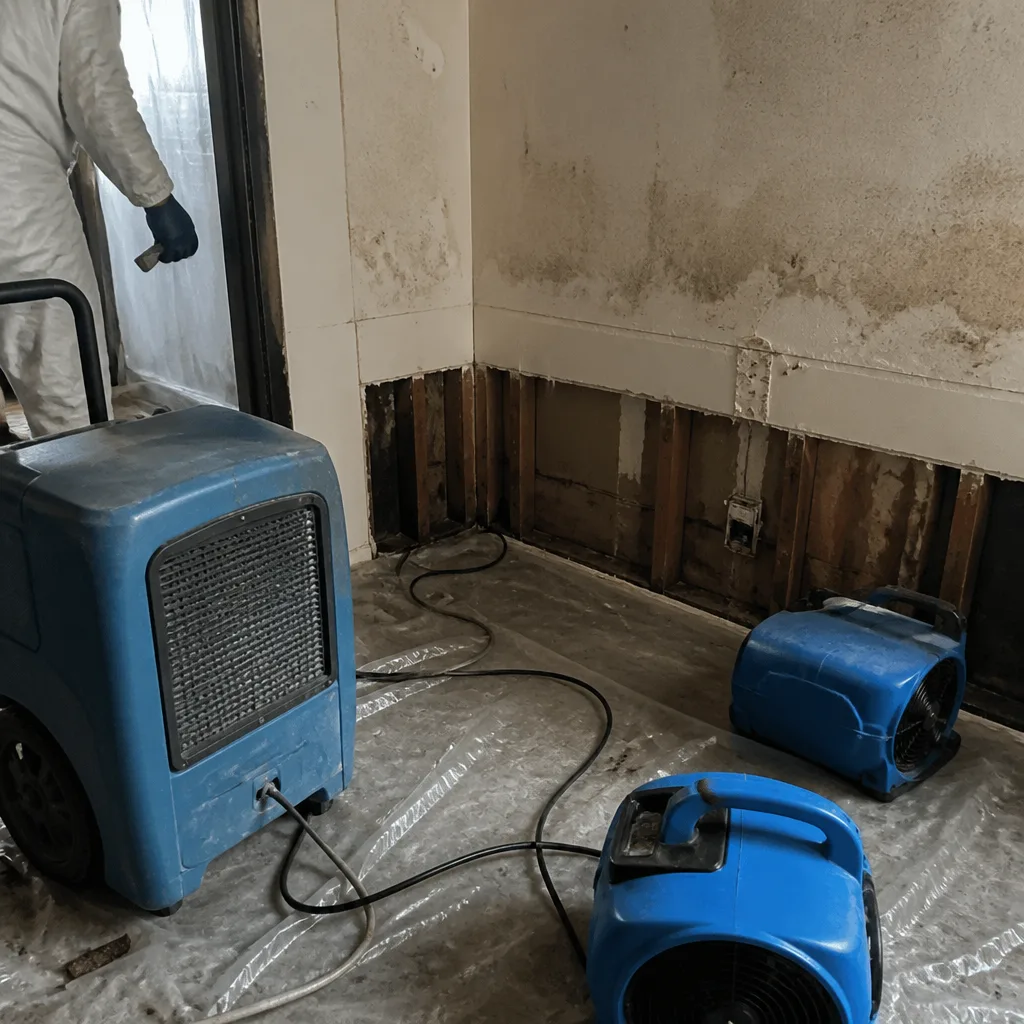
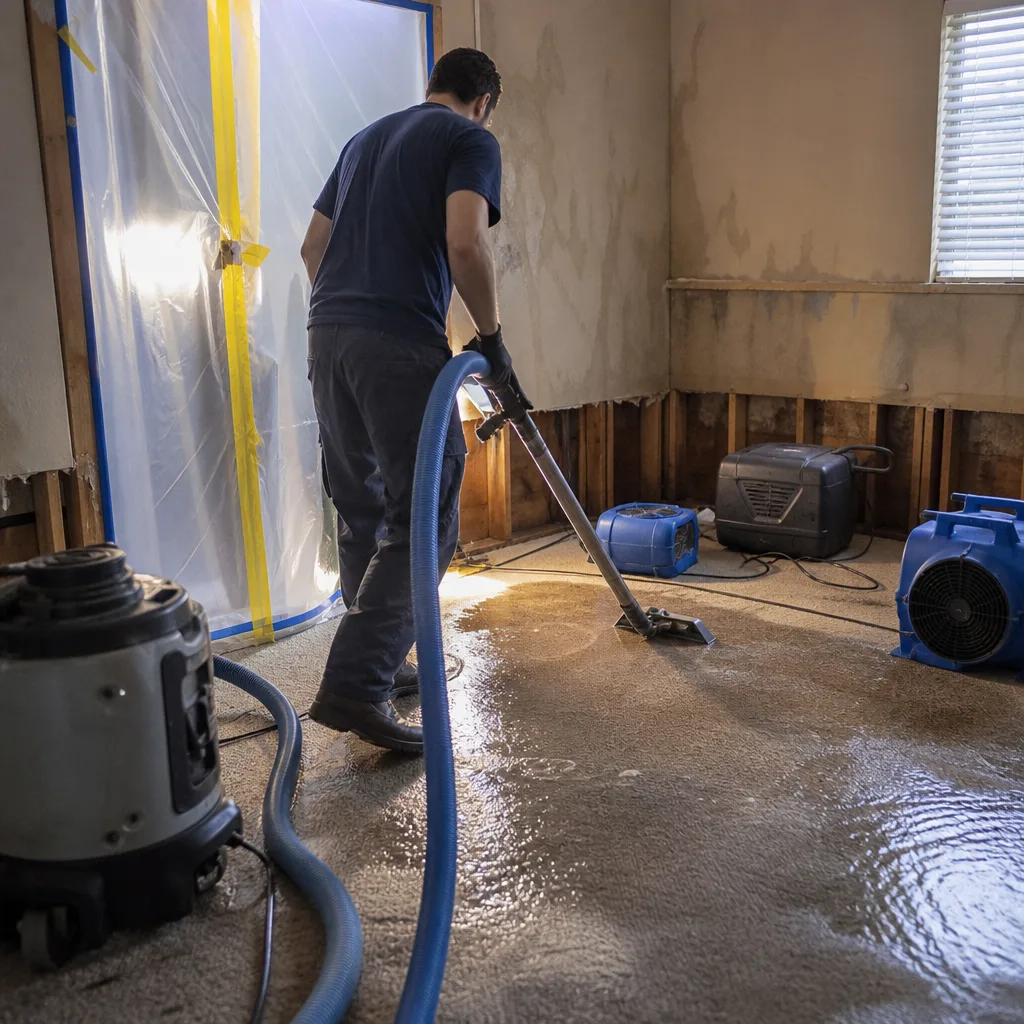
Standing water comes out first - truck-mounted extractors for carpet, weighted extraction tools for pad, and portable units for hard-to-access hillside crawlspaces. We set containment barriers to isolate unaffected areas and stop cross-contamination, critical when Category 2 or 3 water is involved.
3. Drying & Dehumidification
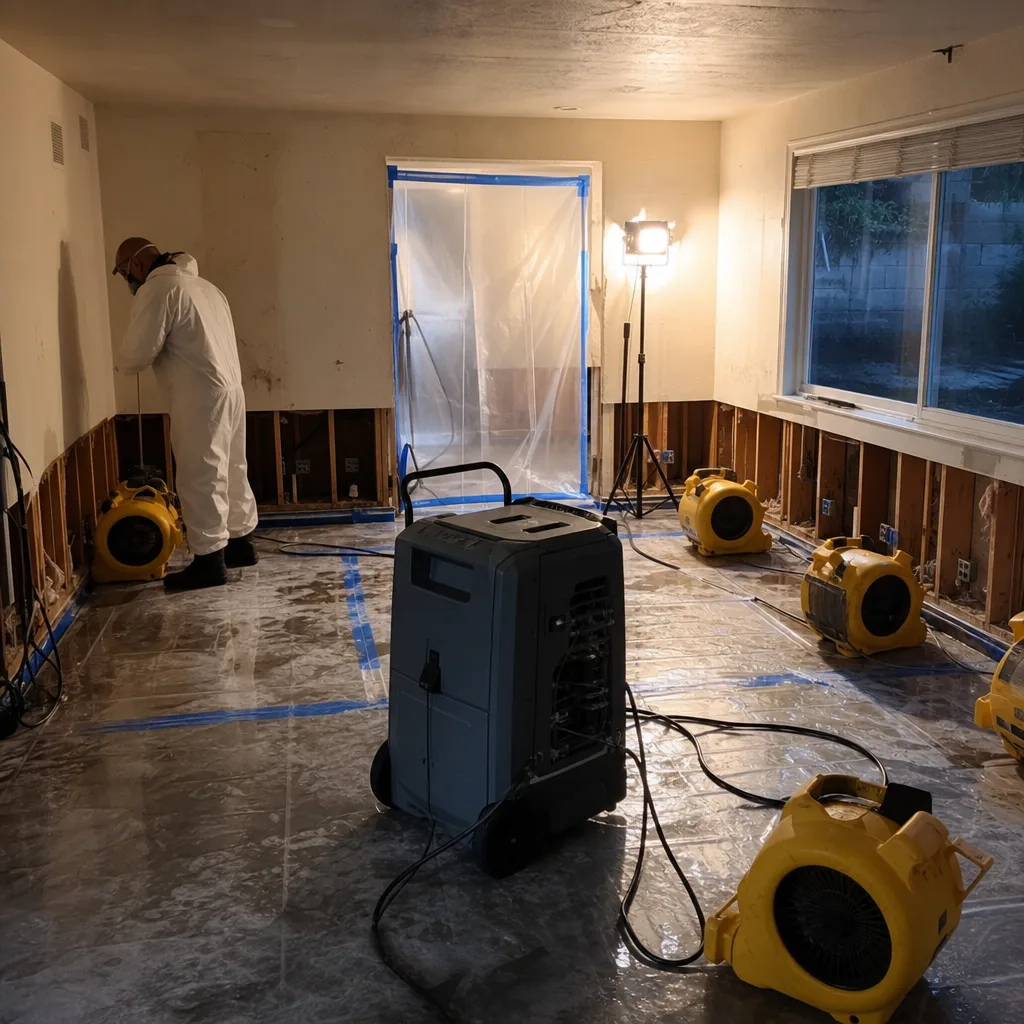
We deploy Phoenix 200 HT dehumidifiers, Dri-Eaz HEPA 2000 air scrubbers, and axial air movers positioned to create laminar airflow across wet surfaces. For dense structural materials, we add Injectidry systems that force dry air into wall cavities and ceiling plenums. Daily moisture logs track progress to IICRC and RIA standards.
4. Cleaning & Sanitization
Category 2 and 3 losses receive antimicrobial treatment to EPA-registered standards. In Fallbrook, we frequently encounter smoke-ash residue mixed with water damage from Santa Ana wind events; HEPA vacuuming and specialized soot sponges precede any wet cleaning to prevent smearing and odor lock-in.
5. Smoke-Ash & Cross-Contamination Treatment
Unique to Fallbrook’s High Fire Hazard Severity Zone, we inspect HVAC systems, attic insulation, and roof penetrations for ember-ash contamination before closing any water restoration. Air handlers and ductwork may need separate cleaning per IFA guidelines even when the visible water damage is limited to one room.
6. Repairs & Restoration
Our reconstruction crew matches original finishes - wood-beam stain, textured drywall, custom trim - and pulls final moisture readings before sign-off. Every job closes with a documented photo record, drying logs, and our written warranty.
Need Emergency Water Damage Restoration in Fallbrook Now?
Crews minutes away, answering live 24 hours a day. The sooner we start, the less it costs.
Working With Your Insurance Company
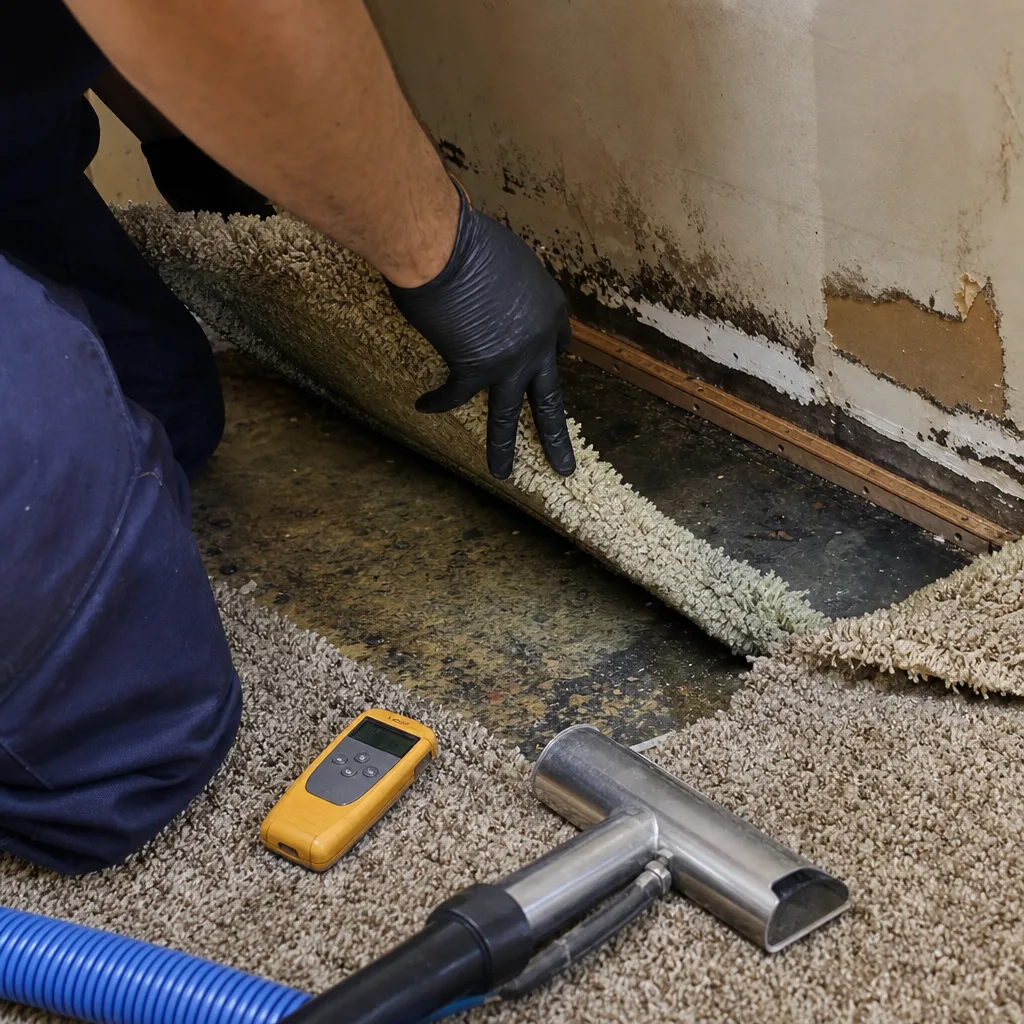
Insurance claims succeed or fail on documentation. We begin building your file from the moment we arrive - pre-loss photos, moisture readings at every visit, and daily drying logs that show the work was necessary and completed to standard. Our estimates follow Xactimate or Symbility formatting depending on your carrier, and we speak directly with adjusters rather than handing you paperwork to forward.
Fallbrook properties in the High Fire Hazard Severity Zone add complexity: some carriers require separate documentation for smoke-ash contamination versus water damage, even when both originate from the same event. We separate the scopes clearly so your claim is not underpaid or denied for mixed-peril confusion. Our Water Damage Restoration team has handled hundreds of these cross-peril losses in northern San Diego County.
What We Provide Your Insurer
- Thorough documentation of the loss
- Photos of all damage, room by room
- Moisture readings and drying logs
- A detailed, line-item scope of work
- Direct coordination with your carrier
Built for Fallbrook’s Loss Calendar
Fallbrook’s damage calendar runs on contradictions. From October through January, Santa Ana winds tear through the canyon corridors - Reche Canyon, De Luz Canyon, the draws off Sleeping Indian Road - driving ember intrusion into roof penetrations and HVAC intakes even when the active fire is miles away. Water damage calls during this season almost always require smoke-ash assessment before drying begins.
Then the atmospheric rivers arrive, typically December through March. The same terrain that channels dry wind becomes a flash-flood pathway. Properties in low creek bottoms and canyon floors see mud-laden water surge through doors and windows, while hillside homes suffer roof drain backups and saturated soil that pushes hydrostatic pressure through foundation slabs. We have responded to homes off Reche Road that suffered smoke damage in October and Category 3 flood damage by February.
Spring brings the secondary mold season. The prolonged dry spell from April through September means any moisture trapped in wall cavities during winter sits undisturbed, and mold colonization in Fallbrook’s older ranch homes often peaks in May - six to eight weeks after the last rain, when homeowners finally notice the smell.
Water Damage Restoration Across Fallbrook’s Neighborhoods
Fallbrook is not one housing market. It is a patchwork of distinct micro-areas, each with its own failure patterns.
The downtown village corridor along Main Avenue and Alvarado Street holds older commercial buildings and adjacent residential rentals with aging plumbing and flat-roof drainage that backs up in heavy rain. Water losses here are usually Category 1 or 2, contained to single units, but the tight lot lines mean shared walls complicate drying.
The De Luz and Reche Road canyon estates are custom hillside builds on irregular lots with multi-structure layouts - main house, guest casita, pump house, garage workshop. A single atmospheric river can flood the pump house with Category 3 water from a failed septic field while the main house stays dry, or push mud through a garage door while the living space above needs only minor drying. Our scopes address every structure on the property, not just the obvious damage.
The Mission Road and Alturas Road ranch tracts built from the 1950s through 1980s present the wood-shake roofing problem. Original shakes or aging composition shingles wick water into skip sheathing, and the ceiling drywall can read dry on a non-penetrating meter while rafters behind it hold 20% moisture content - mold territory in 48 hours. We always run penetrating probes in these homes.
The agricultural parcels and horse properties along the eastern and southern edges - many with avocado grove irrigation, well houses, and septic leach fields - see equipment failures that standard residential restoration companies do not handle. Irrigation control panels submerged in a pump house, well equipment damaged by flood debris, and septic backflow into outbuildings are routine parts of our Fallbrook work.
We were called to a custom hillside home off Reche Road after a January atmospheric river backed up a roof drain and pushed water through the ceiling drywall above the kitchen. Our tech ran moisture mapping in the attic, flagged saturated blown insulation as Category 2, set containment to isolate the kitchen, and placed Phoenix dehumidifiers and air movers tied to a Dri-Eaz moisture meter network to dry the joists. We documented pre-loss condition with drying logs, matched the original wood-beam stain on the repaired ceiling, and pulled final moisture readings before closing the job.
Specialized Water Damage Restoration Services We Offer in Fallbrook
Emergency Water Extraction
Standing water does not wait. Our truck-mounted extractors remove thousands of gallons per hour from flooded Fallbrook homes, with portable units for hillside properties where truck access is limited. We extract carpet, pad, and hard surfaces, then immediately begin moisture mapping to find what the water reached.
Structural Drying & Dehumidification
Fallbrook’s custom homes with thick plaster, dense hardwood, and structural insulated panels require extended drying protocols. We deploy Phoenix and Dri-Eaz equipment in calculated ratios based on cubic footage and material permeability, with daily psychrometric readings to prove progress. Tertiary drying for dense materials can run 10-14 days rather than the standard 3-5.
Flood Cleanup
Winter atmospheric rivers turn Fallbrook’s canyon floors into flash-flood zones. Flood cleanup here means mud and silt removal, Category 3 water protocols, and often septic contamination. We handle the full scope - extraction, demolition of unsalvageable materials, antimicrobial treatment, and documentation for FEMA or private flood policies where applicable.
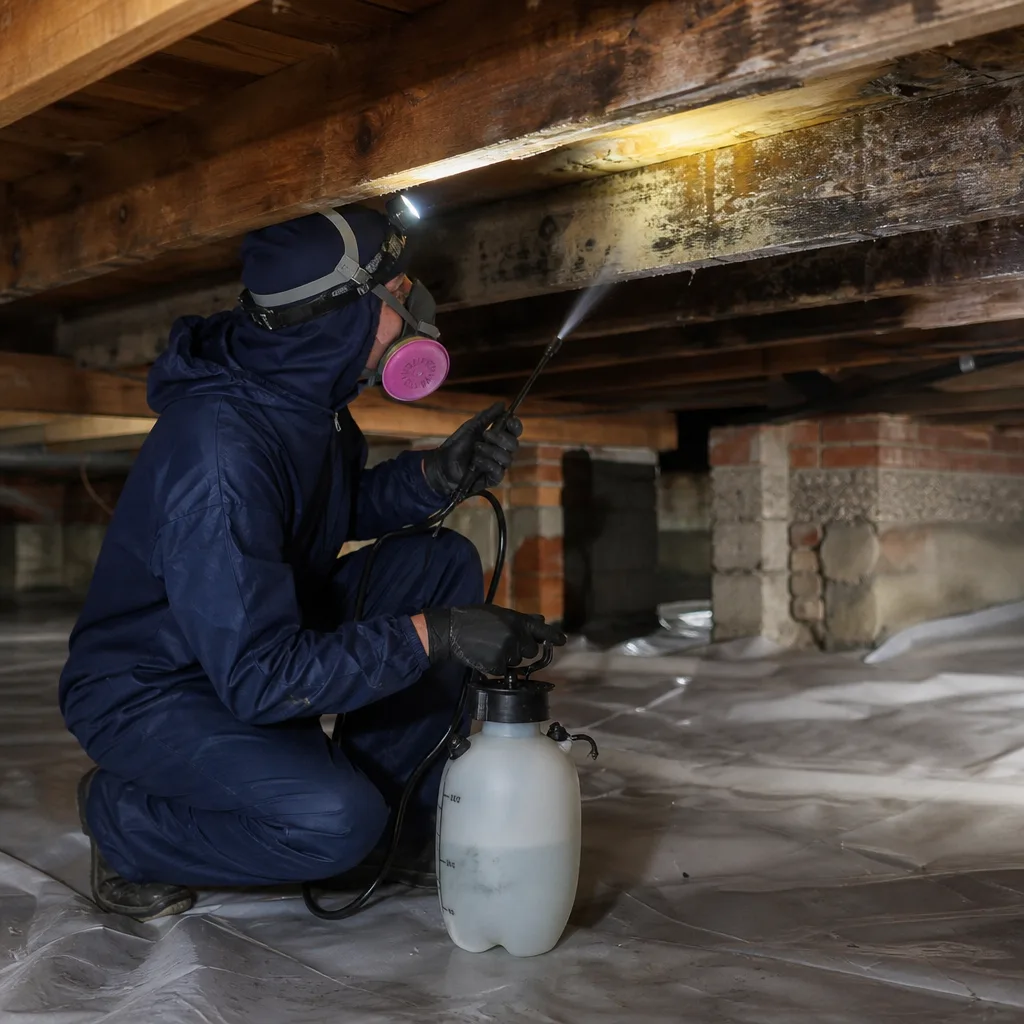
Burst Pipe Restoration
Older ranch homes along Mission Road and Alturas Road still run original galvanized or early copper supply lines that fail without warning. We extract, dry, and reconstruct - and we document the line-of-sight damage versus long-term leakage that carriers sometimes dispute.
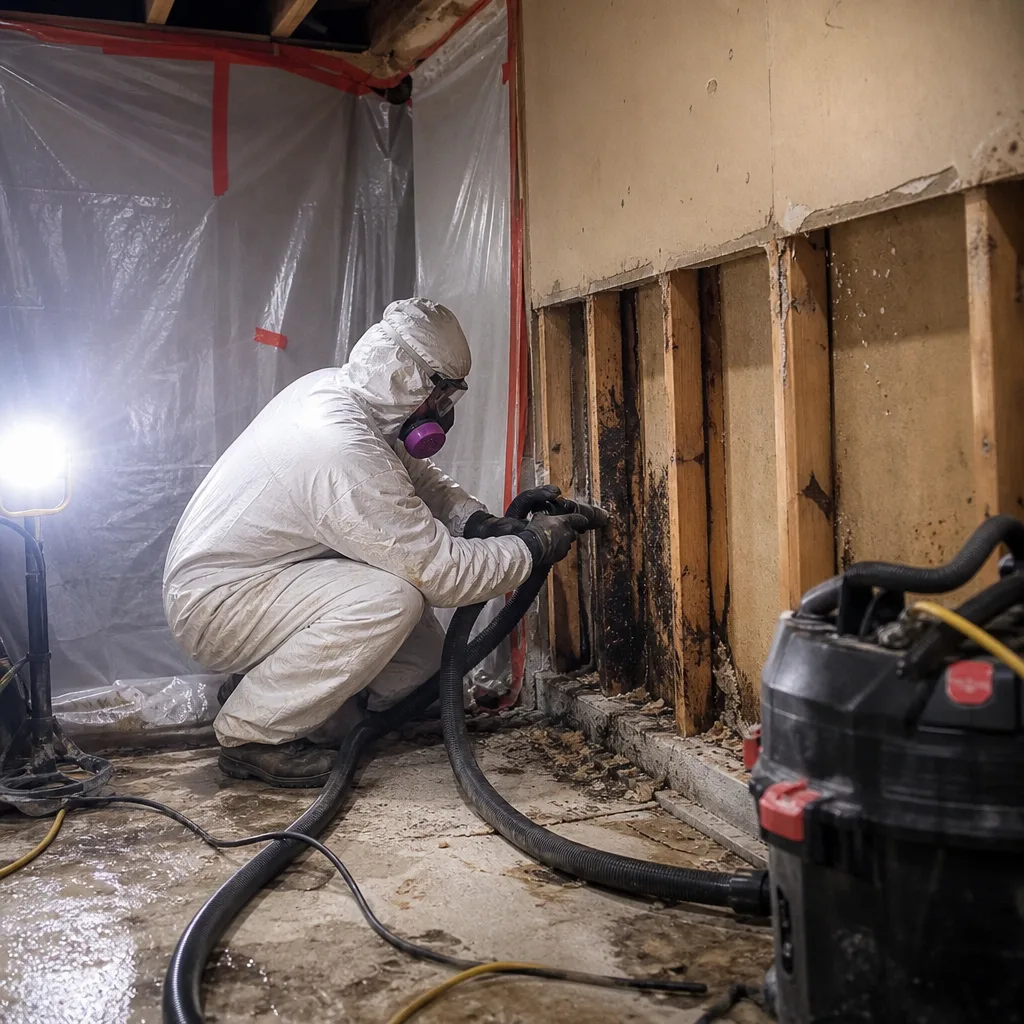
Basement Water Removal
True basements are rare in Fallbrook, but hillside homes often have daylight basements or below-grade wine cellars and mechanical rooms that flood from hydrostatic pressure or failed sump pumps. We install temporary pumping, extract standing water, and dry these spaces with low-grain refrigerant dehumidifiers sized for below-grade humidity loads.
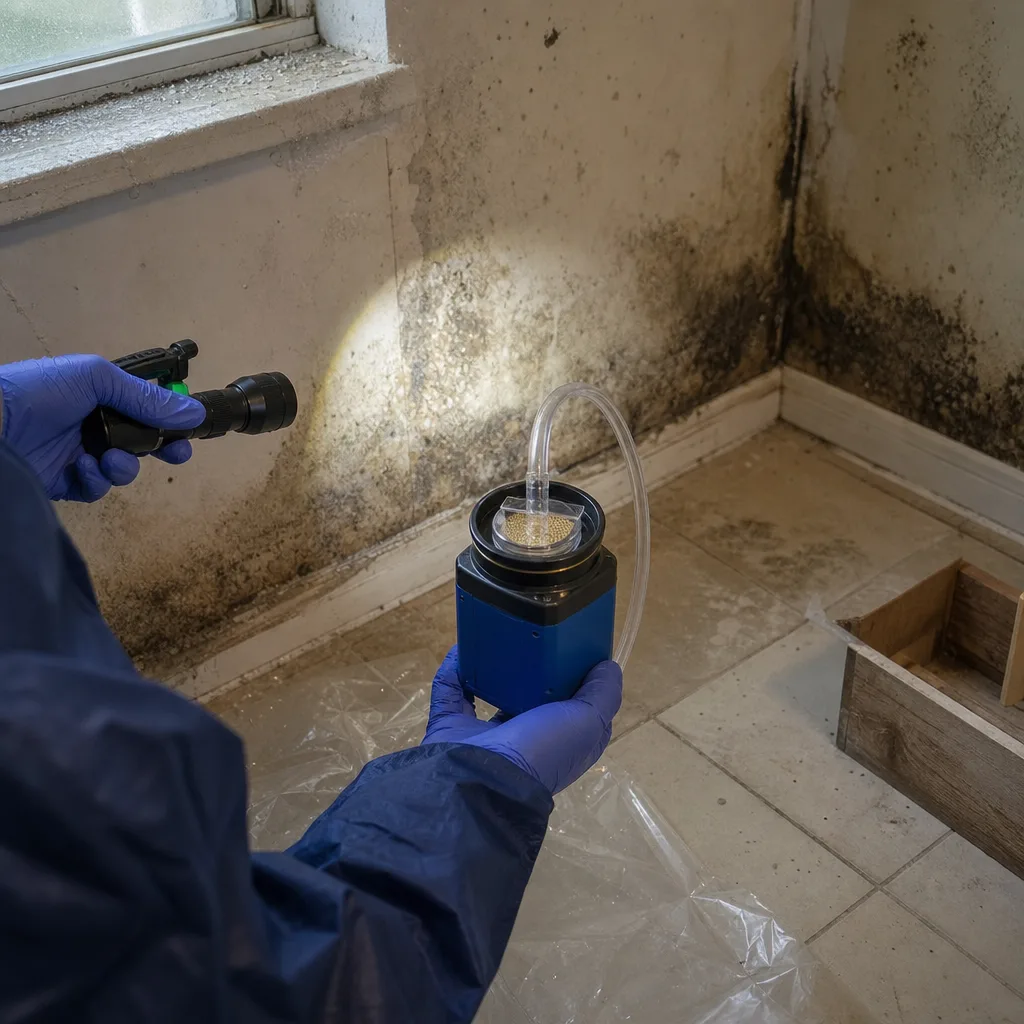
Ceiling & Roof Leak Water Damage
This is Fallbrook’s most common call. Santa Ana winds damage roofing; atmospheric rivers exploit the breach. We inspect the roof deck, attic insulation, and ceiling cavity with thermal imaging, then dry or replace materials based on moisture readings and contamination level. Critical in Fallbrook: we also check for smoke-ash residue in the attic from prior wind events, because wet ash becomes acidic and corrodes metal fasteners and HVAC components.
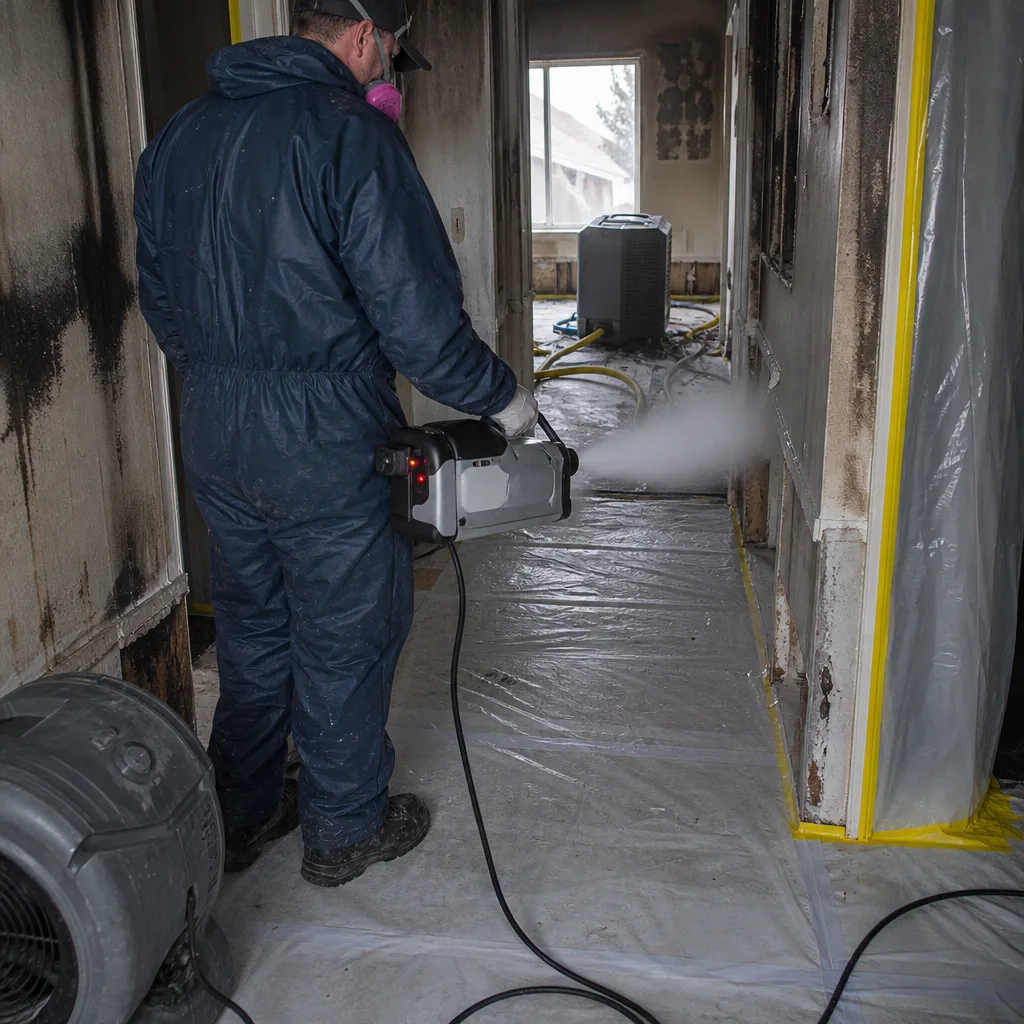
What happens when you call
- 1
A real person answersNo phone trees - you reach a local pro.
- 2
You get an upfront price rangeHonest numbers before anyone is dispatched.
- 3
A background-checked tech heads outLicensed & insured, dispatched right away.
- 4
You approve before work beginsNothing starts until you say go.
Water Damage Restoration Costs in Fallbrook, CA
Here is what water damage restoration actually costs in Fallbrook’s market, based on the jobs we have scoped and completed.
| Service | Typical Range in Fallbrook |
|---|---|
| Emergency water extraction (first visit) | $1,200 - $2,800 |
| Standard residential dry-out (Category 1, 1,000-2,500 sq ft) | $2,800 - $5,500 |
| Category 2 or 3 loss with antimicrobial treatment | $4,500 - $8,200 |
| Custom hillside home, extended structural drying | $6,500 - $12,000 |
| Ceiling and roof leak repair with attic insulation replacement | $3,200 - $7,800 |
| Full reconstruction (drywall, flooring, paint, trim match) | $8,000 - $22,000+ |
What moves the price: square footage affected, category of water, density of materials requiring tertiary drying, and whether smoke-ash contamination adds HVAC cleaning to the scope. Insurance typically covers sudden and accidental water damage; gradual leaks and maintenance issues are usually excluded. We provide a written scope with line-item pricing before any work begins, and we offer a free second opinion on any competitor’s written estimate.
We Also Serve Cities Near Fallbrook
Our crews respond throughout northern San Diego County from the same dispatch base that serves Fallbrook. We also handle water damage restoration in Vista, Oceanside, Valley Center, and Carlsbad - each with its own local conditions and building stock, but the same documentation standards and written-price guarantee on every job.
Serving Fallbrook, CA - Our Local Coverage Area
We’re based in the Fallbrook area and know this community well. Use the map below to see our service coverage - if you’re nearby, we can almost certainly help.
Fallbrook Water Damage Restoration Questions, Answered
How fast can you get to my Fallbrook property?
We commit to a 45-minute response time for active emergencies in Fallbrook, with crews dispatched from our San Diego metro office. Call (760) 546-9565 - a live person answers 24/7, no voicemail.
Will my insurance cover water damage restoration in Fallbrook?
Sudden and accidental water damage from burst pipes, appliance failures, or storm intrusion is typically covered under standard homeowners policies in California. Gradual leaks, maintenance neglect, and flood damage from rising surface water usually require separate flood coverage. We document everything from hour one and coordinate directly with your adjuster to keep the claim on track.
Do I need full restoration or just water extraction?
Extraction alone is rarely enough. Water migrates to wall cavities, insulation, and subflooring where it causes mold in 24-48 hours. Our moisture mapping determines the full extent; we only recommend demolition and reconstruction where materials are unsalvageable or contaminated. You receive a written scope before any work begins.
How does Fallbrook’s High Fire Hazard Severity Zone affect water damage restoration on a roof leak?
The same Santa Ana winds that drive wildfire embers through Fallbrook’s canyon corridors deposit smoke-ash residue in attics and HVAC systems year-round. When a roof leak follows, that ash mixes with water to create acidic, corrosive contamination. We inspect and document smoke-ash presence before drying begins, because standard water restoration misses this crossover damage and leaves homeowners with corroded fasteners and persistent odor. Call (760) 546-9565 for an inspection that addresses both perils.
Why do Fallbrook properties on wells and septic systems see Category 3 water damage more often than tract homes in Temecula?
Fallbrook’s rural properties lose power during Santa Ana wind events, killing sump pumps and septic lift stations. Without municipal sewer backup, failed septic fields and well-house flooding produce grossly contaminated Category 3 water that backs up into pump houses, grove outbuildings, and occasionally the main residence. Tract homes in Temecula with municipal sewer rarely face this failure mode. We carry Category 3 protocols and equipment sized for multi-structure agricultural properties.
Can you dry out a Fallbrook ranch home with original wood-shake roofing without removing the roof?
Often, yes - but only with penetrating moisture probes in the skip sheathing and rafters, because wood-shake roofing wicks water vertically past the ceiling plane. Non-penetrating meters read the drywall surface and miss the structural moisture that breeds mold. We use Injectidry systems to force dry air into the cavity while monitoring with penetrating probes. If the shakes are actively leaking or the sheathing is degraded, we document the roofing condition and coordinate with your roofer. Call (760) 546-9565 for a moisture map that shows what is actually wet.
What is the first thing we should do when a winter atmospheric river floods a Fallbrook canyon property?
Ensure personal safety first - flash floods in Fallbrook’s canyons can surge without warning and may compromise electrical systems. If safe, shut off power at the main breaker and stop the water source if identifiable. Then call (760) 546-9565 immediately. Do not enter flooded outbuildings or pump houses where septic contamination or electrical hazards may be present. Our crews carry personal protective equipment and gas meters for exactly these conditions.
How do smoke damage and water damage overlap on Fallbrook restoration jobs?
They overlap constantly. Santa Ana winds deposit smoke-ash in attics and HVAC systems; subsequent roof leaks or atmospheric river flooding reactivates that residue, driving acidic contaminants into wet drywall and insulation. A standard dry-out that ignores the smoke component leaves persistent odor, corroded metal, and failed clearance. Our Fallbrook protocol includes smoke-ash inspection on every ceiling and roof leak job, with separate documentation for insurance when both perils apply. Call (760) 546-9565 for an assessment that catches both.
How long does structural drying take in Fallbrook?
Standard residential dry-outs run 3-5 days. Fallbrook’s custom hillside homes with dense hardwood, plaster, or structural insulated panels often need 7-14 days of tertiary drying. We do not guess; we log daily moisture readings and show you the numbers that prove materials are dry to IICRC standards before reconstruction begins.
Can we stay in the house during water damage restoration?
For Category 1 losses limited to one or two rooms, usually yes with containment barriers and air scrubbers running. For Category 2 or 3 contamination, or when multiple rooms are affected, temporary relocation is safer and allows more aggressive drying. We tell you directly during the initial inspection, with no pressure either way.
What certifications do your Fallbrook technicians hold?
Our lead technicians carry IICRC WRT (Water Damage Restoration Technician), ASD (Applied Structural Drying), and AMRT (Applied Microbial Remediation Technician) credentials. All work is documented to IICRC, RIA, and IFA standards. We can produce certification documentation on request.
What should I do in the first 30 minutes after discovering water damage?
Shut off the water source if you can identify it safely. Move valuable items and electronics from the wet area. Take photos for your records. Then call (760) 546-9565. Do not use household vacuums on standing water, do not enter rooms with sagging ceilings, and do not disturb visible mold. Our crew will guide you through immediate steps while en route.
Call (760) 546-9565 now for emergency water damage restoration in Fallbrook. A live person answers every call, 24 hours a day. We arrive with equipment, document everything, and give you a written price before any work begins.
Written by Alicia Brennan, Owner at DryMark Restoration Oceanside, serving Fallbrook and northern San Diego County since 2011.
Water Damage Restoration in Nearby Areas