

Free visual inspection and a written scope of work before any mitigation begins - photos, moisture readings, and drying logs go in your claim file
The scope we write is the scope we bill. Anything new gets shown to you, in writing, before we touch it.
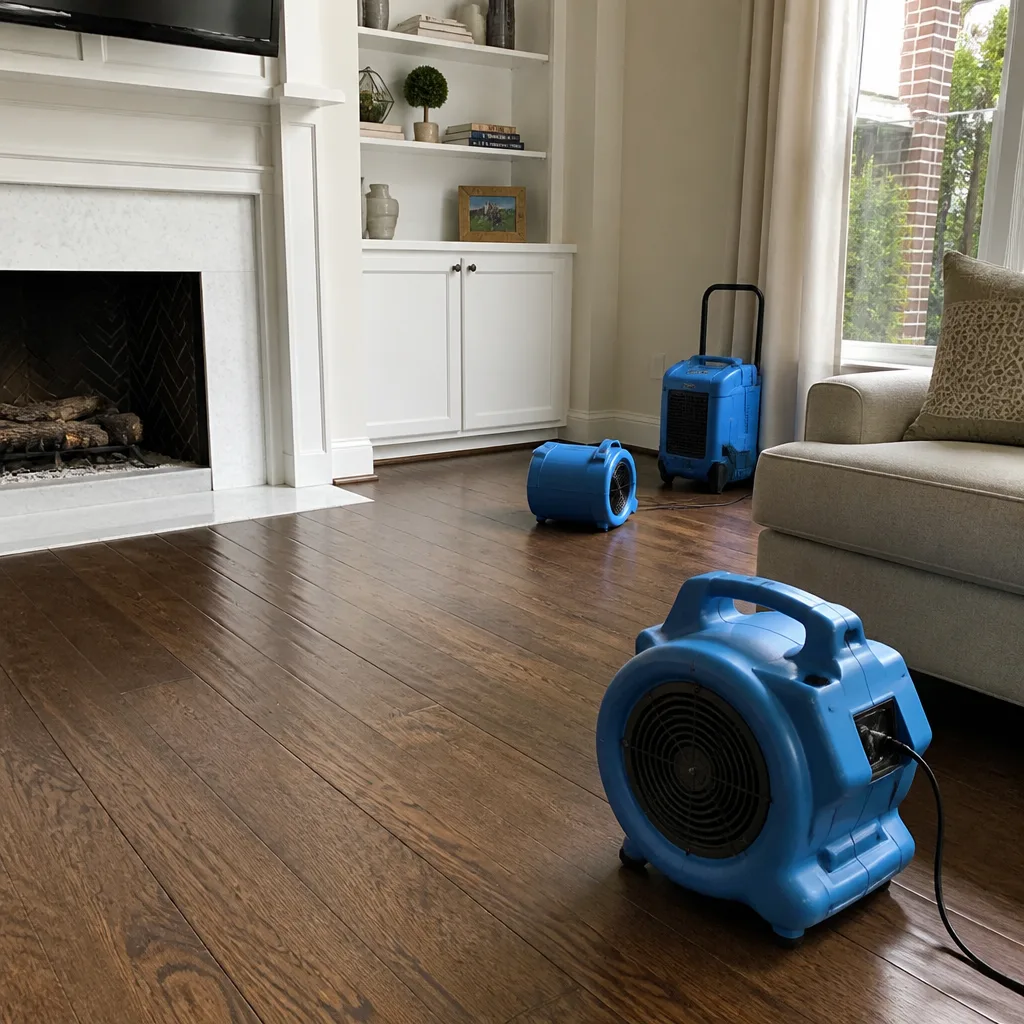

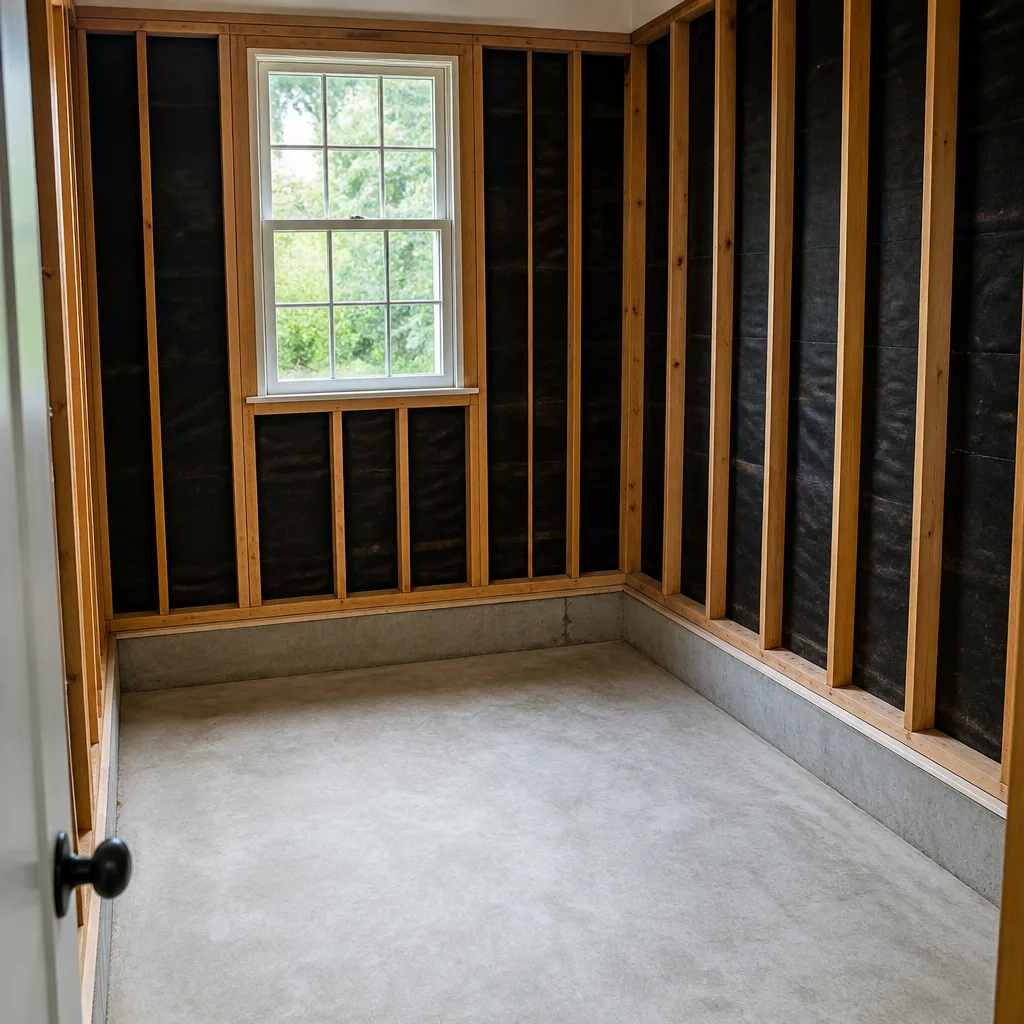
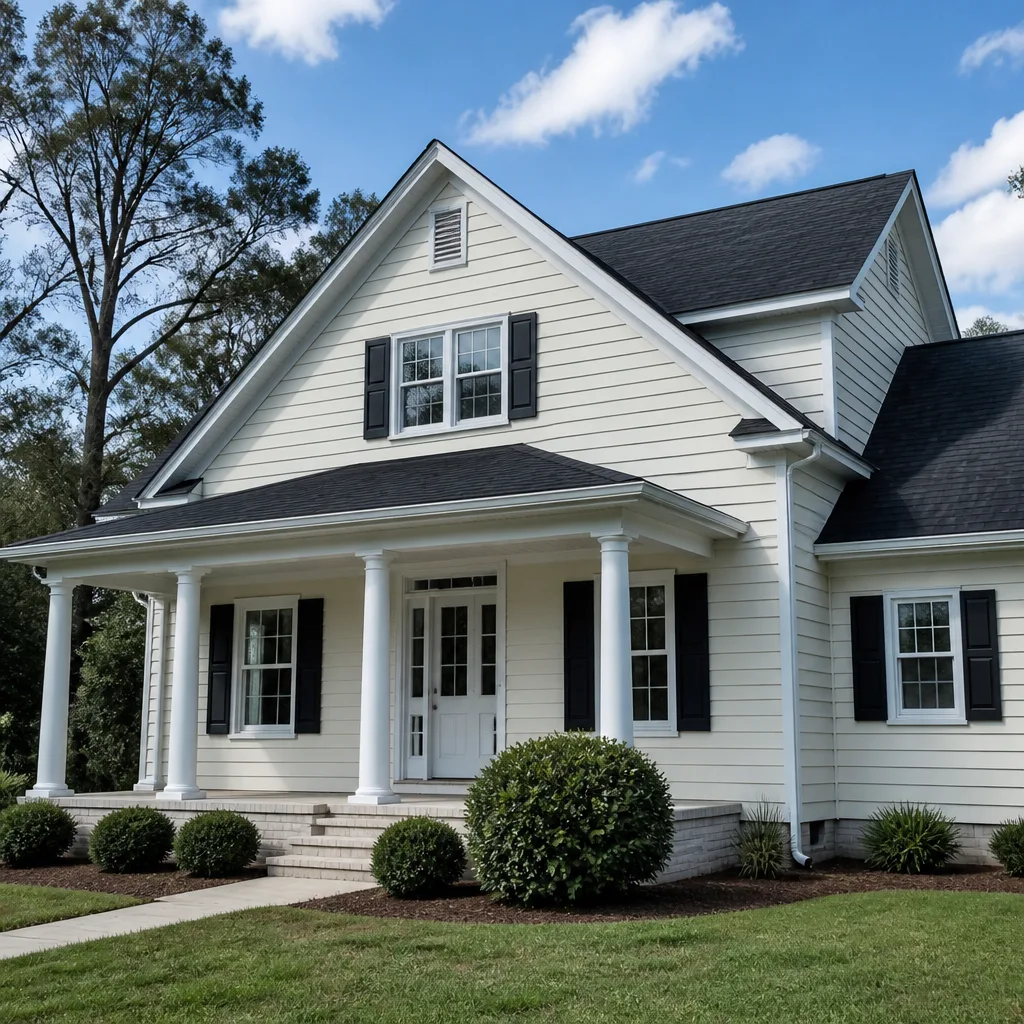
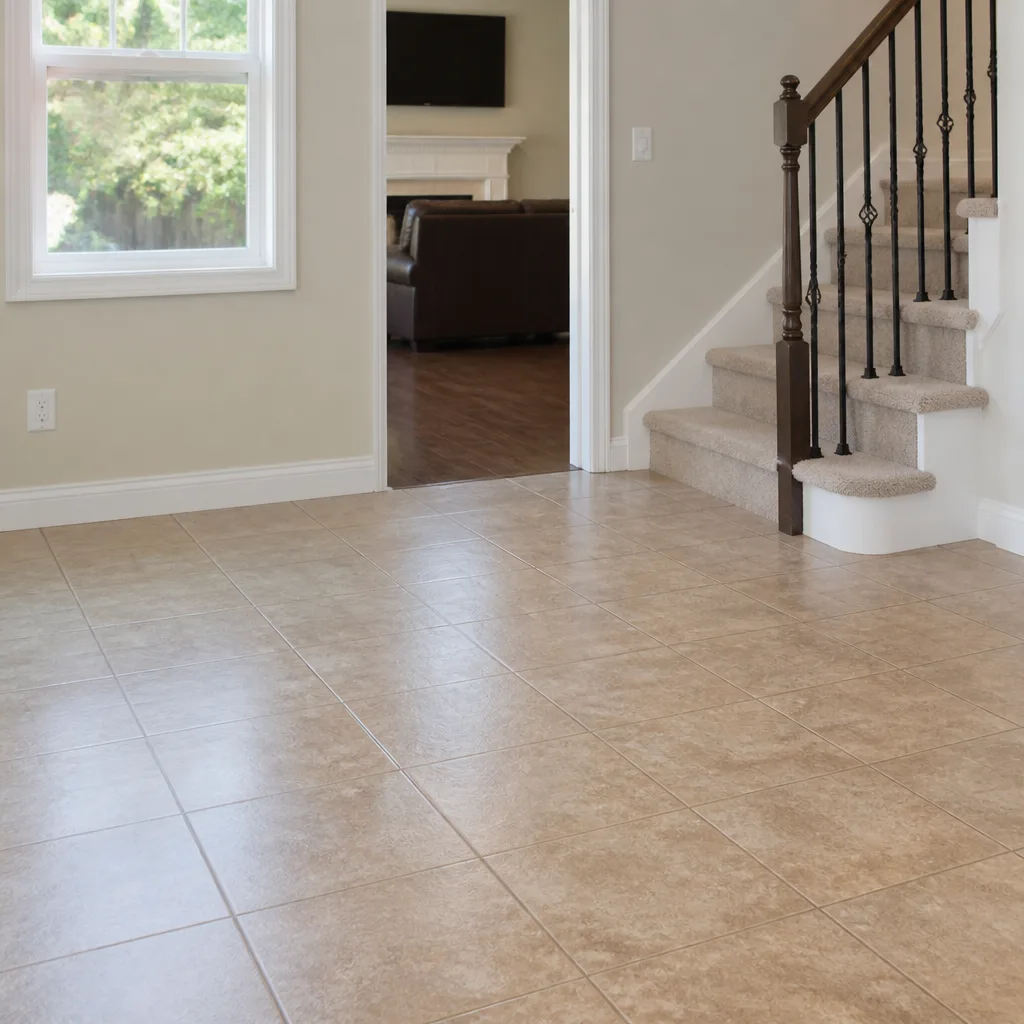
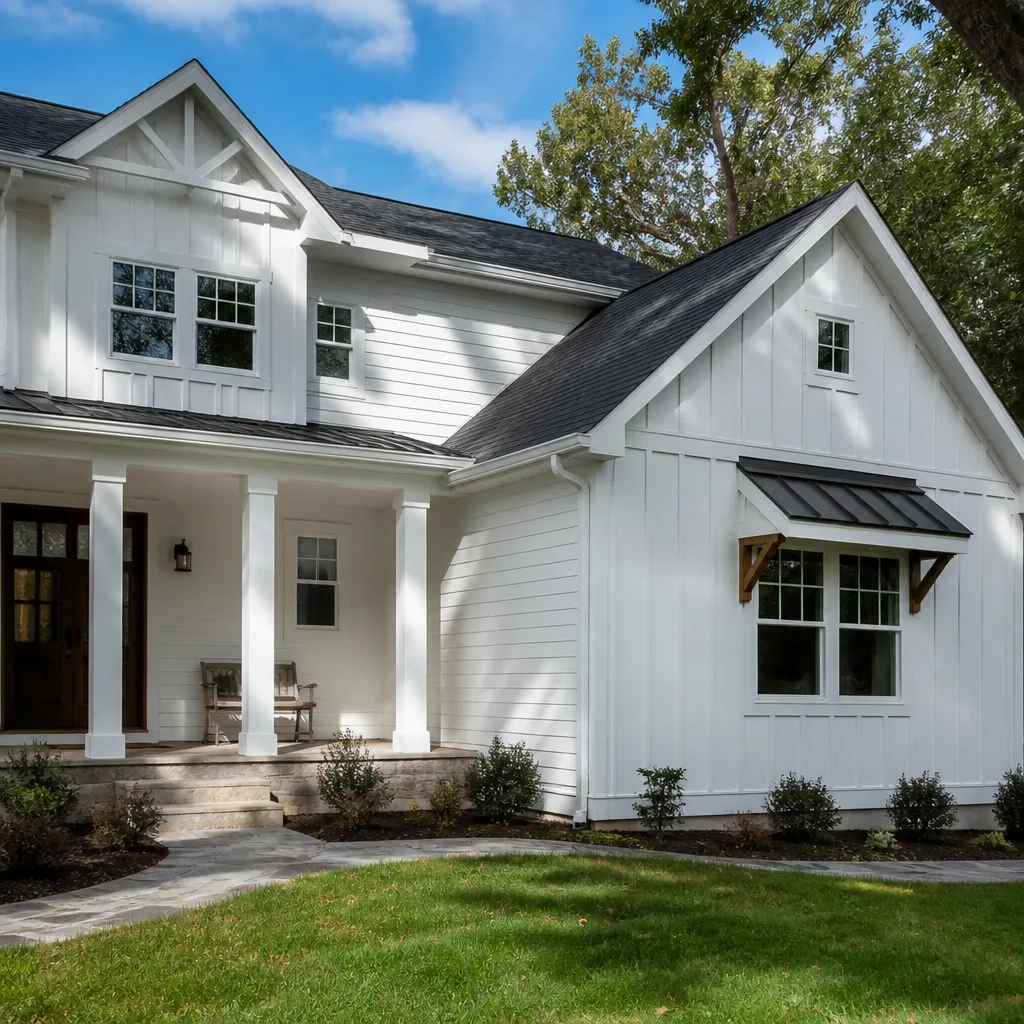
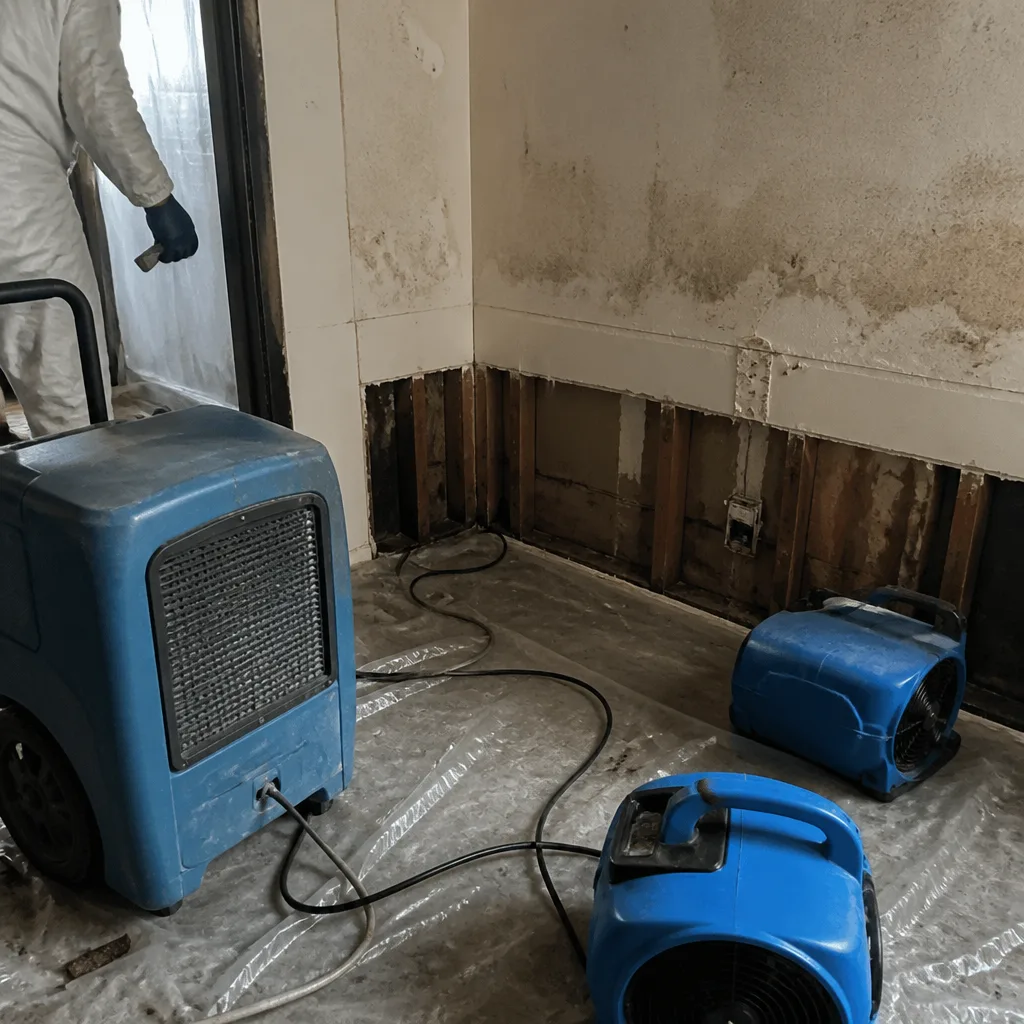 Before
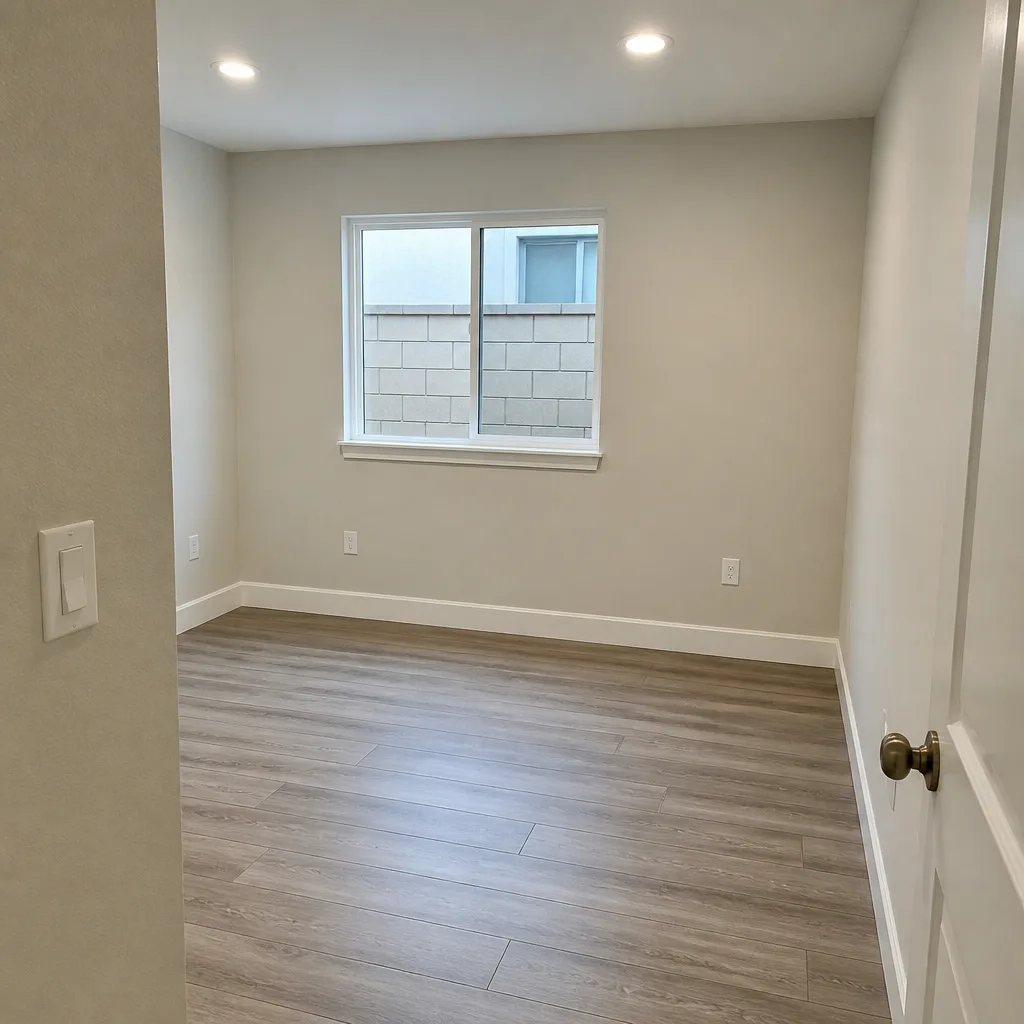 After
After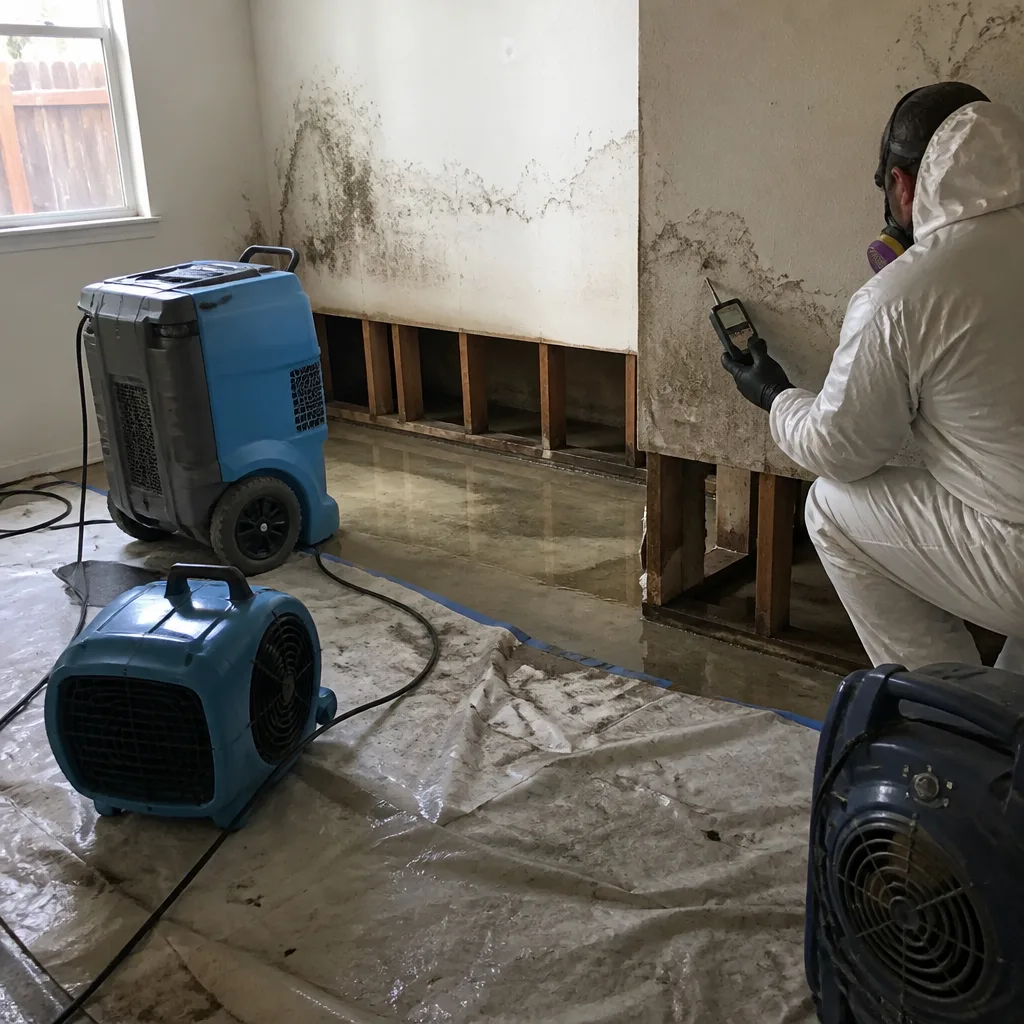 Before
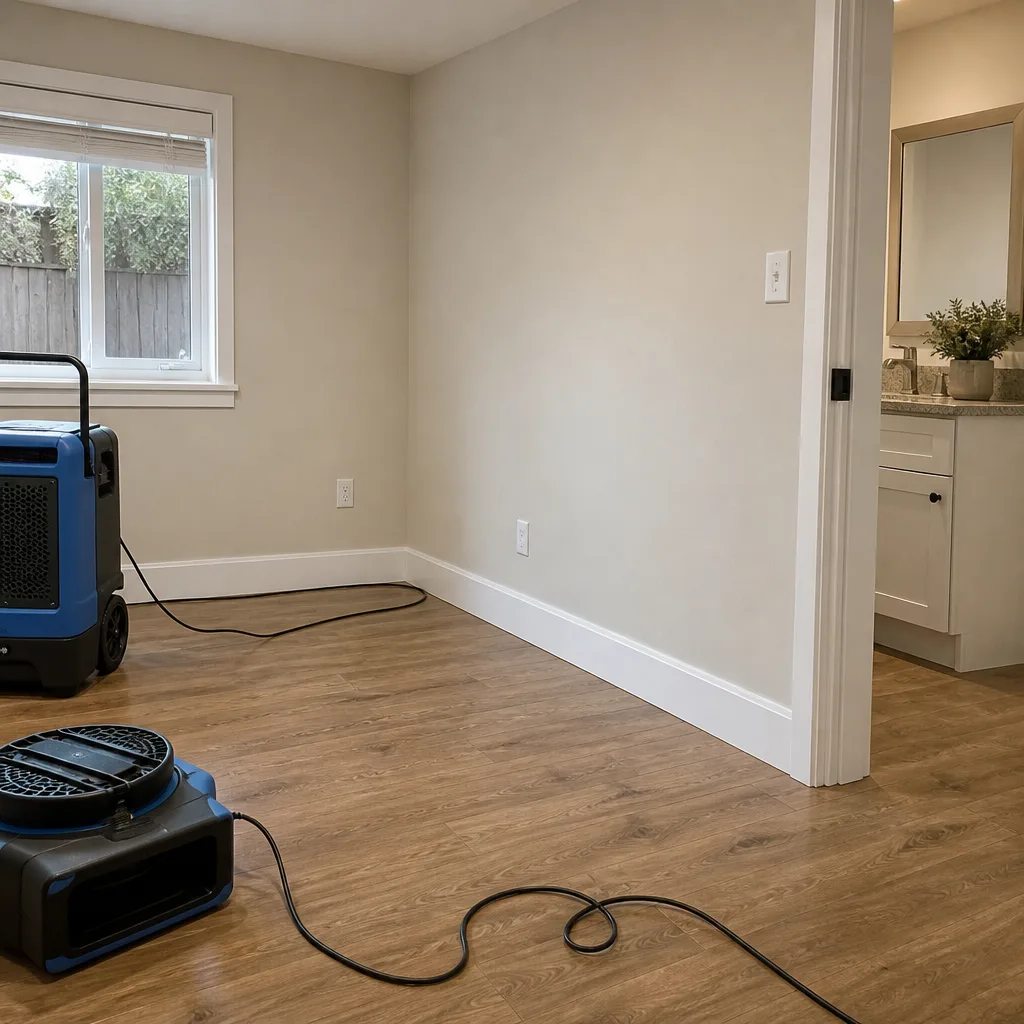 After
After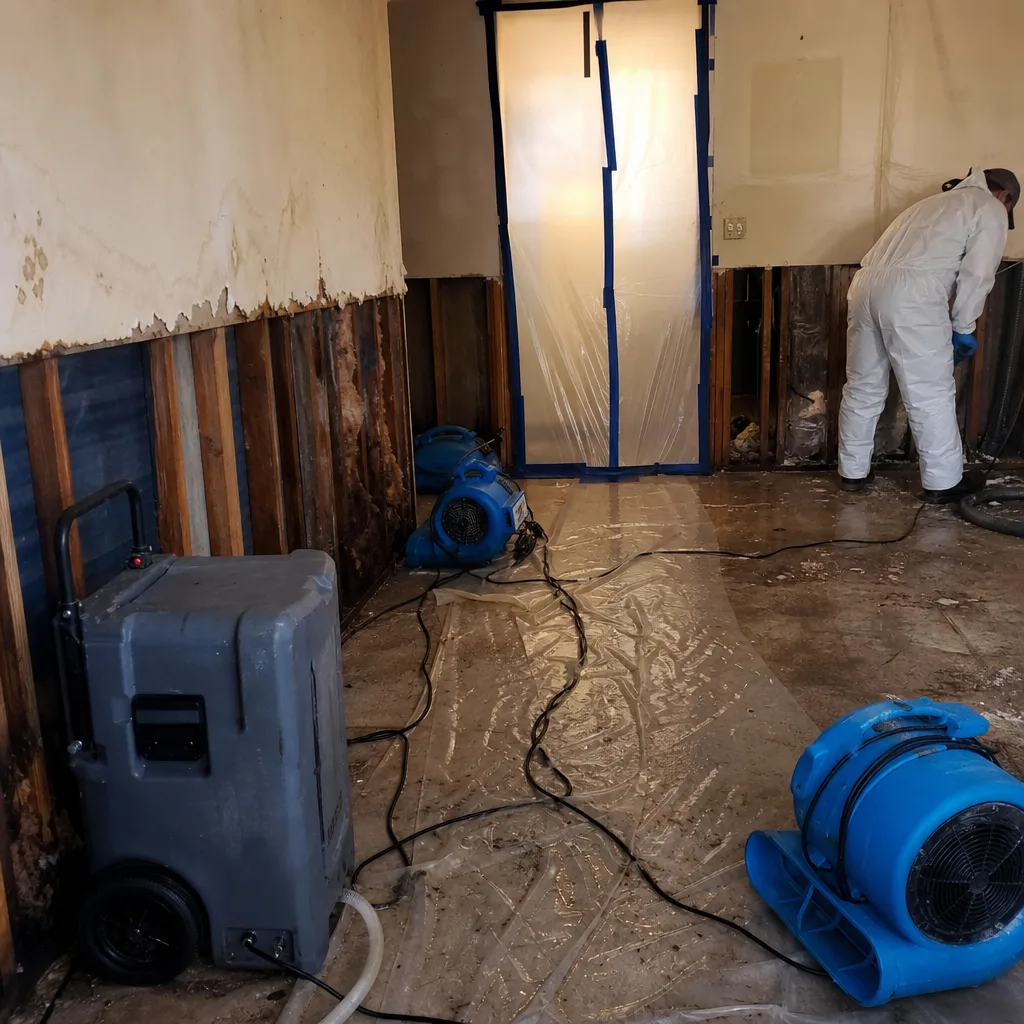 Before
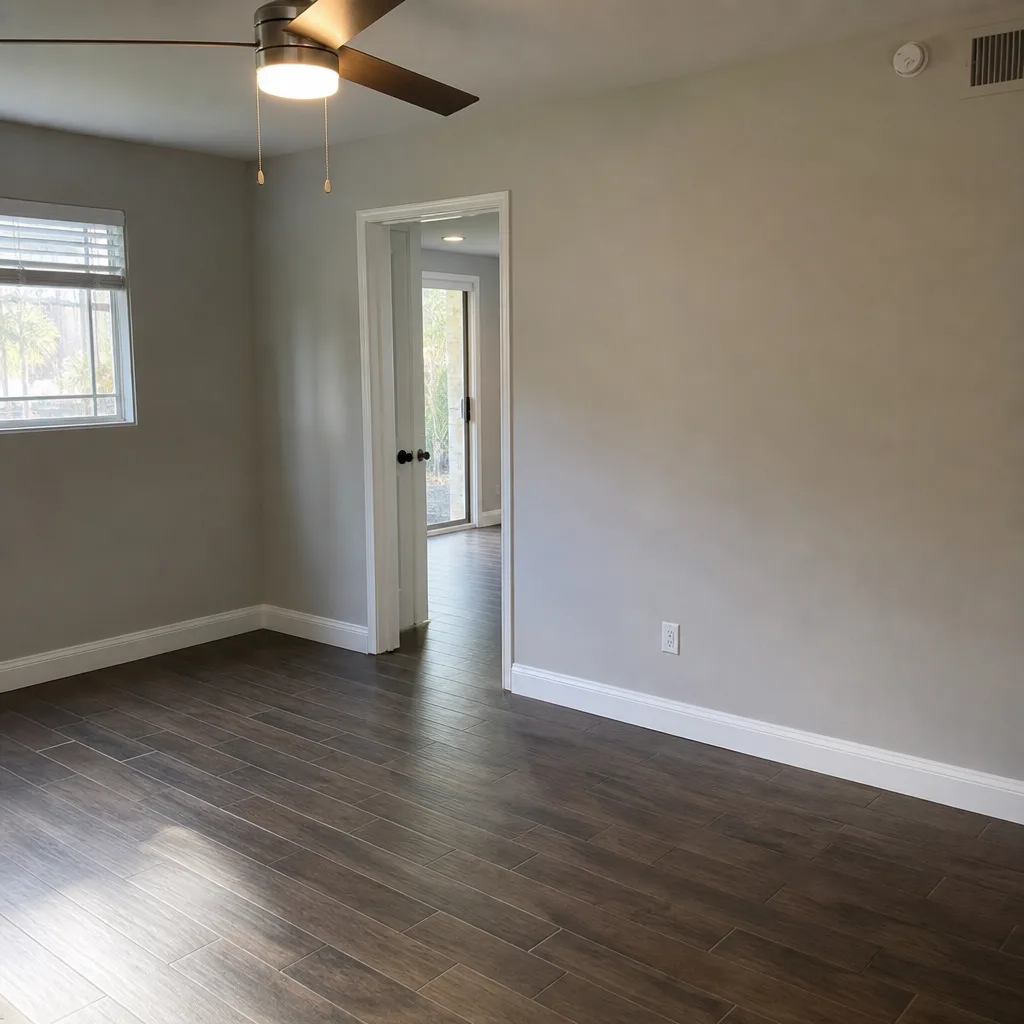 After
After24/7 Emergency Water Damage Restoration in Oceanside
Water damage restoration in Oceanside typically costs $2,800-$7,500 for a standard residential loss, with emergency extraction and stabilization usually completed same-day. Call (760) 546-9565 and a live person answers, 24 hours a day, 7 days a week - no voicemail, no callback queue. Our crews dispatch from the San Diego metro office and are routed into Oceanside neighborhoods within 45 minutes of your call.
The first hour determines whether a water loss becomes a $3,000 extraction job or a $15,000 tear-out and rebuild. In Oceanside’s 1950s-1970s slab-on-grade housing stock, water moves laterally under the foundation long before it shows on walls or flooring. By the time you see staining, moisture may have traveled eight to twelve feet from the source. We provide a free visual inspection on every call, document moisture readings with thermal imaging, and deliver a written price before any equipment is powered on - Haven Standard, Clause 1.
Understanding Water Damage Restoration Severity in Oceanside Properties
Water damage is classified by contamination level, not by how wet things look. Category 1 is clean supply-line water. Category 2 carries significant contamination - dishwasher discharge, washing machine overflow. Category 3 is grossly contaminated: sewage, seawater, or floodwater from the San Luis Rey River basin. In Oceanside, post-storm losses frequently arrive as Category 3 because the river’s floodplain cuts through the city’s core, delivering sediment-laden, pathogen-carrying water into low-lying neighborhoods like the lower river corridor downstream of Highway 76.
Moisture mapping with thermal imaging and penetrating hygrometers tells us where water has traveled, not just where it pooled. Psychrometric data - temperature, relative humidity, and vapor pressure differential - determines how many air movers and dehumidifiers we deploy and where. Tertiary drying, the final phase where bound moisture is pulled from dense materials like subfloors and wall studs, is where most DIY attempts and under-equipped contractors fail. In Oceanside’s older wood-frame stucco construction, the original building paper behind stucco has often degraded, allowing wicking into wall cavities that standard surface drying cannot reach.
Why Oceanside Property Owners Choose DryMark Restoration Oceanside
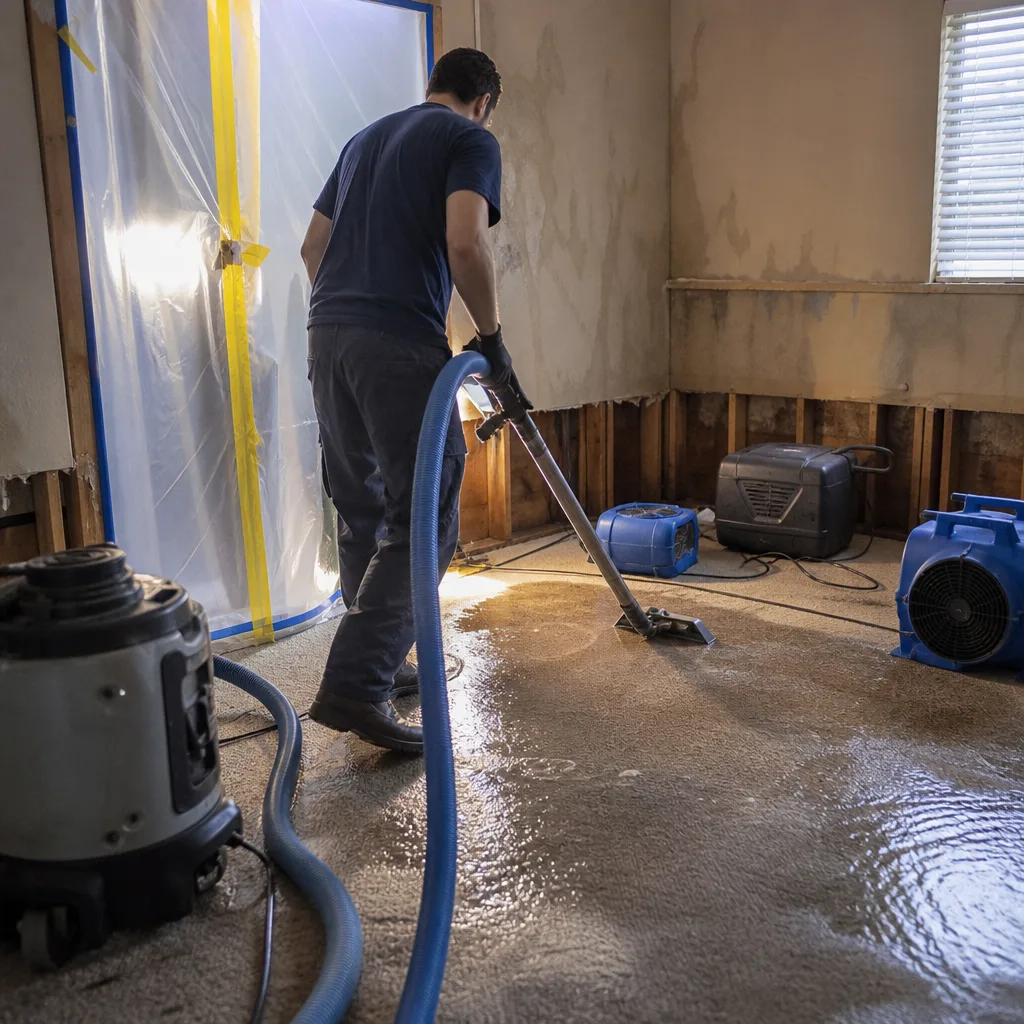
- 45-minute response commitment to Oceanside addresses - crews are pre-positioned for the metro area and routed immediately on dispatch.
- 24/7 live answer by a real person, never an automated system or voicemail tree; emergency lines are staffed every hour of every day.
- IICRC-certified crews holding WRT (Water Damage Restoration Technician) and ASD (Applied Structural Drying) credentials, with AMRT (Applied Microbial Remediation Technician) certification for mold-contaminated losses.
- Free visual inspection and moisture assessment on every call, documented with photos before any work is proposed.
- Direct insurance billing and adjuster coordination - we speak the language of claims documentation because our founder built this company as a former adjuster who saw what incomplete documentation costs homeowners.
- One team from extraction through reconstruction - no handoffs to unknown subcontractors, no gaps in your documentation chain.
BeforeAfterOur Water Damage Restoration Process
1. Inspection & Assessment
We arrive with thermal imaging cameras, penetrating and non-penetrating moisture meters, and hygrometers. Every affected room is mapped for moisture content in wood, drywall, and concrete. In Oceanside’s slab-on-grade neighborhoods like Crown Heights and Eastside, we scan the full slab perimeter because galvanized plumbing failures under the foundation rarely show surface water until moisture has wicked eight feet or more.
2. Extraction & Stabilization
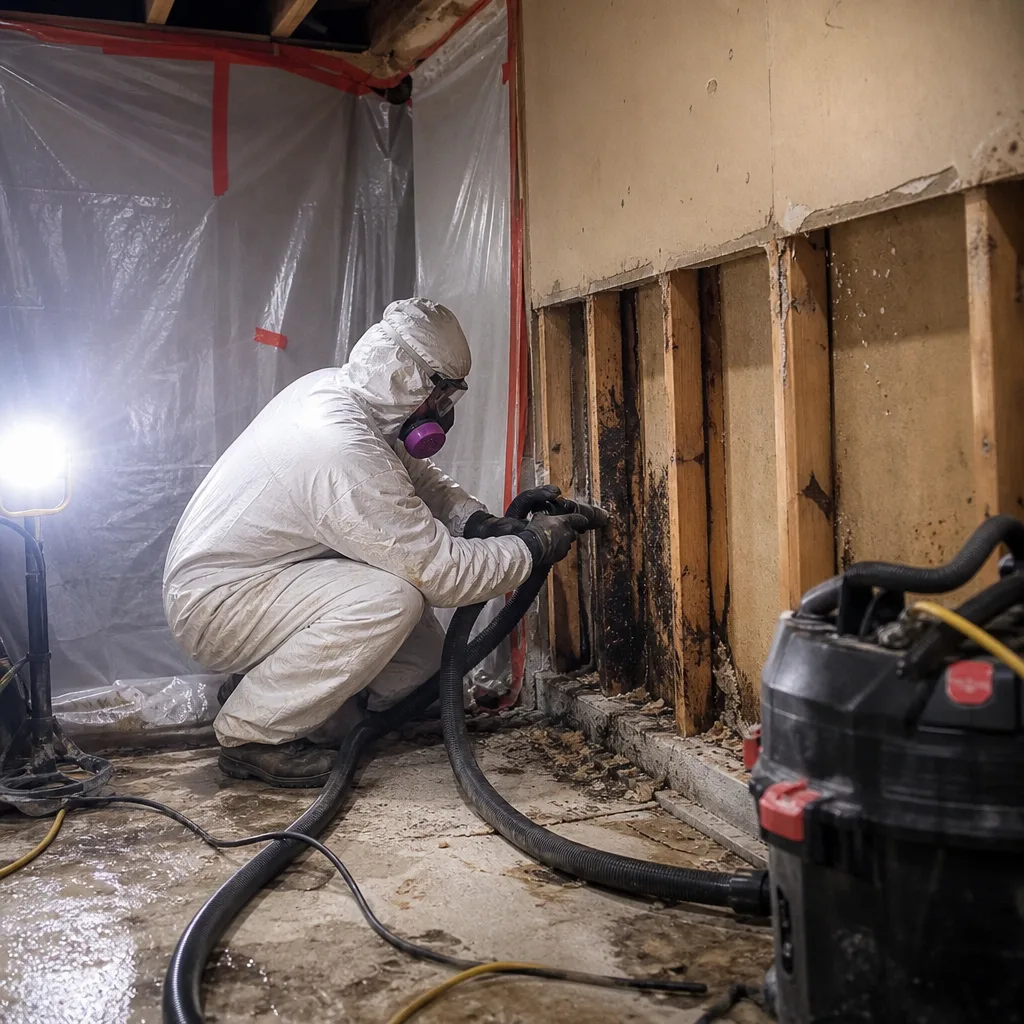
Standing water is removed with truck-mounted extraction systems and weighted water claws for carpet and pad. For Category 3 floodwater from San Luis Rey River events, we establish containment barriers immediately to prevent cross-contamination of unaffected areas. Contaminated porous materials - drywall, insulation, carpet pad - are removed, not dried in place.
3. Drying & Dehumidification
We deploy Dri-Eaz and Phoenix LGR dehumidifiers sized to the cubic footage and class of loss, with air movers positioned to create turbulent airflow across wet surfaces. Daily moisture logs track specific humidity, temperature, and material moisture content until readings return to established dry standards - the documentation that turns restoration invoices into payable insurance claims.
4. Cleaning & Sanitization
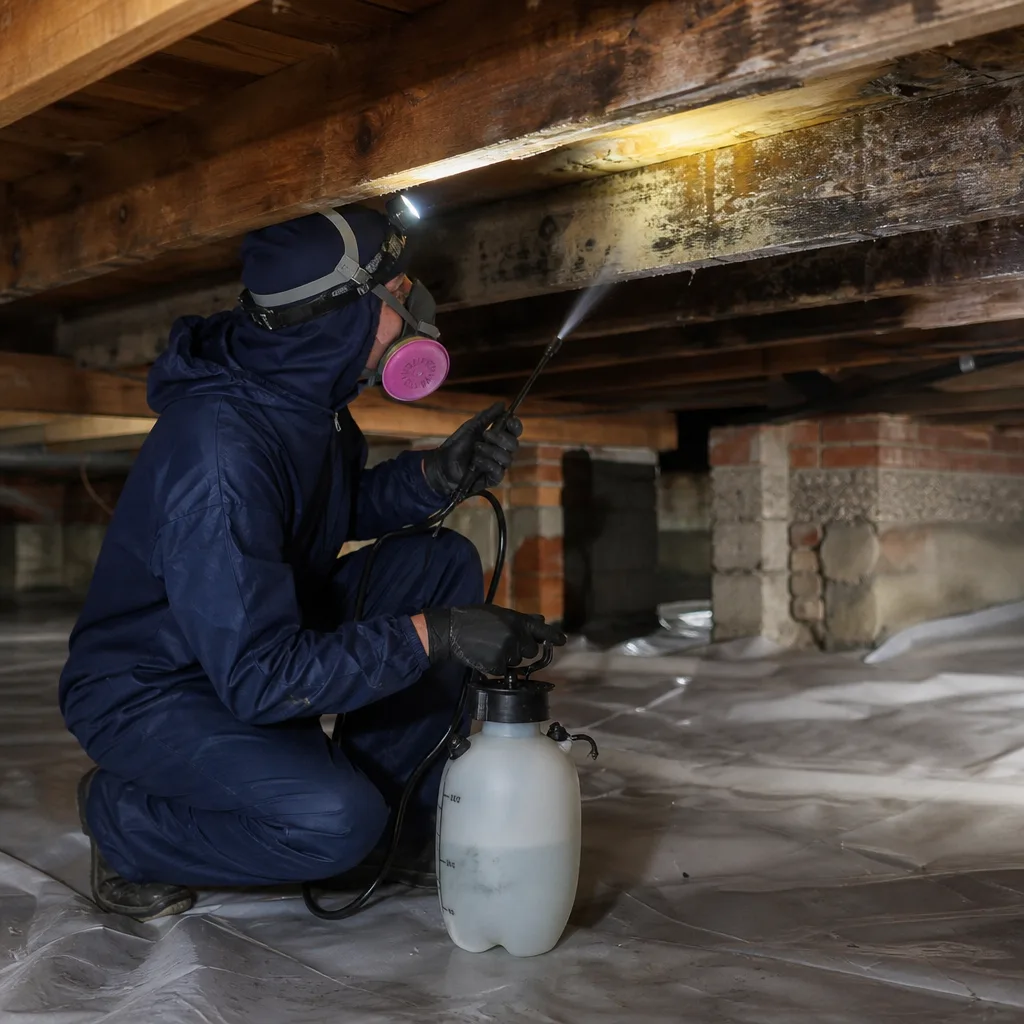
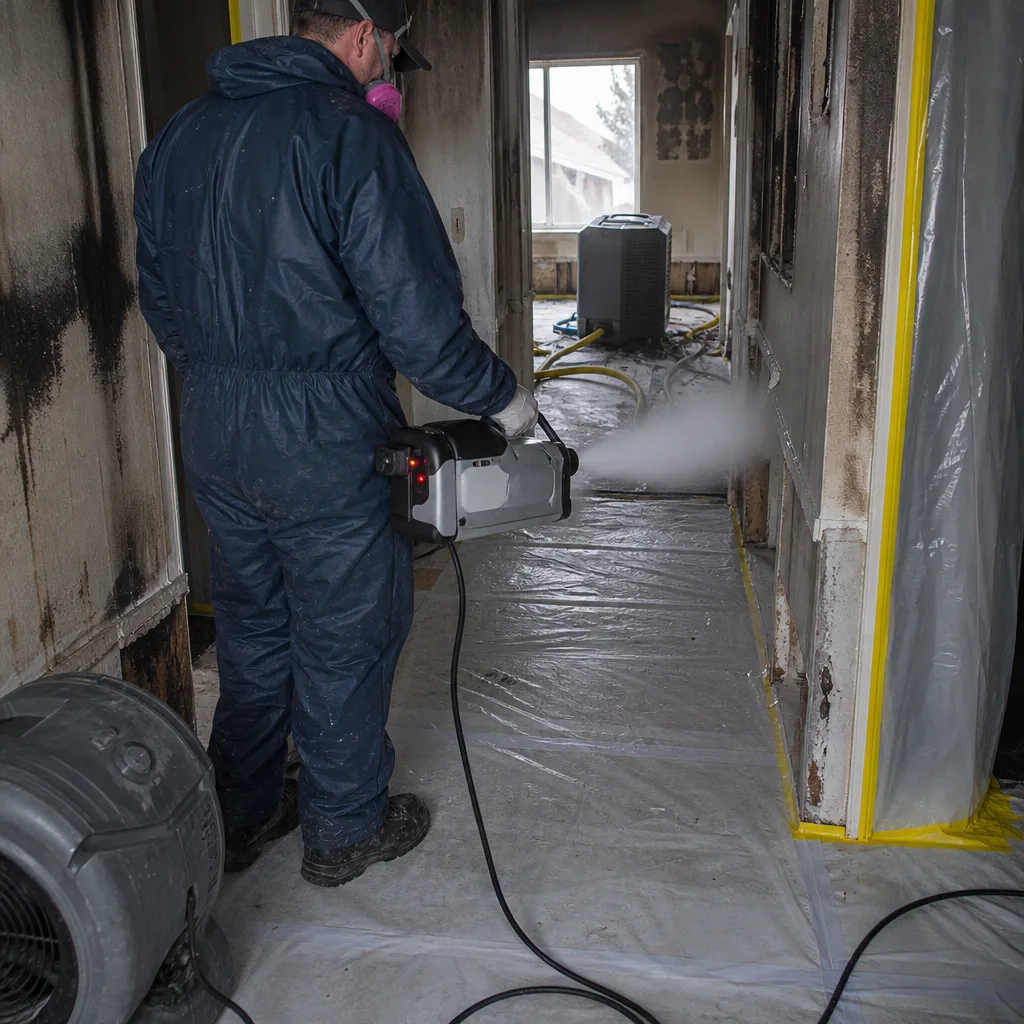
Antimicrobial treatment is applied to all affected cavities and structural members. For Category 2 and 3 losses, we use EPA-registered disinfectants followed by HEPA air scrubbing to capture airborne particulates. In Oceanside’s coastal cottages near the pier, we also treat for salt-air-driven moisture intrusion that has compromised building paper behind stucco.
5. Mold & Microbial Assessment
Where moisture has been present for more than 48 hours or where prior water damage was inadequately dried, we assess for hidden microbial growth. Our crew was called to a 1962 slab-on-grade stucco home off Douglas Drive in the Loma Alta neighborhood after a tenant reported a soft spot in the hallway - turned out to be a galvanized supply line that had been weeping under the slab for months. We ran moisture mapping across the entire slab, found elevated moisture readings radiating eight feet from the kitchen, and discovered hidden microbial growth behind drywall that had been patched after an earlier storm. We set containment, performed water extraction, laid out air movers and a Dri-Eaz dehumidifier for structural drying, and treated the affected cavities with antimicrobial treatment before documenting everything in our drying logs for the homeowner’s insurance claim.
6. Repairs & Restoration
Once dry standards are verified, we provide a written scope for reconstruction: drywall replacement, flooring, trim, and any structural repairs. The same crew that extracted and dried your property oversees the rebuild, so your documentation chain stays intact from first photo to final walkthrough.
Need Emergency Water Damage Restoration in Oceanside Now?
Crews minutes away, answering live 24 hours a day. The sooner we start, the less it costs.
Working With Your Insurance Company
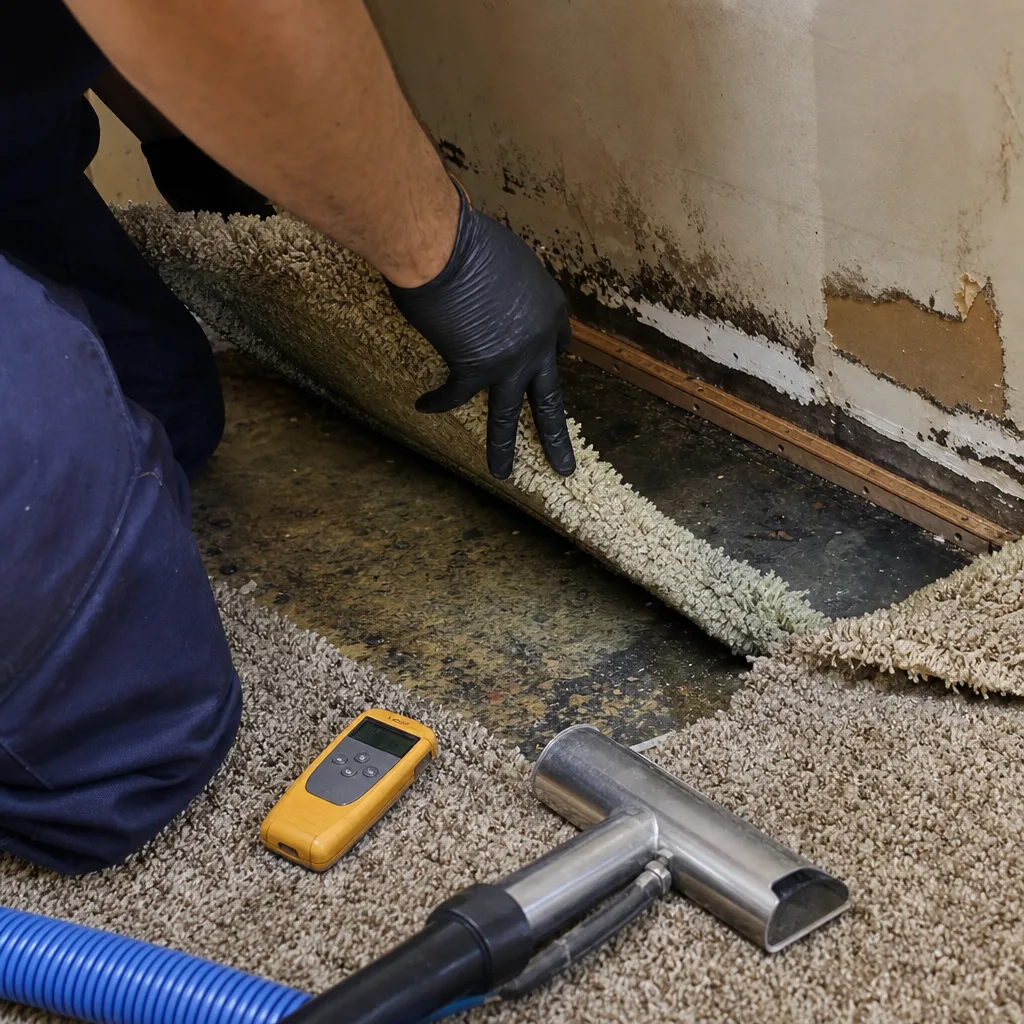
Insurance claims fail on documentation gaps. We close those gaps from the first hour. Every photo, moisture reading, and drying log is compiled into a line-item estimate formatted to industry standards that adjusters recognize and can process without back-and-forth. We coordinate directly with your carrier, provide scope clarification on request, and do not proceed with reconstruction until you have a written approval path or a clear understanding of your out-of-pocket exposure.
Our founder built Water Damage Restoration around the documentation gap that costs homeowners their claims. That means no surprise additions once work begins, no missing photos, no moisture logs that stop mid-drying. What we promise in writing is what your insurer sees.
What We Provide Your Insurer
- Thorough documentation of the loss
- Photos of all damage, room by room
- Moisture readings and drying logs
- A detailed, line-item scope of work
- Direct coordination with your carrier
Built for Oceanside’s Loss Calendar
January through March brings the heaviest rainfall, and the San Luis Rey River swells with runoff from the Palomar Mountain watershed. Properties in the FEMA flood zones downstream of Highway 76 - toward the river mouth at the harbor - face the highest Category 3 exposure. These are not clean water losses. Sediment, agricultural runoff, and urban contaminants classify the water as grossly contaminated, meaning drywall, insulation, and carpet pad must be removed and replaced, not dried in place.
April and May see the marine layer thicken and persist, keeping coastal humidity elevated well above inland San Diego County levels. Mold establishes in wall cavities and attic sheathing even without a discrete leak - a dynamic that catches Oceanside residents off guard because they assume the region’s reputation for dry weather applies uniformly. June through October brings dry heat inland, but coastal Oceanside retains humidity, and slab leaks from corroding galvanized plumbing peak as thermal expansion stresses aging joints. November and December rains trigger the cycle again, with the added complication that prior flood damage in river-adjacent homes, often patched but never properly dried, reactivates hidden microbial growth.
Water Damage Restoration Across Oceanside’s Neighborhoods
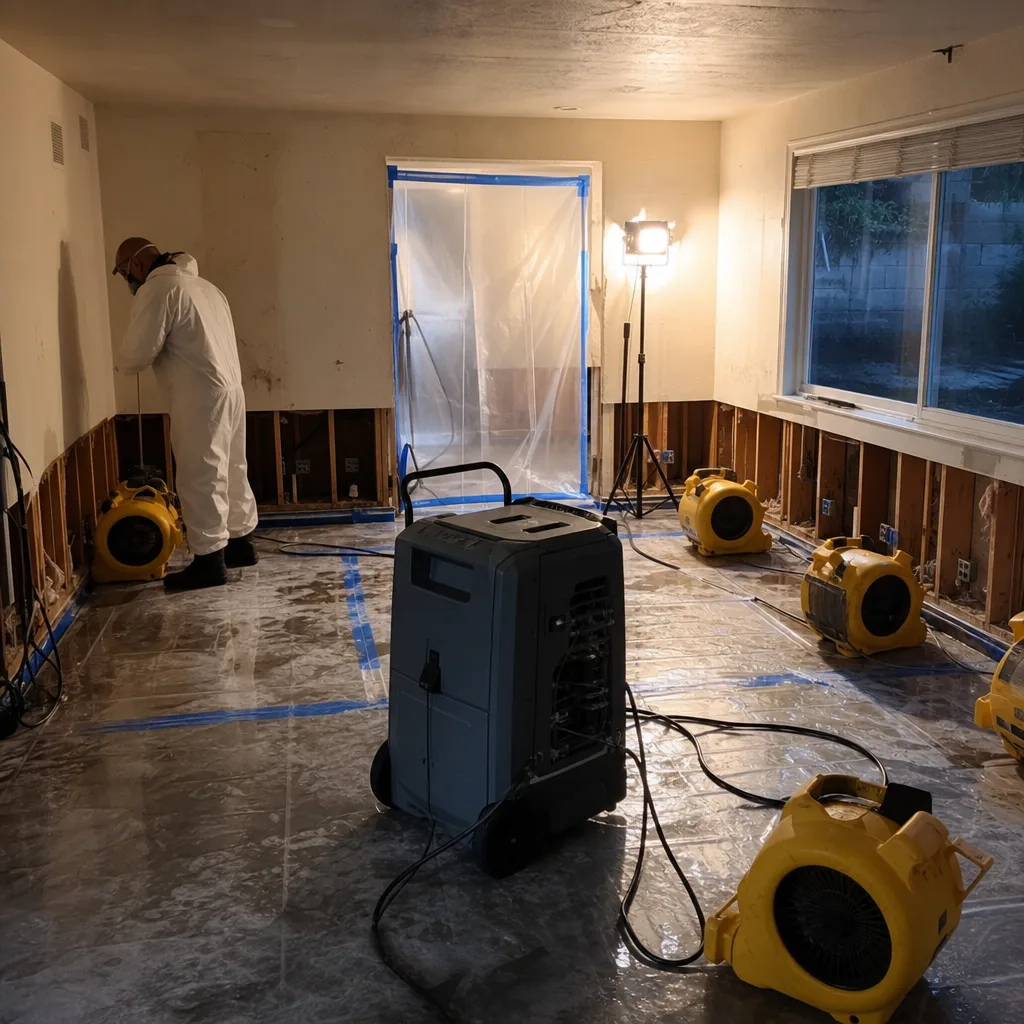
Water Damage Restoration in Oceanside requires different tactics depending on where you are in the city. In the Loma Alta neighborhood off Douglas Drive, 1960s slab-on-grade homes with original galvanized plumbing produce slow, hidden leaks that wick laterally under foundations. Homeowners often call us for a soft spot in flooring and learn the moisture has traveled eight to twelve feet. We map the full slab, set containment, and document everything for insurance.
Crown Heights and Eastside, also built heavily in the 1950s-1970s, share the same slab-and-galvanized profile. These neighborhoods see the highest volume of supply-line weepers - not dramatic bursts, but months of slow seepage that saturates subfloors and breeds mold behind baseboards. Coastal cottages near the Oceanside Pier and harbor area present a different problem: salt-air-driven moisture intrusion behind stucco siding, often compounded by poor ventilation in structures built before modern building codes. When a roof leak or plumbing failure finally forces a call, the hidden damage behind the siding is routinely more extensive than the visible water loss.
Properties near the lower San Luis Rey River corridor carry legacy water damage from prior flood events. Restoration crews scoping these jobs routinely find elevated moisture readings and hidden microbial growth behind drywall that was patched but never properly dried after earlier storms. FEMA flood zone designation means these homeowners also face specific insurance requirements and documentation standards that we navigate as part of our standard process.
Specialized Water Damage Restoration Services We Offer in Oceanside
Emergency Water Extraction
Truck-mounted extraction systems remove standing water in minutes, not hours. In Oceanside’s Category 3 flood losses from San Luis Rey River events, extraction is paired with immediate containment and removal of contaminated porous materials. A typical residential extraction in Oceanside runs $800-$2,200 depending on square footage and contamination level.
Structural Drying & Dehumidification
We deploy Dri-Eaz and Phoenix LGR dehumidifiers with calculated air-mover placement based on psychrometric readings. Daily moisture logs document progress toward dry standards. In Oceanside’s persistent marine-layer humidity, this phase often runs 3-5 days versus 2-3 in drier inland climates. Typical structural drying in Oceanside: $1,800-$4,500.
Flood Cleanup
Flood losses in Oceanside’s river-adjacent neighborhoods require Category 3 protocols: full removal of affected drywall and insulation, antimicrobial treatment of structural members, HEPA air scrubbing, and documentation of contamination levels for insurance. This is not a surface-drying job. Typical flood cleanup in Oceanside: $4,500-$12,000 depending on contamination spread and square footage.
Burst Pipe Restoration
Galvanized pipe failures in Oceanside’s older slab homes often manifest as slab leaks with no visible surface water until subfloors are compromised. We locate the leak, extract moisture from the slab perimeter, and document the full extent of wicking for insurance. Burst pipe restoration in Oceanside typically runs $2,200-$6,500.
Basement Water Removal
True basements are rare in Oceanside’s slab-on-grade construction, but partial daylight basements in hillside areas near Fire Mountain and the eastern edge of the city require submersible pumping and specialized drying of below-grade walls. Typical basement water removal: $1,500-$4,000.
Ceiling & Roof Leak Water Damage
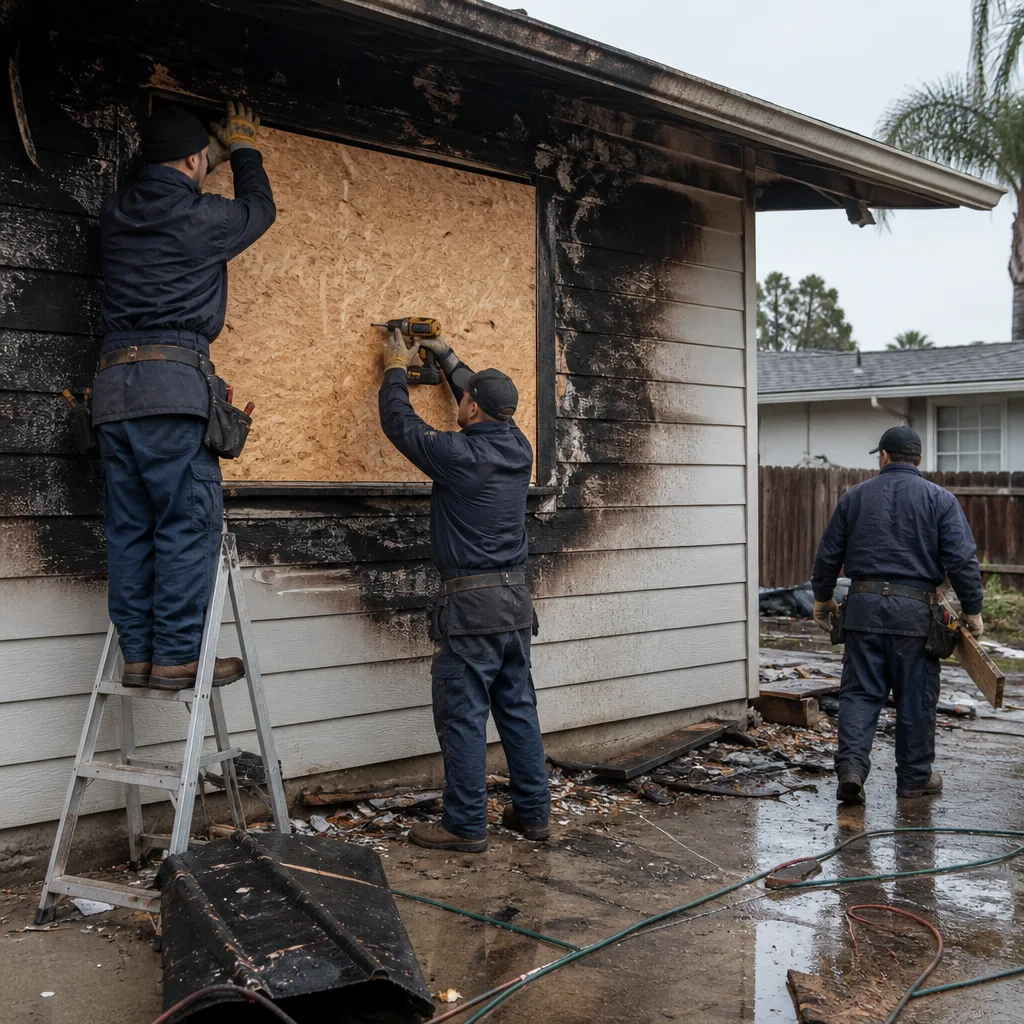
Roof leaks in Oceanside’s marine-layer environment often coincide with degraded building paper behind stucco. We trace the water path, document hidden cavity damage with thermal imaging, and provide a written scope for both drying and reconstruction. Typical ceiling and roof leak damage restoration: $1,800-$5,500.
What happens when you call
- 1
A real person answersNo phone trees - you reach a local pro.
- 2
You get an upfront price rangeHonest numbers before anyone is dispatched.
- 3
A background-checked tech heads outLicensed & insured, dispatched right away.
- 4
You approve before work beginsNothing starts until you say go.
Water Damage Restoration Costs in Oceanside, CA
Emergency water extraction in Oceanside typically runs $800-$2,200. Structural drying and dehumidification: $1,800-$4,500. Full flood cleanup with Category 3 contamination removal: $4,500-$12,000. Complete restoration including reconstruction: $8,000-$25,000+ for significant losses.
What moves the price: contamination category (Category 3 requires more removal and disposal), square footage affected, whether the loss involves a slab leak with lateral wicking, and whether prior incomplete repairs left hidden damage. Insurance typically covers sudden and accidental water damage; gradual leaks from corroded plumbing may be contested depending on your policy and documentation. We provide a free visual inspection, deliver a written price before any work begins - Haven Standard, Clause 1 - and offer a Free Second Opinion on any competitor’s written estimate. Call (760) 546-9565 for an exact quote; estimates are free.
We Also Serve Cities Near Oceanside
Our crews respond throughout North County San Diego: Oceanside, Carlsbad, Vista, Encinitas, and San Marcos. Each city has distinct water damage profiles - Carlsbad’s newer construction sees fewer slab leaks but more irrigation-line failures; Vista’s inland dryness changes drying timelines; Encinitas’ coastal hills create drainage challenges; San Marcos’ rapid growth includes both legacy ranch homes and new builds with their own failure patterns. We adjust our protocols accordingly.
Serving Oceanside, CA - Our Local Coverage Area
We’re based in the Oceanside area and know this community well. Use the map below to see our service coverage - if you’re nearby, we can almost certainly help.
Oceanside Water Damage Restoration Questions, Answered
Why does water damage in Oceanside often turn into a bigger tear-out than in neighboring Carlsbad or Vista?
Oceanside’s position at the mouth of the San Luis Rey River means post-storm losses frequently arrive as sediment-laden Category 3 floodwater, not the clean Category 1 supply-line breaks common inland. Category 3 water requires removal of affected drywall, insulation, and carpet pad - it cannot be dried in place. Layer on Oceanside’s older housing stock with degraded building paper behind stucco, and water travels farther hidden than it does in Carlsbad’s newer construction. Call (760) 546-9565 for a free inspection and written scope.
How does Oceanside’s marine layer affect mold risk even when there’s been no obvious leak?
Oceanside’s persistent marine layer keeps coastal humidity elevated well above inland San Diego County levels, creating conditions where mold can establish in wall cavities and attic sheathing without a discrete water-loss event. Homeowners assume “San Diego weather” means dry conditions year-round, but coastal Oceanside does not. Elevated humidity alone, combined with even minor air infiltration through compromised stucco, sustains microbial growth. We document this with moisture mapping and provide drying logs for insurance review. Call (760) 546-9565 for an assessment.
Our Oceanside home has original galvanized plumbing and a slab-on-grade foundation-what should we watch for?
Galvanized plumbing in Oceanside’s 1950s-1970s housing stock corrodes from the inside, producing pinhole leaks and joint failures under the slab. Because there’s no visible puddle, homeowners often don’t call until moisture has wicked up into baseboards, wall cavities, or flooring. Watch for: soft or discolored flooring near kitchen and bath wet walls, musty odors without an identifiable source, baseboard separation or paint bubbling, and unexpectedly high water bills. If you see any of these, call (760) 546-9565 for moisture mapping before the damage spreads.
What’s the difference between Category 1, 2, and 3 water, and why does it matter for my Oceanside claim?
Category 1 is clean water from a supply line, tub, or sink overflow. Category 2 carries significant contamination - dishwasher discharge, washing machine overflow, sump pump failures. Category 3 is grossly contaminated: sewage, seawater, or floodwater including from the San Luis Rey River. The category determines what can be dried versus what must be removed, which directly affects your claim’s line-item scope and whether your insurer approves full replacement. Misclassified Category 3 losses dried in place create documentation problems and potential health hazards. We classify correctly on arrival and document the basis for insurance. Call (760) 546-9565 for a free inspection.
We’re near the lower San Luis Rey River and had a prior flood that was ‘fixed’ before we bought the house-could there still be hidden damage?
Yes. Properties in the lower San Luis Rey River corridor routinely show elevated moisture readings and hidden microbial growth behind drywall that was patched but never properly dried after earlier storms. Prior owners or unqualified contractors often addressed visible damage without verifying dry standards in wall cavities or behind stucco. We use thermal imaging and penetrating moisture meters to find this legacy moisture, document it for your current claim if a new loss occurs, and provide the drying logs that establish pre-existing condition versus new damage. Call (760) 546-9565 for an assessment.
How fast can your crew actually get to my Oceanside address?
We commit to a 45-minute response time to Oceanside addresses, with crews dispatched from our San Diego metro office and pre-positioned for the North County area. Live phone coverage is available 24 hours a day, 7 days a week with no voicemail on emergency lines. The first hour is critical: water moves under Oceanside’s slab foundations faster than most homeowners realize. Call (760) 546-9565 and a live person answers.
Will insurance cover my water damage, and how do you handle the claim?
Sudden and accidental water damage is typically covered; gradual leaks from corroded plumbing may be contested depending on your policy language and documentation. We provide thorough documentation from the first hour - photos, moisture readings, drying logs, and a detailed line-item scope - formatted to industry standards your adjuster recognizes. We coordinate directly with your carrier and do not proceed with reconstruction until you have a clear approval path or written understanding of your out-of-pocket exposure. Call (760) 546-9565 to start the documentation process.
How long does the drying process take, and can we stay in our home during it?
Structural drying in Oceanside typically takes 3-5 days due to coastal humidity, compared to 2-3 days inland. Occupancy depends on contamination category and affected areas: Category 1 losses confined to non-sleeping areas often allow residents to stay; Category 2 and 3 losses, or drying in bedrooms and kitchens with significant equipment noise, usually require temporary relocation. We provide daily moisture logs so you and your insurer can track progress, and we never extend drying beyond what’s documented and necessary. Call (760) 546-9565 for a timeline specific to your loss.
Water damage in Oceanside is not like water damage elsewhere in San Diego County. The San Luis Rey River floodplain, the legacy galvanized plumbing, the marine-layer humidity, and the salt-air degradation of coastal construction create a specific risk profile that generic restoration approaches miss. We document every variable, deliver a written price before work begins, and stand behind the result with a 365-Day Done Right Promise under The Haven Standard.
Written by Alicia Brennan, Owner at DryMark Restoration Oceanside, serving Oceanside since 2011.