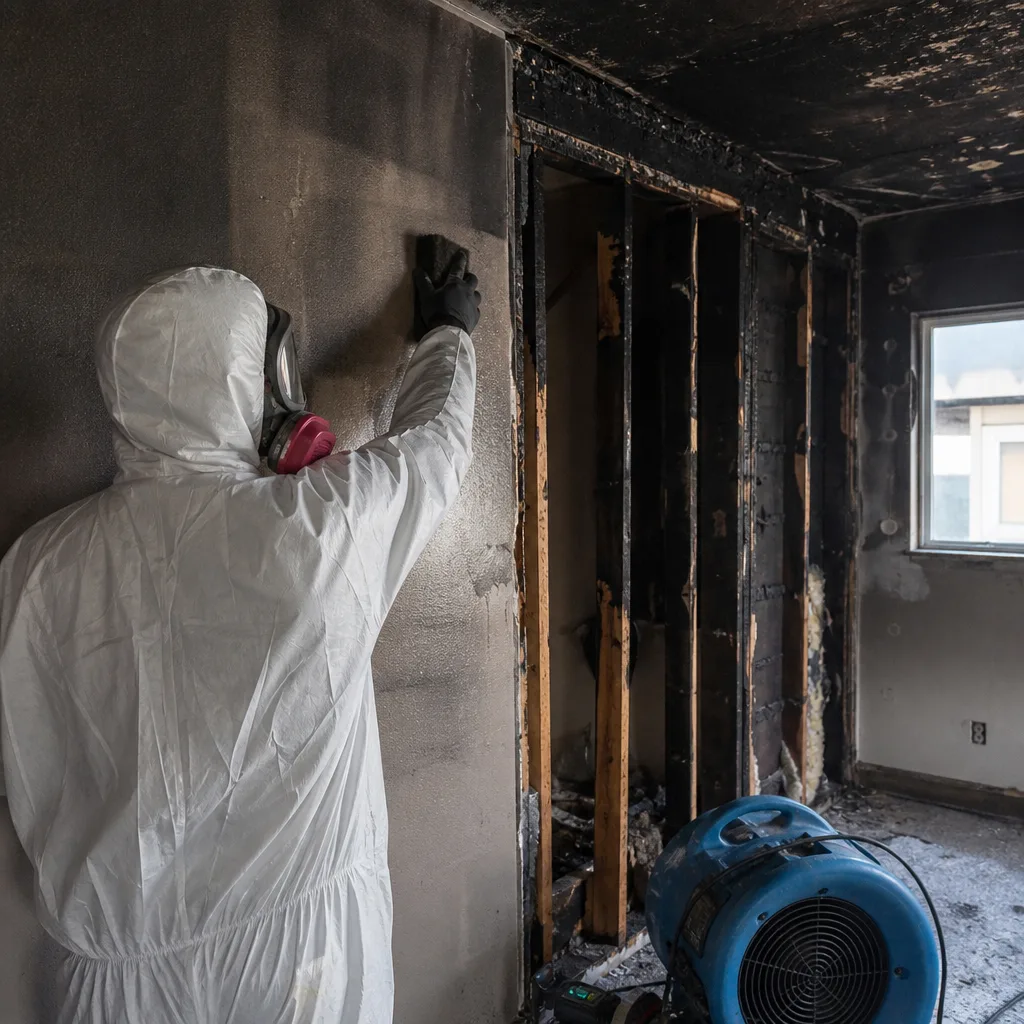
Free visual inspection and a written scope of work before any mitigation begins - photos, moisture readings, and drying logs go in your claim file
The scope we write is the scope we bill. Anything new gets shown to you, in writing, before we touch it.
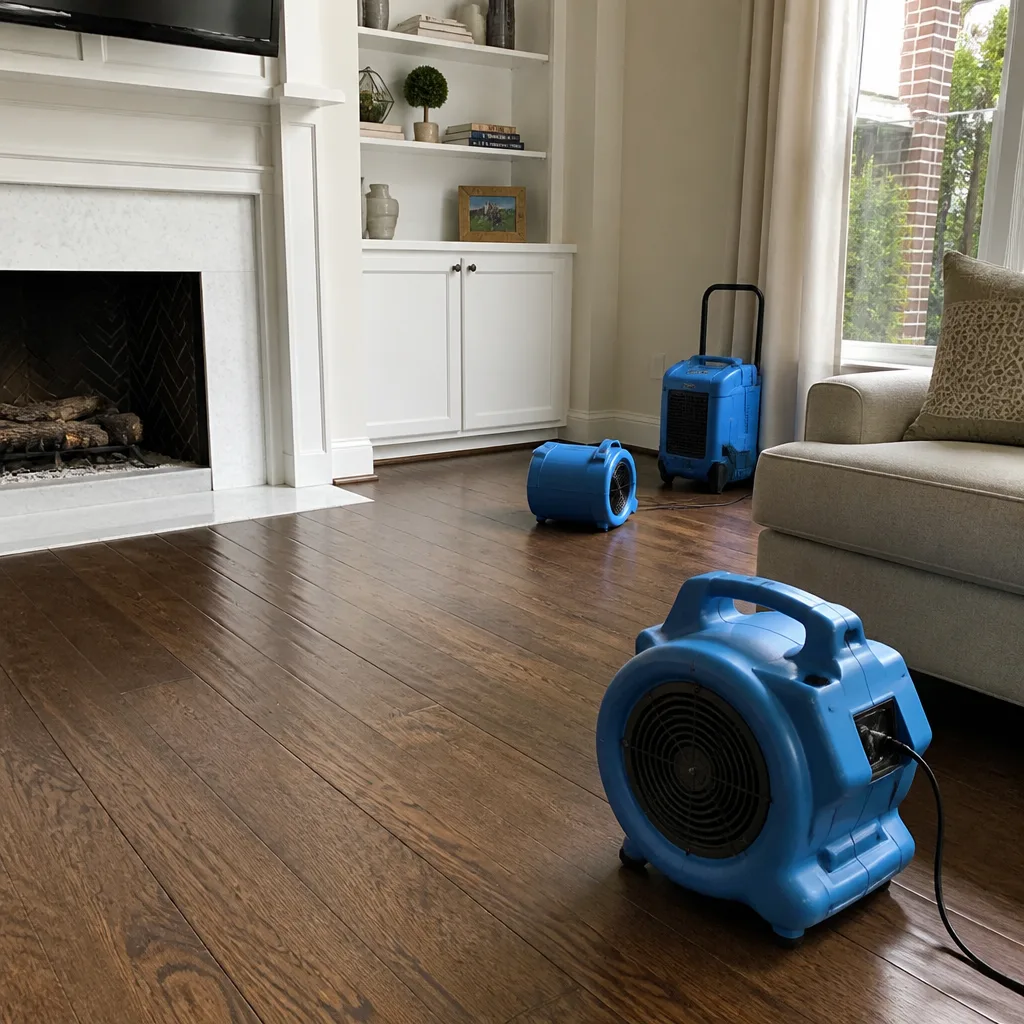
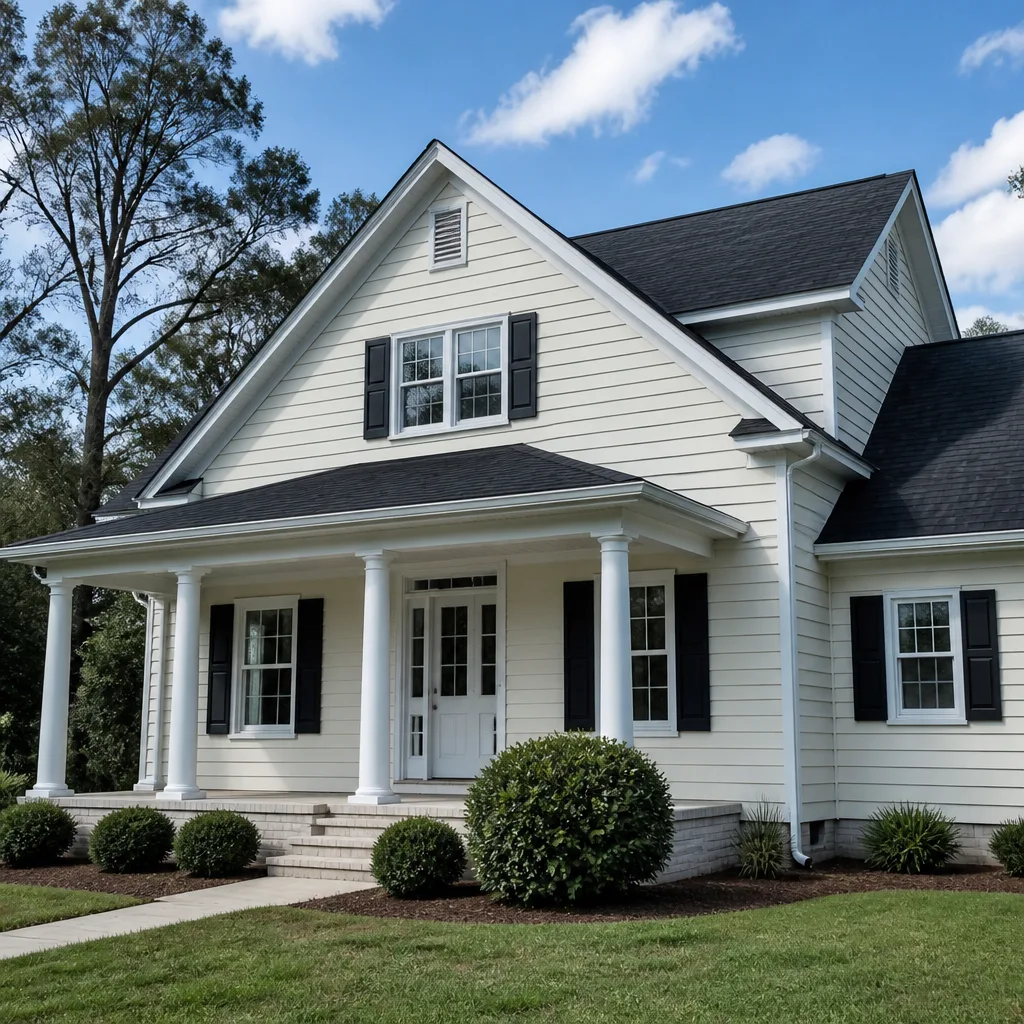
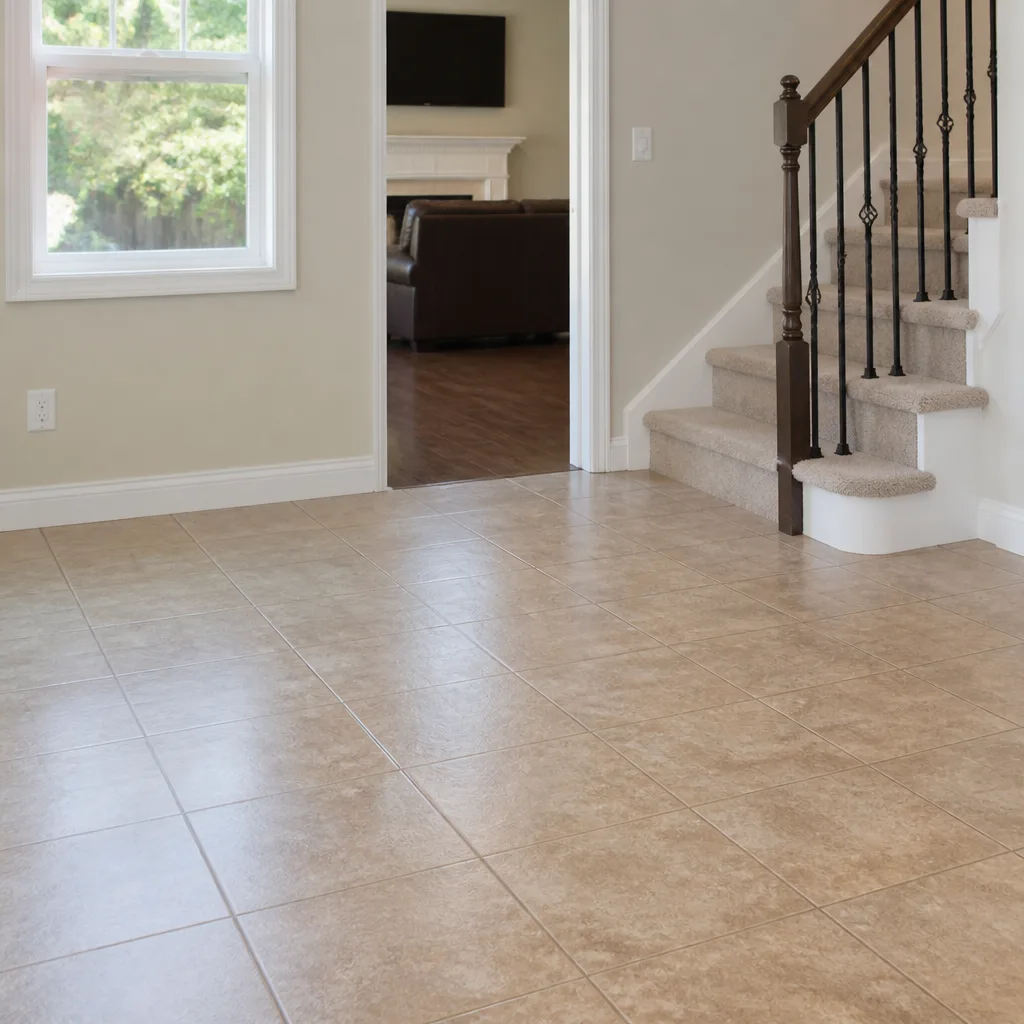
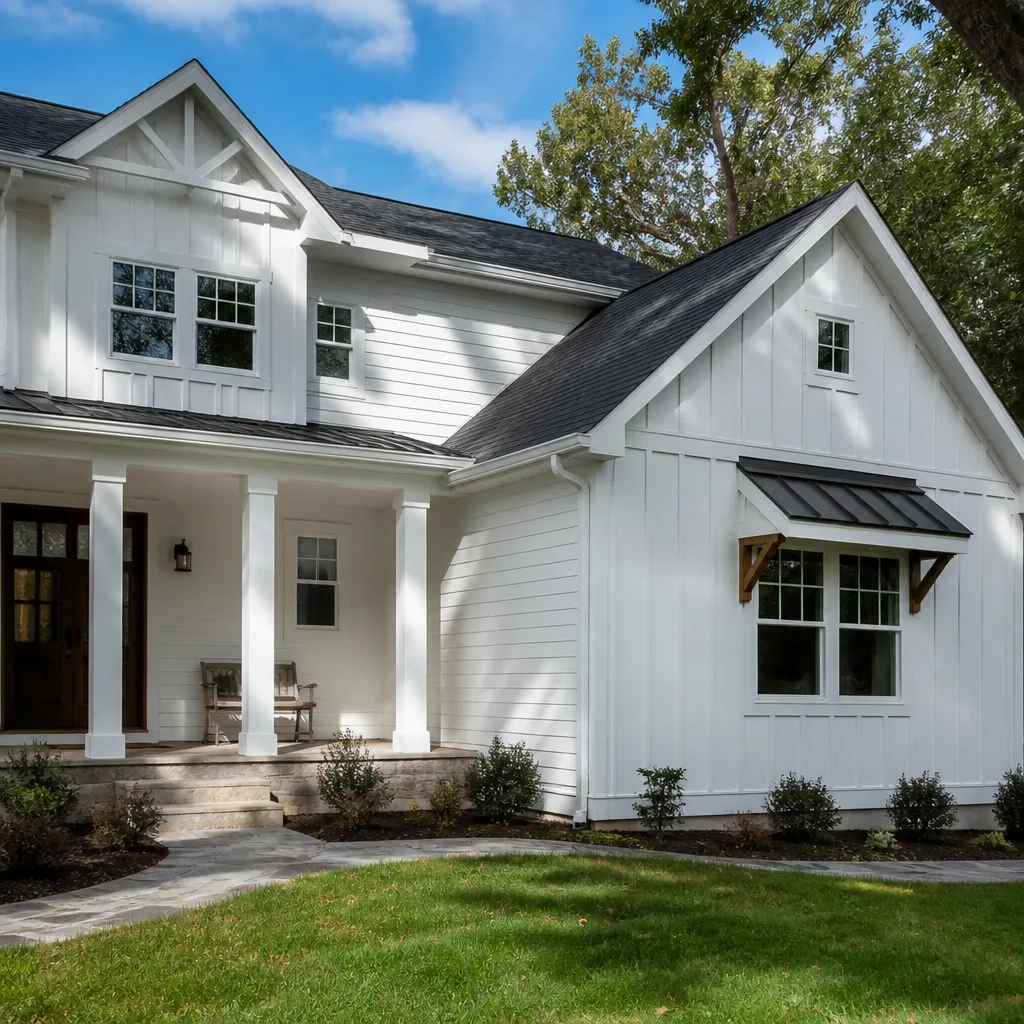
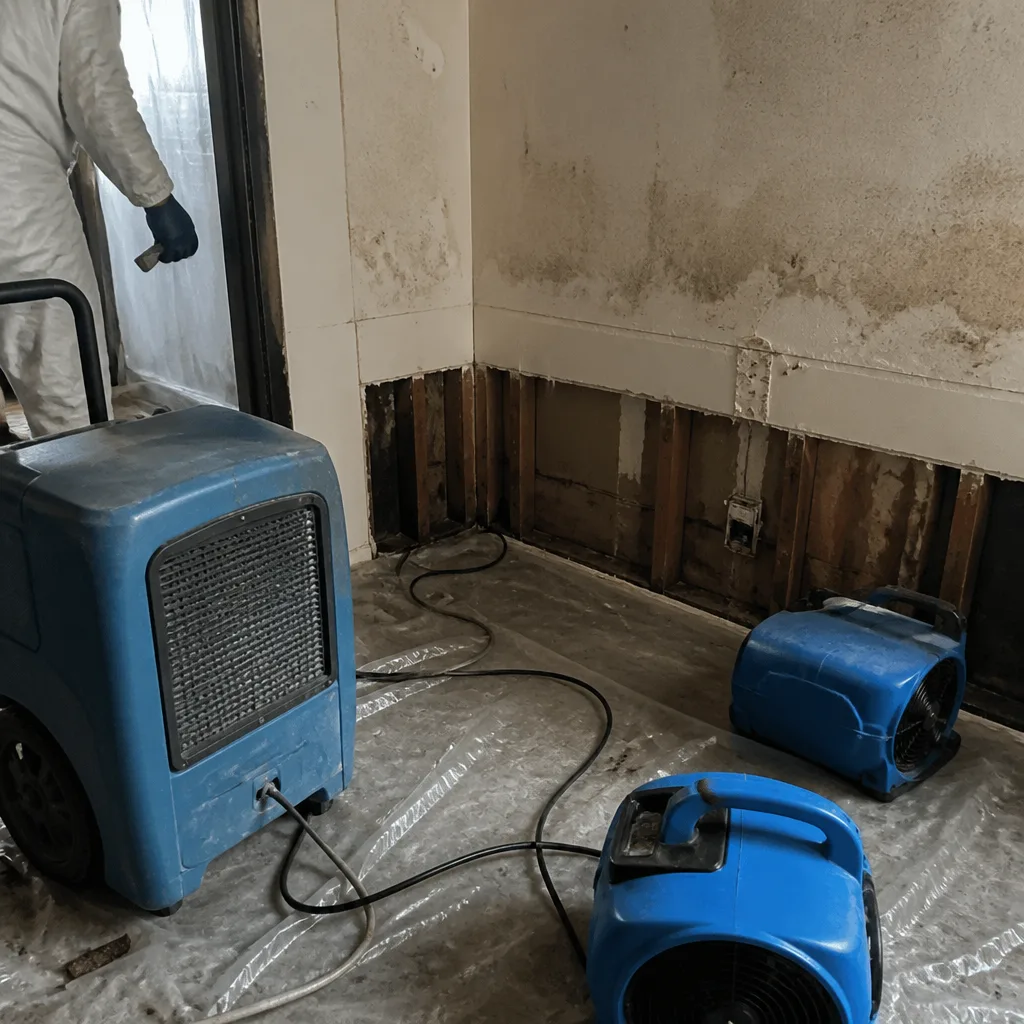 Before
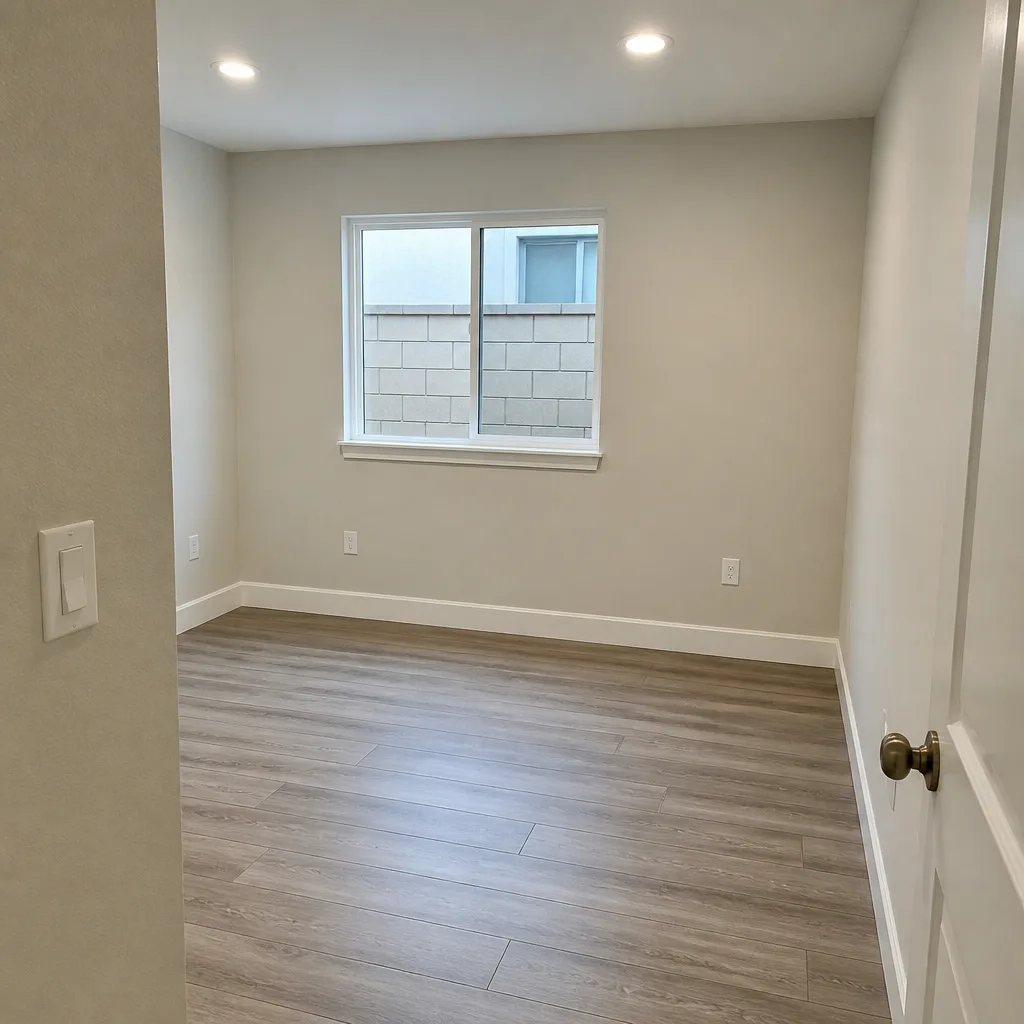 After
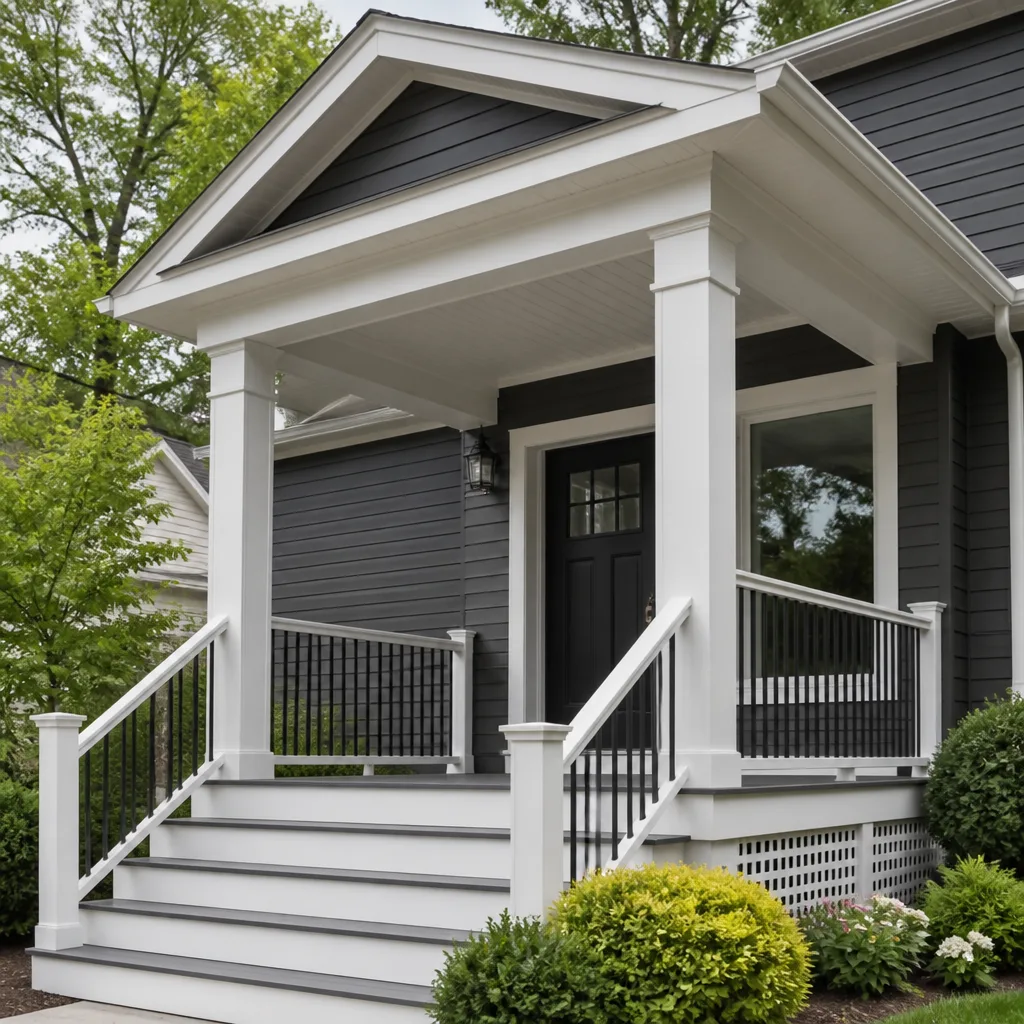
After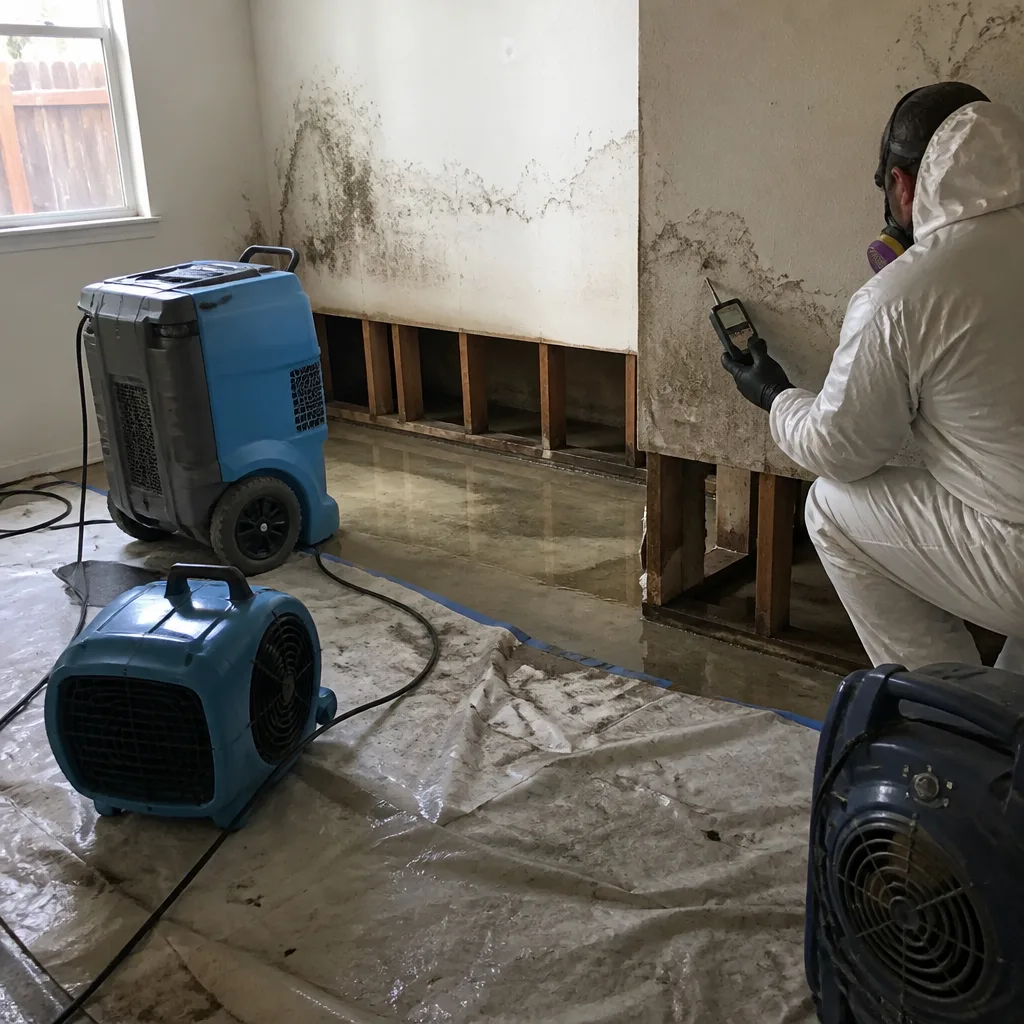 Before
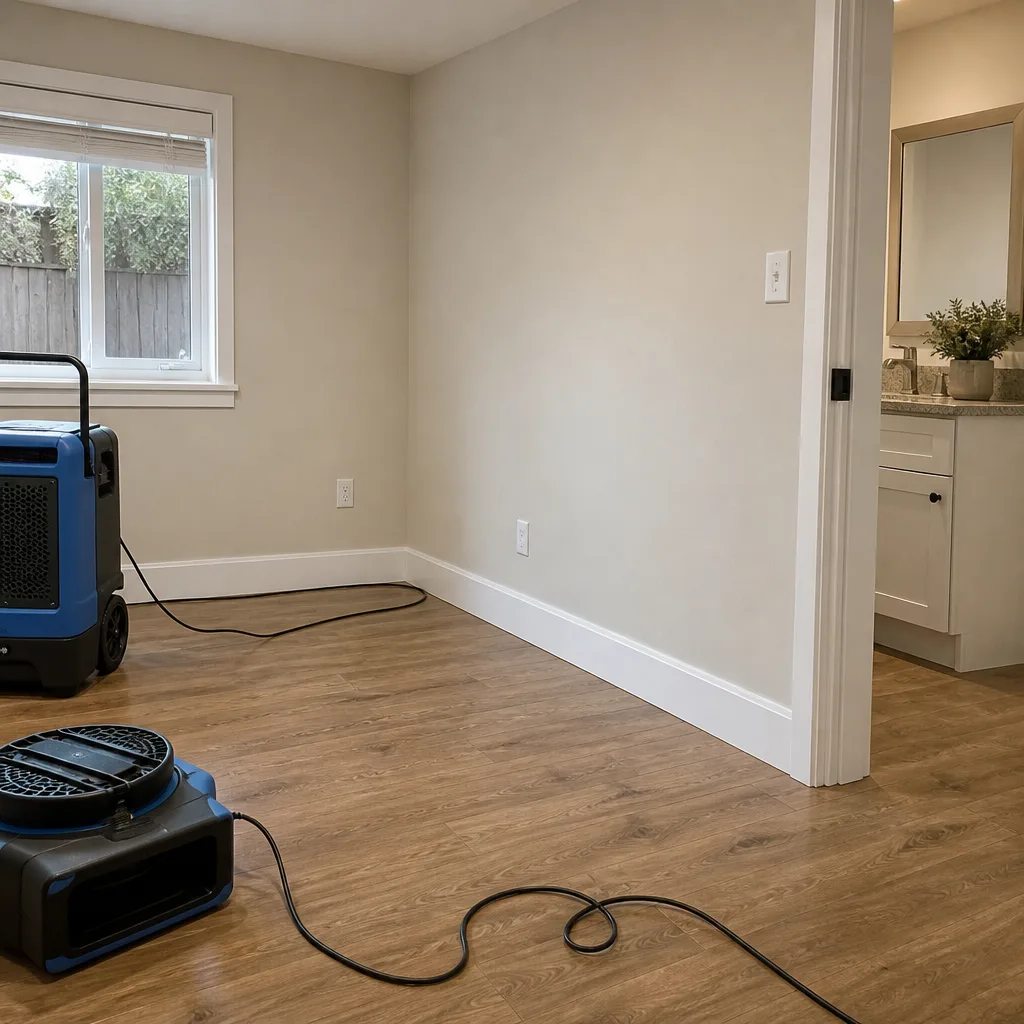 After
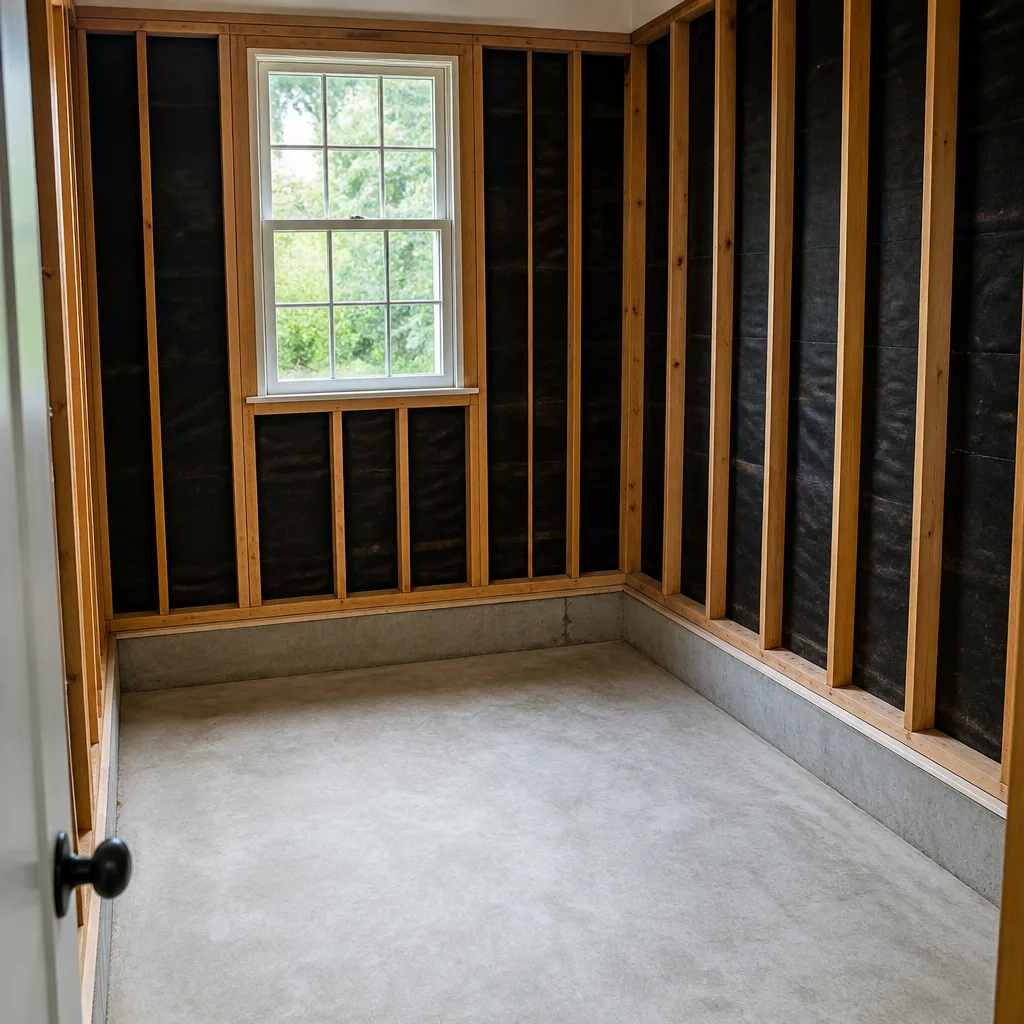
After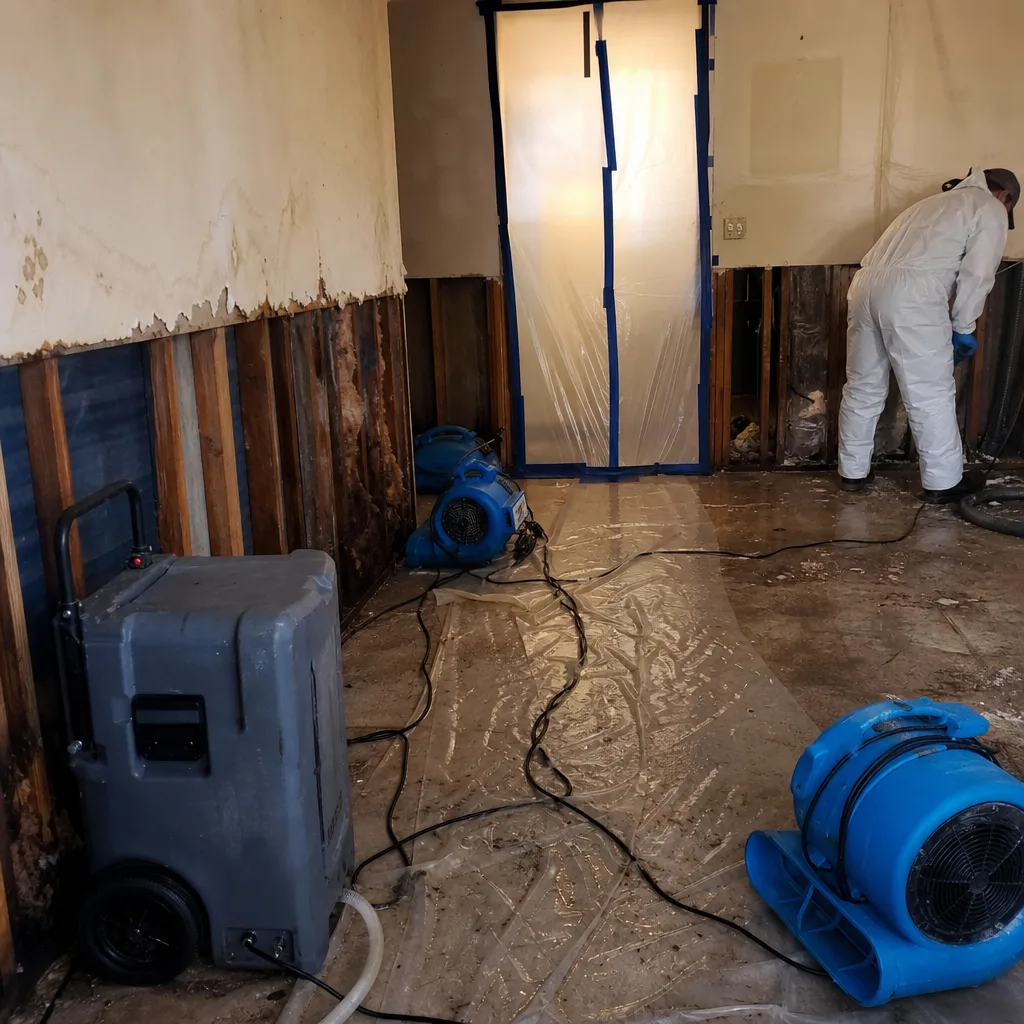 Before
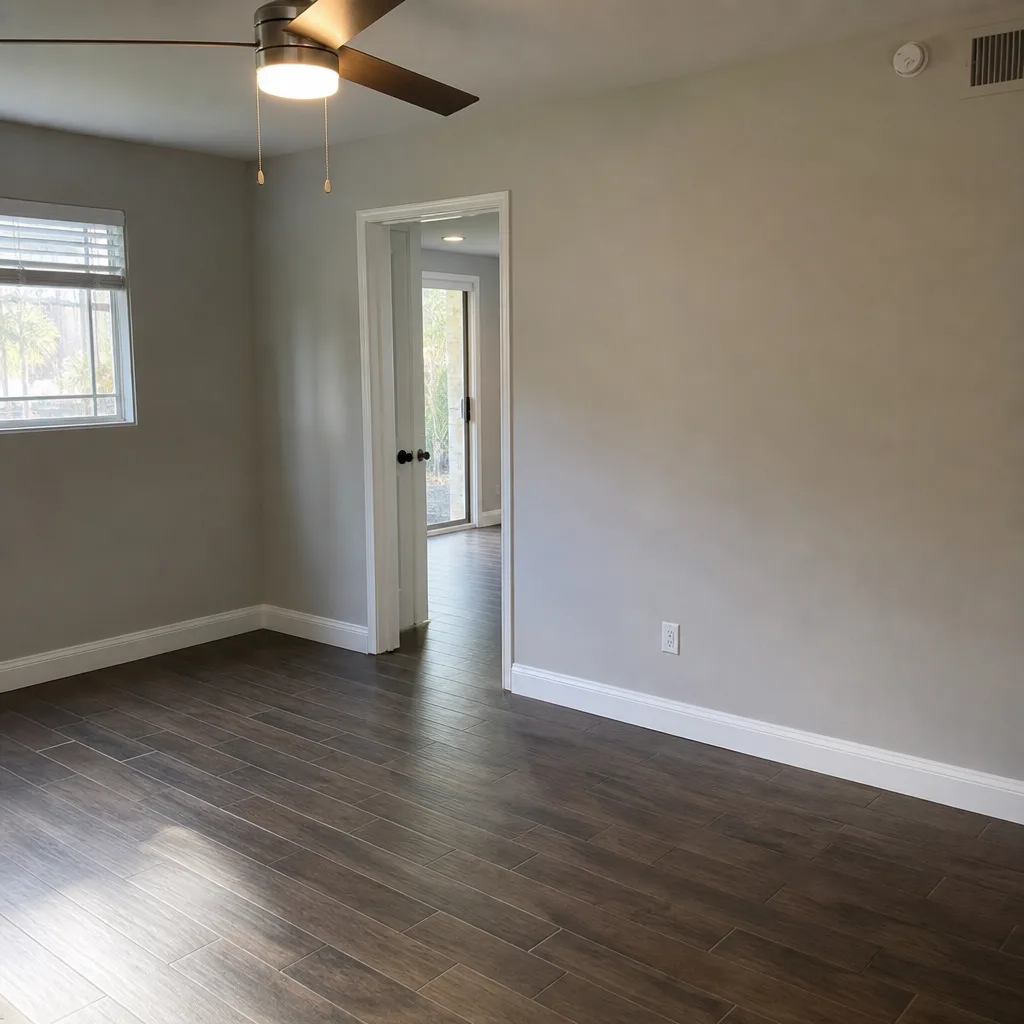 After
After24/7 Emergency Water Damage Restoration in Solana Beach
Water damage restoration in Solana Beach typically costs $2,800-$7,500 for residential dry-outs, with emergency extraction starting at $450-$950 and full structural drying running $1,800-$4,200 depending on affected square footage and material classification. Most losses in Solana Beach require same-day response because coastal moisture conditions amplify damage speed - the marine layer keeps ambient humidity high, so wet assemblies don’t self-dry the way they might inland. Call (760) 546-9565 now and a live person will answer, 24 hours a day, 7 days a week. No voicemail trees. We dispatch crews throughout the Solana Beach area from our San Diego office and arrive with moisture meters, thermal imaging, and extraction equipment ready to work. The first hour determines whether your loss stays a Category 1 extraction or escalates to Category 2 with microbial growth. We provide a free visual inspection on arrival and a written price before any work begins - Haven Standard, Clause 1.
Understanding Water Damage Restoration Severity in Solana Beach Properties
Water damage classification follows IICRC S500 standards: Category 1 is clean water from supply lines, Category 2 is gray water with chemical or biological loading, and Category 3 is black water from sewage or ground flooding. In Solana Beach, we see Category 1 losses degrade to Category 2 within 24-48 hours because the persistent marine layer slows natural evaporation. Moisture mapping with thermal imaging and penetrating meters lets us trace water migration beyond visible wet zones - critical in 1960s-1980s ranch homes with original roofing assemblies and minimal vapor barriers, where water travels laterally through wall cavities and slab edges.
Structural drying requires calculating vapor pressure differential, the force that drives moisture from wet materials into the air. We establish negative vapor pressure with LGR dehumidifiers and direct airflow from air movers, then log psychrometric data - temperature, relative humidity, and specific humidity - at each visit. Tertiary drying, the final phase where bound moisture releases slowly from dense materials, often takes longer in Solana Beach’s salt-air environment because corroded fasteners and degraded flashing create hidden reservoirs that standard drying protocols miss.
Why Solana Beach Property Owners Choose DryMark Restoration Oceanside
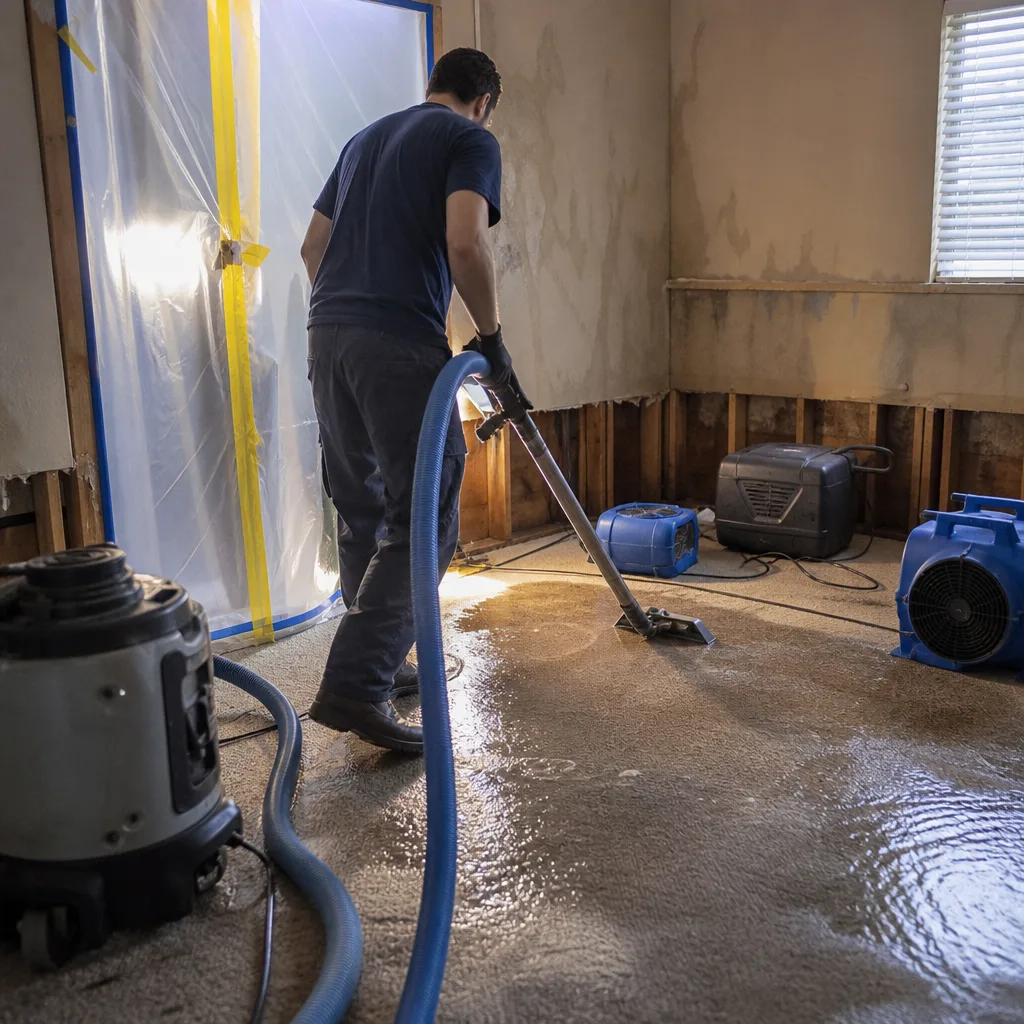
- 45-minute response commitment to Solana Beach from dispatch - our crews know the Lomas Santa Fe corridor and Cedros Avenue routes by heart.
- 24/7 live answer: a real person picks up every call, never an automated system or next-business-day callback while water is still migrating through your floors.
- IICRC-certified crews holding WRT (Water Damage Restoration Technician) and FSRT (Fire & Smoke Restoration Technician) certifications, with AMRT (Applied Microbial Remediation Technician) on staff for mold-impacted losses.
- Free visual inspection on arrival - we document pre-loss condition before touching anything.
- Direct insurance billing and adjuster coordination - we speak the same language as your carrier because our founder came from claims.
- One team from extraction through reconstruction - no handoffs between subcontractors that lose the moisture history we built.
BeforeAfterOur Water Damage Restoration Process
1. Inspection & Assessment
We arrive with FLIR thermal imaging, Tramex moisture meters, and hygrometers to map the full water migration pattern. In Solana Beach, this means checking ocean-facing walls for bluff-seep moisture even when the primary loss was a burst pipe on the opposite side of the house. We document pre-loss condition with dated photos before any equipment touches your property.
2. Extraction & Stabilization
Standing water comes out first with truck-mounted extraction or portable units for high-rise condos near Fletcher Cove. We remove saturated carpet pad and classify materials by salvageability - some engineered hardwoods in Solana Beach’s 1970s condos delaminate on contact and must go; solid oak in older beach cottages often survives with controlled drying.
3. Drying & Dehumidification
We deploy Dri-Eaz and Phoenix LGR dehumidifiers sized to the affected cubic footage, with air movers creating laminar airflow across wet surfaces. In Solana Beach’s high-humidity coastal environment, we run dehumidification longer than inland protocols dictate, logging daily moisture readings until all materials return to baseline - typically 3-5 days for standard losses, 7-10 days for bluff-seep cases with chronic foundation moisture.
4. Cleaning & Sanitization
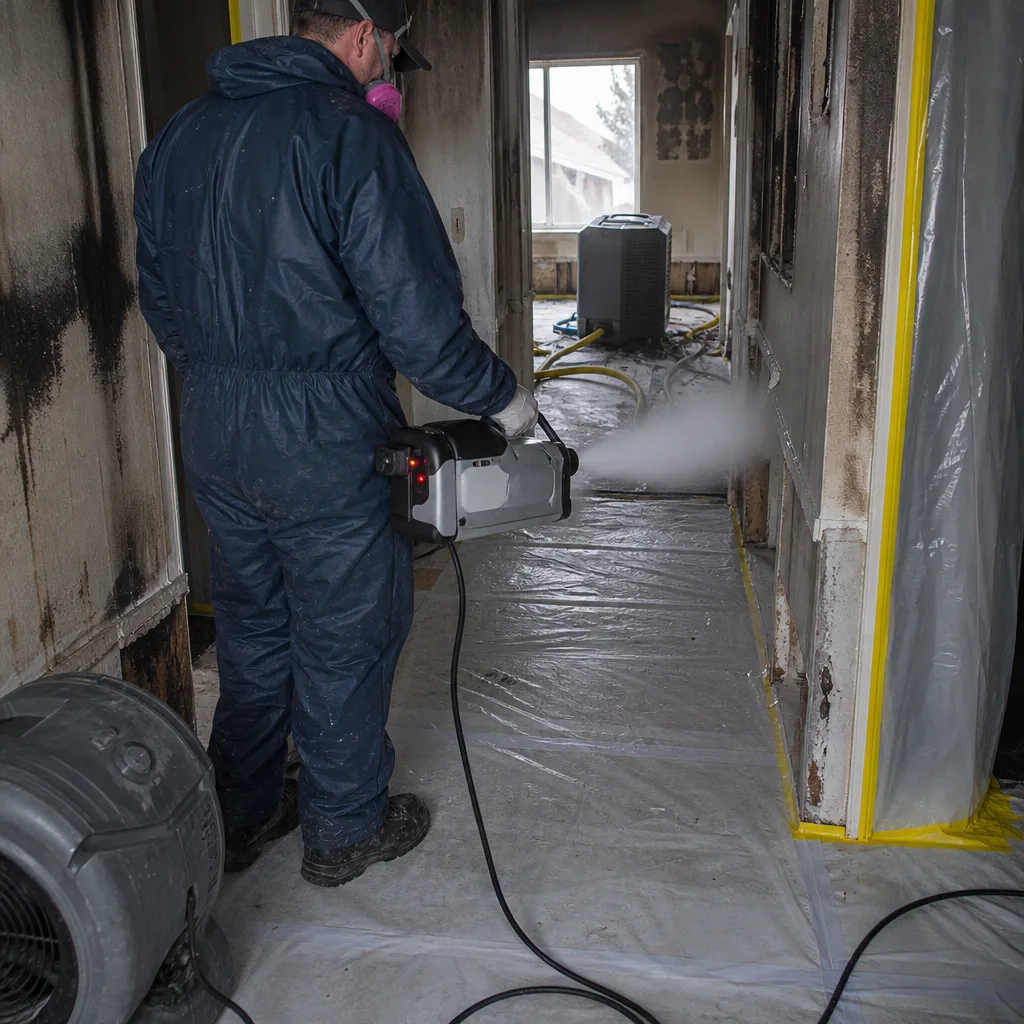
Category 2 and 3 losses receive antimicrobial treatment with EPA-registered products, applied to affected framing, subfloors, and foundation walls. We HEPA-vacuum all surfaces and run air scrubbers during this phase to protect indoor air quality - especially important in Solana Beach’s tight 1960s-1980s construction with limited mechanical ventilation.
5. Bluff-Seep & Secondary Damage Assessment
This is where Solana Beach work diverges from standard protocols. We inspect for efflorescence on foundation walls, test ocean-facing drywall for residual moisture, and evaluate whether salt-air corrosion has compromised flashing or fasteners beyond the immediate loss. If bluff seep is active, we document it, refer you to a drainage specialist, and warranty our drying only against the sources we controlled.
6. Repairs & Restoration
Our reconstruction team replaces removed materials to match existing finishes, from textured drywall in ranch homes to coastal-modern trim in newer builds. Every repair comes with the 365-Day Done Right Promise under The Haven Standard: if it’s not done right, we make it right.
Need Emergency Water Damage Restoration in Solana Beach Now?
Crews minutes away, answering live 24 hours a day. The sooner we start, the less it costs.
Working With Your Insurance Company
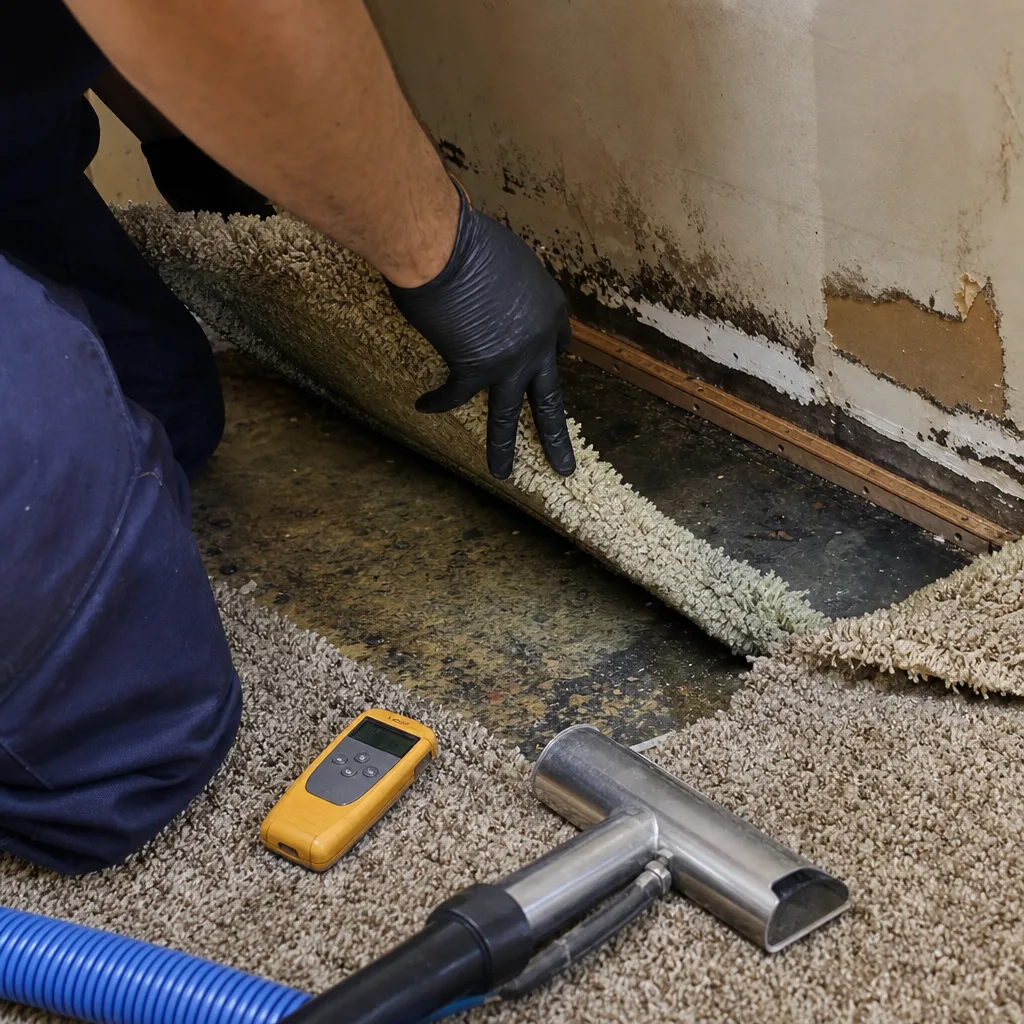
Documentation from the first hour is what turns a restoration invoice into a payable claim. We start with dated photos of pre-loss condition, then moisture readings, then daily drying logs with psychrometric data - the same documentation standard we used on 12,000+ homes since 2011. Our estimates follow industry-standard Xactimate pricing, and we coordinate directly with your adjuster rather than handing you a bill to submit alone.
Our founder built this company after seeing how many homeowners lost legitimate claims to missing documentation. We don’t let that happen on our jobs.
What We Provide Your Insurer
- Thorough documentation of the loss
- Photos of all damage, room by room
- Moisture readings and drying logs
- A detailed, line-item scope of work
- Direct coordination with your carrier
Built for Solana Beach’s Loss Calendar
January through March brings the heaviest rain, and Solana Beach’s canyon topography funnels runoff fast into low-lying structures near Lomas Santa Fe Drive and the Cedros Design District. The rare but intense winter storms overwhelm aging drainage on 1970s-era condos and ranch homes with original downspouts. April through June, we see the most bluff-seep cases - winter saturation meets spring warming, and sandstone foundations that stayed damp all season start showing efflorescence and mold on ocean-facing walls.
July through October is wildfire season inland, but on the Solana Beach coast it’s when the marine layer thickens and salt-air corrosion accelerates. Caulk fails, flashing gaps open, and what started as minor roof leakage becomes structural damage by September. November and December bring secondary surge: homeowners discover the damage that grew hidden through summer, and we run full moisture maps on ceiling and roof leak cases that competitors treated with surface drying alone.
Water Damage Restoration Across Solana Beach’s Neighborhoods
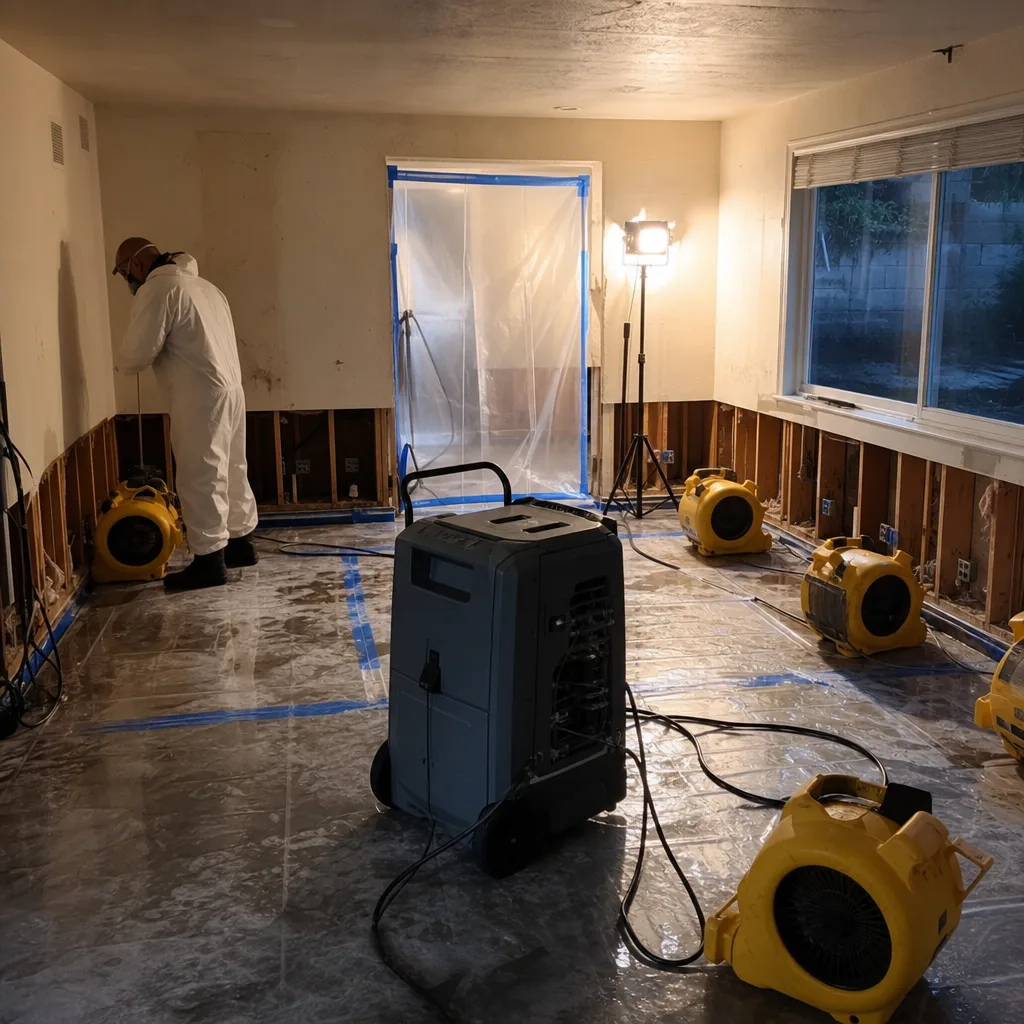
The Fletcher Cove area, along the Coast Boulevard corridor, presents our most complex losses. Bluff-top and bluff-adjacent homes here pull moisture laterally through sandstone foundations - not from plumbing, not from roofing, but from the actively eroding coastal bluff itself. We regularly find ocean-facing interior walls with active mold growth and efflorescence where the only source is groundwater seeping through the bluff face. A crew that extracts and dries without locating that seep will be back within a season.
The Cedros Avenue corridor and design district mixes 1960s beach cottages with converted commercial spaces. Original roofing assemblies and minimal vapor barriers are standard; salt-air spray has degraded caulk and flashing for decades. We document pre-loss corrosion carefully here, because insurers often dispute whether rot predated the immediate loss event.
Lomas Santa Fe Drive and the inland canyon neighborhoods see different patterns: stormwater runoff concentrates in low-lying ranch homes with slab foundations that weren’t engineered for sustained moisture. Crawl spaces in this area often show years of incremental water intrusion that was never properly remediated.
The Highway 101 corridor condos, particularly 1970s-1980s low-rise buildings, suffer from failed waterproofing on balconies and roof decks. Water migrates through multiple units before anyone calls, and we coordinate with HOA managers to map the full extent before beginning extraction.
Specialized Water Damage Restoration Services We Offer in Solana Beach
Emergency Water Extraction
Standing water removal starts within minutes of our arrival, using truck-mounted systems for single-family homes and portable extraction units for multi-story buildings near Fletcher Cove with limited parking access. We classify the water category on-site and document everything before pumping begins. Typical emergency extraction in Solana Beach runs $450-$950 for residential losses.
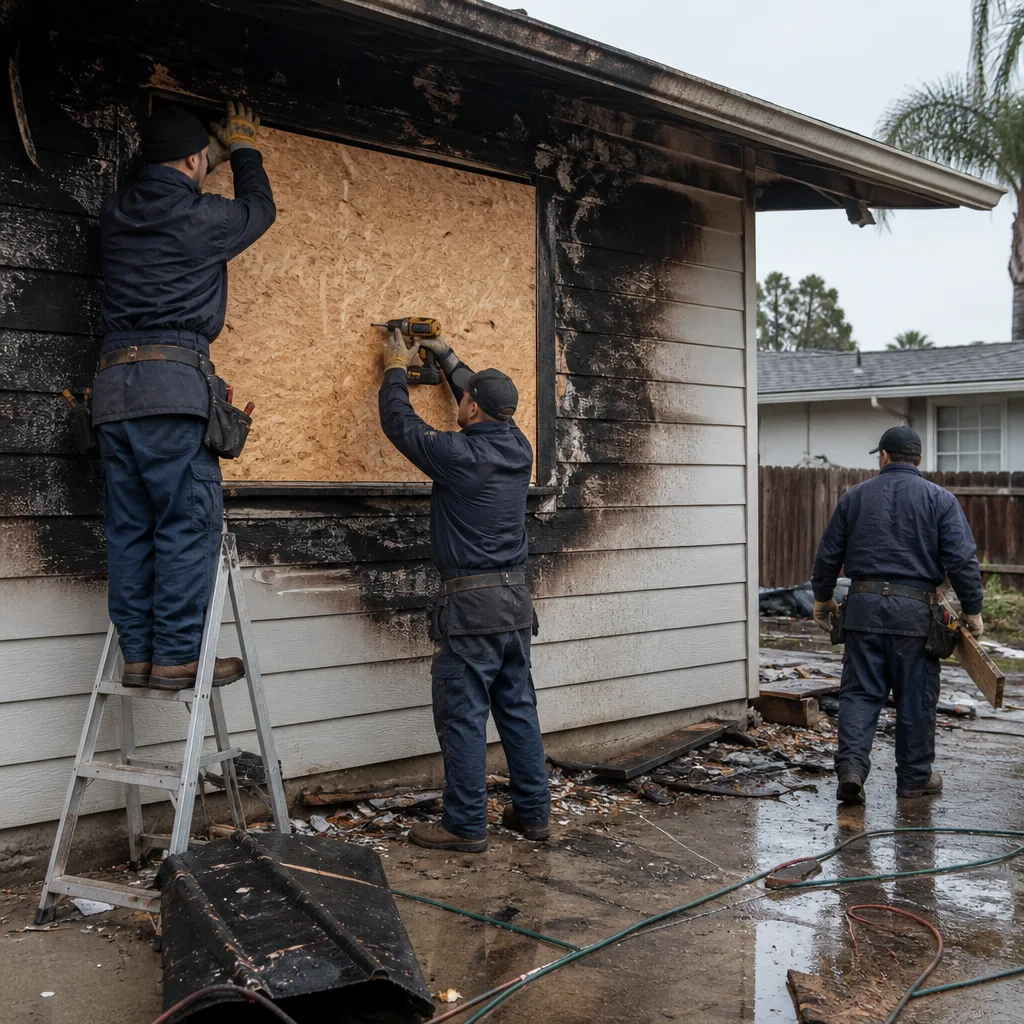
Structural Drying & Dehumidification
We size Dri-Eaz and Phoenix dehumidifier banks to the affected cubic footage, then log daily moisture readings until all materials return to established dry standard. In Solana Beach’s marine-layer environment, this phase runs 20-40% longer than inland protocols - high ambient humidity fights the vapor pressure differential we’re trying to create. Typical structural drying ranges $1,800-$4,200 for residential jobs, $4,500-$8,500 for whole-house bluff-seep cases with chronic foundation moisture.
Flood Cleanup
Category 3 losses from ocean surge or ground flooding require full PPE, antimicrobial treatment, and disposal of porous materials per IICRC S500. Solana Beach’s rare flooding events usually affect homes near canyon drainage channels; we coordinate with municipal services to confirm water source classification before beginning work.
Burst Pipe Restoration
Copper and galvanized supply lines in 1960s-1980s Solana Beach homes corrode faster from salt-air exposure. We extract, dry, and document the full migration path - then flag adjacent lines showing similar corrosion for your plumber’s review. Burst pipe restoration with drying typically runs $2,200-$5,500.
Basement Water Removal
True basements are rare in Solana Beach, but converted crawl spaces and below-grade additions in canyon neighborhoods flood regularly. We use submersible pumps and negative air systems to access tight spaces, then install temporary dehumidification until permanent drainage solutions are in place.
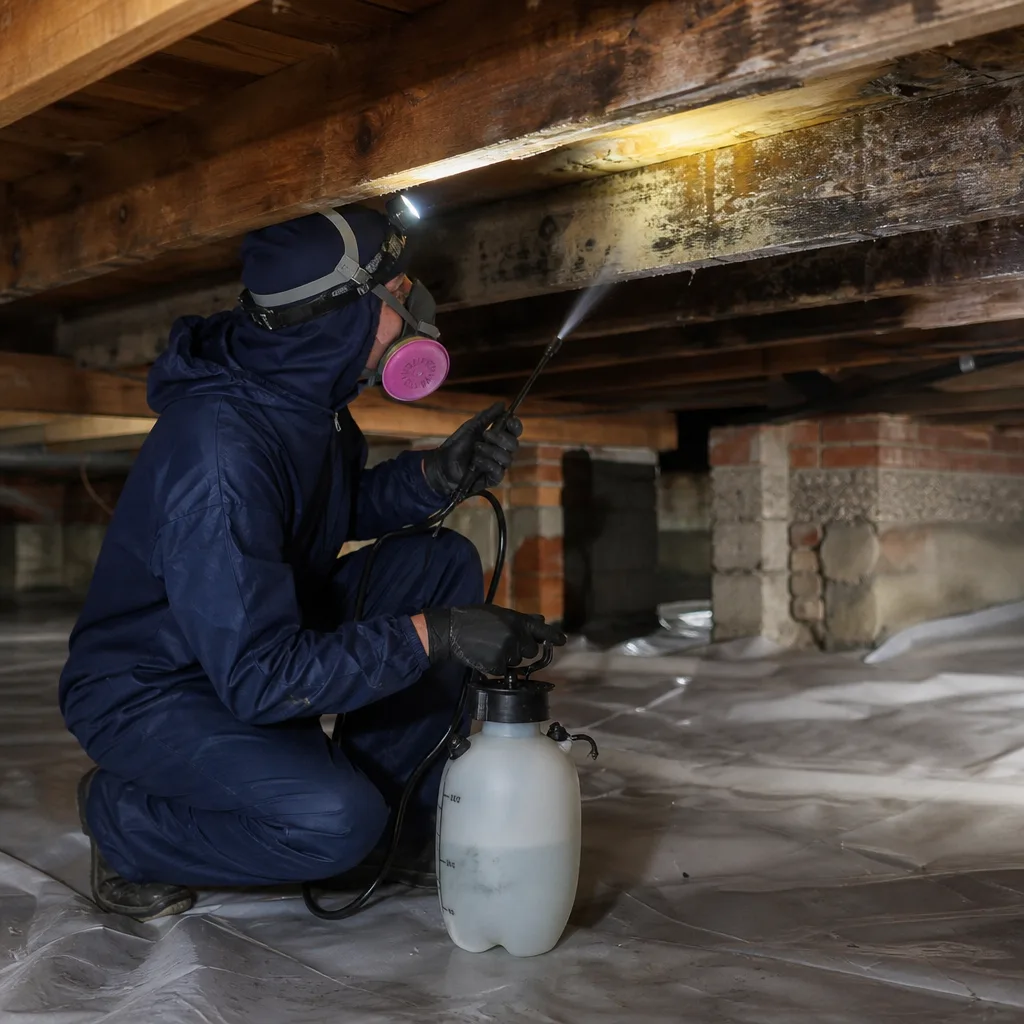
Ceiling & Roof Leak Water Damage
Salt-air degradation of flashing and caulk means Solana Beach roof leaks often show secondary damage far beyond the visible stain. We remove ceiling panels to inspect top-plate moisture, map insulation saturation, and document whether rafter corrosion predates this loss event - critical for insurance claims on older homes with original roofing assemblies.
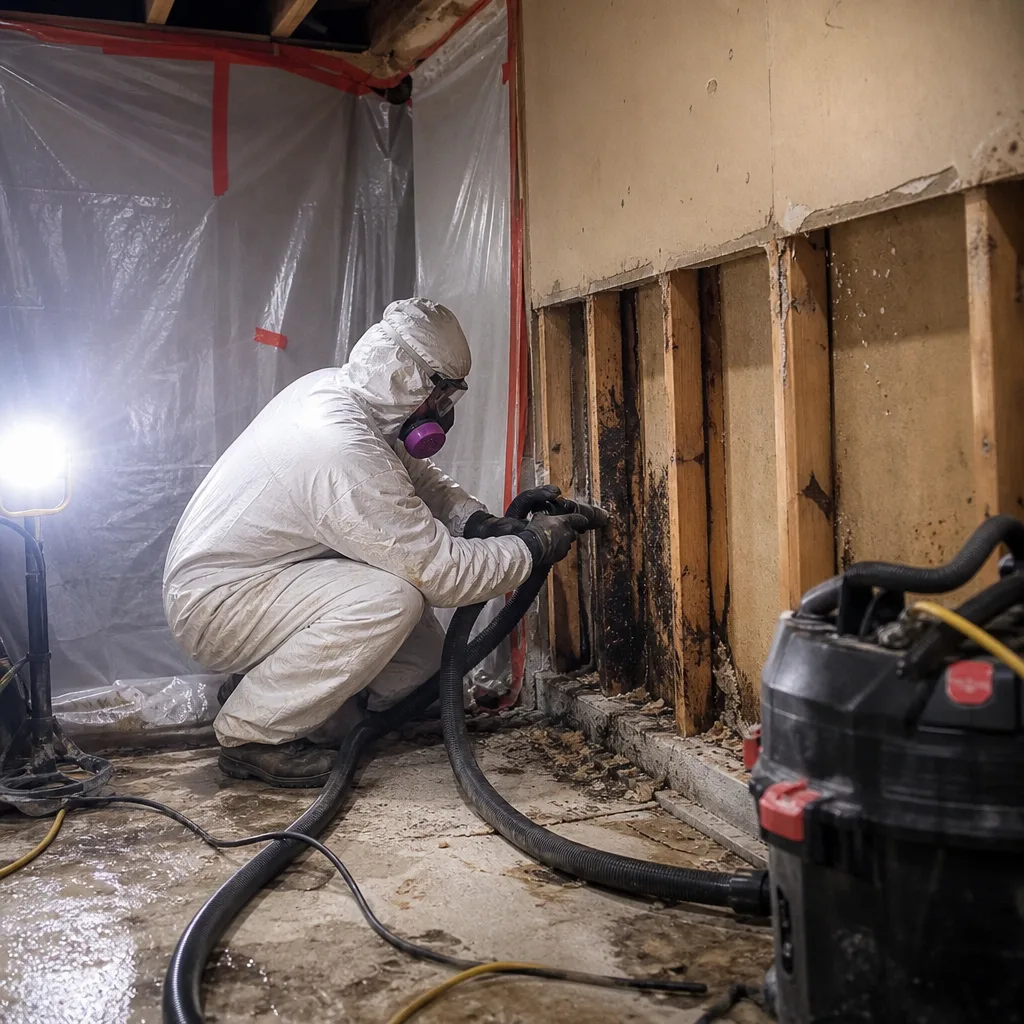
What happens when you call
- 1
A real person answersNo phone trees - you reach a local pro.
- 2
You get an upfront price rangeHonest numbers before anyone is dispatched.
- 3
A background-checked tech heads outLicensed & insured, dispatched right away.
- 4
You approve before work beginsNothing starts until you say go.
Water Damage Restoration Costs in Solana Beach, CA
| Service | Typical Range in Solana Beach |
|---|---|
| Emergency water extraction | $450 - $950 |
| Structural drying & dehumidification | $1,800 - $4,200 |
| Full residential dry-out (Category 1-2) | $2,800 - $7,500 |
| Bluff-seep / chronic moisture case | $4,500 - $8,500 |
| Category 3 flood cleanup | $5,500 - $12,000+ |
| Crawl space water removal | $1,200 - $3,800 |
What moves the price: affected square footage, material classification (tile and solid wood survive; drywall, insulation, and engineered flooring often require removal), and whether the loss involves chronic bluff-seep moisture that needs extended drying. Insurance typically covers sudden and accidental losses - burst pipes, roof leaks during storms - but may exclude long-term seepage that went unreported. We provide a written scope and price before any work begins, and we offer a Free Second Opinion on any competitor’s written estimate.
We Also Serve Cities Near Solana Beach
Our crews respond throughout coastal North County: Solana Beach, Del Mar, Encinitas, San Marcos, and Vista. Each city’s building stock and moisture environment differs, and we adjust our drying protocols accordingly - Del Mar’s bluff conditions resemble Solana Beach’s, while inland San Marcos and Vista see faster natural evaporation but harder water with more mineral loading.
Serving Solana Beach, CA - Our Local Coverage Area
We’re based in the Solana Beach area and know this community well. Use the map below to see our service coverage - if you’re nearby, we can almost certainly help.
Solana Beach Water Damage Restoration Questions, Answered
How fast can DryMark Restoration Oceanside get to my Solana Beach property?
We commit to 45-minute response times to Solana Beach from dispatch, 24 hours a day, 7 days a week. A live person answers every call - no voicemail, no automated queue. Crews travel the Lomas Santa Fe corridor and Coast Boulevard routes regularly and arrive with extraction equipment, moisture meters, and thermal imaging ready to work. Call (760) 546-9565 and we’ll confirm ETA while you’re still on the line.
Will my insurance cover water damage restoration in Solana Beach?
Most homeowners policies cover sudden and accidental water damage - burst pipes, appliance failures, storm-related roof leaks - but exclude gradual damage from maintenance issues or unreported seepage. We document everything from the first hour with dated photos, moisture readings, and drying logs to establish that your loss was sudden and accidental. We also coordinate directly with your adjuster and provide line-item scopes in Xactimate format. Bring any competitor’s written estimate and we’ll review it free - our Free Second Opinion service.
Why does mold keep coming back on the ocean-facing wall of my Solana Beach home even after a previous restoration dry-out?
The moisture source is likely bluff seep, not a plumbing or roofing failure. Solana Beach sits atop actively eroding coastal bluffs, and groundwater seeps laterally through sandstone foundations into ocean-facing walls. A crew that extracts and dries without identifying this source will see the same wall return moldy within a season. We test foundation moisture with penetrating meters and thermal imaging; if bluff seep is active, we document it, refer you to a drainage specialist to stop the source, and warranty our drying only against the vectors we controlled.
Does the marine layer in Solana Beach change how long structural drying takes compared to inland San Diego?
Yes. Solana Beach’s persistent marine layer keeps relative humidity elevated well above inland communities for more days per year, which slows the vapor pressure differential that drives moisture from wet materials into the air. We run professional-grade Dri-Eaz and Phoenix dehumidification longer than inland protocols, and we log daily psychrometric data to prove materials have returned to baseline rather than estimating. Typical structural drying in Solana Beach runs 3-5 days for standard losses, 7-10 days for chronic moisture cases - roughly 20-40% longer than comparable losses in San Marcos or Vista.
How do you tell whether water in a Solana Beach bluff-side home is Category 1, 2, or 3?
We test on arrival using IICRC S500 criteria: Category 1 is clean water from supply lines, Category 2 carries chemical or biological loading (dishwasher discharge, aquarium water), Category 3 is grossly contaminated (sewage, ground flooding, ocean surge). In bluff-side homes, we also test for salt content and soil bacteria that can elevate a seemingly clean loss to Category 2 if groundwater intrusion is involved. The classification determines whether materials can be dried in place or must be removed, and we document our testing method and results for your insurer.
My Solana Beach condo has a crawl space that has smelled musty for years - is that a restoration job or something else?
Long-term musty odor without a recent water loss event typically indicates chronic moisture, not a covered insurance claim. We offer a free visual inspection to determine whether active water intrusion is occurring and whether it traces to a sudden, insurable event or long-term maintenance issues. If the crawl space shows chronic bluff seep or failed vapor barrier installation, we’ll document what we find and refer you to appropriate specialists. Our written price before any work begins applies to inspection findings too - Haven Standard, Clause 1.
After water damage in Solana Beach, what documentation should I keep for my insurance claim?
Keep every photo you take before we arrive, plus our complete documentation package: pre-loss condition photos, moisture mapping readings, daily drying logs with psychrometric data, material classification notes, the written scope of work with line-item pricing, and our final clearance readings showing dry standard achievement. We provide all of this as standard deliverables, never as upsells. If your adjuster disputes coverage, this documentation is what proves the loss was sudden, accidental, and properly remediated. Call (760) 546-9565 and we’ll walk you through what’s in your file.
Are your technicians certified for water damage restoration work in Solana Beach?
Yes. Our crews hold IICRC WRT (Water Damage Restoration Technician) certification at minimum, with FSRT (Fire & Smoke Restoration Technician) and AMRT (Applied Microbial Remediation Technician) on staff for complex losses. All work is documented to IICRC, RIA, and IFA standards. Technicians are background-checked, uniformed, and licensed - we verify before they arrive at your Solana Beach property. Equipment deployed includes Dri-Eaz and Phoenix dehumidifiers, XPOWER and B-Air air movers, and Injectidry specialty drying systems for hardwood and cavity drying.
Written by Alicia Brennan, Owner at Back to Dry Restoration, serving Solana Beach since 2011.
Water Damage Restoration in Nearby Areas