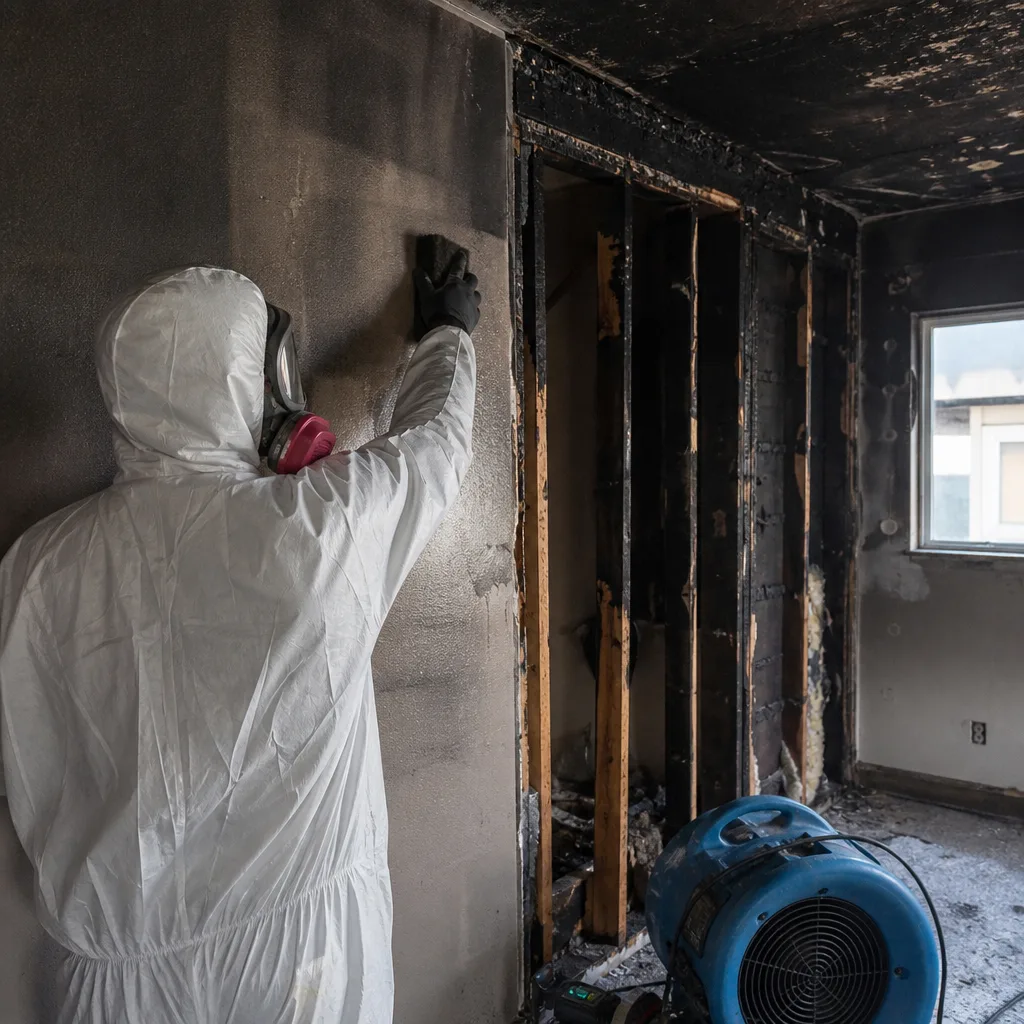
Free visual inspection and a written scope of work before any mitigation begins - photos, moisture readings, and drying logs go in your claim file
The scope we write is the scope we bill. Anything new gets shown to you, in writing, before we touch it.
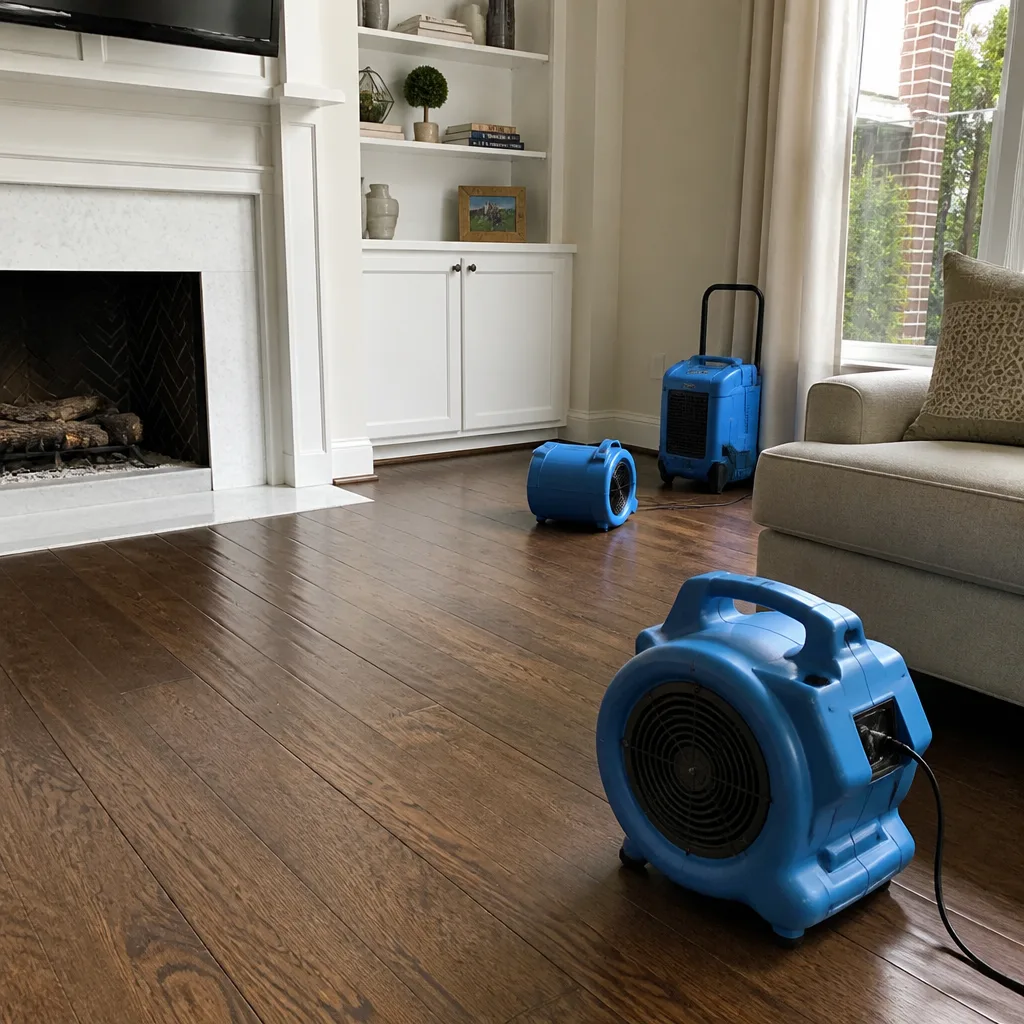
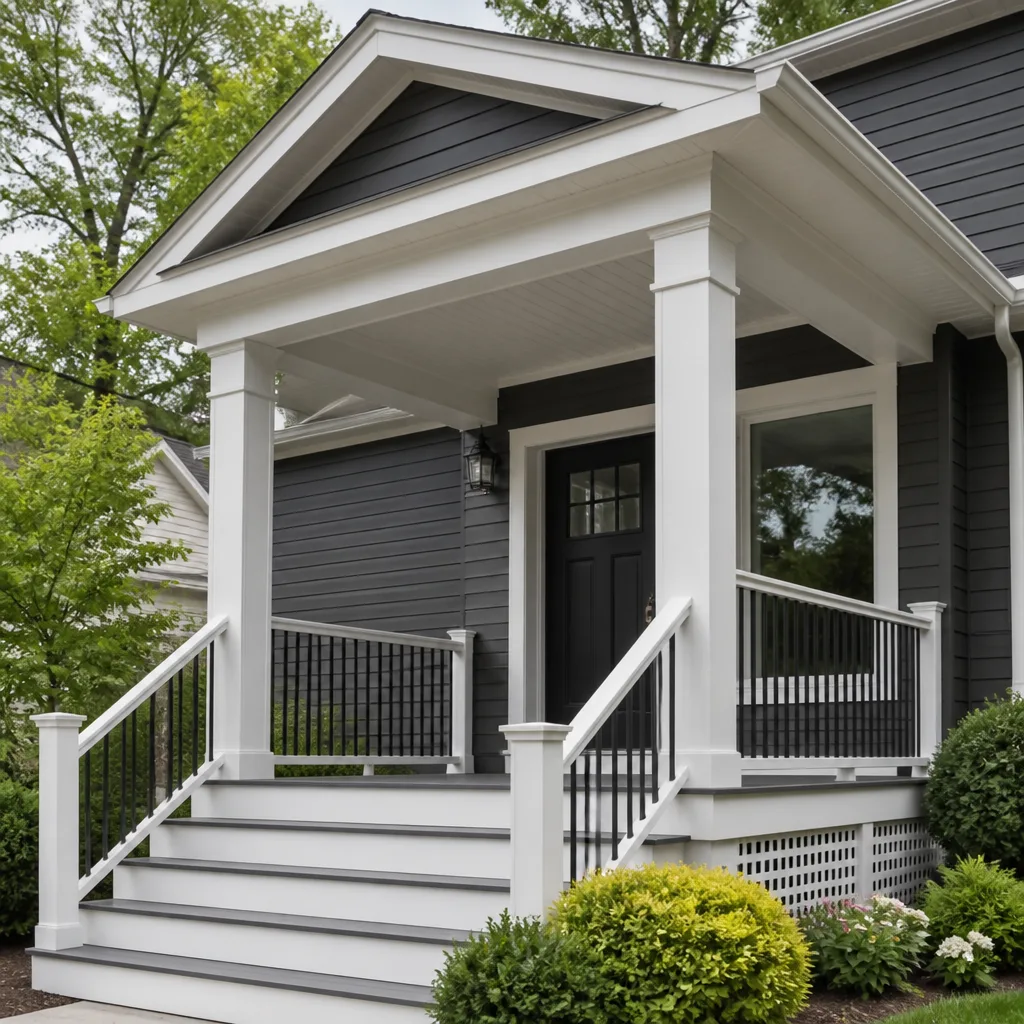
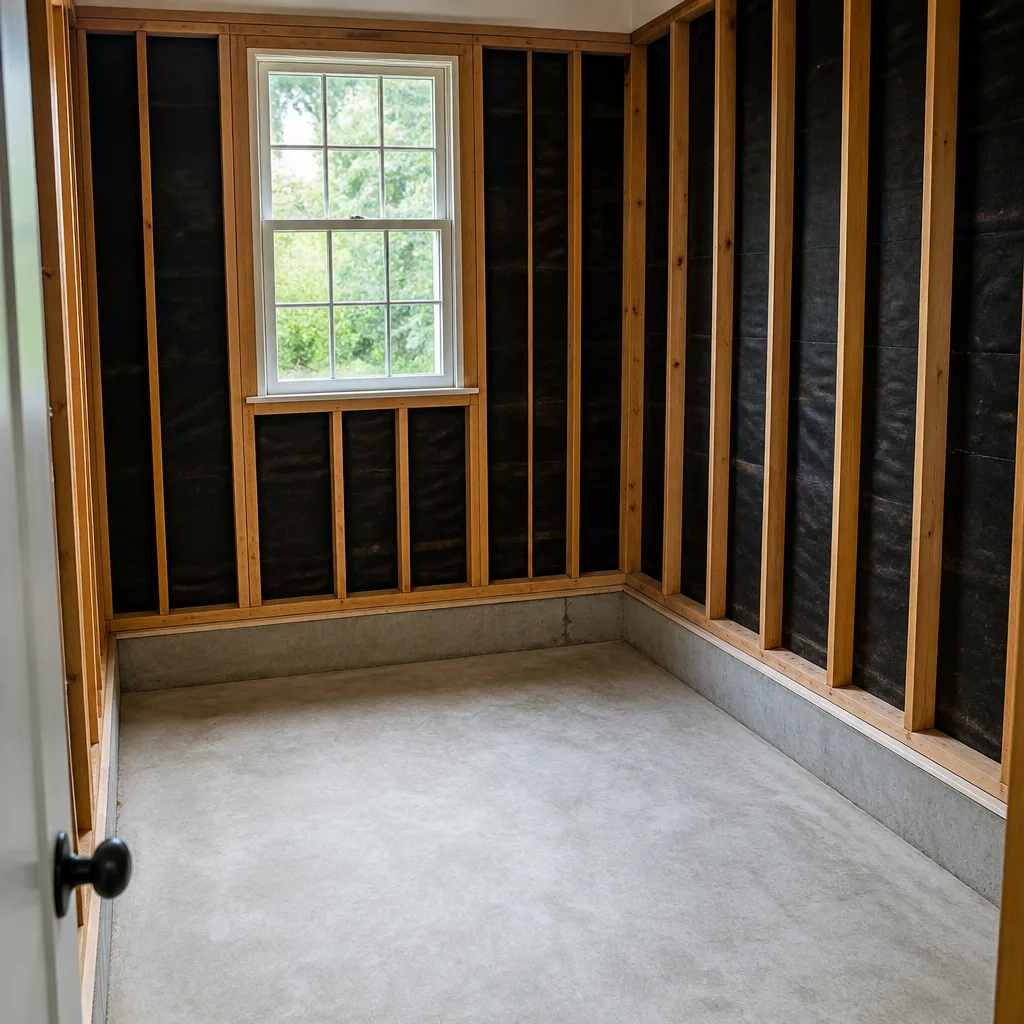
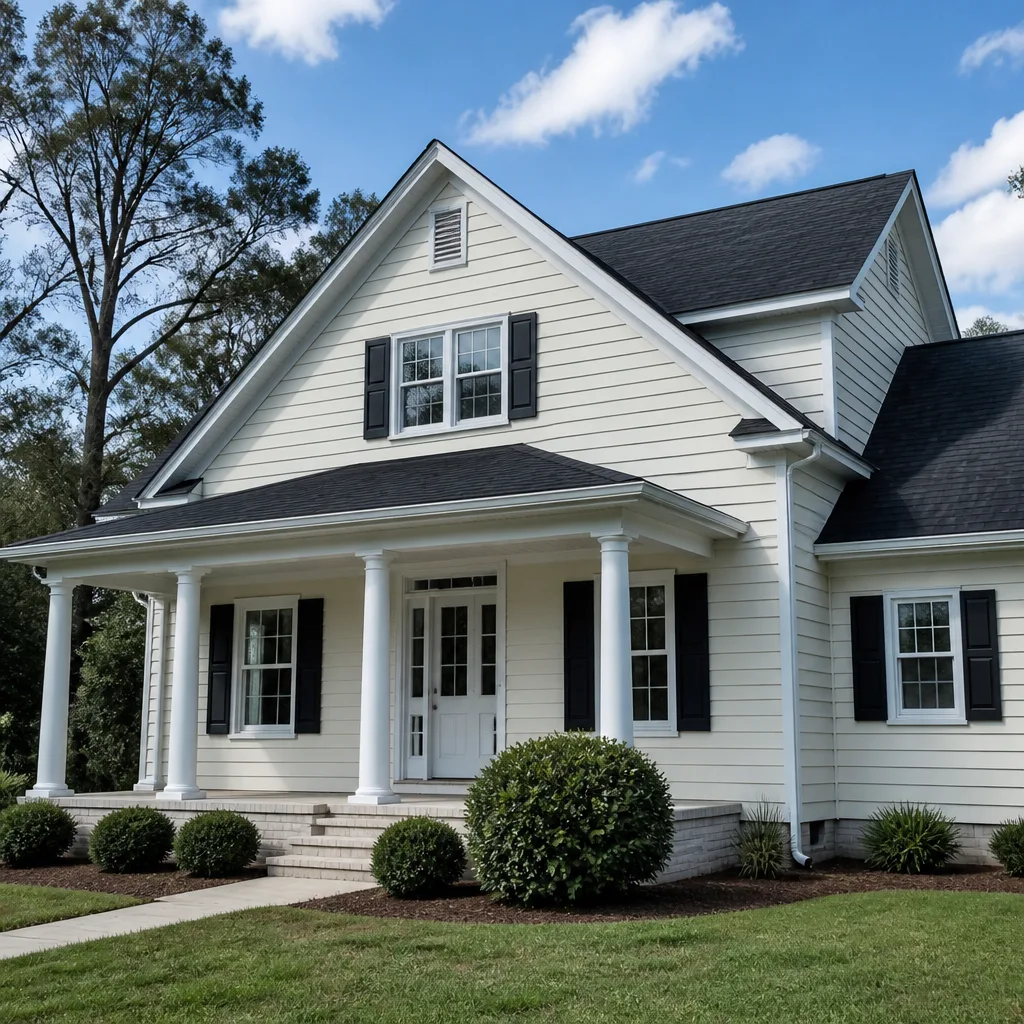
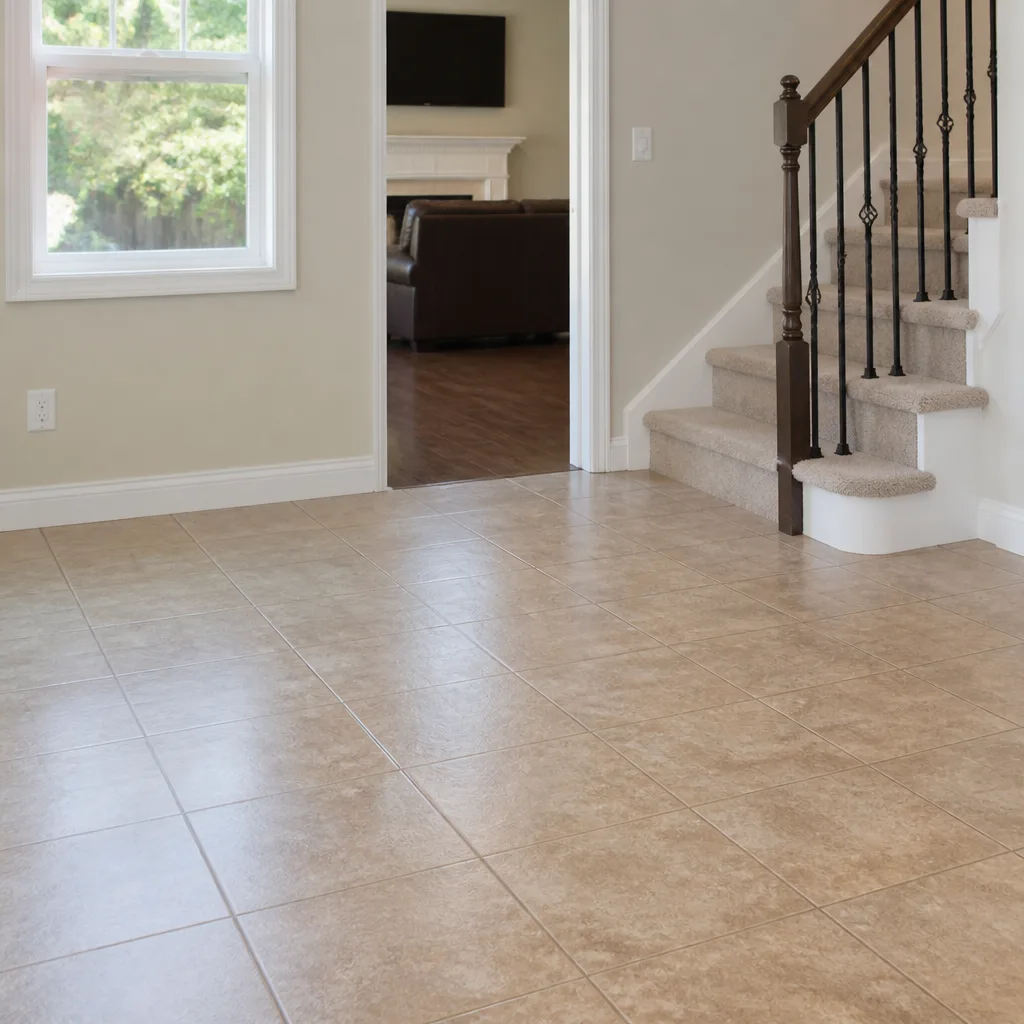
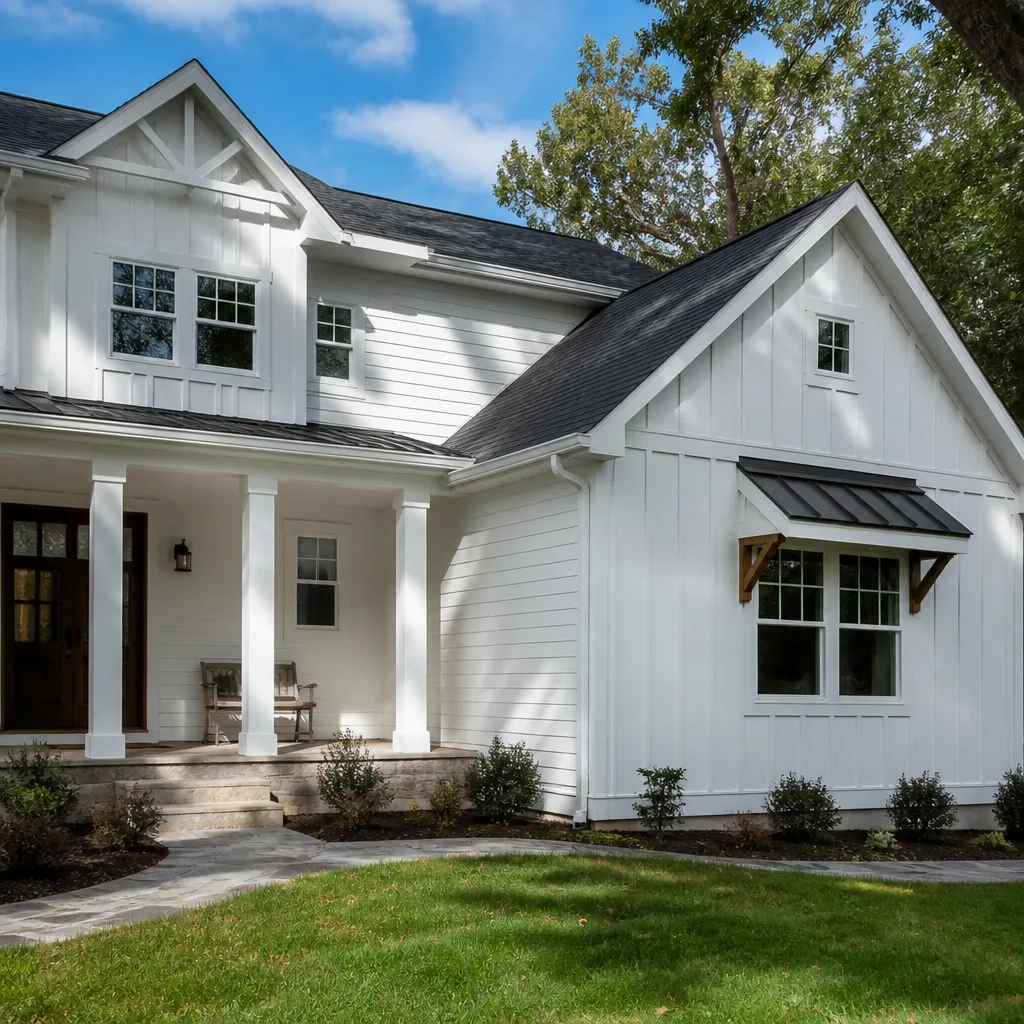
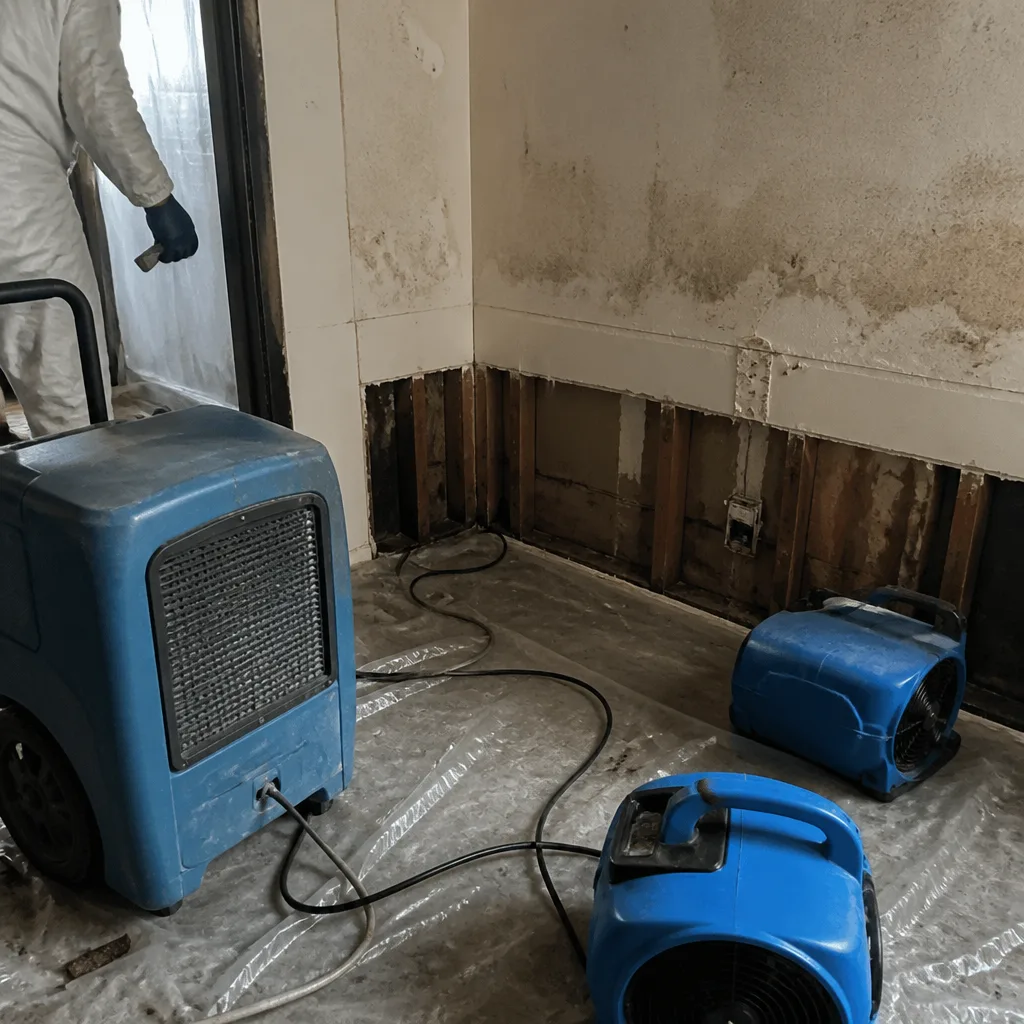 Before
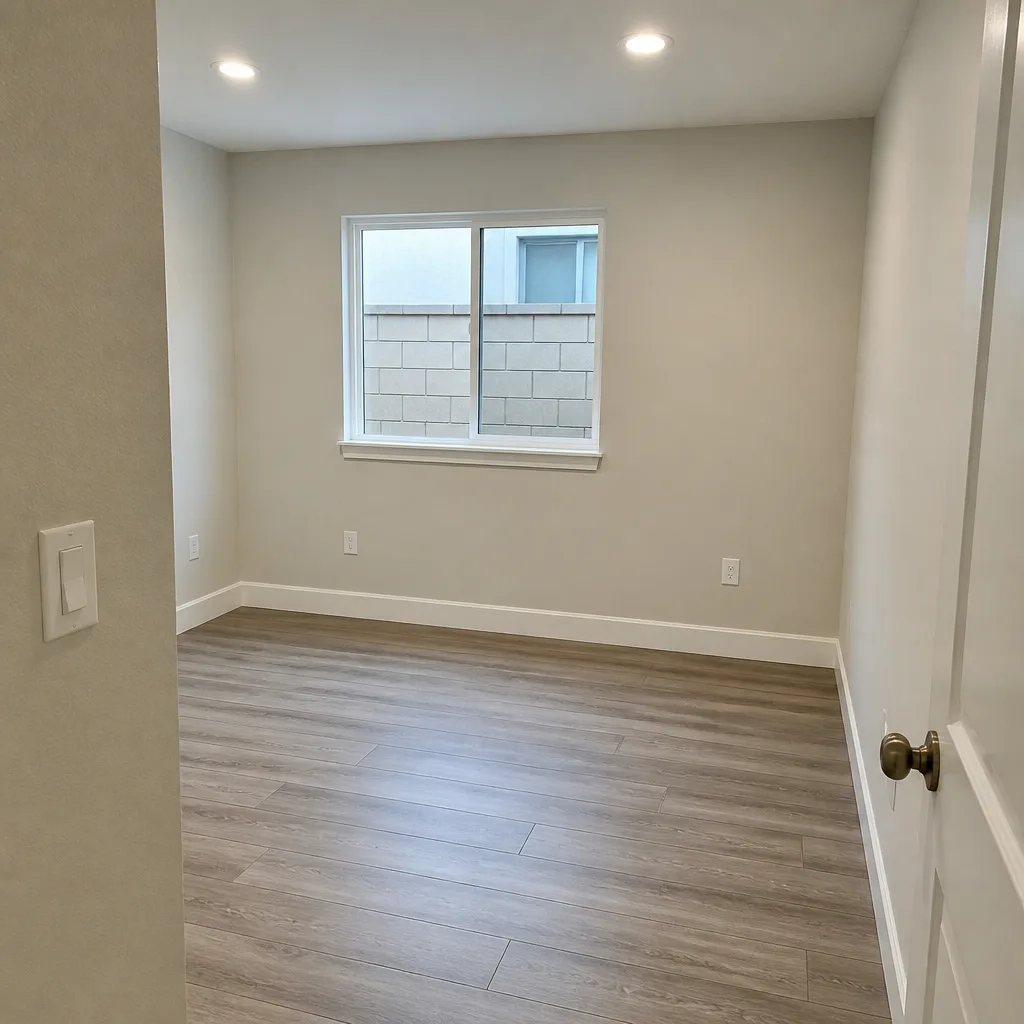 After
After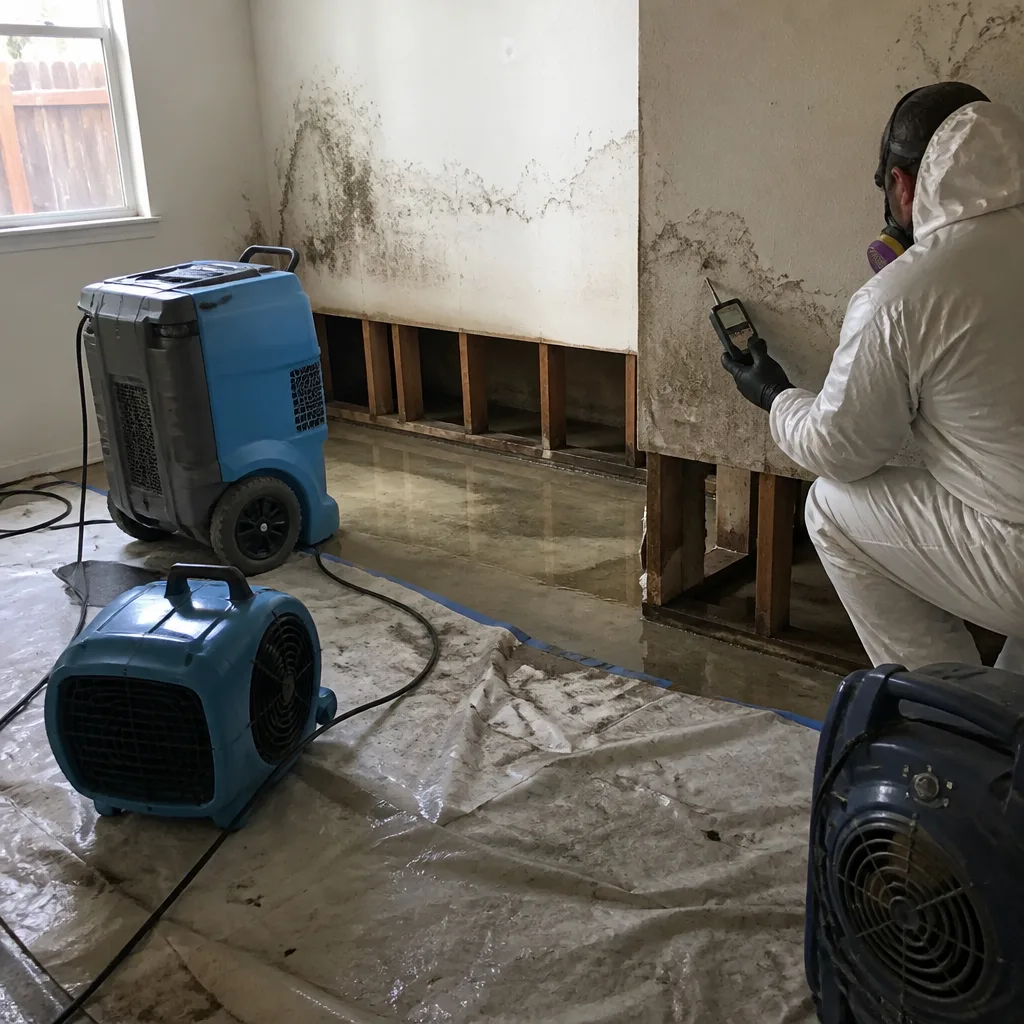 Before
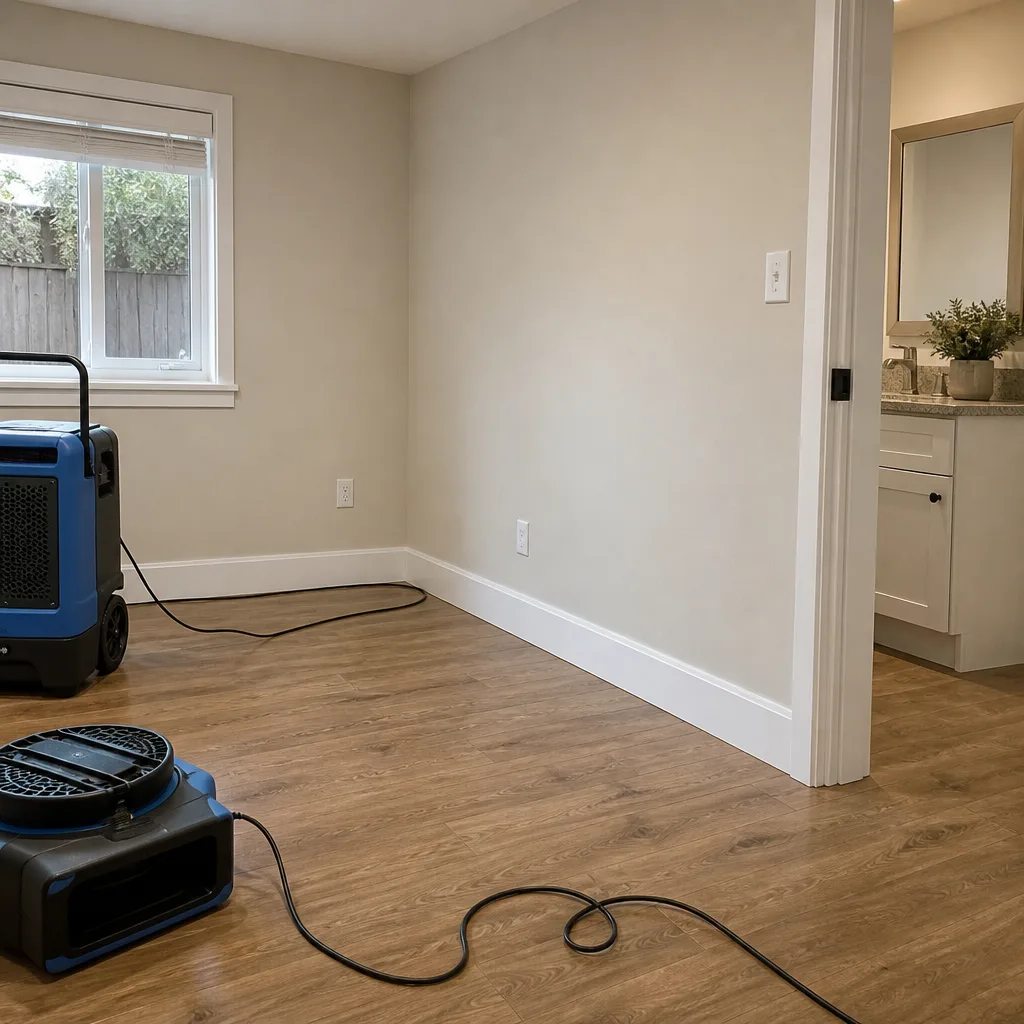 After
After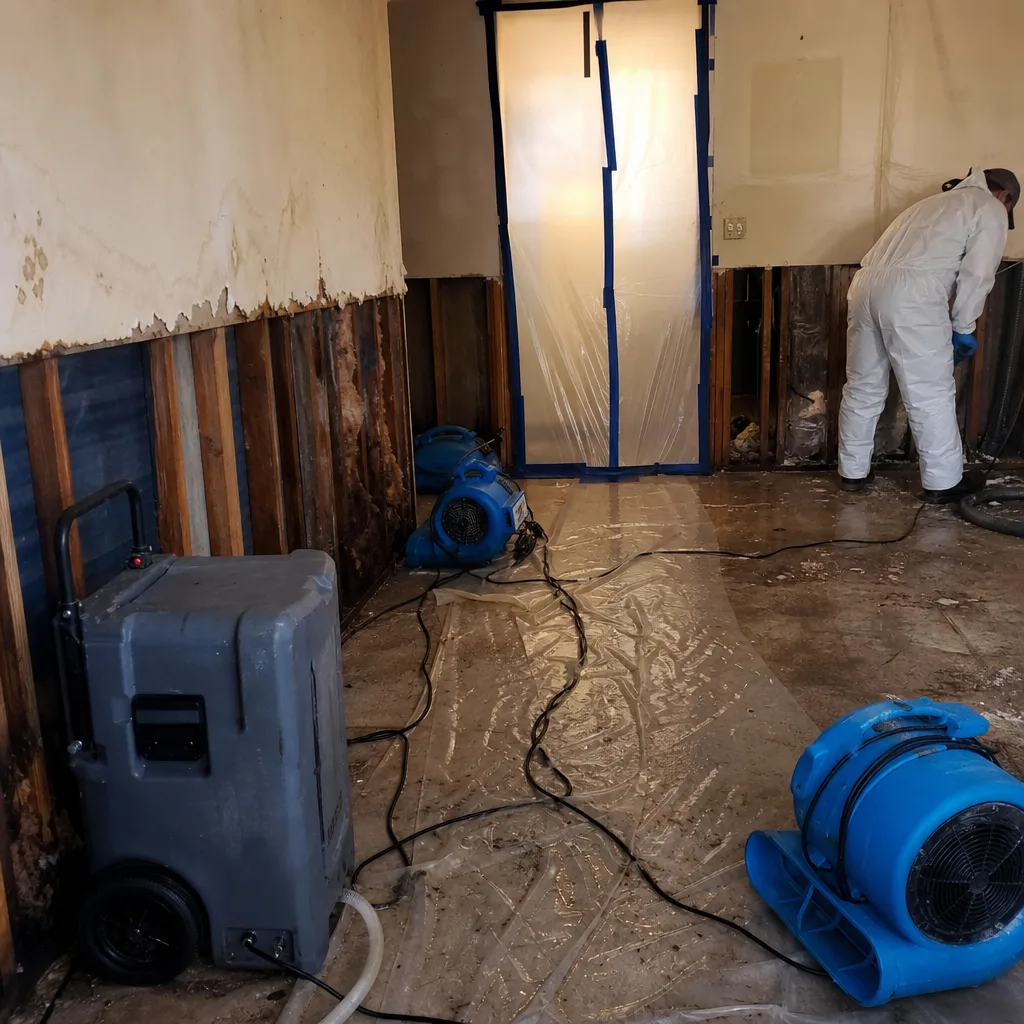 Before
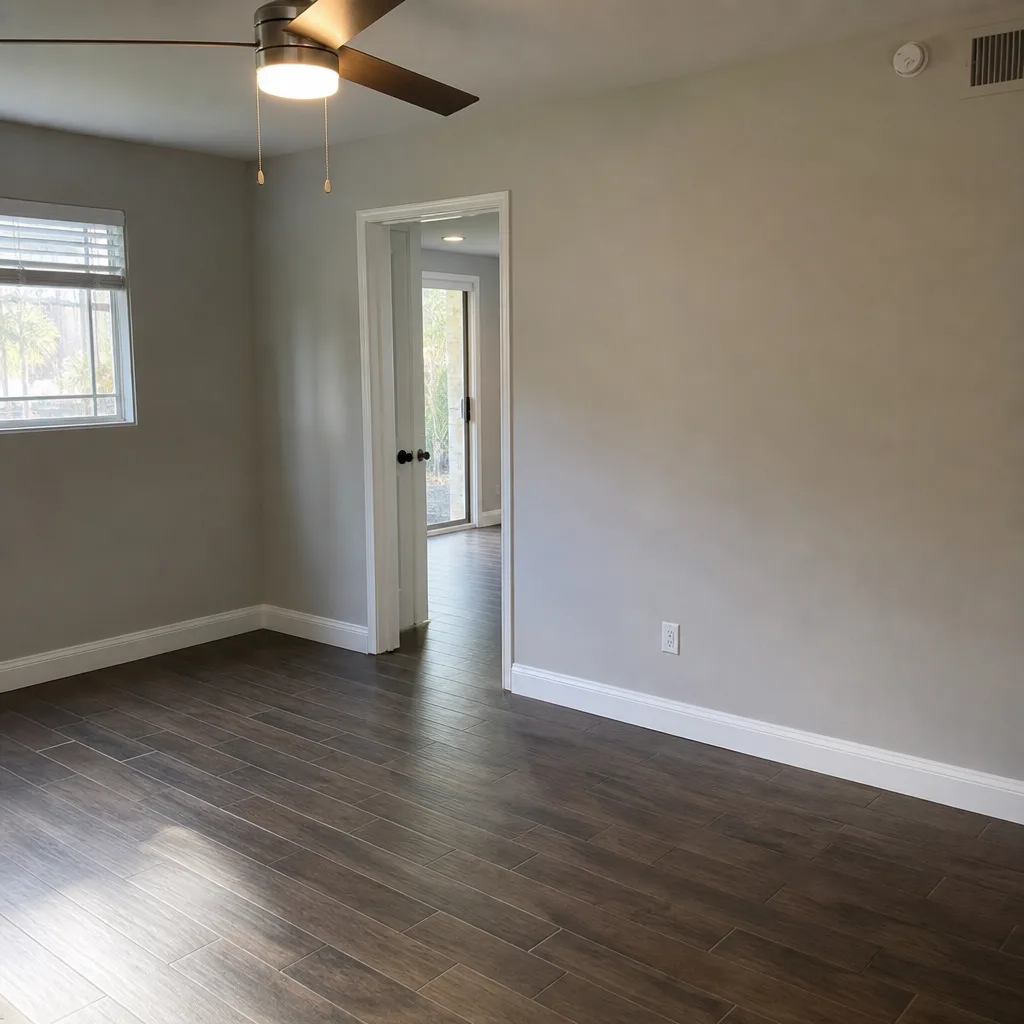 After
After24/7 Emergency Water Damage Restoration in Vista
Water damage restoration in Vista typically costs $2,800-$7,500 for a standard residential mitigation, with emergency extraction starting at $450-$950 and full structural drying running $1,800-$4,200 depending on square footage and contamination category. Most Vista properties can have crews on-site within 45 minutes of a live call, and the first 24 hours determine whether a loss stays contained or spreads to secondary damage like mold behind stucco or under slab foundations. Call (760) 546-9565 now - we answer live, 24 hours a day, with no voicemail trees while water is still moving through your walls.
Our Vista dispatch routes from our San Diego coordination office, with crews already positioned throughout North County for the marine-layer mornings and Santa Ana wind events that define this city’s loss calendar. Every emergency call gets a free visual inspection, moisture mapping with thermal imaging, and a written price before any equipment is unloaded. Haven Standard, Clause 1.
Understanding Water Damage Restoration Severity in Vista Properties
Water damage in Vista falls into three categories under IICRC standards, and misidentifying the category is where most restoration jobs go wrong in this market. Category 1 - clean water from a burst supply line - can become Category 2 or 3 within 48 hours in Vista’s older ranch homes, where coastal marine-layer moisture already promotes mold colonies behind stucco and under slab foundations. Category 2, gray water, carries chemical or biological contamination from dishwasher drains, washing machine hoses, or the corroded cast-iron plumbing common in 1960s-1980s Vista tract developments. Category 3, black water, includes sewage backup, floodwater from canyon debris flows, or any water that has passed through ground contamination.
Vista’s housing stock intensifies every category. The 1970s ranches off East Vista Way and the canyon-rim neighborhoods south of Highway 78 were built with galvanized supply lines and cast-iron drains now past their functional lifespan. When these fail behind walls, moisture mapping with thermal imaging and hygrometers often reveals weeks of hidden saturation before the homeowner ever sees a stain. Our crews document every reading, because the difference between a contained Category 1 extraction and a full Category 3 remediation with asbestos abatement is sometimes a single missed inspection step.
Why Vista Property Owners Choose DryMark Restoration Oceanside
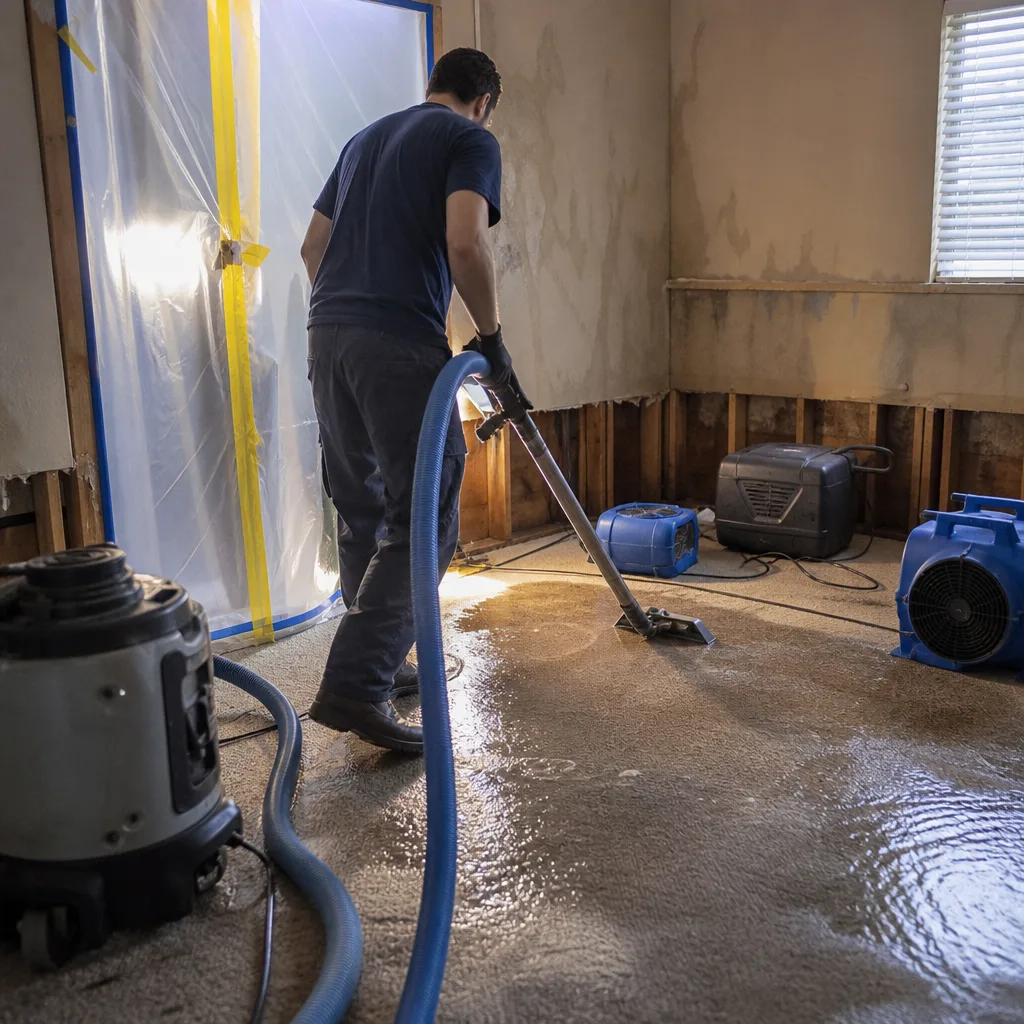
- 45-minute response commitment to Vista addresses, with crews staged throughout North County for emergency dispatch.
- 24/7 live answer - a real person picks up every call, never an automated system or next-business-day callback while water spreads.
- IICRC-certified crews holding WRT (Water Damage Restoration Technician) and AMRT (Applied Microbial Remediation Technician) credentials, with FSRT (Fire & Smoke Restoration Technician) certification for the canyon-rim properties that see sequential fire-plus-water losses.
- Free visual inspection and moisture mapping on every call, documented with photos before any work is proposed.
- Direct insurance billing and adjuster coordination, with our drying logs and photo records formatted for carrier submission.
- One team from extraction through reconstruction - no handoffs between mitigation contractors and rebuild crews that lose scope continuity.
BeforeAfterOur Water Damage Restoration Process
1. Inspection & Assessment
We arrive with thermal imaging cameras, penetrating and non-penetrating moisture meters, and hygrometers to map the full extent of the loss. In Vista’s 1960s-1980s homes, we test popcorn ceilings, nine-inch vinyl floor tiles, and pipe insulation for asbestos before disturbing anything - because starting demolition on asbestos-containing materials without certified abatement triggers a stop-work order that stalls drying for days.
2. Extraction & Stabilization
Standing water is removed with truck-mounted extractors and portable submersible pumps. For slab foundations common in Vista’s ranch neighborhoods, we check for hydrostatic pressure and vapor pressure differential - the force that drives moisture upward through concrete - to determine whether the slab itself is a secondary moisture source.
3. Structural Drying & Dehumidification
We deploy Dri-Eaz and Phoenix dehumidifiers, XPOWER air movers, and Injectidry panel drying systems to create controlled airflow through wall cavities and subfloors. Daily moisture readings are logged to IICRC and RIA standards, producing the documented drying curve that insurance carriers require for claim payment.
4. Cleaning & Sanitization
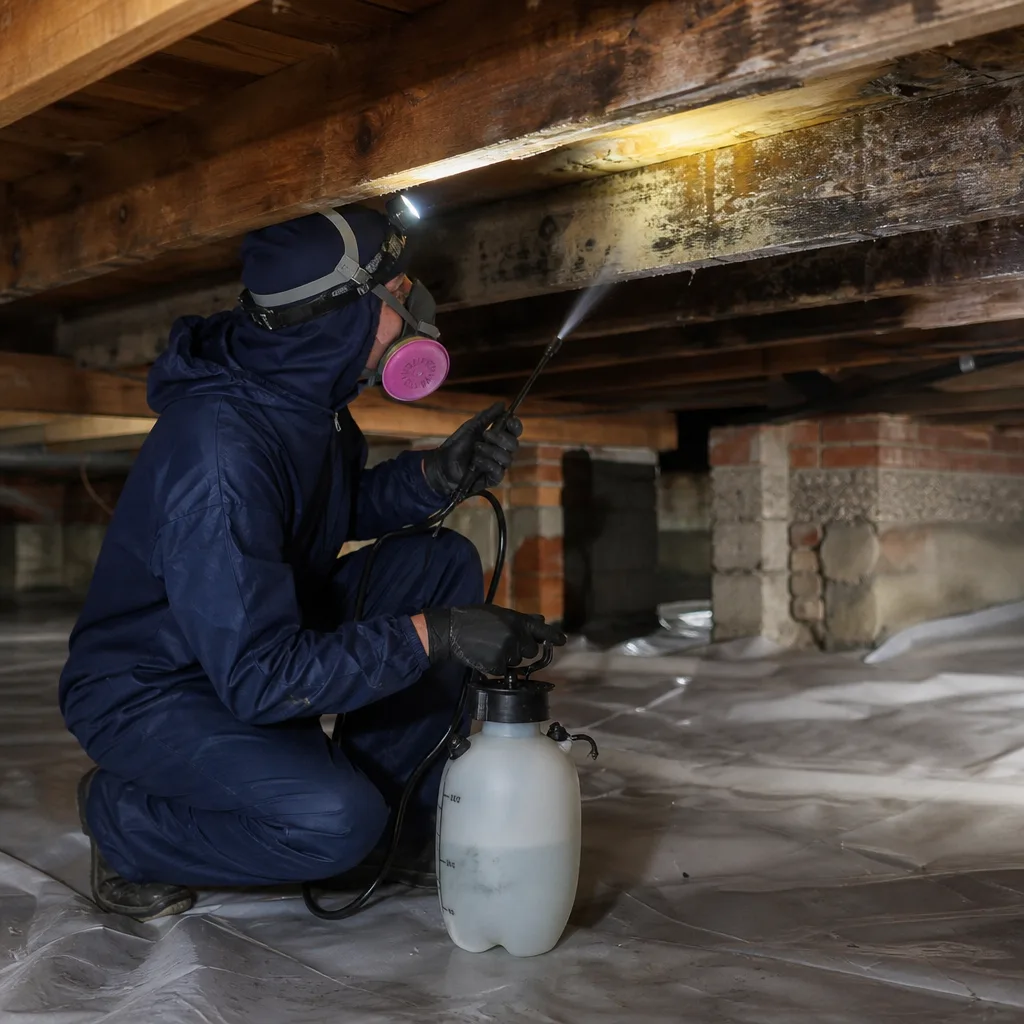
Category 2 and 3 losses receive antimicrobial treatment with EPA-registered disinfectants. HEPA air scrubbers run during all phases to capture airborne mold spores and particulate, critical in Vista’s older homes where decades of marine-layer moisture have established pre-existing microbial loads.
5. Asbestos Abatement Coordination
When pre-1980s materials test positive, we coordinate certified abatement contractors under a single claim scope, maintaining containment barriers and negative air pressure while abatement proceeds. This is the step most restoration companies miss in Vista, forcing homeowners to restart the claim cycle with a second contractor.
6. Repairs & Restoration
Once moisture readings confirm pre-loss equilibrium, our reconstruction crew replaces drywall, flooring, and finish materials to match existing conditions. The 365-Day Done Right Promise, backed by The Haven Standard, covers all workmanship - if it’s not done right, we make it right.
Need Emergency Water Damage Restoration in Vista Now?
Crews minutes away, answering live 24 hours a day. The sooner we start, the less it costs.
Working With Your Insurance Company

Insurance claims fail when documentation fails. Our founder built Back to Dry Restoration in 2011 after seeing how many homeowners lost legitimate coverage because their restoration contractor couldn’t produce a defensible record. Every Vista job begins with photo documentation in the first hour, continues with daily moisture logs and drying curves, and ends with a line-item scope formatted to industry-standard estimating platforms.
We speak directly with adjusters, provide room-by-room damage photos, and coordinate supplemental requests when hidden damage extends the scope. Our Water Damage Restoration team has handled claims for every major carrier writing in San Diego County, and our documentation protocol is designed to produce a payable claim without dispute.
What We Provide Your Insurer
- Thorough documentation of the loss
- Photos of all damage, room by room
- Moisture readings and drying logs
- A detailed, line-item scope of work
- Direct coordination with your carrier
Built for Vista’s Loss Calendar
Vista’s water damage season runs differently than coastal North County. January through March brings the heaviest rain, and post-wildfire winter storms turn the city’s canyon slopes into debris-flow channels that send mud and contaminated water into homes. April and May see the last of the marine-layer moisture trapped in poorly ventilated older construction, where mold behind stucco flourishes in the temperature differential between cool foggy mornings and warm afternoons.
June through September, Santa Ana wind events drop humidity to single digits and drive fire risk through canyon-rim neighborhoods - but the real water damage follows in December and January, when stripped hillsides channel runoff toward foundations that already sustained smoke or ember damage. Our crews plan for this sequence: the properties that burned in October need waterproofing before the rains, not after. Ignoring the connection means the same homeowner files two separate claims instead of one coordinated fire-plus-flood scope.
Year-round, Vista’s inland position creates a unique moisture profile. The marine layer reaches far enough east to wet exterior stucco and roof decking, but the afternoon sun burns it off before proper evaporation completes. This partial-dry cycle, repeated daily in summer, forces moisture into wall cavities where it meets the cooler interior air and condenses - a hidden source of Category 2 damage that thermal imaging catches before it becomes visible mold.
Water Damage Restoration Across Vista’s Neighborhoods
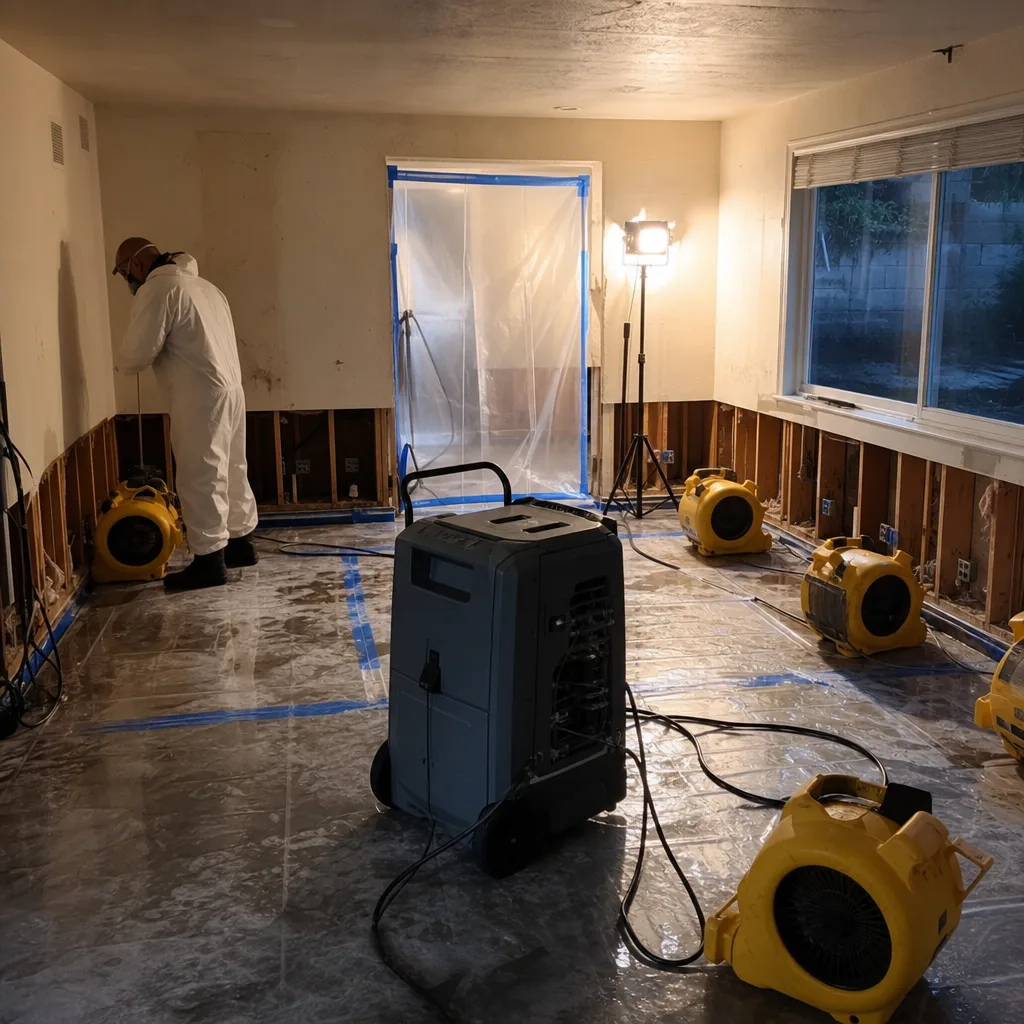
Our Vista response routes cover distinct loss patterns by area. The older ranch neighborhoods south of Highway 78, including the corridors near East Vista Way and the canyon-rim streets backing the Buena Vista Creek watershed, produce the most complex jobs: corroded galvanized plumbing, asbestos-containing finishes, and the sequential fire-then-flood pattern that requires both FSRT and WRT-certified crews on the same property.
The mobile-home and manufactured-housing communities concentrated in eastern Vista present different structural vulnerabilities. Water intrusion under pier-and-beam foundations, vapor barrier failures, and the lightweight construction that warps quickly under sustained moisture - these losses require faster extraction and more aggressive dehumidification to prevent total structure compromise.
Newer infill near Melrose Drive and the Shadow Ridge area sees more standard Category 1 losses from appliance failures and supply-line bursts, though even these homes can hide slab leaks where coastal marine-layer moisture has already preconditioned sub-slab soil for mold growth. The Shadow Ridge golf course adjacency adds a localized groundwater table issue we account for in moisture mapping.
Downtown Vista’s mixed commercial-residential buildings, many converted from 1970s retail or office use, carry aging flat roofs and original HVAC drainage that backs up into ceiling cavities. Ceiling and roof leak water damage here often involves multiple tenant units and requires coordinated containment to prevent cross-contamination.
Specialized Water Damage Restoration Services We Offer in Vista
Emergency Water Extraction
Standing water removal within the first hour prevents wicking into drywall and subfloors. In Vista’s 1960s-1980s ranches with original construction, that hour is even more critical - the building materials are less moisture-resistant than modern equivalents, and the asbestos risk in finishes means we can’t simply cut and remove saturated sections without testing first. Our truck-mounted extractors and portable submersible pumps handle everything from slab seepage to two-foot basement flooding.
Structural Drying & Dehumidification
This is where documentation wins claims. We deploy Dri-Eaz and Phoenix LGR dehumidifiers, XPOWER axial and centrifugal air movers, and Injectidry interwall drying systems to create controlled psychrometric conditions - temperature, humidity, and airflow balanced to drive evaporation without over-drying. Daily logs track specific humidity, grains per pound, and vapor pressure differential until readings return to pre-loss baselines. In Vista’s canyon-rim homes with sequential smoke-then-water damage, this documentation proves the timeline impact to insurers covering both perimeters.
Flood Cleanup
Vista’s flood losses come from two sources: winter storm debris flows from denuded canyon slopes, and sewage backup from the aging cast-iron drainage infrastructure in older neighborhoods. Both are Category 3, requiring full PPE, antimicrobial treatment, and disposal of porous materials. We coordinate with municipal flood control when canyon drainage systems are involved, and document all contamination for health department and insurance requirements.
Burst Pipe Restoration
Corroded galvanized supply lines and cast-iron drains fail without warning in Vista’s original housing stock. Our crews locate the breach with acoustic leak detection and thermal imaging, then map the full spread of saturation before proposing extraction. The critical step most competitors skip: testing surrounding finishes for asbestos before opening walls, so a simple pipe repair doesn’t become a stop-work abatement project.
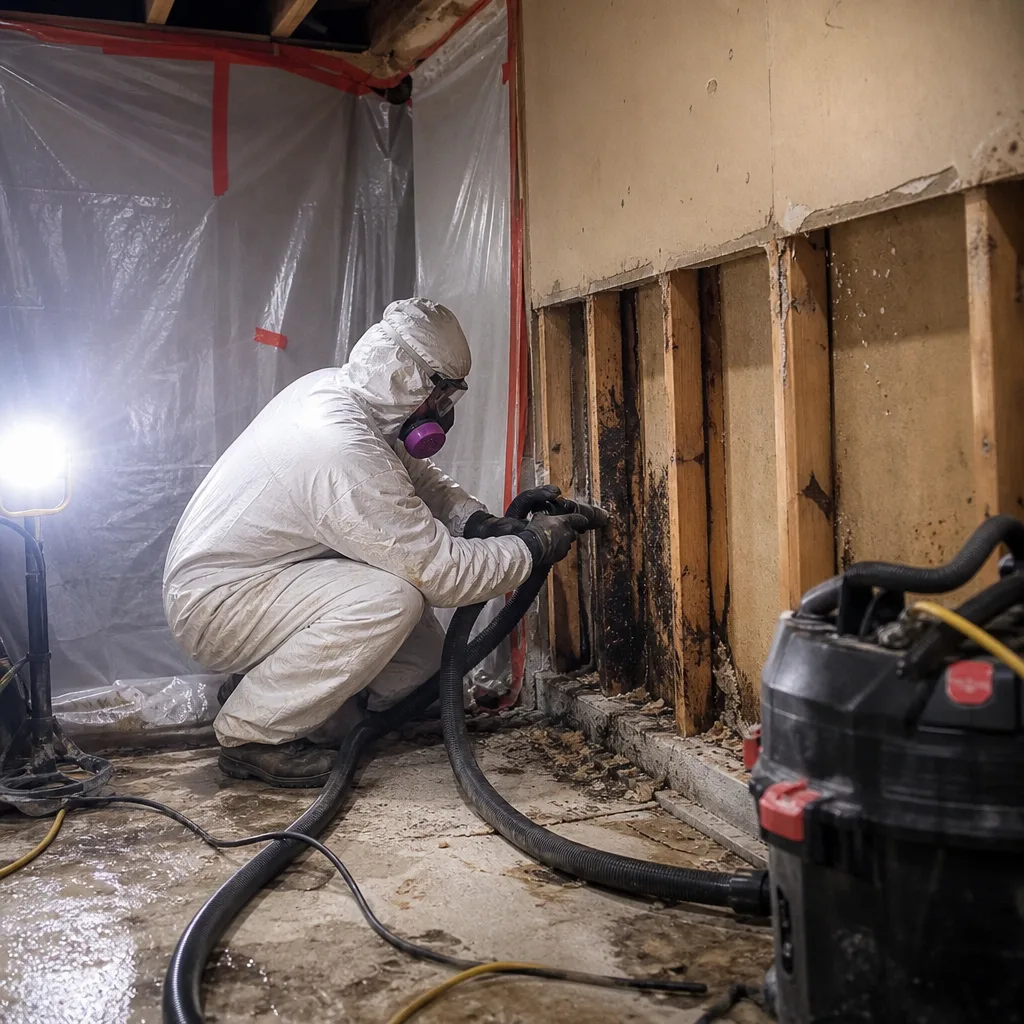
Basement Water Removal
True basements are rare in Vista, but partial daylight basements and under-house crawl spaces in hillside neighborhoods see significant hydrostatic pressure during winter rains. We install temporary sump systems, map moisture intrusion paths, and specify permanent drainage solutions as part of the reconstruction scope.
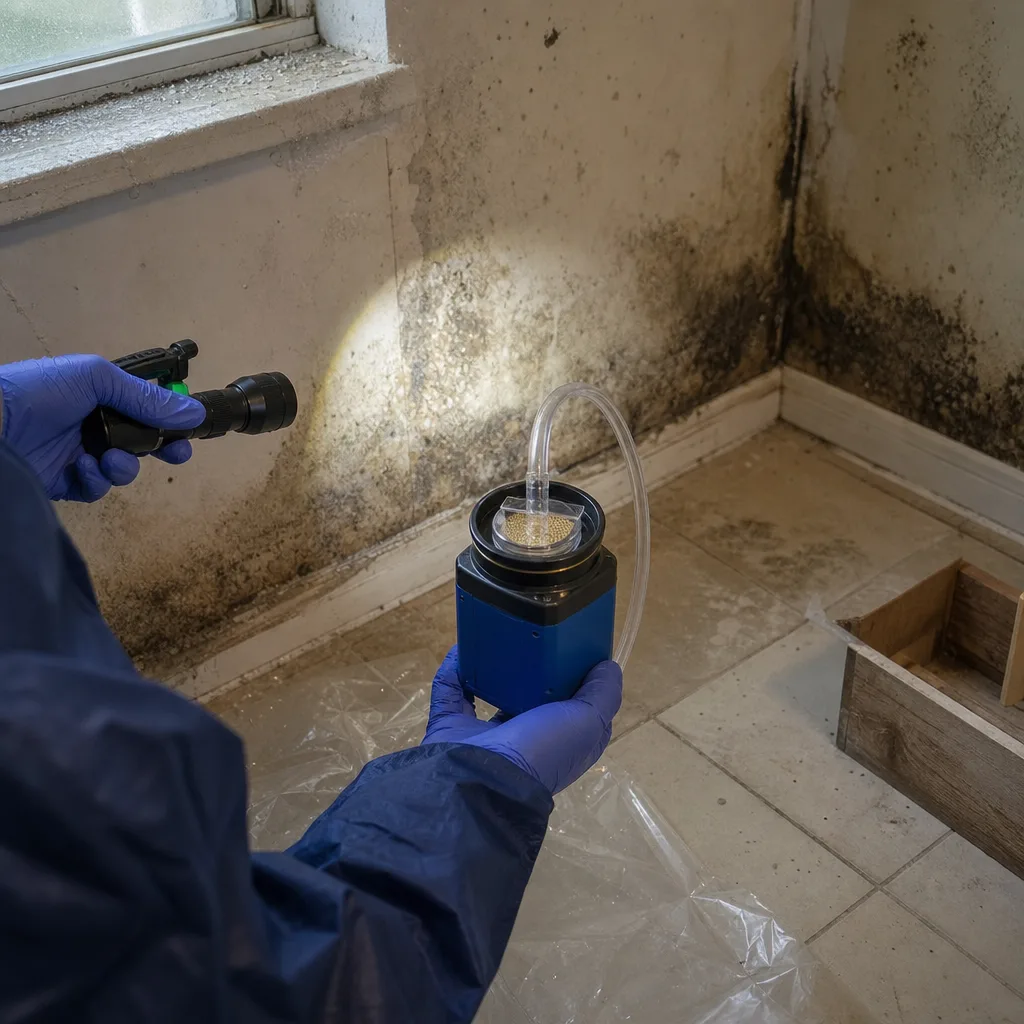
Ceiling & Roof Leak Water Damage
Vista’s marine-layer moisture degrades roof decking and flashing over decades, and Santa Ana wind events lift compromised shingles in batches. Ceiling damage in the city’s older homes frequently exposes asbestos-containing popcorn texture, requiring our coordinated abatement-drying approach. We document the roof failure cause for insurance - wind-driven rain vs. maintenance neglect - because coverage hinges on that distinction.
What happens when you call
- 1
A real person answersNo phone trees - you reach a local pro.
- 2
You get an upfront price rangeHonest numbers before anyone is dispatched.
- 3
A background-checked tech heads outLicensed & insured, dispatched right away.
- 4
You approve before work beginsNothing starts until you say go.
Water Damage Restoration Costs in Vista, CA
Emergency water extraction in Vista runs $450-$950 for most residential losses, with full structural drying and dehumidification at $1,800-$4,200 depending on affected square footage and equipment days. Category 3 flood cleanup with contamination disposal starts at $3,500 and ranges to $8,500+ for whole-house losses. Burst pipe restoration with wall repair typically falls at $2,200-$5,800, while ceiling and roof leak damage with asbestos-containing popcorn ceiling abatement adds $1,200-$3,400 to the base mitigation.
What moves the price: category of water, square footage affected, whether asbestos abatement is required, and whether the loss involves the sequential fire-plus-flood pattern common on Vista’s canyon rims. Insurance typically covers sudden and accidental water damage, including the abatement necessary to access and dry structural materials. Gradual leaks from corroded plumbing may be limited to the sudden event portion, which is why our documentation distinguishes the acute failure from pre-existing moisture.
Every job starts with a free visual inspection and written price before work begins - Haven Standard, Clause 1. Bring a competitor’s written estimate and we’ll review it at no charge for a second opinion.
We Also Serve Cities Near Vista
Our North County crews respond throughout the region, with Water Damage Restoration in Vista as our core inland service area. We also serve San Marcos to the east, Carlsbad and Oceanside along the coastal corridor, and Encinitas to the south - each with localized response protocols for their distinct housing stocks and loss patterns.
Serving Vista, CA - Our Local Coverage Area
We’re based in the Vista area and know this community well. Use the map below to see our service coverage - if you’re nearby, we can almost certainly help.
Vista Water Damage Restoration Questions, Answered
Does the older housing stock in Vista change how long water damage restoration takes?
Yes - Vista’s 1960s-1980s homes frequently contain asbestos in popcorn ceilings, nine-inch vinyl floor tiles, and pipe insulation, which legally requires certified abatement before structural drying can proceed.
Starting demolition without testing triggers a stop-work order, containment setup, and re-scope that adds 3-7 days to the timeline. We test in the first hour to avoid this delay. Call (760) 546-9565 for a free inspection that includes asbestos screening.
Why do hidden water leaks behind walls seem common in Vista’s ranch homes?
The original galvanized supply lines and cast-iron drains in Vista’s post-war ranch developments have exceeded their 50-60 year functional lifespan and corrode from the inside out.
A supply line can weep for weeks before visible staining appears, saturating drywall, insulation, and subflooring. Our thermal imaging and moisture meters locate these hidden losses before mold establishes. Call (760) 546-9565 for leak detection and mapping.
Can smoke damage from a Santa Ana wind event and later flood water be handled in one claim?
Yes, when the same property sustains both perils in sequence, a single coordinated claim is both possible and preferable to separate filings.
Our FSRT and WRT-certified crews document the smoke damage scope, establish containment, and then extend the same documentation protocol to the subsequent water intrusion - producing one record that shows the full timeline impact to your adjuster. This prevents coverage gaps and deductible duplication. Call (760) 546-9565 to coordinate both perimeters.
What category of water do most Vista slab and marine-layer leaks fall into?
Most start as Category 1 but degrade to Category 2 within 48-72 hours due to pre-existing microbial growth.
Vista’s coastal marine-layer moisture promotes mold colonies behind stucco and under slabs year-round. When a new leak introduces additional water, it mixes with these established colonies, elevating contamination. We test and document the actual category at arrival, not assume it based on the source. Call (760) 546-9565 for accurate classification and scope.
How fast do you need to start drying a Vista water loss to stop mold?
Mold colonization begins in 24-48 hours in Vista’s climate, where marine-layer humidity already keeps ambient moisture levels elevated.
Our 45-minute response commitment targets the first hour for extraction start, with dehumidification running within four hours. Daily moisture logs track progress against this timeline, documented for insurance. The sooner we start, the less square footage requires removal. Call (760) 546-9565 for immediate dispatch.
How does Vista water damage restoration cost compare to nearby coastal cities?
Vista’s costs run 10-20% higher than coastal Carlsbad or Oceanside for comparable square footage, primarily due to asbestos abatement requirements in pre-1980s housing.
Coastal new builds rarely contain asbestos-containing materials, so their mitigation proceeds directly to drying. In Vista, the abatement step is non-negotiable and adds $1,200-$3,400 to typical jobs. Insurance covers this when properly documented. Call (760) 546-9565 for a written price that includes all necessary steps.
Can my family stay in the home during water damage restoration?
Category 1 losses with contained drying zones often allow occupancy, but Category 2 or 3 losses, any asbestos abatement, or extensive equipment noise typically require temporary relocation.
We specify occupancy status in the written scope before work begins, with containment barriers and HEPA air scrubbers protecting adjacent spaces when partial occupancy is feasible. Your adjuster can address additional living expense coverage. Call (760) 546-9565 to discuss your specific situation.
What certifications do your Vista water damage restoration technicians hold?
Our lead technicians hold IICRC WRT (Water Damage Restoration Technician), AMRT (Applied Microbial Remediation Technician), and FSRT (Fire & Smoke Restoration Technician) credentials, with ongoing education through RIA and IFA programs.
All work is documented to IICRC S500 standards for water damage and S520 for mold remediation, producing the daily drying logs and photo records that convert restoration invoices into payable insurance claims. Equipment is specified by manufacturer - Dri-Eaz, Phoenix, XPOWER, Injectidry - and logged by serial number for traceability. Call (760) 546-9565 to verify current certifications for your assigned crew.
Written by Alicia Brennan, Owner at Back to Dry Restoration, serving Vista and North County San Diego since 2011.
Water Damage Restoration in Nearby Areas