

Free visual inspection and a written scope of work before any mitigation begins - photos, moisture readings, and drying logs go in your claim file
The scope we write is the scope we bill. Anything new gets shown to you, in writing, before we touch it.
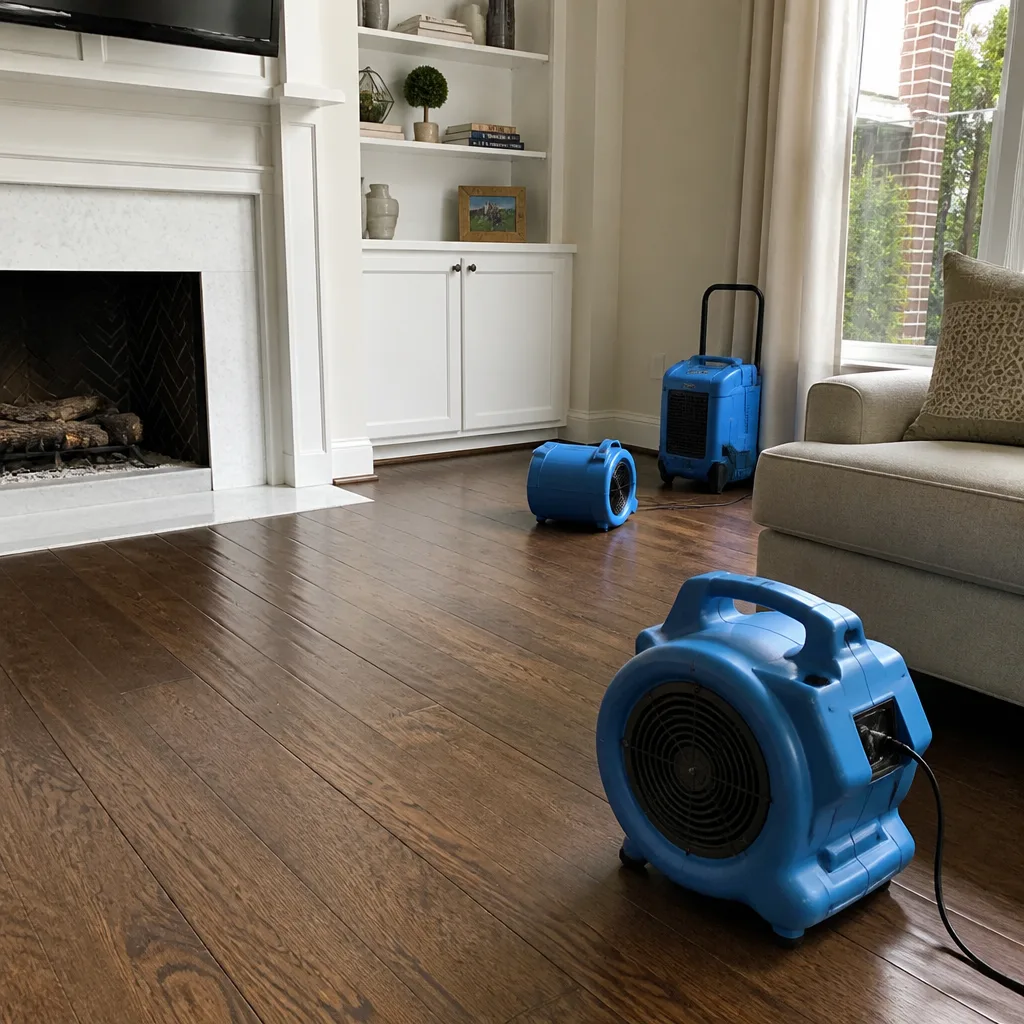
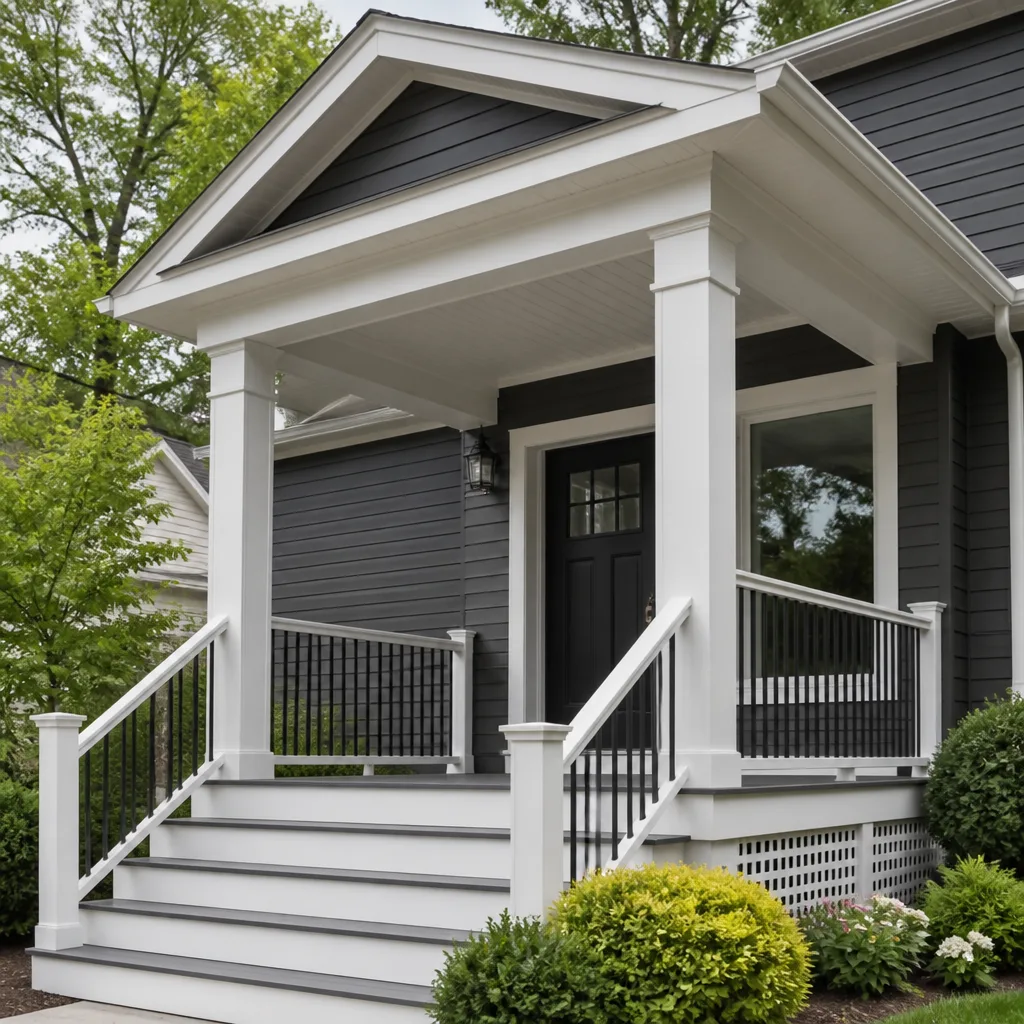
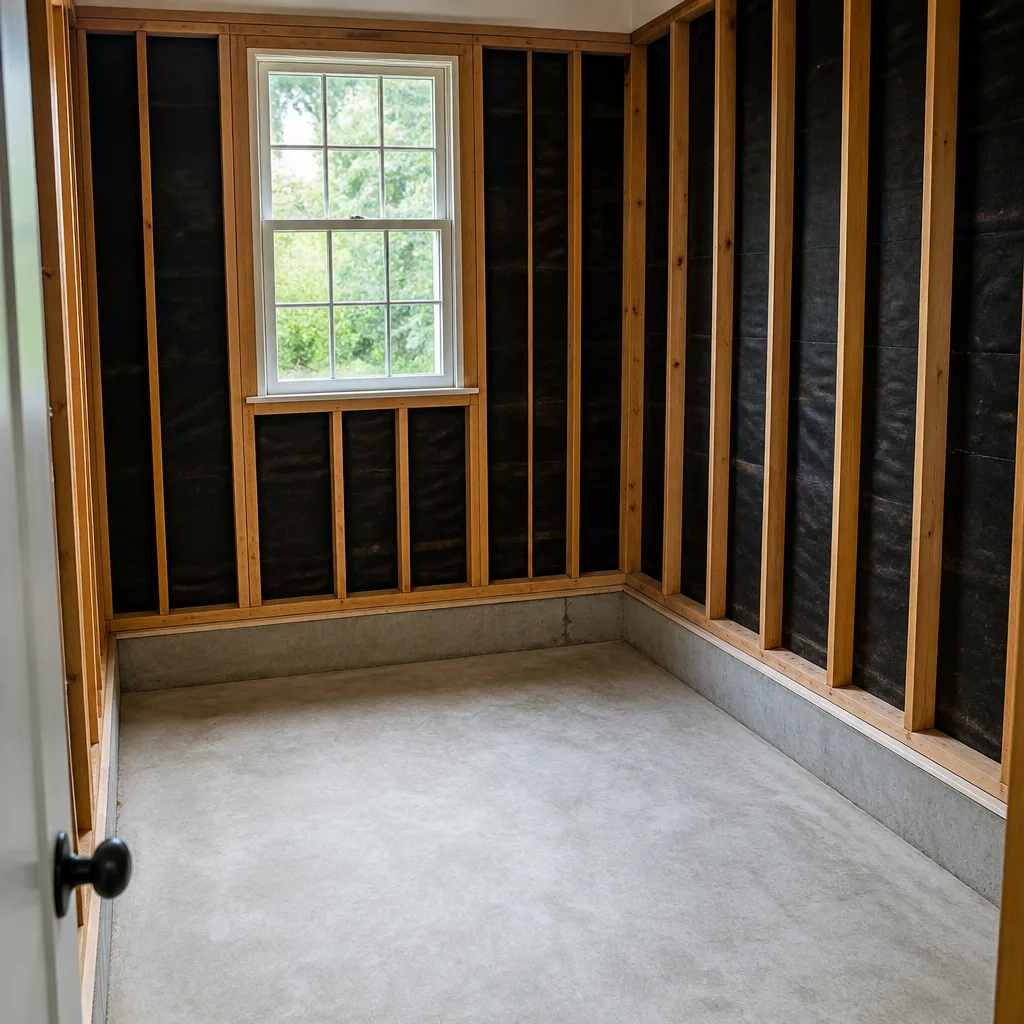
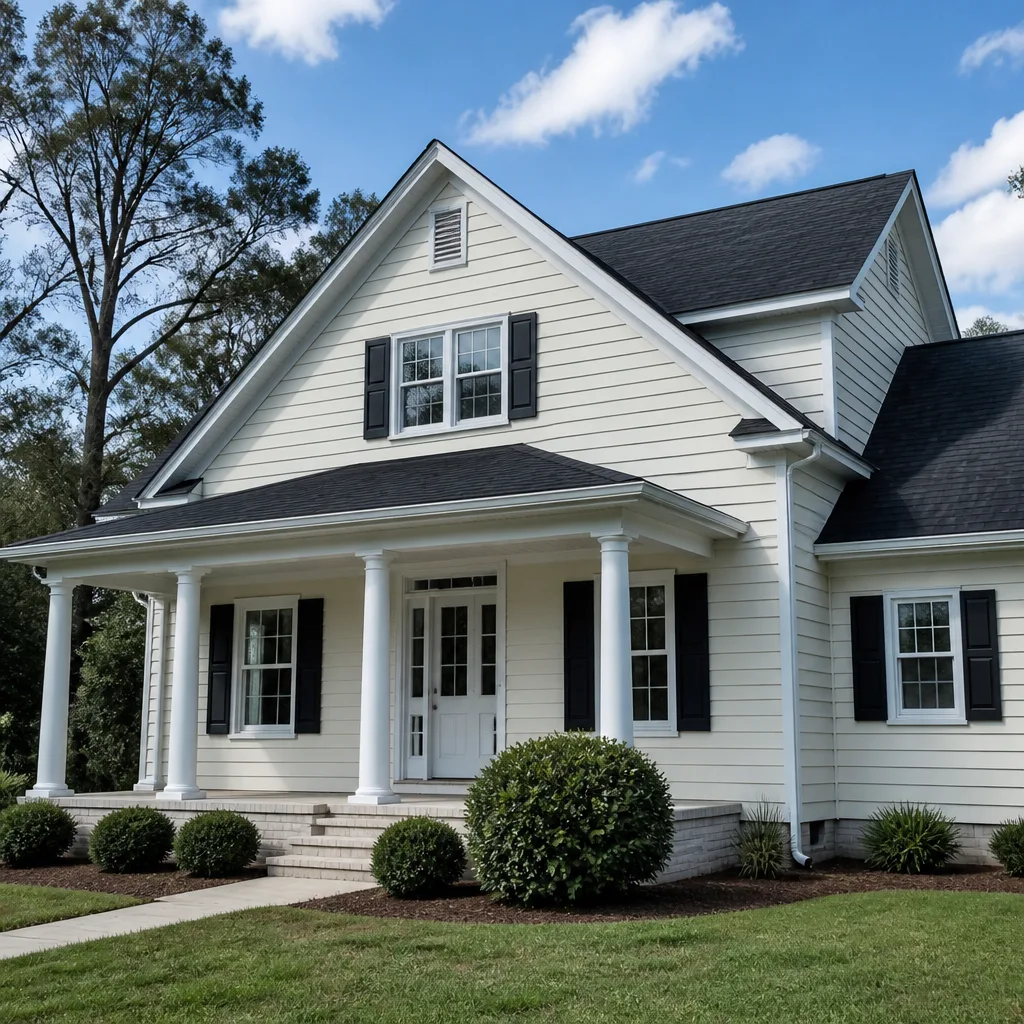
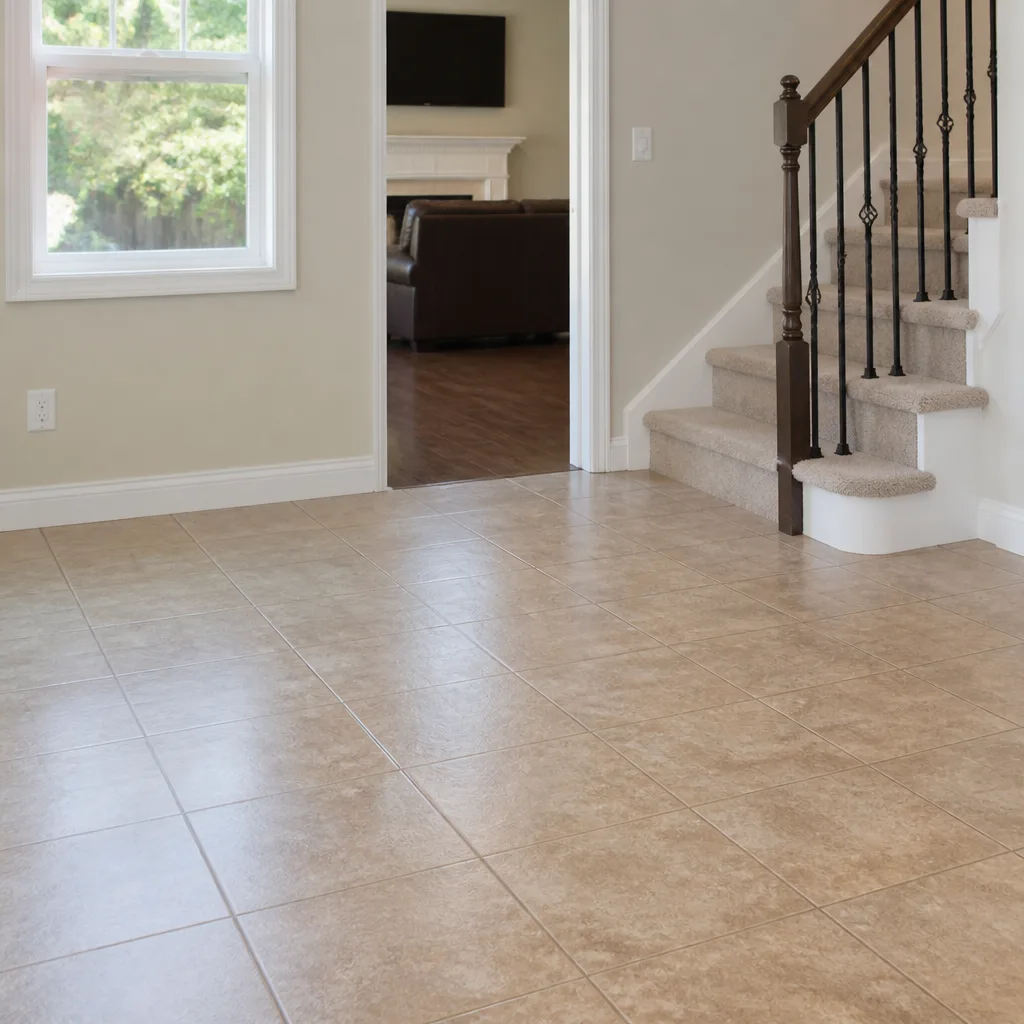
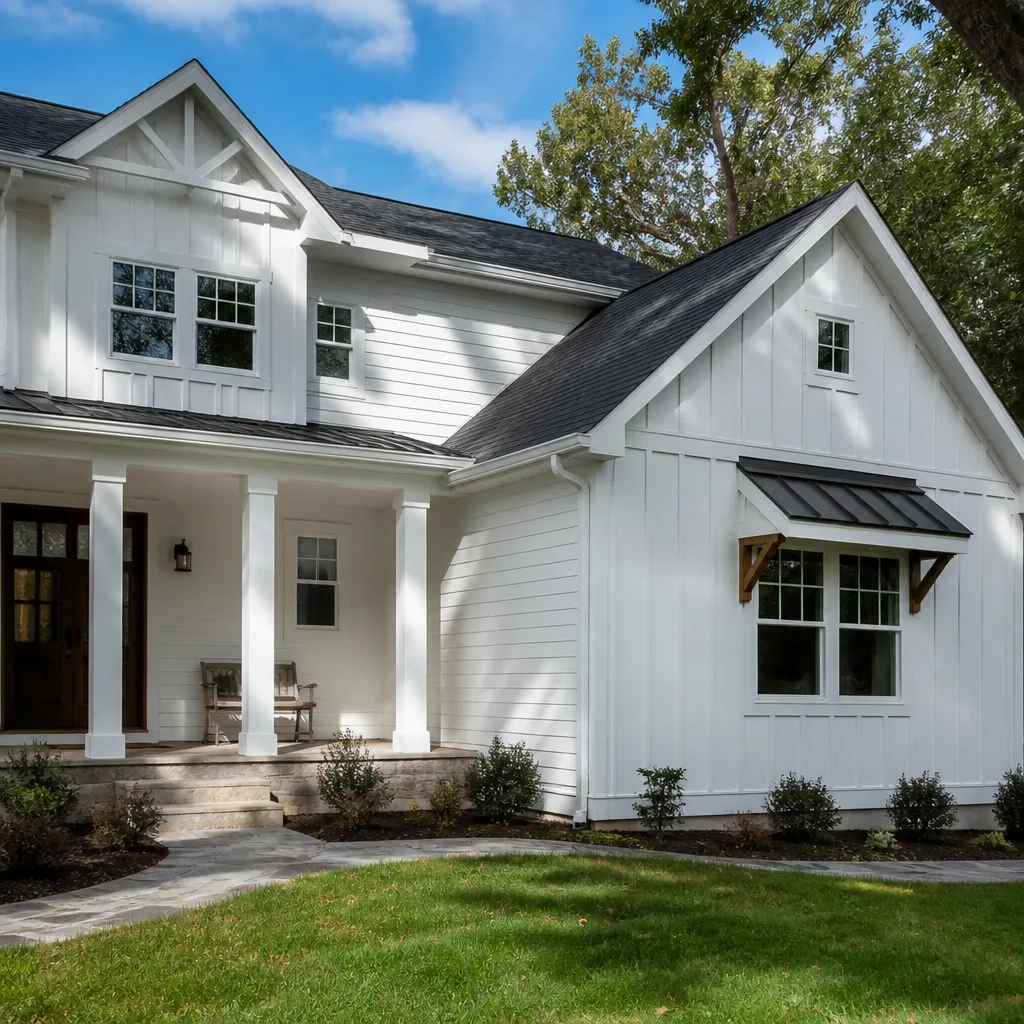
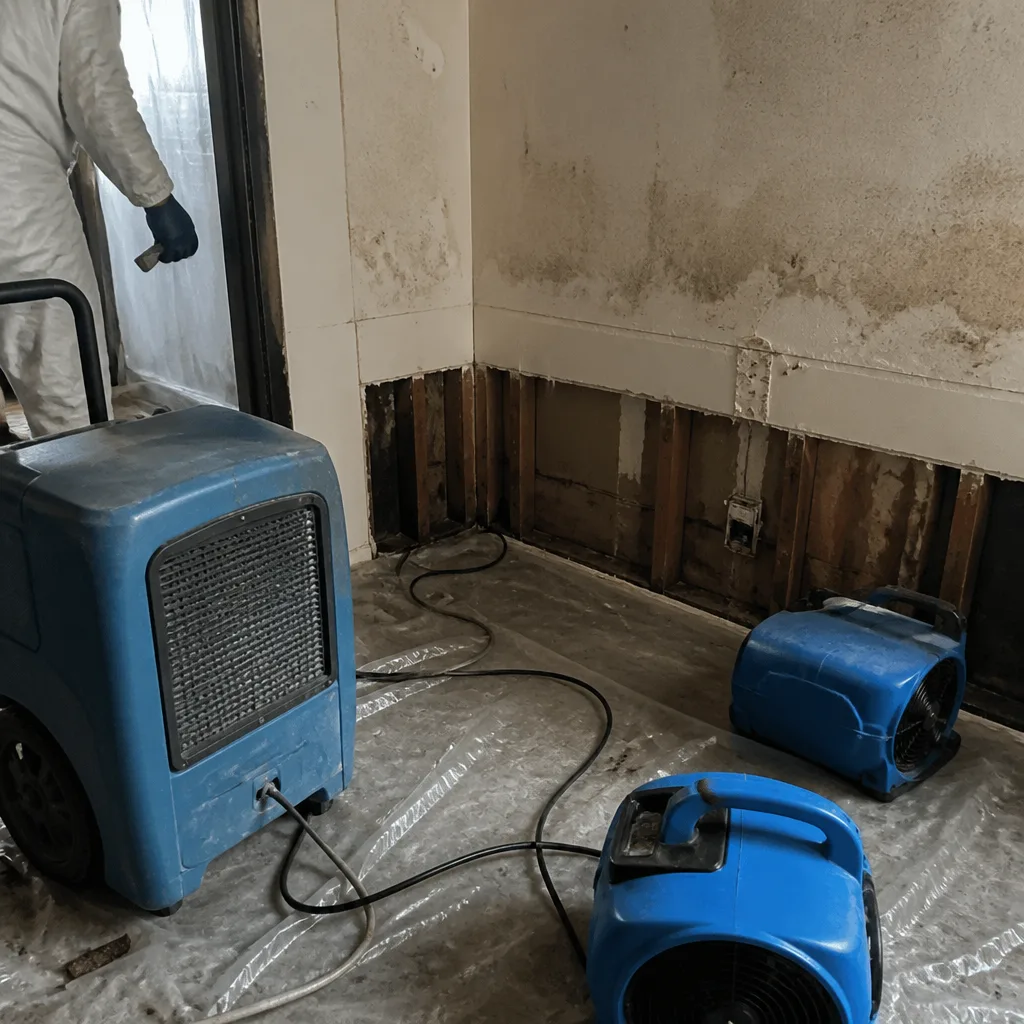 Before
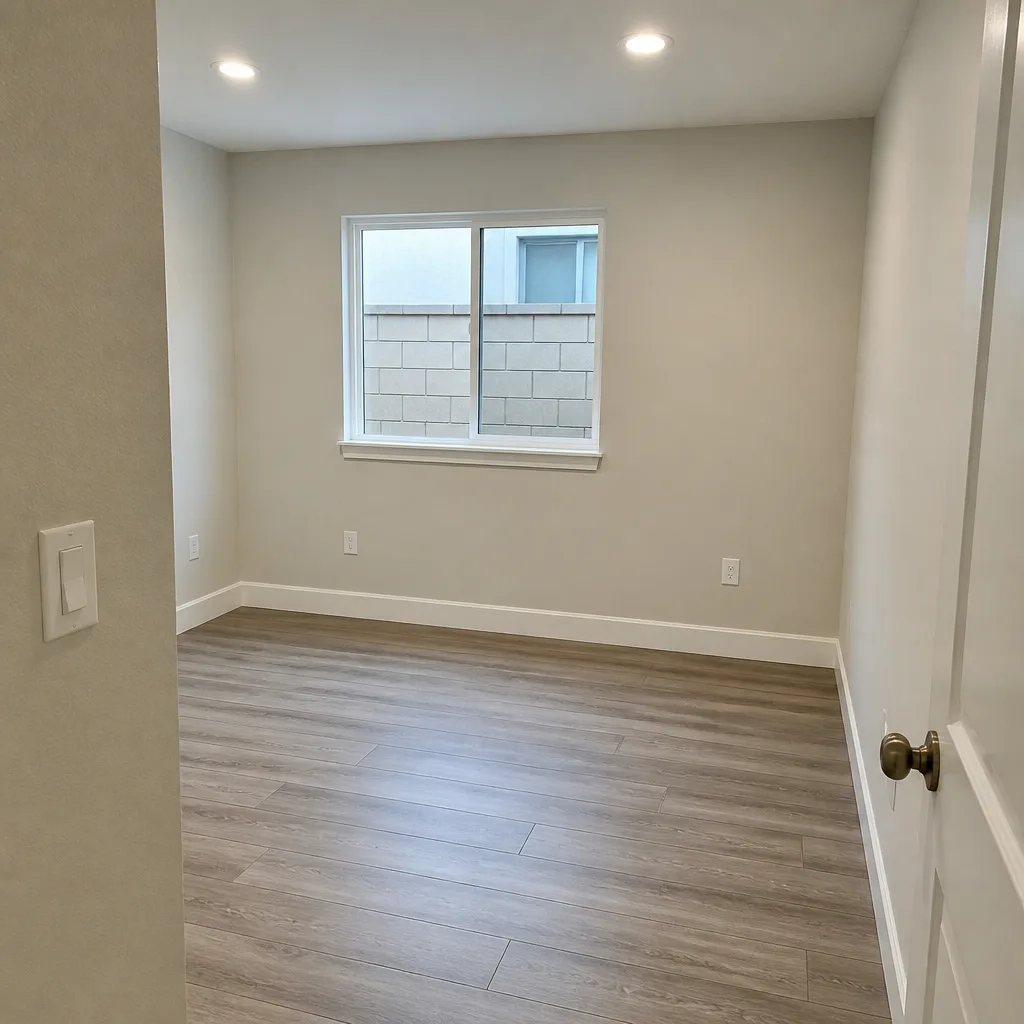 After
After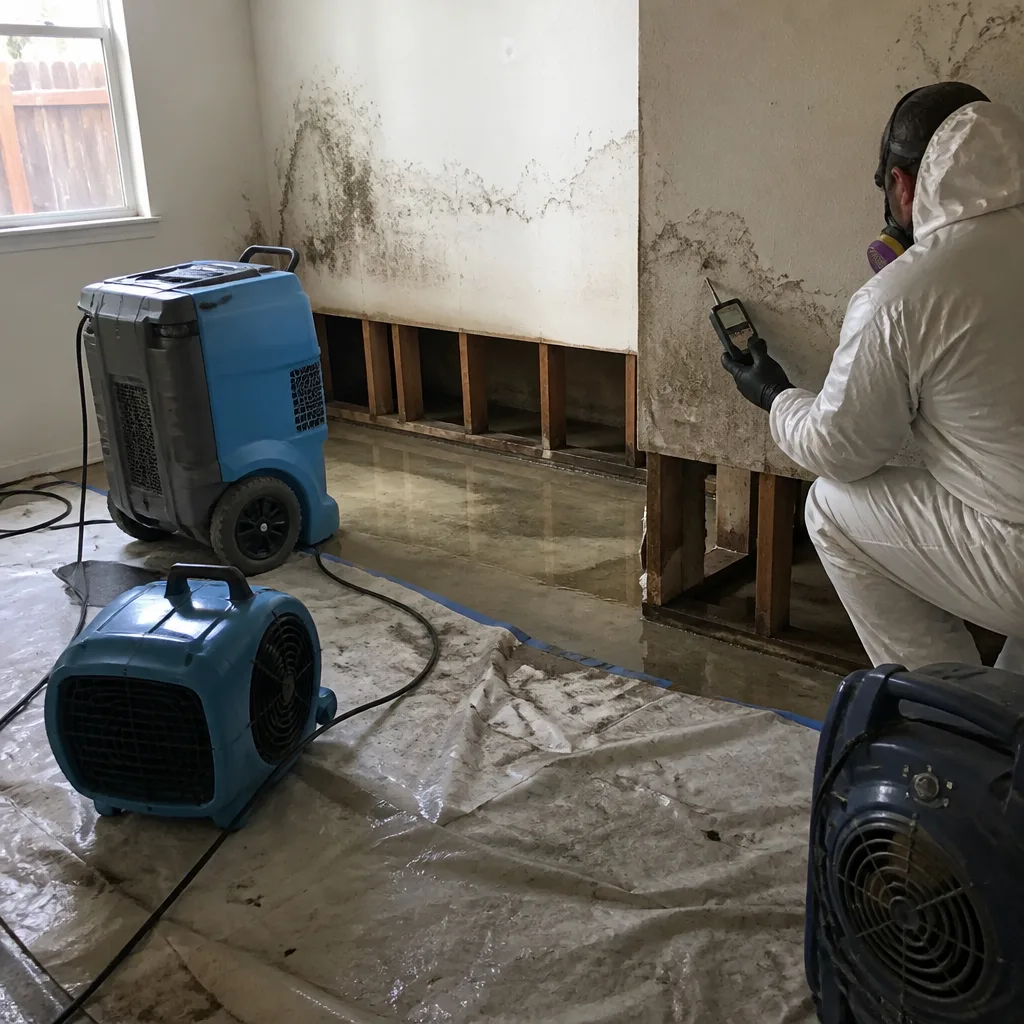 Before
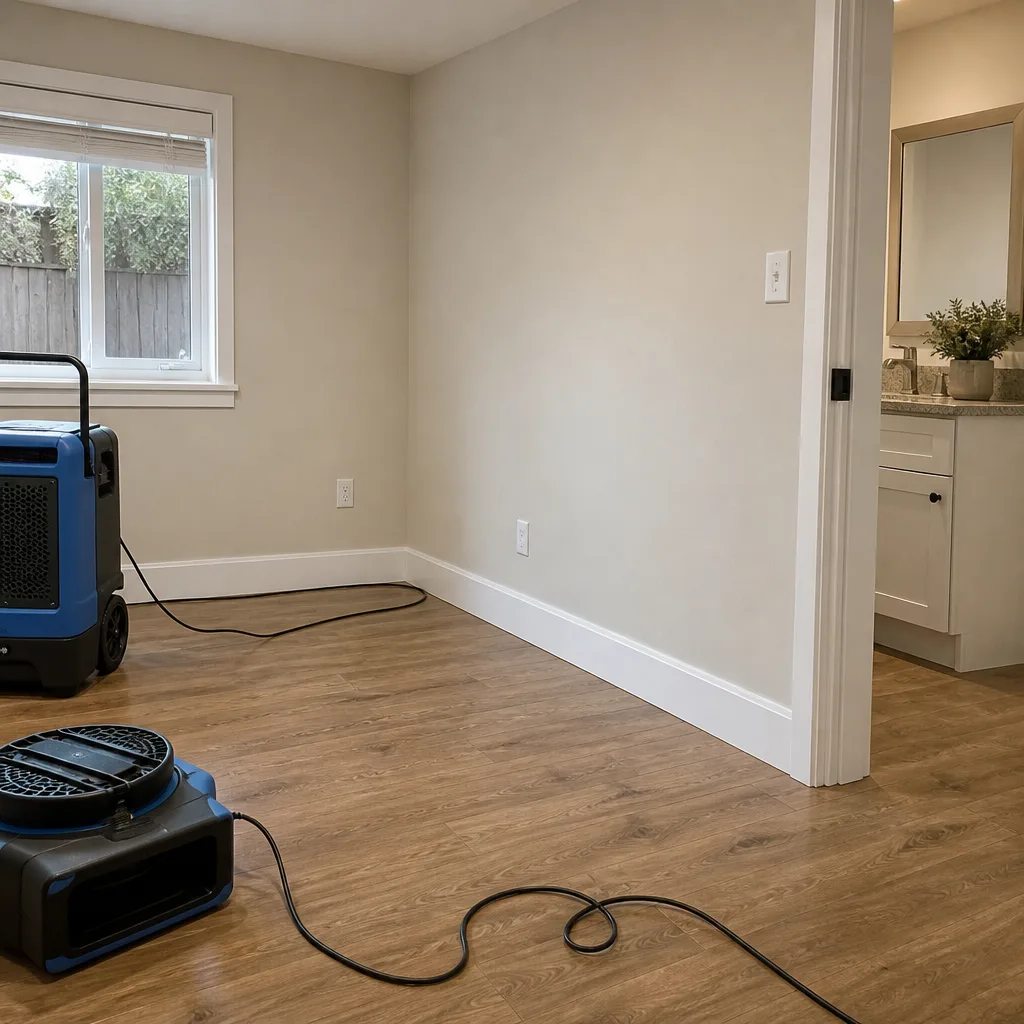 After
After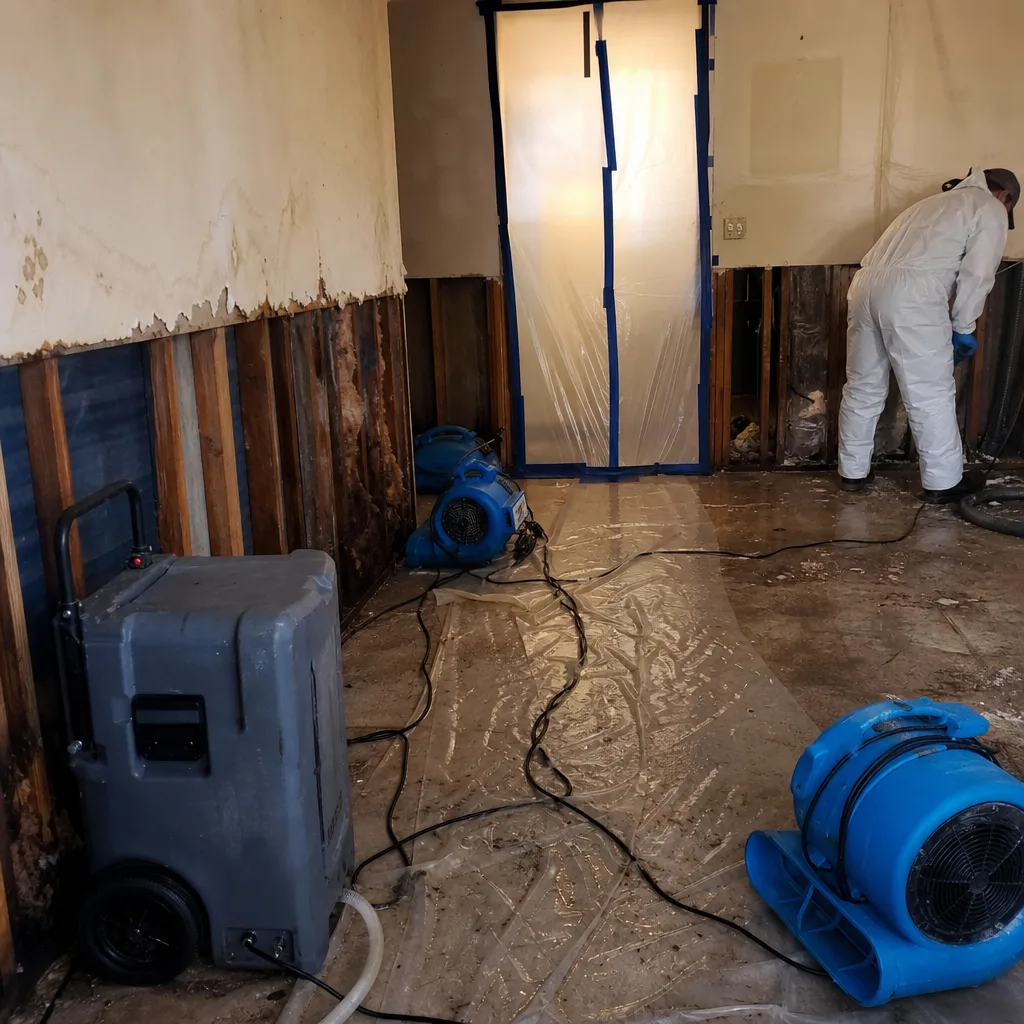 Before
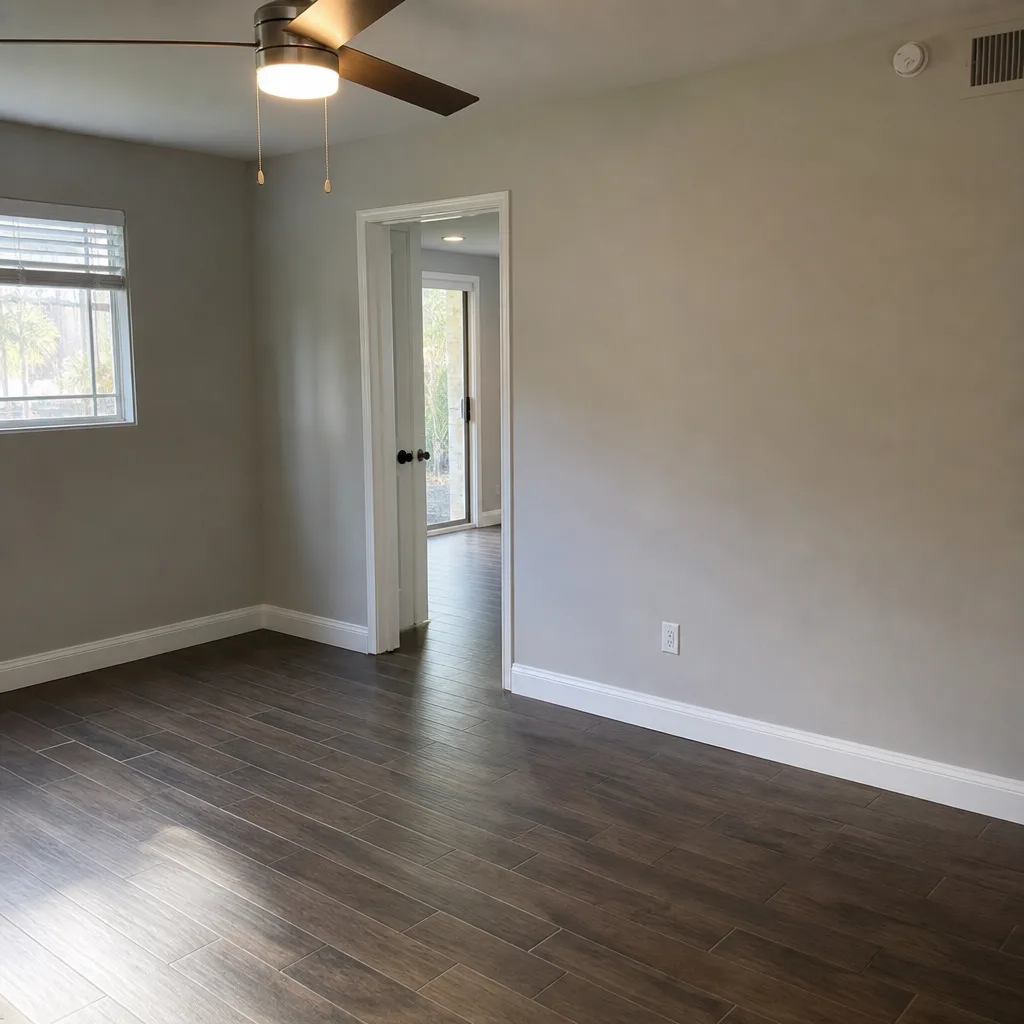 After
After24/7 Emergency Fire & Smoke Damage Restoration in Camp Pendleton South
Fire and smoke damage restoration in Camp Pendleton South typically costs $2,800-$8,500 for moderate residential jobs, with emergency board-up and stabilization starting at $450-$950. Crews are available now at (760) 546-9565, answered live 24 hours a day by a real person - no voicemail, no callback queues while smoke residue continues etching into finishes.
We dispatch to the Camp Pendleton South area from our San Diego office, with crews carrying current DBIDS base-access credentials required for every job on this active installation. The first hour after a fire determines whether protein smoke residue can be lifted from surfaces or has bonded permanently. The first 24 hours decide whether water from suppression efforts triggers secondary mold colonization in Camp Pendleton South walls, a real risk here given the marine-layer humidity that sits at 70-85% relative humidity most mornings.
Our Fire & Smoke Damage Restoration team provides a free visual inspection on arrival, documents every room with photos before touching anything, and delivers a written price before work begins - Haven Standard, Clause 1, no exceptions.
Understanding Fire & Smoke Damage Restoration Severity in Camp Pendleton South Properties
Fire damage restoration trades classify smoke residue by type: dry smoke from fast-burning, high-heat fires leaves powdery, easily wiped deposits; wet smoke from slow, oxygen-starved burns produces sticky, smeary residue that requires solvent-based cleaning; protein smoke from kitchen fires is nearly invisible but carries intense odor and etches painted surfaces within hours; and synthetic smoke from plastics and petroleum products leaves thick, acidic deposits that corrode metal fixtures.
On Camp Pendleton South, these residue types map directly to the housing stock. The 1950s-1970s government quarters on the Santa Margarita Ranch loop and along Vandegrift Boulevard were built with oil-based paints, plaster lath, and unsealed wood trim - surfaces that absorb protein smoke deeply and rarely release odor without thermal fogging or ozone treatment. The 2000s privatized units near the 52 Area and Del Mar Beach housing areas use latex paints, vinyl wall coverings, and sealed MDF trim that present smoother surfaces but trap synthetic smoke particles in microscopic surface pores, demanding different cleaning chemistry.
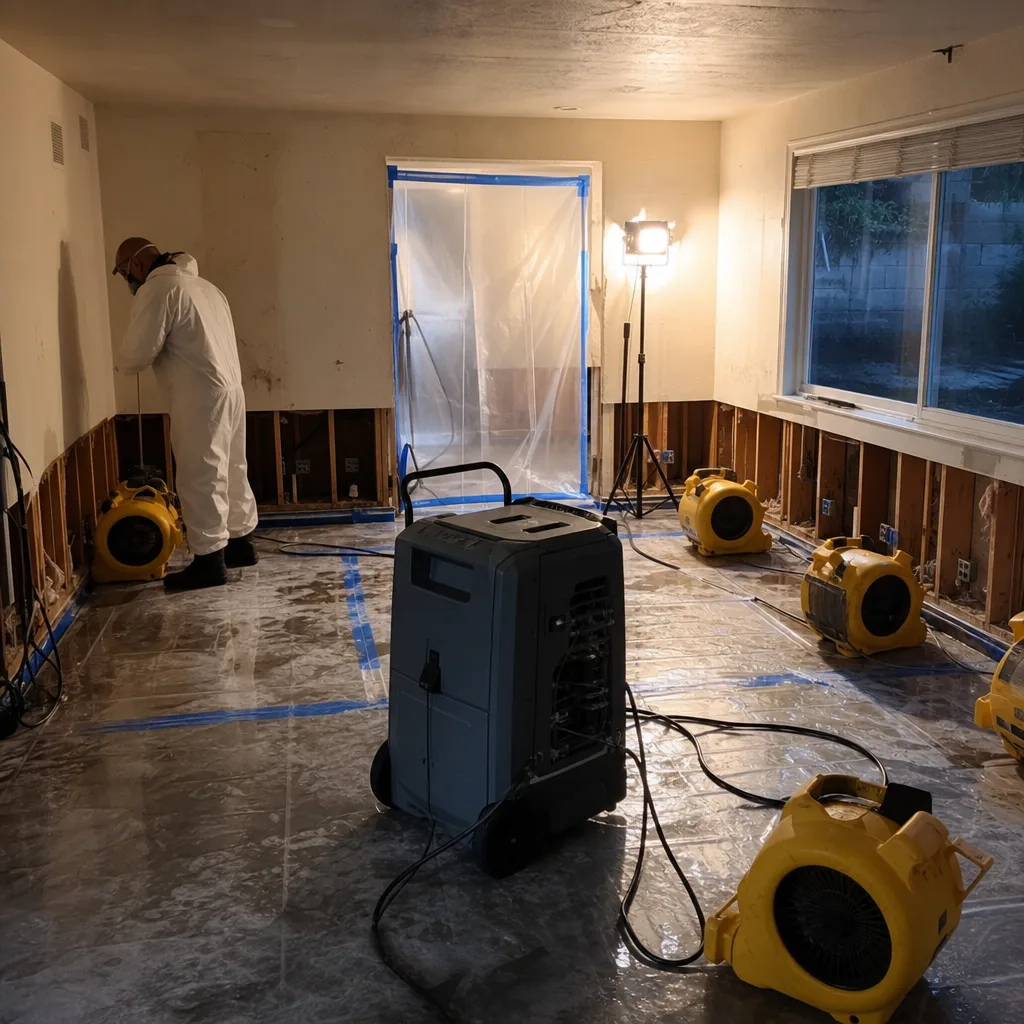
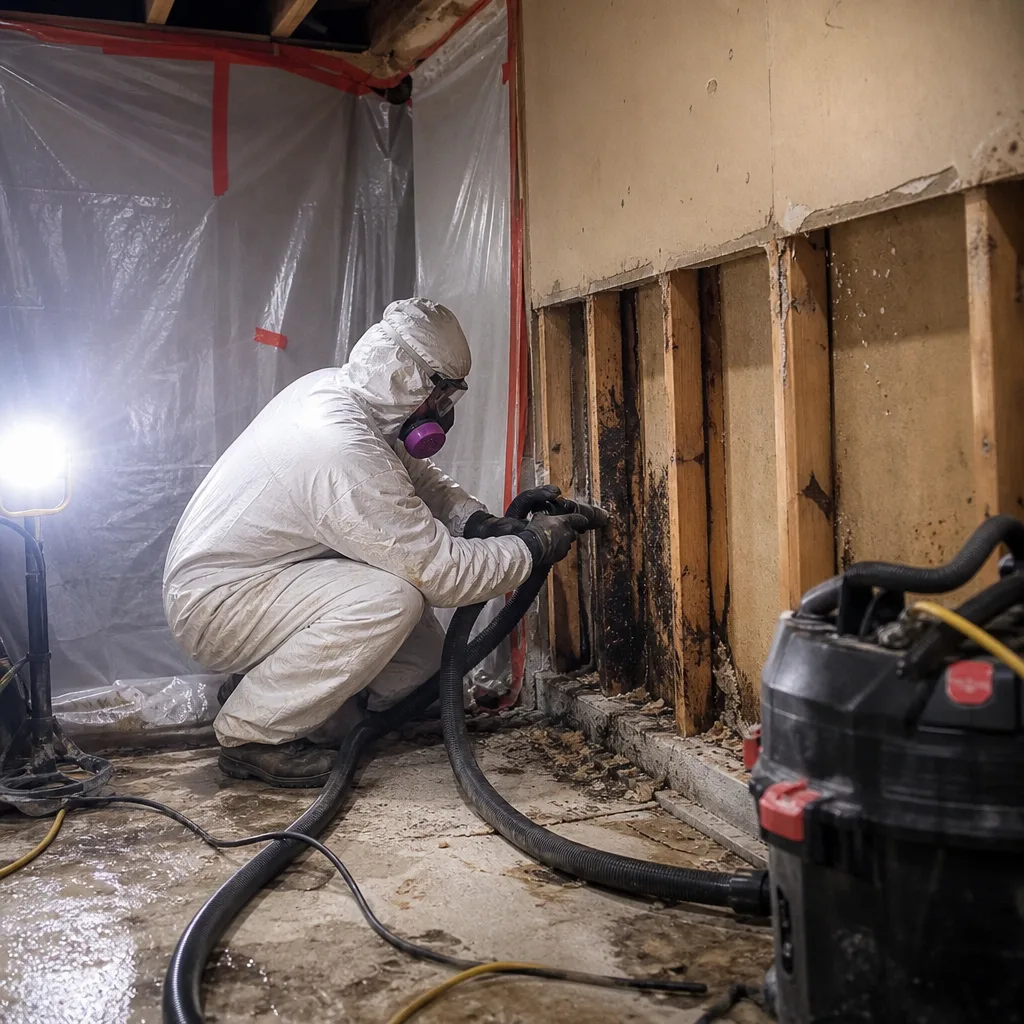
Soot migration follows pressure differentials and HVAC pathways. In the older quarters with original gravity furnaces or retrofit central air, smoke travels through wall cavities and floor joist bays that modern units don’t have. Our crews map migration with thermal imaging cameras to find hidden deposits, then set vapor pressure differential using HEPA air scrubbers and negative-air containment - the controlled pressure difference that keeps airborne particles from escaping the work zone.
Why Camp Pendleton South Property Owners Choose DryMark Restoration Oceanside
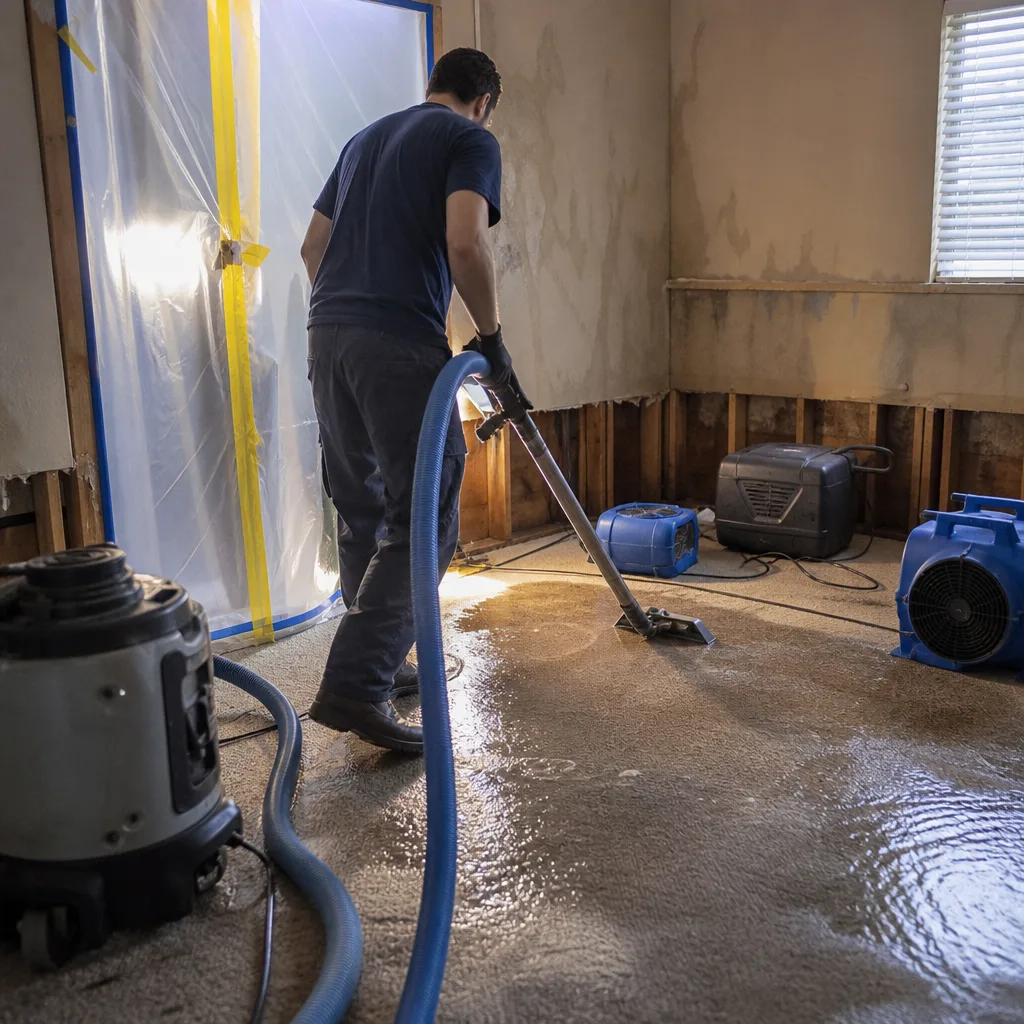
- 45-minute response commitment to the Camp Pendleton South gate area once DBIDS clearance is confirmed, because smoke residue bonds to finishes faster in humid coastal air.
- 24/7 live answer - a real person picks up every call, never an automated system, never a “leave a message” prompt while you’re standing in a soot-damaged kitchen.
- IICRC-certified crews holding FSRT (Fire and Smoke Restoration Technician) and WRT (Water Damage Restoration Technician) credentials, trained to document every moisture reading and soot sample to insurance standards.
- Free visual inspection with a written scope delivered before any equipment runs or demolition starts - Haven Standard, Clause 1.
- Direct insurance billing with photo-documented estimates, room-by-room line items, and adjuster coordination handled by our in-house claims team.
- One team from stabilization to reconstruction - the same crew that boards up your window frames the replacement walls, so nothing gets lost in handoffs.
BeforeAfterOur Fire & Smoke Damage Restoration Process
1. Inspection & Assessment
We photograph every affected room before moving anything, test soot residue type with dry-chemical sponges on multiple surfaces, and run thermal imaging to trace smoke migration through wall cavities. On Camp Pendleton South, we also verify DBIDS credentials are current and confirm the housing management operator’s preferred notification chain - usually Balfour Beatty Community’s work-order system.
2. Emergency Board-Up & Tarping
Broken windows, compromised roofing, and fire-damaged doors get secured with plywood and weatherproof membrane to prevent secondary water intrusion from the marine layer. We document each board-up with photos for the housing manager and insurance file.
3. Water Extraction & Structural Drying
Suppression water gets extracted with truck-mounted or portable extraction units, then we deploy Dri-Eaz dehumidifiers and Phoenix air movers to drop relative humidity below 60% within 48 hours - critical here, where coastal moisture otherwise feeds mold in wall cavities within 72 hours. Daily moisture logs track every reading.
4. Smoke & Soot Removal
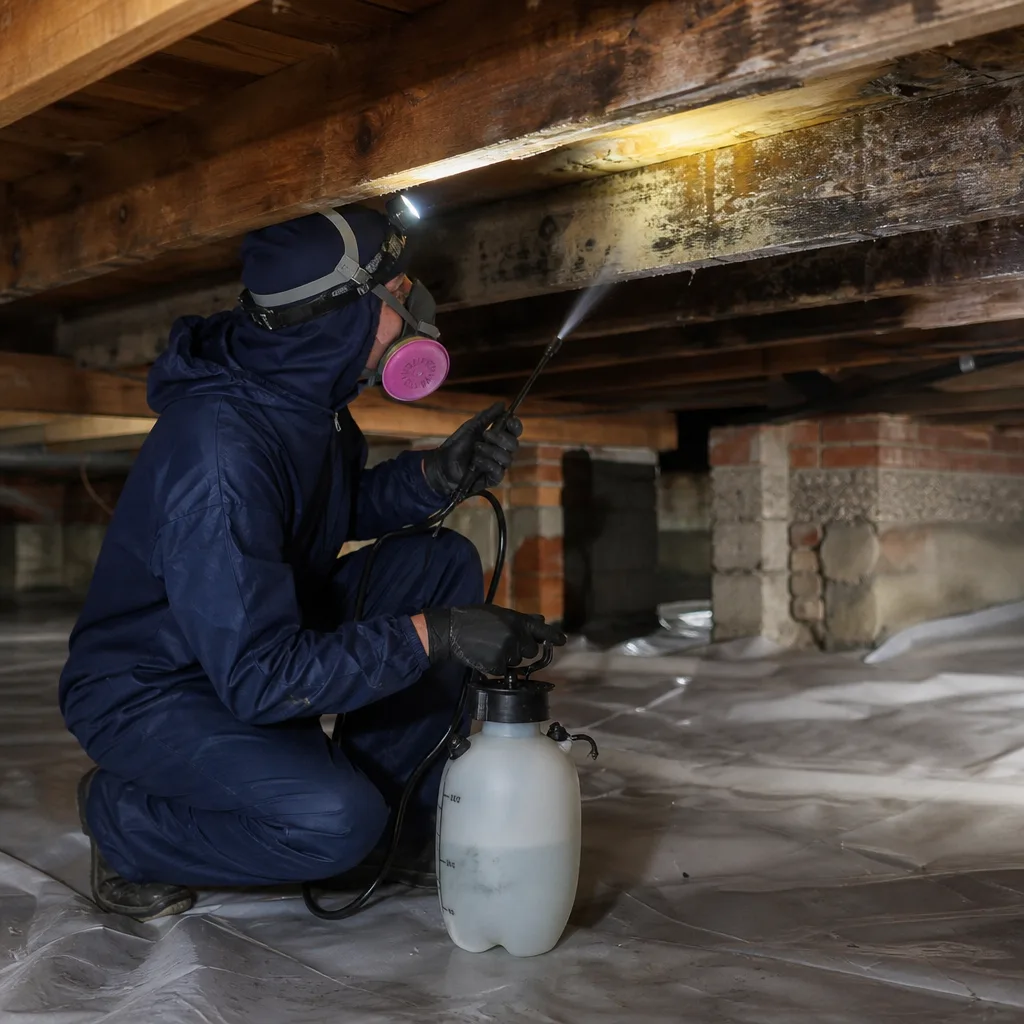
We match cleaning chemistry to residue type: dry-chemical sponges for protein smoke on painted surfaces, solvent-based cleaners for wet smoke on sealed materials, and ultrasonic cleaning for removable fixtures and contents. HEPA air scrubbers run continuously to capture airborne particulate.
5. Odor Removal & Deodorization
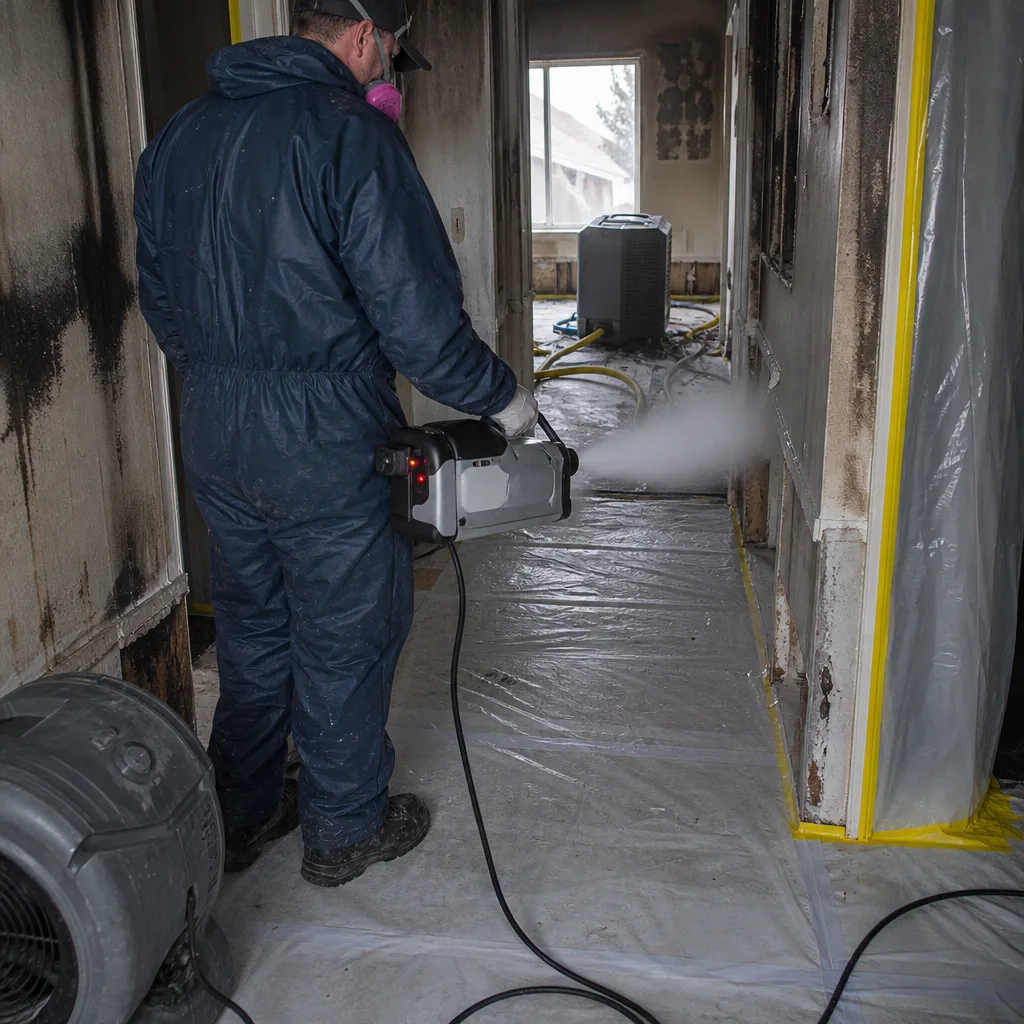
Thermal fogging distributes odor-counteractant compounds that bond with smoke molecules at the same temperature they were deposited; ozone treatment follows for porous materials in unoccupied spaces. We verify results with olfactory testing and, where required, third-party air sampling.
6. Repairs & Restoration
Reconstruction scope is written separately from mitigation, priced in writing before work begins, and executed by the same crew that performed cleanup. On 1950s-1970s quarters, we coordinate mandatory lead-paint and asbestos abatement through certified subcontractors before any structural demolition.
Need Emergency Fire & Smoke Damage Restoration in Camp Pendleton South Now?
Crews minutes away, answering live 24 hours a day. The sooner we start, the less it costs.
Working With Your Insurance Company
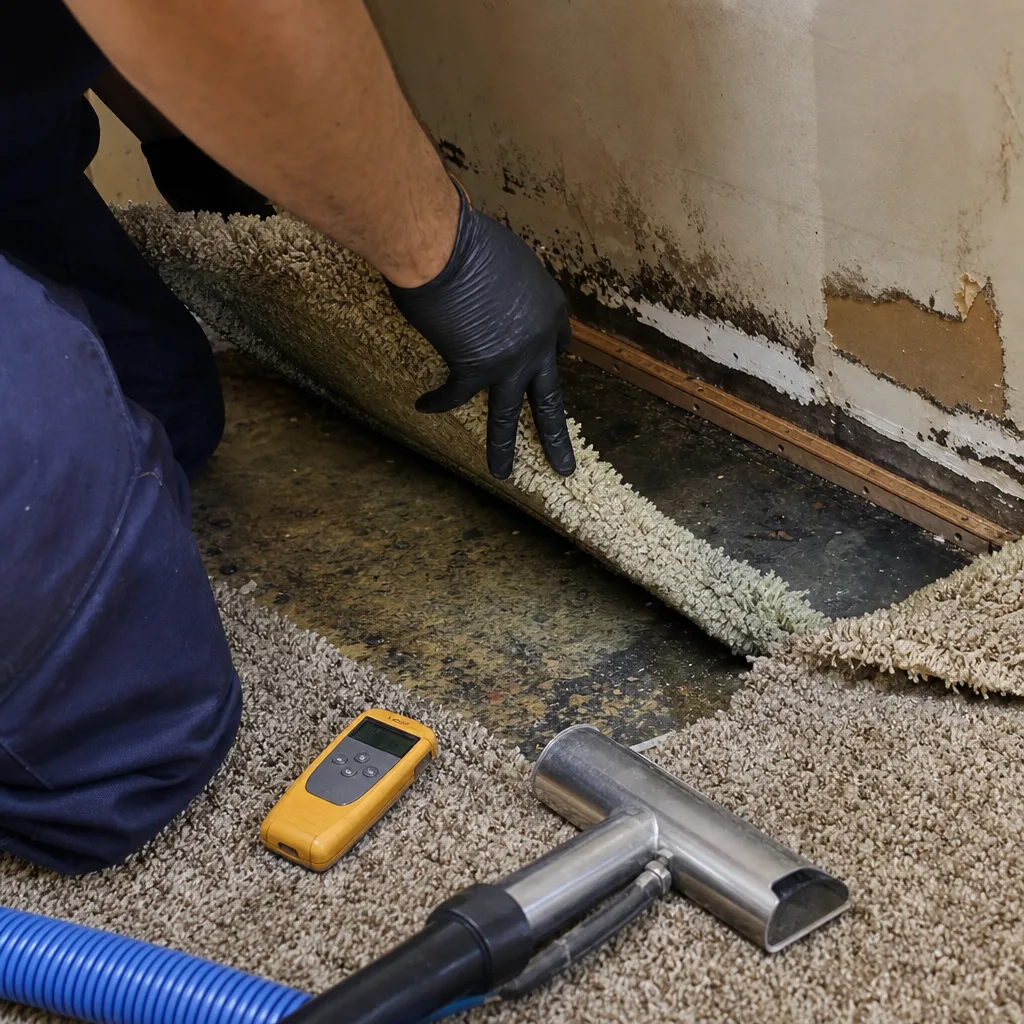
Fire claims live or die on documentation. We start building the file from the first photo, before equipment touches the floor. Every moisture reading, every soot sample location, every board-up measurement gets logged with timestamp and GPS reference. Our estimates follow Xactimate or Symbility pricing standards that adjusters recognize immediately, and we communicate directly with your carrier’s desk adjuster or field representative - no passing messages through you while you’re juggling base housing and deployment paperwork.
Because neither housing type on Camp Pendleton South is owner-occupied, the housing management operator holds the master policy and typically the deductible responsibility. We know their preferred vendors, their required documentation format, and their approval timelines. That relationship keeps claims moving.
What We Provide Your Insurer
- Thorough documentation of the loss
- Photos of all damage, room by room
- Moisture readings and drying logs
- A detailed, line-item scope of work
- Direct coordination with your carrier
Built for Camp Pendleton South’s Loss Calendar
Fire and smoke damage restoration on Camp Pendleton South follows a rhythm no inland community shares. January through March brings the heaviest Santa Ana wind events, with gusts to 60 mph driving brush fires across the base’s chaparral hills - fires that send smoke plumes through housing areas downwind, depositing dry smoke and ash into attic vents and HVAC intakes even when structures never see flame. Our crews run busiest in these months with smoke odor jobs that skip the fire department entirely.
April through June shifts to kitchen fires: PCS season brings new families into unfamiliar quarters, grease fires from unfamiliar stoves, and the protein smoke residue that etches cabinet finishes before the smoke detector clears. July through October is peak marine layer season, when suppression water sits in walls longer because ambient humidity slows evaporation - extending drying timelines by 30-50% compared to drier inland markets. November and December see space-heater fires in the older quarters with original electrical panels never designed for modern load.
After a grease fire in a 1960s government-quarters kitchen on the Santa Margarita Ranch housing loop, our crew set up containment and ran HEPA air scrubbers while wiping down every salvageable surface with dry-chemical sponges to pull protein smoke residue off the walls. We wrote the scope of work through the housing management office, obtained a military power of attorney from the Marine occupant before demolition, and packed out the family’s contents for off-site cleaning while antimicrobial treatment went up on the affected framing. The final drying logs and soot readings were handed to the housing manager, not the resident, since neither unit type on base is owner-occupied.
Fire & Smoke Damage Restoration Across Camp Pendleton South’s Neighborhoods
The Santa Margarita Ranch housing loop, running along the western edge near the 14 Area, holds some of the oldest government quarters on base - 1950s single-story duplexes with original plaster walls, oil-based paint, and gravity furnaces in closets. Fires here almost always trigger mandatory lead-paint and asbestos assessment before demolition can begin, adding 2-4 business days to the timeline that newer neighborhoods skip. We coordinate those assessments through certified San Diego County abatement contractors who maintain their own DBIDS credentials.
The 52 Area housing near Las Pulgas Road, built under the 2000s privatization initiative, presents the opposite profile: sealed latex finishes, modern HVAC with ductboard rather than metal, and synthetic materials throughout that produce faster-clinging, more acidic smoke deposits when they burn. Crews working here carry lighter dry-chemical sponge stock and more solvent-based cleaner inventory than for the older quarters.
Del Mar Beach housing, perched closest to the ocean, sees the most corrosion damage to fire-suppression sprinkler heads and alarm systems from salt air - systems that fail to activate or leak slowly, causing water damage alongside any fire event. We inspect these systems as part of every initial assessment, documenting corrosion for the housing manager’s maintenance file.
Vandegrift Boulevard corridor properties, mixing eras and housing types, demand the most flexible crew preparation: one truck might need lead-paint protocols, asbestos containment, and modern synthetic-smoke chemistry all on the same block. Our dispatch notes building era before we roll.
Specialized Fire & Smoke Damage Restoration Services We Offer in Camp Pendleton South
Fire Damage Cleanup
Structural debris removal, compromised material demolition, and site preparation for reconstruction - all documented with photo records and coordinated through the housing management operator’s work-order system. On 1950s-1970s quarters, we never start demolition without the mandatory lead-paint and asbestos assessment certificate in hand.
Smoke & Soot Removal
Residue-type testing determines whether we deploy dry-chemical sponges, solvent-based cleaners, or ultrasonic immersion for fixtures and hardware. Protein smoke from kitchen fires in Camp Pendleton South’s humid coastal air bonds to painted surfaces within 4-6 hours; we prioritize these calls for same-day response.
Odor Removal & Deodorization
Thermal fogging, ozone treatment, and hydroxyl generation target odor molecules at the source material rather than masking them. In the older quarters with unsealed plaster and wood lath, we often need to access wall cavities through strategic plaster removal to treat hidden deposits - scope written and approved first, every time.
Contents Cleaning & Pack-Out
Salvageable items get inventoried, photographed, packed, and transported to our facility for ultrasonic, immersion, or hand-cleaning depending on material and residue type. Non-salvageable items are documented for insurance replacement value with make, model, and condition notes.
Emergency Board-Up & Tarping
Fire-damaged openings get secured within hours of call receipt, with marine-grade weatherproofing rated for the salt-air exposure and wind gusts common along the Camp Pendleton South coast. Photos of each board-up go to the housing manager and insurance file simultaneously.
What happens when you call
- 1
A real person answersNo phone trees - you reach a local pro.
- 2
You get an upfront price rangeHonest numbers before anyone is dispatched.
- 3
A background-checked tech heads outLicensed & insured, dispatched right away.
- 4
You approve before work beginsNothing starts until you say go.
Fire & Smoke Damage Restoration Costs in Camp Pendleton South, CA
Emergency board-up and stabilization in Camp Pendleton South runs $450-$950 for a typical single-family unit. Smoke and soot removal for a kitchen fire with limited migration starts around $1,800-$3,200. Full-structure fire damage restoration with water extraction, drying, demolition, and odor treatment typically falls between $4,500-$8,500 for moderate damage in a 1,200-square-foot quarters unit. Reconstruction is priced separately, in writing, after mitigation completes and structural integrity is verified.
What moves the price: residue type (protein smoke requires more labor hours than dry smoke), square footage affected, whether smoke migrated through HVAC ductwork requiring full system cleaning, and whether the housing stock era triggers mandatory lead-paint or asbestos protocols. Insurance typically covers direct fire and smoke damage plus reasonable mitigation; our estimates are built to Xactimate standards that carriers recognize.
We deliver a written price before any work begins - Haven Standard, Clause 1 - and offer a free second opinion on any competitor’s written estimate. Call (760) 546-9565 to schedule inspection.
We Also Serve Cities Near Camp Pendleton South
Our crews with current DBIDS credentials also respond to Camp Pendleton South neighboring communities including Oceanside immediately south of the base gate, Vista inland to the east, Camp Pendleton North across the installation’s northern boundary, and Carlsbad along the coastal corridor - each with their own housing stock profiles and restoration timelines, none with the active-installation workflow complexity that defines Camp Pendleton South.
Serving Camp Pendleton South, CA - Our Local Coverage Area
We’re based in the Camp Pendleton South area and know this community well. Use the map below to see our service coverage - if you’re nearby, we can almost certainly help.
Camp Pendleton South Fire & Smoke Damage Restoration Questions, Answered
Who approves the fire restoration scope on a Camp Pendleton South rental - the Marine resident or someone else?
The privatized housing management operator approves all restoration scopes, not the individual Marine resident. Neither government quarters nor privatized units on Camp Pendleton South are owner-occupied, so the housing management company holds the master insurance policy, pays the deductible, and signs off on every line item. We write scopes directly to their work-order system and coordinate all access through their maintenance office. Call (760) 546-9565 to start that process.
What happens if a Marine deploys in the middle of a fire damage restoration job?
The job stalls unless we secured a military power of attorney from the service member before work began. The housing management company will not sign scope changes, supplements, or access approvals in the resident’s place. We obtain this document during our initial inspection as standard practice on Camp Pendleton South - it’s the single most important paperwork step on this base, and missing it has cost other restoration companies weeks of delay. Call (760) 546-9565 and we’ll walk through the POA requirement before scheduling.
Why does fire and smoke restoration on Camp Pendleton South take longer than in Oceanside or Vista?
Three factors add time: mandatory DBIDS credential verification for every crew member entering the installation; lead-paint and asbestos assessment requirements on pre-1978 government quarters that inland communities with newer housing stock rarely trigger; and the housing management operator’s approval chain, which adds a documentation layer that owner-occupied properties skip. The actual restoration work moves at the same pace - the front-end coordination is what differs. Call (760) 546-9565 for a realistic timeline based on your specific quarters era.
Do the privatized 2000s units on base need different smoke cleanup than the older quarters?
Yes. The 2000s units use latex paints, vinyl wall coverings, and synthetic materials that produce lighter, faster-clinging smoke deposits requiring dry-chemical sponges and specialized solvent chemistry. The 1950s-1970s quarters have oil-based paints, unsealed plaster, and natural wood trim that absorb smoke deeply and often need thermal fogging or ozone penetration to release odor. Using wet-cleaning methods developed for older stock on newer finishes can drive residue deeper and permanently stain surfaces. Call (760) 546-9565 - we test residue type before choosing chemistry.
Why is fire and smoke damage restoration a recurring seasonal demand on Camp Pendleton South?
Santa Ana wind events from September through March create extreme fire-weather conditions that ignite base chaparral repeatedly, sending smoke plumes through downwind housing areas even when structures don’t burn. Kitchen fires spike during PCS season as new families learn unfamiliar appliances. And the marine-layer humidity that sits over Camp Pendleton South year-round slows suppression-water drying, extending restoration timelines and increasing secondary damage calls. No inland community in North County faces this specific combination. Call (760) 546-9565 before the next wind event.
How fast can your crew actually get to a fire damage call on base?
Our 45-minute response commitment to the Camp Pendleton South gate area starts once DBIDS clearance is confirmed - we maintain current credentials for all field technicians, so there’s no day-of delay for background checks. The housing management operator’s access approval is the variable we don’t control; we coordinate that notification in parallel with our dispatch. For off-base housing in Oceanside or Vista, response drops to under 35 minutes. Call (760) 546-9565 and we’ll confirm current gate procedures.
Will insurance cover the full cost of fire and smoke restoration?
The housing management operator’s master policy typically covers direct fire and smoke damage plus reasonable mitigation costs, subject to policy terms and deductible. Our estimates follow Xactimate pricing standards that adjusters recognize, and we provide the photo documentation, moisture logs, and line-item scopes that keep claims moving. Out-of-pocket costs usually arise only from coverage limits or pre-existing conditions unrelated to the fire. We review coverage details during our free inspection. Call (760) 546-9565 to schedule.
What should I do in the first 30 minutes after a fire is extinguished?
Ensure everyone is safe and accounted for, then call (760) 546-9565 immediately - do not wait for the housing management office to open. Do not enter the structure until cleared by fire department personnel. Do not attempt to wipe soot yourself; improper cleaning methods can permanently set residue into surfaces. If safe to do so, open windows to ventilate and turn off HVAC systems to prevent smoke migration through ductwork. Our crew will handle documentation, containment, and the housing operator notification chain from there.
Written by Alicia Brennan, Owner at Back to Dry Restoration, serving Camp Pendleton South since 2011 under The Haven Standard.