

Free visual inspection and a written scope of work before any mitigation begins - photos, moisture readings, and drying logs go in your claim file
The scope we write is the scope we bill. Anything new gets shown to you, in writing, before we touch it.
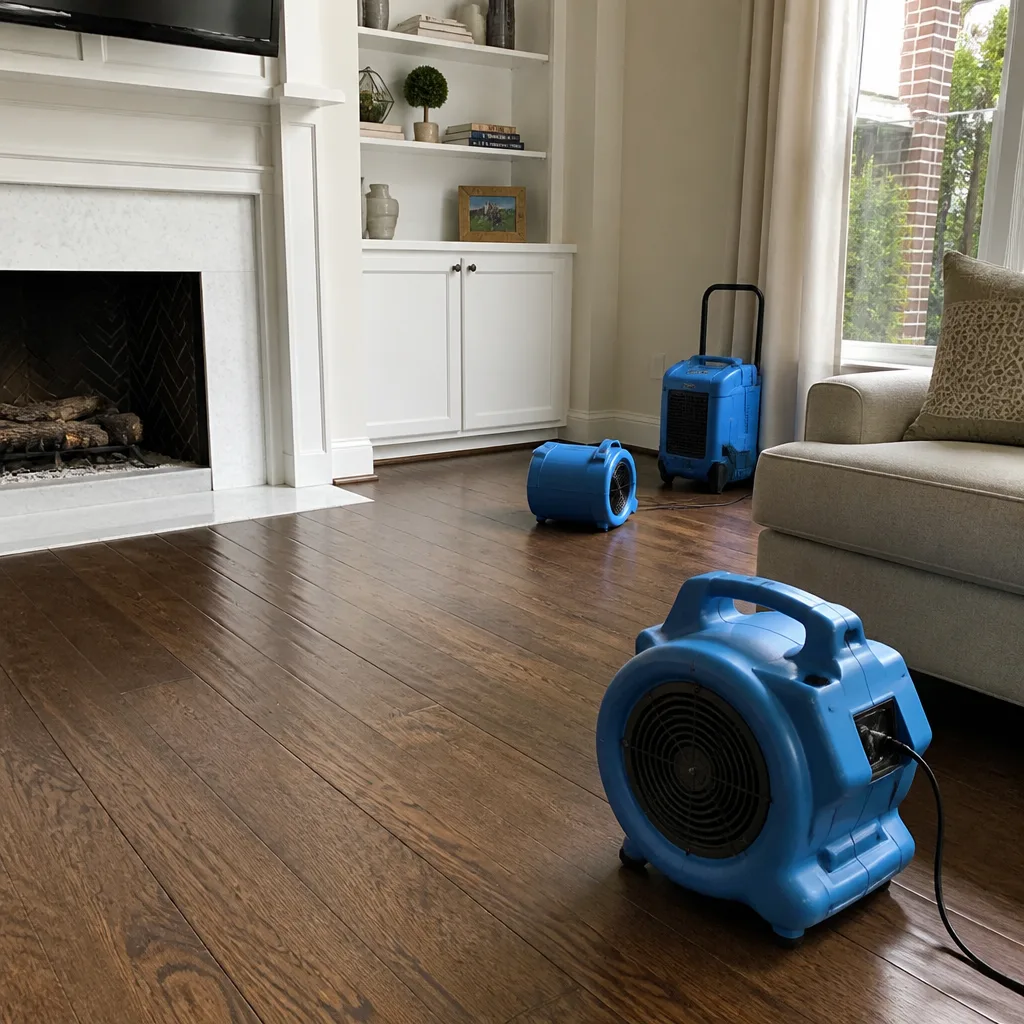
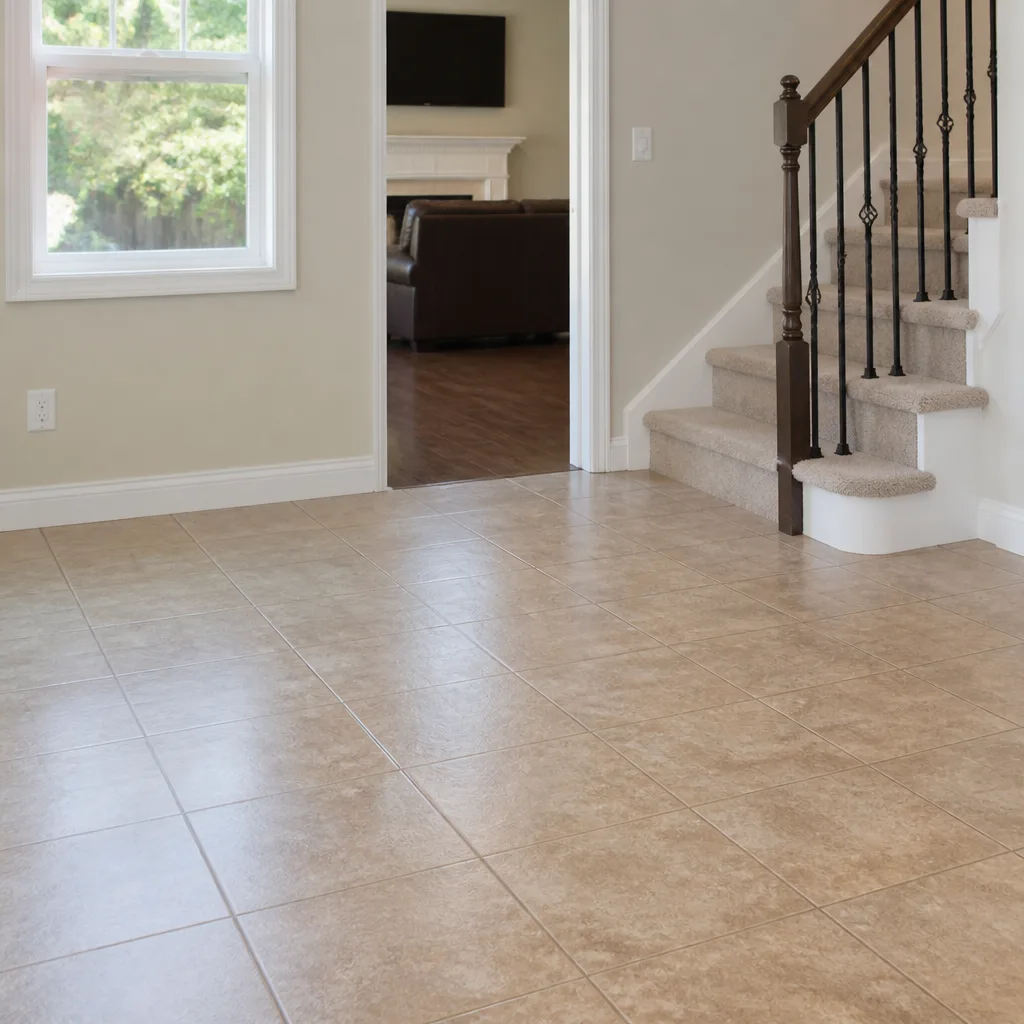
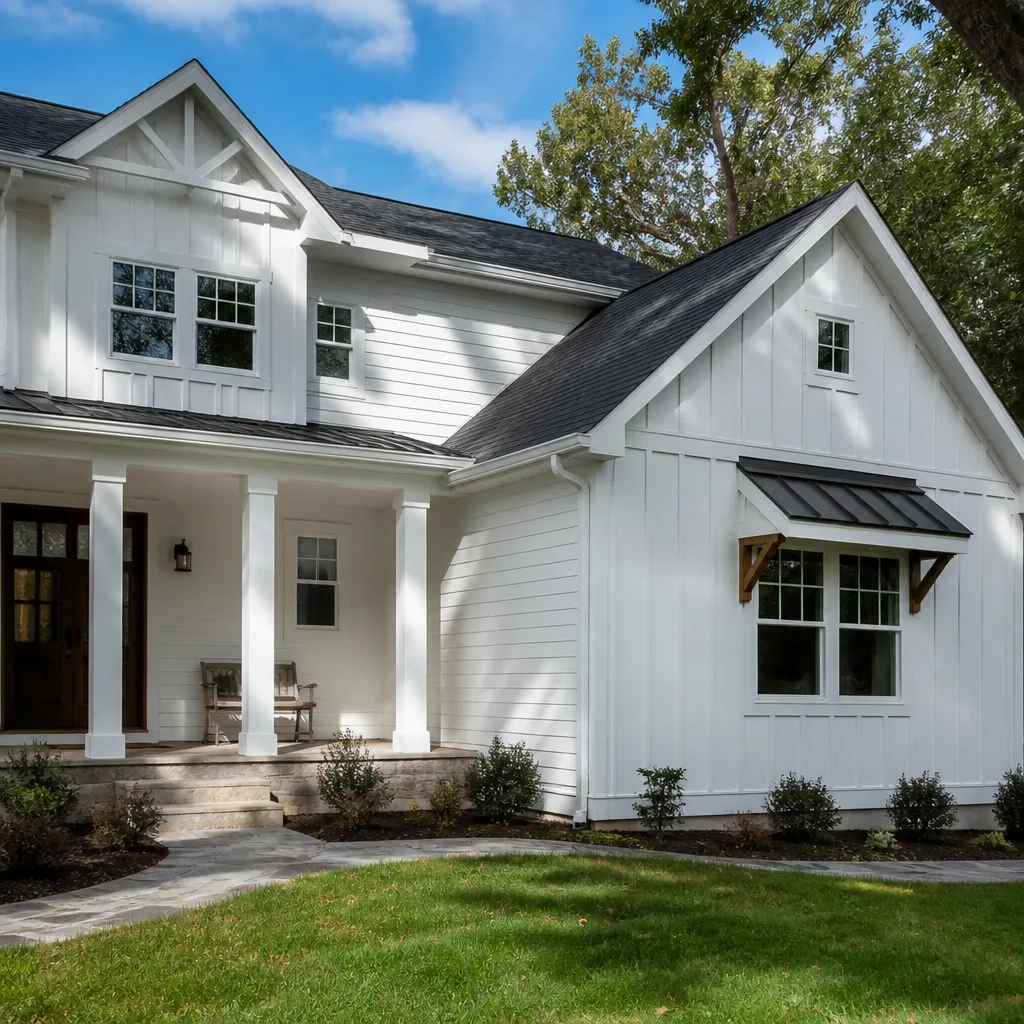
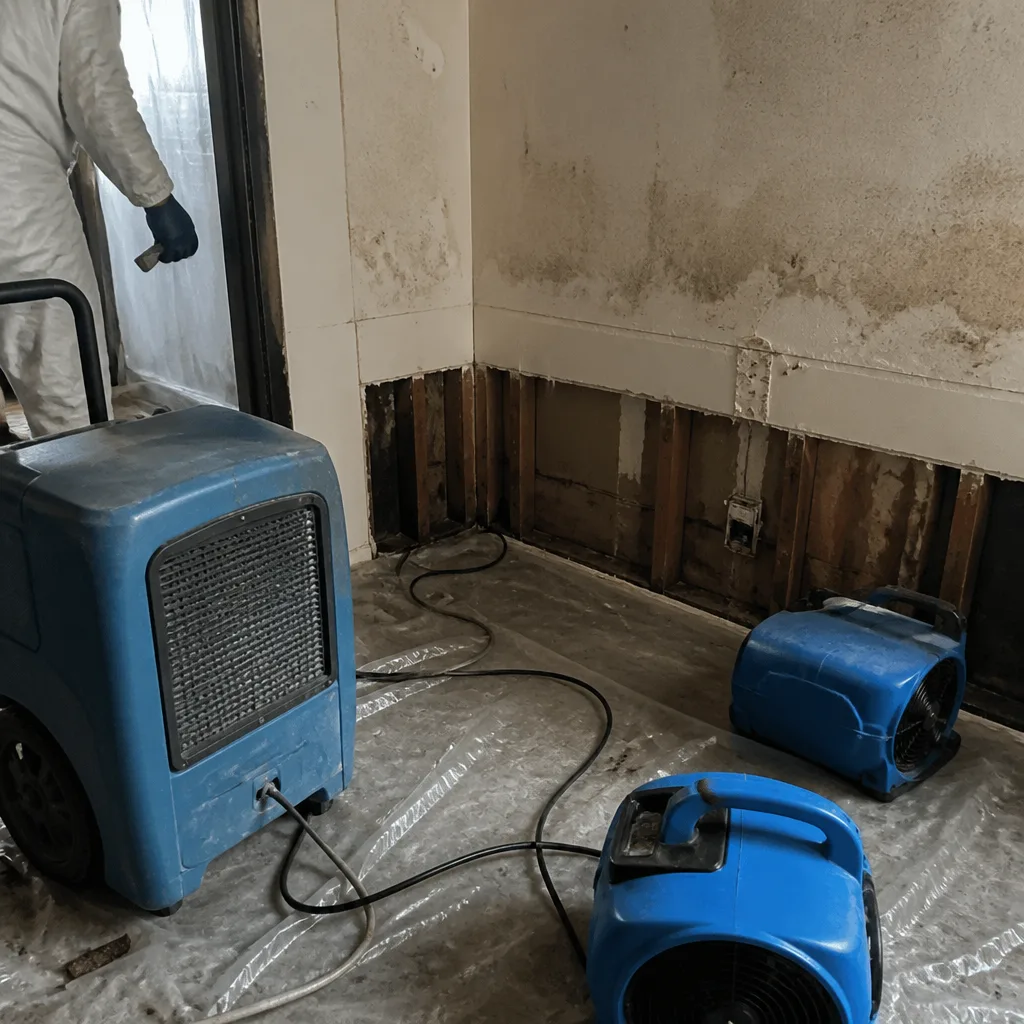 Before
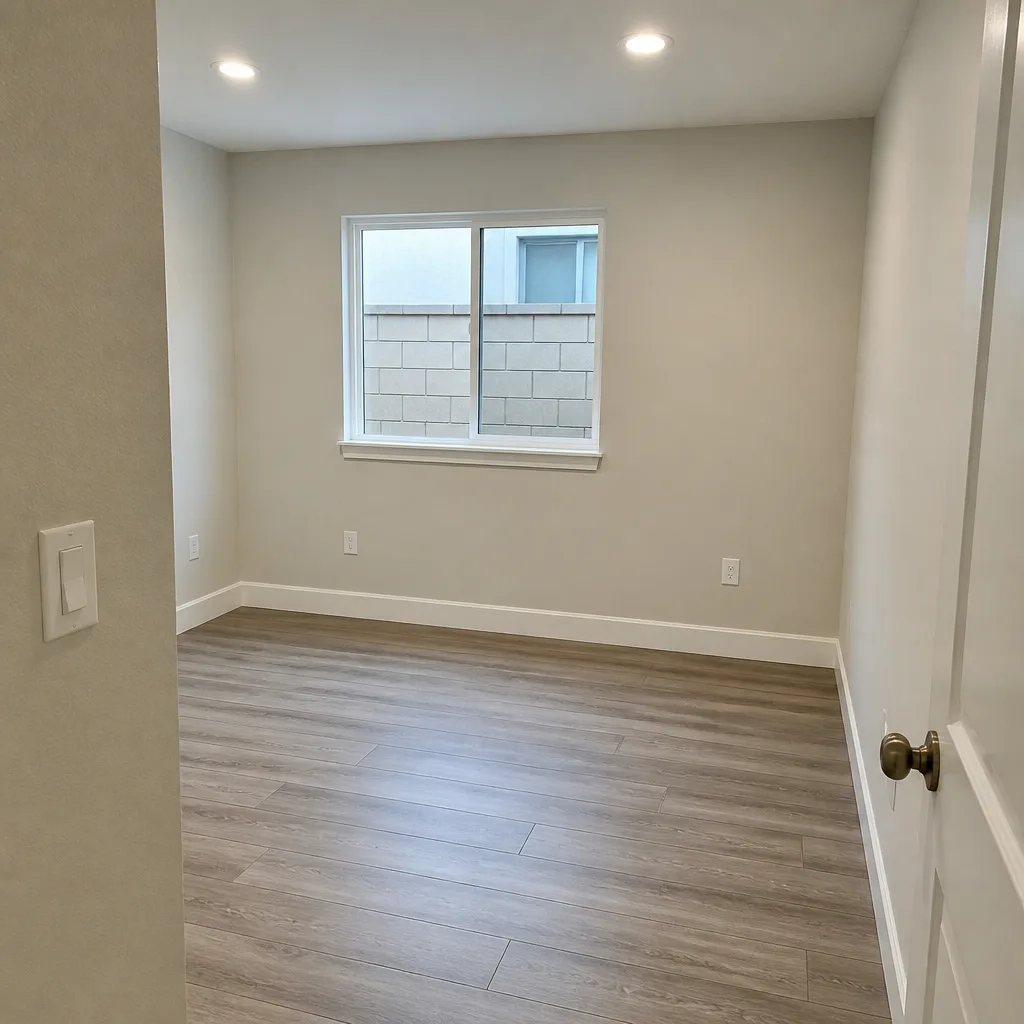 After
After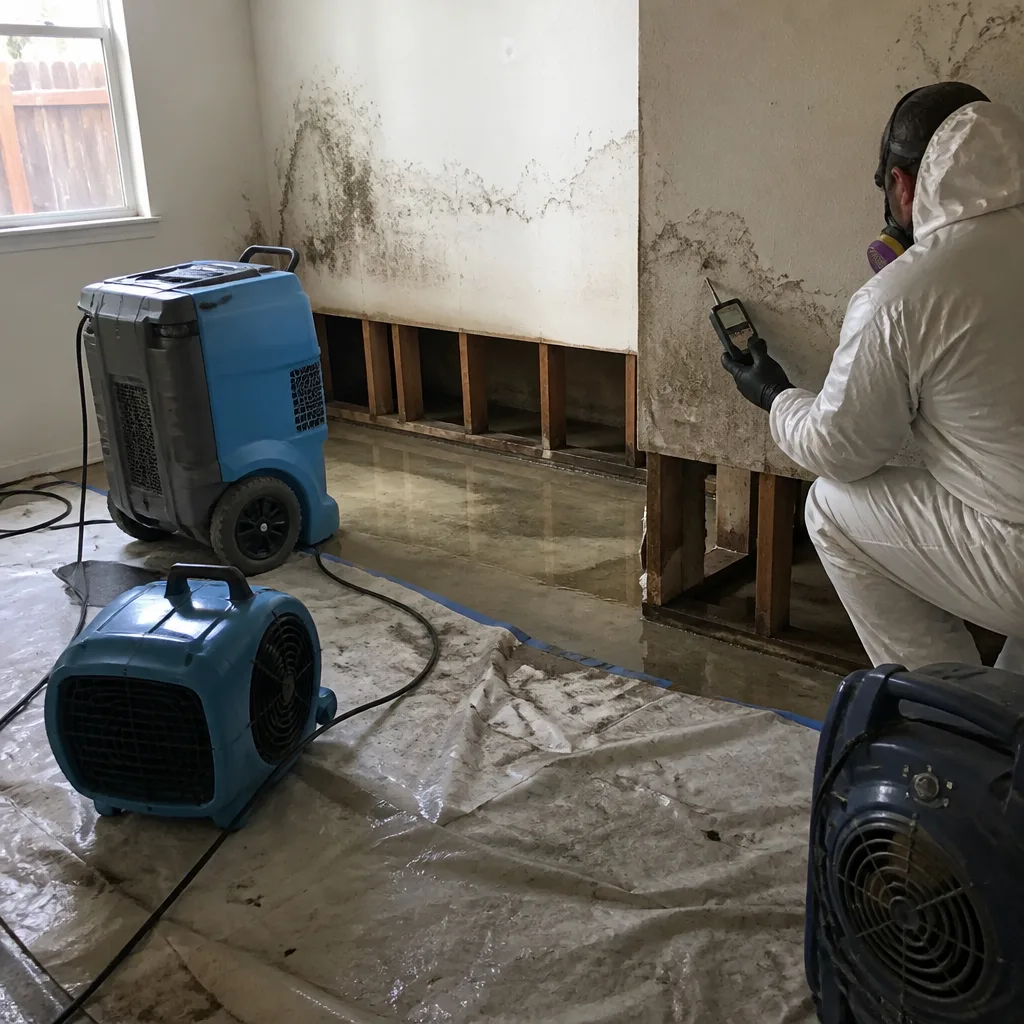 Before
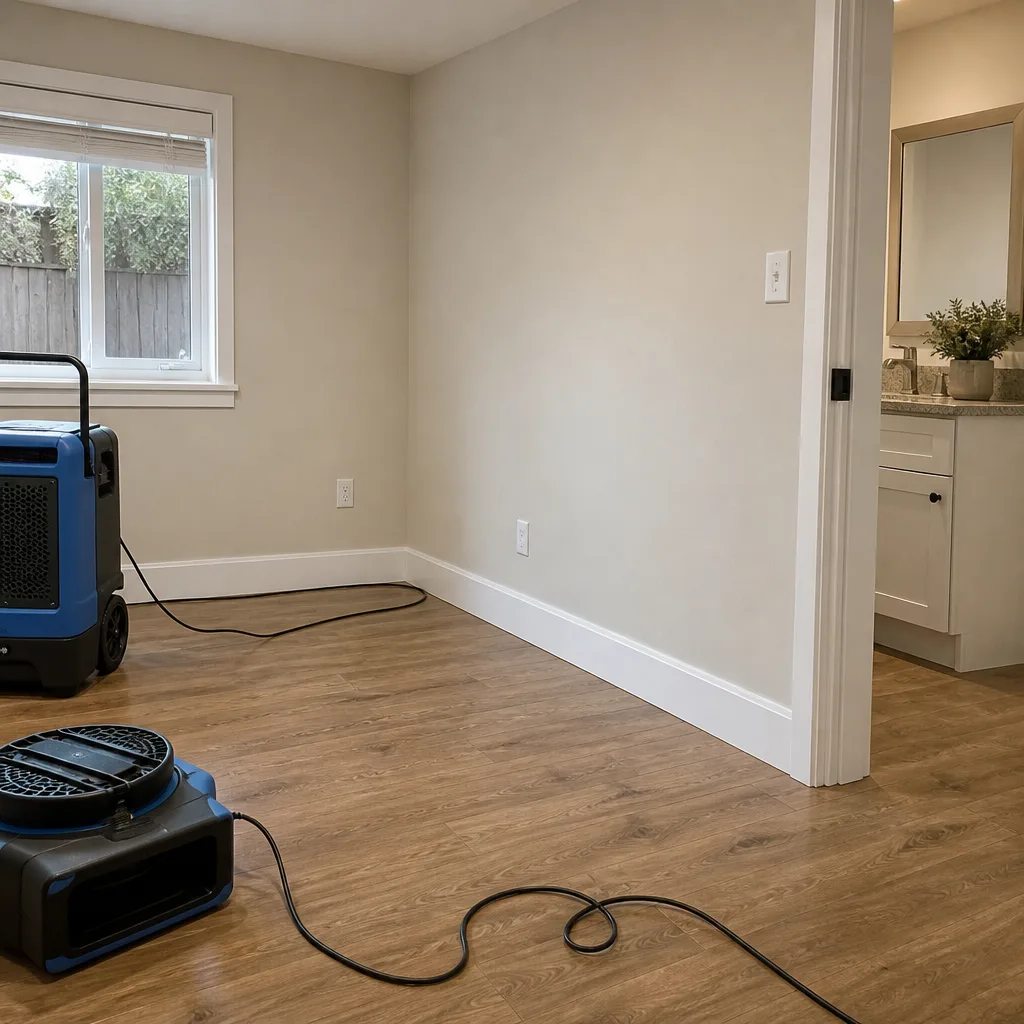 After
After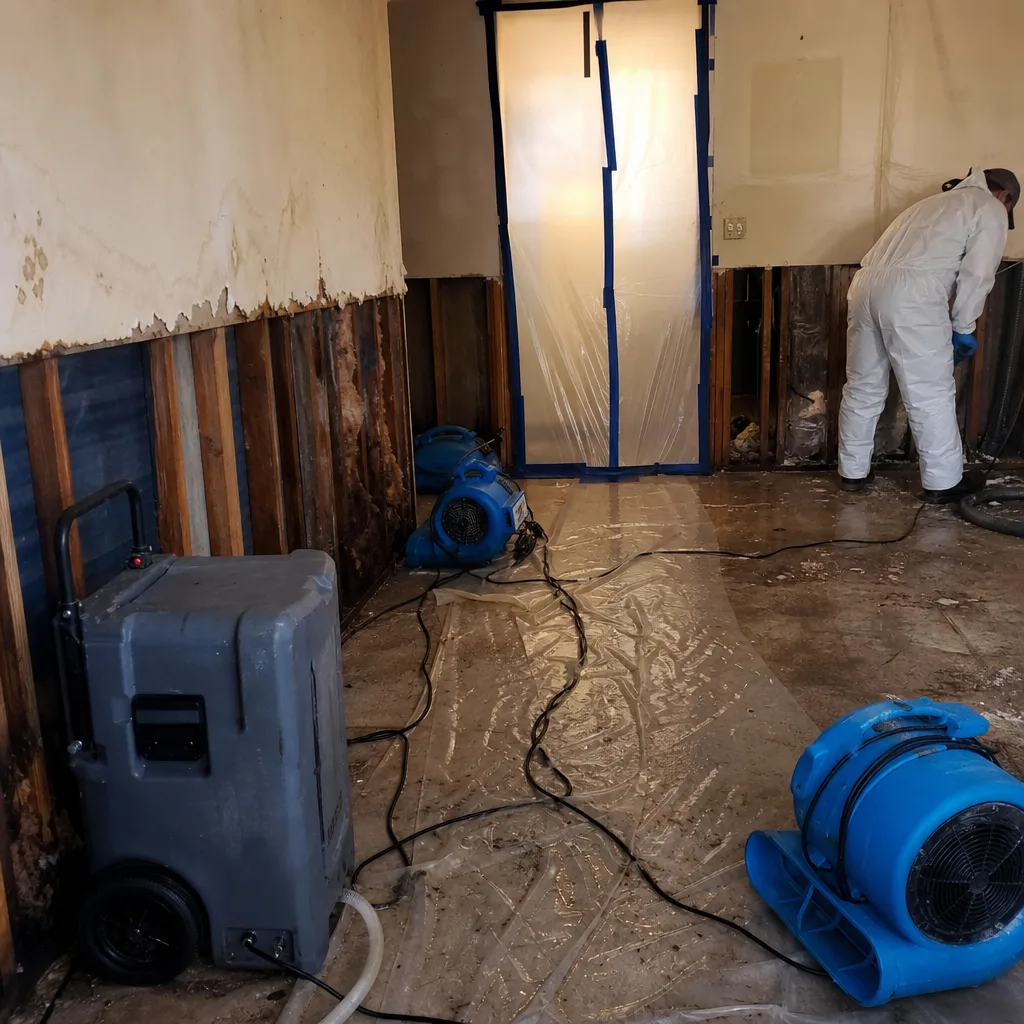 Before
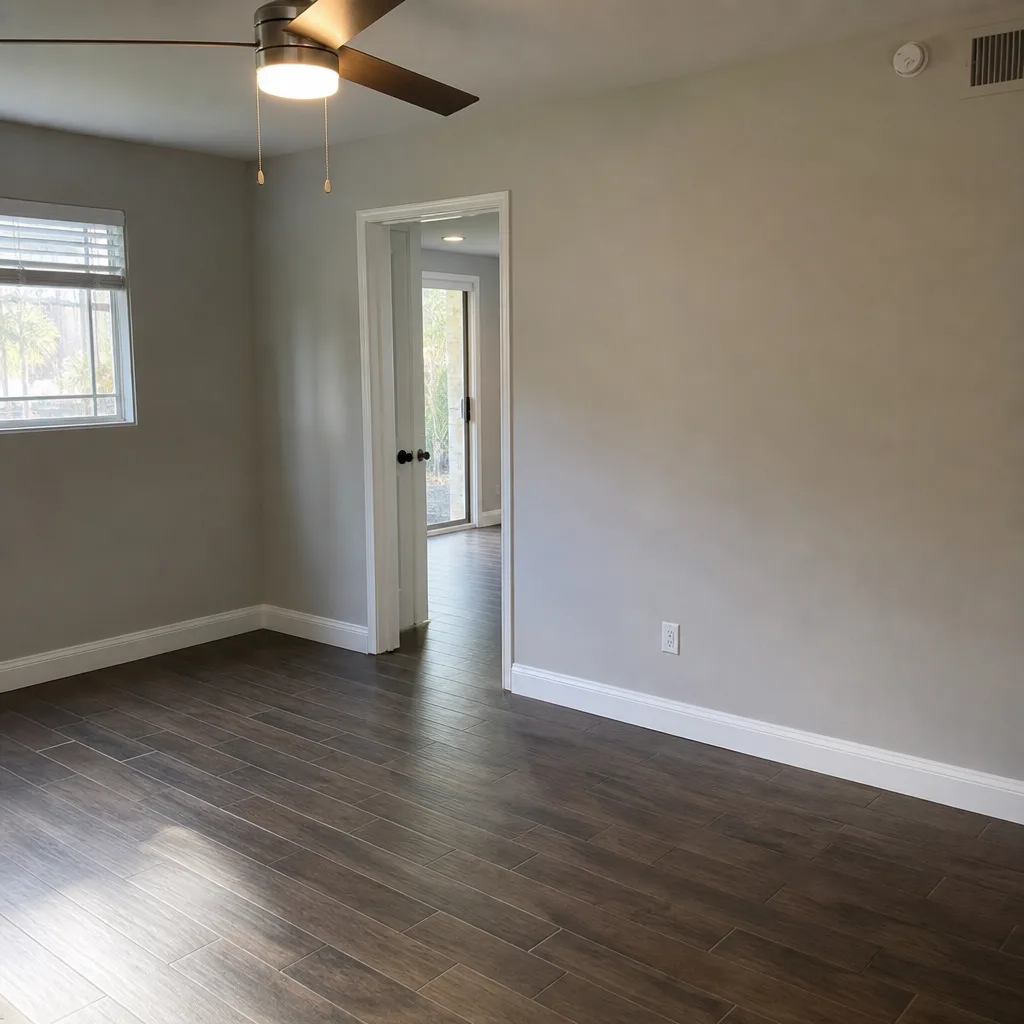 After
After24/7 Emergency Fire & Smoke Damage Restoration in San Marcos
A fire in your San Marcos home demands immediate action. Smoke migrates through walls within hours, and firefighting water left standing in drywall turns to mold in five to seven days during inland summer heat. Call (760) 546-9565 now. We answer live, 24 hours a day, 7 days a week. No voicemail trees. A real person dispatches our Fire & Smoke Damage Restoration crew to San Marcos neighborhoods inside 45 minutes, and we perform a free visual inspection on arrival. The first hour determines whether smoke odor becomes a permanent fixture in your attic insulation or a documented, reversible loss.
Understanding Fire & Smoke Damage Restoration Severity in San Marcos Properties
Fire damage in San Marcos falls into distinct technical categories that dictate scope and cost. Class A losses involve ordinary combustibles (wood, paper, plastics) producing dry, powdery soot that responds to HEPA vacuuming and dry-sponge cleaning. Class B petroleum and synthetic fires leave wet, smeary residues requiring solvent-based cleaning agents. Protein fires from kitchen incidents produce nearly invisible but pungent residues that etch painted surfaces and demand alkaline cleaners.
Smoke migration follows pressure differentials and HVAC pathways. In San Marcos’s 1980s-to-2000s wood-frame stucco tracts, smoke travels through shared attic spaces and return-air plenums even when exterior stucco appears intact. Tertiary smoke damage, odor locked in porous materials like spray-foam insulation, requires vapor pressure differential management: we create controlled negative pressure to draw contamination out rather than masking it. Our crews document residue type by room, photograph each surface classification, and build the drying log that turns your restoration invoice into a payable claim.
Why San Marcos Property Owners Choose DryMark Restoration Oceanside
- 45-minute response commitment to San Marcos addresses, with crews staged for North County inland valley dispatch.
- 24/7 live answer - a real person, never an automated system, takes your call and confirms crew ETA while you’re still on the line.
- IICRC-certified crews holding FSRT (Fire and Smoke Restoration Technician) and WRT (Water Damage Restoration Technician) credentials, documented on every job file.
- Free visual inspection on arrival, with a written scope and price before any work begins - Haven Standard, Clause 1.
- Direct insurance billing with photo-documented estimates formatted to your carrier’s standard, plus direct adjuster coordination.
- One team from emergency stabilization through reconstruction - no handoffs between vendors that fragment your documentation trail.
BeforeAfterOur Fire & Smoke Damage Restoration Process
1. Inspection & Assessment
We arrive with thermal imaging cameras, moisture meters, and hygrometers to map visible and hidden damage. In San Marcos’s hillside tracts, this means attic char inspection and HVAC smoke infiltration testing even when stucco exteriors look untouched. Every reading is logged.
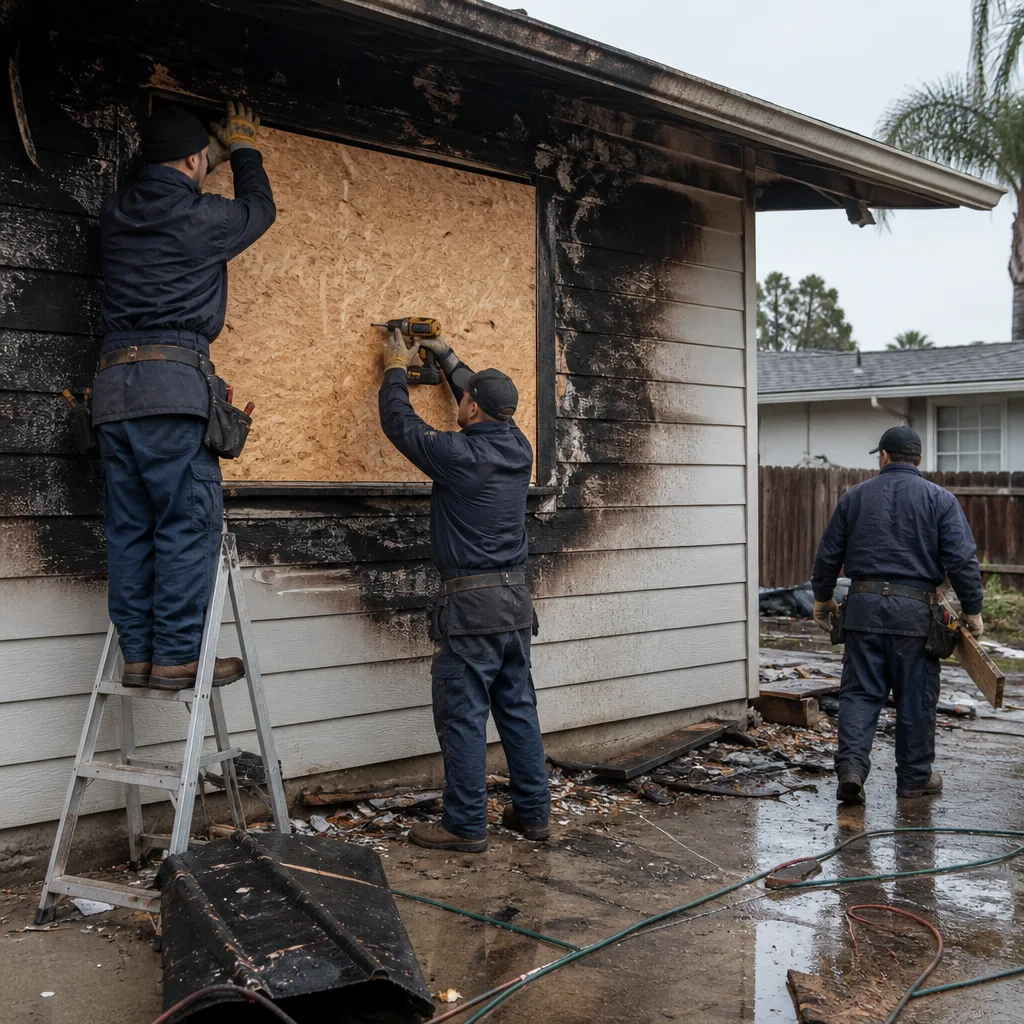
2. Emergency Board-Up & Stabilization
Broken windows, compromised roofing, and structural openings get secured immediately to prevent secondary damage and satisfy insurance policy conditions. We tarp and seal using materials rated for Santa Ana wind exposure common to San Marcos’s canyon corridors.
3. Water Extraction & Structural Drying
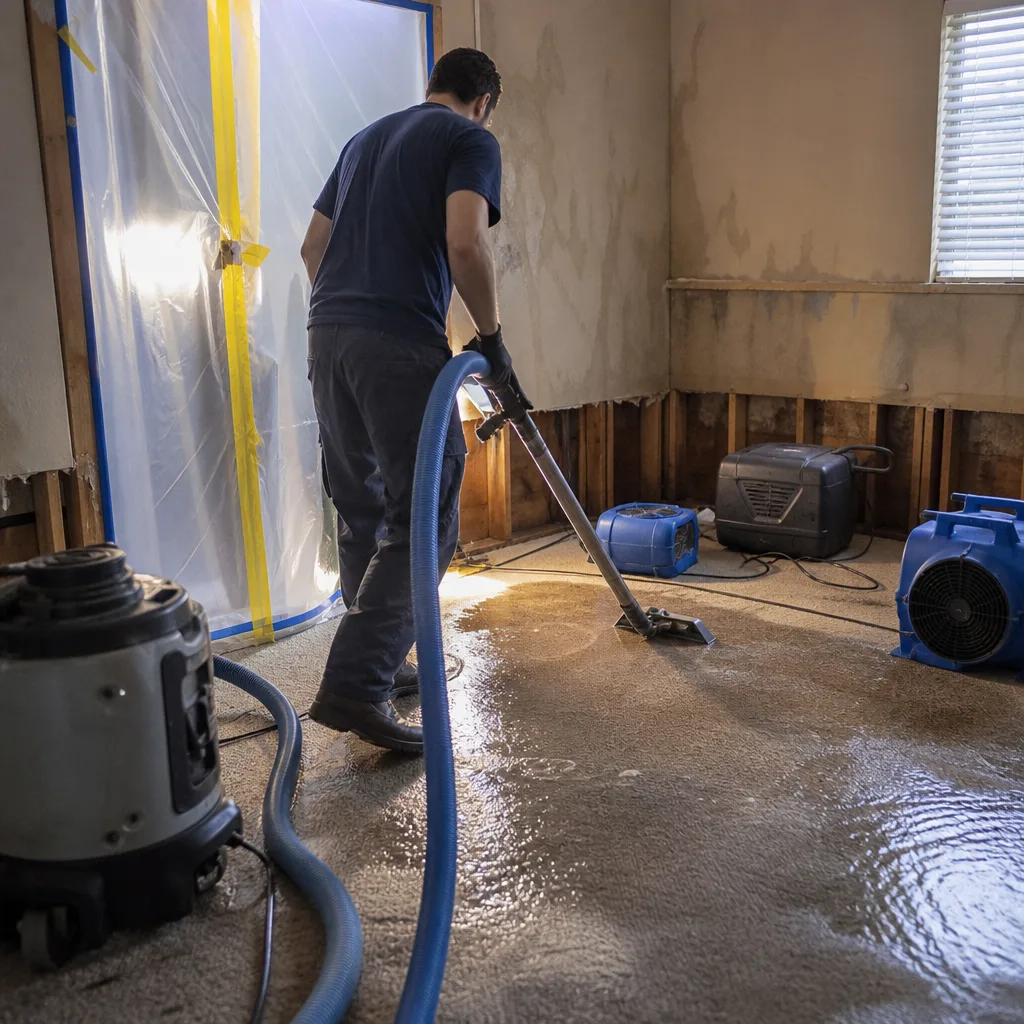
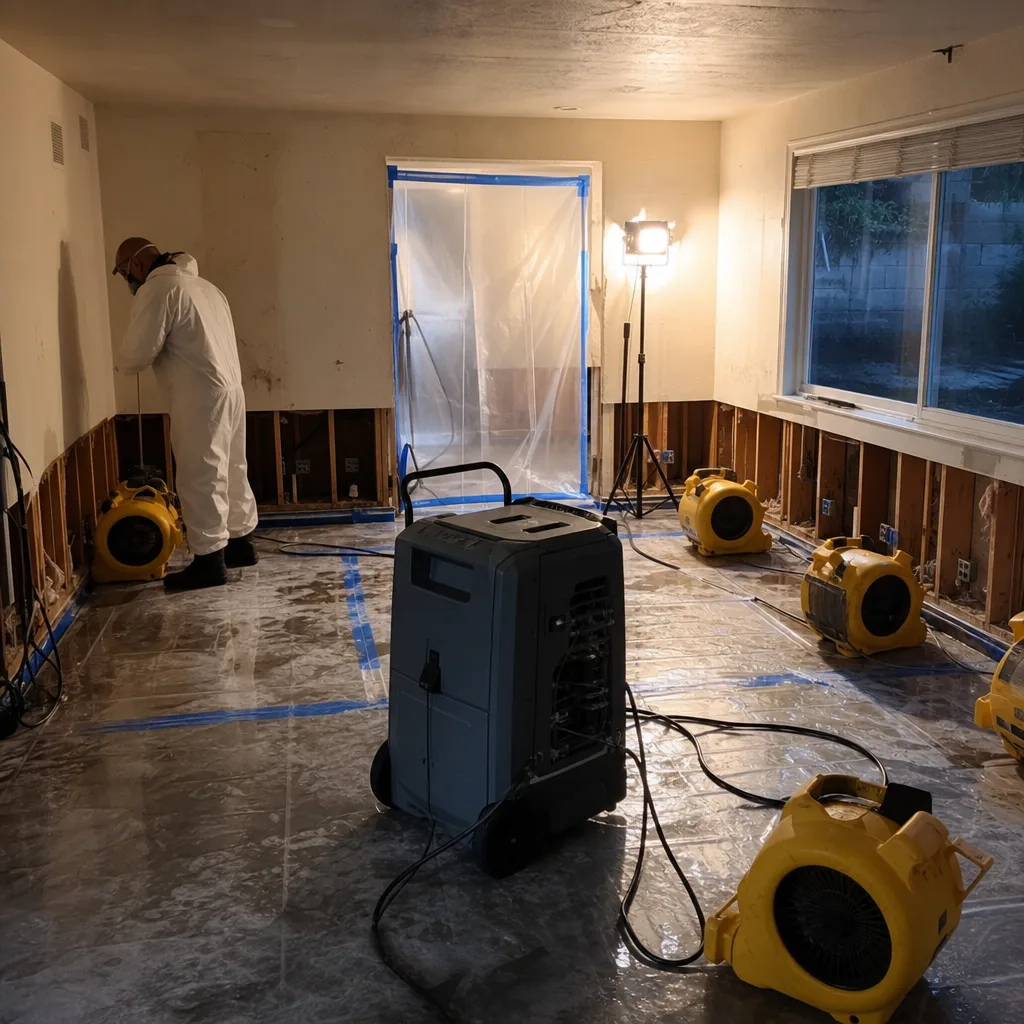
Firefighting water gets extracted, then we deploy Dri-Eaz and Phoenix dehumidifiers with axial air movers to establish psychrometric drying targets. San Marcos’s inland August heat accelerates mold risk; we document daily moisture readings until materials return to pre-loss equilibrium.
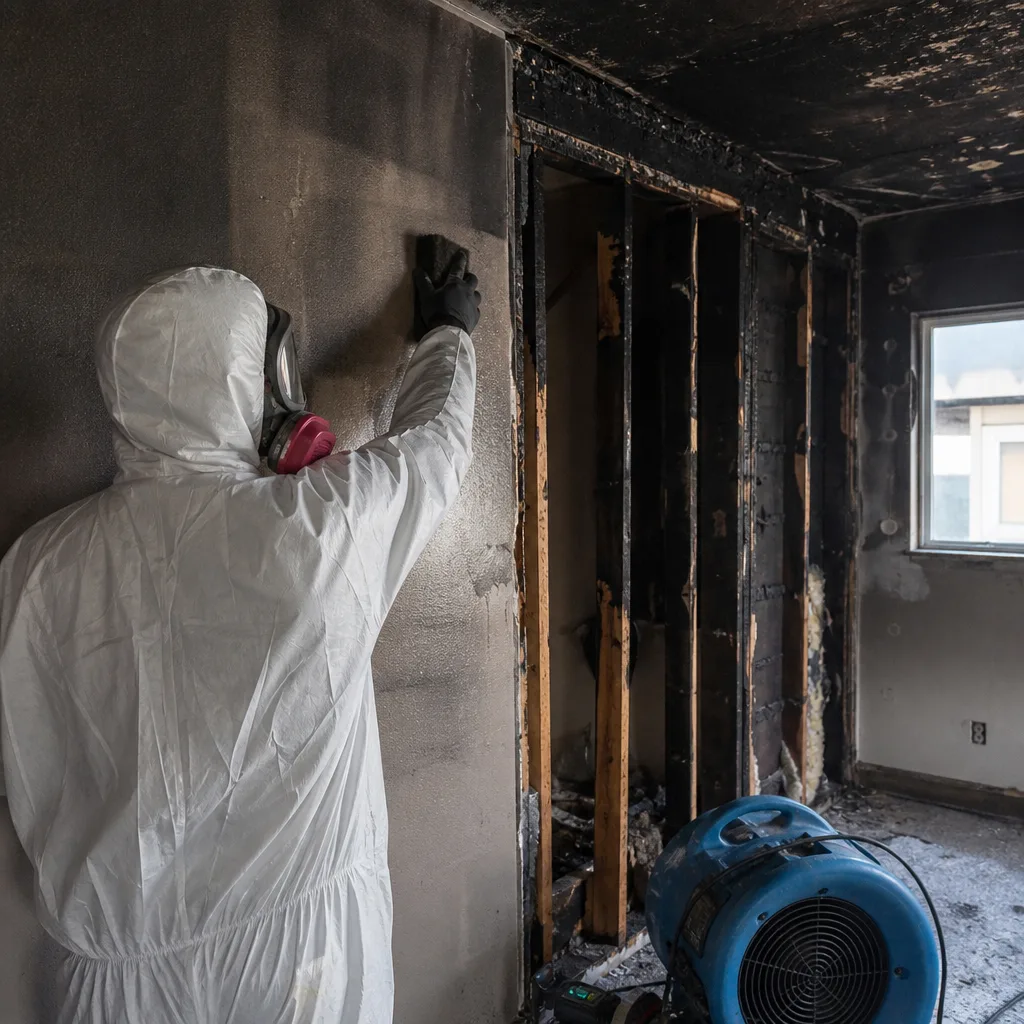
4. Smoke & Soot Removal
Residue-specific cleaning: dry sponges for powdery soot, solvent agents for petroleum residues, alkaline cleaners for protein fires. HEPA vacuums capture particles down to 0.3 microns. We clean room by room, surface by surface, with photo documentation at each stage.
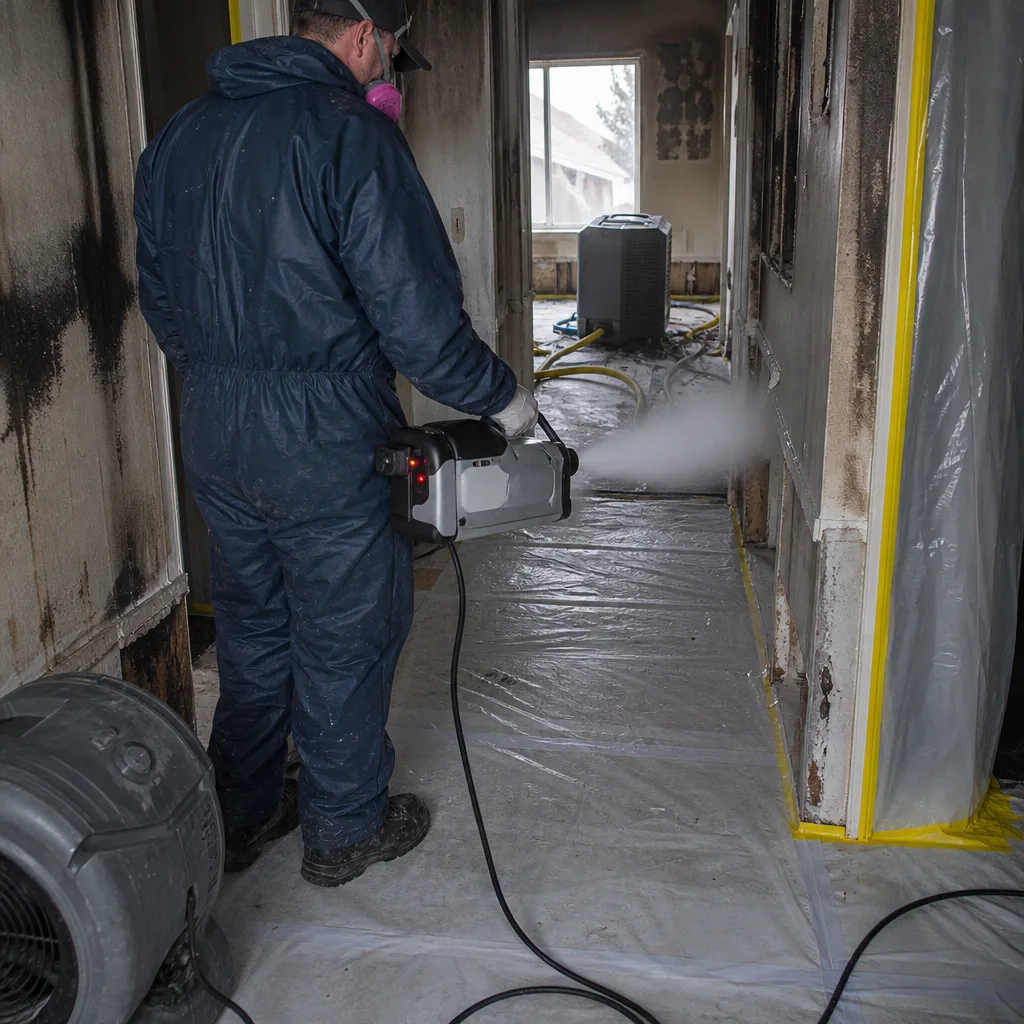
5. Odor Deodorization & Duct Decontamination
Thermal fogging, ozone treatment, and hydroxyl generators break odor molecules at the source. For San Marcos’s spray-foam attic insulation, we apply vapor pressure differential techniques to draw contamination out. Return-air ducts get antimicrobial treatment and particulate testing before clearance.
6. Contents Cleaning, Pack-Out & Restoration
Smoke-odored contents receive ultrasonic cleaning, deodorization chamber treatment, or ozone exposure at our facility. Items are inventoried with photo documentation, cleaned, and stored until structural restoration completes. Reconstruction follows the written scope, with final walkthrough and 365-Day Done Right Promise signed.
Need Emergency Fire & Smoke Damage Restoration in San Marcos Now?
Crews minutes away, answering live 24 hours a day. The sooner we start, the less it costs.
Working With Your Insurance Company
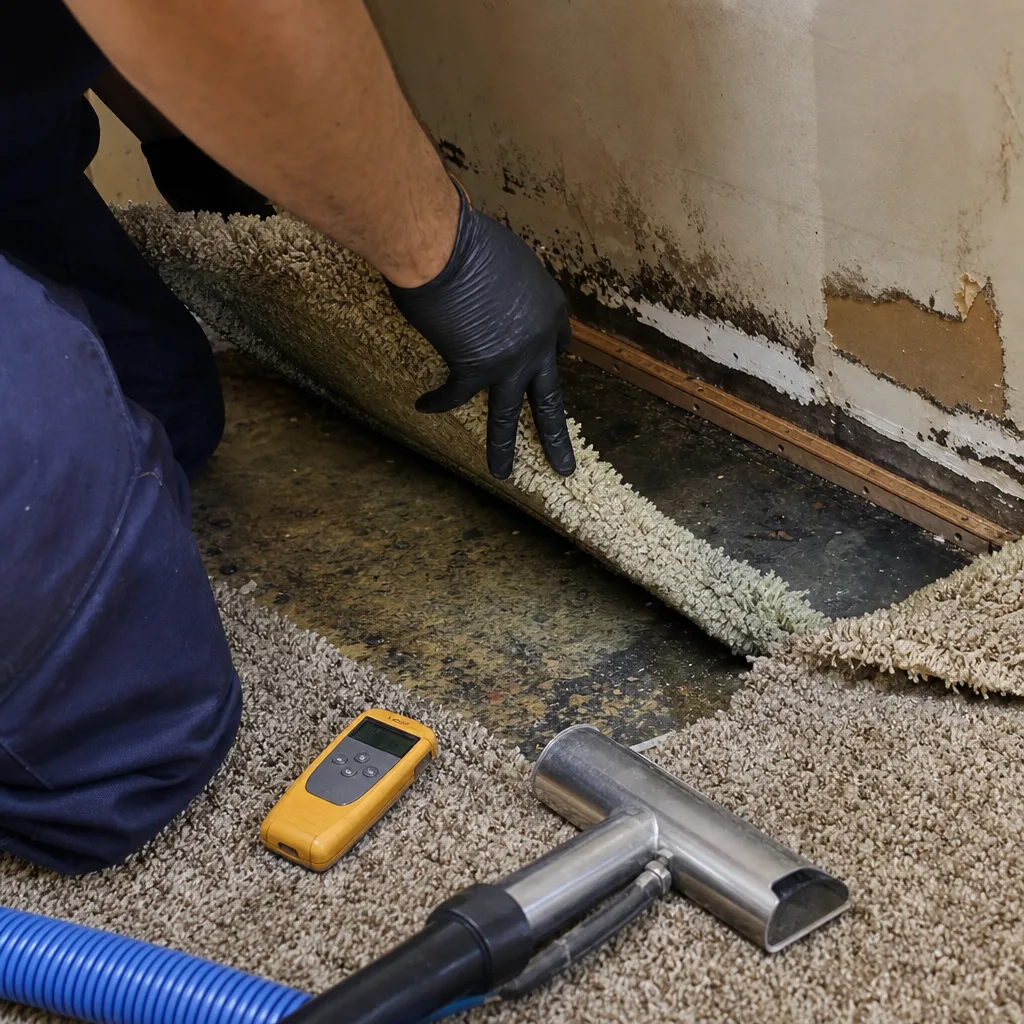
Insurance claims fail on documentation gaps. We eliminate them from the first hour. Our crews photograph every room before touching anything, record moisture readings on standardized drying logs, and produce line-item scopes formatted to Xactimate or Symbility standards your adjuster already uses. Direct communication with your carrier’s assigned representative happens throughout, not just at billing. We have handled claims for every major carrier serving San Marcos properties and understand the documentation thresholds that trigger approval versus delay.
What We Provide Your Insurer
- Thorough documentation of the loss
- Photos of all damage, room by room
- Moisture readings and drying logs
- A detailed, line-item scope of work
- Direct coordination with your carrier
Built for San Marcos’s Loss Calendar
San Marcos’s fire and smoke damage profile differs sharply from coastal North County. June through October brings Santa Ana wind events that push wildfire embers through canyon corridors into master-planned communities near Cal State San Marcos and Discovery Lake. The 2014 Cocos Fire established the pattern: homes a half-mile inside the visible burn line sustained smoke infiltration requiring full attic and duct remediation.
January atmospheric rivers compound the problem. Hillside runoff overwhelms drainage in graded slab subdivisions, so firefighting water pools in foundations and crawl spaces. A February 2024 canyon-rim fire near Twin Oaks Valley Road required combined fire-smoke-water protocols: soot removal in living spaces, structural drying in two bedrooms, and mold prevention in the crawl space. Summer lightning strikes on dry hillside vegetation create fast-moving brush fires with narrow response windows. Year-round, kitchen grease fires and electrical panel failures in 1990s-built tracts produce contained but residue-heavy losses.
Fire & Smoke Damage Restoration Across San Marcos’s Neighborhoods
Discovery Lake and the master-planned communities surrounding it sit in designated wildland-urban interface zones. Homes here, built 2000-2010 with open floor plans and shared attic ventilation, show smoke migration patterns that skip rooms and concentrate in HVAC returns. We inspect the full duct loop, not just visible registers.
Twin Oaks Valley properties, many on larger lots with detached structures, face dual exposure: main house smoke infiltration plus outbuilding fire damage that insurance scopes separately. Our documentation separates structures by policy coverage to prevent adjuster rejection.
San Elijo Hills canyon-rim homes experience the chimney effect directly. Santa Ana winds pull embers and smoke down slope into garages and attic vents. We’ve restored homes on Elfin Forest Road where exterior stucco showed zero char yet attic insulation tested positive for heavy smoke particulate.
Old Creek Ranch and the Cal State San Marcos corridor include some of the city’s newest construction. Builder-grade attic ventilation and minimal insulation R-values mean faster smoke saturation and more extensive material replacement. These jobs often trigger our Free Second Opinion service when initial competitor scopes underestimate attic and duct work.
Specialized Fire & Smoke Damage Restoration Services We Offer in San Marcos
Fire Damage Cleanup
Structural debris removal, charred material extraction, and surface preparation for reconstruction. In San Marcos’s stucco tracts, we assess whether the stucco itself absorbed heat sufficient to compromise the paper backing, a determination that affects whether exterior walls need full replacement or targeted repair.
Smoke & Soot Removal
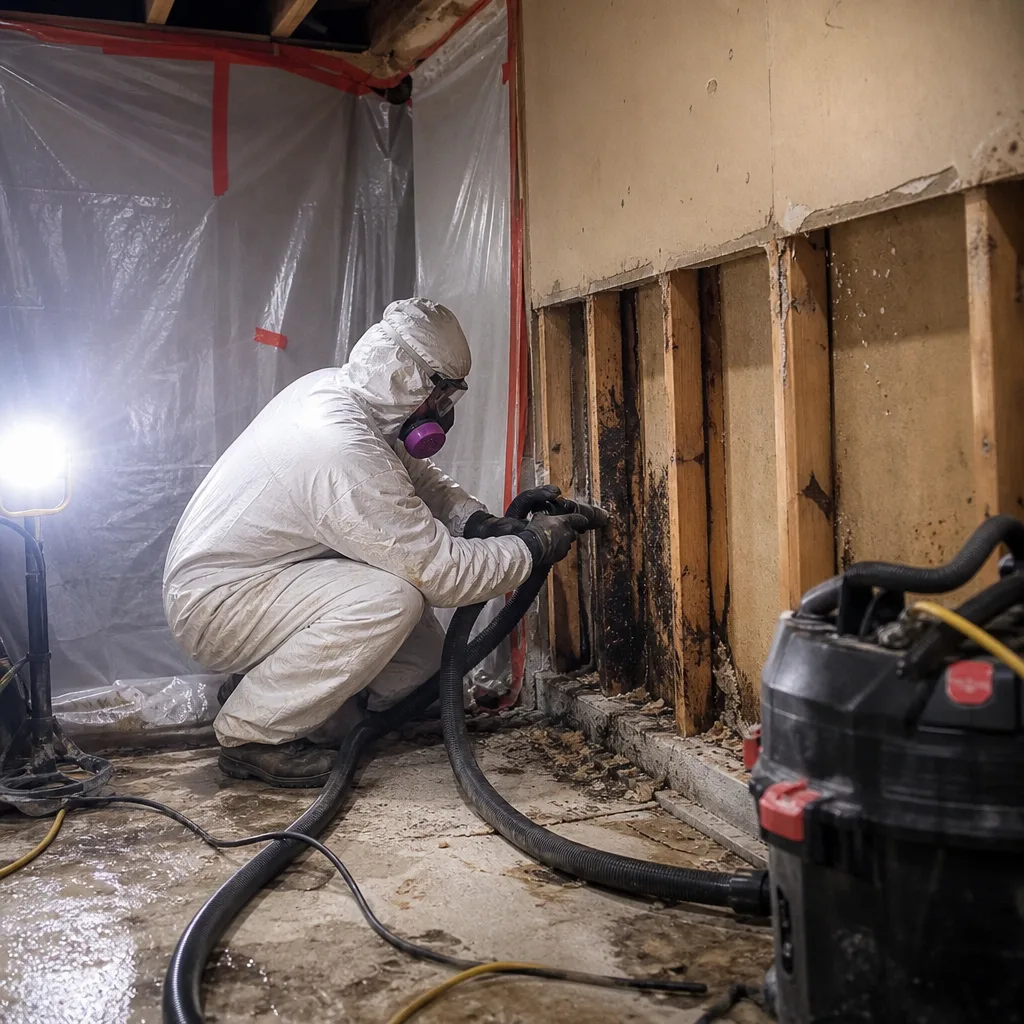
Residue classification drives technique. Dry soot gets HEPA vacuum and dry-sponge treatment. Wet petroleum residues require solvent cleaning with proper ventilation and PPE. Protein residues need alkaline cleaners and often surface etching repair. We classify every surface before cleaning begins.
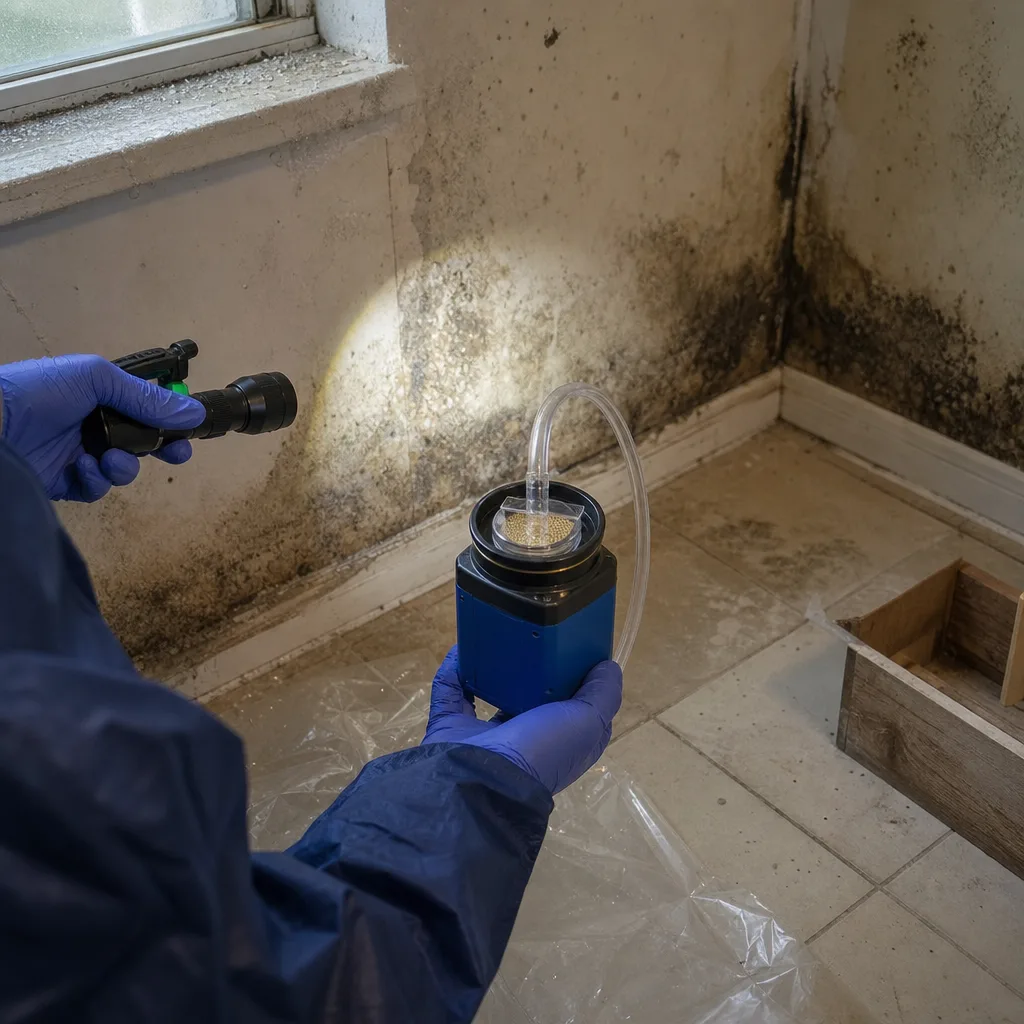
Odor Removal & Deodorization
Surface cleaning alone fails in San Marcos’s spray-foam attic insulation. Our protocol applies vapor pressure differential management: negative air pressure draws odor molecules from porous materials into HEPA-scrubbed exhaust. Thermal fogging follows for residual molecular contamination. Duct systems get antimicrobial treatment and particulate clearance testing.
Contents Cleaning & Pack-Out
Not everything smoke-odored needs disposal. Textiles receive ozone chamber treatment. Hard goods get ultrasonic cleaning. Electronics get corrosion assessment and specialized drying. Each item is photographed, inventoried, and stored in our climate-controlled facility until your home is restored. Pre-loss condition photos, which we encourage every San Marcos homeowner to maintain, expedite insurance replacement valuations.
Emergency Board-Up & Tarping
Broken windows, compromised roofing, and structural openings get secured to prevent secondary damage and satisfy insurance policy duty-to-mitigate clauses. Materials are rated for San Marcos’s Santa Ana wind exposure, not just coastal breeze.
What happens when you call
- 1
A real person answersNo phone trees - you reach a local pro.
- 2
You get an upfront price rangeHonest numbers before anyone is dispatched.
- 3
A background-checked tech heads outLicensed & insured, dispatched right away.
- 4
You approve before work beginsNothing starts until you say go.
Fire & Smoke Damage Restoration Costs in San Marcos, CA
Honest pricing starts with a free visual inspection and written scope before any work begins. Based on San Marcos’s current market, typical ranges run as follows:
| Service | Typical Range in San Marcos |
|---|---|
| Emergency board-up and tarping | $800 - $2,400 |
| Smoke and soot removal (per affected room) | $1,200 - $3,800 |
| Attic insulation removal and replacement | $2,500 - $7,500 |
| HVAC duct cleaning and decontamination | $1,800 - $5,200 |
| Contents pack-out and cleaning (per cubic foot) | $4 - $12 |
| Structural drying (firefighting water) | $1,500 - $4,500 |
| Odor deodorization (thermal fogging/ozone) | $900 - $2,800 |
What moves price: square footage affected, residue type (protein fires cost more than dry soot), accessibility of attic and duct systems, and whether firefighting water requires structural drying. Insurance typically covers direct fire and smoke damage plus reasonable mitigation; our documentation package is built for carrier approval. Haven Standard, Clause 1: your written price is locked before work starts. Call (760) 546-9565 for your free inspection and exact scope.
We Also Serve Cities Near San Marcos
Our crews respond throughout North County inland and coastal: Vista to the west, Escondido to the east, Carlsbad to the southwest, and Encinitas to the northwest. Dispatch and scheduling are coordinated from our San Diego office; crews serve each city locally with the same 45-minute commitment and live-answer dispatch.
Serving San Marcos, CA - Our Local Coverage Area
We’re based in the San Marcos area and know this community well. Use the map below to see our service coverage - if you’re nearby, we can almost certainly help.
San Marcos Fire & Smoke Damage Restoration Questions, Answered
Our San Marcos home is a mile from the fire perimeter and the exterior looks fine - do we still need smoke remediation?
Yes. The 2014 Cocos Fire proved that San Marcos’s canyon topography acts like a chimney, pulling smoke and embers far beyond visible burn lines. We’ve found char debris in return-air ducts and heavy smoke particulate in spray-foam attic insulation in homes a half-mile inside the perimeter with untouched exteriors. An inspection with thermal imaging and HVAC testing reveals what visual assessment cannot. Call (760) 546-9565 for a free evaluation.
How fast does smoke odor come back if only the surfaces are cleaned?
Odor returns within days to weeks when the source remains in porous materials. San Marcos’s builder-grade spray-foam attic insulation traps smoke molecules that surface cleaning never reaches. The first Santa Ana wind event reactivates them. Our protocol uses vapor pressure differential techniques to extract contamination from insulation and ducts, then verifies clearance with particulate testing. Without this step, the smell persists. Call (760) 546-9565 for a scope that addresses the source.
Does firefighting water in a San Marcos fire loss need structural drying too?
Absolutely. Firefighting water saturates drywall, framing, and slab-adjacent materials. In San Marcos’s inland August heat, wet drywall molds in five to seven days; in cooler months, you have perhaps two weeks. We extract standing water immediately, then deploy Dri-Eaz and Phoenix dehumidifiers with documented daily moisture readings until materials reach pre-loss equilibrium. Skipping structural drying turns a fire claim into a mold claim your insurer may dispute. Call (760) 546-9565 for combined fire-and-water protocol.
Can you pack out and clean our contents rather than just toss them?
Most contents are restorable with proper treatment. We inventory, photograph, and transport smoke-odored items to our facility for ozone chamber deodorization, ultrasonic cleaning, or specialized textile treatment. Pre-loss photos from the homeowner expedite insurance valuations for anything beyond restoration. Our pack-out service is documented to IICRC standards and included in the written scope. Call (760) 546-9565 to discuss what can be saved.
What brands and equipment do you use on a San Marcos fire and smoke job?
We deploy Dri-Eaz and Phoenix dehumidifiers for structural drying, XPOWER and B-Air axial air movers for controlled airflow, and HEPA air scrubbers for particulate containment during soot removal. Odor treatment uses thermal foggers, ozone generators, and hydroxyl machines selected by residue type. All equipment documentation supports IICRC, RIA, and IFA standards and appears in the drying logs we submit to your adjuster. Call (760) 546-9565 for equipment specifics on your loss type.
How fast can your crew actually get to my San Marcos address?
We commit to 45 minutes from live-answer dispatch to arrival anywhere in San Marcos. Our crews stage for North County inland valley response, and a real person confirms your ETA while you’re still on the line. No voicemail callbacks, no next-business-day scheduling while smoke continues migrating through your walls. Call (760) 546-9565 now.
Will my insurance cover the full restoration, or will I pay out of pocket?
Standard homeowner policies cover direct fire and smoke damage plus reasonable mitigation costs required to prevent further loss. Documentation quality determines approval speed. We photograph every room before work begins, record moisture readings on standardized drying logs, and produce line-item scopes in Xactimate format your adjuster recognizes. Direct carrier coordination is standard on every job. Out-of-pocket costs typically apply only to policy deductibles and coverage limits. Call (760) 546-9565 for a free inspection and insurance documentation review.
What should I do in the first 30 minutes after a fire is extinguished?
Do not enter until the fire department clears the structure. Call (760) 546-9565 immediately; our live-answer dispatcher will guide you through immediate steps while crews mobilize. Do not operate HVAC systems, which will distribute smoke particulate throughout the duct network. If safe, photograph visible damage from outside for initial insurance notification. Do not attempt to clean soot yourself; improper technique can permanently set residues into surfaces. Our crew arrives with proper PPE, residue classification tools, and documentation protocols already in motion.
Written by Alicia Brennan, Owner at Back to Dry Restoration, serving San Marcos since 2011 under The Haven Standard.
Fire & Smoke Damage Restoration in Nearby Areas