

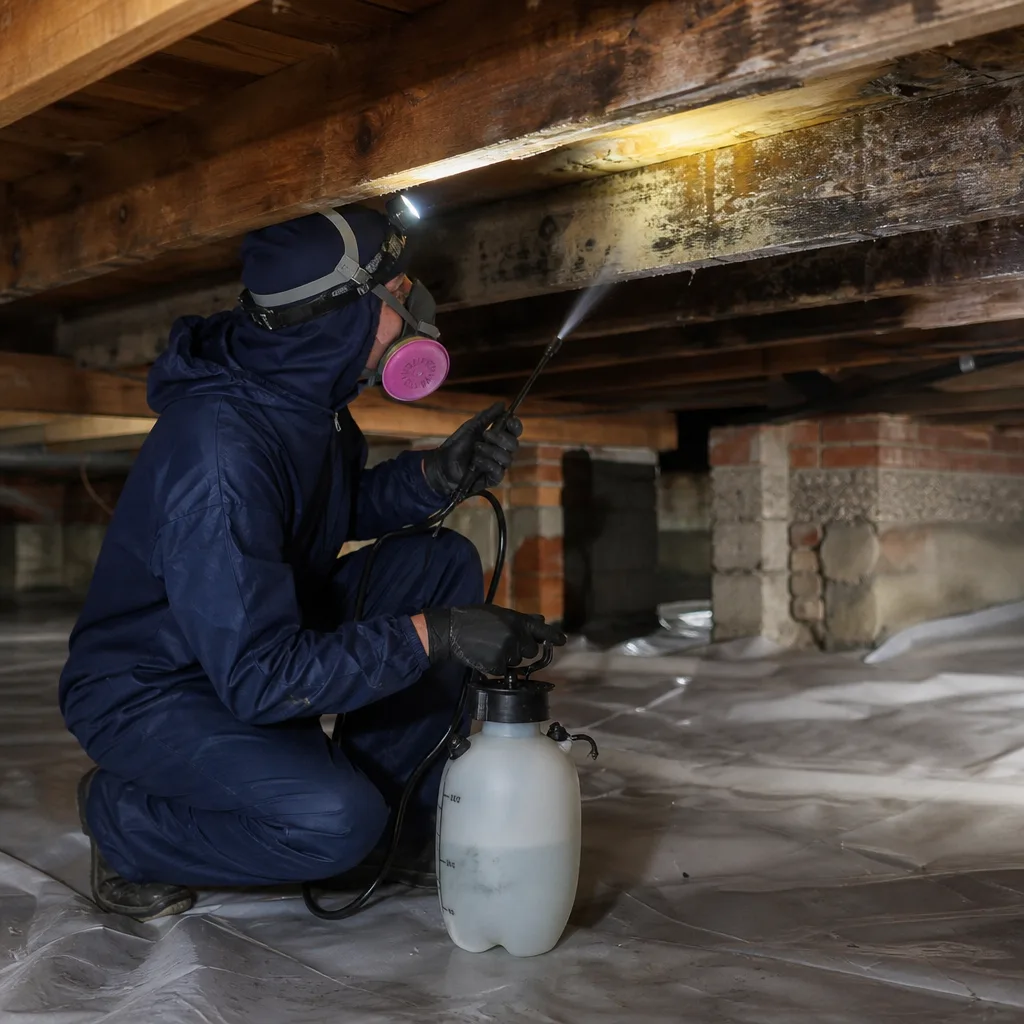
Free visual inspection and a written scope of work before any mitigation begins - photos, moisture readings, and drying logs go in your claim file
The scope we write is the scope we bill. Anything new gets shown to you, in writing, before we touch it.
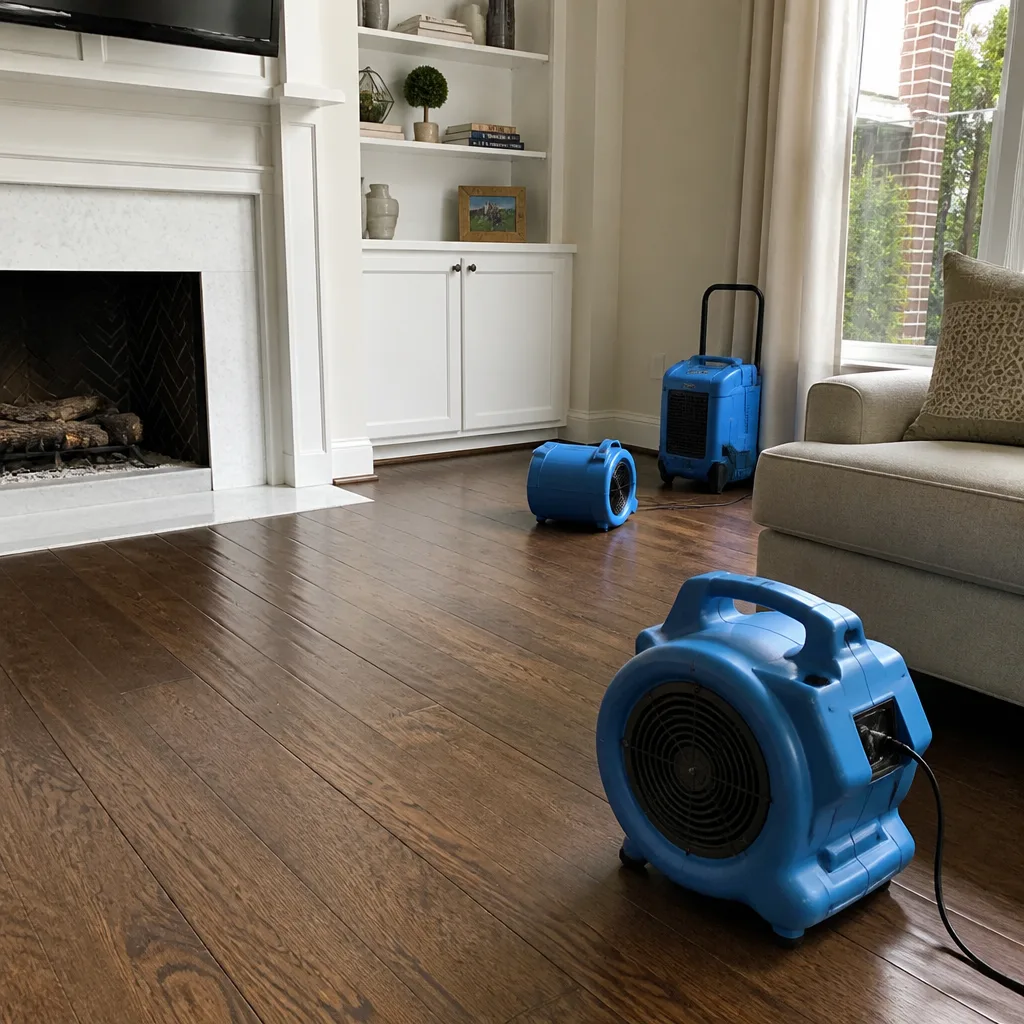
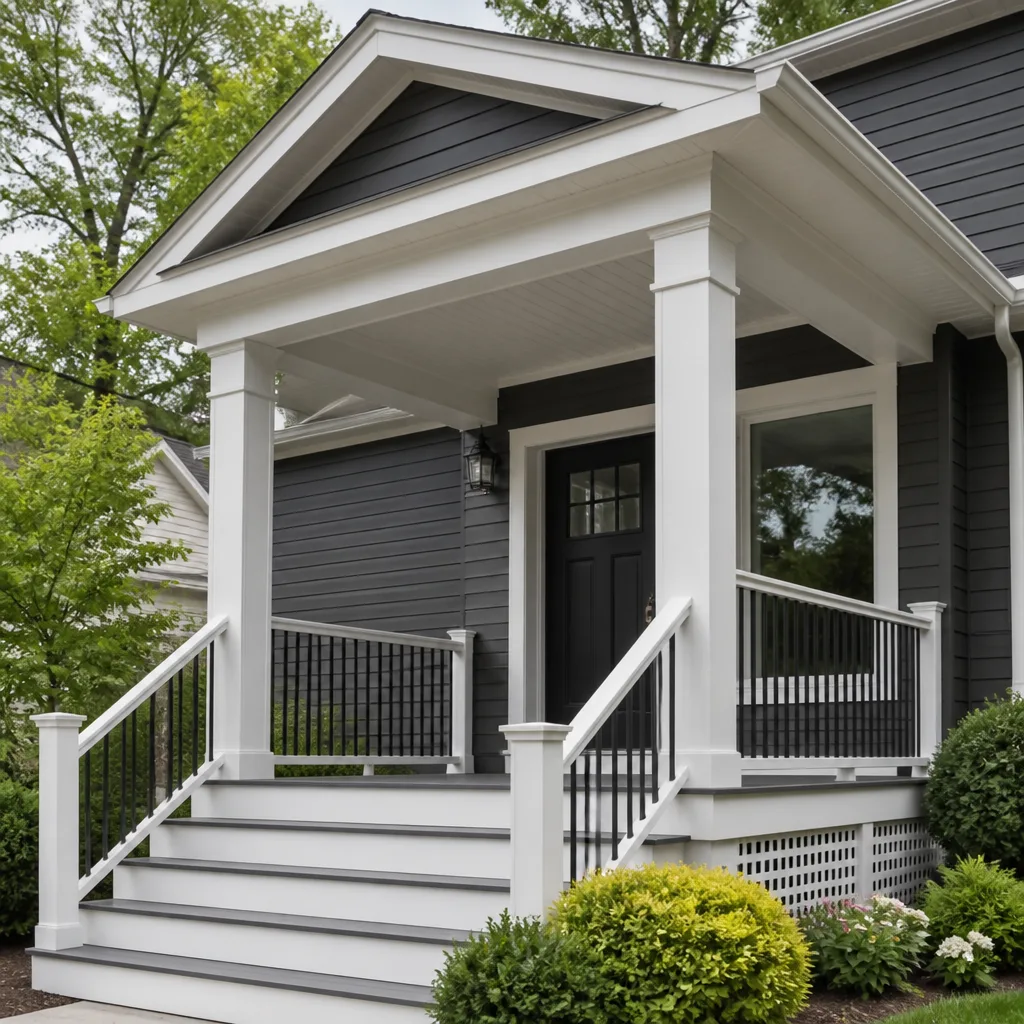
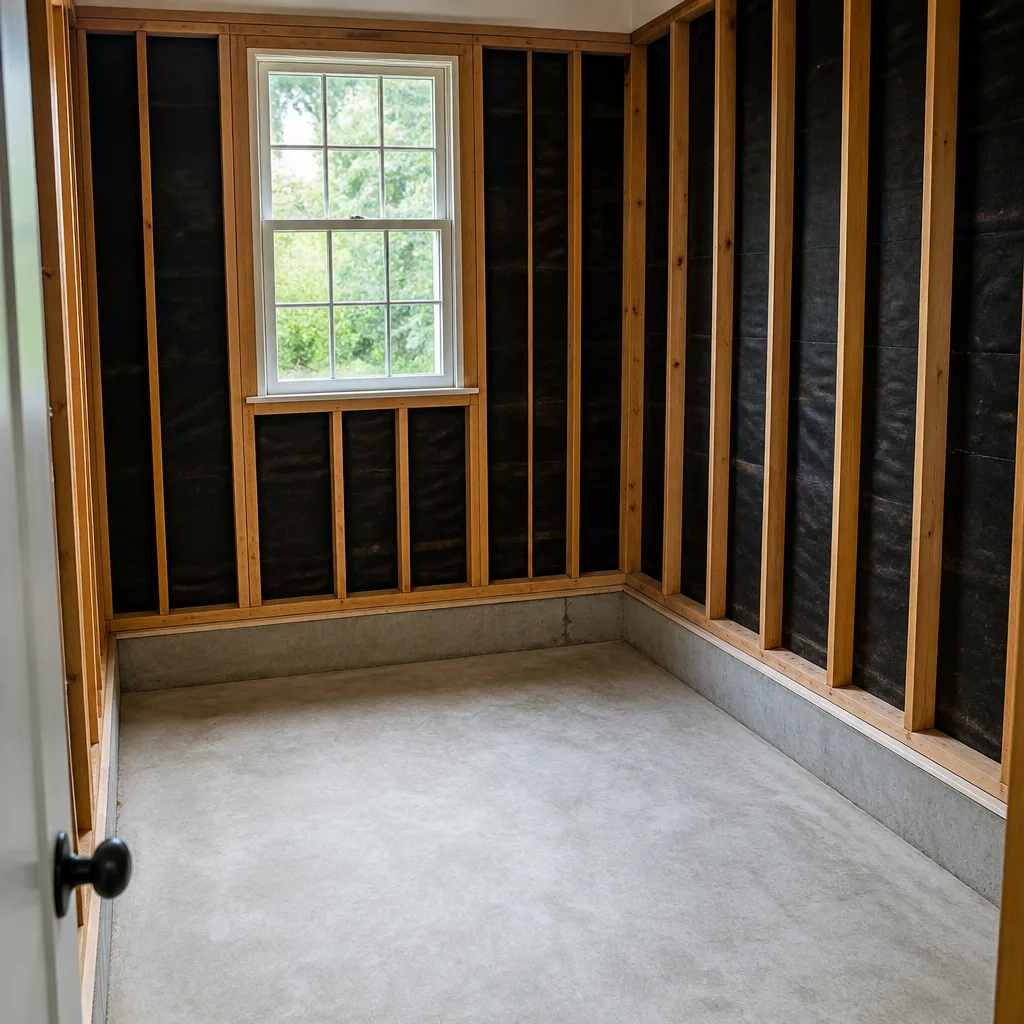
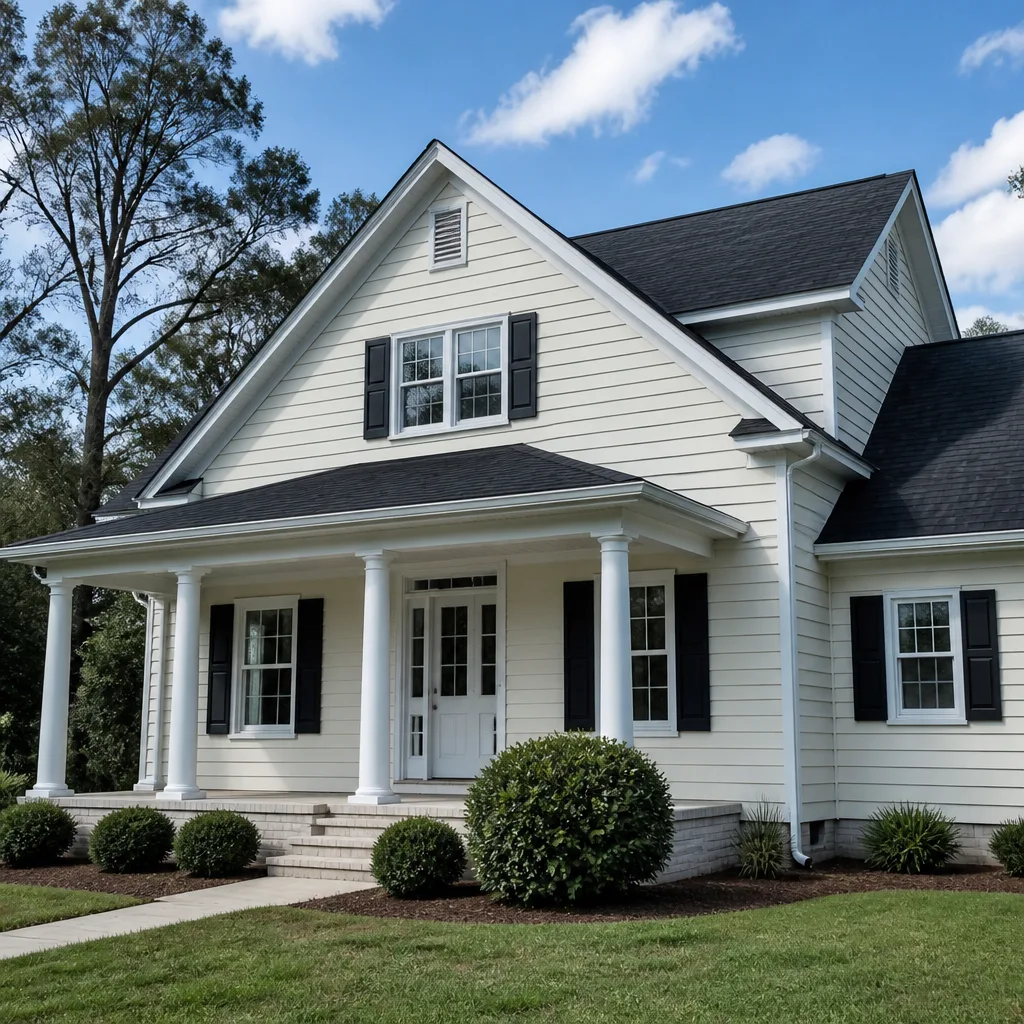
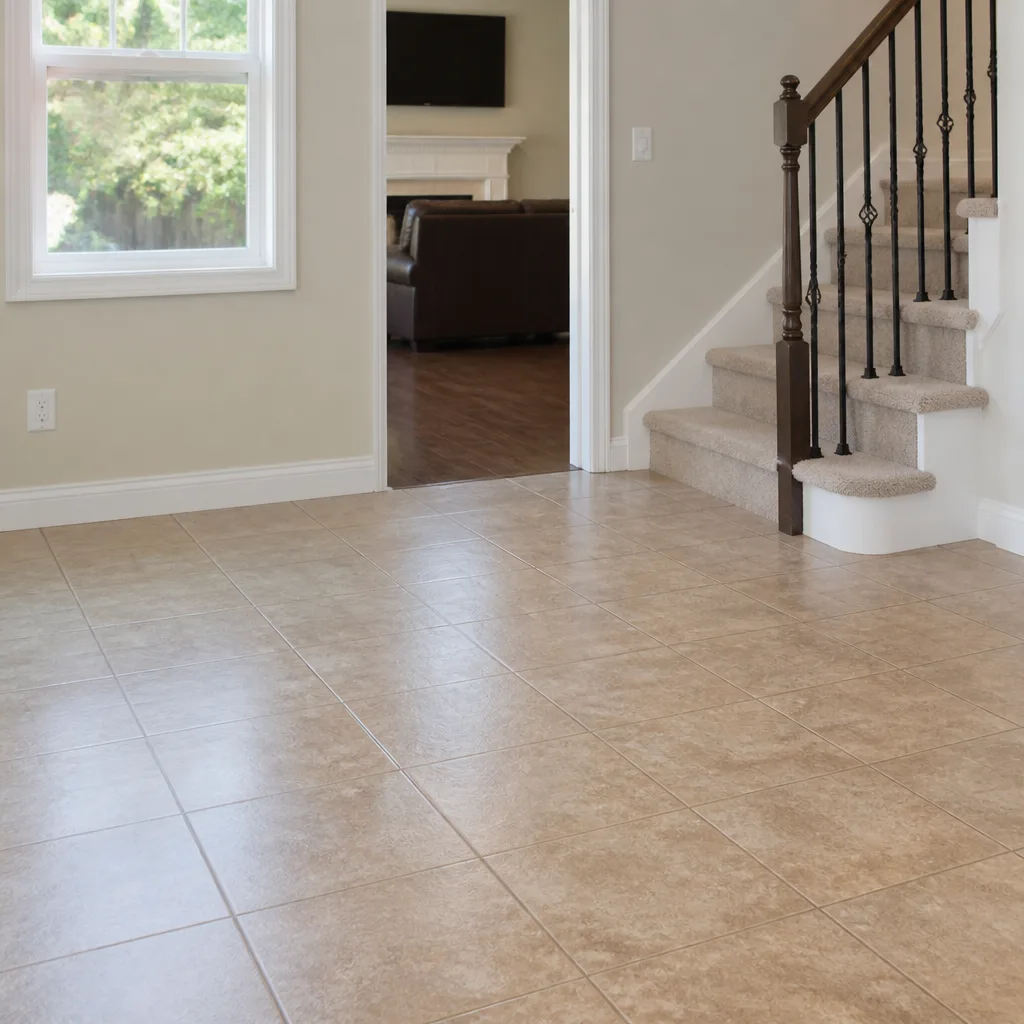
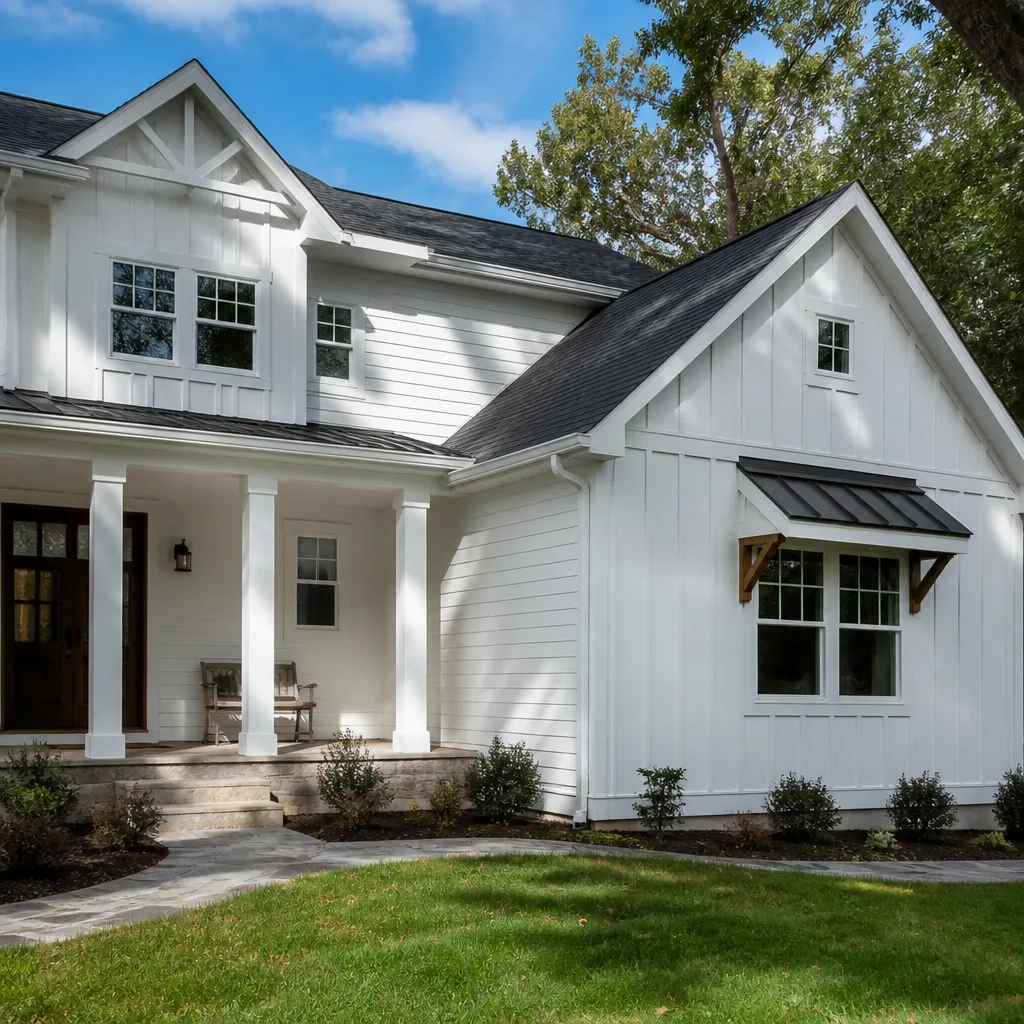
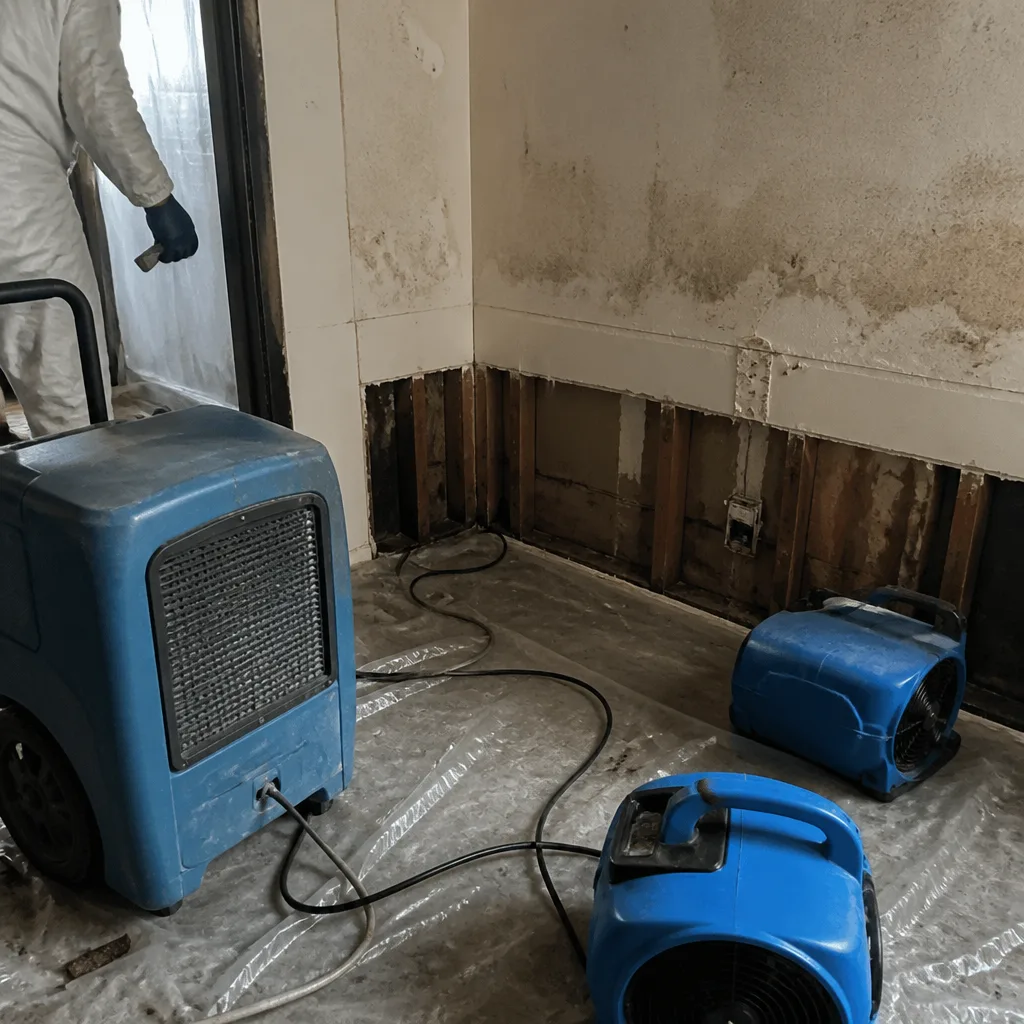 Before
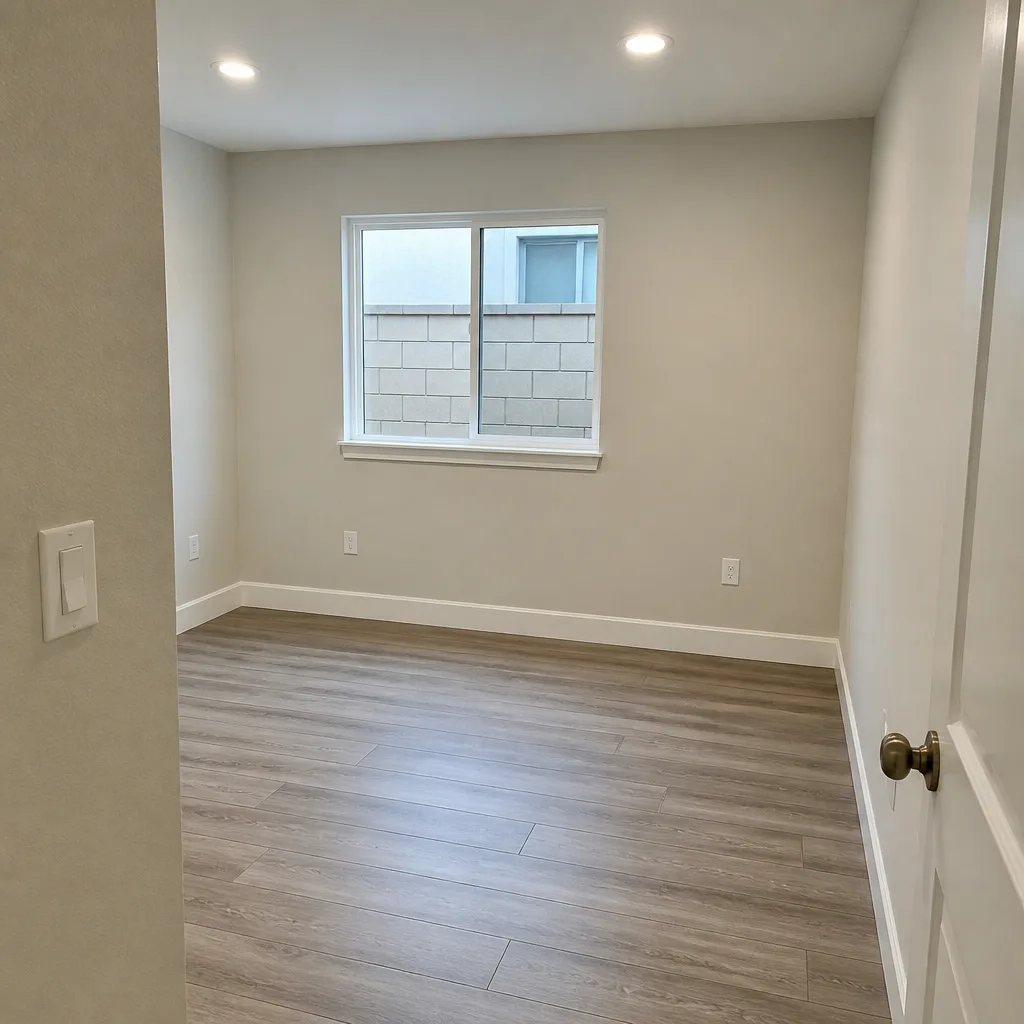 After
After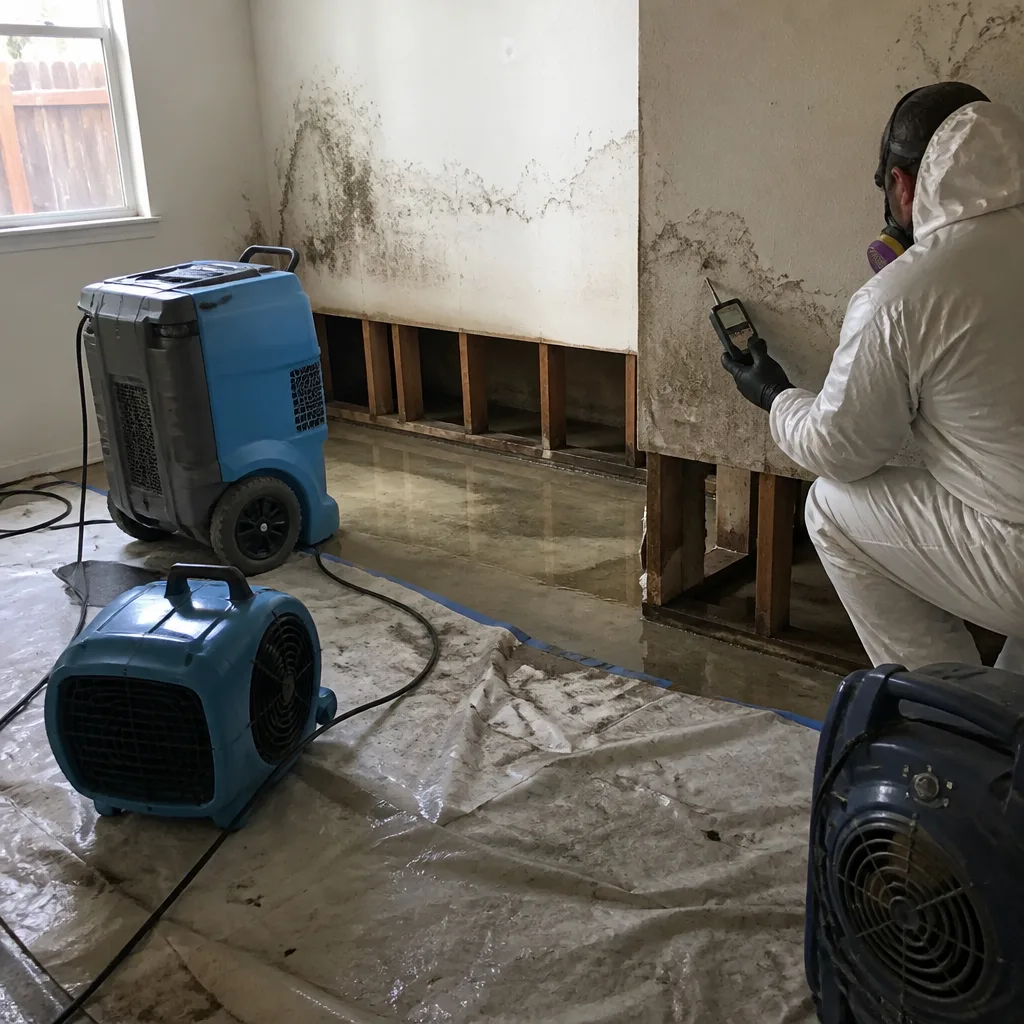 Before
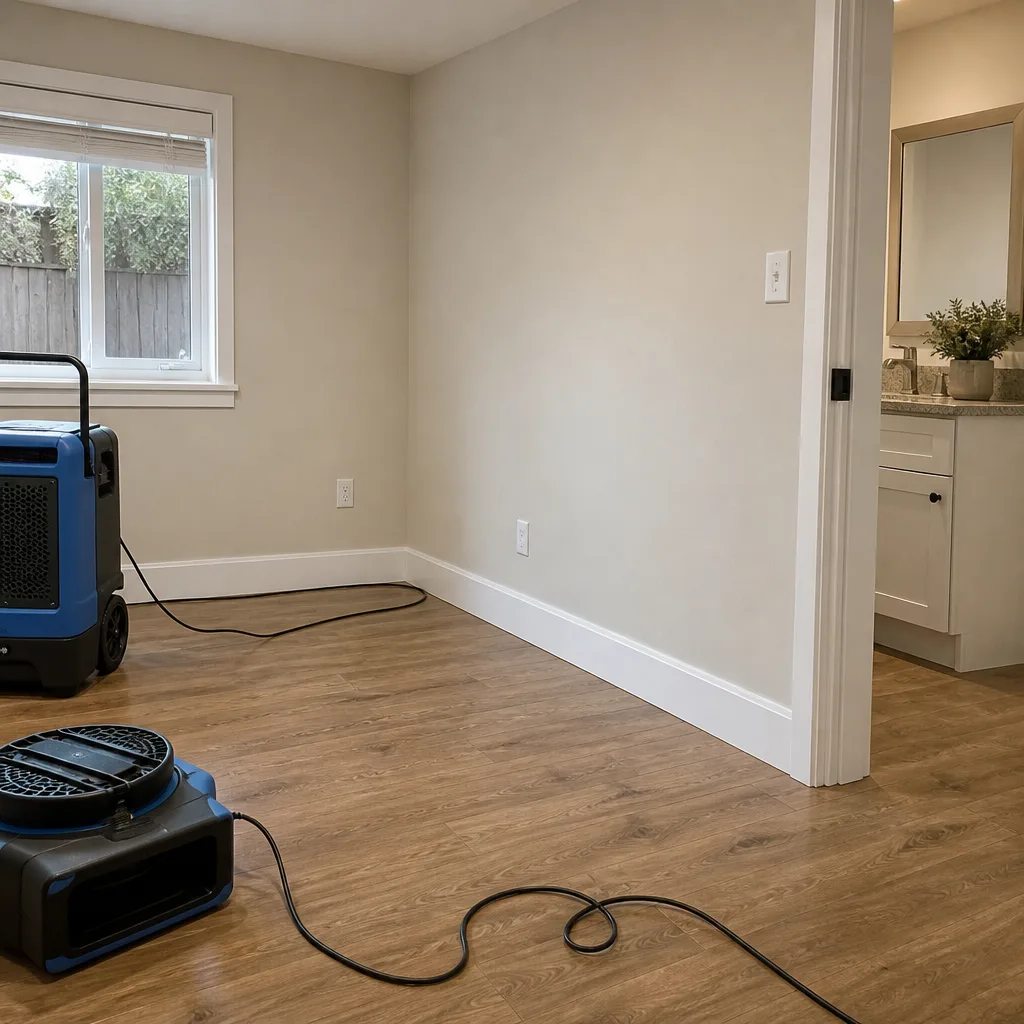 After
After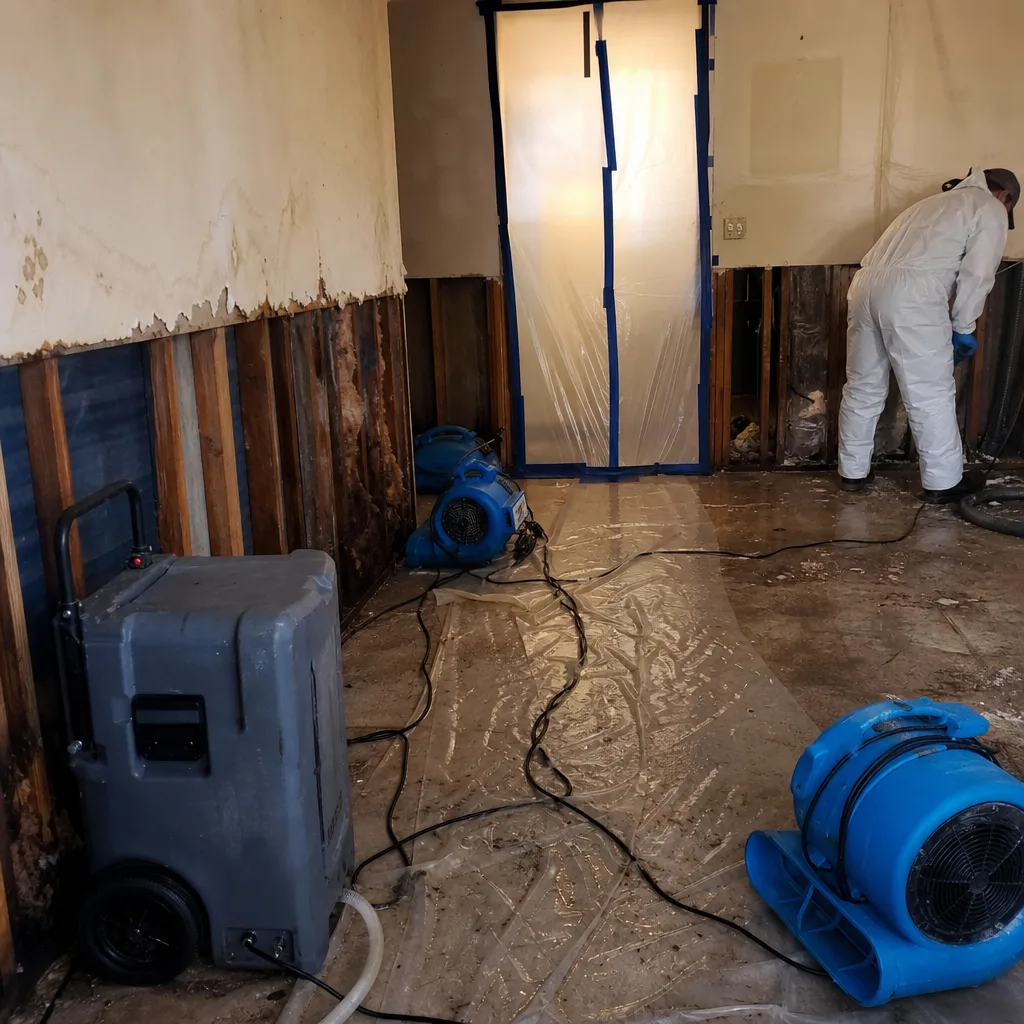 Before
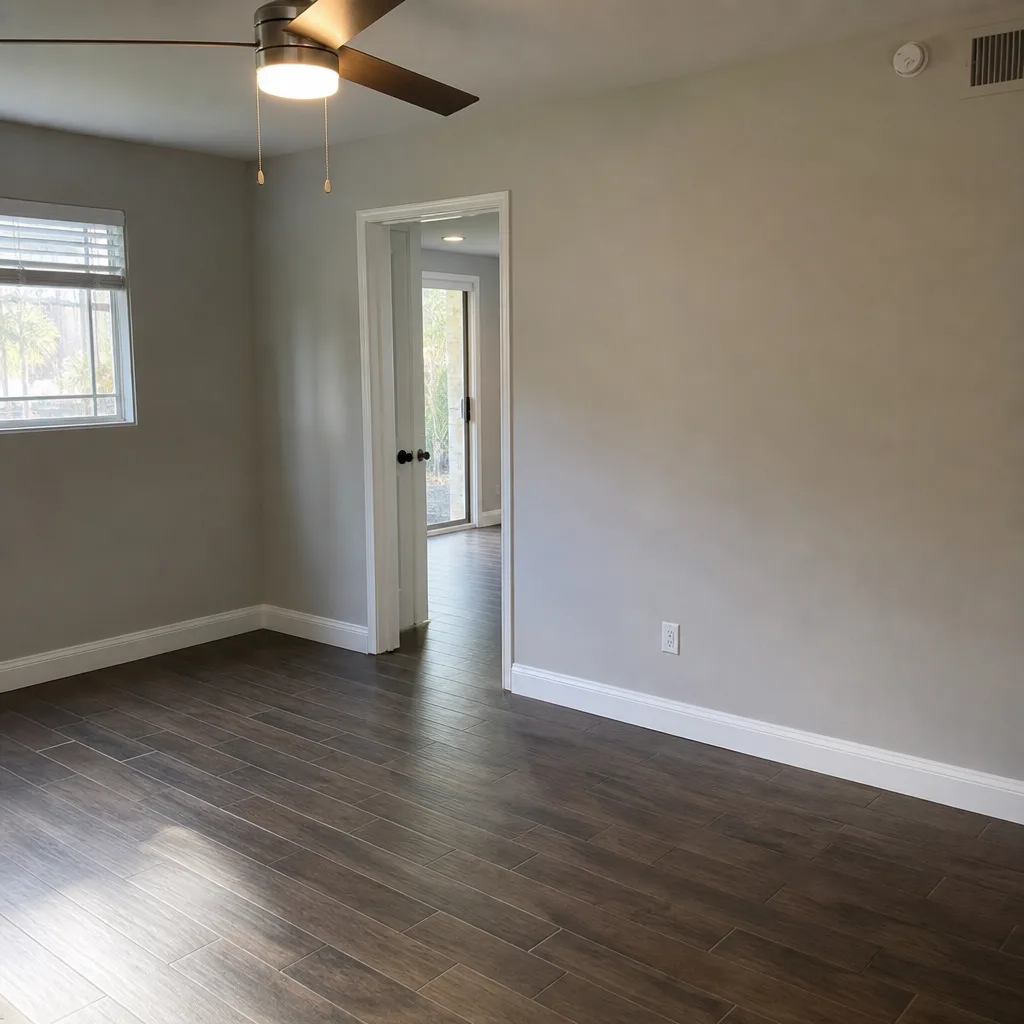 After
After24/7 Emergency Fire & Smoke Damage Restoration in Vista
Fire and smoke damage restoration in Vista typically costs $3,200-$18,500 depending on the affected square footage, and our crews can be on-site within 45 minutes of your call to (760) 546-9565. We answer live, 24 hours a day, 7 days a week - no voicemail, no callbacks tomorrow. The first hour after a fire or smoke event determines whether soot residues set into porous surfaces permanently and whether water from suppression efforts begins secondary damage behind walls. Call (760) 546-9565 now for a free visual inspection and written scope before any work begins.
Vista’s canyon-funneled terrain creates fire and smoke damage patterns unlike coastal North County. Santa Ana wind events push embers through natural corridors at speeds that overwhelm standard weatherstripping and vent screens, depositing acidic soot deep into HVAC systems and wall cavities. Our Fire & Smoke Damage Restoration crews serving Vista carry thermal imaging cameras, HEPA air scrubbers, and moisture mapping tools on every truck because we’ve learned that smoke damage here rarely travels alone.
Understanding Fire & Smoke Damage Restoration Severity in Vista Properties
Fire damage in Vista falls into three severity tiers, each demanding different equipment and documentation protocols. Light smoke intrusion - typically from nearby wildfire exposure or a contained kitchen fire - leaves dry soot on horizontal surfaces and requires HEPA vacuuming, chemical sponging, and thermal fogging or ozone treatment. Moderate damage involves protein residues from kitchen fires or wet smoke from slow-burning synthetic materials; these bond to surfaces and demand alkaline cleaners, ultrasonic contents cleaning, and often pack-out of salvageable items to our facility. Heavy structural damage compromises framing, roofing, or mechanical systems and requires emergency board-up, debris removal, and reconstruction planning before any cleaning begins.
Vista’s housing stock intensifies these classifications. The 1960s-1980s wood-frame ranch homes dominating neighborhoods near Brengle Terrace Park and the Shadowridge corridor were built with popcorn ceilings, 9-inch vinyl floor tiles, and pipe insulation that frequently contain asbestos. When heat or water damage disturbs these materials, restoration stops until certified abatement is completed and documented. This isn’t a delay - it’s a legal requirement that protects occupants and ensures your insurance claim pays without dispute. We identify asbestos-containing materials during our initial assessment and coordinate abatement within the same scope, so your timeline doesn’t fragment into competing contractors.
Why Vista Property Owners Choose DryMark Restoration Oceanside
- 45-minute response commitment to Vista properties, with crews staged for North County dispatch from our San Diego office.
- 24/7 live answer - a real person, never an automated system or voicemail tree, on every emergency line.
- IICRC-certified crews holding FSRT (Fire and Smoke Restoration Technician) and WRT (Water Damage Restoration Technician) credentials, with AMRT (Applied Microbial Remediation Technician) certification for the mold that follows water intrusion.
- Free visual inspection with a written price before any work starts, every time, with no exceptions - Haven Standard, Clause 1.
- Direct insurance billing with photo-documented assessments and daily drying logs that turn restoration invoices into payable claims.
- One team from emergency board-up through structural fire repair, eliminating handoff gaps that leave soot residue or moisture behind.
BeforeAfterOur Fire & Smoke Damage Restoration Process
1. Inspection & Assessment
We document the full loss with thermal imaging, moisture meters, and photo records room by room. In Vista’s older homes, we test for asbestos in popcorn ceilings and vinyl flooring before disturbing anything. You receive a written scope and price before work begins - Haven Standard, Clause 1.
2. Emergency Board-Up & Tarping
Wind-rated doors and windows that failed during Santa Ana events leave the envelope exposed. We secure structural openings with plywood and weather-resistant tarps, documenting every measure with photos for your adjuster.
3. Water Extraction & Structural Drying
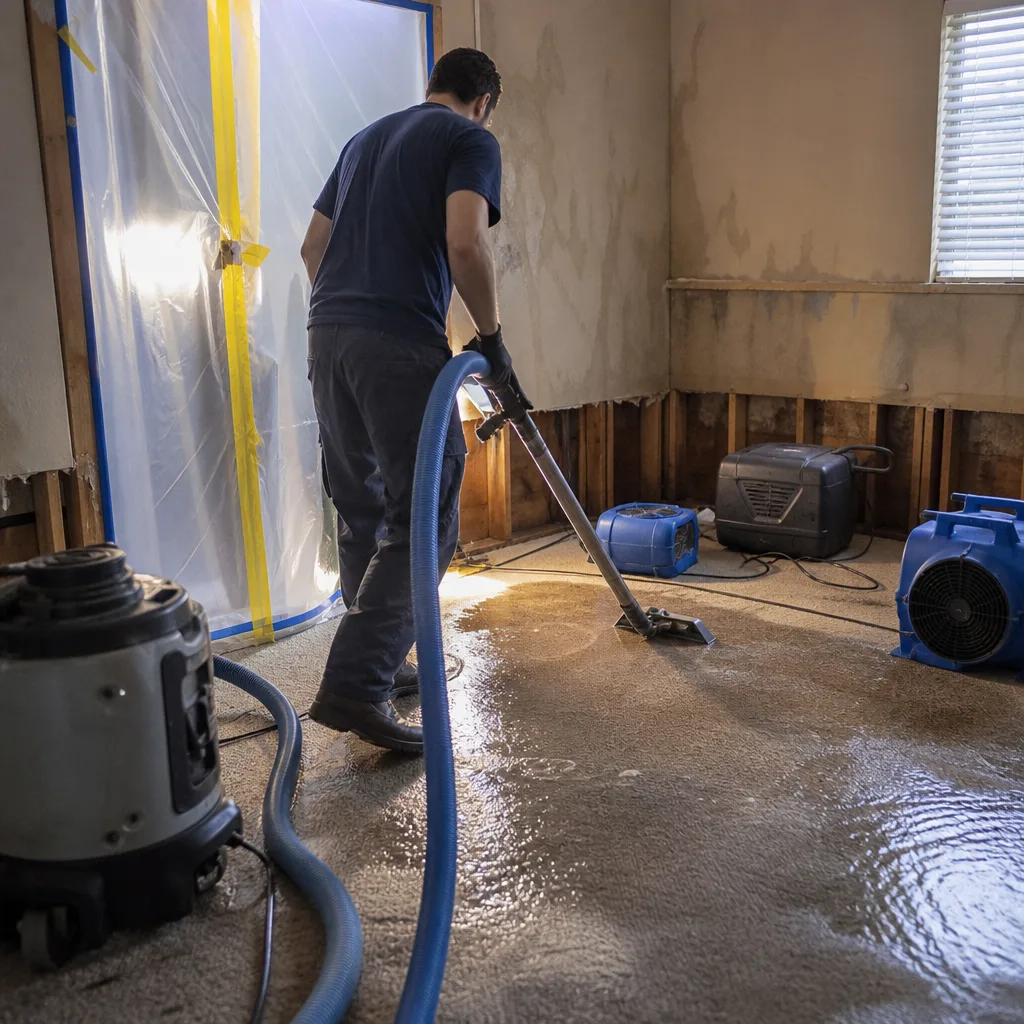
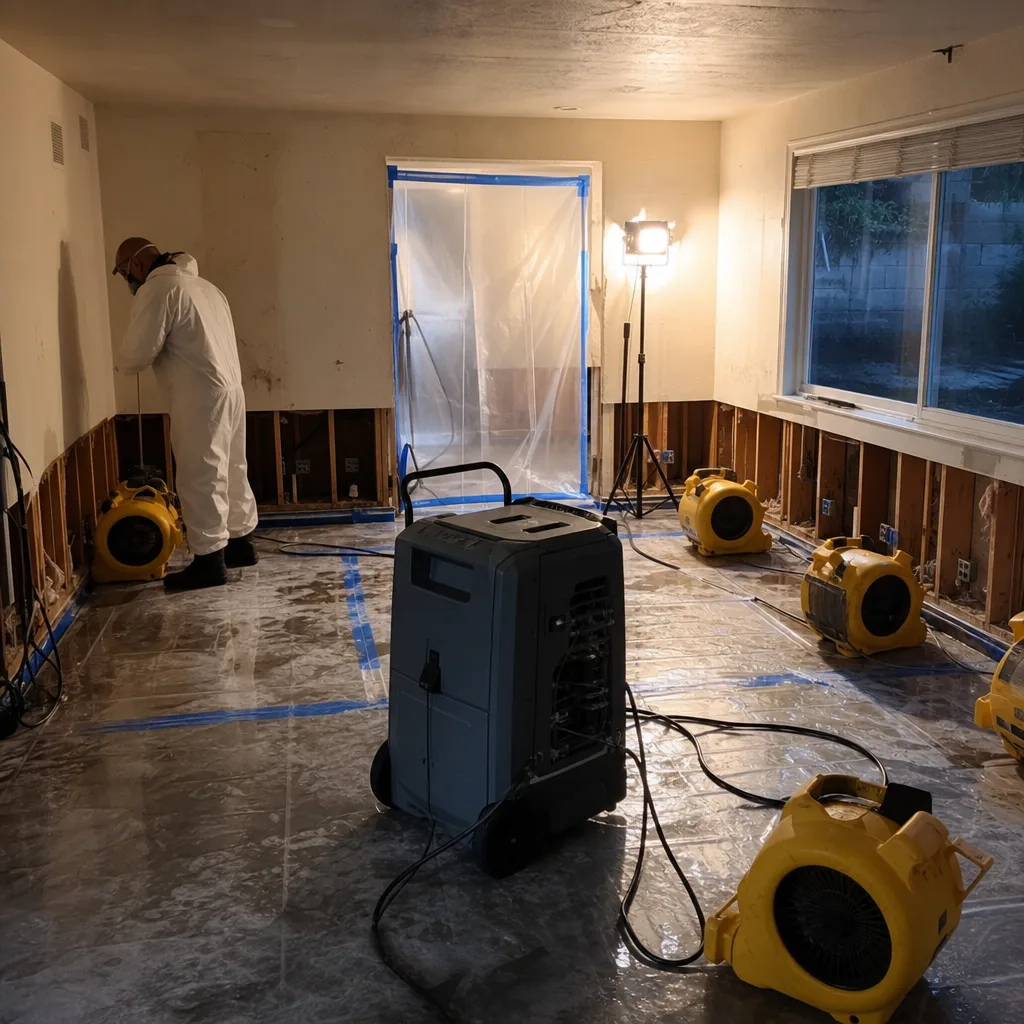
Suppression water and trapped marine-layer moisture get extracted immediately. We deploy Dri-Eaz and Phoenix dehumidifiers, Injectidry cavity drying systems, and air movers, logging psychrometric data - temperature, relative humidity, vapor pressure differential - to prove the structure is dry before reconstruction.
4. Smoke & Soot Removal
Dry soot, wet smoke, and protein residues each demand specific cleaning chemistry. We HEPA-vacuum all surfaces, apply solvents or detergents matched to the residue type, and clean ductwork with rotary brush systems and negative air containment.
5. Odor Removal & Contents Treatment
Thermal fogging, ozone generators, and hydroxyl generators break odor molecules at the source. Salvageable contents receive ultrasonic cleaning at our facility. Unsalvageable items are documented with photos for your insurance inventory.
6. Structural Fire Repair & Reconstruction
After abatement clearance and drying verification, we rebuild to code. In Vista, this often means upgrading to current wind-rated door and window assemblies that withstand Santa Ana gusts better than the original 1970s installations.
Need Emergency Fire & Smoke Damage Restoration in Vista Now?
Crews minutes away, answering live 24 hours a day. The sooner we start, the less it costs.
Working With Your Insurance Company
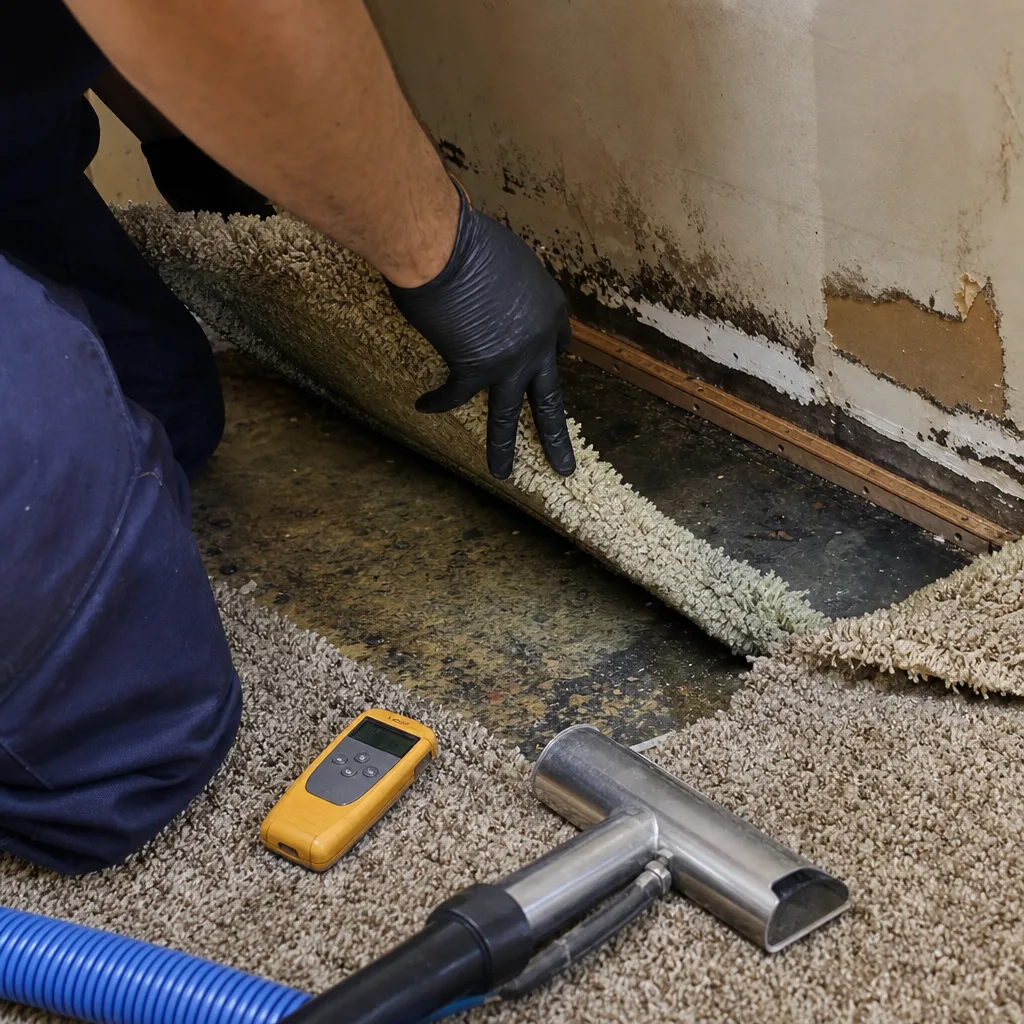
Insurance claims for fire and smoke damage fail when documentation is incomplete or when the scope of work changes mid-job without written authorization. We eliminate both risks. From the first hour, we photograph every room, every damaged item, every moisture reading. Our estimates follow industry-standard pricing with line-item detail your adjuster can verify. We communicate directly with your carrier, providing the documentation that justifies each phase: emergency services, contents cleaning, abatement, drying, and reconstruction.
The Haven Standard requires a photo record on every visit - not as an upsell, but as a standard deliverable. When Vista’s unique conditions extend the timeline, such as asbestos abatement or winter debris-flow mitigation on a property previously damaged by smoke, we document the sequential losses as related claim events rather than separate incidents. This preserves your coverage limits and prevents the “unrelated damage” denial that fragments restoration budgets.
What We Provide Your Insurer
- Thorough documentation of the loss
- Photos of all damage, room by room
- Moisture readings and drying logs
- A detailed, line-item scope of work
- Direct coordination with your carrier
Built for Vista’s Loss Calendar
Vista’s fire and smoke damage season runs October through April, driven by Santa Ana wind events that peak in fall and winter. These dry, hot winds funnel through the city’s canyons at 40-60 mph, carrying embers from agricultural burns, vehicle fires, or distant wildfires into residential areas. The marine layer that follows Santa Ana events traps moisture in poorly ventilated older construction, creating the hidden damp conditions that feed mold behind stucco and under slab foundations, often requiring Mold Remediation in Vista.
January through March brings the secondary wave: winter storms hit the same canyon slopes stripped bare by fire season, producing debris flows and flash flooding that send Category 3 water - contaminated with ash, soil, and vegetation - into foundations already compromised by smoke damage. We’ve handled multiple Vista properties where the same home required fire restoration in October and flood mitigation in February. Coordinating both under a single claim cycle, with consistent documentation, prevents the coverage gaps that leave homeowners paying out of pocket for related damage.
Fire & Smoke Damage Restoration Across Vista’s Neighborhoods
Shadowridge and the areas south of Highway 78 contain dense 1970s-1980s tract housing with original galvanized plumbing and minimal attic insulation. Santa Ana winds here drive embers through ridge vents and soffit gaps; our crews routinely find smoke residue in attic spaces that homeowners never checked. The wind-rated door upgrades we specify for reconstruction in this corridor typically exceed the original builder-grade installations by significant margins.
Properties near Brengle Terrace Park and the canyon rims along the eastern edge of Vista face the most severe Santa Ana exposure. After a wind event pushed embers through this area, our crew boarded up a 1970s ranch home and began smoke and soot removal, only to find original galvanized plumbing had failed behind the wall and trapped marine-layer moisture. We set containment and air movers, ran dehumidification and moisture mapping, and coordinated certified asbestos abatement for the popcorn ceiling before structural fire repair. The next winter, when runoff from the same denuded slope sent mud and Category 3 water into the foundation, we folded flood mitigation into the existing claim and dried the structure with Dri-Eaz and Phoenix equipment, logging moisture readings throughout.
The mobile-home and manufactured-housing communities concentrated in central Vista present distinct vulnerabilities. These structures burn faster and suffer more extensive smoke penetration due to thinner wall assemblies and integrated HVAC ductwork. Emergency board-up requires specialized techniques to secure without further compromising the envelope. We maintain specific protocols and materials for these properties.
Older neighborhoods near Vista Village and the historic downtown corridor contain mixed housing stock from the 1920s through 1950s alongside the more common post-war construction. These properties often have unpermitted additions, outdated electrical, and multiple layers of roofing that complicate both fire damage assessment and reconstruction permitting. Our familiarity with Vista’s building department and historical overlay requirements prevents the permit delays that stall restoration timelines.
Specialized Fire & Smoke Damage Restoration Services We Offer in Vista
Fire Damage Cleanup
We remove debris, damaged materials, and contaminated contents with photo documentation at every stage. In Vista’s 1960s-1980s homes, this phase includes asbestos testing for popcorn ceilings and vinyl floor tiles before any demolition begins. Results determine whether abatement proceeds within our scope or requires a separate certified contractor.
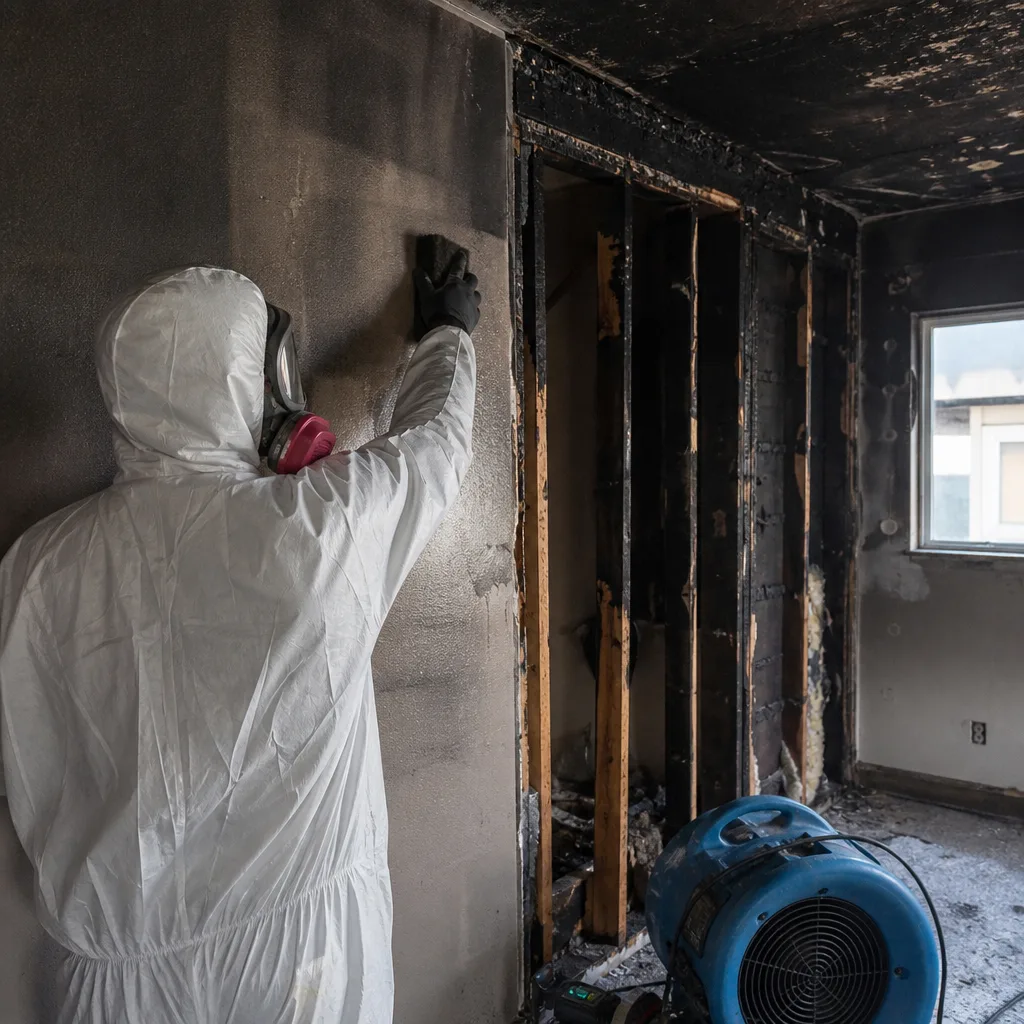
Smoke & Soot Removal
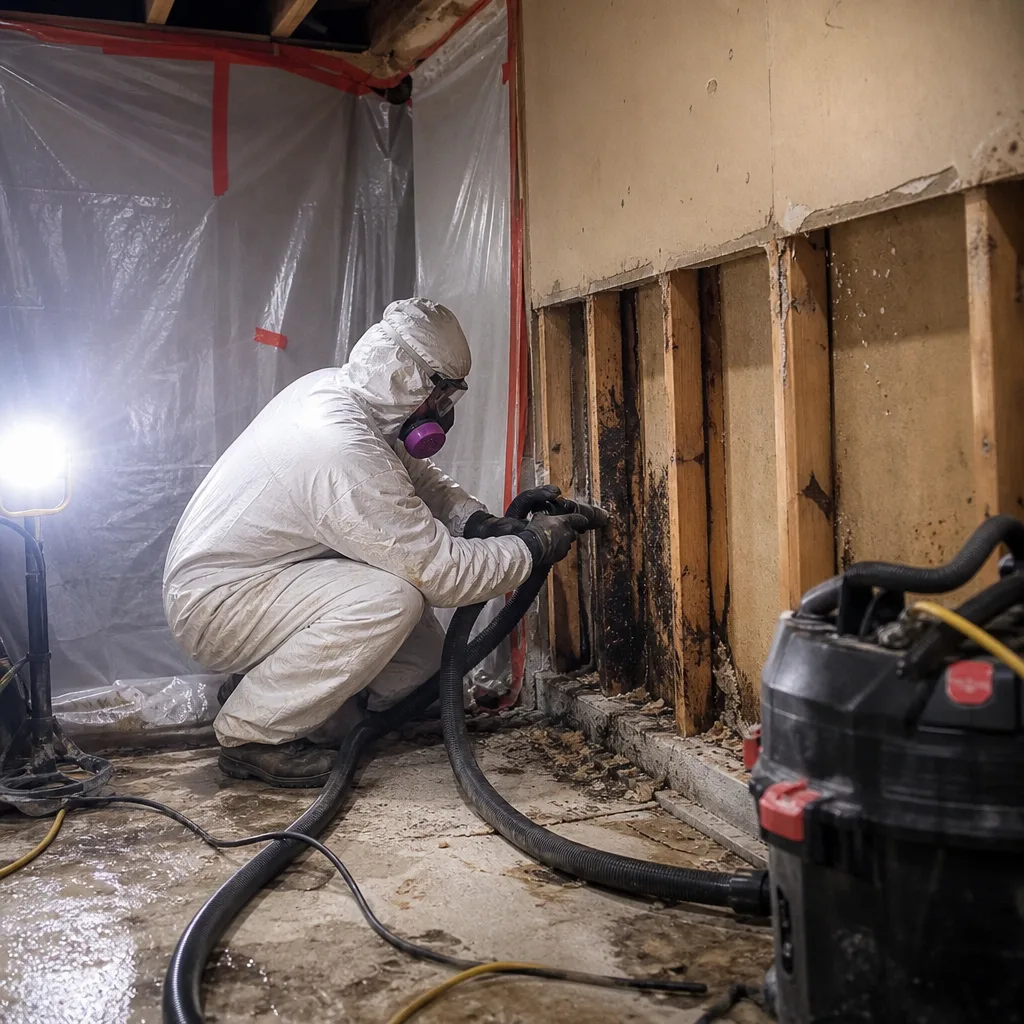
Dry soot, wet smoke, and protein residues each respond to different cleaning chemistry. We identify the residue type through field testing, then apply the appropriate solvent, detergent, or abrasive technique. HEPA air scrubbers run continuously during this phase to capture airborne particles. Thermal imaging reveals hidden smoke migration into wall cavities that surface cleaning alone would miss.
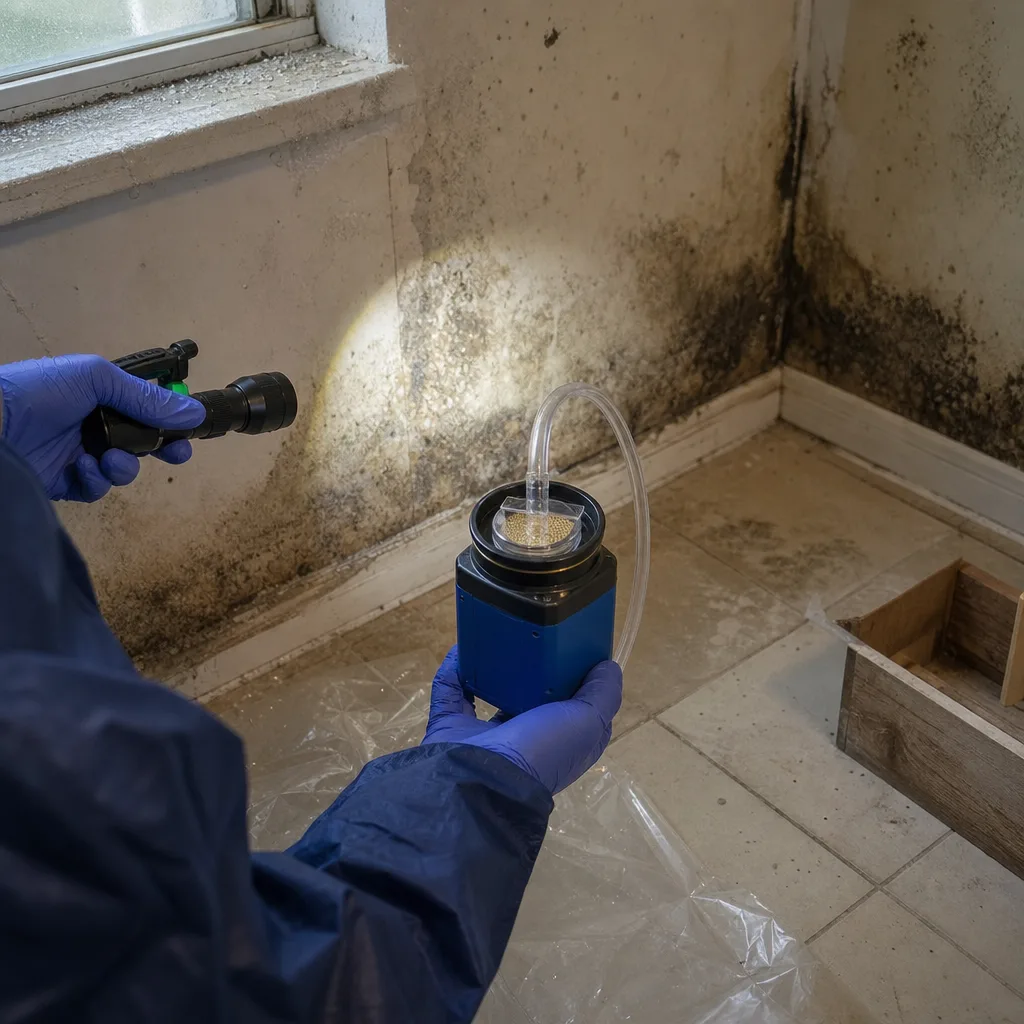
Odor Removal & Deodorization
Smoke odor persists when odor molecules penetrate porous materials - drywall, insulation, unfinished wood, upholstery. Thermal fogging reproduces the heat and pressure conditions that drove the odor in, allowing the deodorizing agent to penetrate equally. Ozone and hydroxyl generators treat contents at our facility. The marine layer’s humidity in Vista can reactivate dormant odor molecules months later; we verify elimination with moisture-controlled testing before signing off.
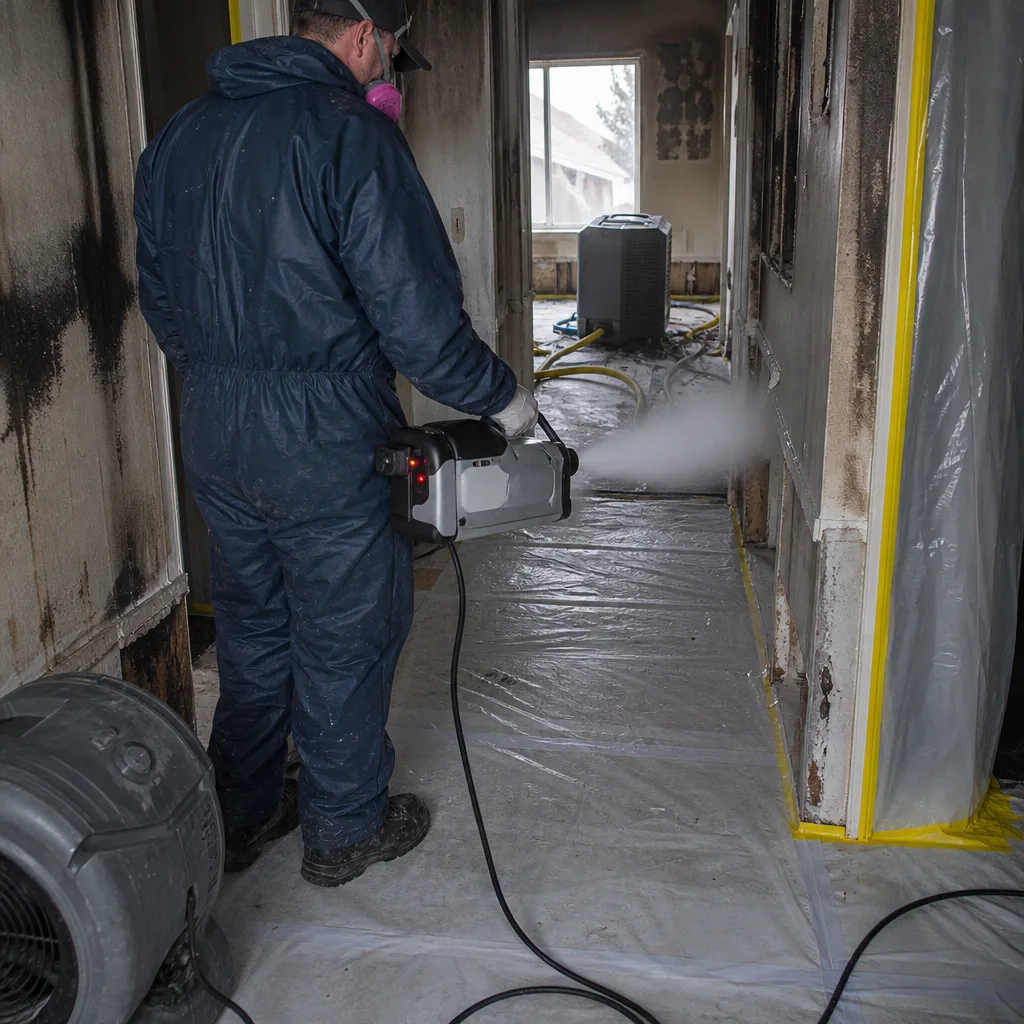
Contents Cleaning & Pack-Out
Salvageable items receive inventory, photo documentation, and transport to our facility for ultrasonic cleaning, ozone treatment, and storage in climate-controlled conditions. Unsalvageable items are documented for your insurance replacement claim with make, model, and condition notes. In Vista’s sequential-damage scenarios, contents may need to move twice - first for fire damage, then again if flood mitigation is required. We track every item through both events.
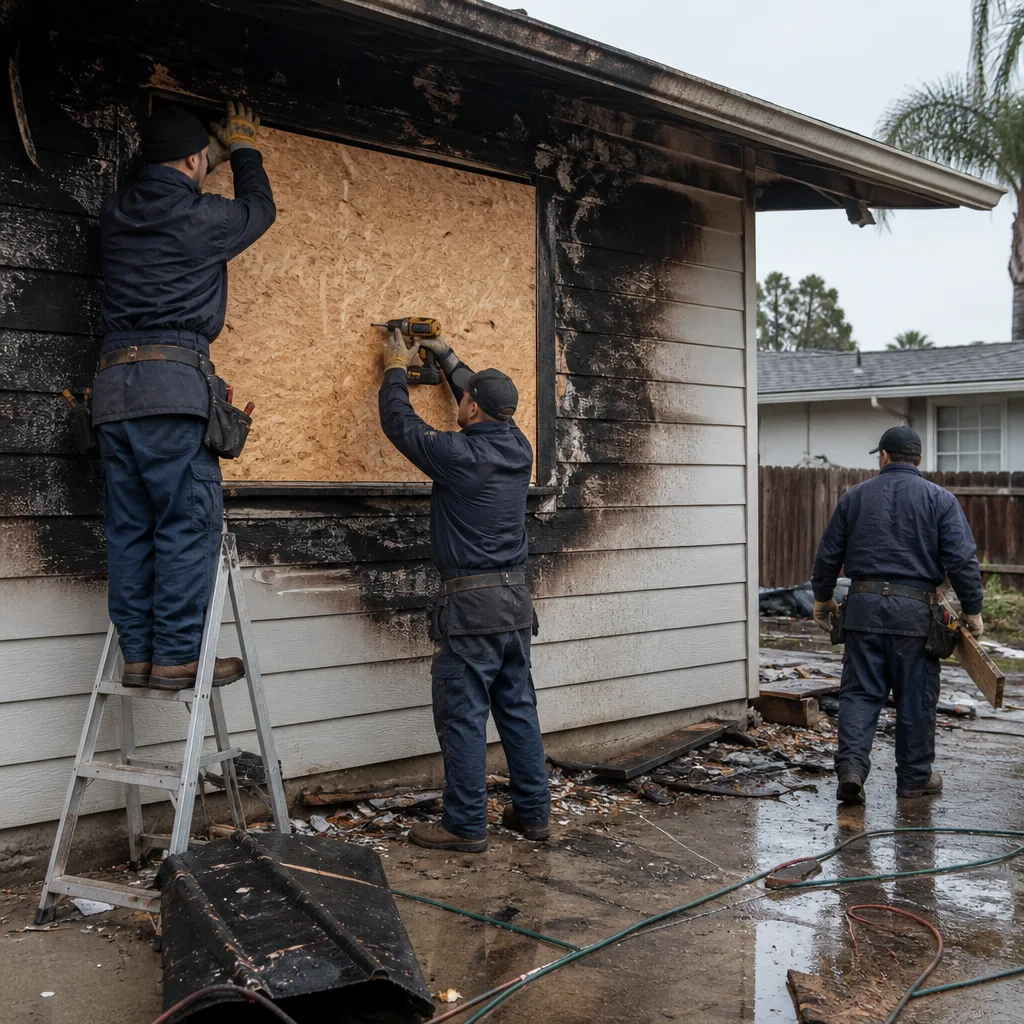
Emergency Board-Up & Tarping
Santa Ana winds can destroy doors, windows, and roofing before fire ever reaches the structure. We secure the envelope with plywood, polycarbonate, and weather-rated tarps, prioritizing wind resistance over speed. Our board-ups are engineered to withstand the same wind loads that caused the original failure, protecting the property from further intrusion while drying and cleaning proceed inside.
What happens when you call
- 1
A real person answersNo phone trees - you reach a local pro.
- 2
You get an upfront price rangeHonest numbers before anyone is dispatched.
- 3
A background-checked tech heads outLicensed & insured, dispatched right away.
- 4
You approve before work beginsNothing starts until you say go.
Fire & Smoke Damage Restoration Costs in Vista, CA
Light smoke damage cleanup in Vista runs $3,200-$6,800 for a single room or limited intrusion with no structural compromise. Moderate damage involving multiple rooms, HVAC contamination, or contents pack-out typically ranges $7,500-$14,000. Heavy structural damage requiring board-up, debris removal, asbestos abatement, and reconstruction can reach $15,000-$35,000 or more depending on square footage and material specifications.
Several factors move these ranges. Asbestos-containing materials add $1,800-$4,500 for certified abatement before reconstruction. Wind-rated door and window upgrades specified for Santa Ana resilience cost more than standard replacements but reduce future loss risk. Sequential water or mud damage from winter debris flows extends the scope and requires separate drying documentation, though we coordinate both under a single claim when possible.
Insurance typically covers sudden, accidental fire and smoke damage, including suppression water and related mold, subject to your policy limits and deductible. We provide a free visual inspection and written estimate before any work begins, and we offer a free second opinion on any competitor’s written estimate. Call (760) 546-9565 for exact pricing on your specific loss.
We Also Serve Cities Near Vista
Our crews respond throughout North County San Diego, including Vista and neighboring San Marcos, Carlsbad, Oceanside, and Encinitas. Each city’s coastal or inland position creates distinct fire and smoke damage patterns, and we adjust our equipment loads and response protocols accordingly. San Marcos shares Vista’s canyon wind exposure; Carlsbad and Oceanside face lighter smoke intrusion but heavier marine-layer moisture complications; Encinitas combines both in its hillside neighborhoods.
Serving Vista, CA - Our Local Coverage Area
We’re based in the Vista area and know this community well. Use the map below to see our service coverage - if you’re nearby, we can almost certainly help.
Vista Fire & Smoke Damage Restoration Questions, Answered
Why does fire and smoke damage restoration in Vista often take longer than in coastal North County cities?
Vista’s canyon-funneled Santa Ana winds drive embers deeper into structures and create more extensive smoke migration than coastal cities experience, and the 1960s-1980s housing stock frequently contains asbestos that requires certified abatement before reconstruction can begin. The same denuded canyon slopes that fed the dry-season fire can also channel winter debris flows into the same foundation, requiring sequential mitigation that coastal properties rarely face. Call (760) 546-9565 for a timeline based on your specific property.
How do you handle a Vista home that had smoke damage during a dry Santa Ana event and then mud or water intrusion the following winter?
We document both events as related losses under a single claim cycle, using the same photo record, moisture logs, and drying verification to prevent coverage gaps. After a Santa Ana wind event pushed embers through a canyon-rim neighborhood near Brengle Terrace Park, our crew boarded up a 1970s ranch home and began smoke and soot removal, only to find original galvanized plumbing had failed behind the wall and trapped marine-layer moisture. We set containment and air movers, ran dehumidification and moisture mapping, and coordinated certified asbestos abatement for the popcorn ceiling before structural fire repair. The next winter, when runoff from the same denuded slope sent mud and Category 3 water into the foundation, we folded flood mitigation into the existing claim and dried the structure with Dri-Eaz and Phoenix equipment, logging moisture readings throughout. Call (760) 546-9565 if your property has experienced sequential damage.
What should Vista homeowners check on wind-rated doors before a Santa Ana wind event?
Inspect weatherstripping for compression set and cracking, verify latch and deadbolt engagement without play, and confirm the door frame is fastened to the rough opening with screws long enough to reach the framing - not just the jamb. Gaps larger than 1/8 inch around the perimeter allow ember intrusion even on rated doors. If your door failed during a previous event, the frame may be damaged in ways that aren’t visible until the casing is removed. We assess this during our emergency board-up and specify appropriate upgrades in the reconstruction scope. Call (760) 546-9565 for a post-event inspection.
Does Vista’s marine layer affect fire and smoke damage restoration work?
Yes. The marine layer raises relative humidity above 70% on many mornings, which reactivates acidic soot residues and slows the evaporation rate during structural drying. We compensate with additional dehumidification capacity and adjust our drying log targets to account for the moisture load the air already carries. In poorly ventilated 1960s-1980s construction, trapped marine-layer moisture behind stucco combines with suppression water to create mold conditions that require AMRT-certified intervention. Our crews carry moisture meters calibrated for these conditions on every Vista response. Call (760) 546-9565 for documentation protocols that account for local humidity.
How does asbestos in Vista’s older homes affect a fire damage cleanup and pack-out?
Asbestos-containing popcorn ceilings, 9-inch vinyl floor tiles, and pipe insulation require certified abatement before any demolition or reconstruction that would disturb them. This is not optional - it’s a legal requirement with specific containment, air monitoring, and disposal protocols. We test for asbestos during our initial assessment and coordinate abatement within our scope so your timeline doesn’t fragment. The abatement phase typically adds 3-7 business days and $1,800-$4,500 to the project, depending on affected square footage. We document every step for your insurer and provide clearance air testing before reconstruction begins. Call (760) 546-9565 for asbestos-specific protocols on your property.
How fast can your crew actually get to a Vista property?
We commit to 45 minutes from call to on-site for emergency fire and smoke damage in Vista, with crews staged for North County dispatch from our San Diego office. Live phone coverage is available 24 hours a day, 7 days a week with no voicemail on emergency lines. The first hour determines whether soot residues set permanently and whether suppression water begins secondary damage. Call (760) 546-9565 - we answer live.
Will insurance cover the full cost of fire and smoke damage restoration?
Most homeowner policies cover sudden, accidental fire and smoke damage, including suppression water, temporary repairs, and related mold, subject to your coverage limits and deductible. Documentation quality determines whether the claim pays without dispute. We provide photo-documented assessments, daily drying logs, line-item scopes, and direct adjuster coordination as standard - not as upsells. If you’ve received a competitor’s estimate, we offer a free second opinion review. Call (760) 546-9565 to discuss your specific policy and loss.
Can we stay in our Vista home during fire and smoke damage restoration?
Usually not during the initial phases. Smoke residue contains acidic compounds that irritate respiratory systems, and structural drying equipment generates noise and heat that make habitation impractical. Once HEPA air scrubbers have reduced particulate levels, moisture readings confirm drying completion, and any asbestos abatement has passed clearance testing, limited reoccupancy of undamaged areas may be possible. We coordinate this timeline with your adjuster and document air quality data to support any additional living expense claim. Call (760) 546-9565 for a reoccupancy timeline based on your property’s condition.
Fire and smoke damage in Vista demands more than standard restoration protocols. The city’s canyon terrain, Santa Ana wind exposure, aging housing stock, and sequential winter damage risk create loss patterns that national franchise templates don’t address. We document every variable, quote every phase in writing before work begins, and stand behind the result with the 365-Day Done Right Promise under The Haven Standard.
Written by Alicia Brennan, Owner at DryMark Restoration Oceanside, serving Vista since 2011.