
Last updated September 23, 2026
Free visual inspection and a written scope of work before any mitigation begins - photos, moisture readings, and drying logs go in your claim file
The scope we write is the scope we bill. Anything new gets shown to you, in writing, before we touch it.
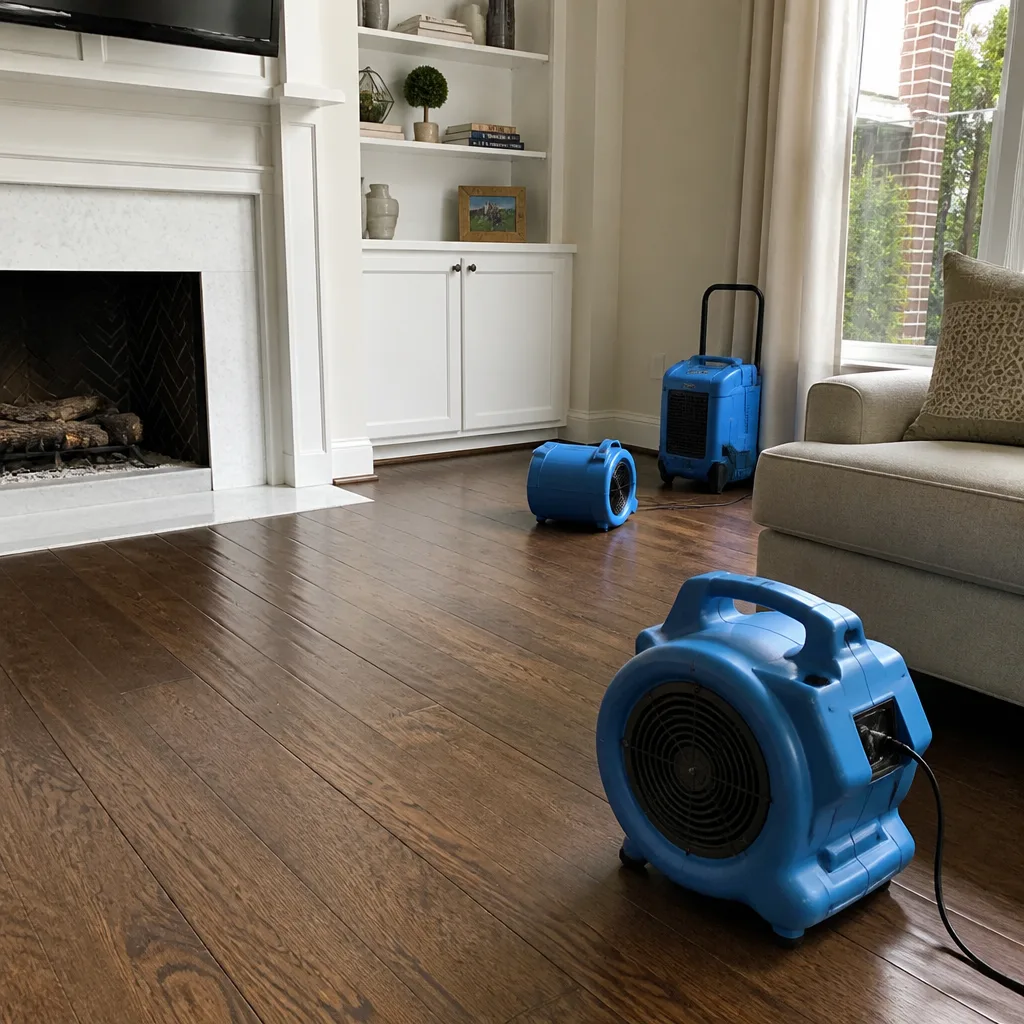

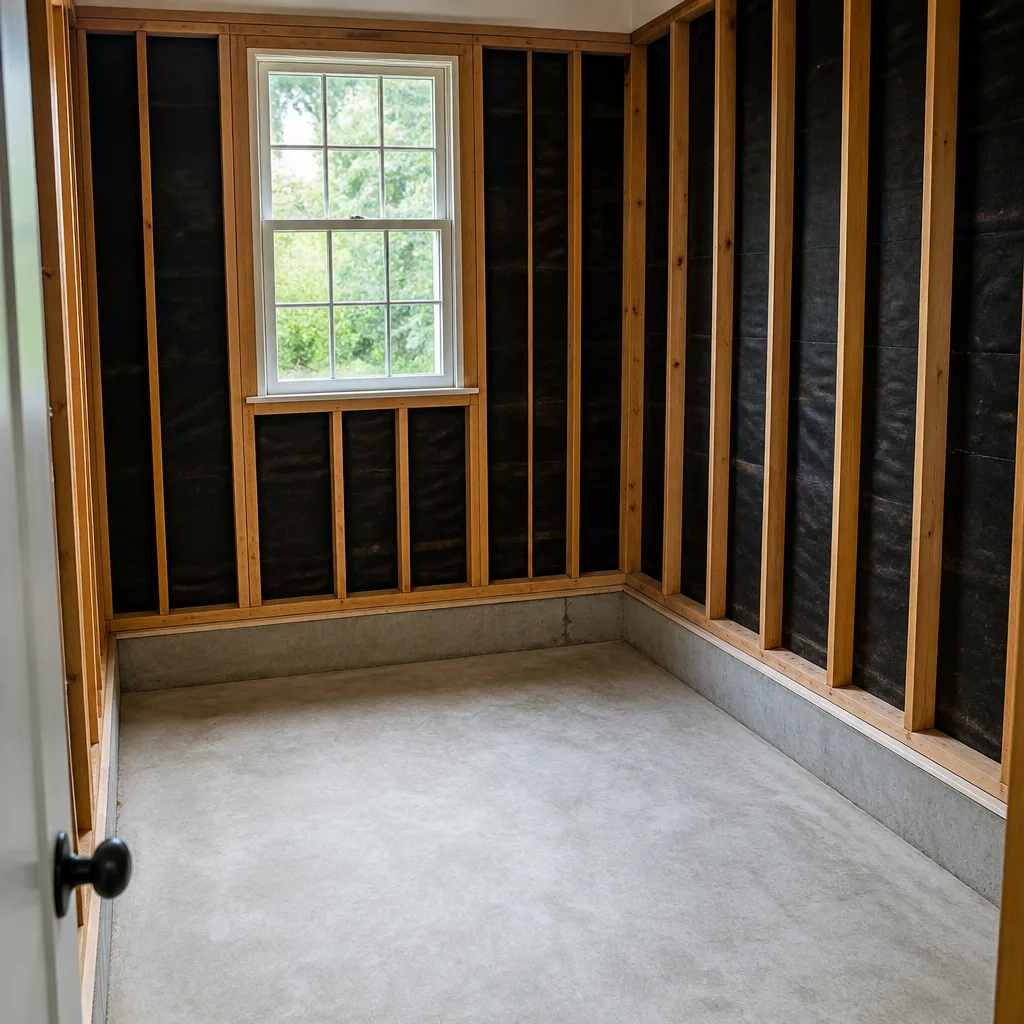
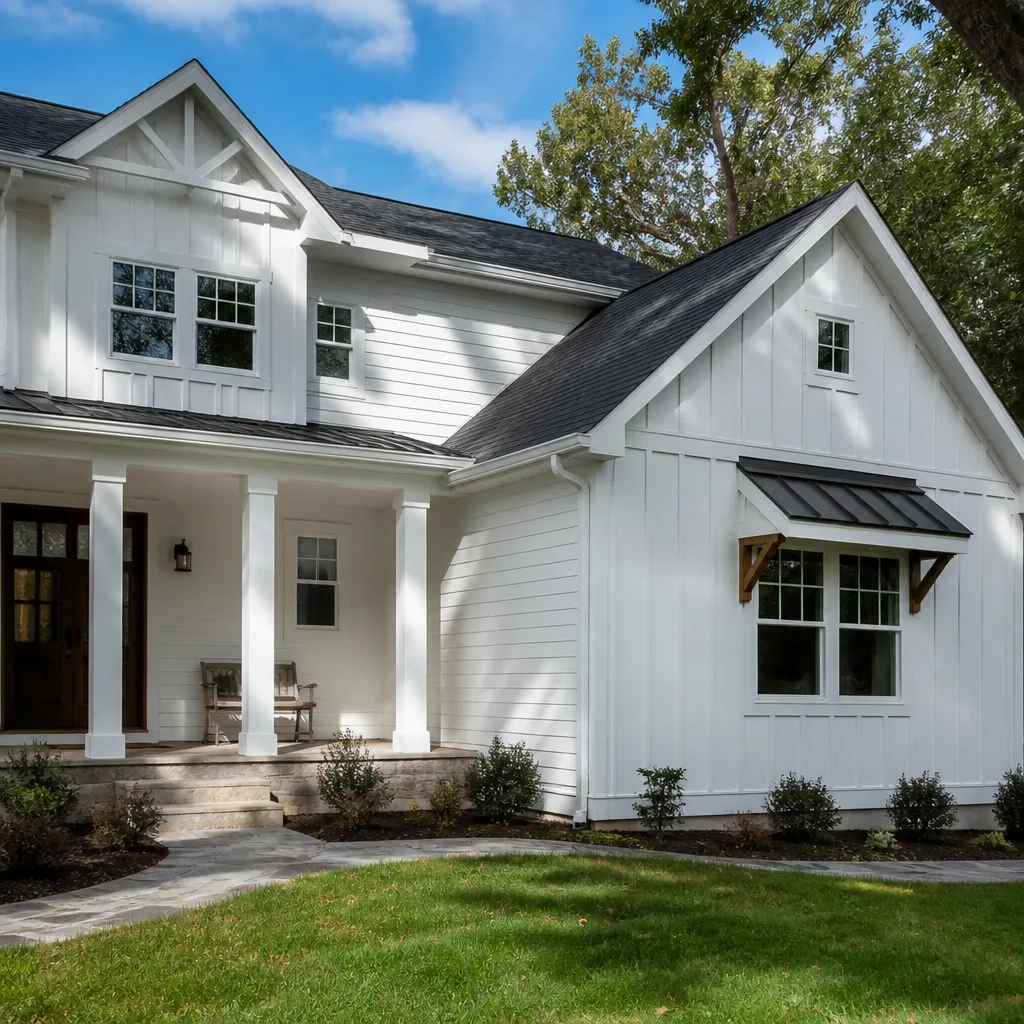
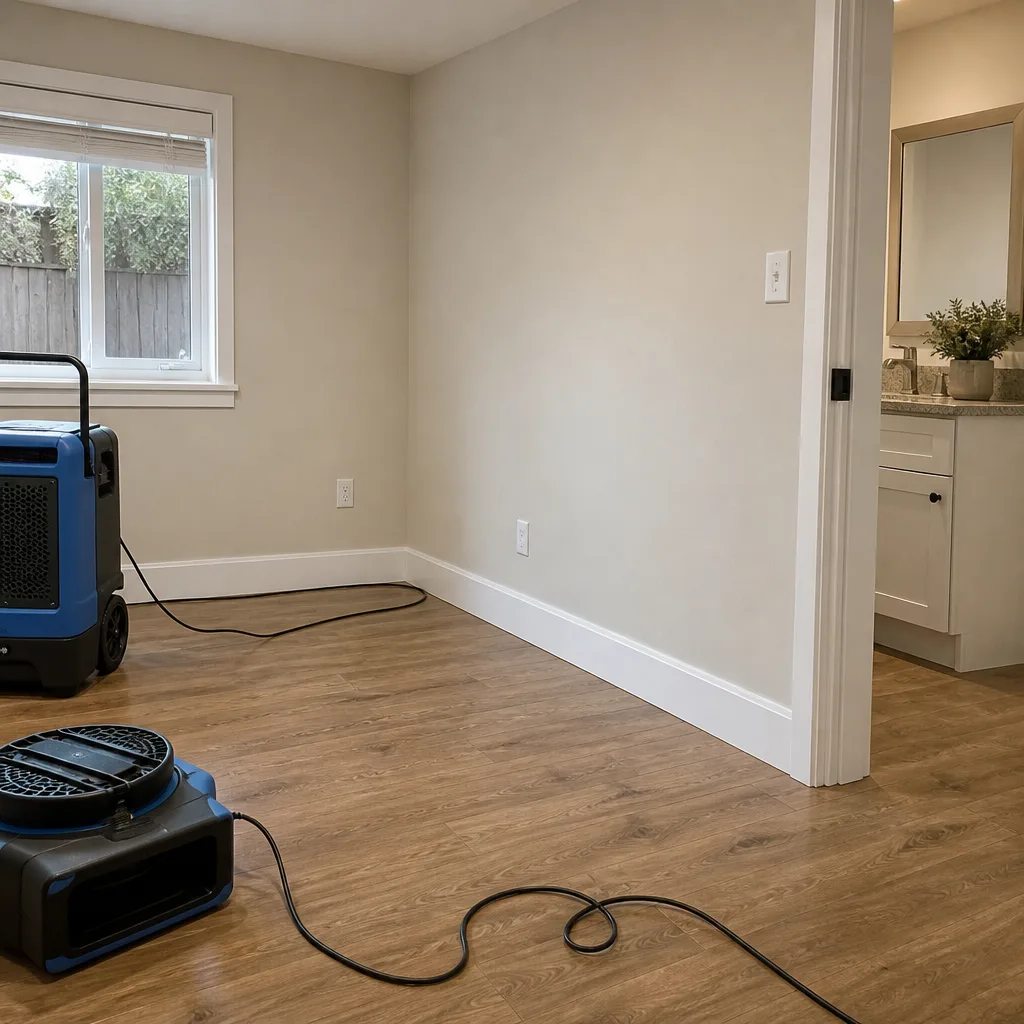
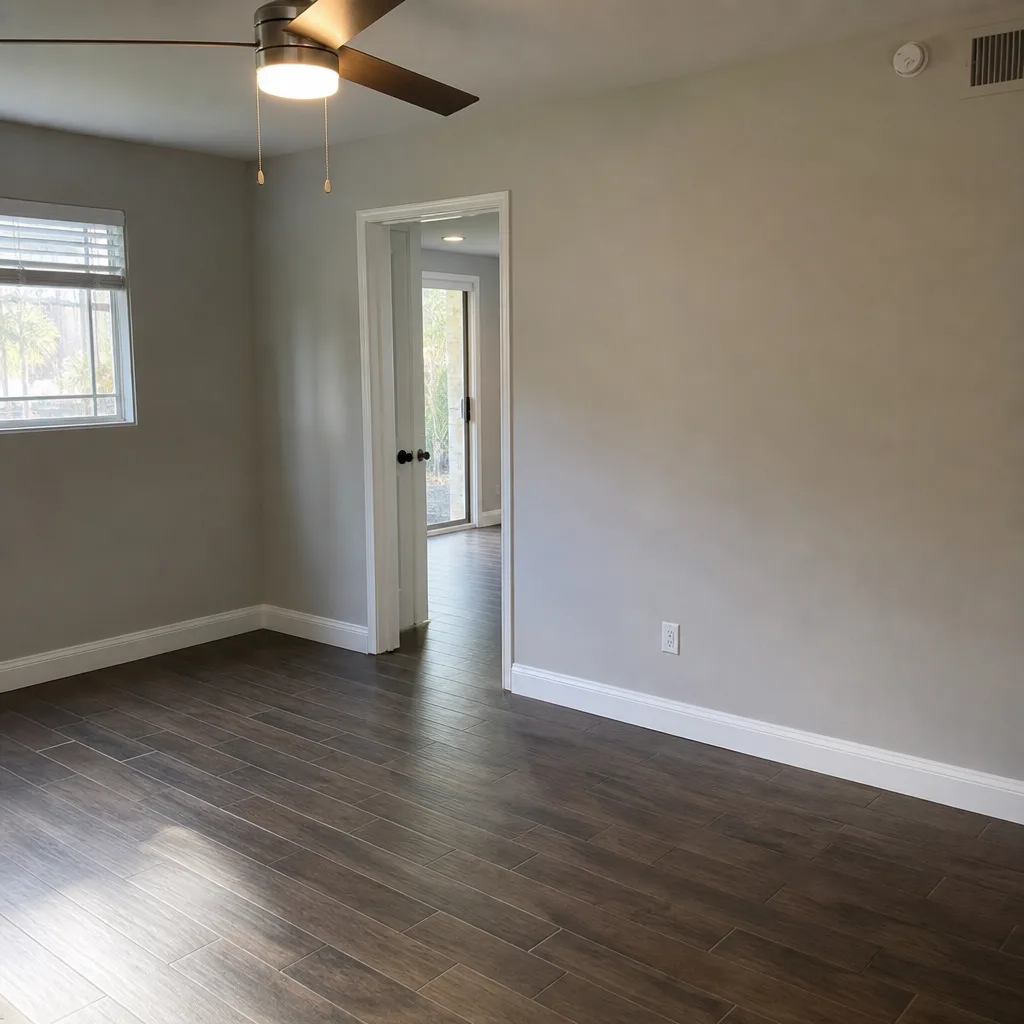
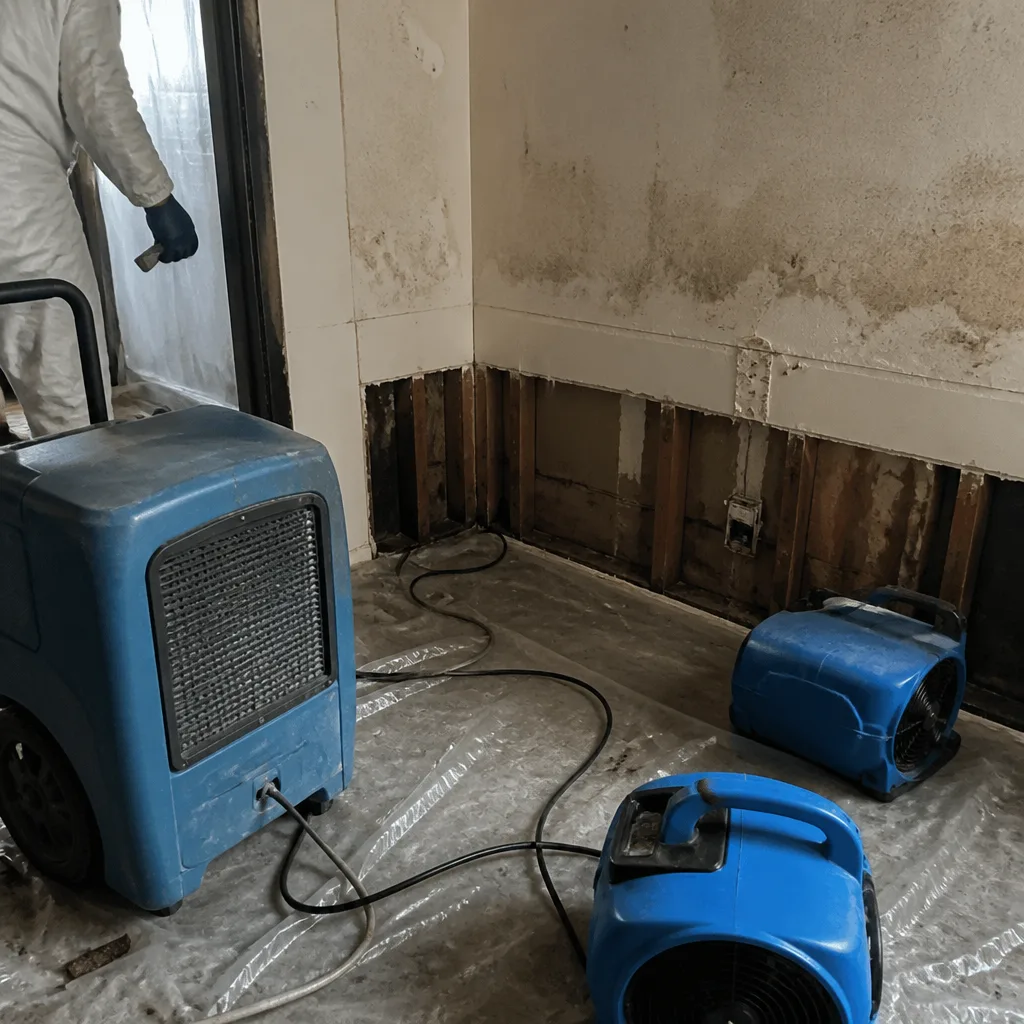 Before
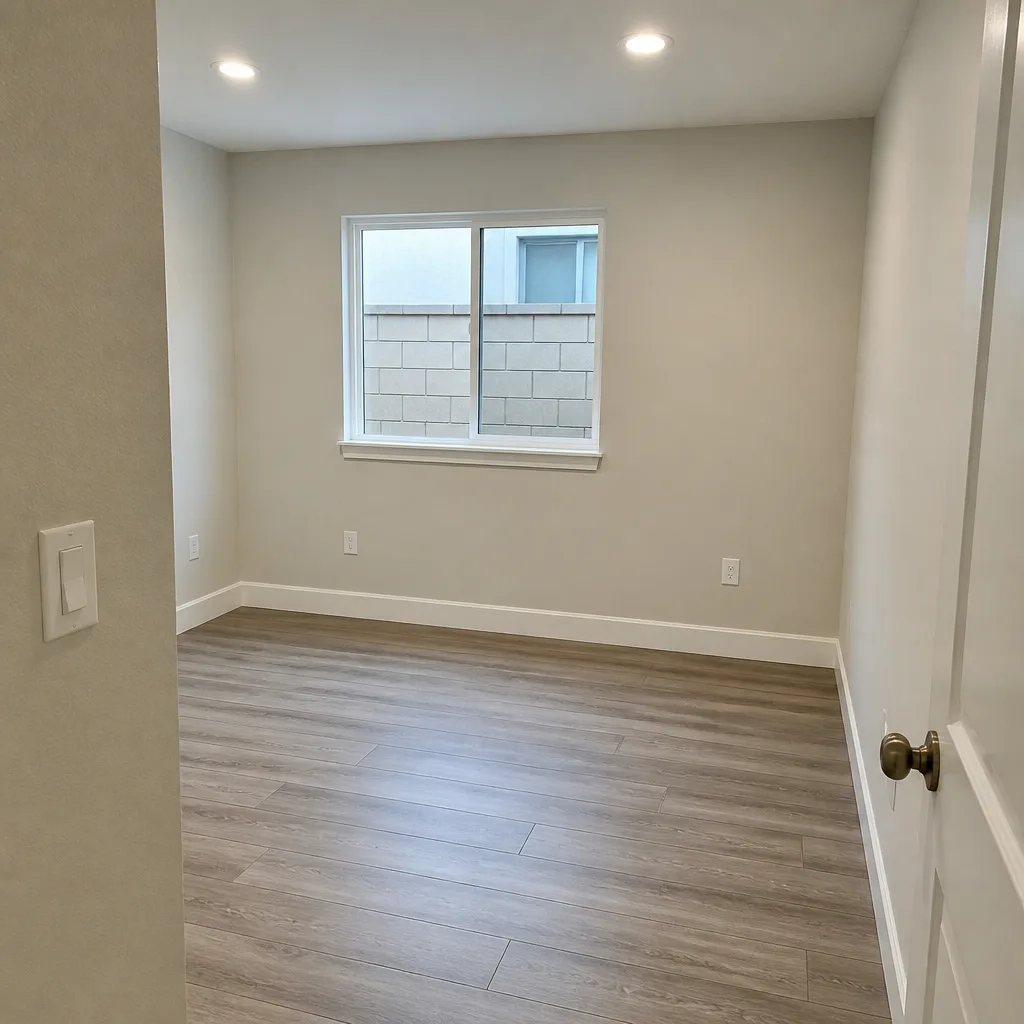 After
After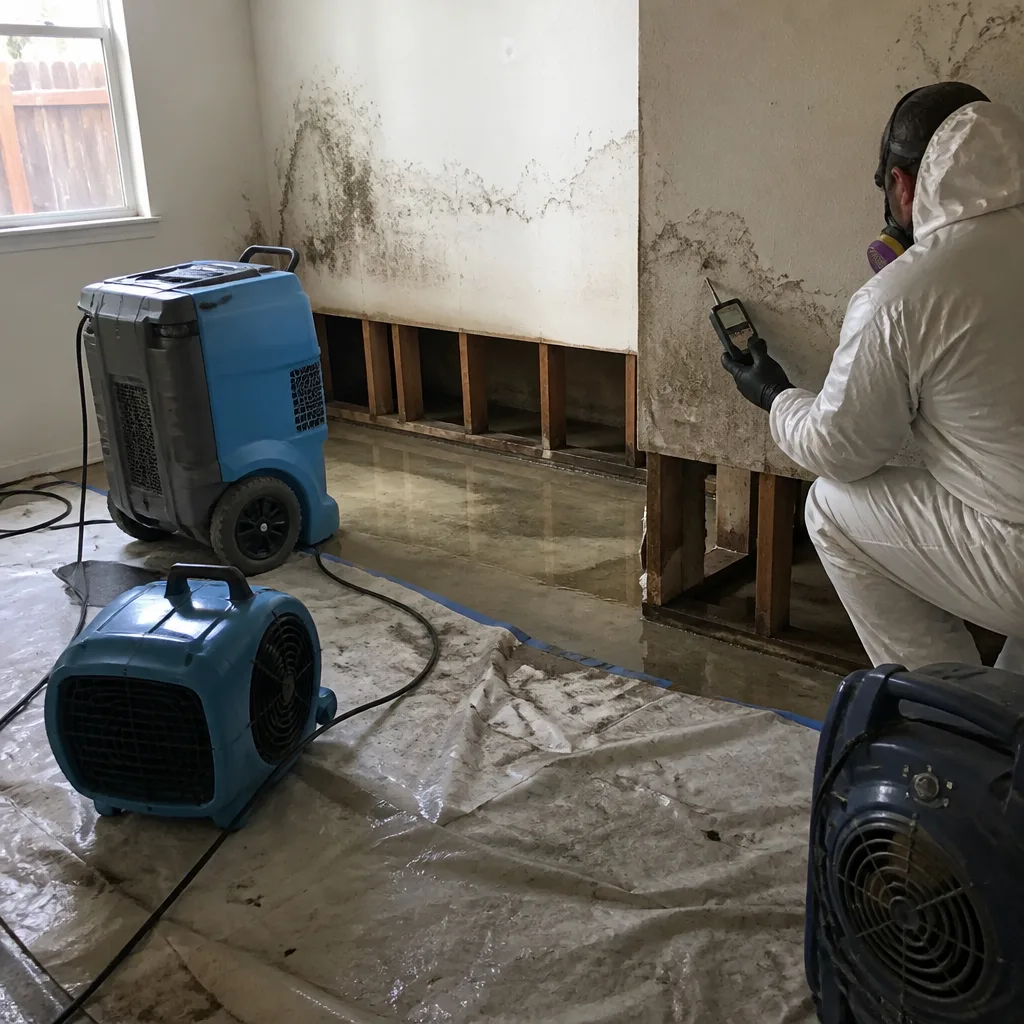 Before
 After
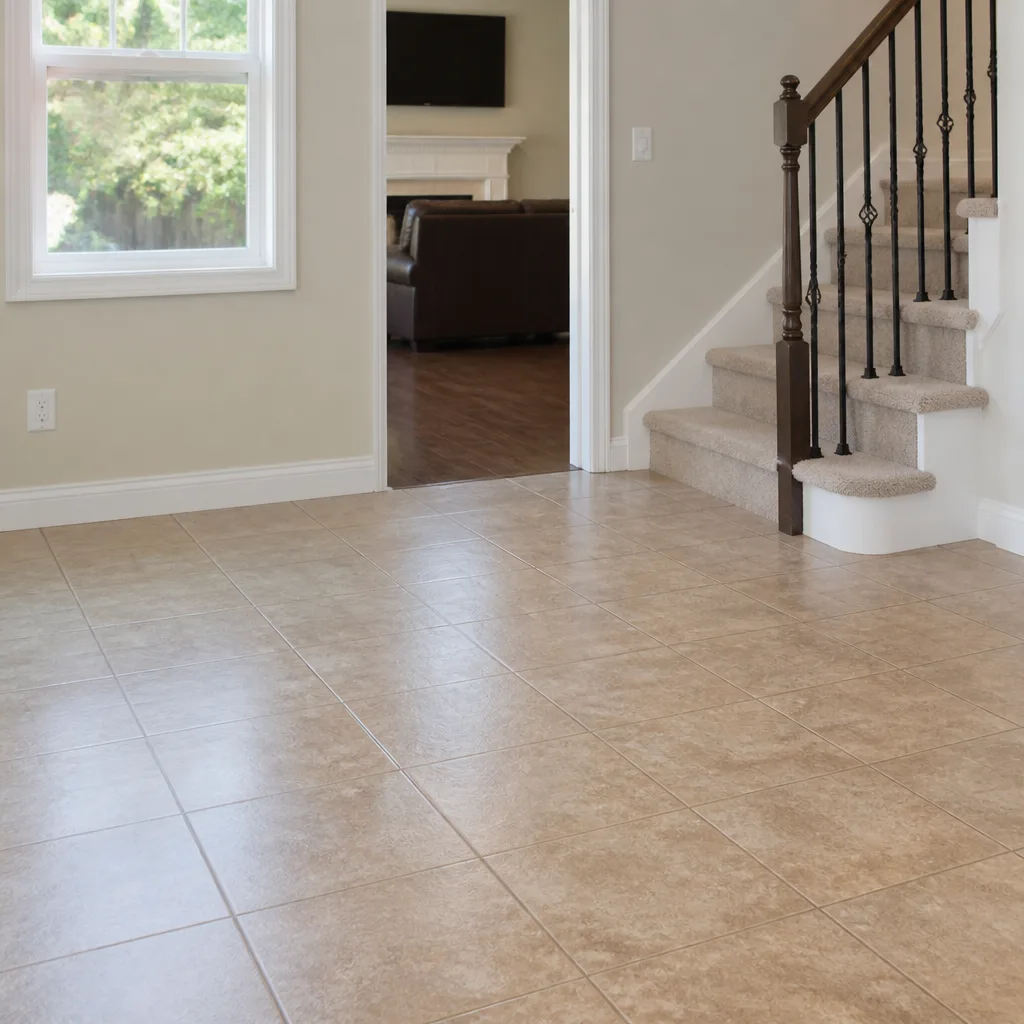
After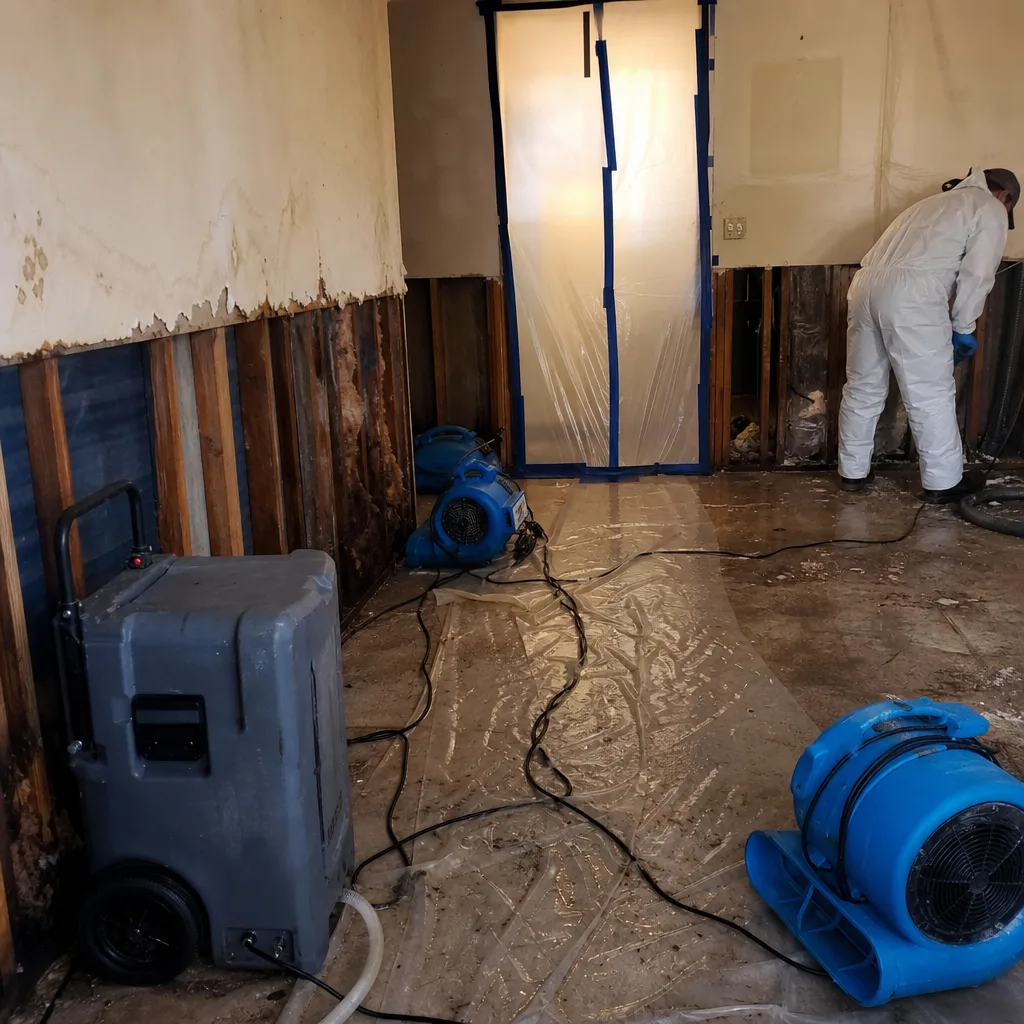 Before
 After
AfterThe Complete Guide to Damage Restoration in Oceanside
The average disputed water damage claim in California takes 47 days longer to settle than an undisputed one - and the difference almost always comes down to whether daily moisture readings were logged, not whether the work was done. In Oceanside, where coastal humidity hovers near 70% year-round and salt-laden air complicates drying protocols, that documentation gap costs homeowners more than time. It costs them out-of-pocket rebuilds that insurers reject for lack of evidence. This guide maps every phase of damage restoration through the lens of documentation standards, so each stage produces a claim-ready record, not just a dry floor.
Quick Answer
Damage restoration in Oceanside is the documented process of returning a property to pre-loss condition after water, fire, mold, storm, or biohazard damage, with each phase - mitigation, drying, demolition, and rebuild - producing written evidence that insurers accept. A properly documented restoration in this coastal climate requires adjusted drying timelines due to higher ambient humidity, material-specific moisture content targets, and a close-out packet that includes daily psychrometric logs, photo records, and a signed completion warranty. Without these, even quality work can become an unpaid invoice.
Table of Contents
- The Mitigation Phase: Stopping Damage and Documenting the Starting Line
- The Drying Phase: Psychrometrics, Material Classes, and Oceanside’s Coastal Baseline
- The Demolition Phase: What Comes Out, What Stays, and How It’s Recorded
- The Rebuild Phase: From Scope to Certificate
- The Documentation Standards That Decide Whether Insurers Pay
- How Oceanside’s Coastal Climate Changes Every Timeline
- What The Haven Standard Requires at Each Phase
- Common Mistakes to Avoid
- When to Call a Professional
- Frequently Asked Questions
BeforeAfterThe Mitigation Phase: Stopping Damage and Documenting the Starting Line
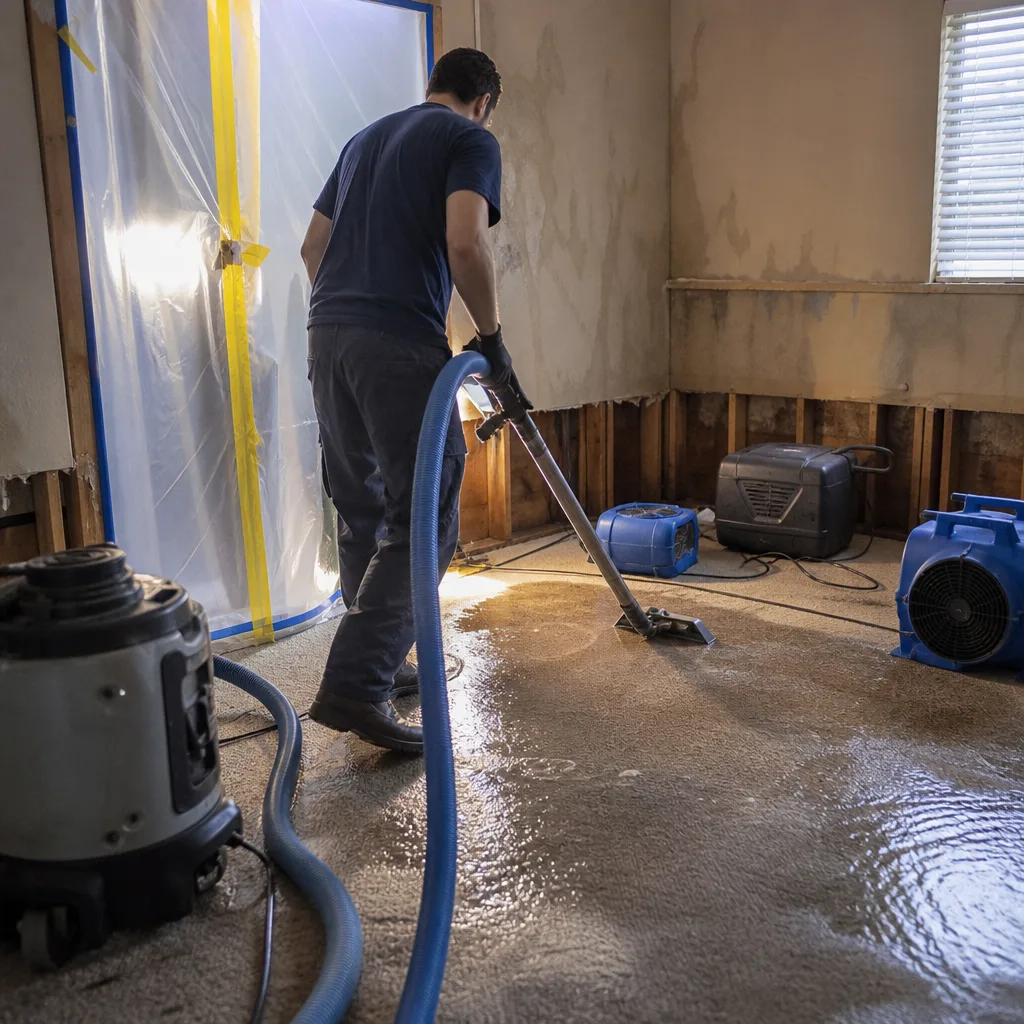
Mitigation is emergency work: extracting standing water, boarding openings, establishing containment, and removing what will not be restored. In Oceanside, where slab-on-grade construction dominates neighborhoods from Fire Mountain to South Oceanside, water follows predictable paths - across concrete pads, through weep screeds, into wall cavities via baseplate wicking. The mitigation crew’s job is to stop that movement. Their equally important job is to create the first page of a file that will later be scrutinized by an adjuster who was not present.
We begin every mitigation with a photo record of the loss site before any equipment enters. This establishes pre-existing conditions and documents the extent of original damage. The written scope that follows - Haven Standard, Clause 1 - itemizes each action, the square footage affected, the material classification of wet structure, and the equipment class required. In our experience, claims disputed at this stage usually fail because the initial scope used vague language like “dry out affected areas” rather than “extract standing water from 340 sq. ft. of Class 2 water loss in living room, deploy 4 air movers and 1 LGR dehumidifier per IICRC S500.”
Key documentation at mitigation:
- Pre-mitigation photo record with timestamp and room labels
- Written scope with line-item pricing, signed before work begins
- Moisture mapping: affected rooms, readings by material, meter type noted
- Equipment placement diagram with serial numbers
- Category and class of water loss (Category 1, 2, or 3; Class 1-4)
The category matters for health protocols and demolition depth. Category 1 is clean water from a supply line. Category 2 carries significant contamination - dishwasher discharge, aquarium rupture. Category 3 is grossly contaminated: sewage, seawater intrusion, or water that has passed through building materials. Oceanside’s proximity to the coast means we occasionally see Category 3 losses from storm surge or backed-up coastal drains, particularly in low-lying areas near Oceanside Harbor. Each category requires different documentation for health department notification and insurer acceptance.
The Drying Phase: Psychrometrics, Material Classes, and Oceanside’s Coastal Baseline
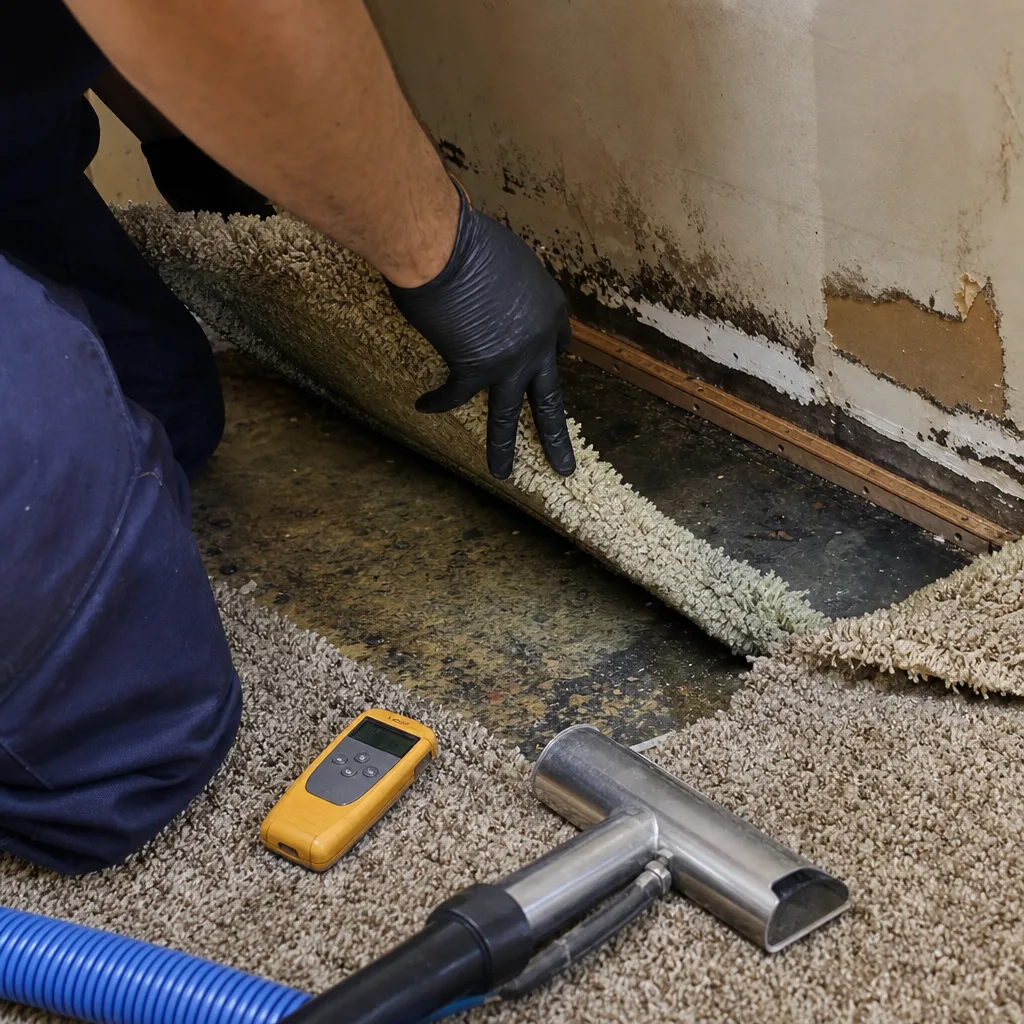
Drying is where most claims succeed or fail. A structure can feel dry and still harbor moisture content that supports mold growth or degrades structural materials. Professional drying relies on psychrometrics - the study of air and moisture relationships - to establish measurable targets rather than subjective assessments.
Psychrometric data includes temperature, relative humidity, and vapor pressure differential (the force that drives moisture from wet materials into the drier air). We log these readings daily, along with moisture content percentages for each affected material. The goal is not “dry” but “dry to a documented standard.”
California adjusters apply these moisture content thresholds when reviewing drying invoices:
| Material | Dry Standard Target | Typical Meter Type |
|---|---|---|
| Framing lumber (pine, fir) | ≤ 16% | Pin-type moisture meter |
| OSB subfloor | ≤ 15% | Pin-type moisture meter |
| Drywall (paper face) | ≤ 0.5% above unaffected control | Non-invasive meter |
| Concrete slab | ≤ 4.5 lbs/1000 sq. ft./24 hrs (calcium chloride test) | Calcium chloride kit or RH probe |
| Engineered wood flooring | Within 2% of manufacturer’s spec | Pin-type, species-calibrated |
Here’s where Oceanside’s coastal location changes the math. Inland San Diego County often sees ambient relative humidity in the 40-50% range. In Oceanside, particularly during May Gray and June Gloom marine layer events, ambient humidity regularly exceeds 65%. That higher baseline means vapor pressure differentials are smaller, moisture moves more slowly from materials to air, and drying equipment must run longer to achieve the same result. A drying plan written for Escondido will underperform in Oceanside unless the dehumidification capacity is adjusted upward.
We document this adjustment in every Oceanside drying log. If a competitor’s estimate assumes three days of drying based on inland psychrometric tables, we note the coastal humidity correction and the extended timeline. That documentation protects the homeowner when the invoice is submitted. Adjusters understand regional variation when it’s presented as data; they reject it when it appears as an after-the-fact explanation.
Tertiary drying - the final phase where bound moisture is removed from dense materials - often requires supplemental heat or specialized desiccant systems in Oceanside’s humid environment. We deploy Phoenix and Dri-Eaz LGR dehumidifiers with documented grain depression targets, and when tertiary drying is indicated, we specify the equipment and the expected duration in the written scope.
The Demolition Phase: What Comes Out, What Stays, and How It’s Recorded
Not all water-damaged material can be dried in place. Demolition decisions affect both the restoration timeline and the claim value, so each removal must be justified in writing with photo evidence.
We classify demolition by driver:
- Category-driven removal: Category 2 or 3 water contamination requires removal of porous materials that cannot be sanitized - carpet pad, insulation, unsealed particle board. The decision is based on IICRC S500 standards, not crew preference.
- Moisture-driven removal: Materials that remain above dry standard after 72 hours of documented drying are candidates for removal. The 72-hour threshold is not arbitrary; it represents the point where microbial growth risk becomes significant in California’s climate zones.
- Structural-driven removal: Materials compromised by water degradation - delaminated subfloor, rusted fasteners, compromised fire ratings - are removed and replaced. Engineering evaluation is documented when required by Oceanside building code.
- Access-driven removal: Drywall or finish materials removed to access wet cavities behind them. The scope notes square footage of access removal separately from damage-driven removal.
Each removal is photographed before, during, and after. The photo record includes a measuring tape or scale reference where dimensions are disputed. We inventory removed materials by type and quantity - not “some drywall” but “48 linear feet of ½-inch drywall, 8 feet height, taped and textured finish.” This inventory becomes the basis for the rebuild estimate and the contents claim if personal property was affected.
In Oceanside’s older neighborhoods - parts of Downtown and the historic districts near Mission Avenue - we encounter lath-and-plaster, asbestos-containing texture coats, and lead-based paint. These trigger additional documentation: hazmat testing records, Cal-OSHA notification if applicable, and disposal manifests. The absence of these documents can halt a claim or expose a homeowner to liability. We include them as standard, never as an upsell.
The Rebuild Phase: From Scope to Certificate
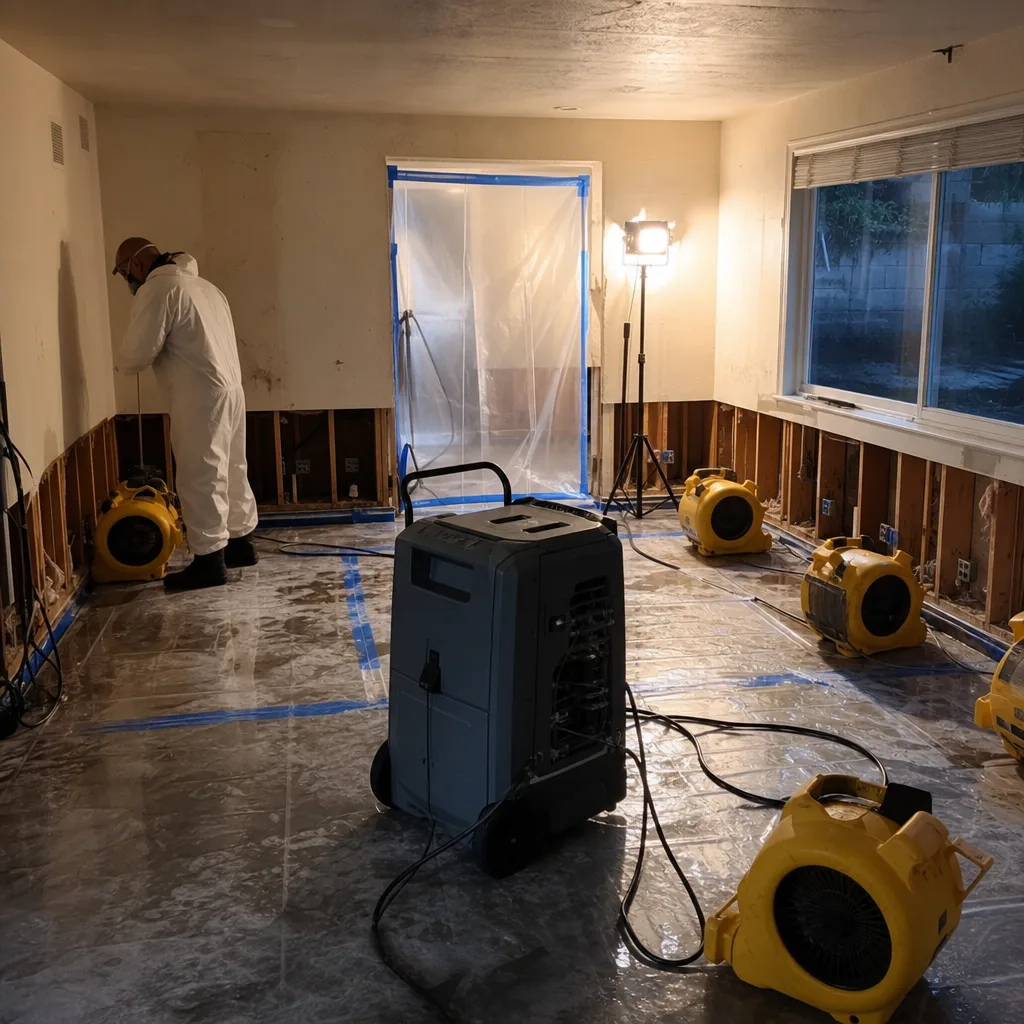
Reconstruction is not emergency work. It is scheduled, scoped, and priced in writing before materials are ordered. Where mitigation and drying require speed, rebuild requires precision. The documentation shifts from daily logs to a fixed contract with defined milestones.
The rebuild scope specifies:
- Material specifications by manufacturer and product line
- Finish matching protocol (paint sheen, texture type, flooring lot number)
- Permit requirements and inspection schedule
- Milestone payment schedule tied to documented completion
- Final walkthrough checklist with sign-off
Oceanside building permits are required for structural repairs, electrical or plumbing modifications, and roof replacement; see Damage Restoration Permits, Codes & Inspections in CA: What You Need to Know for details. We pull permits as the licensed contractor of record and schedule inspections to code compliance. The permit history becomes part of the property’s official record, which matters for future sale or refinance.
Completion documentation includes two distinct items. The completion certificate states that work was performed to the scope. The close-out packet includes the certificate plus all supporting documentation: the original moisture map, daily drying logs, photo record, material invoices, permit copies, and the signed warranty. The close-out packet is what protects the homeowner if damage reappears. We provide it on every job, organized by phase, with a table of contents. Adjusters who receive this packet rarely dispute rebuild invoices. Homeowners who retain it rarely struggle with future claims on the same loss.
The Documentation Standards That Decide Whether Insurers Pay
California’s Department of Insurance does not mandate specific restoration documentation formats. But the industry practice that dominates claim resolution - and that we established as company protocol in 2011 - requires certain elements to be present for clean payment.
The daily drying log is the most critical. Each log entry records:
- Date and time of reading
- Room identifier and equipment present
- Temperature and relative humidity (psychrometric data)
- Grain depression (the moisture-holding capacity of the air)
- Moisture content readings by material, with meter type and calibration date
- Technician name and signature
Grain depression is the difference between the actual moisture in the air and the maximum it could hold at that temperature. Higher grain depression means faster drying. We target minimum grain depressions for each equipment class and document when targets are not met, with corrective action taken. An unexplained gap in the drying log - a missing day, an unrecorded equipment change - is the most common trigger for adjuster scrutiny.
Photo documentation standards have tightened significantly. We photograph each room from four corners, with equipment visible and serial numbers legible. Progress photos show the same angles at each visit. Close-ups document specific conditions: staining, delamination, microbial growth, mechanical damage. Each photo is timestamped and embedded in the job file with a description.
The written scope that governs the entire job - Haven Standard, Clause 1 - is delivered before work begins and signed by the property owner or authorized representative. It is not an estimate; it is a fixed-price agreement with defined limits. If hidden damage is discovered, we document the finding, photograph the condition, and present a written amendment before proceeding. Scope creep - the practice of adding charges after work is underway - is the most common source of homeowner complaints in restoration. Our documentation protocol eliminates it by design.
How Oceanside’s Coastal Climate Changes Every Timeline
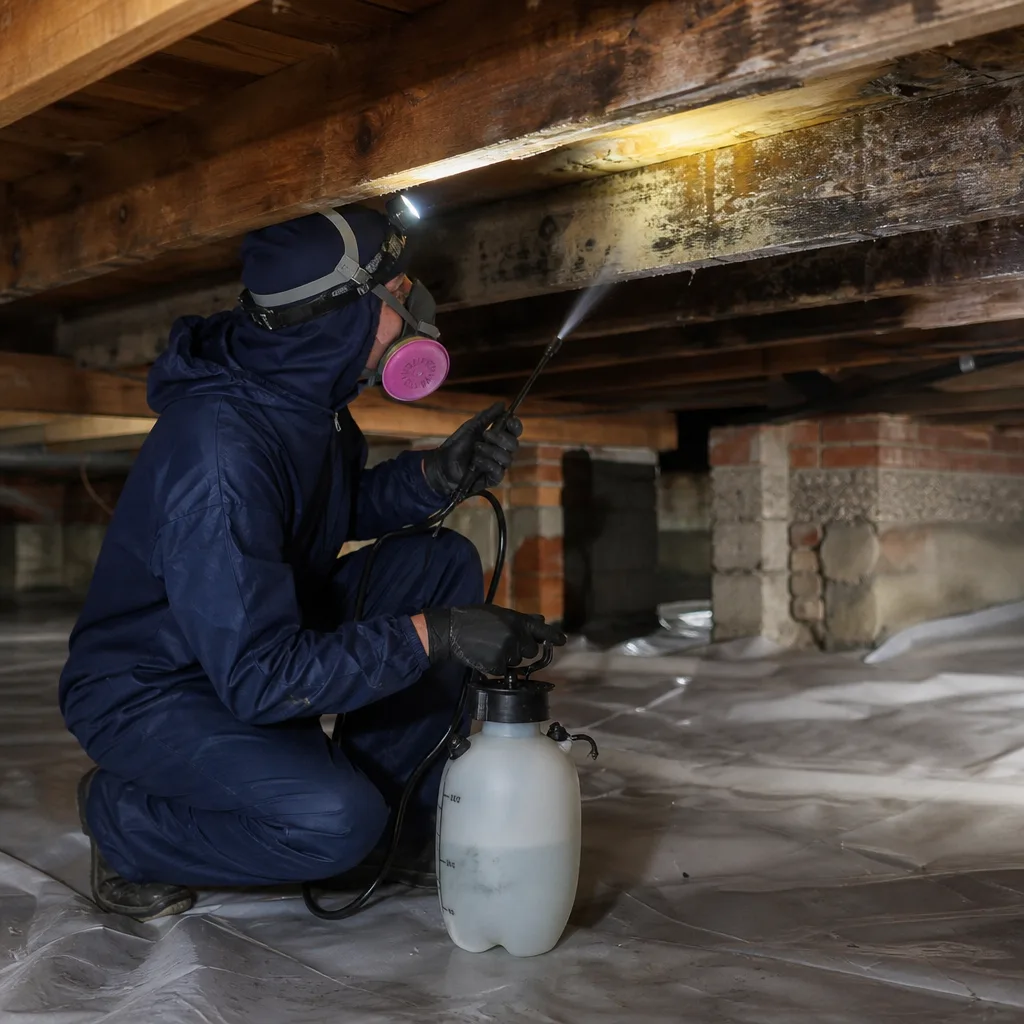
Oceanside’s location between the Pacific Ocean and the coastal mesa creates specific conditions that affect every restoration project. Understanding these conditions - and documenting their impact - separates professional work from guesswork.
Marine layer influence: From late spring through early summer, moist ocean air moves inland overnight, often reaching several miles from the coast. Morning relative humidity in Oceanside can exceed 80% even when inland areas are dry. This extends drying timelines for exterior walls and structures with limited air sealing. We adjust dehumidifier capacity and document the marine layer correction in the drying plan.
Salt air corrosion: Coastal salt accelerates corrosion of metal fasteners, electrical components, and HVAC equipment. In fire or water losses where these systems are exposed, we inspect for salt-induced degradation beyond the immediate damage and document findings. This prevents future failures that could be attributed to the original loss.
Slab-on-grade construction: Common in Oceanside’s post-war and mid-century housing stock, slab foundations provide no crawl space for inspection or drying. Water wicks through concrete and weep screeds into wall cavities. Detection requires non-invasive meters and, when indicated, thermographic imaging. We document the slab condition and any moisture migration paths discovered.
Wind-driven rain exposure: Oceanside’s western exposure and periodic Santa Ana wind events drive rain into building envelopes with unusual force. Storm damage claims must distinguish between wind-driven rain (typically covered) and flood (often excluded or separately insured). Our documentation includes weather data, wind direction, and damage patterns that support the coverage determination.
These factors are not footnotes. They are variables that affect equipment selection, timeline, and cost. A written scope that ignores Oceanside’s coastal baseline is not conservative; it is inaccurate. We build these corrections into every job and note them in the file.
What The Haven Standard Requires at Each Phase
The Haven Standard is not a marketing term. It is a documented protocol that governs how we operate, with specific clauses that apply at each restoration phase. Referencing these clauses by name and number creates accountability that survives personnel changes and company growth.
Haven Standard, Clause 1: Written Price Before Work Begins
Every job receives a fixed-price scope before any equipment is deployed or any material removed. The scope is itemized, not lump-sum, and the total is the maximum the homeowner will pay for the defined work. If additional work is required, a written amendment with separate signature is presented. This clause exists because Alicia Brennan, our founder, spent years as a claims adjuster watching homeowners absorb costs that were never clearly presented.
Haven Standard, Clause 2: Documented Photo Record on Every Visit
Each site visit produces dated, described photographs. The record is included as a standard deliverable, not an upsell. Homeowners receive access to their job photo folder; adjusters receive organized files by request. The photo record turns verbal assurances into verifiable facts.
Haven Standard, Clause 3: Daily Drying Log with Psychrometric Data
Every 24 hours of drying produces a log entry with the measurements listed above. Technicians are trained to take readings at consistent times and locations. Supervisors review logs for anomalies. Gaps are explained, not ignored.
Haven Standard, Clause 4: 365-Day Done Right Promise
If any aspect of our work fails to perform as specified within one year, we return and correct it at no charge. The promise is written, signed, and transferable to subsequent property owners. It is not a verbal assurance; it is a warranty with defined terms and a claims process.
Haven Standard, Clause 5: Free Second Opinion on Any Written Estimate
Homeowners may bring any competitor’s written estimate and we will review it without charge. We identify missing elements, questionable assumptions, and documentation gaps. This service exists because informed homeowners make better decisions, and better decisions produce better outcomes.
These clauses convert a contractor’s file into a claim-ready record. An adjuster reviewing a Haven Standard file sees consistent documentation, clear pricing, and defined accountability. The result is faster payment and fewer disputes.
Common Mistakes to Avoid
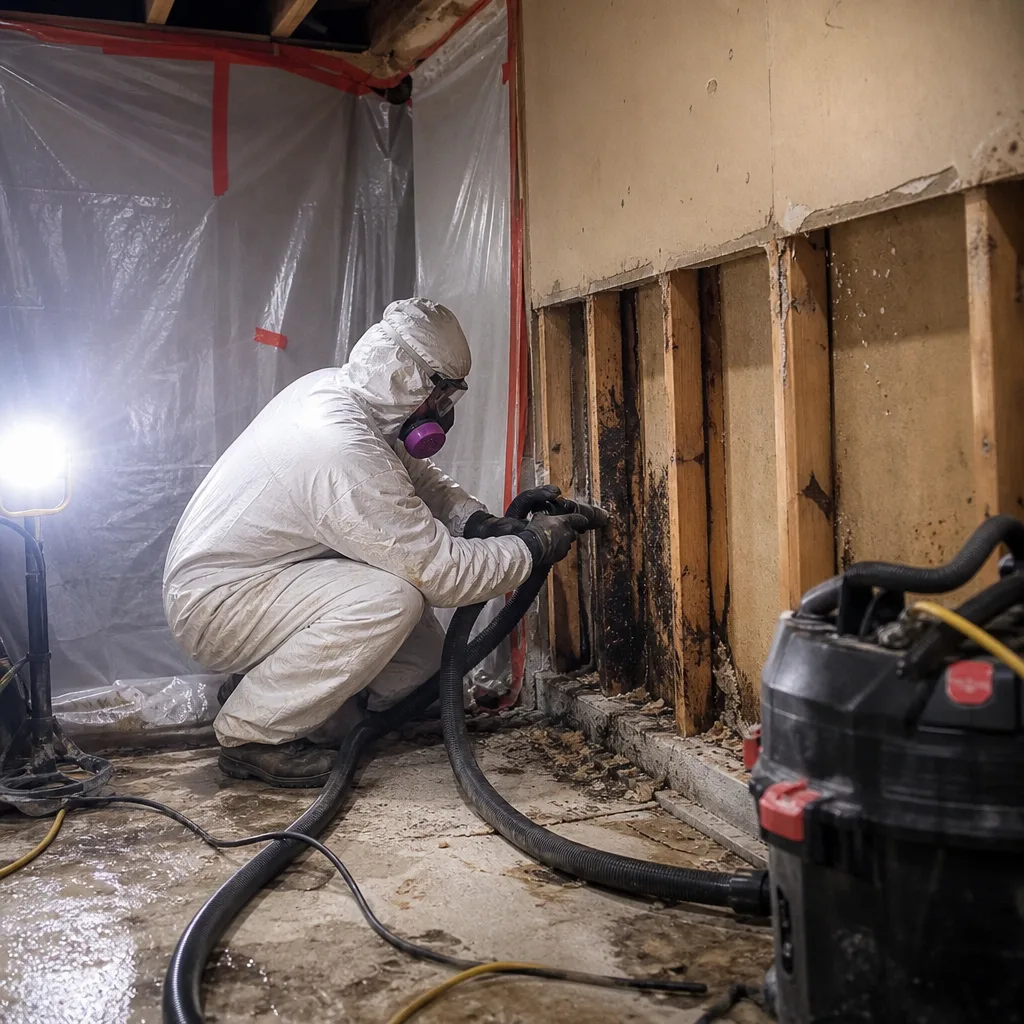
- Accepting a verbal estimate for emergency work. In California, a contractor who will not put a price in writing before starting work is not following best practice. Verbal estimates become disputed invoices with no baseline for resolution.
- Confusing a completion certificate with a close-out packet. The certificate says work was done. The packet proves what was done, with what materials, to what standard, by whom. Insurers and future buyers ask for the packet, not the certificate.
- Ignoring Oceanside’s coastal humidity in drying timelines. A three-day dry in Riverside is not a three-day dry in Oceanside. Scopes written for inland conditions underestimate equipment and labor for coastal losses.
- Permitting reconstruction work that requires a permit. Unpermitted electrical, plumbing, or structural work can void insurance coverage, complicate sale, and create liability. We pull permits as standard; homeowners should verify permit status before any rebuild begins.
- Discarding documentation after claim payment. Moisture damage can manifest months later as mold, odor, or material failure. The close-out packet is the evidence that the original restoration was performed to standard. We recommend retaining it for the property ownership period.
- Assuming all restoration companies document equally. In our experience, documentation quality varies more than technical quality. Ask prospective contractors to show you a sample drying log and photo record before hiring. If they cannot produce one, their claim support will match their preparation.
When to Call a Professional
Call for professional restoration when water has affected more than a small, contained area that you can dry with household equipment within 24 hours. Call immediately for Category 2 or 3 water, any fire or smoke damage, mold growth exceeding 10 square feet, or structural damage from storm or vehicle impact. In Oceanside, where slab construction hides moisture migration and coastal humidity slows natural drying, even seemingly minor water losses often require professional assessment to prevent secondary damage.
DryMark Restoration Oceanside offers free estimates in Oceanside - call (760) 546-9565. A trained technician will assess the loss, explain the documentation protocol, and provide a written scope before any work begins. For emergency situations, our live dispatch answers 24 hours a day, 7 days a week with no voicemail.
Frequently Asked Questions
Most water damage mitigation projects in Oceanside range from $1,800 for a contained Class 1 loss to $8,500 or more for a Class 3 or 4 loss with significant demolition and drying requirements. Rebuild costs are additional and depend on finish materials and permit requirements. DryMark Restoration Oceanside provides a written price before work begins on every job - call (760) 546-9565 for a free estimate.
Coverage depends on your policy terms, the cause of loss, and the documentation quality of your claim. Sudden and accidental water damage is typically covered; gradual leaks and flood damage often are not. The single strongest predictor of full payment is a documented restoration file with daily drying logs, photo records, and a written scope. We coordinate directly with adjusters and provide the documentation they require.
Expect 20-40% longer drying timelines in Oceanside due to higher ambient humidity, particularly during marine layer season. A typical Class 2 water loss that dries in 3-4 days inland may require 4-6 days on the coast with adjusted dehumidification capacity. We document this coastal correction in every written scope so timelines are accurate from the start.
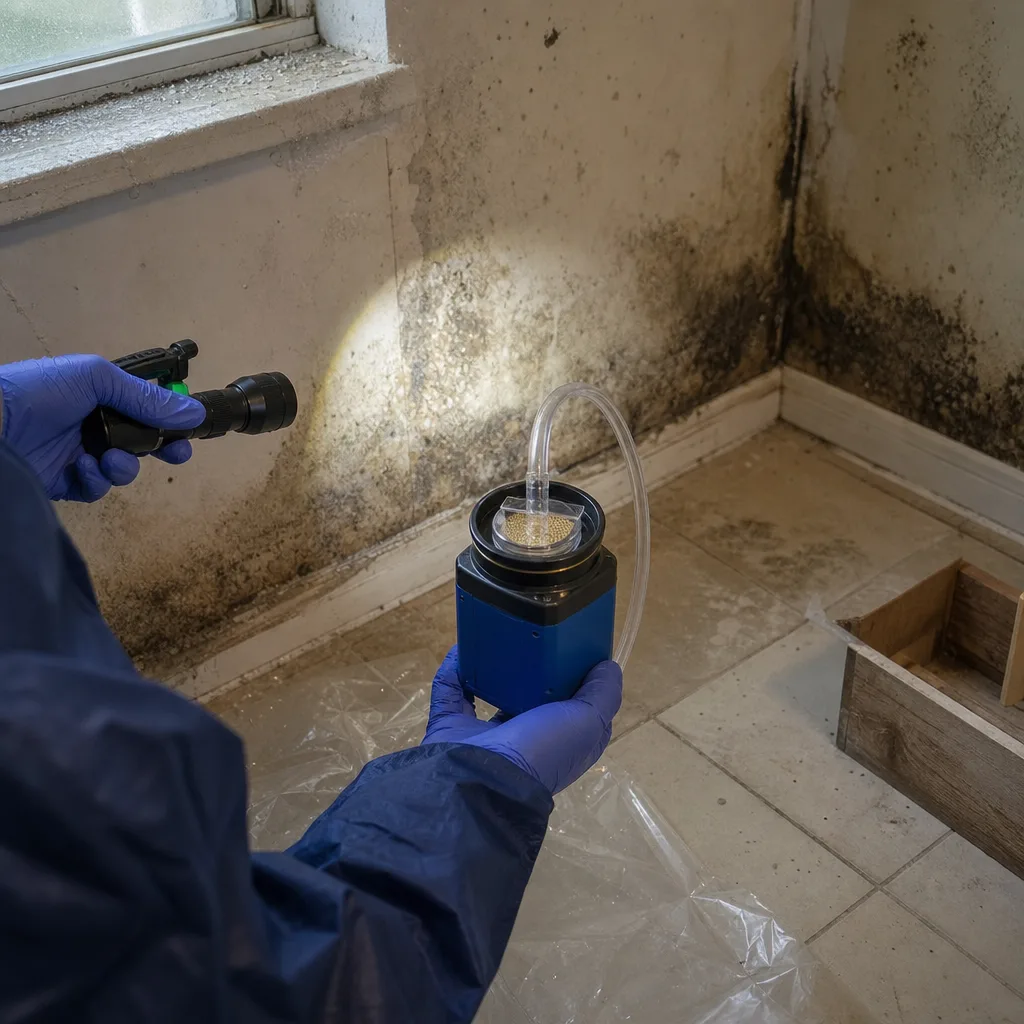
Mold remediation follows IICRC S520 protocol: containment, negative air pressure, HEPA filtration, removal of contaminated materials, and post-remediation verification testing. Mold cleaning - surface treatment without containment or source removal - does not address hidden growth and is not documentation that insurers accept for structural claims. Mold Remediation in Oceanside requires specific documentation for health department and insurer acceptance.
Oceanside requires permits for structural repairs, electrical or plumbing modifications, roof replacement, and work affecting fire-rated assemblies. We pull permits as the licensed contractor of record and schedule inspections. Unpermitted work can void insurance coverage and create disclosure obligations in future property sales.
Bring the written estimate to DryMark Restoration Oceanside for a free second opinion under Haven Standard, Clause 5. We will identify missing elements, questionable assumptions, and documentation gaps. Low estimates often omit required steps - adequate dehumidification, proper containment, or permit costs - that appear as change orders later.
The Bottom Line
Damage restoration in Oceanside succeeds or fails in the documentation. The work itself - extraction, drying, demolition, rebuild - is performed by hundreds of contractors. The file that converts that work into a paid claim is not. This guide has mapped the documentation required at each phase: the moisture map and written scope at mitigation, the daily psychrometric log at drying, the inventoried photo record at demolition, and the close-out packet at rebuild. In a coastal climate where humidity extends timelines and salt air complicates assessments, these documents are not administrative overhead. They are the difference between a settled claim and a disputed one. The Haven Standard exists to produce them consistently, on every job, with no exceptions.
If you’re facing water, fire, mold, or storm damage in Oceanside, call DryMark Restoration Oceanside at (760) 546-9565 for a free estimate. We’ll provide a written scope before any work begins, document every phase, and deliver a complete file that supports your claim.
Written by Alicia Brennan, Owner at DryMark Restoration Oceanside, serving Oceanside since 2011.