
Last updated September 23, 2026
Free visual inspection and a written scope of work before any mitigation begins - photos, moisture readings, and drying logs go in your claim file
The scope we write is the scope we bill. Anything new gets shown to you, in writing, before we touch it.
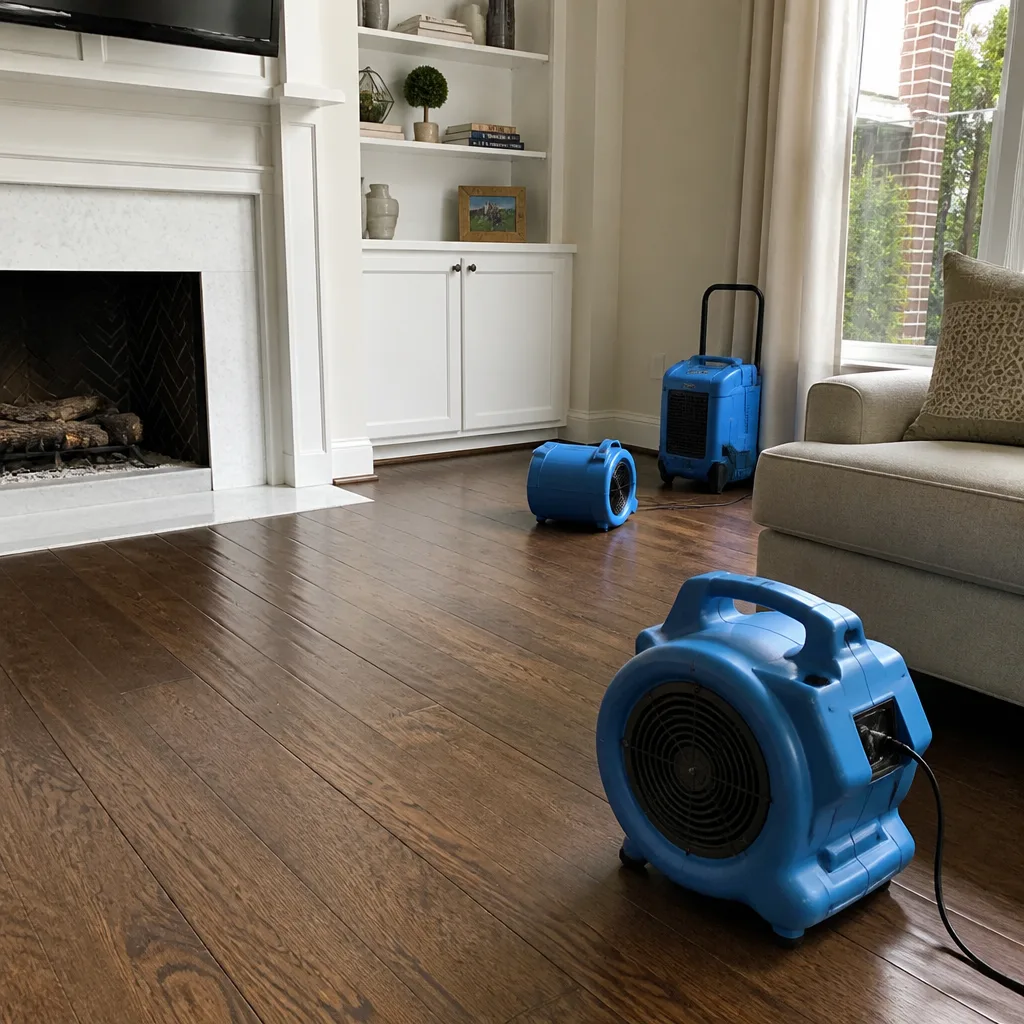

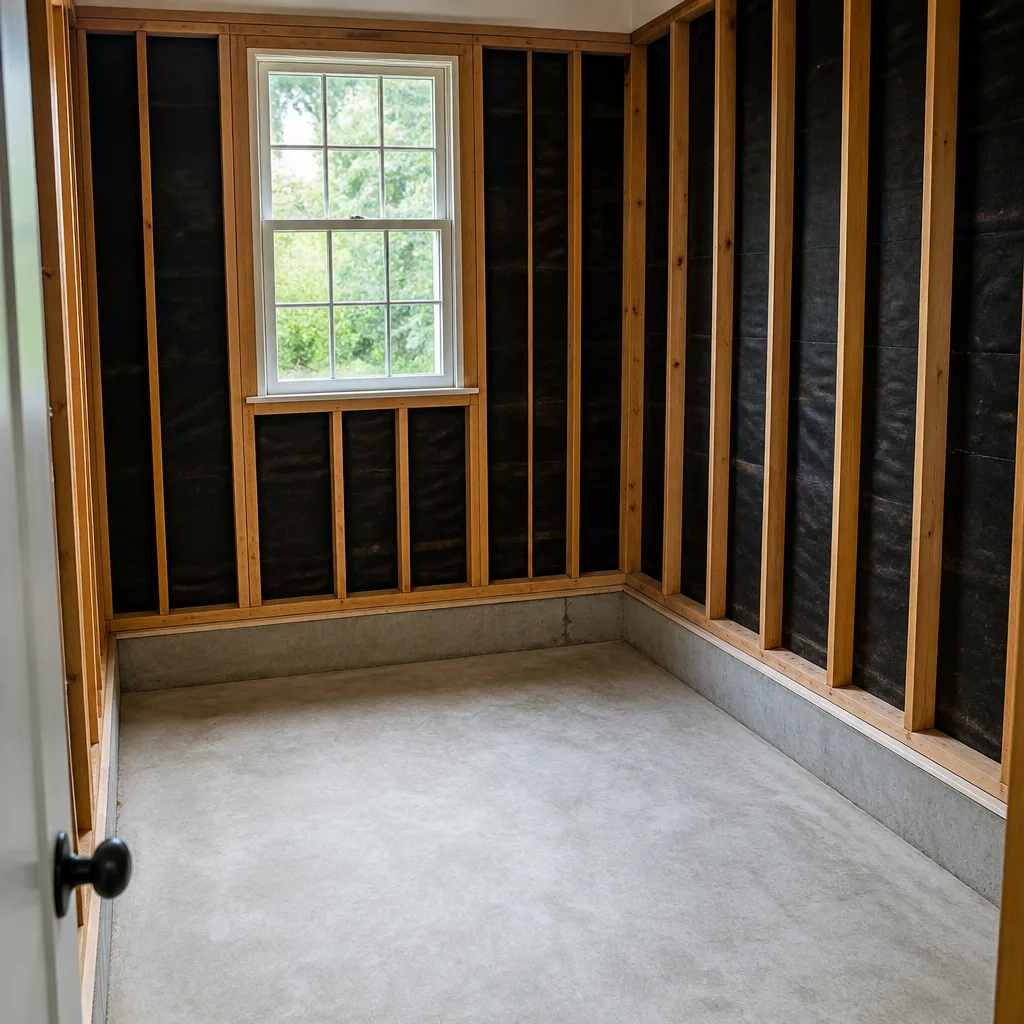
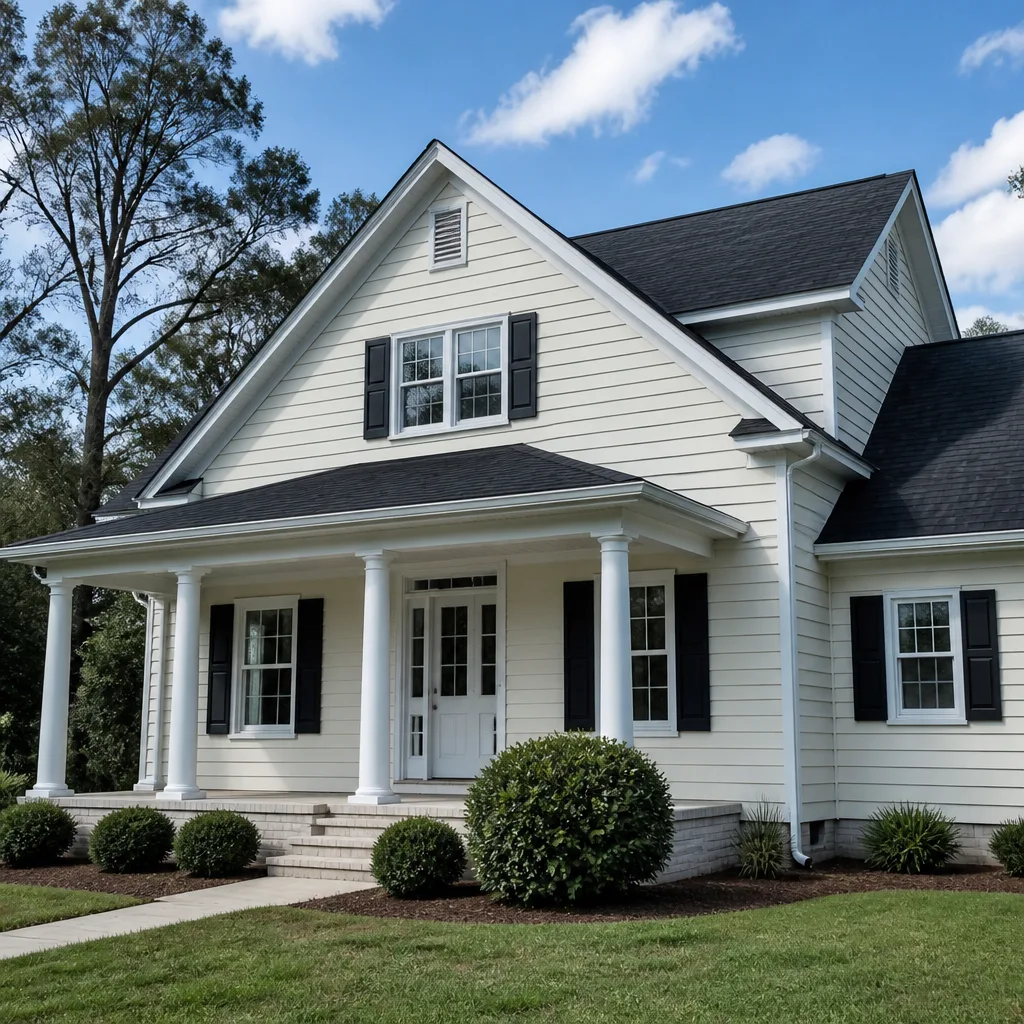
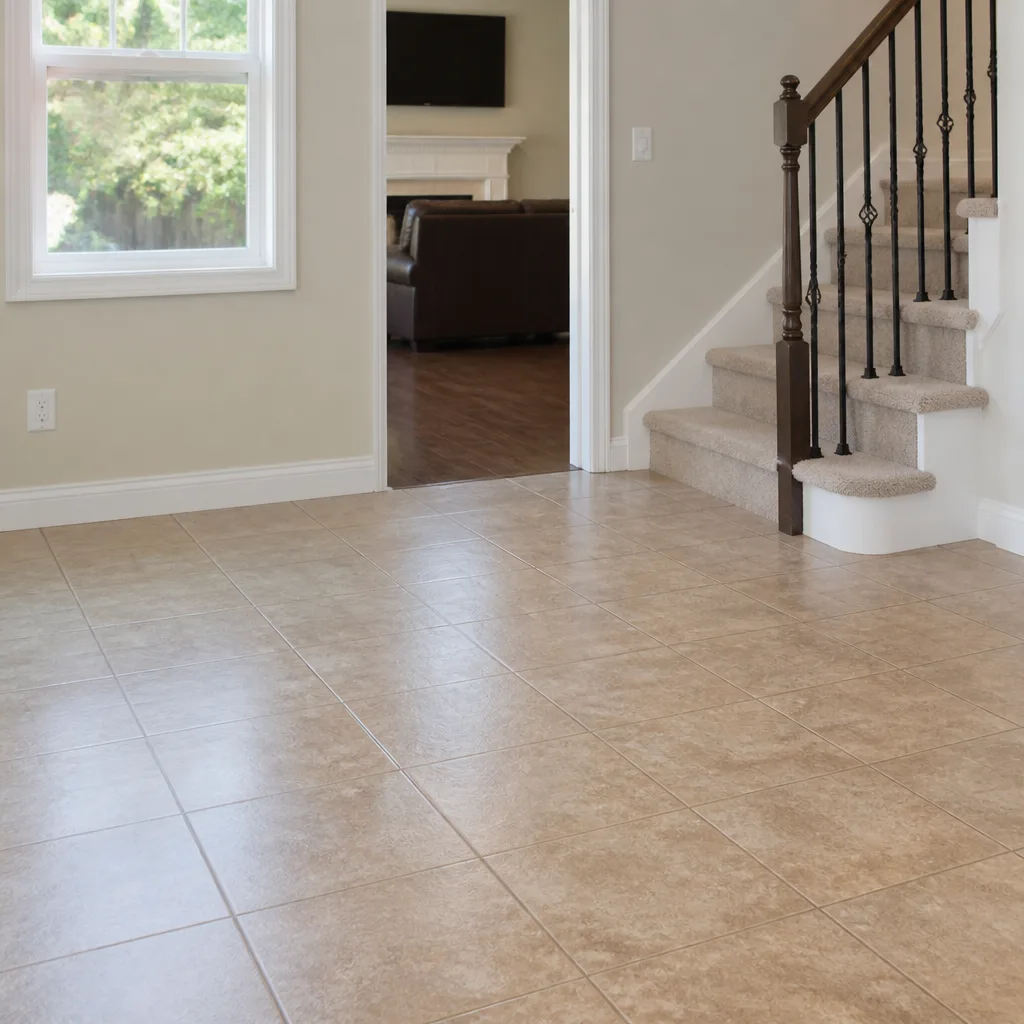

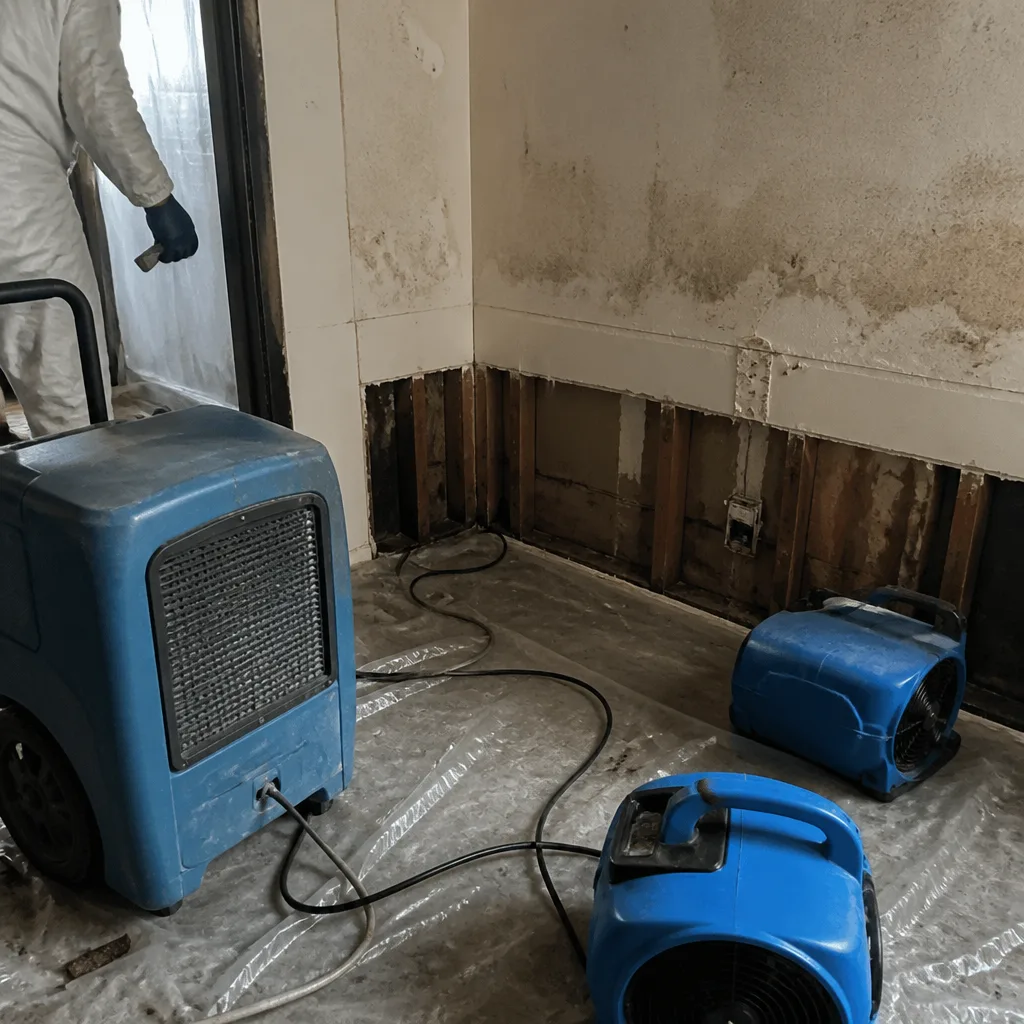 Before
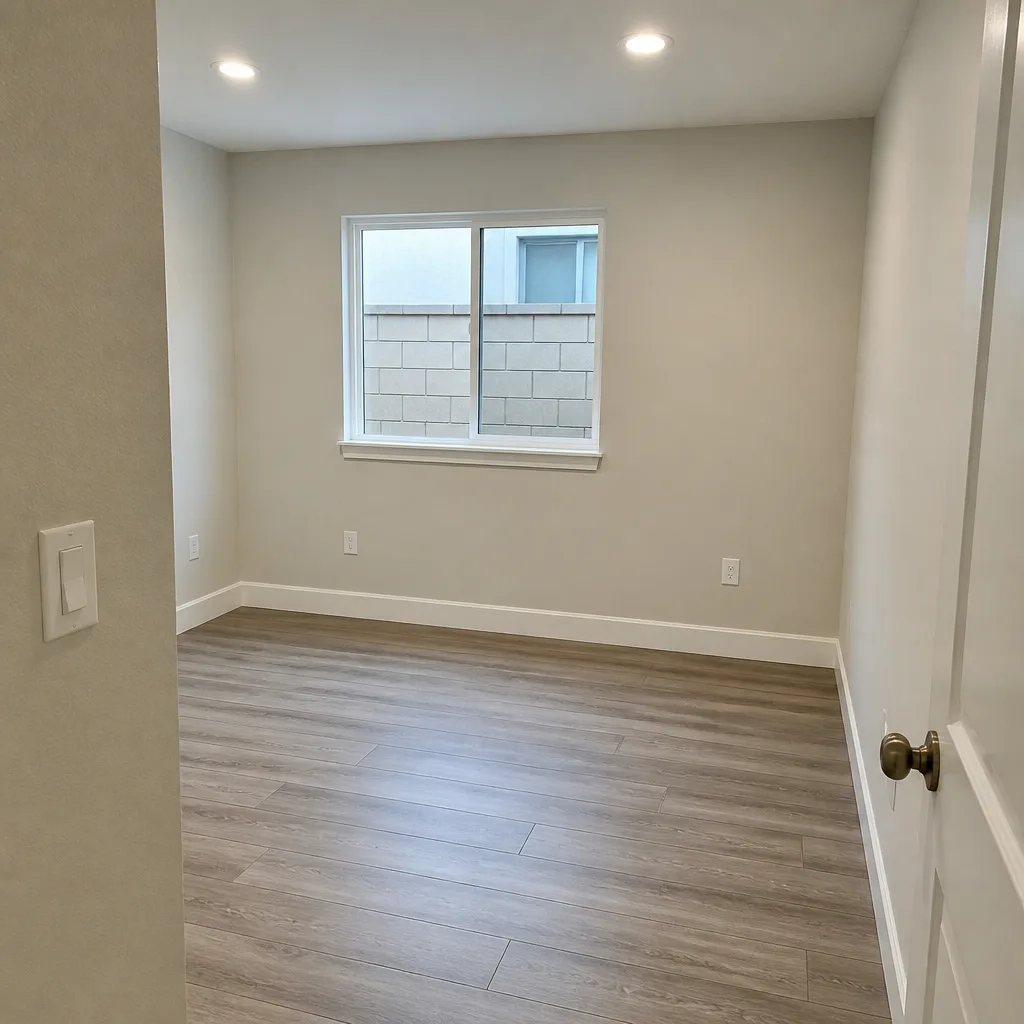 After
After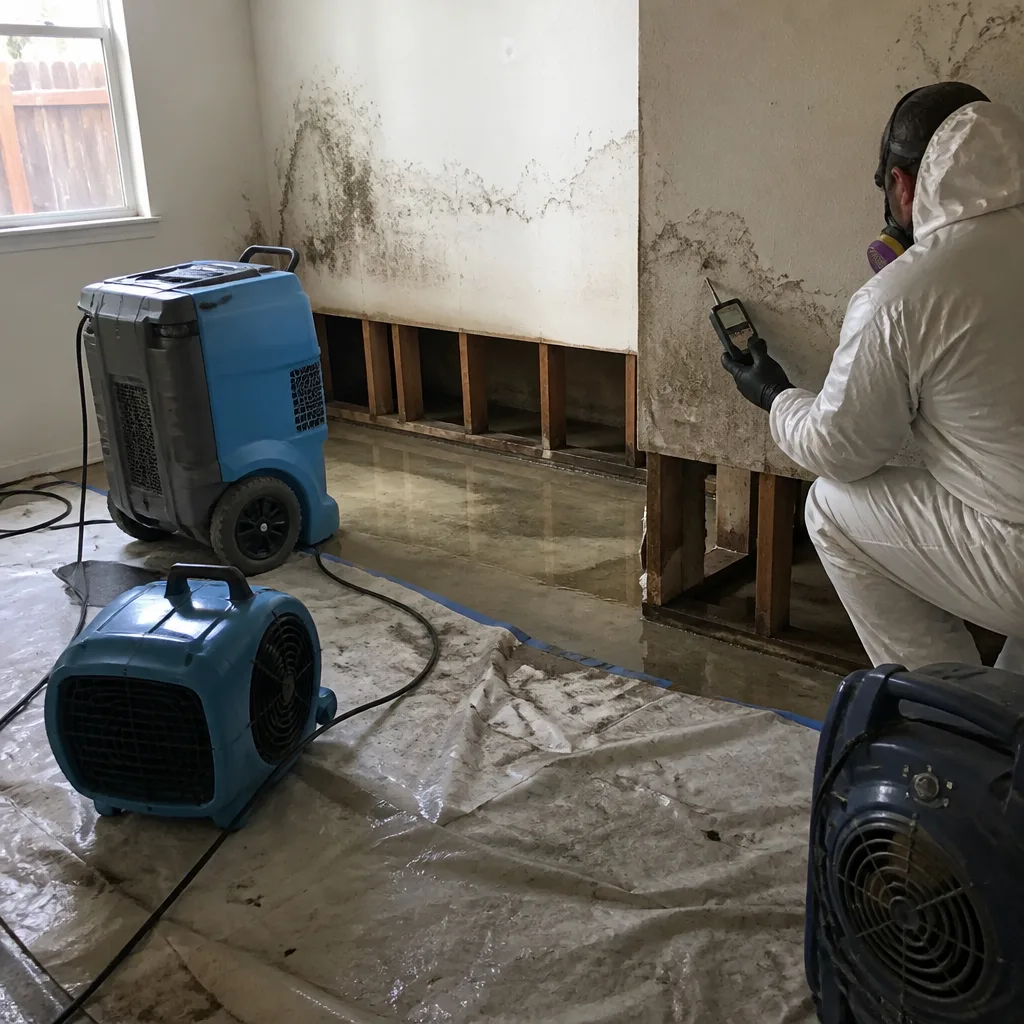 Before
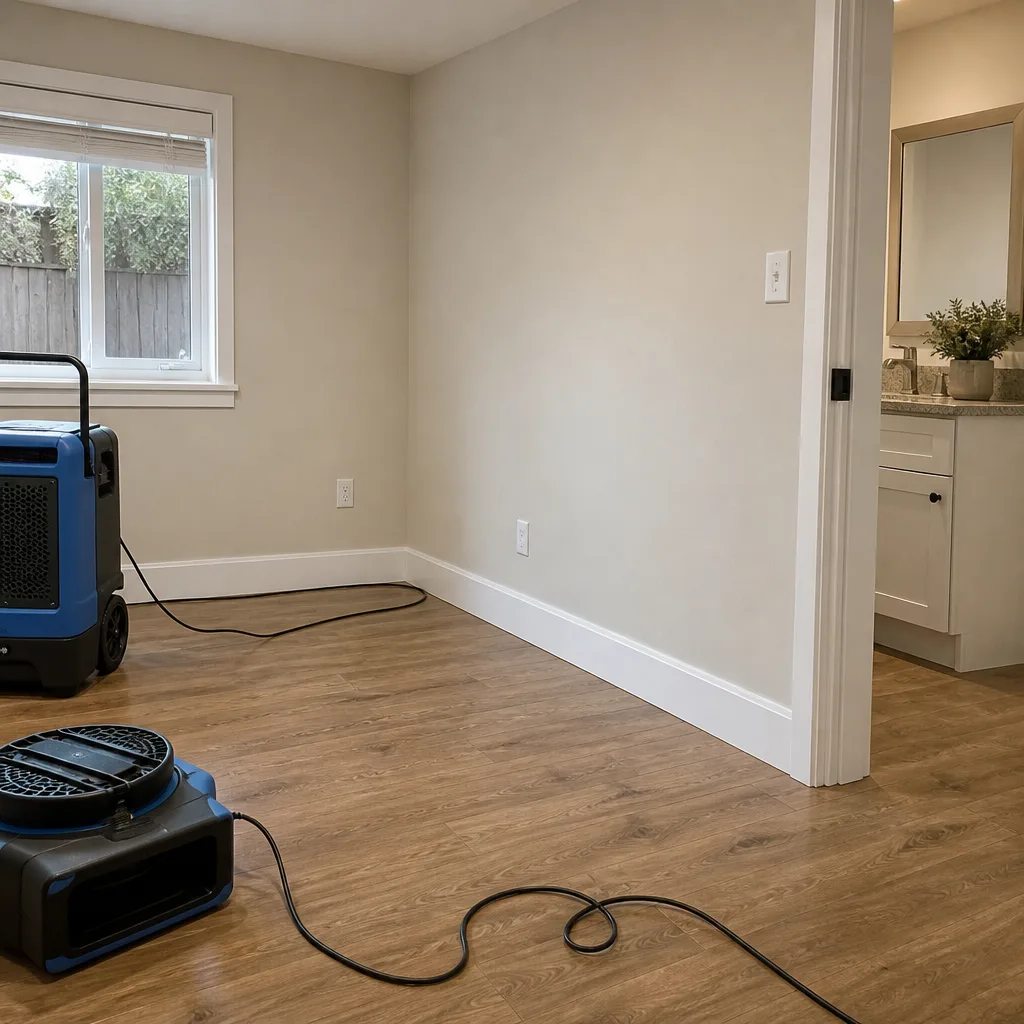 After
After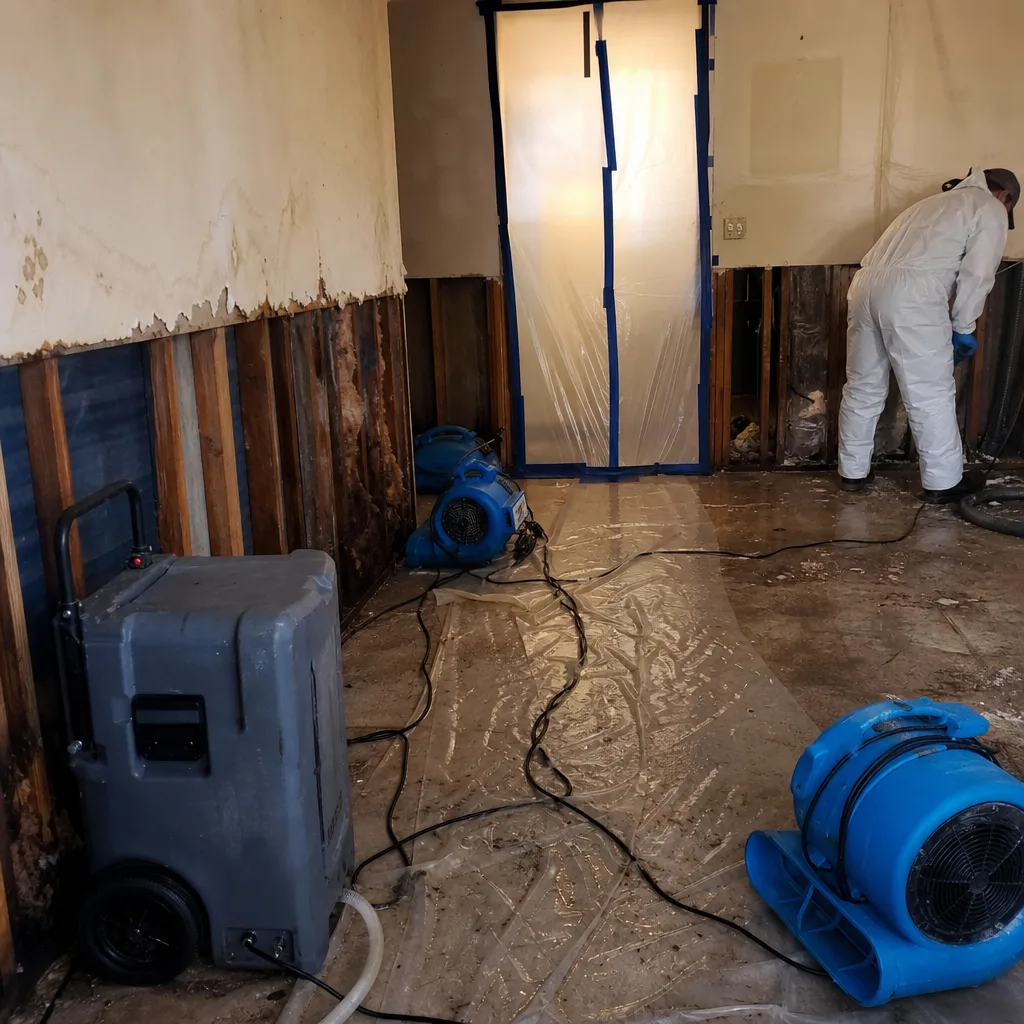 Before
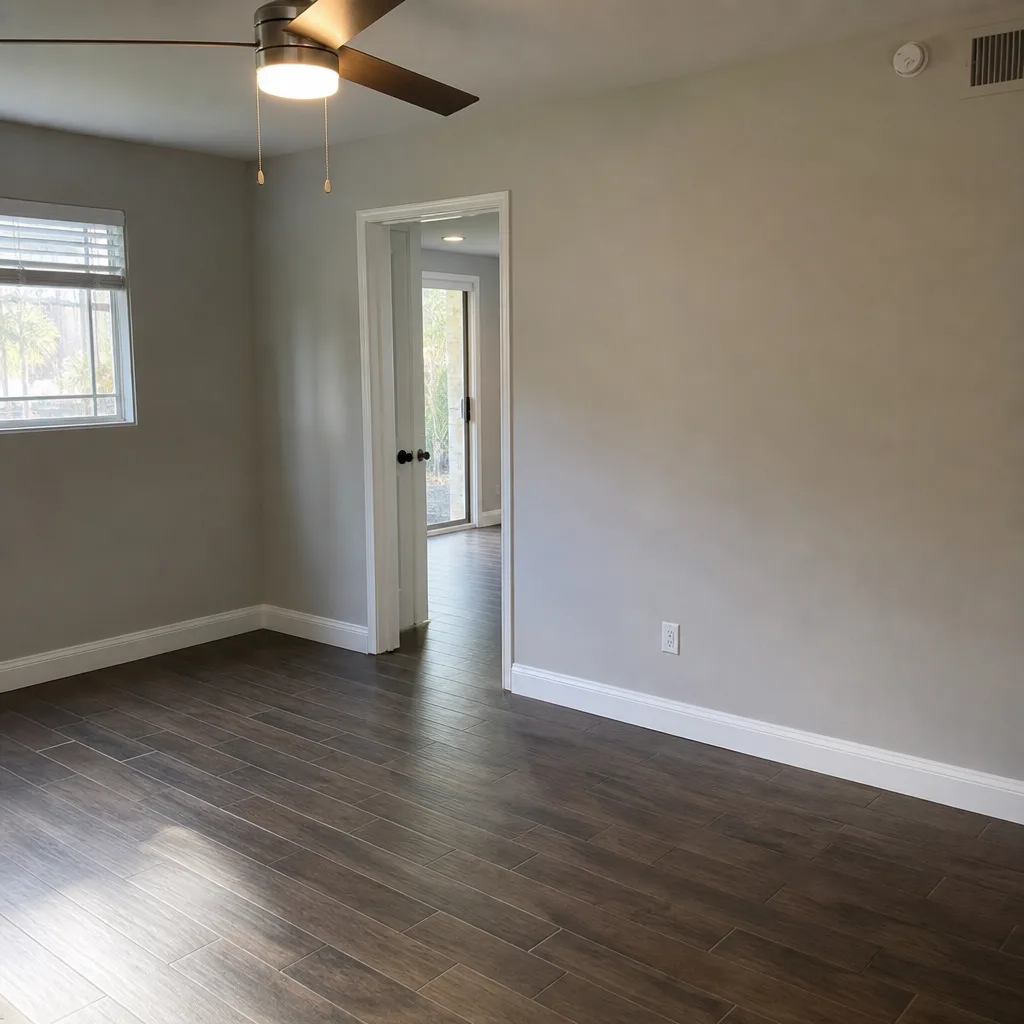 After
AfterSeasonal Damage Restoration Care for Oceanside: Year-Round Homeowner’s Guide
The Santa Ana wind events that drop Oceanside’s relative humidity below 10% can pull moisture out of structural lumber faster than a Phoenix dehumidifier at full extraction - which means materials that read dry in October may show stress cracking by January without a single drop of water. Most seasonal home maintenance guides import a four-season template from the Midwest or Northeast, but Oceanside operates on a different calendar: marine layer season, Santa Ana season, winter rain season, and drought-heat cycle. Each stresses a home in measurable, documentable ways that show up in moisture readings, not just in visible damage. This guide assigns specific inspection tasks and moisture benchmarks to each Oceanside weather cycle, with documentation habits built in so your record is ready if a claim follows.
Quick Answer
Oceanside homeowners should inspect their properties on four local weather cycles, not four traditional seasons: marine layer accumulation (May-August), Santa Ana desiccation (September-November), winter rain intrusion (December-March), and drought-heat stress (April). Normal crawl space moisture readings range from 12-16% in marine layer season and 8-12% during Santa Anas; readings above 20% in any cycle warrant professional investigation. Document every reading with photos, dates, and locations to build a claim-ready record.
Table of Contents
- Marine Layer Season: The Hidden Moisture Accumulation Cycle (May-August)
- Santa Ana Season: The Desiccation and Stress-Cracking Cycle (September-November)
- Winter Rain Season: The Intrusion and Migration Cycle (December-March)
- Drought-Heat Cycle: The Foundation and Seal-Failure Cycle (April)
- Moisture Reading Baselines by Season and Location
- Pre-Rainy-Season Inspection Checklist for Oceanside Stucco-and-Tile Homes
- Documentation Habits That Build Claim-Ready Records
- Common Mistakes to Avoid
- When to Call a Professional
- Frequently Asked Questions
BeforeAfterMarine Layer Season: The Hidden Moisture Accumulation Cycle (May-August)
Oceanside’s marine layer isn’t a morning inconvenience for beach plans. It’s a sustained vapor pressure event that pushes moisture into unventilated spaces for 12-16 hours daily, often for weeks without interruption. In neighborhoods east of Interstate 5 - Rancho Del Oro, Fire Mountain, the areas below El Corazon - we’ve measured crawl space relative humidity holding at 85-95% for 10-day stretches while outdoor afternoon readings drop to 45%. That differential drives vapor through concrete slab edges, into sill plates, and up through unsealed tile grout.
The damage pattern is predictable once you’ve documented enough of them. Marine layer season produces three failure modes we see repeatedly in Oceanside:
- Subfloor edge swelling in 1950s-1970s ranch homes with original redwood sill plates, particularly in the Morro Hills and South Oceanside areas where lot drainage was never modernized. Moisture readings at the perimeter joist bays climb from 12% to 22% over 6-8 weeks. The wood doesn’t fail catastrophically; it compresses interior door frames, cracks tile at the slab perimeter, and creates gaps that admit termites in September.
- Attic sheathing condensation on homes with original gable vents but no ridge venting, common in the Mission Cove and Ocean Hills tracts built 1985-1995. Cool marine air enters at dawn, meets roof deck heated by previous afternoon sun, and condenses on the north-facing sheathing. By August, we’re finding 19-24% moisture content in OSB sheathing that should read 10-14%.
- Garage-to-living-space vapor migration in homes with attached garages lacking vapor barriers behind drywall, particularly in newer construction east of El Camino Real. The garage door opens to saturated morning air; the shared wall becomes a condensing surface; mold establishes in the wall cavity before any surface staining appears.
Inspection protocol for marine layer season: measure crawl space relative humidity and wood moisture content at three points - the north perimeter (coolest, slowest to dry), the center bay (your baseline), and any location within 24 inches of a plumbing penetration. Record temperature alongside humidity; psychrometric data only makes sense as a pair. A reading of 85% RH at 62°F is concerning. The same reading at 72°F is an emergency, because warmer air holds more absolute moisture and will deposit it aggressively on any surface below dew point.
Document with photos showing the meter model, the probe location, and the reading. We use this same documentation standard on every water damage restoration in Oceanside - the photo record turns a disputed moisture finding into an accepted fact.
Santa Ana Season: The Desiccation and Stress-Cracking Cycle (September-November)

The Santa Ana winds rewrite Oceanside’s moisture profile in hours, not days. Relative humidity can drop from 70% to 8% between 10 AM and 2 PM as the wind shifts offshore. This isn’t dry in the sense of comfortable; it’s desiccating in the sense of structural stress.
Wood shrinks across the grain as it loses moisture. A 2×10 Douglas fir joist that measured 14% moisture content in August will measure 8% by late October if Santa Ana conditions persist. That 6-point drop translates to measurable shrinkage - enough to loosen nailed connections in subflooring, create gaps at trim joints, and stress plumbing penetrations where materials with different expansion rates meet. In 2019, we documented a home in the Arrowood neighborhood where repeated Santa Ana cycles over three autumns had pulled tile away from a shower pan so gradually that the homeowner never noticed until the subfloor showed 34% moisture content from the slow leak.
The counterintuitive risk: materials read “dry” on your meter while damage accumulates. A moisture reading of 8% on oak flooring in October is normal. The same reading with visible gapping at board ends indicates the wood has shrunk past its installed dimension and will swell unevenly when marine layer season returns, creating cupping that traps surface water.
Inspection tasks for Santa Ana season:
- Measure and photograph interior wall moisture at the same three locations you used in marine layer season. Baseline your annual record. A reading that dropped from 14% to 7% isn’t automatically good news - it’s data for comparison when that location reads 18% in February.
- Map new cracks with dated photos: horizontal cracks in stucco (indicating substrate movement), vertical cracks at window corners (indicating frame shrinkage), and stair-step cracks in tile patterns (indicating subfloor movement). Mark each with painter’s tape and a date. Growth over 1/16 inch by next Santa Ana season indicates active structural movement, not cosmetic settling.
- Check exterior sealants at stucco-to-window, stucco-to-door, and stucco-to-deck interfaces. Santa Ana UV and thermal cycling degrade polyurethane sealants faster than steady marine layer exposure. Failed sealant in October admits January rain directly to the paper-backed lath - a failure mode we see annually in the coastal terraces above Buccaneer Beach.
The documentation habit here is comparison photography. Same angle, same lighting, same season, year over year. When a 2026 claim adjuster questions whether a crack predated the insured event, your dated photo sequence answers before the argument starts.
Winter Rain Season: The Intrusion and Migration Cycle (December-March)
Oceanside’s winter rain arrives in concentrated events: atmospheric rivers, cutoff lows, and the occasional remnant tropical system that parks offshore for 48 hours. Annual totals average 10-13 inches, but 40% typically falls in January-February in 3-5 events. The damage pattern isn’t gradual saturation; it’s sudden intrusion followed by slow, hidden migration.
Stucco-and-tile construction dominates Oceanside’s housing stock from the 1960s through present construction. This system performs well in steady marine layer exposure but has specific failure points under driven rain:
- Weep screed blockage at the slab-stucco interface. The weep screed is the perforated metal strip at the base of stucco walls that allows drainage from the drainage plane behind. When landscaped soil, mulch, or hardscape rises above the screed, water entering at any crack above has no exit path. It pools at the sill plate, migrates horizontally into the slab edge, and appears as “mystery” moisture in carpet tack strips or tile grout lines 6-10 feet from any visible wall damage. In the Lake and Brooks Street corridors of downtown Oceanside, original 1920s-1940s construction often lacks weep screed entirely - a code grandfathering issue that complicates insurance coverage.
- Tile roof underlayment degradation at headwall and sidewall flashings. Oceanside’s clay and concrete tile roofs shed most rain, but wind-driven rain enters at the gaps where roof planes meet vertical walls. Original hot-mop underlayment on homes built before 1990 becomes brittle; modified bitumen replacements from the 1990s-2000s often fail at the seams. Water enters at the flashing, runs down the underlayment, and exits at the first penetration - frequently a can light or HVAC register in the ceiling below.
- Sliding door track drainage failure in the sliding-glass-door-heavy construction of 1970s-1990s Oceanside tract homes. The track has weep holes that drain to the exterior. When these clog with debris or when the exterior grade has shifted above the track level, water overflows the interior track lip and pools in the subfloor. Because the water enters gradually during a multi-day event, homeowners often don’t notice until the adjacent drywall shows staining or the tile sounds hollow.
Pre-event preparation in December: verify that all weep screeds are visible and clear, that sliding door tracks drain a cup of water poured into them within 30 seconds, and that your roof inspection from October specifically noted flashing condition at all wall intersections. After any event exceeding 1 inch in 24 hours, inspect attic spaces with a flashlight for new staining on the underside of roof sheathing, particularly at penetrations and within 24 inches of any wall.
Post-event documentation: photograph every suspicious area before any drying or cleanup. Insurance coverage for water damage restoration depends on establishing that the damage resulted from a sudden, accidental event - the January storm - rather than long-term maintenance neglect. A photo of wet insulation with a timestamp from January 14 and dry surrounding structure supports that narrative. A photo taken in March, after the homeowner has opened walls for inspection, does not.
Drought-Heat Cycle: The Foundation and Seal-Failure Cycle (April)
April in Oceanside is transitional - marine layer still visits mornings, but afternoon temperatures climb into the 70s and soil moisture begins dropping. In drought years, which have dominated California’s recent climate, this transition accelerates. Expansive soils in the San Luis Rey River floodplain and the terraces above it shrink as they dry, creating foundation movement that stresses rigid plumbing and stucco alike.
Oceanside’s soil varies dramatically by neighborhood. The coastal strand from Harbor Beach to Oceanside Pier sits on relatively stable sandy soils. The terraces and mesas - the areas above Vista Way, the College Boulevard corridor, much of Rancho Del Oro - overlay clay-rich marine deposits that expand and contract with seasonal moisture changes. A homeowner in the Terrace neighborhood may see 1/4 inch of foundation settlement in a dry April that a homeowner in South Oceanside never experiences.
The damage pattern is differential movement: one corner of the slab drops slightly, creating a diagonal crack in the stucco, a binding door, and a stressed water supply line at the slab penetration. The crack admits moisture in the next marine layer season; the stressed line develops a pinhole leak during the next Santa Ana thermal cycle when pipe and slab move differently.
April inspection tasks:
- Foundation perimeter survey: Walk the exterior with a 4-foot level, checking for new or widened separation between soil and slab edge. A gap exceeding 1/2 inch indicates soil shrinkage that will reverse - and possibly over-reverse - with winter rain. Document with dated photos including a measuring tape in frame.
- Interior level check: Roll a golf ball across tile floors in multiple directions. Consistent drift in one direction indicates slab tilt; random drift indicates individual tile debonding from subfloor movement. Both warrant professional evaluation, but the causes differ.
- Irrigation system audit: Leaking irrigation at the foundation perimeter is the single most common source of “unexplained” slab moisture we investigate in May. Run each zone while observing the foundation line. Any pooling within 18 inches of slab edge indicates a distribution or timing problem that will saturate soil just as the drying cycle begins.
The April cycle is also when to schedule your professional roof inspection if you deferred from October. Tile roof underlayment exposed to summer UV through cracked or shifted tiles degrades measurably; catching it before the first winter rain is the difference between maintenance and water damage restoration in Oceanside.
Moisture Reading Baselines by Season and Location
These numbers come from 12,000+ documented inspections since 2011, with particular density in Oceanside and coastal North County. They are baselines, not guarantees - your home’s “normal” may differ based on construction era, prior repairs, and specific site conditions. The value is in comparison: the same location, same meter, same season, year over year.
| Location | Marine Layer Season (May-Aug) | Santa Ana Season (Sep-Nov) | Winter Rain (Dec-Mar) | Drought-Heat (Apr) | Investigate If Above |
|---|---|---|---|---|---|
| Crawl space: center bay wood | 12-16% | 8-12% | 14-18% (post-event) | 10-14% | 20% any season |
| Crawl space: perimeter joist | 14-18% | 9-13% | 16-22% (post-event) | 11-15% | 22% any season |
| Attic sheathing: north face | 13-17% | 8-12% | 12-16% (dry) | 9-13% | 20% any season |
| Attic sheathing: south face | 10-14% | 7-11% | 11-15% (dry) | 8-12% | 18% any season |
| Interior wall: standard framing | 11-15% | 7-11% | 10-14% | 8-12% | 17% any season |
| Interior wall: adjacent to plumbing | 13-17% | 9-13% | 12-16% | 10-14% | 19% any season |
| Slab perimeter: tile over concrete | 10-14% | 7-11% | 15-25% (post-event) | 8-12% | 18% any season |
| Garage: shared wall base | 12-16% | 8-12% | 11-15% | 9-13% | 18% any season |
These readings assume a pin-type or pinless moisture meter calibrated for the material being tested. We use meters traceable to manufacturer standards, with annual calibration verification - the same standard applied to our professional drying documentation with Dri-Eaz, Phoenix, and B-Air equipment on every job.
A reading above the “investigate” threshold doesn’t mean emergency. It means: measure again in 48 hours at the same location. If it’s stable or rising, inspect upstream for a moisture source. If it’s falling, monitor weekly until it returns to seasonal baseline. Document every reading. The drying log that proves a claim is the same habit applied professionally.
Pre-Rainy-Season Inspection Checklist for Oceanside Stucco-and-Tile Homes
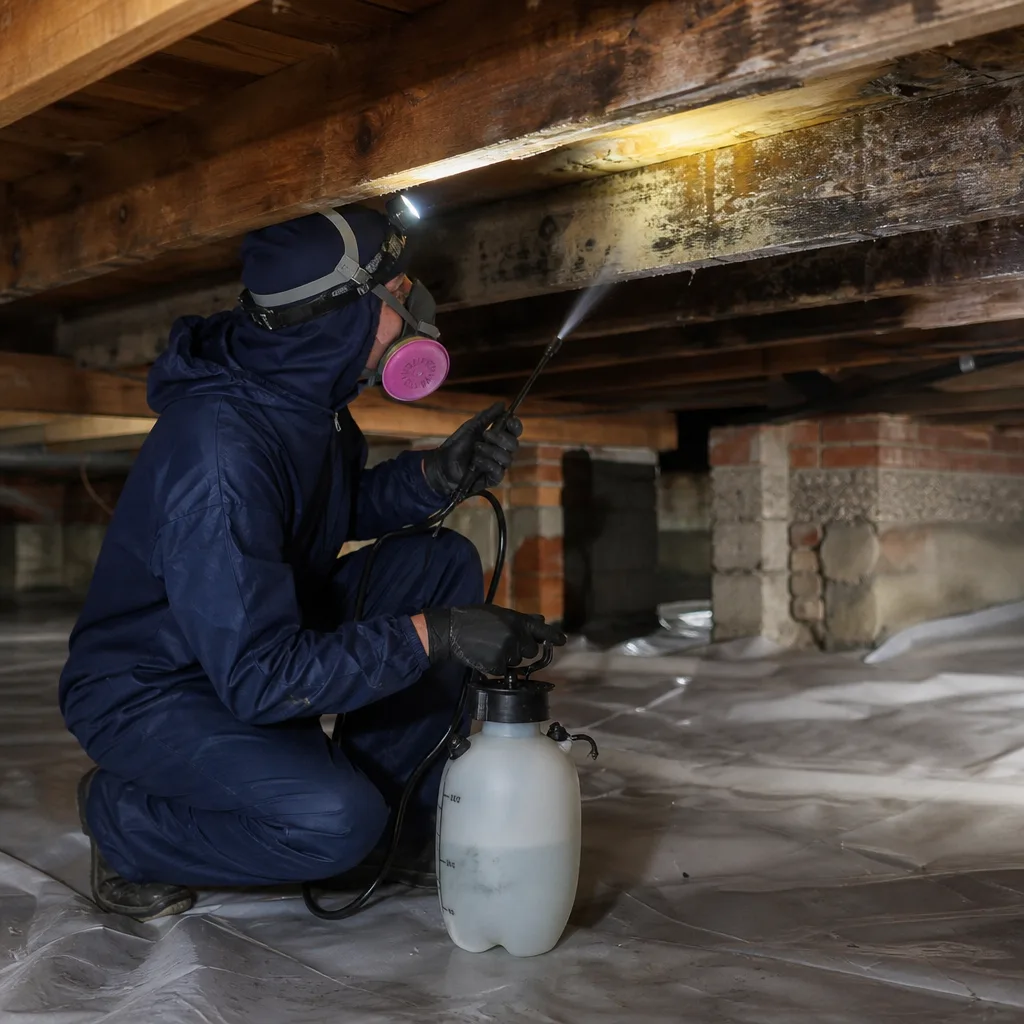
This checklist is specific to Oceanside’s dominant construction type and its most common failure modes. Generic “clean gutters and check caulking” advice misses the vulnerabilities that actually produce claims in this market.
- Weep screed visibility: At every exterior wall, verify the metal weep screed is fully exposed above final grade, hardscape, or landscaping. Minimum 2 inches clearance required; 4 inches preferred in areas with surface irrigation. In the Peacock Hills and Loma Alta areas where lots slope, check that drainage from uphill hasn’t deposited soil against the screed.
- Stucco crack mapping: Identify all cracks wider than 1/16 inch. Hairline cracks in stucco are cosmetic; cracks that accept a credit card edge indicate substrate movement or paper-tear risk. Mark each with dated painter’s tape. Photograph with a ruler in frame. Cracks at window corners, door headers, or stair-stepping at block coursing indicate structural movement requiring engineering evaluation, not just sealant.
- Tile roof: flashings and underlayment: From the attic, inspect the underside of sheathing at all headwalls, sidewalls, and chimney penetrations. Any staining, even old and dry, indicates a previous leak that may have recurred or may recur with driven rain. From the exterior, look for broken, shifted, or slipped tiles within 24 inches of any wall or penetration. The underlayment is your actual waterproofing; tile is the UV protection. Exposed underlayment in direct sun degrades in one season.
- Sliding door and window track drainage: Pour water into each track. It should exit through visible weep holes within 30 seconds. If it pools or drains slowly, clear weep holes with a pipe cleaner and verify the exterior grade hasn’t risen above the track base. In homes with replaced original doors, verify the replacement track maintains the original drainage path - retrofits often don’t.
- HVAC condensate and secondary drain: In Oceanside’s humidity, evaporator coils produce condensate year-round. The primary drain goes to a floor sink or exterior. The secondary drain should terminate visibly - often at a soffit or exterior wall - so you know the primary has failed when you see water from the secondary. Verify both paths are clear and the secondary termination is visible and unblocked. A clogged primary drain in January, when the system runs in heat-pump mode and produces condensate during defrost cycles, floods the return plenum before anyone notices.
- Foundation irrigation clearance: Verify no sprinkler heads spray directly onto the structure. Verify drip lines don’t terminate against the slab. Verify timer schedules don’t run during marine layer hours (typically midnight to 8 AM), when evaporation is minimal and soil saturation is maximum.
- Documentation assembly: Compile your photos, moisture readings, and crack maps from the full year into a dated folder. Cloud storage with automatic backup preferred. This is your pre-loss condition documentation - the evidence that establishes what was maintained versus what the storm damaged.
Documentation Habits That Build Claim-Ready Records
Insurance claims fail on documentation gaps, not on damage severity. We’ve reviewed thousands of claims as former adjusters and current restoration contractors. The pattern is consistent: the homeowner who has dated photos, moisture readings, and written maintenance records receives full coverage determination faster and with fewer disputes. The homeowner who doesn’t faces “pre-existing condition” denials, depreciation disputes, and coverage-limit arguments.
The Haven Standard requires documentation on every job we perform. These habits adapt that standard for homeowner seasonal maintenance:
- Photo record with context: Every photo includes a date stamp, the location in the home, and a reference object for scale. “Crawl space north perimeter, October 15, 2024, moisture meter reading 11%” - not just “crawl space.” We use this same standard on every visit to every job. The photo record is included as a standard deliverable, never an upsell.
- Moisture log in spreadsheet format: Date, location, meter type, reading, temperature, relative humidity, and notes. After three years, you have a trend line that predicts problems before they become damage. A location that reads 12% in October 2022, 14% in October 2023, and 17% in October 2024 has a developing moisture source that winter rain will exploit.
- Contractor correspondence file: Every repair, inspection, or maintenance visit produces a written scope or report. File these by date and location. When a roof repair in 2022 addressed flashing at the north bedroom, that document proves the repair was performed if 2025 damage occurs at a different location.
- Insurance policy and endorsement review: Annual review of your declarations page, with particular attention to water damage sublimits, mold coverage caps, and deductible changes. Oceanside’s market has seen significant policy restructuring since 2017; coverage that applied to your 2019 claim may not apply to your 2025 claim. Document your review date and any questions raised with your agent.
The specific value in Oceanside’s climate: marine layer moisture accumulation is gradual and often excluded from “sudden and accidental” coverage unless you can document that the damage manifested suddenly when an event - a Santa Ana thermal cycle, a winter rain intrusion - exposed the accumulated condition. Your moisture log proves the timeline. Without it, the insurer’s default position is long-term maintenance neglect.
Common Mistakes to Avoid
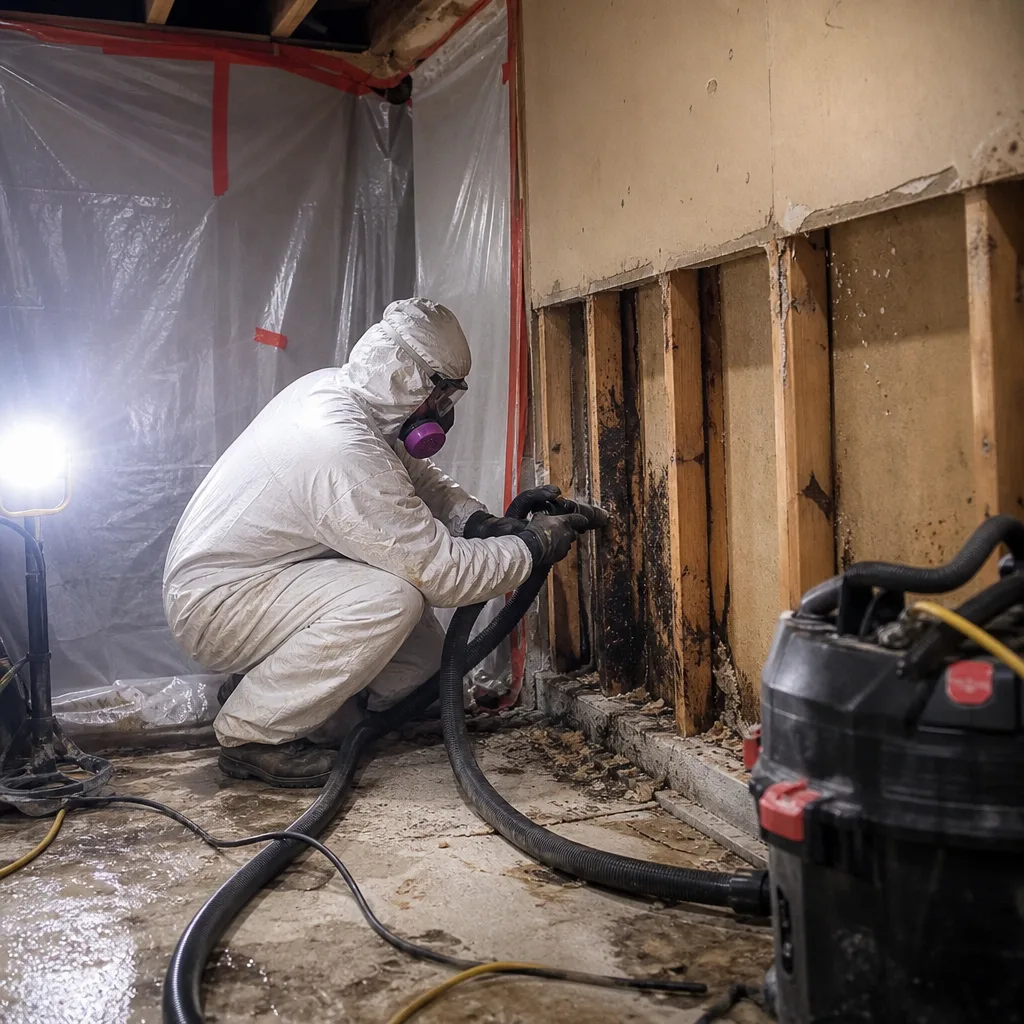
- Waiting for visible mold before inspecting. Mold in Oceanside’s climate establishes in 48-72 hours of sustained humidity above 60% in a food source. By the time you see surface growth, the colony has penetrated drywall paper or carpet backing and requires professional mold remediation in Oceanside, not surface cleaning.
- Using a single moisture reading to declare “dry.” A reading of 10% on oak flooring in Santa Ana season is expected. The same reading in marine layer season indicates a meter malfunction or a surface that has been recently dried while the substrate remains wet. Always compare to seasonal baseline and to adjacent “dry” reference areas.
- Sealing stucco cracks with generic caulk. Stucco moves. Generic acrylic caulk doesn’t. The correct repair is an elastomeric sealant compatible with stucco and the underlying substrate, applied with proper backer rod and tooling. Incorrect repairs trap water and accelerate damage - and insurers increasingly deny claims where homeowner repairs exacerbated the original condition.
- Ignoring the garage as an interior space. In Oceanside’s tract home construction, the garage shares walls, attic space, and often HVAC return pathways with living areas. Marine layer humidity in an unconditioned garage migrates through shared construction. Treat garage moisture as a whole-house concern, not a storage inconvenience.
- Deferring roof maintenance until a leak appears. Tile roof underlayment in Oceanside degrades from UV exposure through tile gaps, not from age alone. By the time water shows in the ceiling, the underlayment has failed at multiple locations and the sheathing may require replacement. The cost difference between preemptive underlayment replacement and post-leak structural repair is typically 3:1.
- Failing to document “before” conditions before any repair. The contractor who repairs your flashing, fixes your stucco, or replaces your subfloor is creating the new baseline. Photos of their completed work are essential - but photos of the condition before their work are what prove whether subsequent damage is new or related to their repair.
When to Call a Professional
Some conditions require professional evaluation regardless of your maintenance diligence. Call for assessment when: moisture readings exceed 20% in any structural wood and remain above baseline after 48 hours of dry conditions; you observe mold growth of any color on any surface; a winter rain event produces visible water in the interior, even if it appears to stop; your foundation shows new or accelerating movement by the golf-ball test; or your documentation reveals a worsening trend over two or more years at the same location.
DryMark Restoration Oceanside offers free estimates in Oceanside - call (760) 546-9565. Every estimate includes a written scope and price before any work begins, documented to The Haven Standard, Clause 1. We also provide free second opinions on any competitor’s written estimate; bring your documentation and we’ll review it at no charge.
Frequently Asked Questions
Oceanside’s marine layer is a sustained, low-altitude cloud formation that brings saturated air (85-100% relative humidity) to ground level for 12-16 hours daily, often persisting for weeks. Normal coastal humidity fluctuates with weather systems; the marine layer is a semi-permanent summer feature that creates continuous vapor pressure against building envelopes. This sustained exposure drives moisture into construction gaps that intermittent humidity would not penetrate.
Structural wood readings above 20% that persist for more than 48 hours after dry weather return, or readings significantly above your established seasonal baseline, indicate active moisture intrusion requiring professional evaluation. Drywall and plaster readings above 1% on a pinless meter, or any softening or staining, also warrant assessment. Call (760) 546-9565 for a free estimate with written pricing before any work begins.
Coverage depends on demonstrating that the damage resulted from a sudden, identifiable event rather than long-term maintenance neglect. Marine layer accumulation alone is typically excluded. However, if accumulated moisture is suddenly released or exposed by a subsequent event - Santa Ana thermal stress cracking, winter rain intrusion, or an HVAC failure - the resulting damage may be covered. Your documentation of seasonal moisture readings and maintenance activities is the evidence that distinguishes covered sudden damage from excluded gradual damage.
Live phone coverage is available 24 hours a day, 7 days a week with no voicemail on emergency lines. Emergency response dispatch for active water intrusion typically occurs within hours, with crew arrival timed to stop ongoing damage and begin documentation. Reconstruction and non-emergency services are scheduled after written scope and pricing under The Haven Standard, Clause 1.
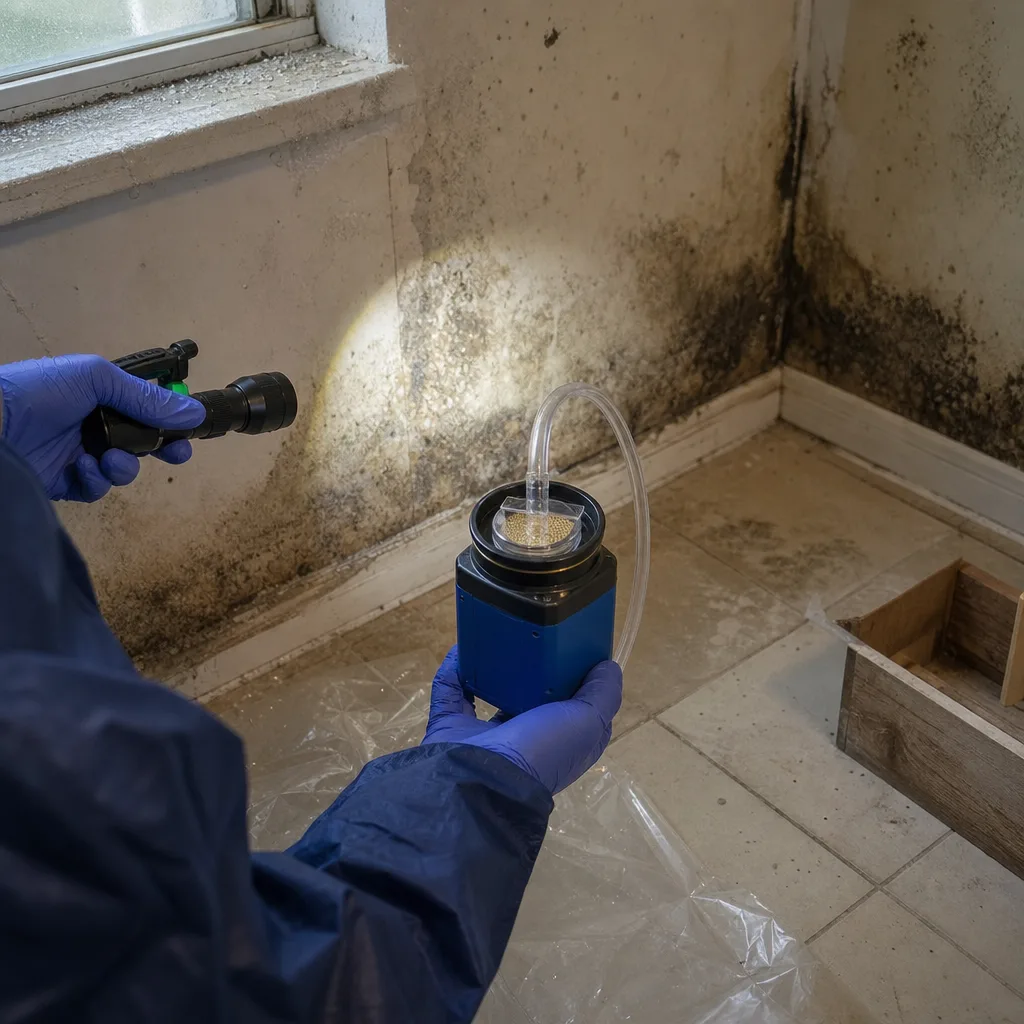
Visible mold on any porous material - drywall, carpet, ceiling tile, upholstered furniture - indicates colony penetration that surface cleaning cannot address. Non-porous materials like ceramic tile or glass may be cleanable if the underlying moisture source is resolved. The only way to determine full remediation need is inspection with moisture mapping and, when indicated, air sampling to assess spore levels in unaffected areas. We provide written scope and pricing for either outcome before work begins.
Assemble: your policy declarations page, your seasonal moisture logs and photos, any contractor reports for prior related repairs, photos of the current damage with timestamps, and a written timeline of when you discovered the damage and what events preceded it. DryMark Restoration Oceanside documents every job with photo records and drying logs to IICRC standards, producing the claim-ready documentation that supports full coverage determination. We also coordinate directly with adjusters when requested.
If any work we perform is not done right, we make it right - a written warranty, not a verbal assurance. The guarantee is signed on every job, with specific coverage terms by work category. For water damage restoration, this includes moisture verification guarantee; for mold remediation, clearance retesting guarantee; for reconstruction, workmanship and materials guarantee. The promise has been in force since our founding in 2011 and is backed by our documented record on 12,000+ homes.
The Bottom Line
Oceanside’s climate operates on four distinct cycles that stress homes differently: marine layer accumulation drives hidden moisture into unventilated spaces; Santa Ana desiccation creates structural stress through rapid moisture loss; winter rain intrudes through specific failure points in stucco-and-tile construction; and drought-heat cycles produce foundation movement that stresses rigid systems. Effective seasonal maintenance assigns specific inspection tasks and moisture benchmarks to each cycle, documents findings with dated photos and readings, and builds a claim-ready record before damage occurs. See our more guides & resources for additional climate-specific maintenance strategies. The homeowners who fare best in our experience aren’t those with the newest construction or the highest maintenance budgets; they’re those with the best documentation habits, because documentation turns disputed claims into paid claims.
Written by Alicia Brennan, Owner at DryMark Restoration Oceanside, serving Oceanside since 2011.