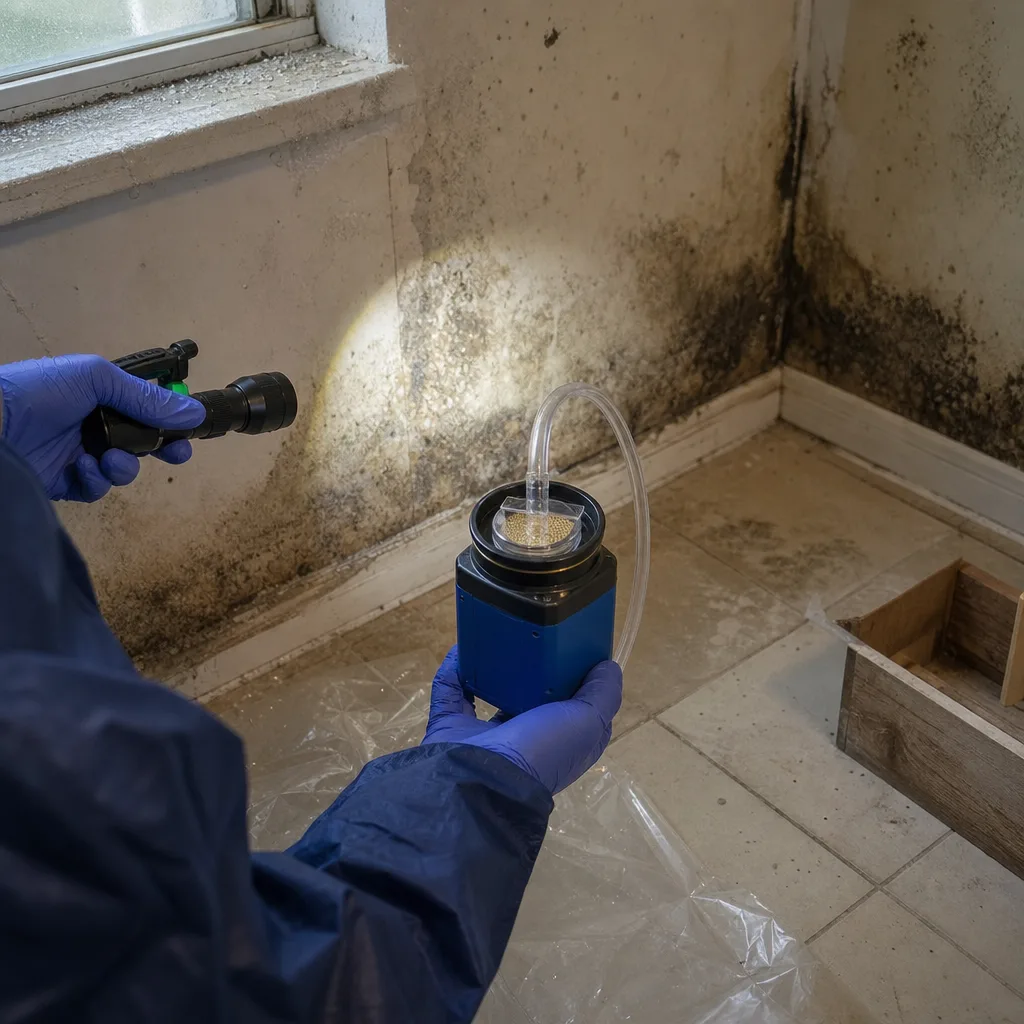
Free visual inspection and a written scope of work before any mitigation begins - photos, moisture readings, and drying logs go in your claim file
The scope we write is the scope we bill. Anything new gets shown to you, in writing, before we touch it.
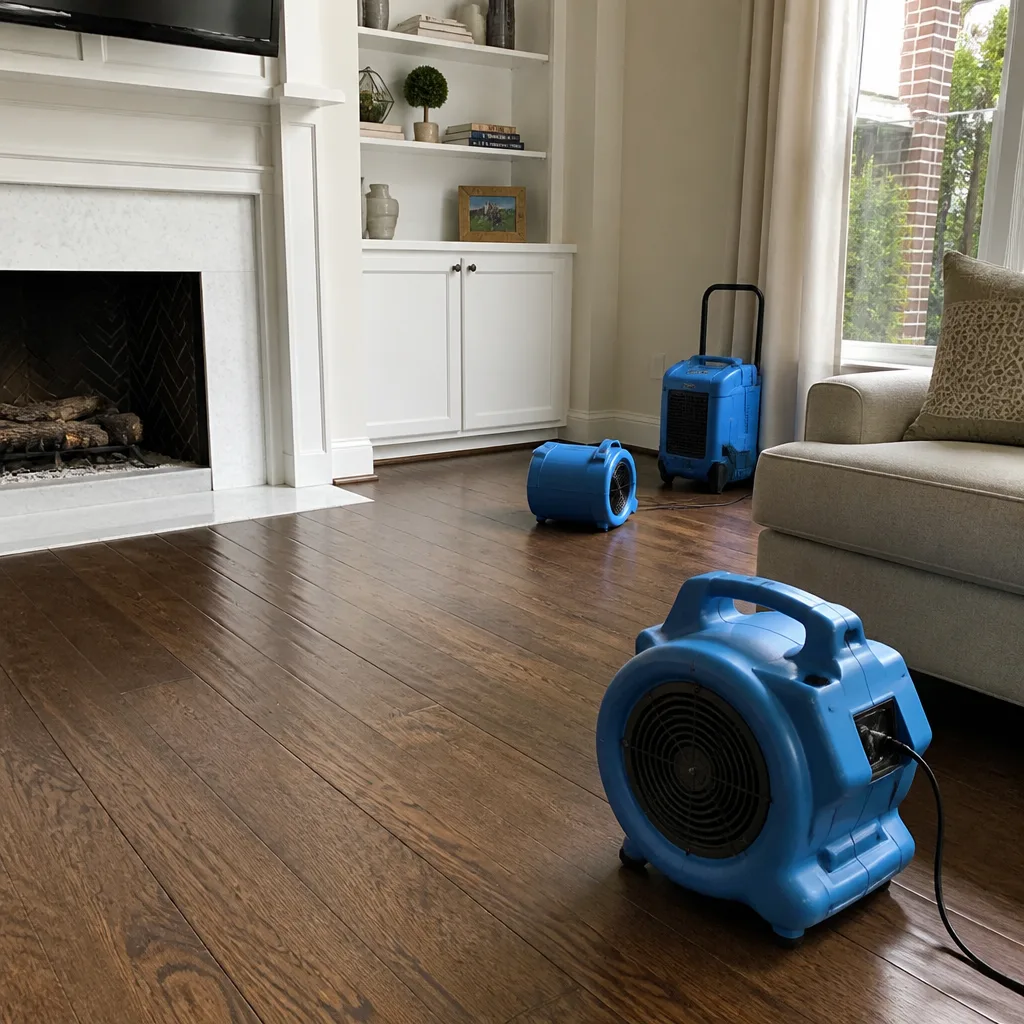
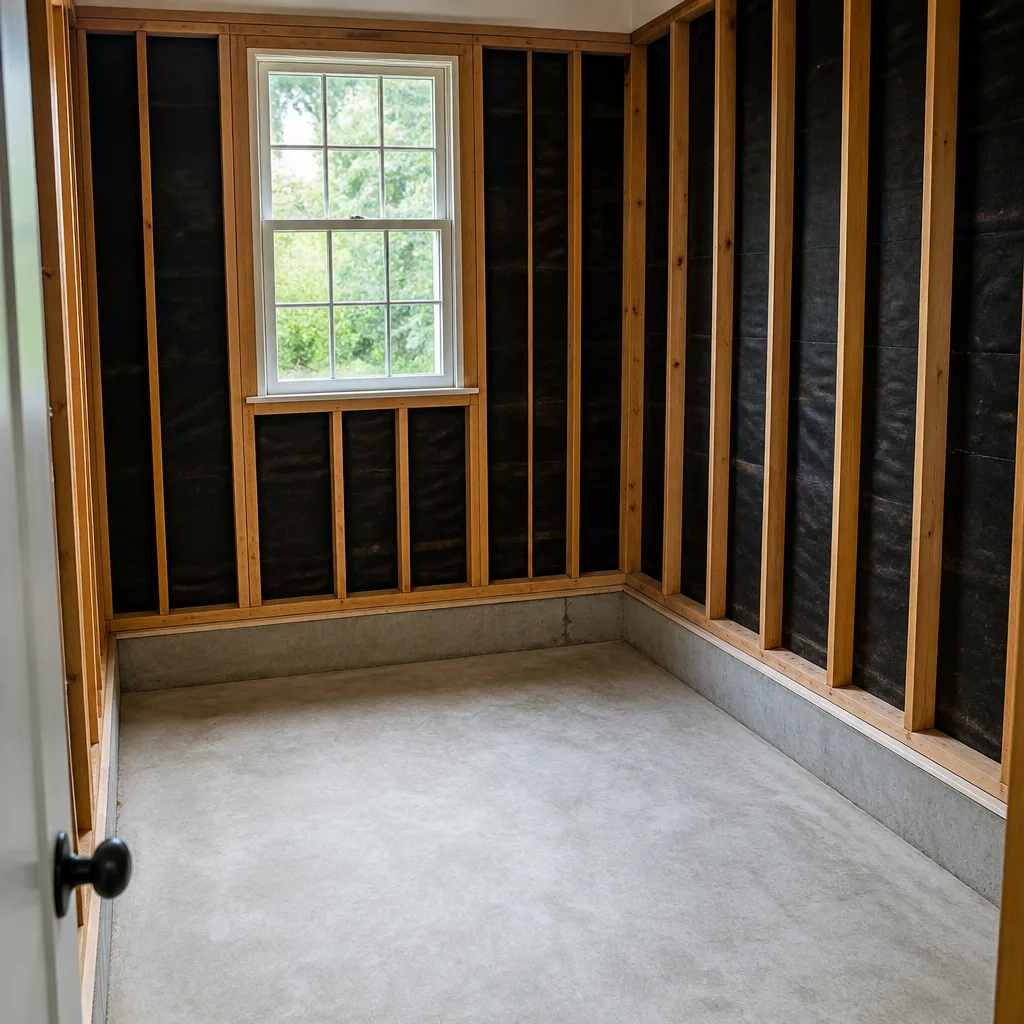
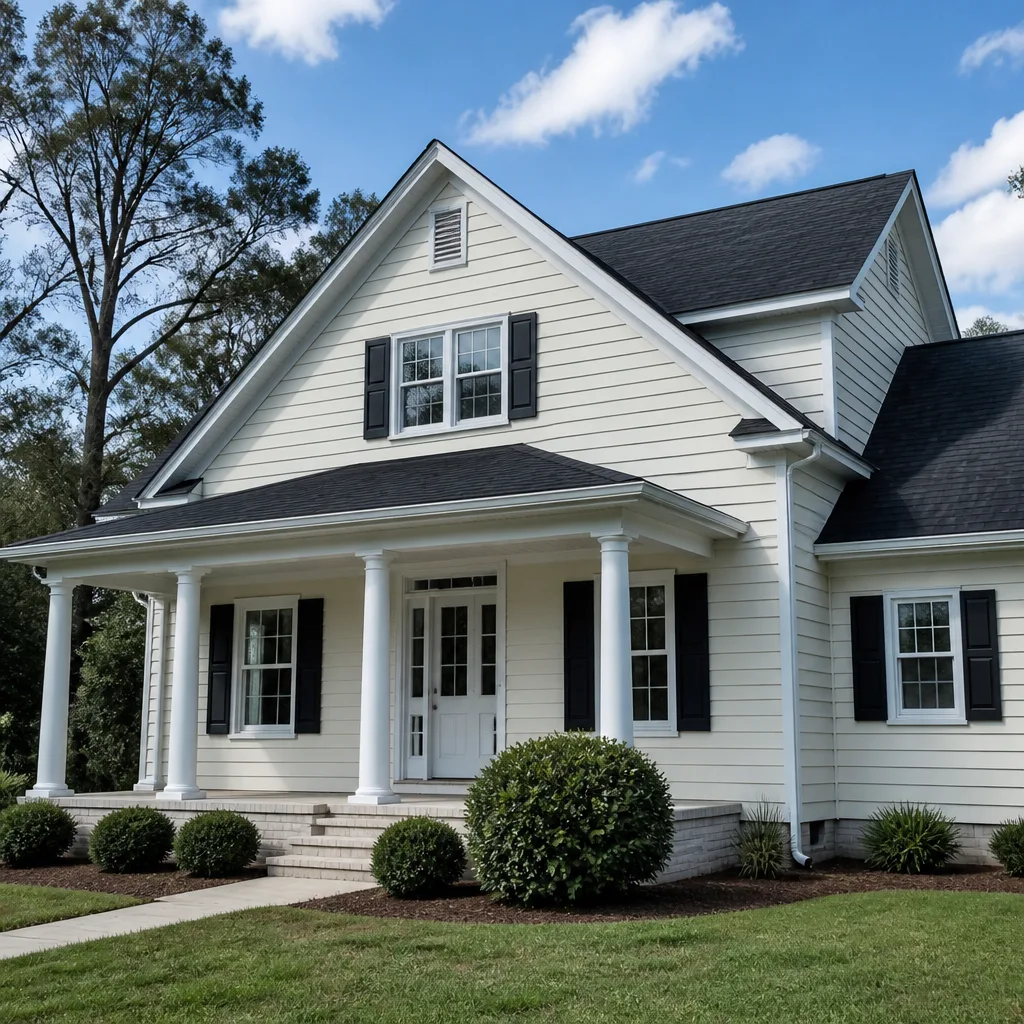
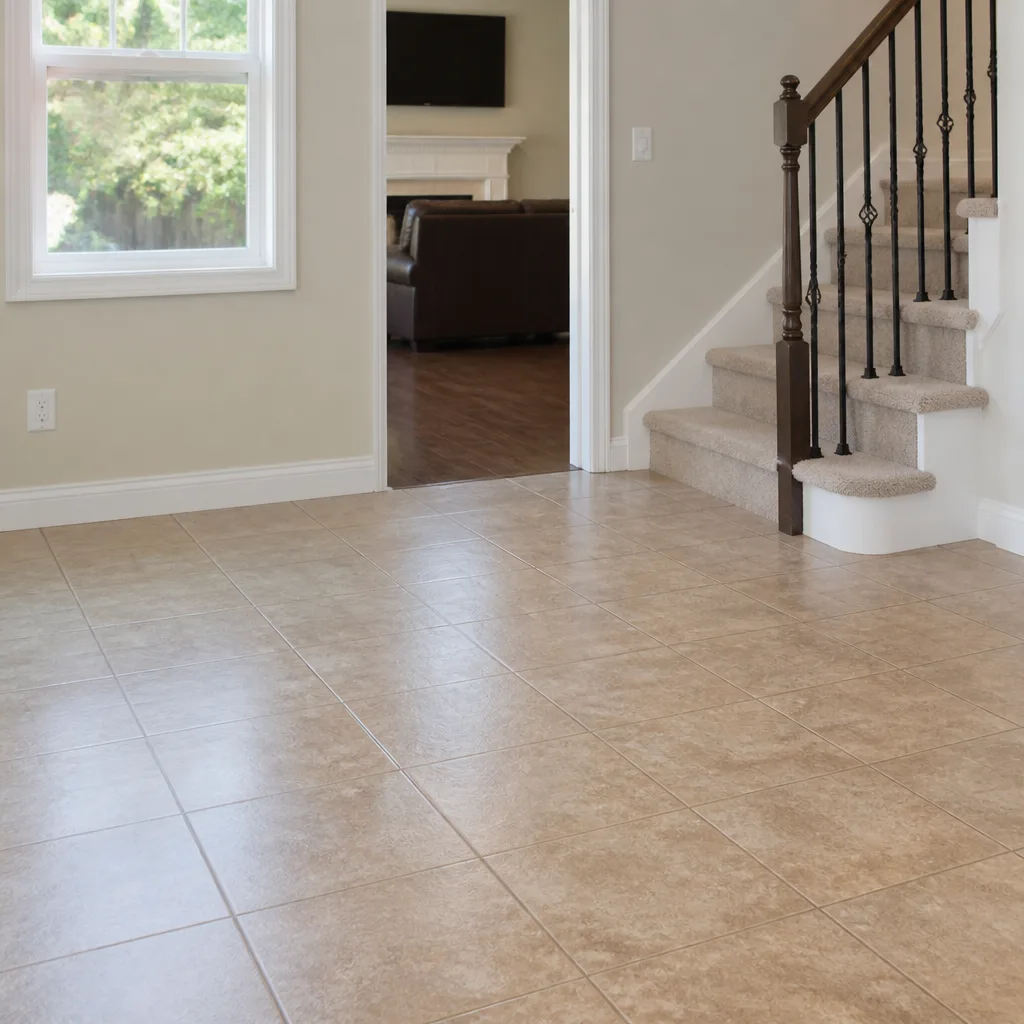
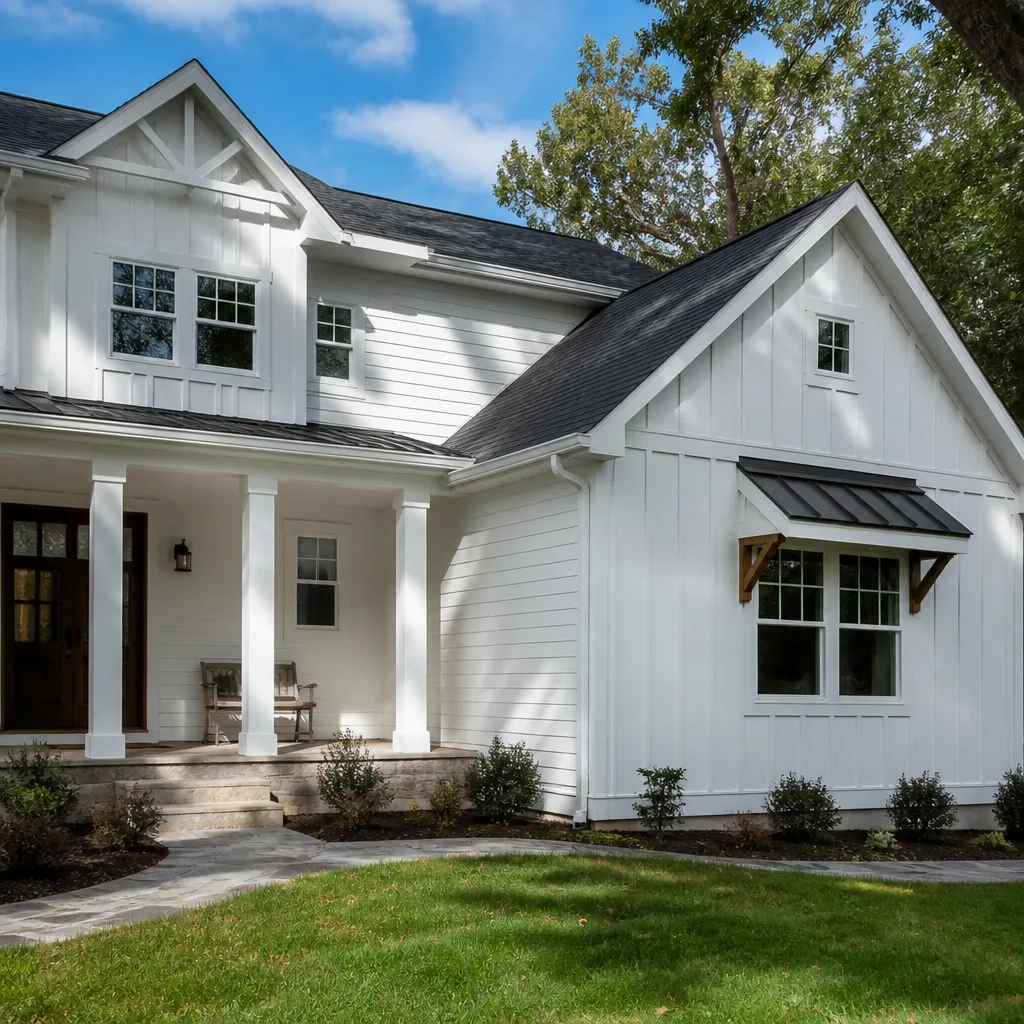
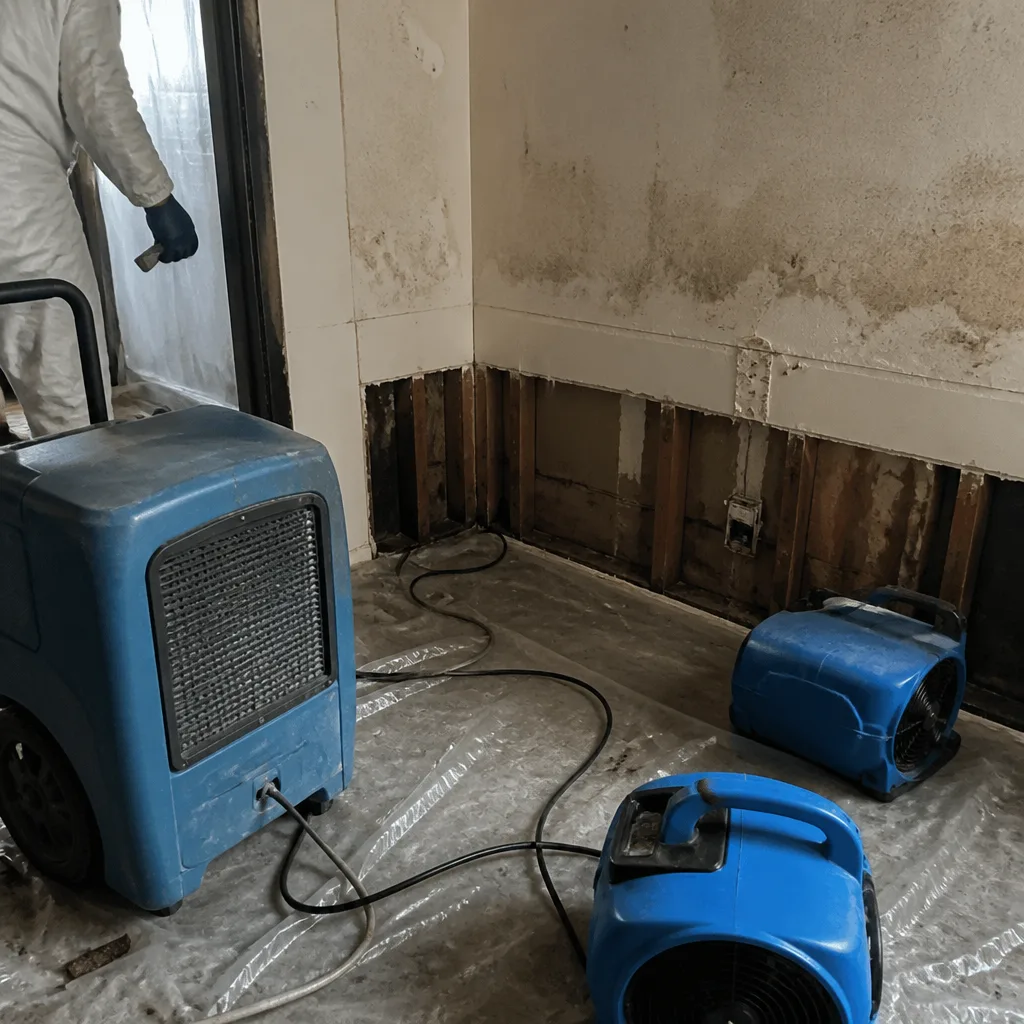 Before
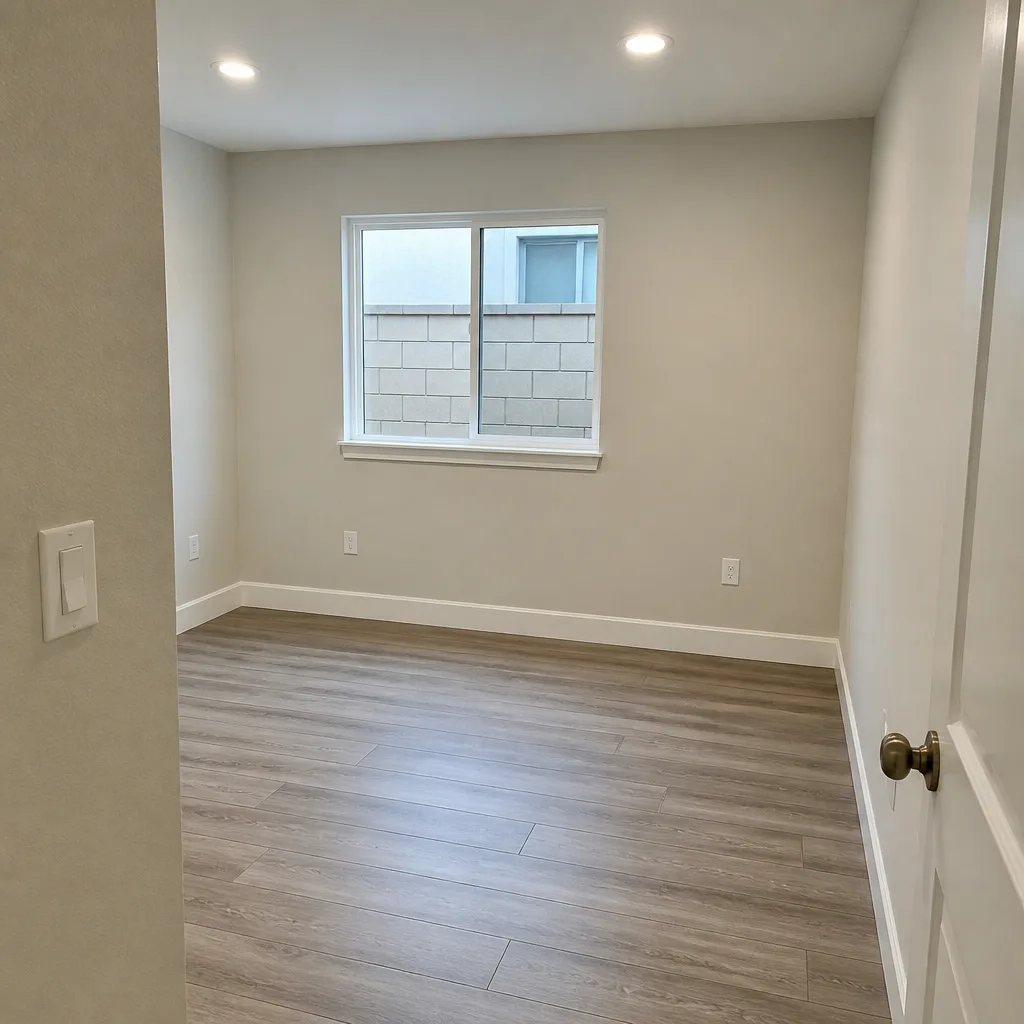 After
After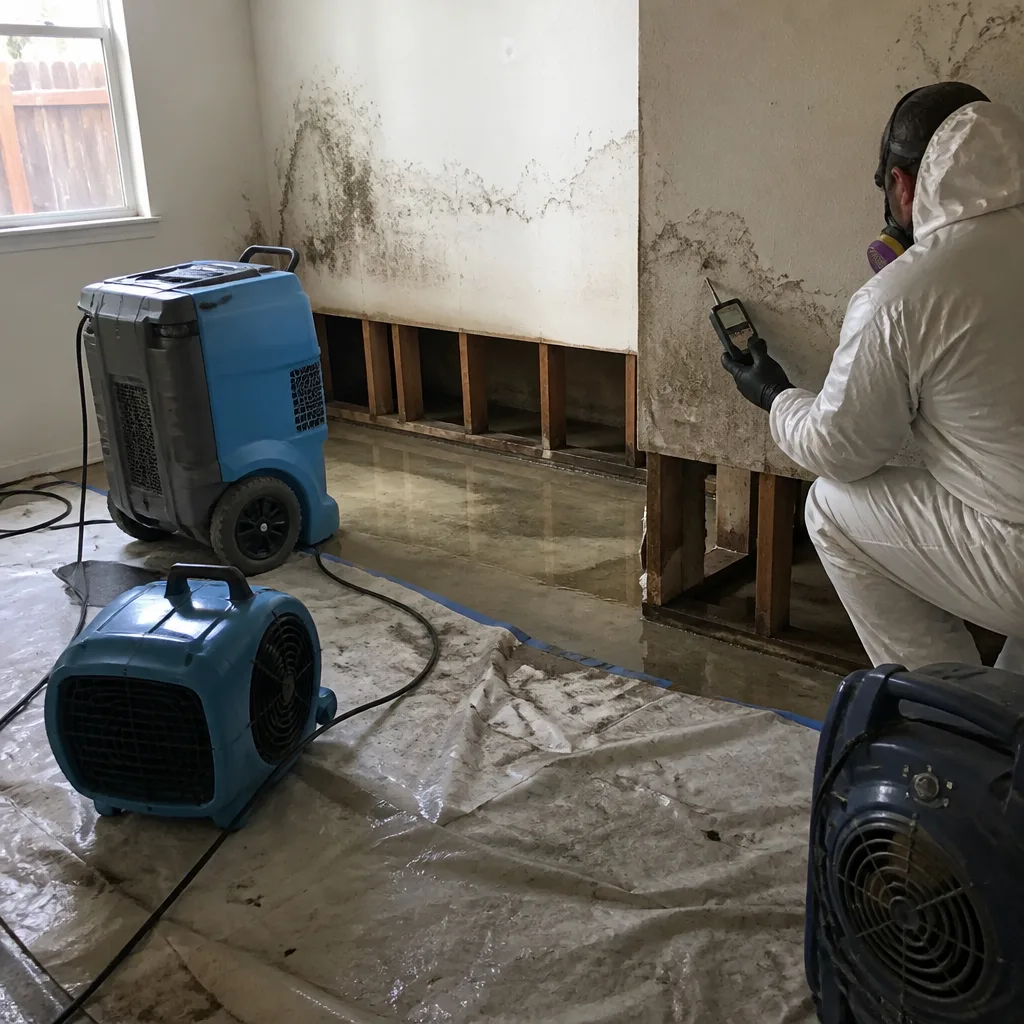 Before
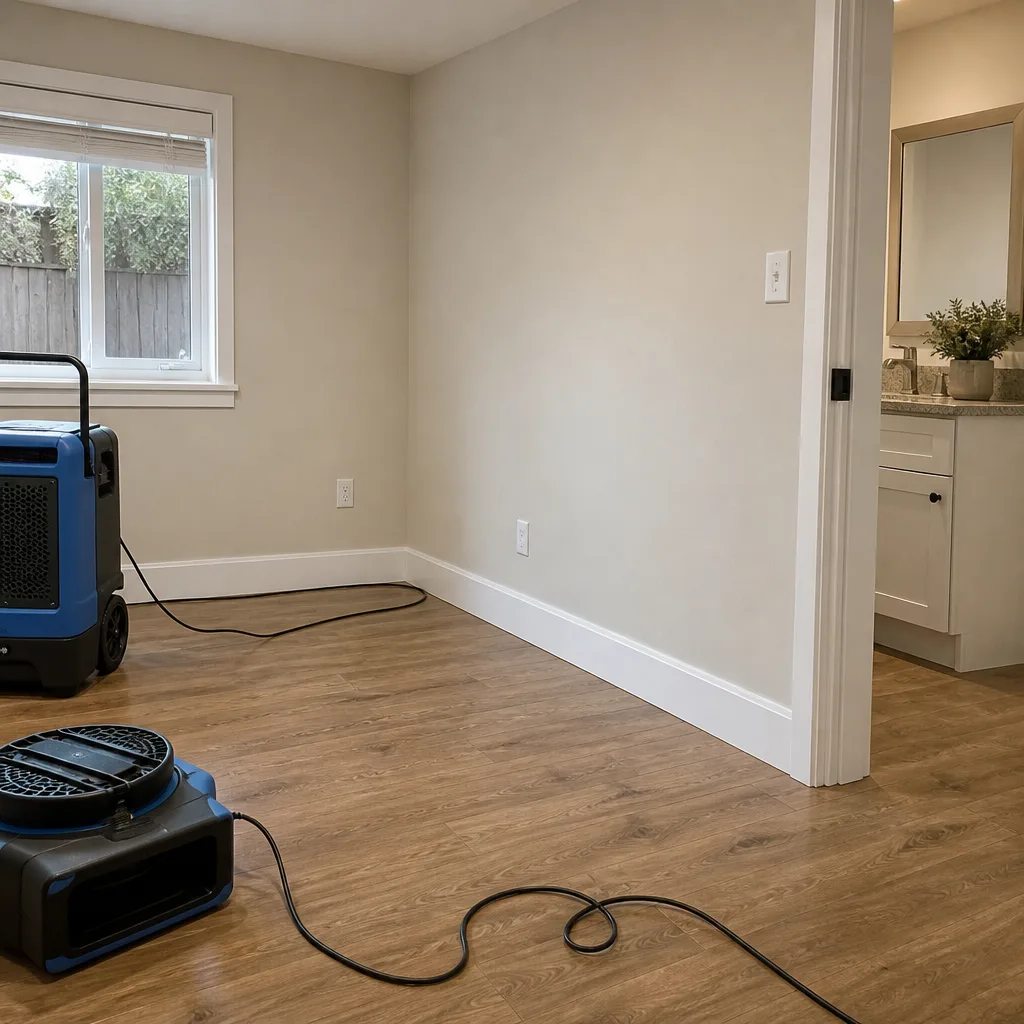 After
After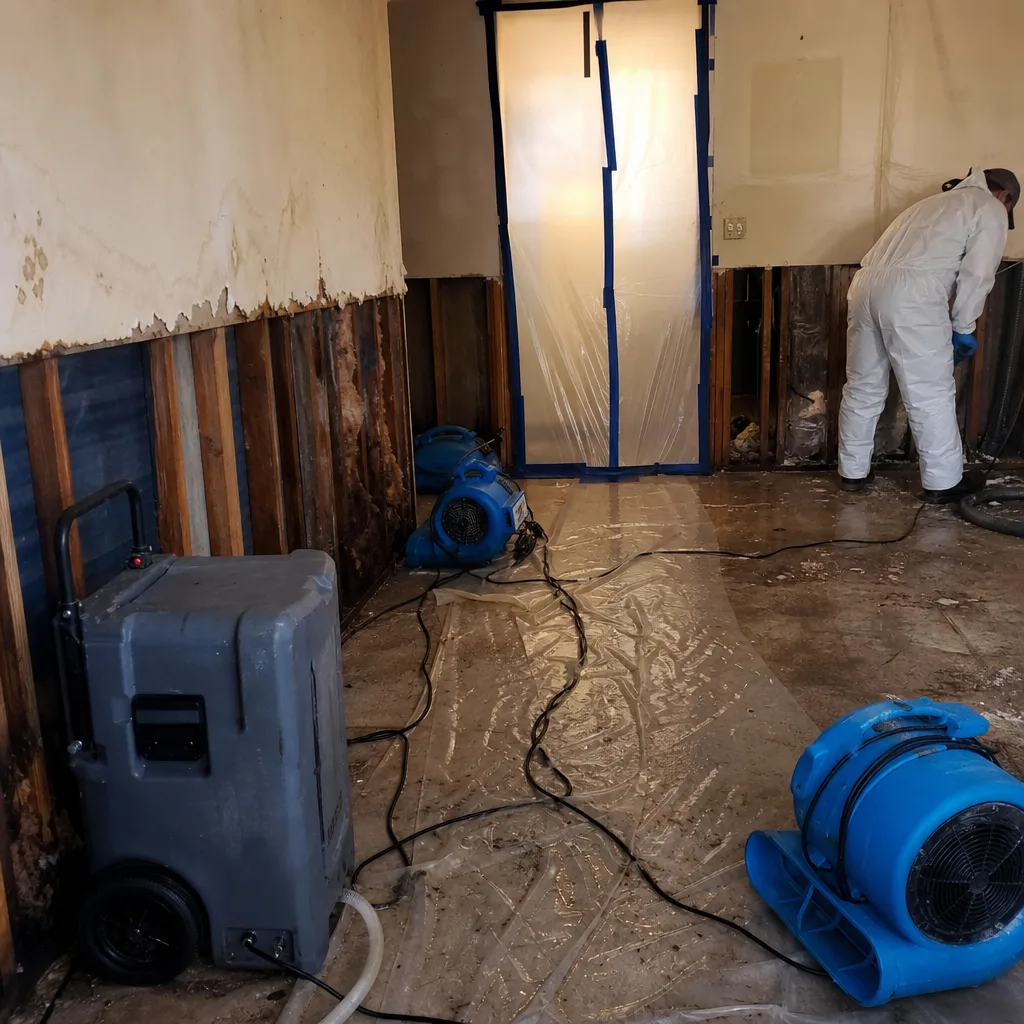 Before
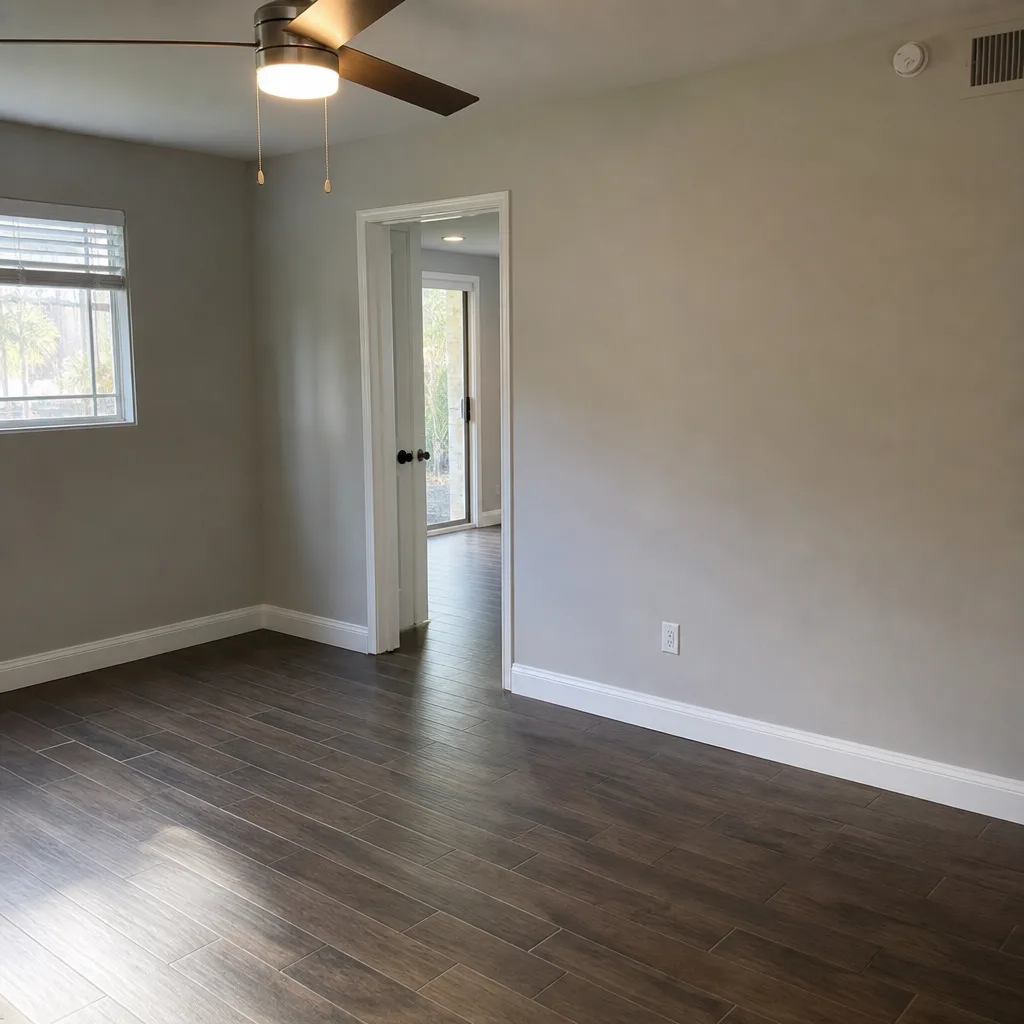 After
After24/7 Emergency Mold Remediation in Valley Center
Mold remediation in Valley Center typically costs $2,800-$7,500 for contained residential jobs, with crawl space treatments starting around $1,800 and whole-structure projects on multi-acre estates running higher. Most Valley Center properties need same-day containment to stop spore spread, especially in the walk-out crawl spaces common to ranch homes on downslope parcels. Call (760) 546-9565 and a live person answers, 24 hours a day, 7 days a week - no voicemail trees, no next-business-day callbacks while mold is still growing. We dispatch crews from our San Diego office to Valley Center with containment equipment, HEPA air scrubbers, and moisture mapping tools already loaded. The first hour matters because mold colonies in Valley Center’s inland foothills climate, with summer monsoon humidity and Santa Ana wind-driven dust, establish on wet framing within 24-48 hours. Our free visual inspection includes documented moisture readings and a written scope before any work begins, Haven Standard, Clause 1.
Understanding Mold Remediation Severity in Valley Center Properties
We classify mold contamination by affected square footage, material porosity, and whether the water source was clean, gray, or black - what the trade calls Category 1, 2, or 3 water. In Valley Center, Category 3 contamination is common because so many homes run on private septic systems; a leach-field failure introduces sewage-borne pathogens that change every remediation protocol. We map moisture with thermal imaging and pinless meters, then set psychrometric targets - specific humidity, vapor pressure differential, and grains per pound - that our dehumidifiers and air movers must hit before we call drying complete.
Valley Center’s housing stock drives our approach. Custom ranch homes from the 1970s-2000s on multi-acre parcels often have raised floor systems over crawl spaces with foundation vents that become entry points for floodwater and spores. Manufactured homes, common in the unincorporated areas, use particleboard subflooring and vinyl-over-gypsum wall panels that delaminate when saturated - they dry differently than stick-frame construction and require adjusted airflow rates. Spanish-style homes with stucco exteriors and tile roofs can hide attic mold for months because the thermal mass buffers interior temperature swings. We adjust our containment and negative air pressure setups for each.
Why Valley Center Property Owners Choose DryMark Restoration Oceanside
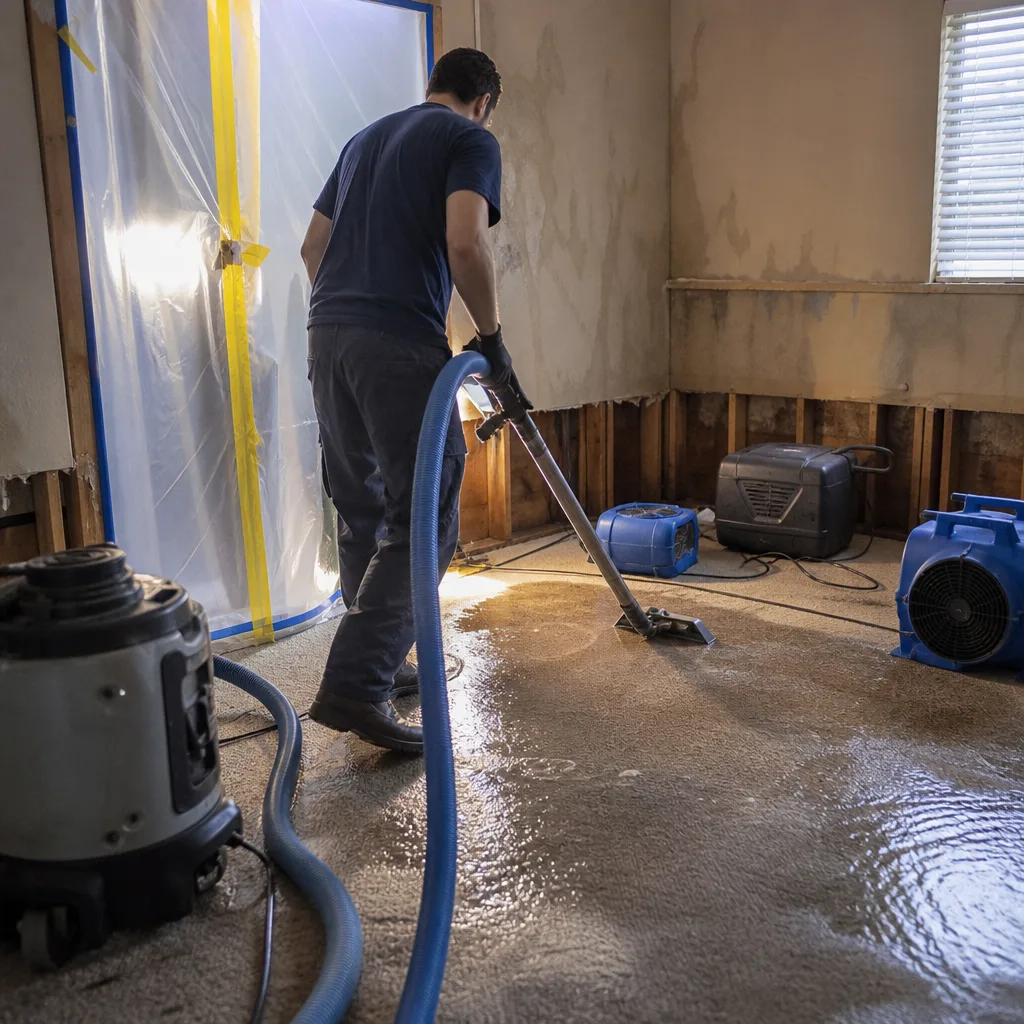
- 45-minute response commitment to Valley Center from dispatch, with crews carrying containment, HEPA filtration, and moisture mapping equipment on every truck.
- 24/7 live answer - a real person, never an automated system - because mold doesn’t wait for business hours and neither do we.
- IICRC-certified crews holding WRT (Water Damage Restoration Technician), AMRT (Applied Microbial Remediation Technician), and FSRT (Fire & Smoke Restoration Technician) credentials where cross-contamination from fire damage is present.
- Free visual inspection with documented moisture readings, thermal imaging, and a written scope delivered before any work begins.
- Direct insurance billing with photo-documented estimates, daily drying logs, and adjuster coordination - the documentation that turns restoration invoices into payable claims.
- One team from containment to reconstruction, so no handoff gaps where moisture gets missed and mold returns.
BeforeAfterOur Mold Remediation Process
1. Inspection & Assessment
We arrive with thermal imaging cameras, pin and pinless moisture meters, and borescopes for wall cavity inspection. In Valley Center, we specifically check crawl space vents, rim joist bays, and manufactured-home belly wraps for hidden saturation. Every reading is logged with photos, time-stamped, and included in your file.
2. Containment & Air Filtration
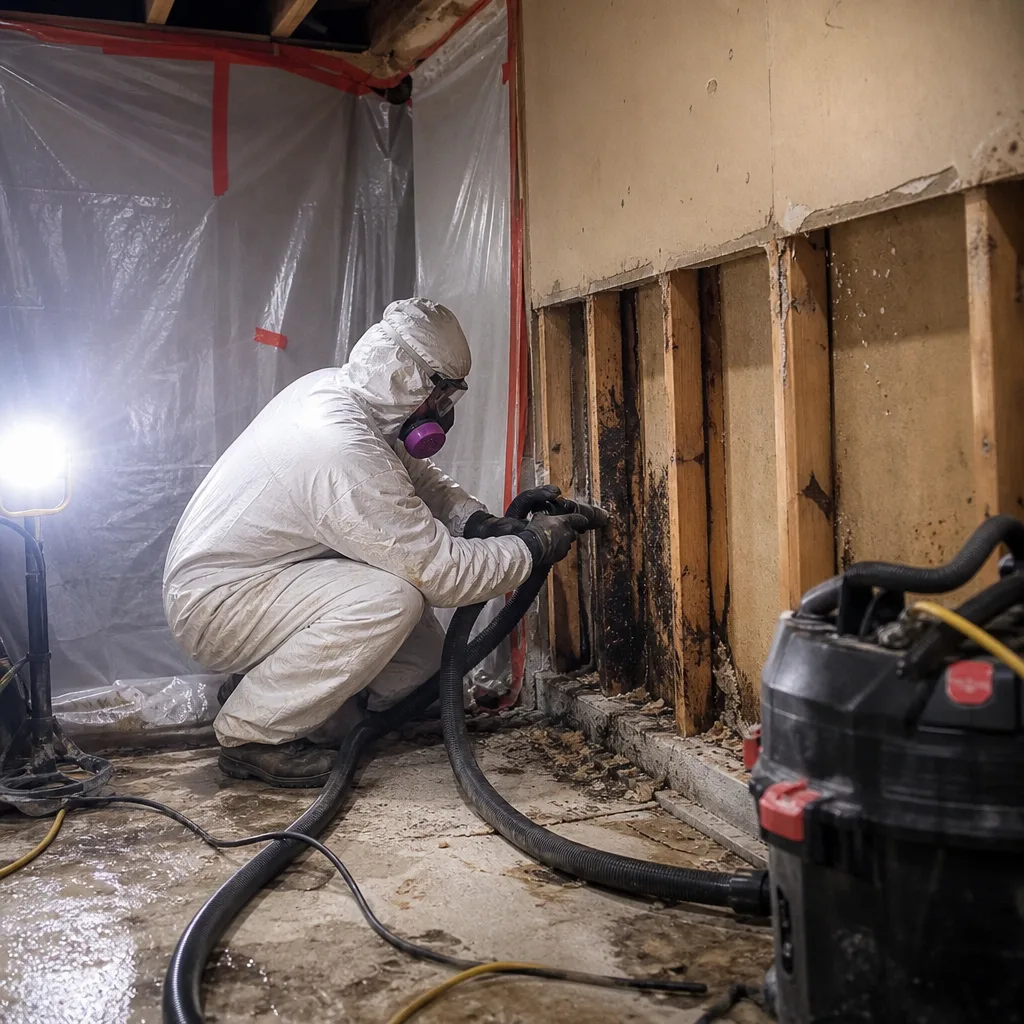
We establish polyethylene containment barriers and negative air pressure using HEPA-filtered air scrubbers - typically Phoenix or Dri-Eaz units rated at 99.97% efficiency at 0.3 microns. This prevents spore migration to unaffected areas during removal, critical in Valley Center’s open-plan ranch homes with central HVAC systems.
3. Structural Drying & Dehumidification
We deploy LGR dehumidifiers, axial and centrifugal air movers, and Injectidry systems for cavity drying. On Valley Center’s multi-acre estates, we scope detached workshops, barns, and outbuildings - moisture sources often sit 80 yards from the main house and get missed by crews thinking tract-home scale.
4. Cleaning & Antimicrobial Treatment
HEPA vacuuming of all surfaces, followed by EPA-registered antimicrobial application to affected framing, subflooring, and sheathing. For Category 3 water intrusion from septic backup, we coordinate with county environmental health for soil and leach-field assessment before closing remediation.
5. Air Quality Restoration & Clearance Testing
Post-remediation, we run air sampling with spore traps and, when required, third-party laboratory analysis. Our air scrubbers continue running until indoor spore counts match or fall below outdoor baseline levels for the Valley Center foothills environment - not some generic national standard.
6. Repairs & Moisture Control
We replace removed drywall, insulation, and subflooring, then install vapor barriers, dehumidification systems, or sealed crawl space encapsulation as needed. Every repair is documented with before-and-after photos and covered by our 365-Day Done Right Promise under The Haven Standard.
Need Emergency Mold Remediation in Valley Center Now?
Crews minutes away, answering live 24 hours a day. The sooner we start, the less it costs.
Working With Your Insurance Company
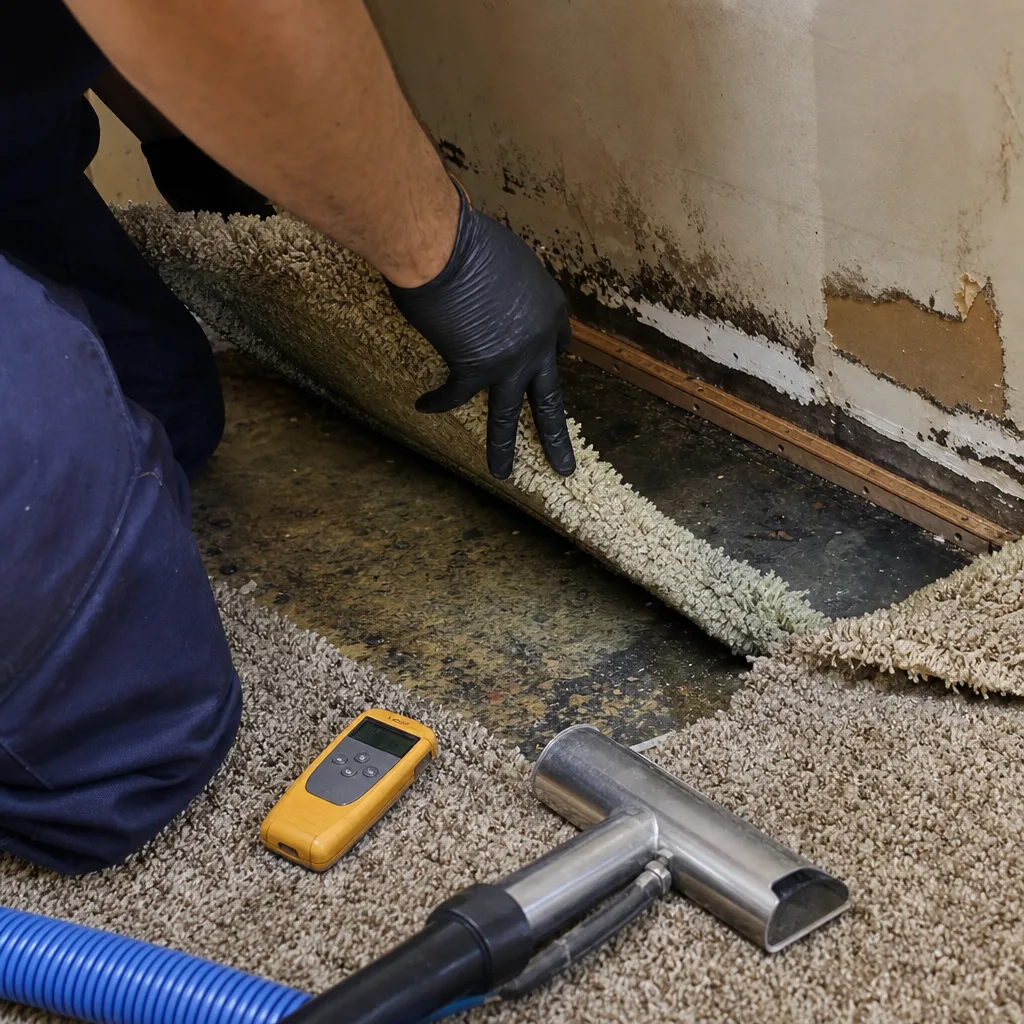
We document from the first hour because we know what adjusters need to approve a claim: a clear chain of evidence showing the loss was sudden, the response was immediate, and the scope was necessary. Our estimates follow industry-standard Xactimate pricing, line-itemed by room and trade. We communicate directly with your carrier, not through you as a relay, and we provide the photo record, moisture logs, and written scope that turn a restoration invoice into a payable claim.
Our founder built this company in 2011 after seeing how sloppy documentation cost homeowners their claims. Every Valley Center job carries that same standard: a written price before work begins, a photo record on every visit, and daily drying logs that show exactly what we found and what we did.
What We Provide Your Insurer
- Thorough documentation of the loss
- Photos of all damage, room by room
- Moisture readings and drying logs
- A detailed, line-item scope of work
- Direct coordination with your carrier
Built for Valley Center’s Loss Calendar
Valley Center’s mold season runs counter to coastal San Diego. January through March brings the heaviest rains, and when those storms hit the drought-compacted soils of the San Luis Rey River drainage, downslope properties see crawl space flooding from the soil side - not roof leaks, but hydrostatic pressure pushing water through foundation vents and slab edges. April through June, Santa Ana winds desiccate surface moisture but leave trapped humidity in wall cavities where mold establishes quietly. July through September, monsoon cells drop intense, localized rainfall; we’ve seen two inches in an hour on Cole Grade Road properties, with flash flooding that overwhelms crawl space drainage and triggers leach-field failures on septic systems. October through December, wildfire recovery overlaps with mold risk as properties with smoke and water damage from suppression efforts sit with compromised building envelopes. Each season demands different equipment configurations and documentation priorities.
Mold Remediation Across Valley Center’s Neighborhoods
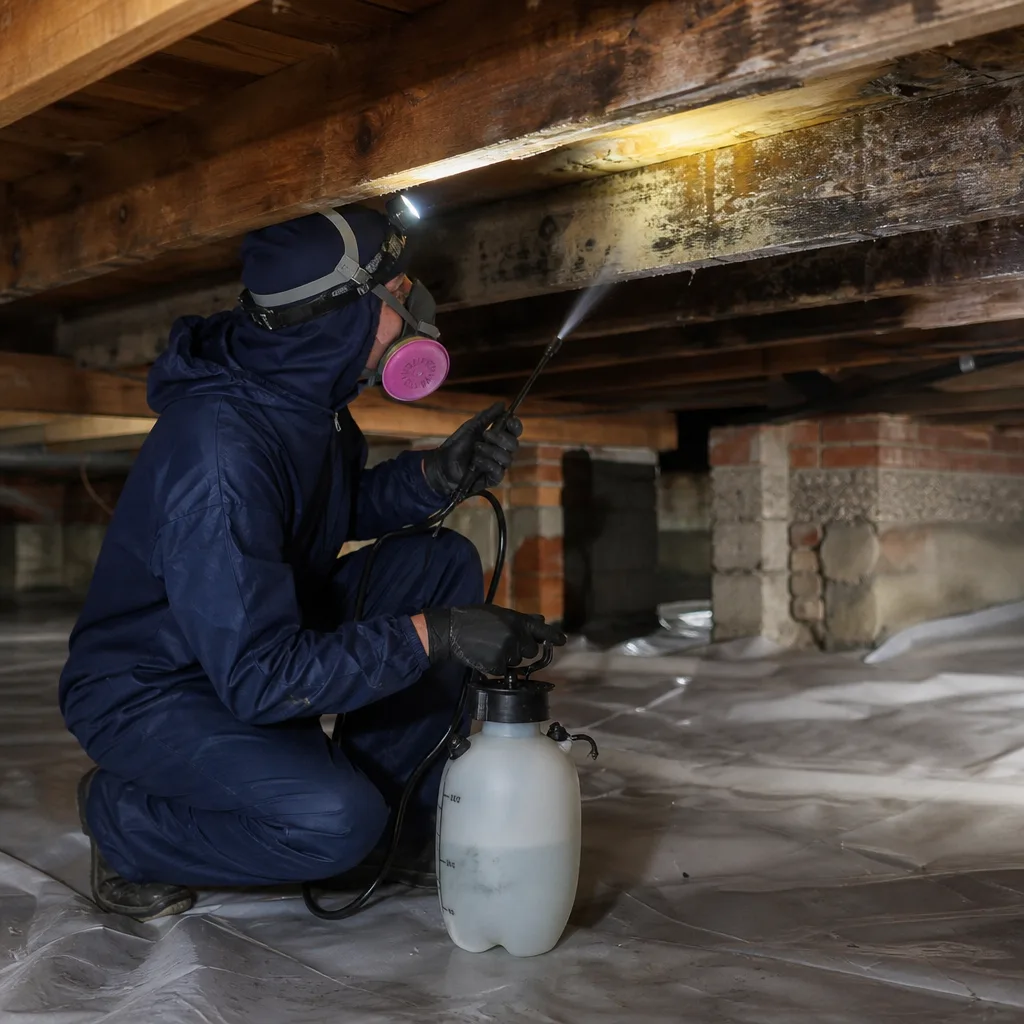
Valley Center’s geography shapes where and how mold grows, and we adjust accordingly.
Properties along Cole Grade Road and the adjacent downslope parcels toward the San Luis Rey River face the highest crawl space flood risk. The hard, compacted soils here don’t absorb monsoon rainfall; water sheets downhill and pools against foundations. We regularly set up containment on these walk-out crawl spaces with multiple air scrubbers because the spore load from soil intrusion is high, and we coordinate septic pumping contractors before antimicrobial treatment can begin.
The Lilac Road corridor and areas near the historic Valley Center grade school see a mix of 1970s-1990s custom ranches and newer estate homes on 5-20 acre parcels. These larger structures have extended HVAC duct runs that can distribute spores if containment isn’t set before disturbance. We map ductwork with borescopes and seal registers before removal begins.
Manufactured home communities in the unincorporated areas off Valley Center Road and Meadow Glen Way present distinct challenges. The subfloor systems use particleboard decking that swells and delaminates, and the belly wrap underneath traps moisture. Running standard air mover configurations without adjusting for panel construction causes more damage. We use lower-velocity drying and more frequent moisture mapping on these jobs.
Ranch properties with horse facilities and detached workshops - common off Woods Valley Road and the northern ridge lines - require scoping beyond the main dwelling. We’ve found mold in tack rooms and feed storage buildings from roof leaks that went unreported because the owner assumed the problem was “just the barn.” Our containment extends to any structure sharing HVAC or within spore migration distance.
Specialized Mold Remediation Services We Offer in Valley Center
Mold Inspection & Testing
We start with visual inspection, thermal imaging, and moisture mapping - not guesswork. In Valley Center, we pay particular attention to foundation vent heights relative to grade, because so many crawl spaces flood from soil-side intrusion rather than plumbing failures. Air and surface sampling goes to third-party labs when clearance documentation is required for real estate transactions or insurance disputes.
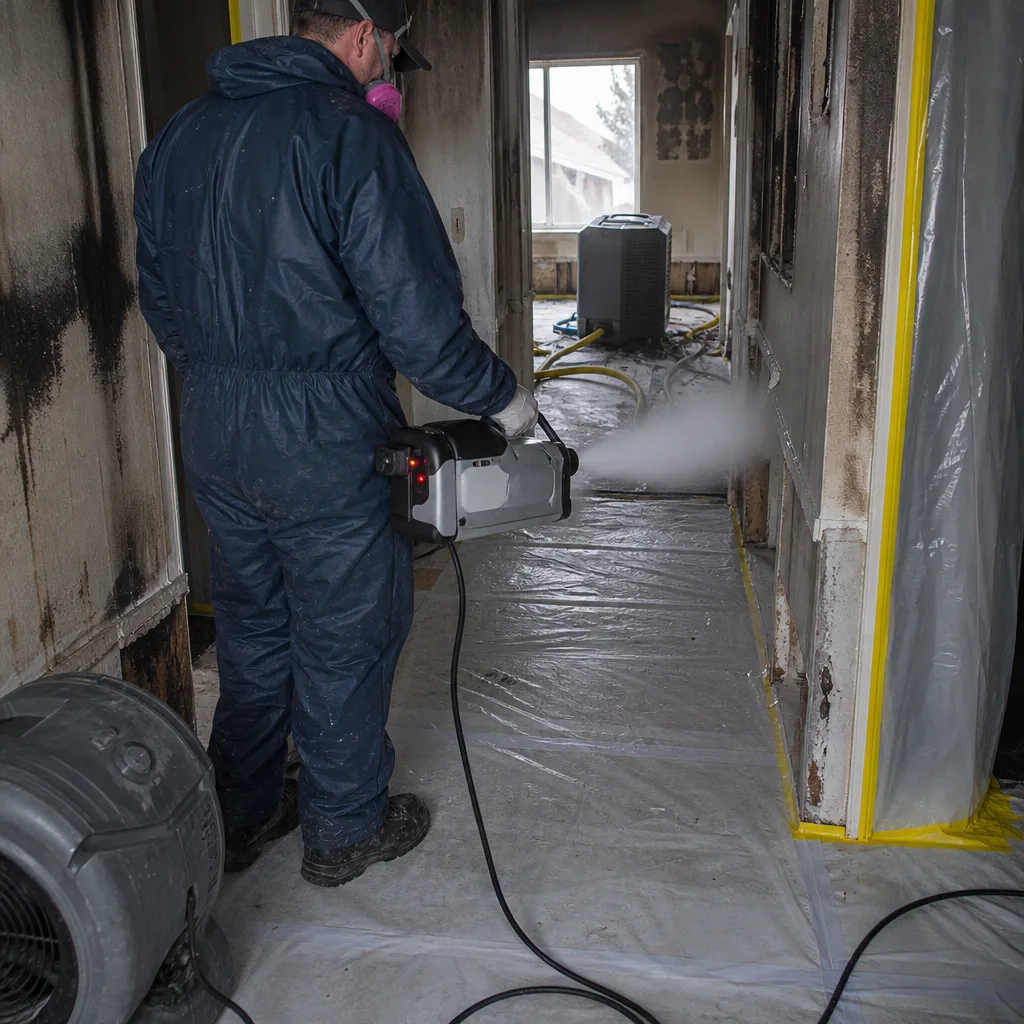
Mold Removal
Removal follows IICRC S520 standards for professional mold remediation: containment, negative air pressure, HEPA filtration, and controlled demolition of non-salvageable materials. On Valley Center’s larger rural parcels, we size crews and equipment for the full scope - main house plus outbuildings - not just the obvious damage.
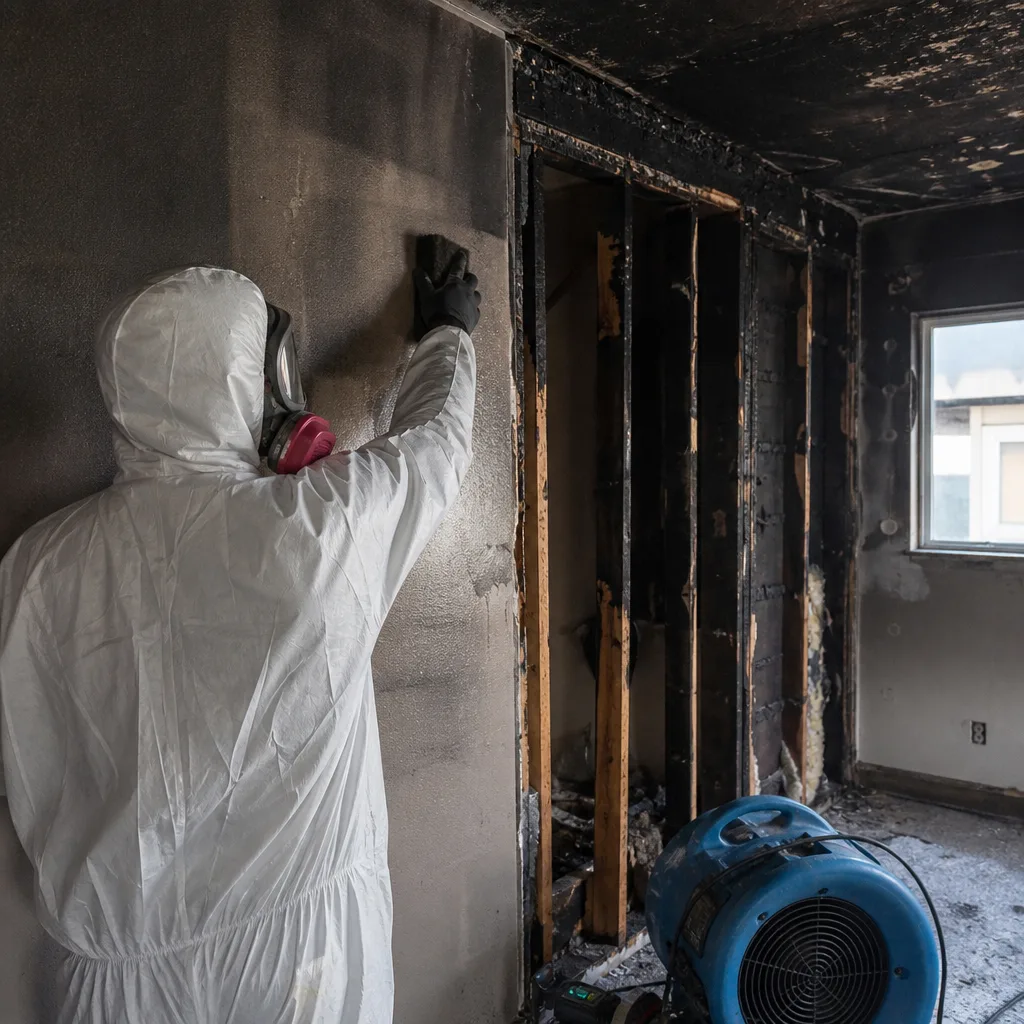
Black Mold Remediation
Stachybotrys chartarum and other toxigenic species require enhanced containment with double-layer polyethylene and full-face respirator protocols. We encounter these more often in Valley Center’s chronically damp crawl spaces than in above-grade living areas, and we coordinate with county environmental health when Category 3 water from septic backup is the source.
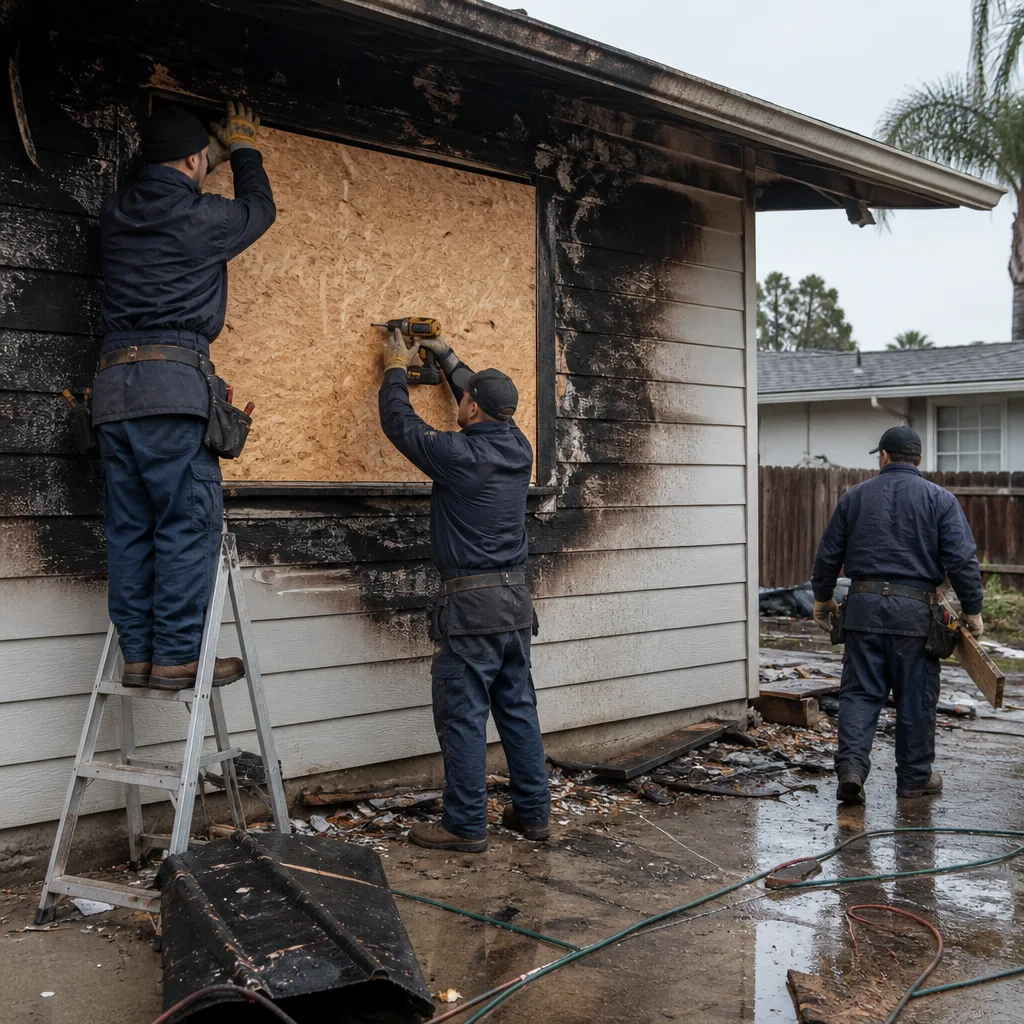
Air Quality Restoration
Post-remediation, we run HEPA air scrubbers until spore counts normalize against outdoor baseline. In Valley Center’s inland foothills, outdoor baselines run higher than coastal San Diego due to dust and agricultural activity - we account for this in our clearance criteria rather than applying generic thresholds.
Crawl Space Treatment
Valley Center’s most common mold location. We install vapor barriers, seal vents where appropriate, and deploy permanent dehumidification systems. For properties in the San Luis Rey drainage with recurring soil-side flooding, we recommend grading and drainage improvements alongside our treatment - documented in your written scope.
Moisture & Humidity Control
We leave Valley Center properties with measurable protection: dehumidifiers sized by cubic footage, hygrometer monitoring, and documented target ranges. For manufactured homes with belly-wrap moisture traps, we specify encapsulation upgrades that standard stick-frame protocols miss.
What happens when you call
- 1
A real person answersNo phone trees - you reach a local pro.
- 2
You get an upfront price rangeHonest numbers before anyone is dispatched.
- 3
A background-checked tech heads outLicensed & insured, dispatched right away.
- 4
You approve before work beginsNothing starts until you say go.
Mold Remediation Costs in Valley Center, CA
Here’s what we see in the Valley Center market, based on scopes we’ve written since 2011:
| Service | Typical Range in Valley Center |
|---|---|
| Crawl space mold treatment (contained, under 1,000 sq ft) | $1,800 - $3,200 |
| Single-room mold removal with containment | $2,800 - $4,500 |
| Whole-house remediation, stick-frame ranch (2,000-3,500 sq ft) | $4,500 - $7,500 |
| Manufactured home with subfloor delamination | $3,200 - $5,800 |
| Multi-acre estate with outbuildings scoped | $6,500 - $12,000+ |
| Air quality testing and clearance documentation | $450 - $850 |
What moves the price: square footage affected, whether materials are salvageable, Category 3 contamination from septic backup requiring soil remediation coordination, and whether detached structures need scoping. Insurance typically covers sudden water damage and resulting mold when the source is a covered peril; long-term maintenance issues and pre-existing moisture problems are usually out-of-pocket. We provide a free visual inspection with written scope before any work begins - Haven Standard, Clause 1 - so you know exactly what you’re paying for and what your adjuster will see.
We Also Serve Cities Near Valley Center
Our crews respond throughout northern San Diego County from the same dispatch point that serves Valley Center. We regularly handle mold remediation in Valley Center and the surrounding communities: Escondido, with its denser suburban housing stock and different crawl space profiles; San Marcos, where newer construction presents its own moisture management gaps; Vista, with coastal-influenced humidity patterns; and Fallbrook, sharing Valley Center’s rural acreage properties and avocado-grove drainage challenges. Each city gets the same documentation standard, adjusted for local conditions.
Serving Valley Center, CA - Our Local Coverage Area
We’re based in the Valley Center area and know this community well. Use the map below to see our service coverage - if you’re nearby, we can almost certainly help.
Valley Center Mold Remediation Questions, Answered
Our Valley Center property is on a private well and septic - does that change how you handle mold remediation?
Yes. Private septic systems mean sewage backups are Category 3 water events requiring different pumping contractors and soil remediation protocols than municipal sewer backups, plus county environmental health sign-off before we can close remediation. We coordinate this in your written scope from day one. Call (760) 546-9565 for a free inspection and we’ll assess your specific system.
A monsoon cell flooded our downslope crawl space near the San Luis Rey drainage - how fast does mold become a problem?
Mold colonies establish on wet organic materials within 24-48 hours in Valley Center’s warm inland climate, and the monsoon humidity extends that window of risk. We recommend same-day containment and drying initiation. Our crews carry equipment for immediate deployment - call (760) 546-9565 and we’ll document moisture readings and set targets before any removal begins.
We have a detached workshop and horse barn on the same parcel as the house - do those get scoped in the same job?
They should. Moisture sources on Valley Center’s multi-acre parcels often sit 80 yards from the main house, and spores migrate through HVAC connections, shared crawl spaces, or simply airborne drift. Our scope includes all structures within contamination range, documented with photos and moisture readings for your adjuster. Call (760) 546-9565 and we’ll walk the full parcel during our free inspection.
Our Valley Center home is manufactured - is drying different than for a stick-frame house?
Significantly. Manufactured homes use particleboard subflooring and vinyl-over-gypsum wall panels that delaminate and dry at different rates than stick-frame construction. Running standard air mover configurations without moisture mapping the specific panel construction causes more damage. We adjust airflow velocity and monitor panel moisture content separately from framing. Call (760) 546-9565 for an assessment that accounts for your home’s construction type.
What does a Valley Center mold remediation scope of work actually include for insurance?
A Haven Standard scope includes: room-by-room moisture readings with photos, equipment placement diagrams with psychrometric targets, line-item removal and replacement quantities, antimicrobial treatment specifications, air clearance criteria, and third-party lab results where required. We write it so your adjuster can approve it without back-and-forth. Call (760) 546-9565 and we’ll review what your specific policy covers during the free inspection.
How fast can you actually get to Valley Center?
We commit to 45 minutes from dispatch, with crews carrying containment, HEPA filtration, and moisture mapping equipment already loaded. Valley Center’s rural road network means we confirm your access route - paved drive or ranch road - when you call. Live person answers 24/7 at (760) 546-9565.
Will insurance cover our mold remediation?
Insurance covers mold resulting from sudden, accidental water damage from a covered peril - burst pipes, storm intrusion, fire suppression. Long-term maintenance issues, pre-existing moisture problems, or flood damage without specific coverage typically are not. We document the loss as sudden and accidental from our first visit, and we provide the photo record, drying logs, and written scope that support your claim. Call (760) 546-9565 and we’ll review your situation.
Can we stay in the home during mold remediation?
Depends on contamination extent and location. Contained single-room removal with negative air pressure and HEPA filtration often allows occupancy of unaffected areas. Whole-house or toxigenic species remediation, or any Category 3 sewage contamination, typically requires temporary relocation. We specify this in your written scope before work begins - no surprises once containment is set. Call (760) 546-9565 to discuss your specific layout.
Back to Dry Restoration’s Mold Remediation team serves Valley Center with the documentation-first approach that has restored 12,000+ homes since 2011. Every job gets a written price before work begins, a photo record on every visit, and the 365-Day Done Right Promise under The Haven Standard. Free second opinion on any competitor’s written estimate.
Written by Alicia Brennan, Owner at Back to Dry Restoration, serving Valley Center since 2011.
Mold Remediation in Nearby Areas