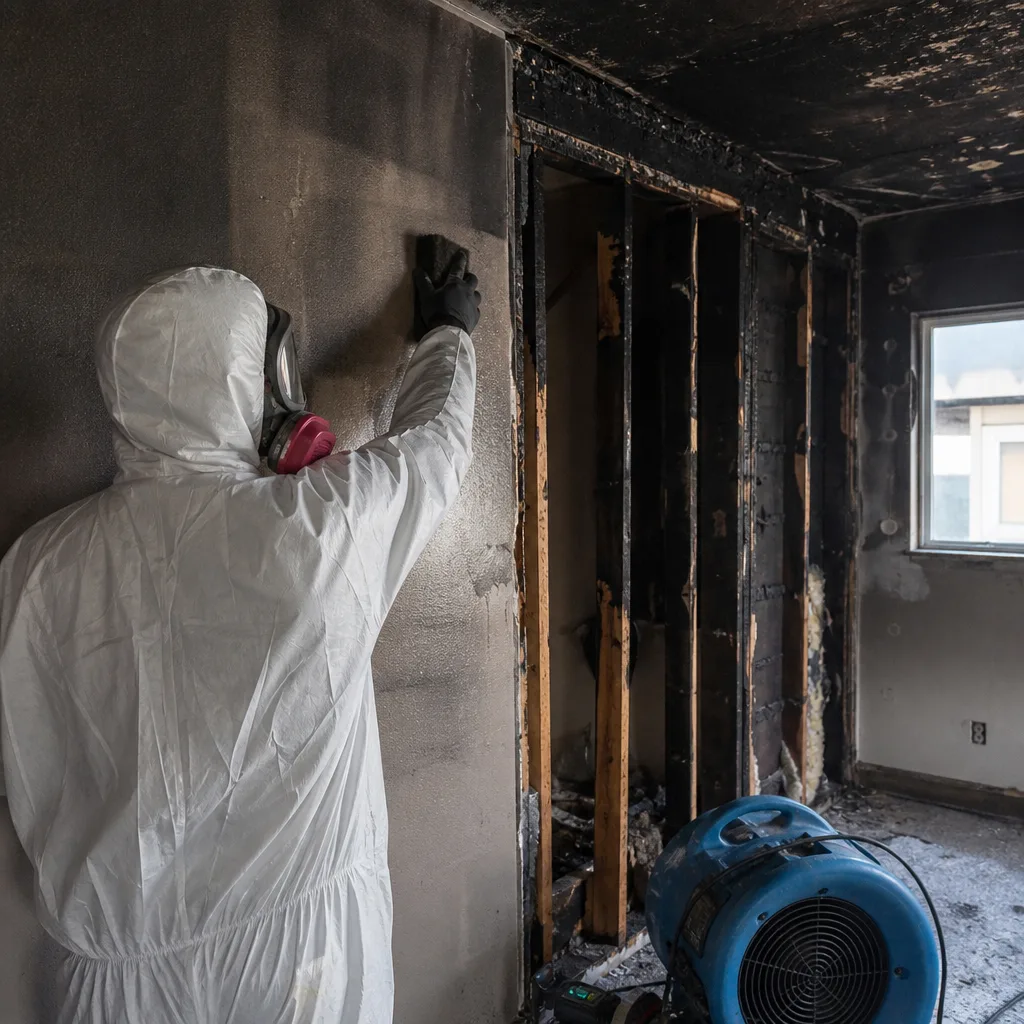
Free visual inspection and a written scope of work before any mitigation begins - photos, moisture readings, and drying logs go in your claim file
The scope we write is the scope we bill. Anything new gets shown to you, in writing, before we touch it.
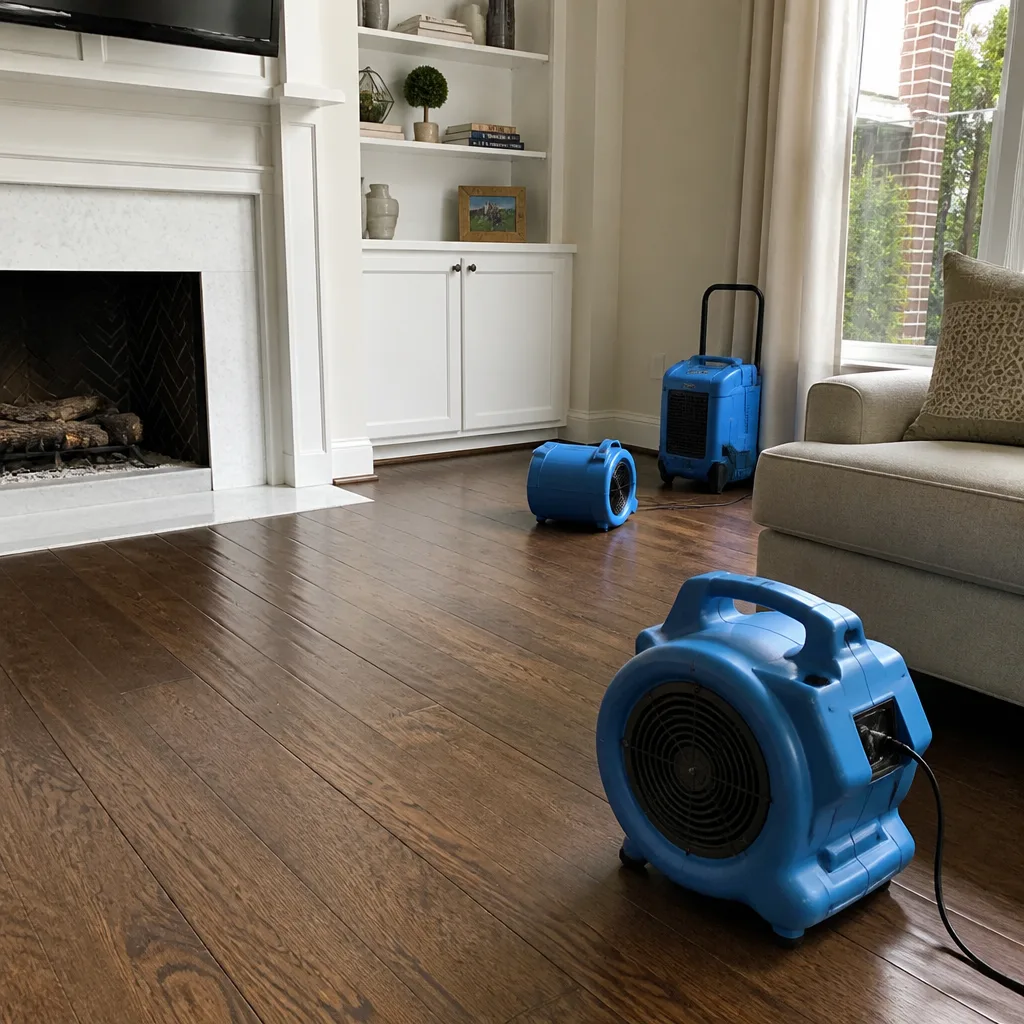
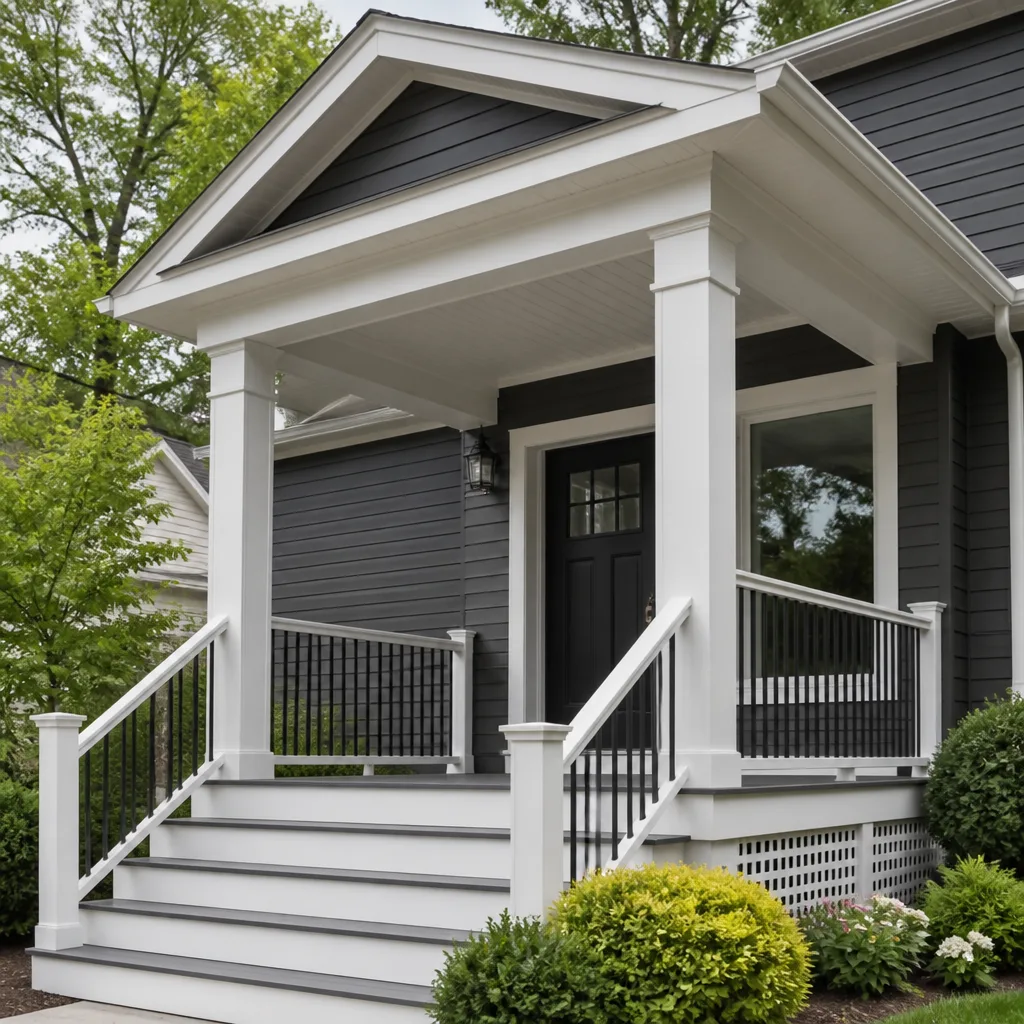
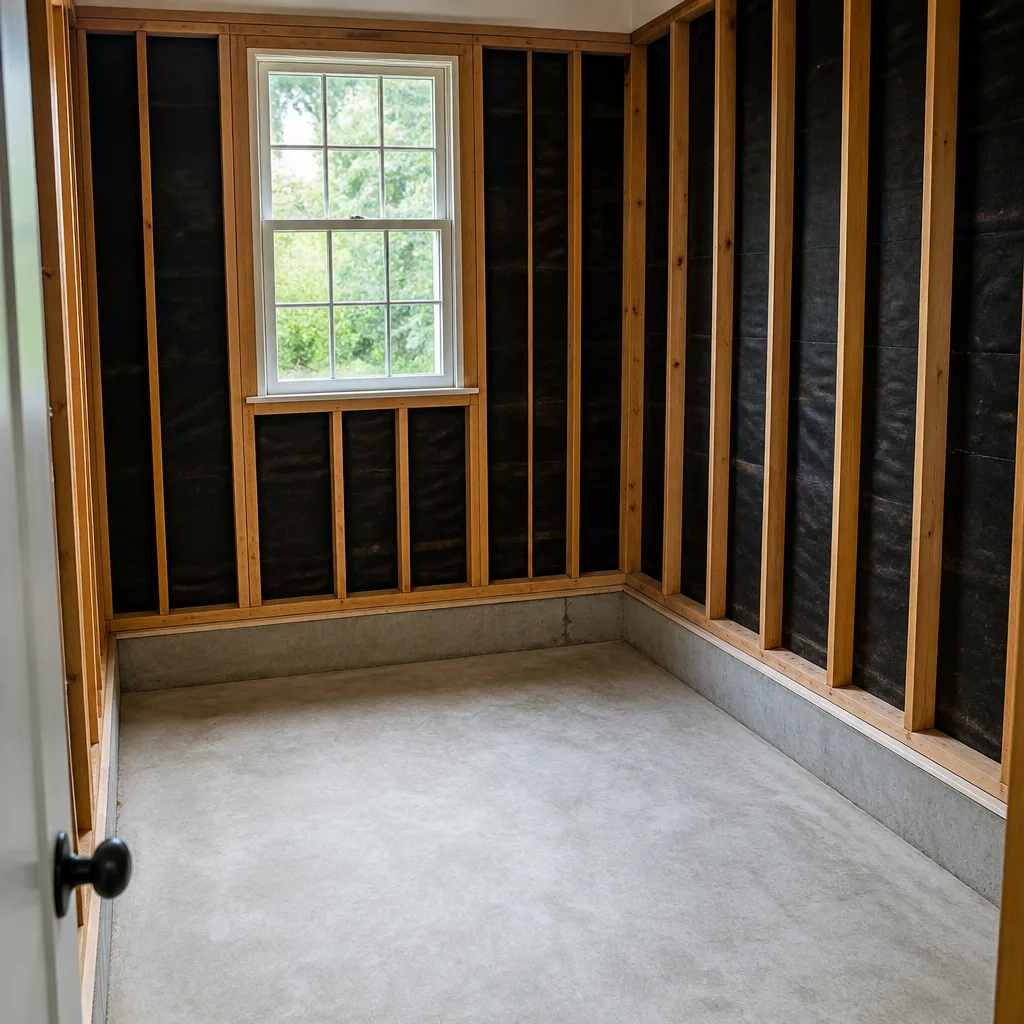
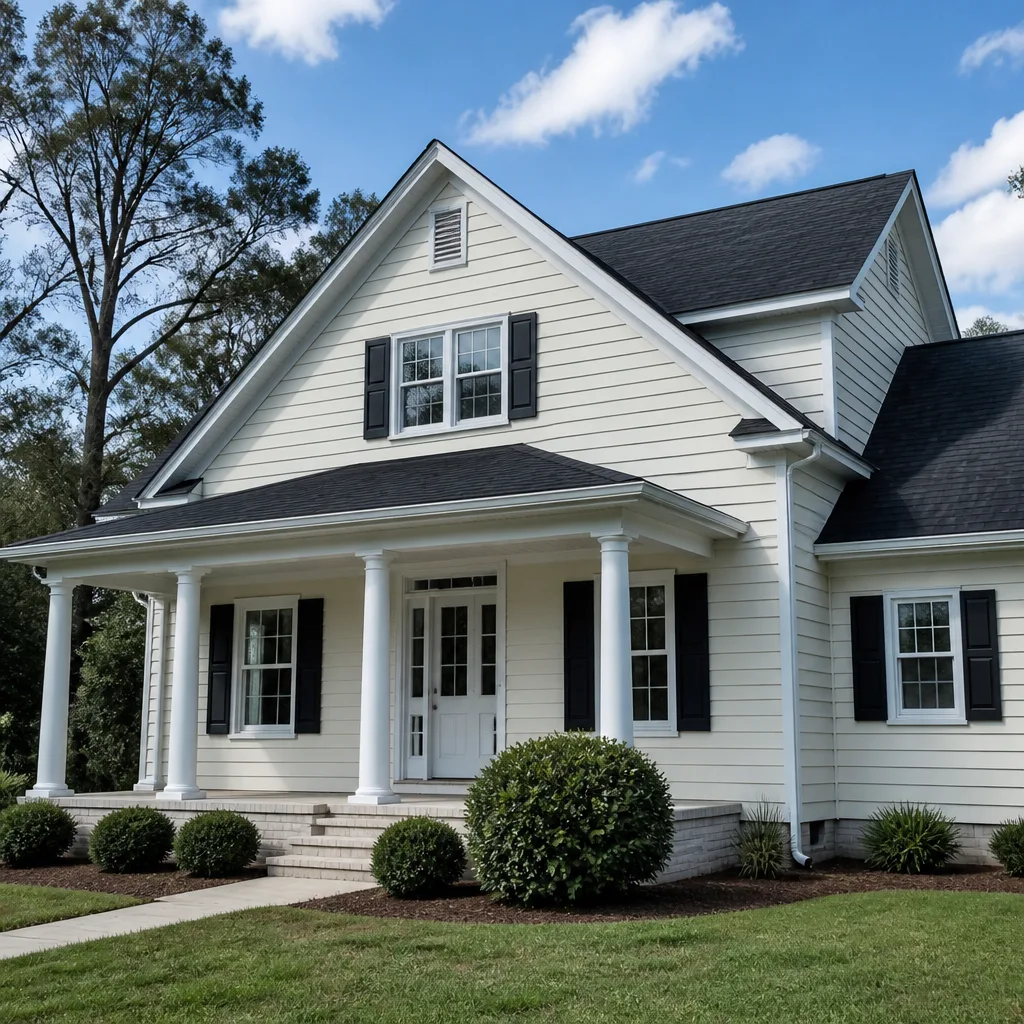
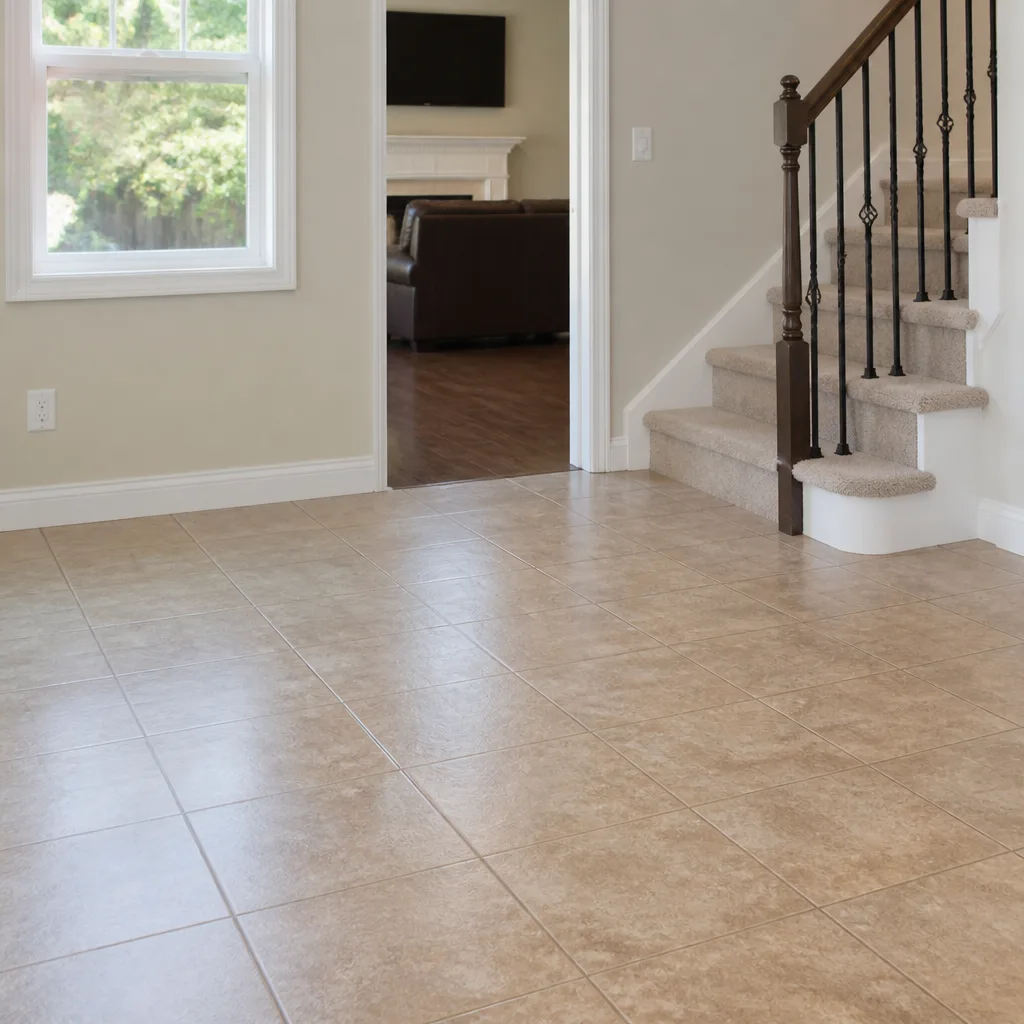
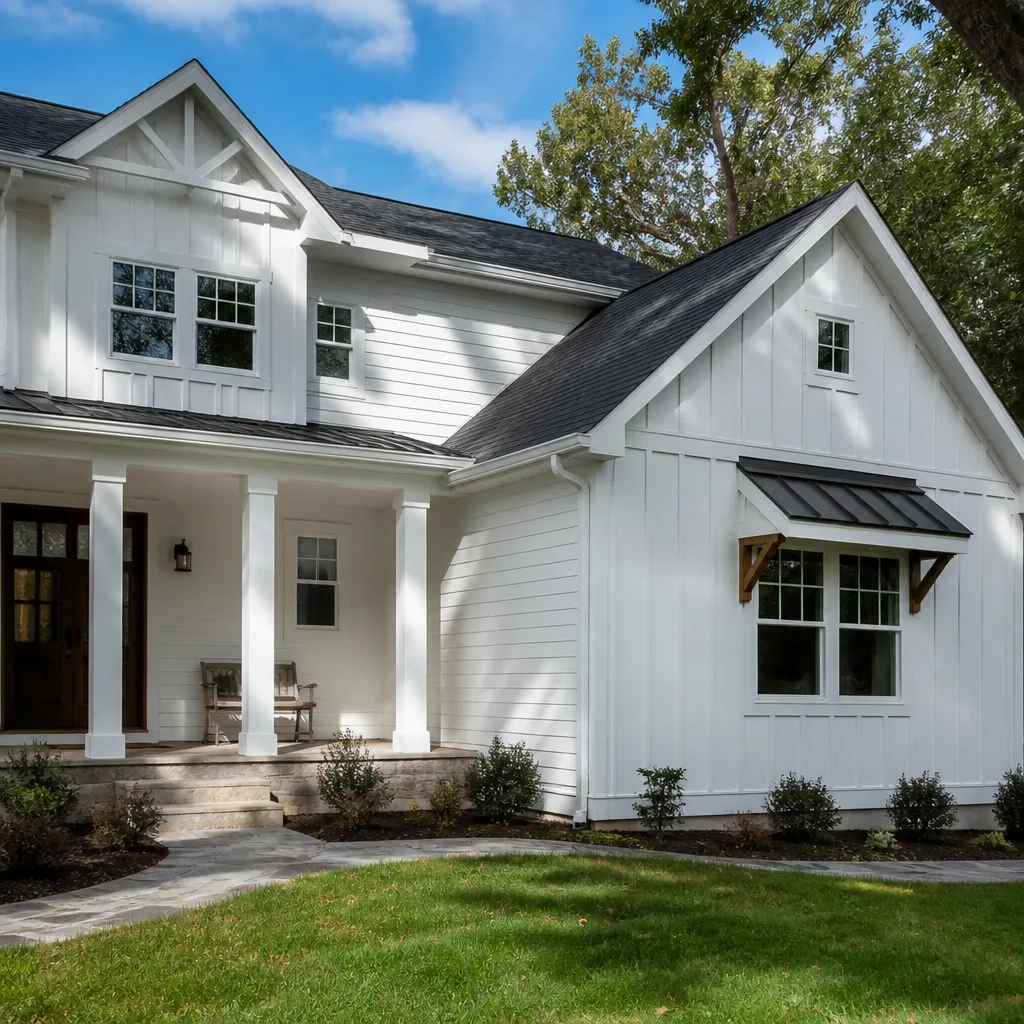
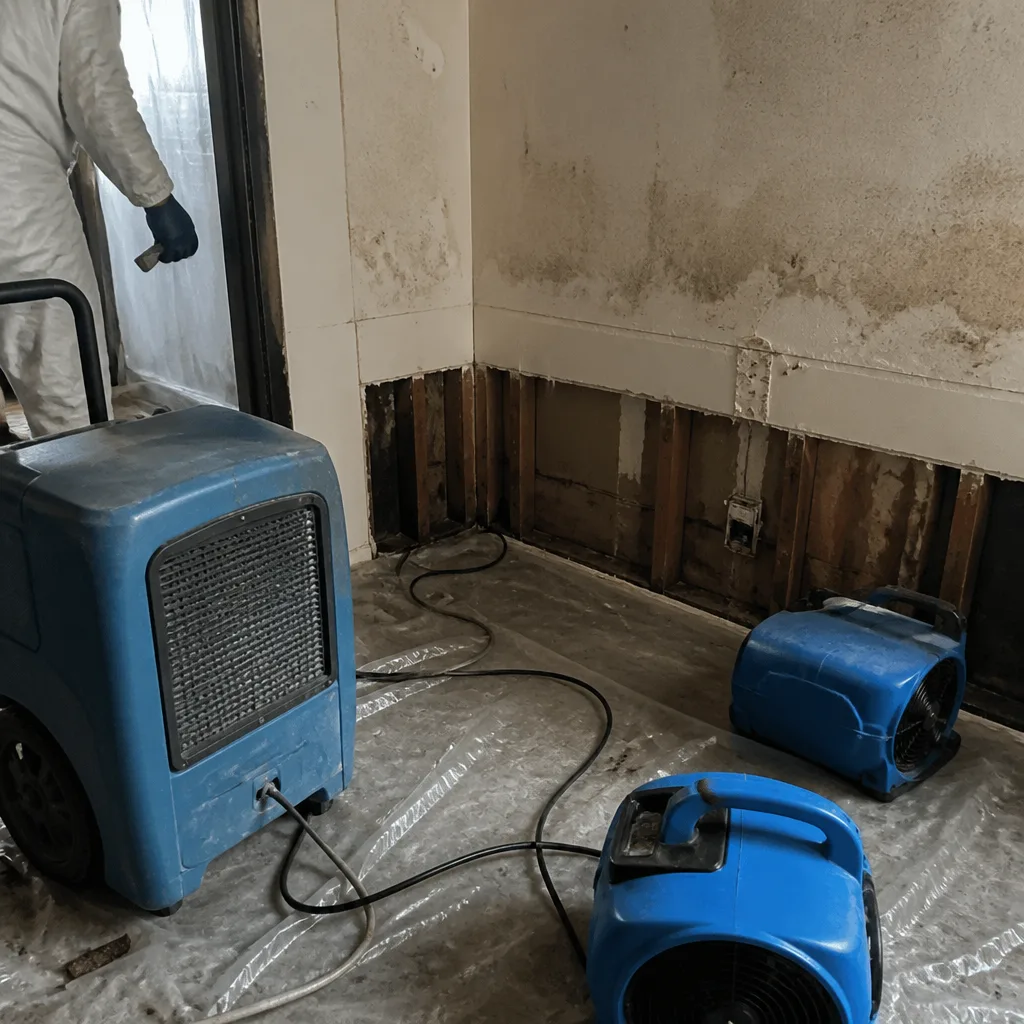 Before
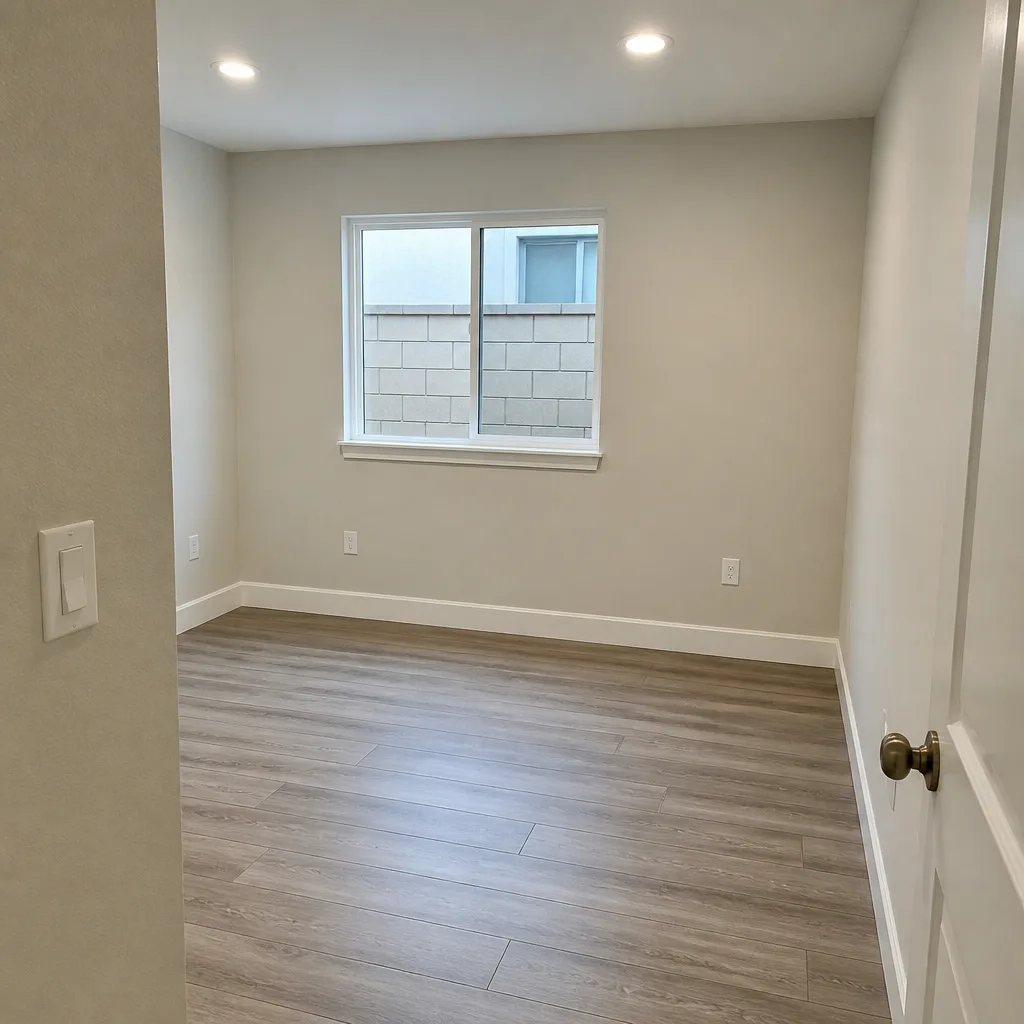 After
After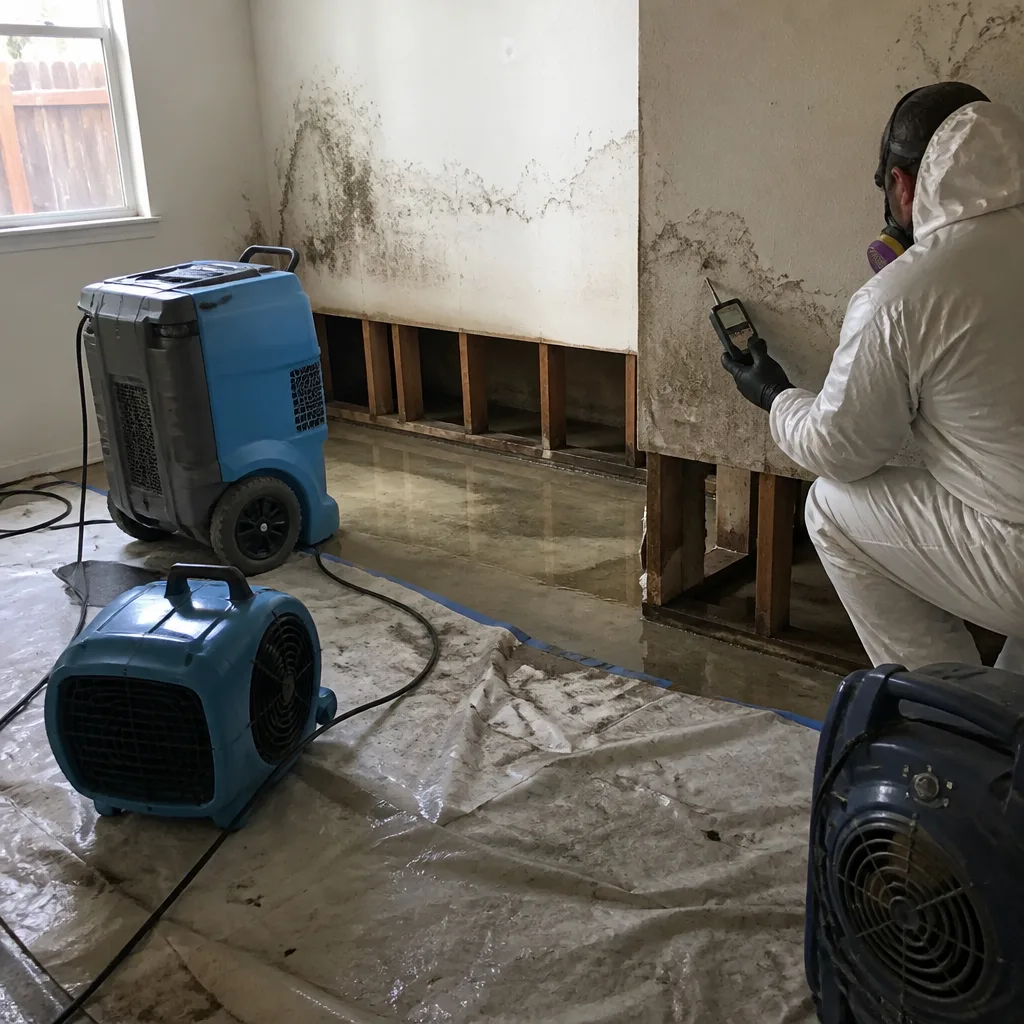 Before
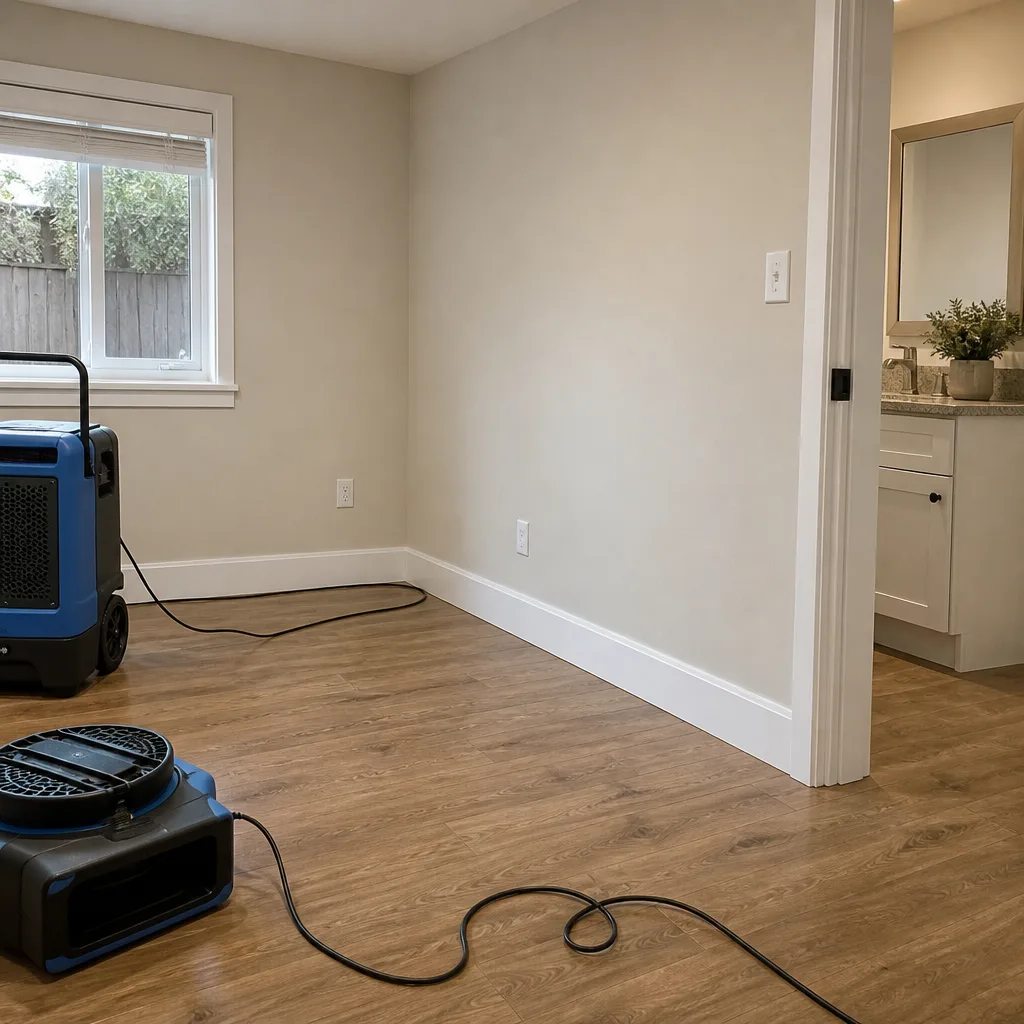 After
After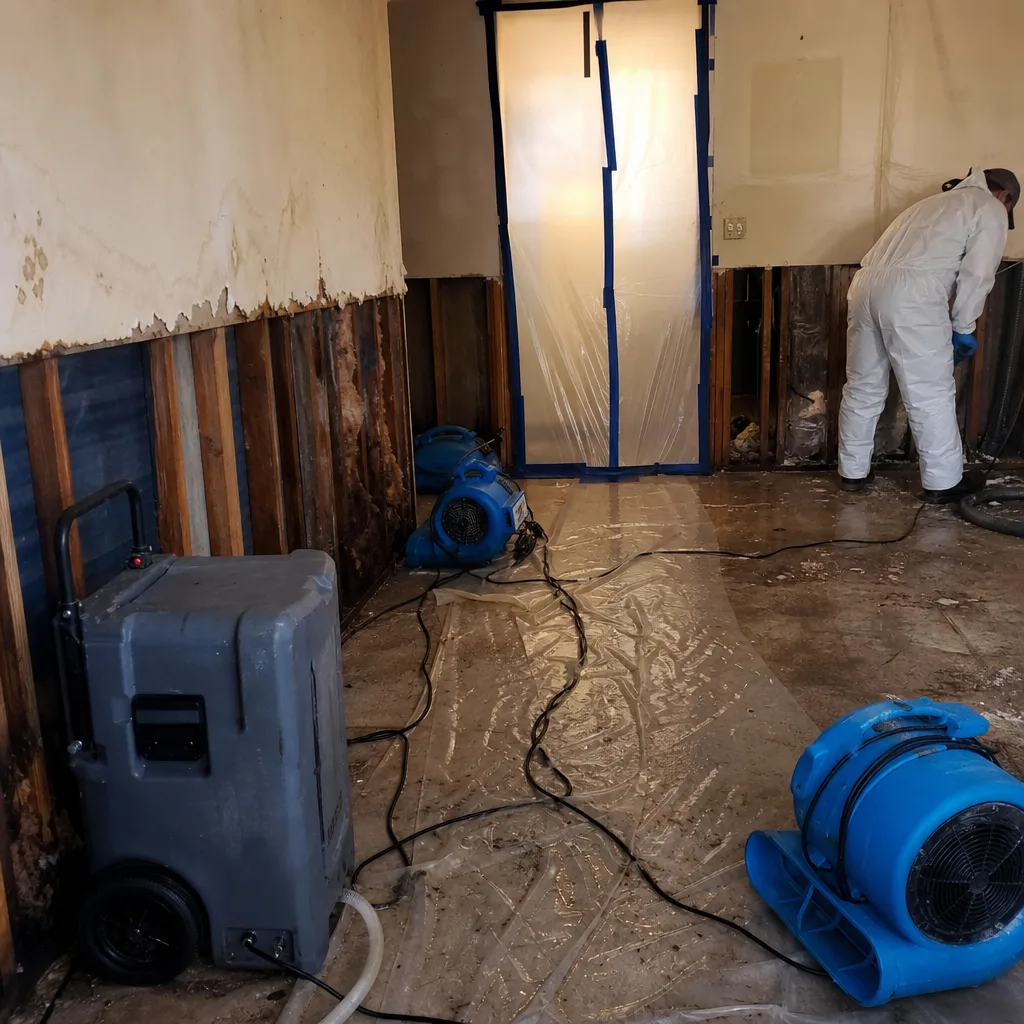 Before
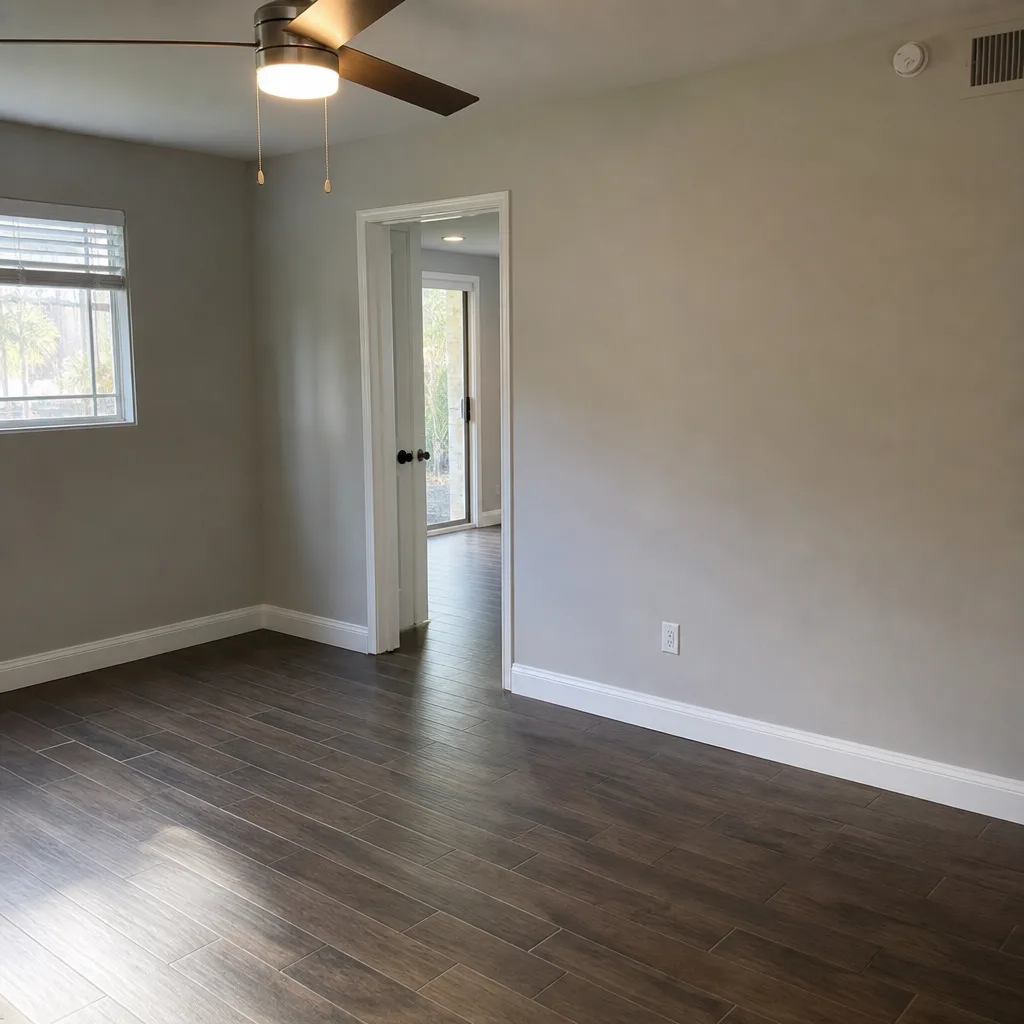 After
After24/7 Emergency Water Damage Restoration in Lake San Marcos
Water damage restoration in Lake San Marcos typically costs $2,800-$6,500 for a standard condo or townhome loss, with emergency extraction starting at $450-$900 and full structural drying running $1,800-$4,200 depending on affected square footage and whether shared wall cavities are involved. Most Lake San Marcos losses we see are Category 2 or 3 due to the community’s aging mid-century plumbing and lake-driven humidity, which means same-day response matters more here than in drier inland markets. Call (760) 546-9565 now, and a live person will answer, 24 hours a day, no voicemail. Crews are dispatched from our regional coordination office to Lake San Marcos within 45 minutes, and we bring the moisture meters, thermal imaging, and containment gear needed for the multi-unit scenarios that are routine here, not rare.
The first hour determines whether a water loss stays a drying job or becomes a full gut-and-rebuild. In Lake San Marcos’s 1960s lakefront condos, water wicks through shared concrete-block wall cavities faster than you’d expect, and by hour three, you’re often looking at two units, an HOA claim, and mold colonization behind stucco that won’t show on the surface for days. We don’t guess. We map moisture at the base course, document everything with photos before we move anything, and give you a written price before work starts, every time, Haven Standard, Clause 1.
Understanding Water Damage Restoration Severity in Lake San Marcos Properties
Water damage breaks into three categories, and in Lake San Marcos, the building stock pushes most losses toward Category 2 or 3 faster than the dry San Diego climate would suggest. Category 1 is clean water from a supply line, but even that becomes Category 2, or “gray water,” within 24 to 48 hours when lake humidity keeps building envelopes damp and microbial growth accelerates behind aging stucco. Category 3, “black water,” enters from sewage backup, ground flooding, or long-standing Category 2 that has colonized, and we see this in Lake San Marcos’s lower-level units where flat roof drains fail or where original cast-iron waste lines finally crack.
Our crews use psychrometric data, which is the measurement of temperature, relative humidity, and vapor pressure differential, to set drying targets specific to each material class. A 1960s concrete-block wall with compromised base-course stucco doesn’t dry like modern wood-frame construction. We deploy thermal imaging to find the water migration path through shared cavities, then establish containment with HEPA air scrubbers before we start extraction. Moisture mapping is non-negotiable here. Tertiary drying, the final phase where we drop vapor pressure low enough to pull bound moisture from dense materials, often takes 72 hours longer in Lake San Marcos’s lake-humid microclimate than it would in Vista or Escondido. We log every reading daily, because your insurer and your HOA will both ask for that documentation.
Why Lake San Marcos Property Owners Choose DryMark Restoration Oceanside
- 45-minute response commitment to Lake San Marcos, with crews carrying multi-unit moisture mapping gear as standard equipment, not an add-on.
- 24/7 live answer, a real person, never an automated system, never a callback queue while water is still moving through your building.
- IICRC-certified crews holding WRT (Water Damage Restoration Technician), FSRT (Fire & Smoke Restoration Technician), and AMRT (Applied Microbial Remediation Technician) certifications, with license numbers verified and on file.
- Free visual inspection and moisture assessment, documented with photos before any equipment runs or any wall is opened.
- Direct insurance billing and adjuster coordination, with our daily drying logs and photo records formatted to match carrier claim requirements.
- One team from extraction through reconstruction, so your scope, your documentation, and your warranty live under a single accountable contract.
BeforeAfterOur Water Damage Restoration Process
1. Inspection & Assessment
We arrive with thermal imaging cameras, pin and pinless moisture meters, and hygrometers to map the full extent of the loss. In Lake San Marcos’s lakefront condos, we routinely check adjoining units at the base course of shared block walls, because what looks like one unit’s problem is often two. Every reading is photographed, logged, and time-stamped.
2. Extraction & Stabilization
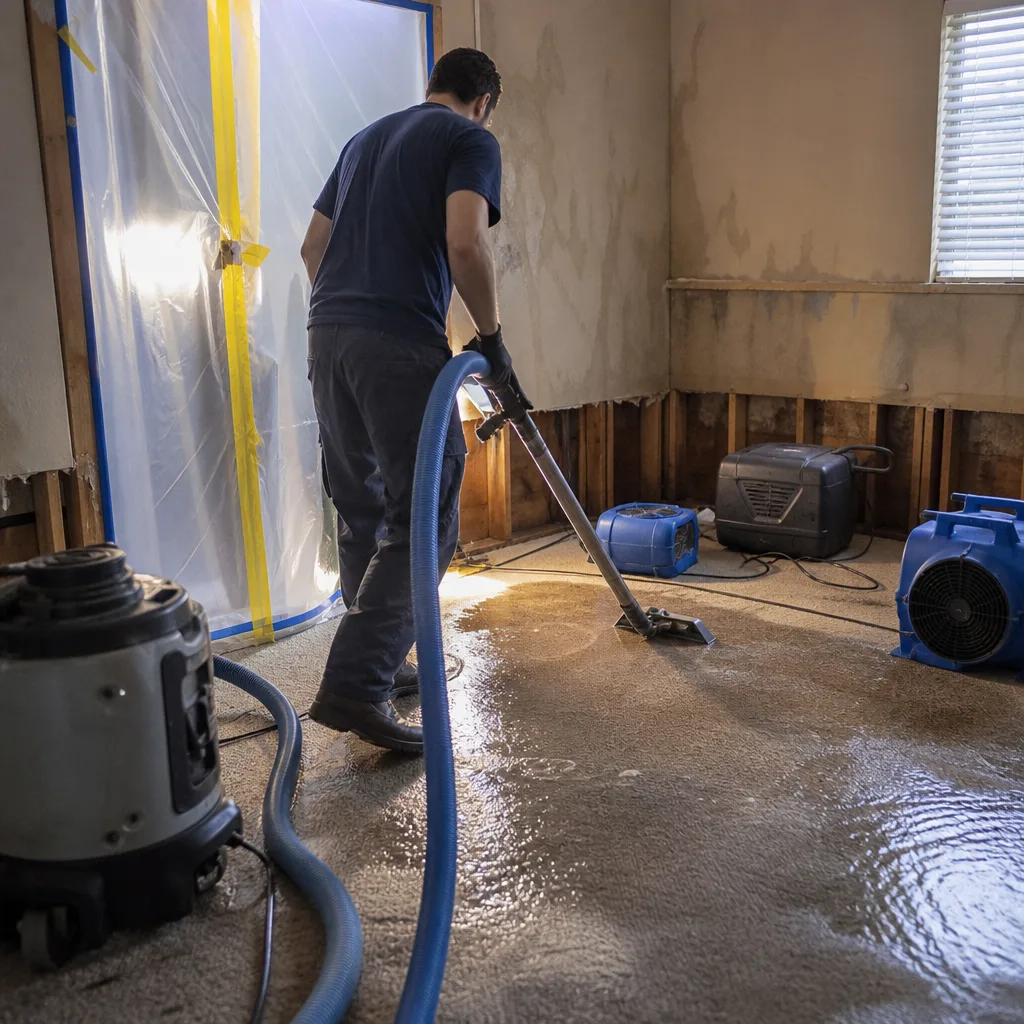
Standing water comes out first, using truck-mounted extraction systems and portable units for tight condo access. We deploy weighted extraction tools on saturated carpet and pad, and set up emergency containment if Category 2 or 3 water has crossed into adjacent units. The goal is to stop migration before demolition begins.
3. Drying & Dehumidification
We size the drying system to the material class and the actual cubic air volume, using Dri-Eaz and Phoenix dehumidifiers, XPOWER and B-Air air movers, and Injectidry cavity drying systems for dense block walls. Drying targets are set by psychrometric calculation, not guesswork, and adjusted daily based on moisture log readings.
4. Cleaning & Sanitization
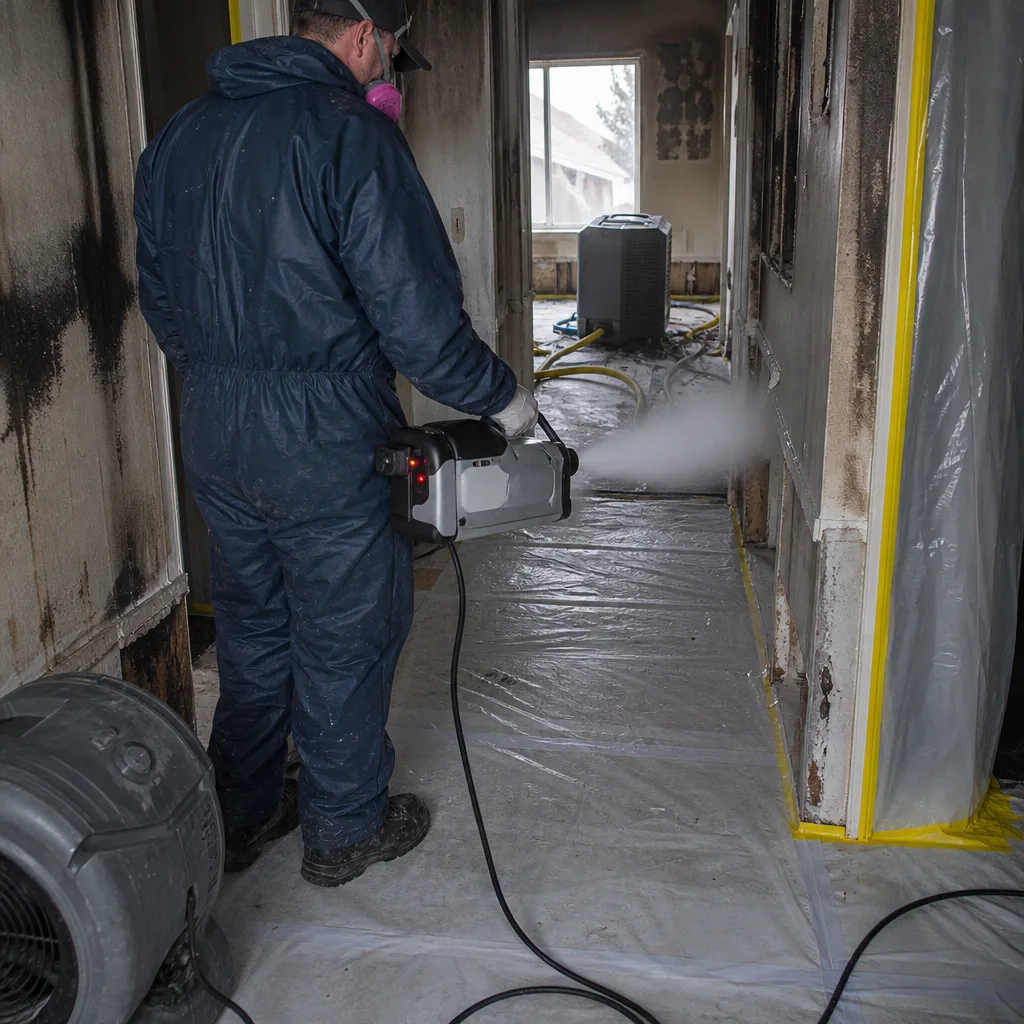
Category 2 and 3 losses get antimicrobial treatment of affected surfaces, HEPA air scrubbing to capture airborne particulates, and detailed cleaning of salvageable contents. We document salvage vs. non-salvage decisions with photos, because insurers and HOAs both require that record.
5. Multi-Unit Coordination & HOA Documentation
Where shared wall cavities are affected, we produce a multi-party scope of work with moisture readings tied to each unit, each owner’s policy, and the HOA’s master policy where applicable. This is standard in Lake San Marcos, not exceptional, and our documentation is built for the adjuster review that follows.
6. Repairs & Restoration
Once drying targets are met and clearance is documented, our reconstruction team repairs or replaces drywall, flooring, baseboards, and finish materials to match pre-loss condition. The 365-Day Done Right Promise applies to all work, and your photo record spans from first arrival to final walkthrough.
Need Emergency Water Damage Restoration in Lake San Marcos Now?
Crews minutes away, answering live 24 hours a day. The sooner we start, the less it costs.
Working With Your Insurance Company
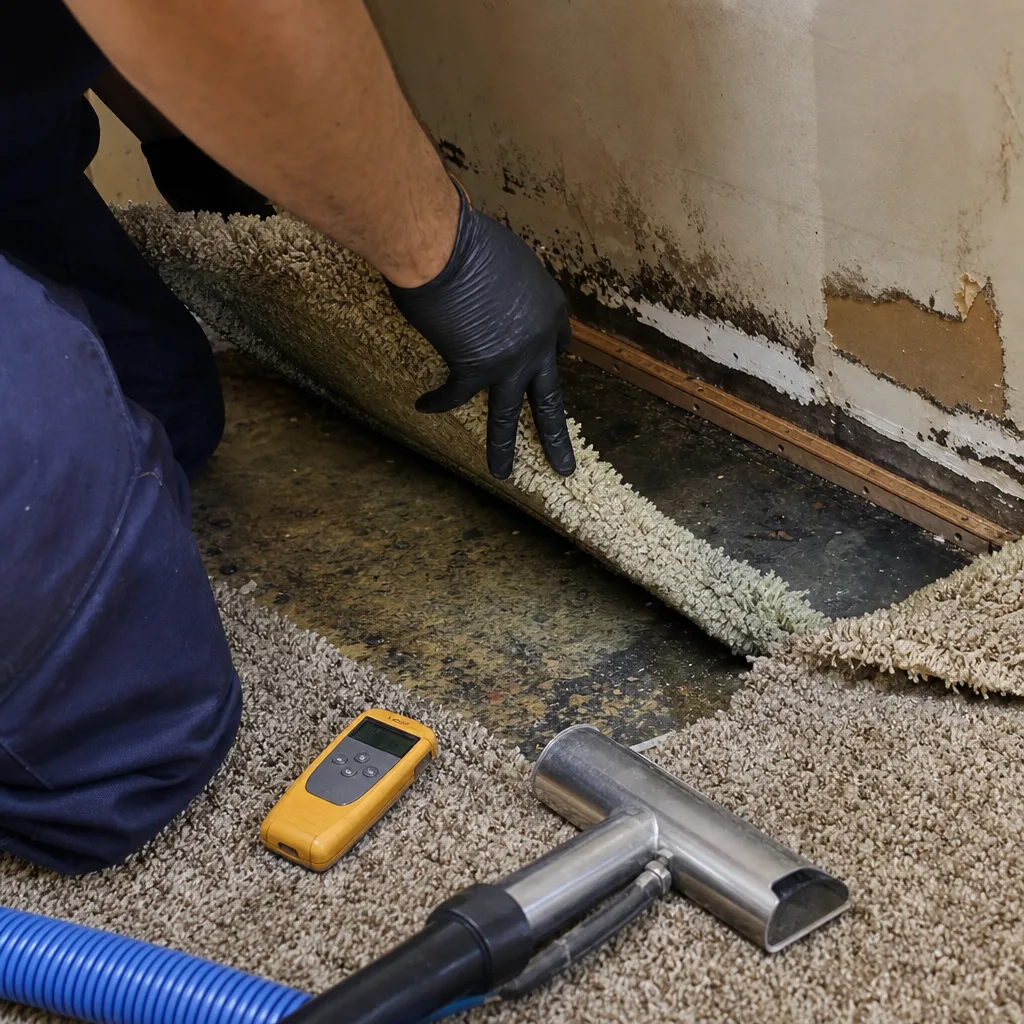
Documentation from the first hour is what turns a restoration invoice into a paid claim. We know this because our company was built by a former claims adjuster who watched homeowners lose thousands to sloppy paperwork. Our crews photograph every room before moving anything, record moisture readings at every visit, and produce daily drying logs that match the format your adjuster expects. We write Xactimate-compatible scopes, communicate directly with your carrier’s representative, and never ask you to chase paperwork between us and them.
The Haven Standard requires a written price before work begins, Clause 1, and that price is based on a documented scope, not a phone estimate. If you have a competitor’s written estimate, we provide a Free Second Opinion, no charge, because we’ve seen too many Lake San Marcos homeowners accept scopes that missed the shared wall cavity and got denied on supplemental review.
What We Provide Your Insurer
- Thorough documentation of the loss
- Photos of all damage, room by room
- Moisture readings and drying logs
- A detailed, line-item scope of work
- Direct coordination with your carrier
Built for Lake San Marcos’s Loss Calendar
January through March brings the heaviest rain months to inland San Diego County, and Lake San Marcos’s flat and low-slope rooflines, many original to the 1960s construction, see concentrated leaks at drains and parapet walls. The lake’s humidity doesn’t drop in winter, so a roof breach that would dry slowly anywhere stays wet here, with mold risk inside wall cavities by day three.
April through June, Santa Ana wind events channel through the surrounding hills and carry wildfire smoke and ember risk, but for water damage, the story is aging supply lines in original construction. Copper and galvanized pipes from the 1960s and 1970s fail at joints and behind walls, and because many Lake San Marcos owners are seasonal or weekend residents, a line can run for days before anyone notices.
July through September, San Diego’s dry summer arrives, but Lake San Marcos’s bowl-shaped valley traps lake-generated humidity overnight. Localized dew forms on building envelopes, condensation accumulates in crawl spaces and behind stucco, and we see mold calls spike not from leaks but from chronic moisture that finally crossed the colonization threshold. October through December brings the secondary rainy season, and with it, the year’s highest volume of burst pipe and roof leak calls as temperature swings stress aging plumbing.
Water Damage Restoration Across Lake San Marcos’s Neighborhoods
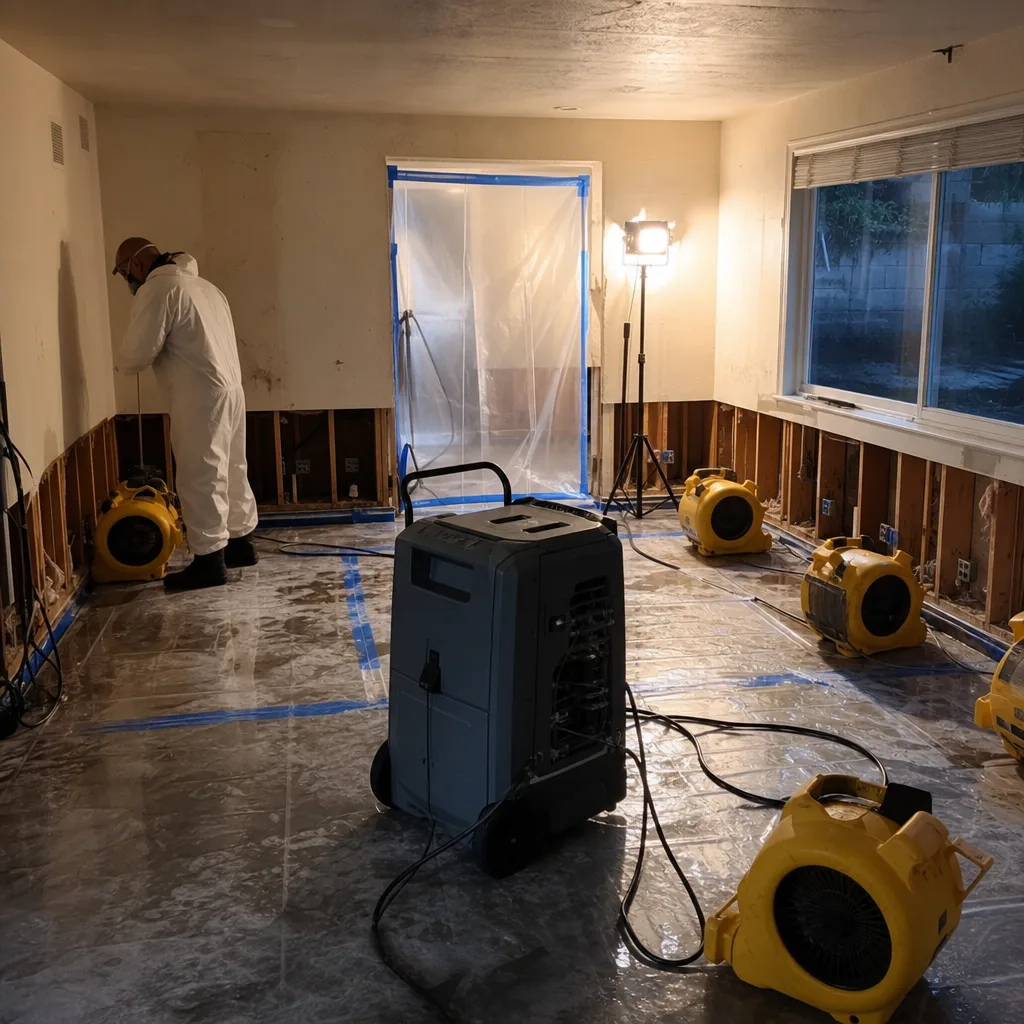
The original lakefront condo rows along Via Baron and the shoreline drives are where we see the most complex losses. These 1960s stucco-over-concrete-block buildings share wall cavities at the base course, and a single-unit supply line failure routinely becomes a two-unit moisture mapping job. We budget for this. Our crews carry extra containment, extra air movers, and the documentation templates for multi-party HOA claims because anything less wastes time on the back end.
The townhome clusters off San Marcos Boulevard and the upper slopes toward the ridge line have different challenges: tighter parking, alley-load access for some buildings, and steeper driveways that complicate equipment staging. We use portable extraction and drying systems when truck access is limited, and we coordinate with HOA management for gate codes and parking clearances before we arrive, not after.
The newer infill near the golf course and the commercial corridor along Grand Avenue sees fewer shared-wall scenarios but more slab-on-grade construction with its own issues: slab leaks that wick through foundation edges, and aging water heaters in utility closets that fail into finished space. Each building era in Lake San Marcos demands a different drying protocol, and our crews are briefed on which equipment package to bring based on your address.
Specialized Water Damage Restoration Services We Offer in Lake San Marcos
Emergency Water Extraction
Standing water is extracted within hours of your call, using truck-mounted systems for large losses and portable units for condo buildings with limited access. In Lake San Marcos’s multi-story lakefront buildings, we often stage equipment at the closest parking bay and run extraction hoses through common hallways, coordinated with HOA security protocols.
Structural Drying & Dehumidification
We calculate drying equipment loads from psychrometric data and material classifications, not rule-of-thumb. A 1960s concrete-block wall in Lake San Marcos’s humid microclimate needs more dehumidification capacity and longer drying time than the same wall in Vista. We deploy Dri-Eaz and Phoenix LGR dehumidifiers, XPOWER and B-Air air movers, and Injectidry cavity drying systems to pull moisture from dense assemblies without unnecessary demolition.
Flood Cleanup
Groundwater intrusion and storm flooding in Lake San Marcos typically affects lower-level units and crawl spaces. We extract, sanitize with antimicrobial treatment appropriate to Category 3 water, and document contamination levels for your insurer. HEPA air scrubbers run during cleanup to protect occupied units above.
Burst Pipe Restoration
Original copper and galvanized lines in Lake San Marcos’s 1960s and 1970s construction fail at joints, behind walls, and under slab. We extract the water, map the full migration path through moisture readings, and coordinate with licensed plumbers for the repair. Our scope covers only the restoration, clearly separated, so your invoice is clean for adjuster review.
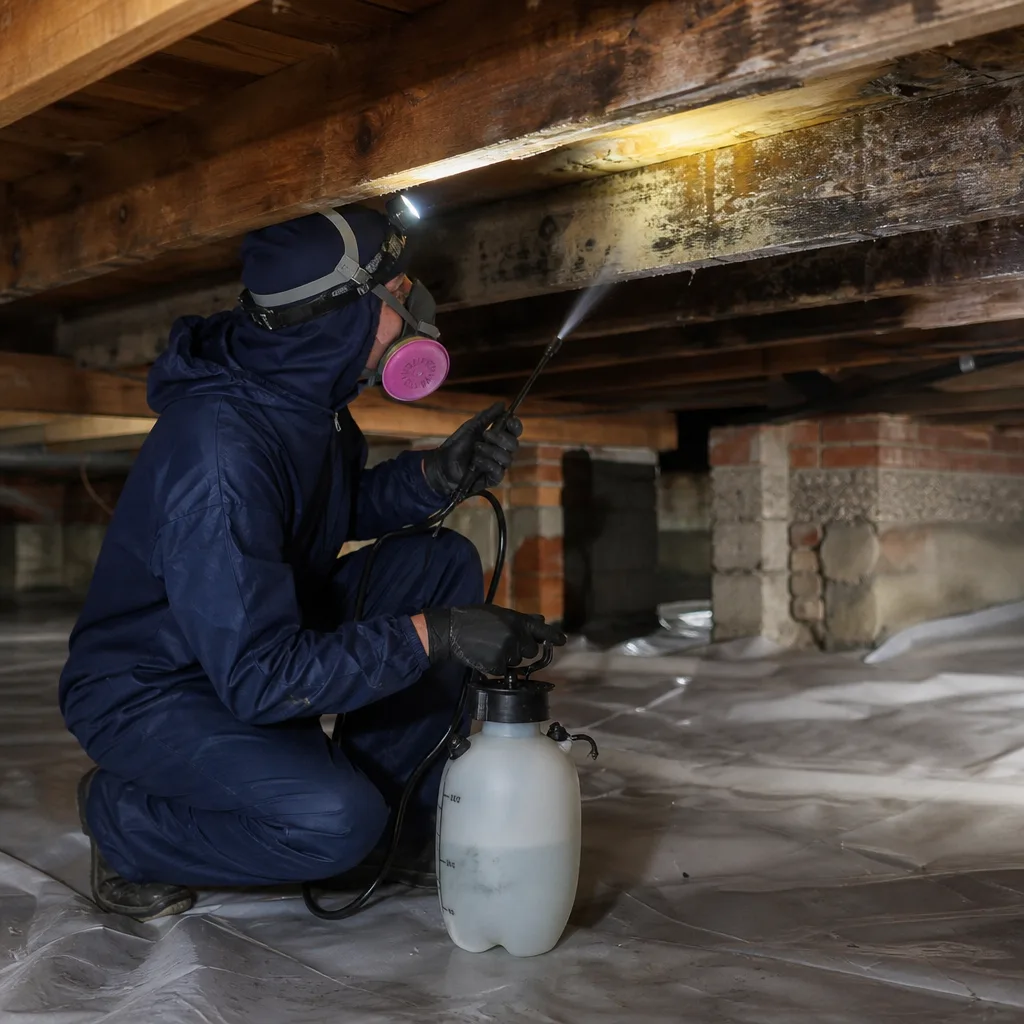
Basement Water Removal
Lake San Marcos has limited true basement construction, but lower-level walkout units and crawl spaces see water intrusion through foundation walls and slab edges. We use submersible pumps, portable extraction, and directed drying to address these confined spaces, with vapor barrier installation where chronic seepage is identified.
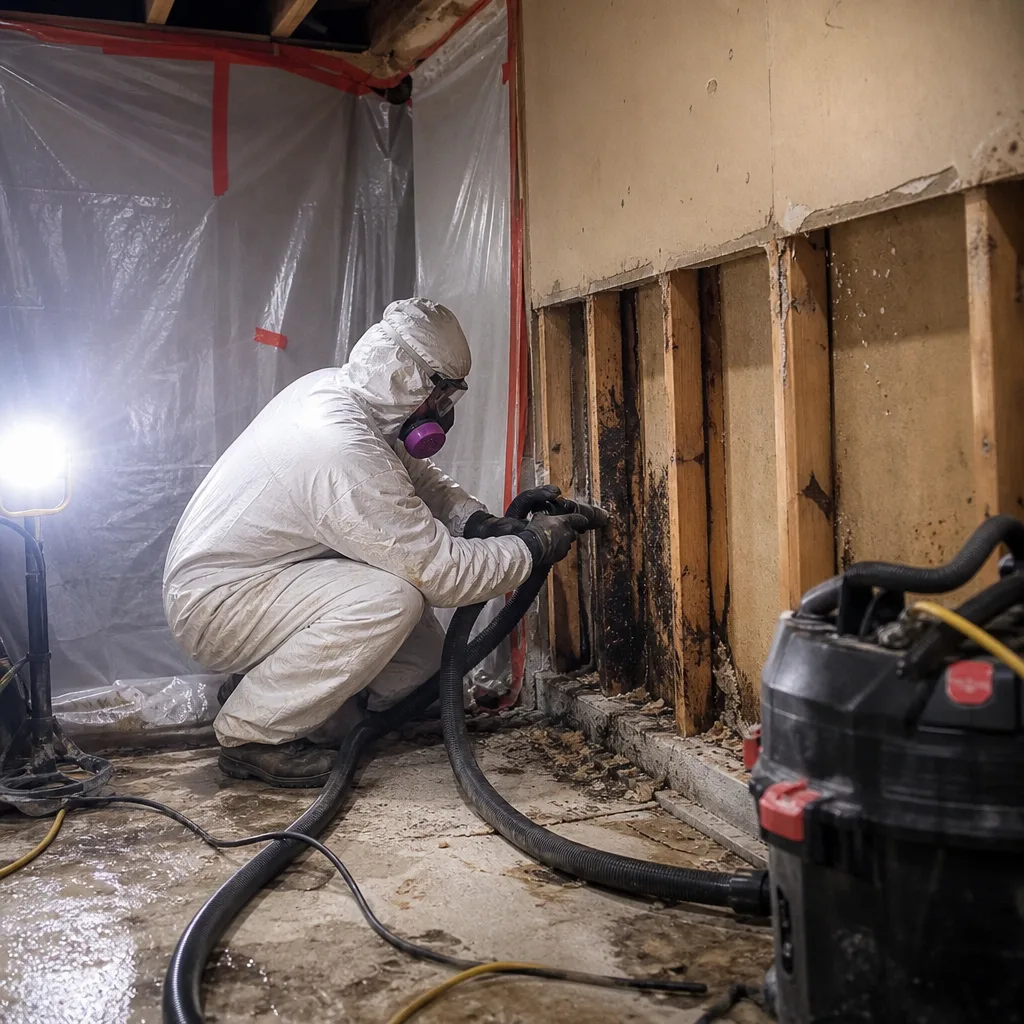
Ceiling & Roof Leak Water Damage
Flat and low-slope roofs in the original lakefront buildings concentrate leaks at drains and parapet flashings. We contain the affected ceiling cavity, extract insulation where saturated, and dry the structure before mold colonizes. Roof repair coordination is documented separately from interior restoration for clear insurance billing.
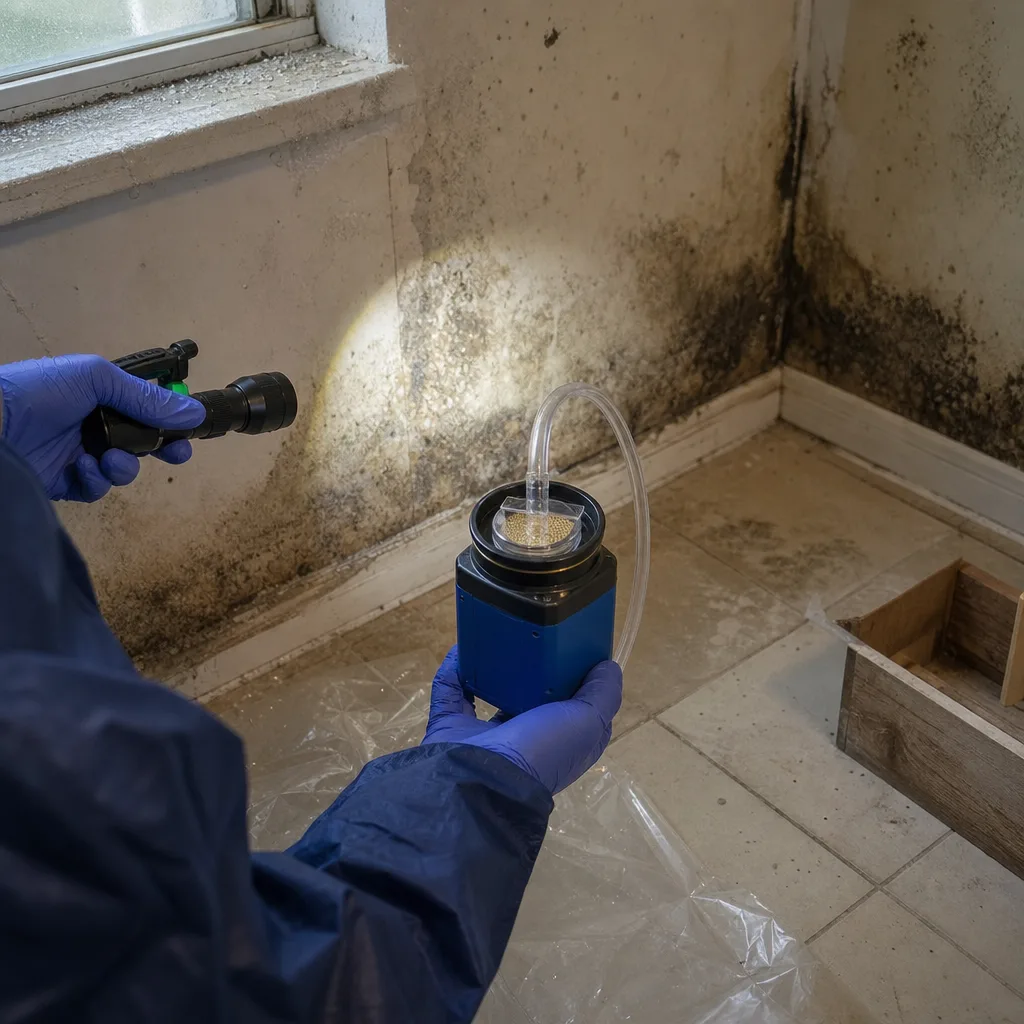
What happens when you call
- 1
A real person answersNo phone trees - you reach a local pro.
- 2
You get an upfront price rangeHonest numbers before anyone is dispatched.
- 3
A background-checked tech heads outLicensed & insured, dispatched right away.
- 4
You approve before work beginsNothing starts until you say go.
Water Damage Restoration Costs in Lake San Marcos, CA
| Service | Typical Range in Lake San Marcos |
|---|---|
| Emergency water extraction (condo/townhome) | $450 - $950 |
| Structural drying & dehumidification (single unit) | $1,800 - $4,200 |
| Structural drying (shared wall cavity, two-unit mapping) | $3,200 - $6,500 |
| Category 3 flood cleanup with sanitization | $4,500 - $9,000 |
| Contents pack-out, cleaning, and storage | $1,200 - $3,800 |
| Full reconstruction (drywall, flooring, paint, trim) | $5,500 - $18,000+ |
What moves the price: the water category, whether shared wall cavities are involved, how long water stood before extraction started, and whether contents require pack-out. Insurance typically covers sudden and accidental water damage from burst pipes or storm intrusion, but not long-term leaks or maintenance issues. We document the cause and timeline to support your coverage position. Every job starts with a free visual inspection and a written price before work begins, Haven Standard, Clause 1. Call (760) 546-9565 for your exact scope.
We Also Serve Cities Near Lake San Marcos
Our crews respond throughout the region from Lake San Marcos to Water Damage Restoration calls in Oceanside, Camp Pendleton South, Vista, and Camp Pendleton North. Dispatch and scheduling are coordinated from our Los Angeles office; crews serve Lake San Marcos locally with the same documentation standards and equipment packages we deploy across our full service area.
Serving Lake San Marcos, CA - Our Local Coverage Area
We’re based in the Lake San Marcos area and know this community well. Use the map below to see our service coverage - if you’re nearby, we can almost certainly help.
Lake San Marcos Water Damage Restoration Questions, Answered
Why does water damage in Lake San Marcos often involve more than one condo or townhome?
The original 1960s lakefront buildings are stucco-over-concrete-block construction with shared wall cavities at the base course, so water from a single-unit pipe failure wicks laterally into the neighboring unit’s block wall before it shows on either interior surface. We were called to a lakefront condo row off Via Baron after a supply line failed behind a hall bath and the downstairs neighbor was already seeing staining on their ceiling. Because these buildings share wall cavities, our tech pulled moisture readings at the base course of the common block wall and found saturation in the adjoining unit, so we set up two-unit moisture mapping, containment, and structural drying with air movers and dehumidification rather than treating it as a single-unit loss. We documented pre-loss condition in both homes, kept the drying logs tied to a multi-party scope of work for the HOA, and pulled the cavity dry without removing the original block. Call (760) 546-9565 if you’re seeing signs of water in a shared-wall building.
How fast does mold become a problem in a wet Lake San Marcos condo?
Mold colonization can begin in 24 to 48 hours on organic surfaces in Lake San Marcos’s persistently humid microclimate, faster than the dry-summer conditions in nearby Escondido or Vista would suggest. The lake-generated humidity keeps building envelopes damp overnight even when daytime temperatures are high, so a small leak that might dry elsewhere stays wet here. We set drying targets below 12% wood moisture content and 60% relative humidity, with daily readings logged until clearance. Call (760) 546-9565 for immediate moisture mapping.
What does the water category mean for my Lake San Marcos home?
Category 1 is clean water from a supply line, but in Lake San Marcos’s aging buildings, it typically degrades to Category 2 within 24 to 48 hours due to contact with building materials and microbial growth accelerated by humidity. Category 2, or gray water, carries chemical or biological contamination and requires sanitization. Category 3, black water, comes from sewage, ground flooding, or long-standing Category 2, and demands full PPE, containment, and more extensive removal of affected materials. The category determines what can be salvaged, what must be removed, and how your insurer evaluates the scope. We classify and document this in your first visit. Call (760) 546-9565 for assessment.
Do you work around tight parking, alley-load, and access constraints in Lake San Marcos?
Yes. Many Lake San Marcos condo buildings have limited visitor parking, gated access, and alley-load service entrances that require coordination with HOA management. We collect gate codes and parking clearances before dispatch, carry portable extraction and drying systems sized for tight access, and stage larger equipment at the closest practical bay. Our crews are background-checked, uniformed, and carry identification that satisfies security-conscious building management. Call (760) 546-9565 and we’ll confirm access details when you call.
Can lake humidity alone cause water damage in a Lake San Marcos condo without a visible leak?
Chronic humidity can cause moisture damage and mold growth without a discrete leak event, particularly in Lake San Marcos’s 1960s construction where original stucco has cracked at base courses and vapor barriers have degraded. The bowl-shaped valley traps lake-generated humidity overnight, producing condensation on cool building surfaces and in wall cavities that stays wet while neighboring communities dry out. This is genuinely anomalous for inland San Diego County, and it’s why we see mold calls in Lake San Marcos that don’t correlate with a specific pipe failure or roof breach. Moisture mapping distinguishes chronic humidity damage from acute leaks, and the documentation matters for whether your policy responds. Call (760) 546-9565 for inspection and documentation.
How fast can you actually get to Lake San Marcos?
We commit to 45 minutes for emergency water damage calls in Lake San Marcos, with live phone answer 24 hours a day and no voicemail queue. Crews carry the full moisture mapping, extraction, and containment package from dispatch, because Lake San Marcos’s shared-wall buildings don’t allow time for a return trip with different equipment. Call (760) 546-9565 now for immediate dispatch.
Will my insurance cover water damage restoration in Lake San Marcos?
Sudden and accidental water damage from burst pipes, storm intrusion, or appliance failures is typically covered under standard homeowner policies, though coverage limits and deductibles vary. Long-term leaks, maintenance issues, and flood from outside rising water usually require separate flood coverage. We document the cause, timeline, and material conditions to support your coverage position, produce Xactimate-compatible scopes, and coordinate directly with your adjuster. Our daily drying logs and photo records are formatted to match carrier requirements. Call (760) 546-9565 and we’ll review your situation at no charge.
How long does structural drying take in a Lake San Marcos condo?
Single-unit drying in Lake San Marcos typically takes 3 to 5 days, but shared-wall cavity scenarios often extend to 7 to 10 days because 1960s concrete-block construction holds moisture and the local humidity slows vapor pressure release. We don’t guess at completion; we log daily moisture readings and declare drying complete only when wood moisture content and relative humidity meet IICRC targets. Tertiary drying of dense materials may add 48 to 72 hours beyond what drier inland locations require. Call (760) 546-9565 for a timeline based on your specific loss.
Water damage in Lake San Marcos doesn’t follow the playbook that works for standard inland construction. The shared wall cavities, the lake-driven humidity, the HOA multi-party claims, these are the realities we’ve documented through thousands of jobs since 2011. We don’t sell urgency or reassurance. We sell evidence: a written price before work starts, a photo record on every visit, and daily drying logs that get your claim paid. If you have a competitor’s written estimate, we’ll review it free. Every job is covered by our 365-Day Done Right Promise under The Haven Standard, and every technician is named, licensed, insured, and verified before they arrive.
Call (760) 546-9565 now for 24/7 live answer, free visual inspection, and a written price before any work begins.
Written by Alicia Brennan, Owner at DryMark Restoration Oceanside, serving Lake San Marcos since 2011 under The Haven Standard.
Water Damage Restoration in Nearby Areas