
Last updated September 23, 2026
Free visual inspection and a written scope of work before any mitigation begins - photos, moisture readings, and drying logs go in your claim file
The scope we write is the scope we bill. Anything new gets shown to you, in writing, before we touch it.
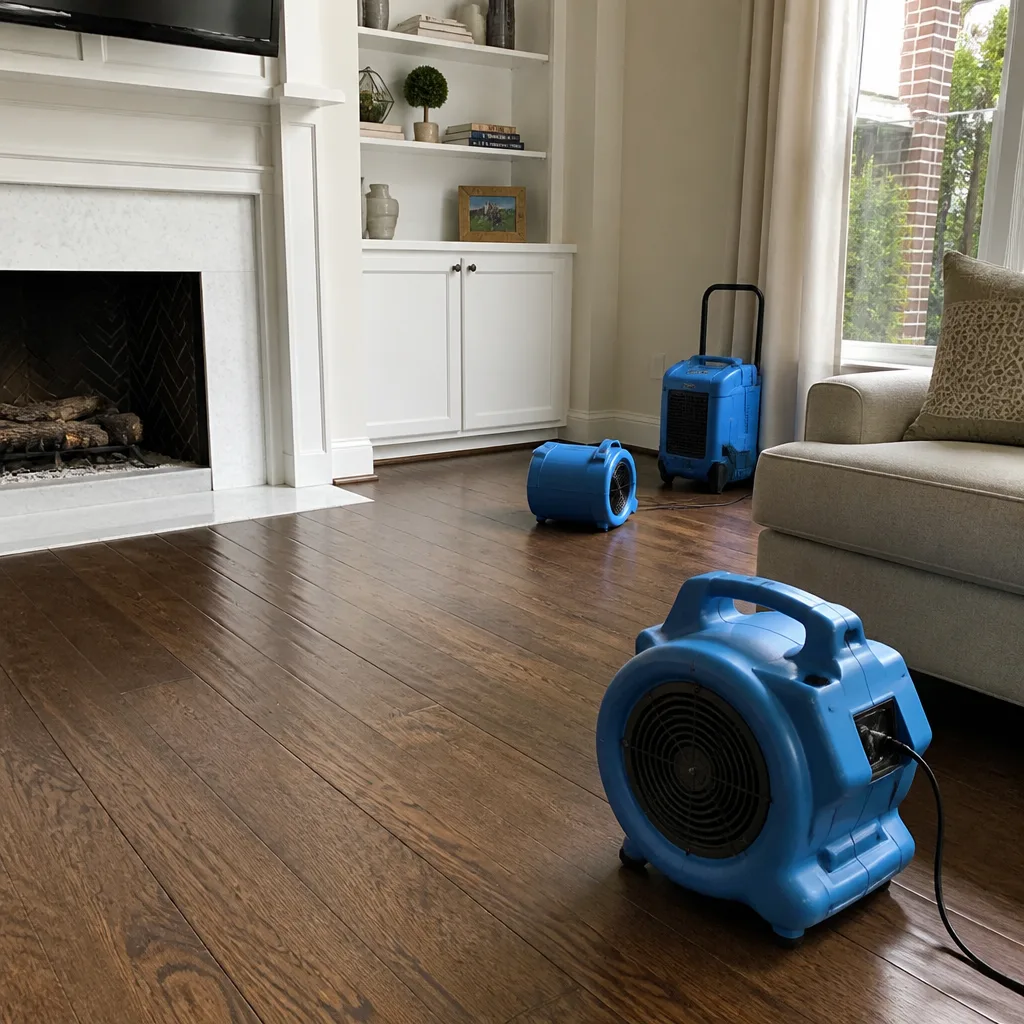

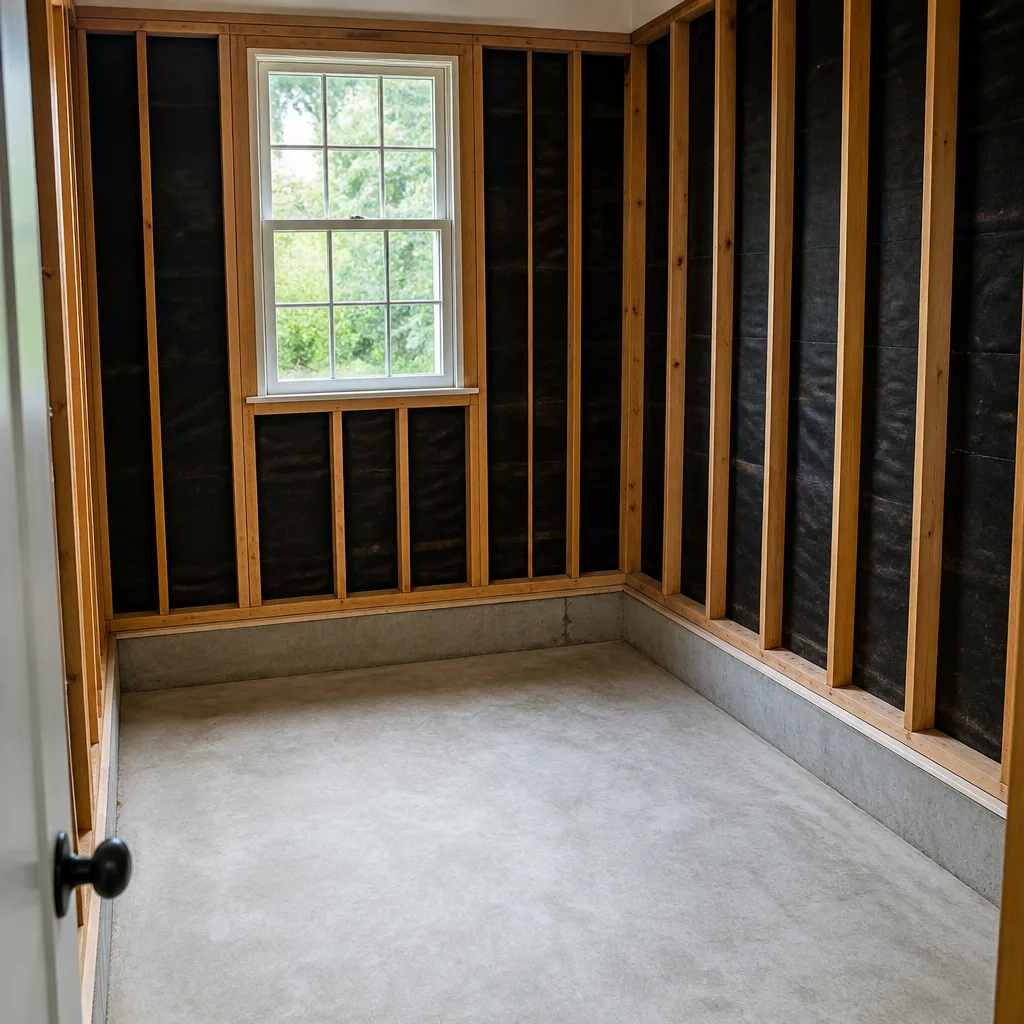


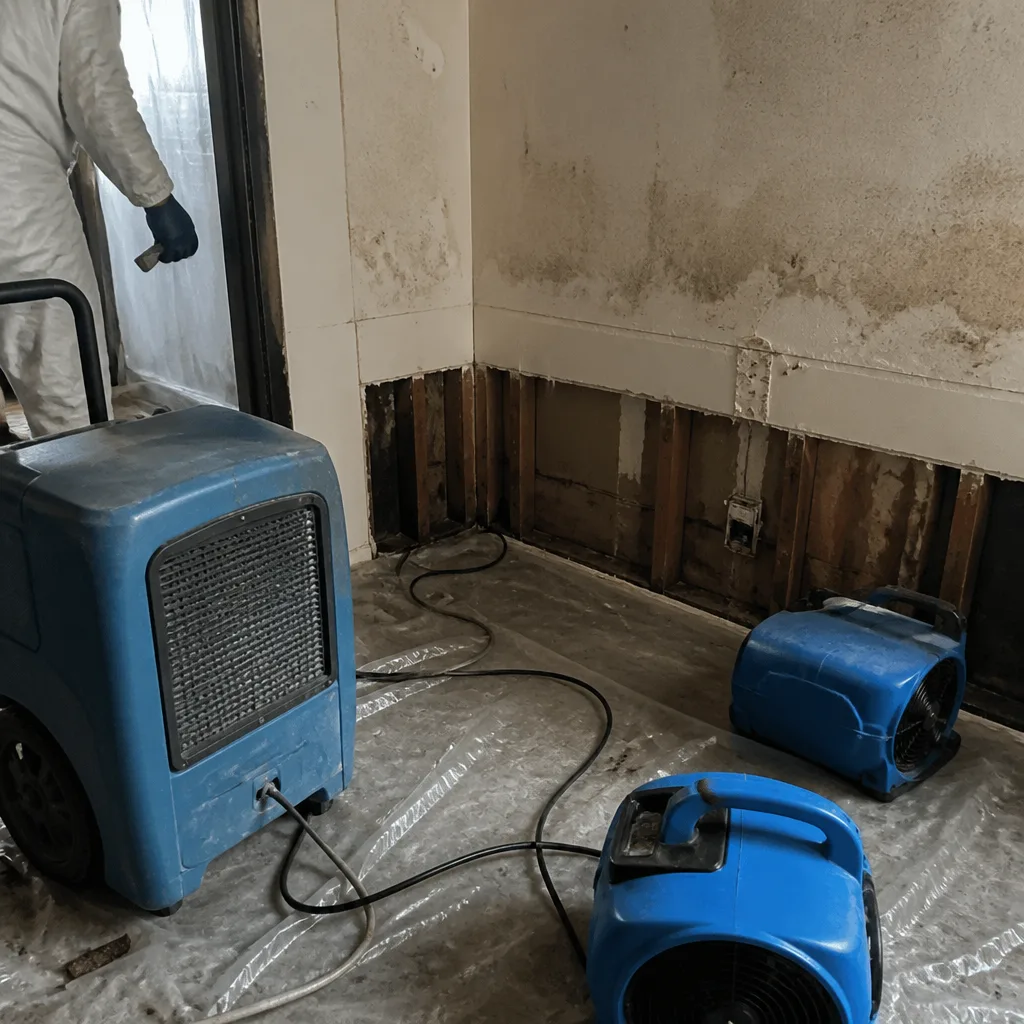 Before
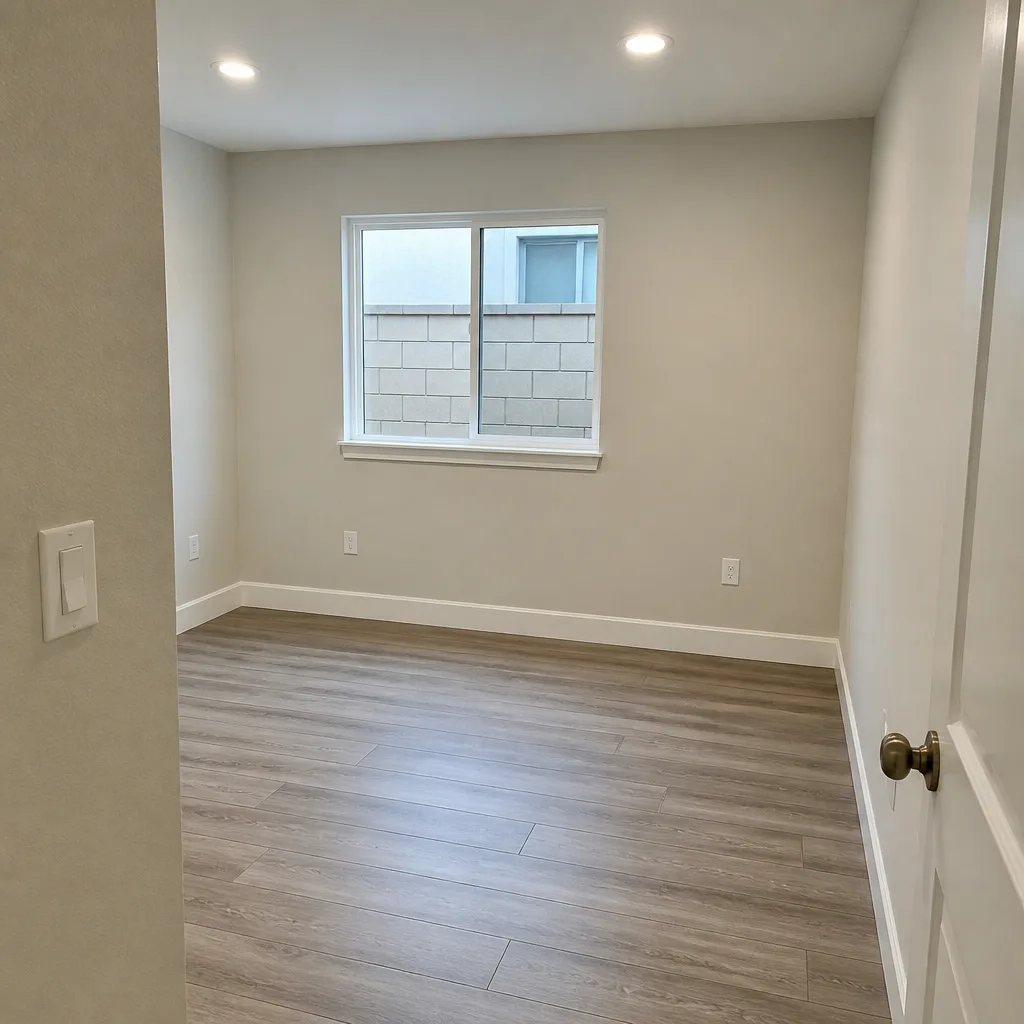 After
After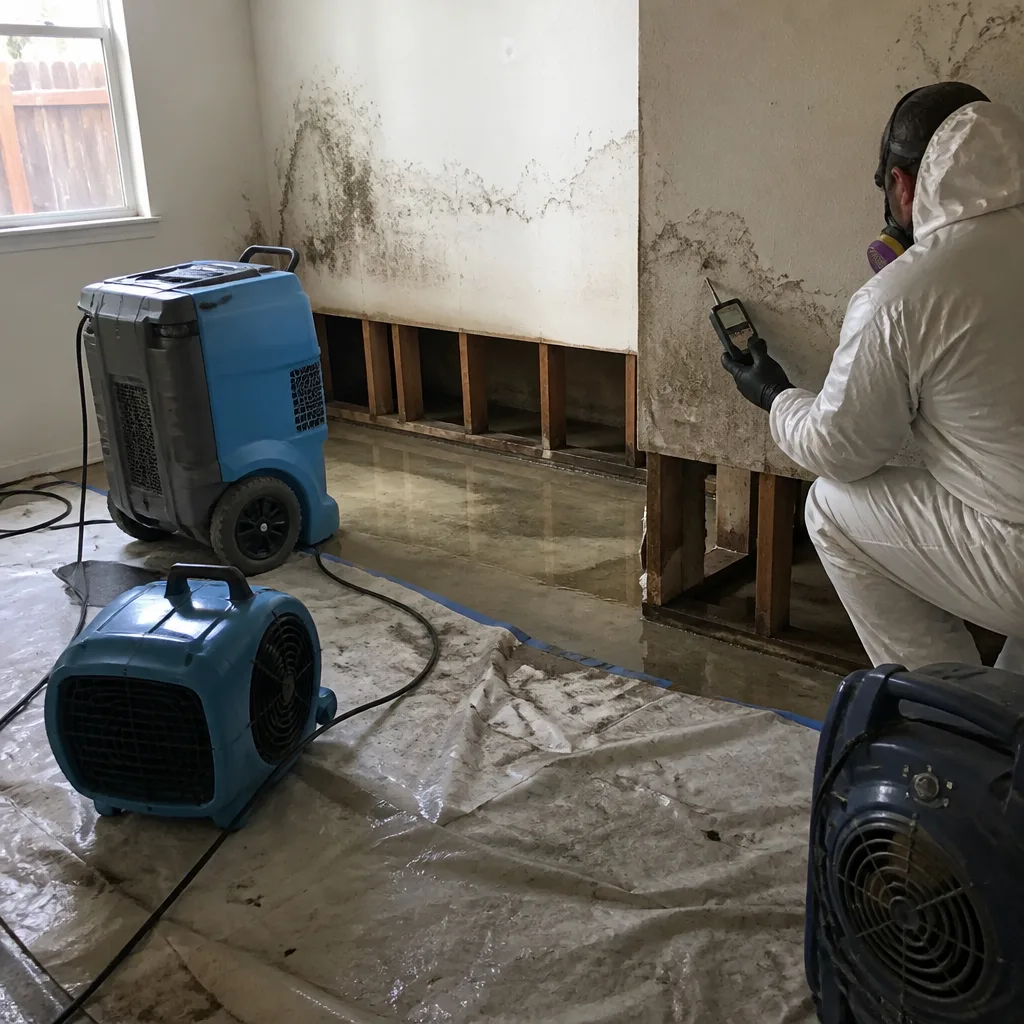 Before
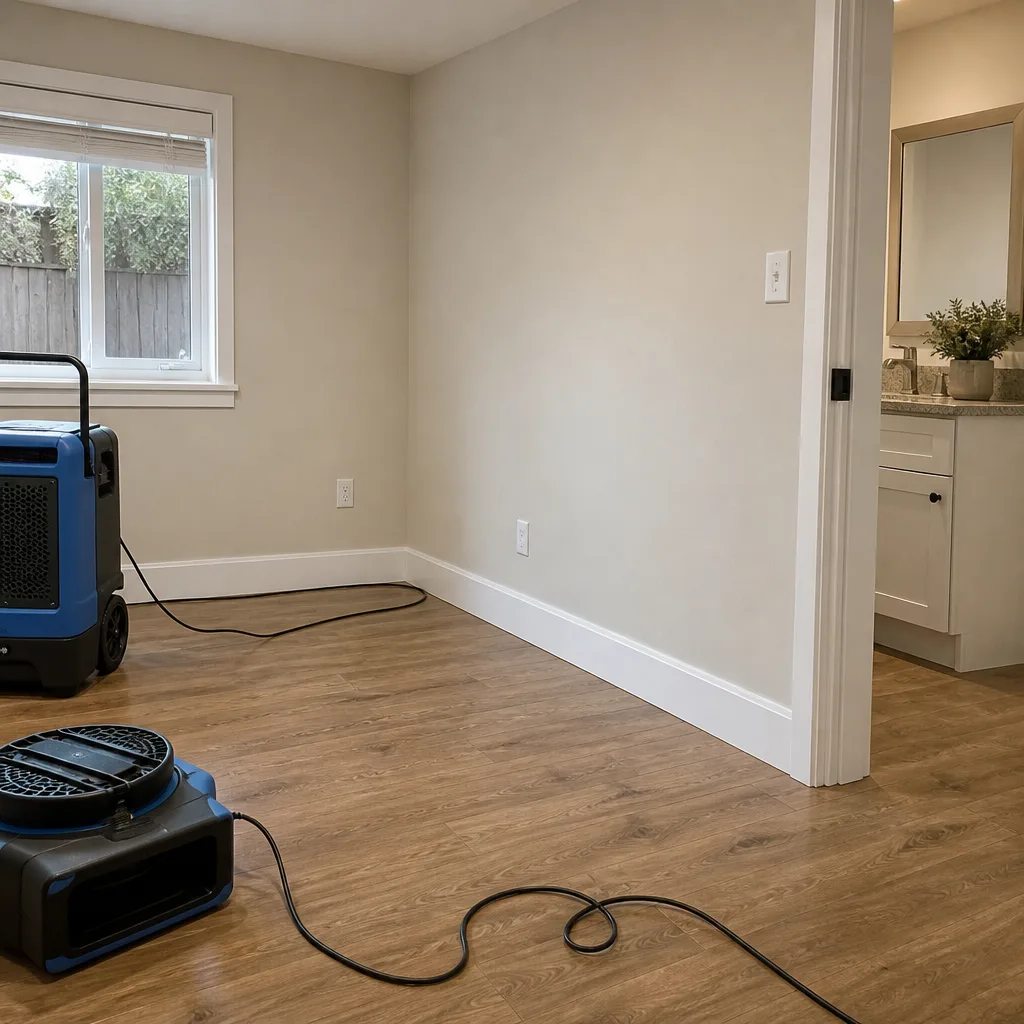 After
After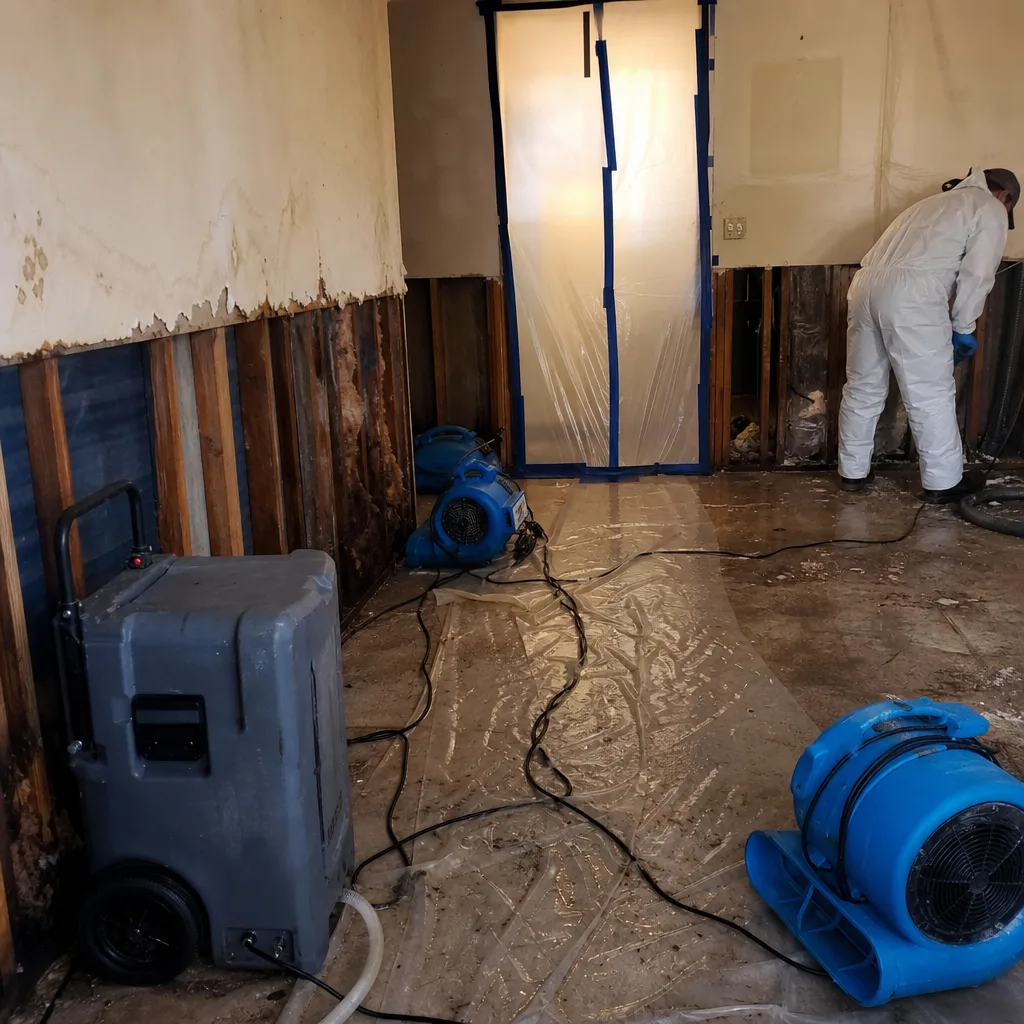 Before
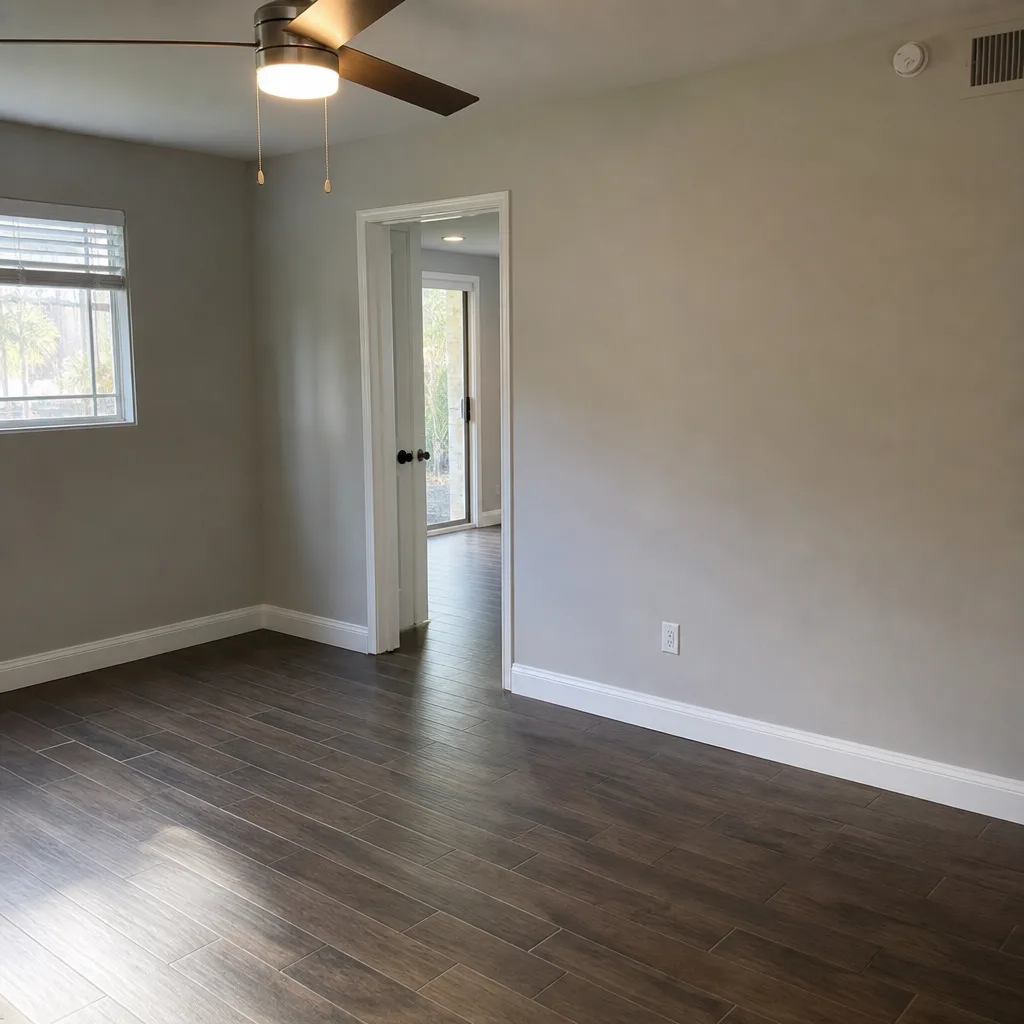 After
AfterWater Damage Restoration Maintenance Checklist for Oceanside Homeowners
California insurers can invoke a “known condition” exclusion if they can show damage pre-existed your claim. A cracked caulk line photographed by a neighbor two years ago can count as evidence against you. In Oceanside, where marine fog carries salt inland and Santa Ana winds drive moisture into wall cavities, the difference between a paid claim and a denied one often comes down to what you documented and when. This guide gives you a maintenance checklist that produces a dated, measurable record - not a mental note - so you have proof of diligence if you ever need it. For deeper reading, see The Complete Guide to Damage Restoration in Oceanside.
Quick Answer
A water damage maintenance checklist for Oceanside homeowners should include monthly visual inspections of plumbing and appliances, quarterly checks of exterior seals and drainage during marine fog seasons, and annual roof, stucco, and crawl space assessments before Santa Ana wind cycles. For professional help, consider our Water Damage Restoration services. Every entry must be dated with the finding and action taken to create a written trail that insurers and contractors can reference. Completed checklists shorten claim intake and protect against “known condition” exclusions.
Table of Contents
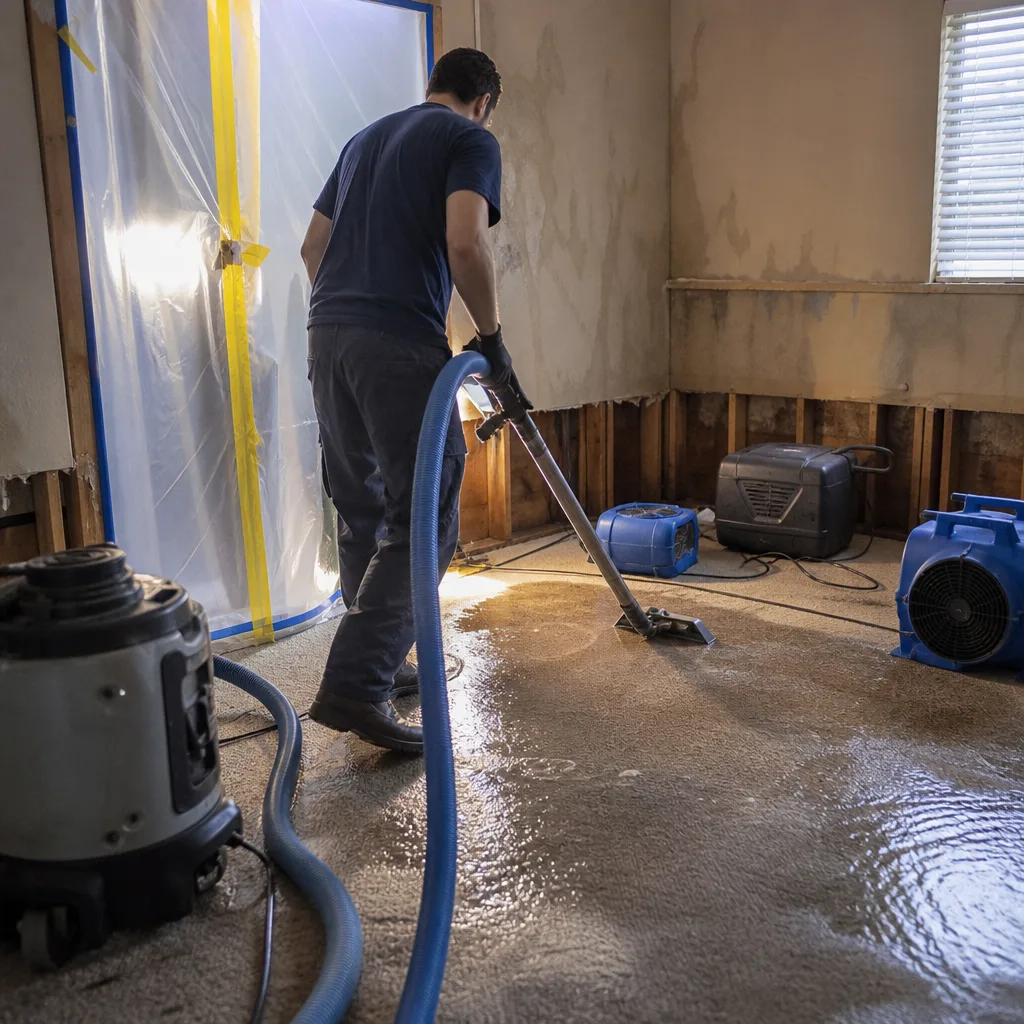
- Why Documentation Matters More Than the Inspection Itself
- Monthly Checklist: Plumbing, Appliances, and Interior Moisture
- Quarterly Checklist: Exterior Seals, Drainage, and Marine Fog Season
- Annual Checklist: Roof, Stucco, Crawl Space, and Santa Ana Prep
- How to Document a “No-Problem” Inspection
- Monitor vs. Call a Professional: Measurable Thresholds
- How Your Checklist Archive Shortens Claim Intake
- Common Mistakes to Avoid
- When to Call a Professional
- Frequently Asked Questions
- The Bottom Line
BeforeAfterWhy Documentation Matters More Than the Inspection Itself
We’ve restored over 12,000 homes since 2011, and the pattern is consistent: the homeowner who produces a dated maintenance log gets faster claim approval and fewer coverage disputes. The homeowner who says “I checked it regularly” without records faces delays, partial denials, or demands for a sworn proof of loss.
California’s insurance market has tightened significantly. Carriers are scrutinizing water damage claims more closely, and the “known condition” exclusion is being invoked more frequently. This exclusion allows an insurer to deny coverage if they can prove the damage existed before the policy period or that the homeowner was aware of a deteriorating condition and failed to act.
In Oceanside specifically, the coastal environment accelerates deterioration in ways that inland homeowners don’t face. Salt-laden marine fog corrodes exterior fasteners. Stucco absorbs moisture during prolonged fog events. Santa Ana winds, which can drop relative humidity to 10% or lower, create vapor pressure differentials that pull moisture through walls and into crawl spaces. These conditions mean that a “small crack” or “slight discoloration” can progress to structural damage faster than homeowners expect.
A maintenance checklist only protects you if it produces evidence. The checklist below is designed to generate three deliverables on every inspection:
- A dated entry with the inspector’s name and the specific areas checked
- A finding using measurable language - dimensions, moisture readings, material conditions by trade name
- An action taken - repaired, scheduled for repair, monitored with next check date, or professional called
Store these records where you keep other home documents: a cloud folder, a physical file, or both. The format matters less than the consistency.
Monthly Checklist: Plumbing, Appliances, and Interior Moisture

Monthly inspections catch slow leaks before they become category 2 or 3 water losses. In our experience, the most expensive water damage jobs in Oceanside started with a pinhole leak in a pressurized line or a failed washing machine supply hose that ran undetected for weeks.
Task 1: Visual inspection of all visible plumbing
Check under sinks, behind toilets, and around water heaters. Look for:
- Active dripping or moisture on supply lines, shutoff valves, or drain connections
- Corrosion or green staining on copper fittings (indicates slow leak)
- Bubbling paint or discoloration on cabinet bases or adjacent drywall
- Musty odor in enclosed spaces, which indicates elevated moisture even if no liquid is visible
Log format: “Checked under kitchen sink. No moisture on supply lines. Cabinet base dry to touch. No odor. Next check: [date + 30 days].”
Task 2: Appliance supply hose and drain inspection
Washing machine supply hoses fail most often at the crimped connection. Dishwasher drain loops can separate. Refrigerator ice maker lines are frequently punctured during cleaning or drawer removal.
- Pull the washing machine forward and inspect both supply hoses for bulging, cracking, or corrosion at the fittings
- Verify the drain hose is secured in the standpipe and not backing up during drain cycles
- Check the dishwasher drain loop under the sink - it should rise above the cabinet floor before connecting to the disposal or drain line
- Inspect refrigerator water line for kinks, especially if the unit has been moved for cleaning
Log format: “Washing machine hoses: no bulging, fittings dry. Dishwasher drain loop secure. Refrigerator line: no kinks. No action required.”
Task 3: Water heater and HVAC condensate
In Oceanside’s climate, water heaters in garages or exterior closets experience more thermal cycling than interior units. Check the temperature-pressure relief valve discharge pipe for moisture (indicates valve failure or excessive pressure). Inspect the condensate drain line from your HVAC system - a clogged line in summer can produce 20+ gallons of water per day.
Log format: “Water heater T&P valve dry. Condensate line flowing freely to exterior drain. No backup in pan.”
Task 4: Interior moisture indicator spots
Identify 2-3 reference locations in your home where moisture would first become visible: a corner of the garage where the slab meets the wall, a closet with an exterior wall, the base of a stucco chimney inside the home. These spots should be checked monthly and photographed quarterly even if dry. The “before” images become your baseline if conditions change.
Quarterly Checklist: Exterior Seals, Drainage, and Marine Fog Season
Oceanside’s marine layer brings unique maintenance demands. From late spring through early fall, fog can persist until midday, depositing salt on exterior surfaces and maintaining elevated humidity that keeps materials wet longer. Quarterly inspections should align with fog season transitions: April (pre-season), July (peak), October (post-season), and January (winter storm prep).
Task 1: Exterior caulk and seal inspection
Check caulk joints at:
- Window and door perimeters, especially south- and west-facing exposures that receive the most sun and thermal movement
- Stucco-to-wood trim transitions, which crack first due to differential expansion
- Penetrations: hose bibs, electrical conduit, gas lines, dryer vents
- Deck-to-house connections, a common leak source in Oceanside’s hillside and canyon-adjacent neighborhoods
Measure crack width with a simple crack gauge or ruler. Document: “Caulk at master bedroom window: hairline crack, 1/16 inch, no moisture staining. Monitor next quarter.” If crack exceeds 1/8 inch or shows moisture staining, schedule repair.
Task 2: Corrosion check on exterior fasteners
Salt fog corrodes galvanized fasteners faster than inland homeowners expect. Check:
- Exposed nails or screws in fascia, soffits, and trim
- Deck hardware, especially on ocean-facing decks
- Gate hinges and latches on perimeter fencing
Significant corrosion - rust scale, pitting, or structural loosening - indicates the fastener is failing and may be admitting water. Photograph and replace.
Task 3: Gutters, downspouts, and surface drainage
Oceanside’s infrequent but intense winter storms can overwhelm poorly maintained drainage. Quarterly tasks:
- Clear gutters of debris, especially after Santa Ana wind events that deposit leaves and needles from inland canyons
- Verify downspouts discharge at least 6 feet from foundation or into functional drains
- Check that soil slopes away from foundation at minimum 1 inch per foot for 6 feet
- Inspect French drains or area drains for standing water or slow drainage
Task 4: Stucco inspection during and after fog season
Stucco is porous. In Oceanside’s fog-dominant climate, stucco that stays damp for extended periods can develop efflorescence (white mineral deposits), cracking from freeze-thaw cycling, or delamination from the substrate. Check for:
- Hairline cracking patterns that follow the lath lines (indicates movement or moisture behind)
- Soft spots when tapped with a hard object (indicates delamination)
- Discoloration that persists more than 48 hours after fog clears
Document with photographs dated to the inspection. Persistent discoloration or soft spots warrant professional evaluation - stucco moisture intrusion can remain hidden for years before causing interior damage.
Annual Checklist: Roof, Stucco, Crawl Space, and Santa Ana Prep
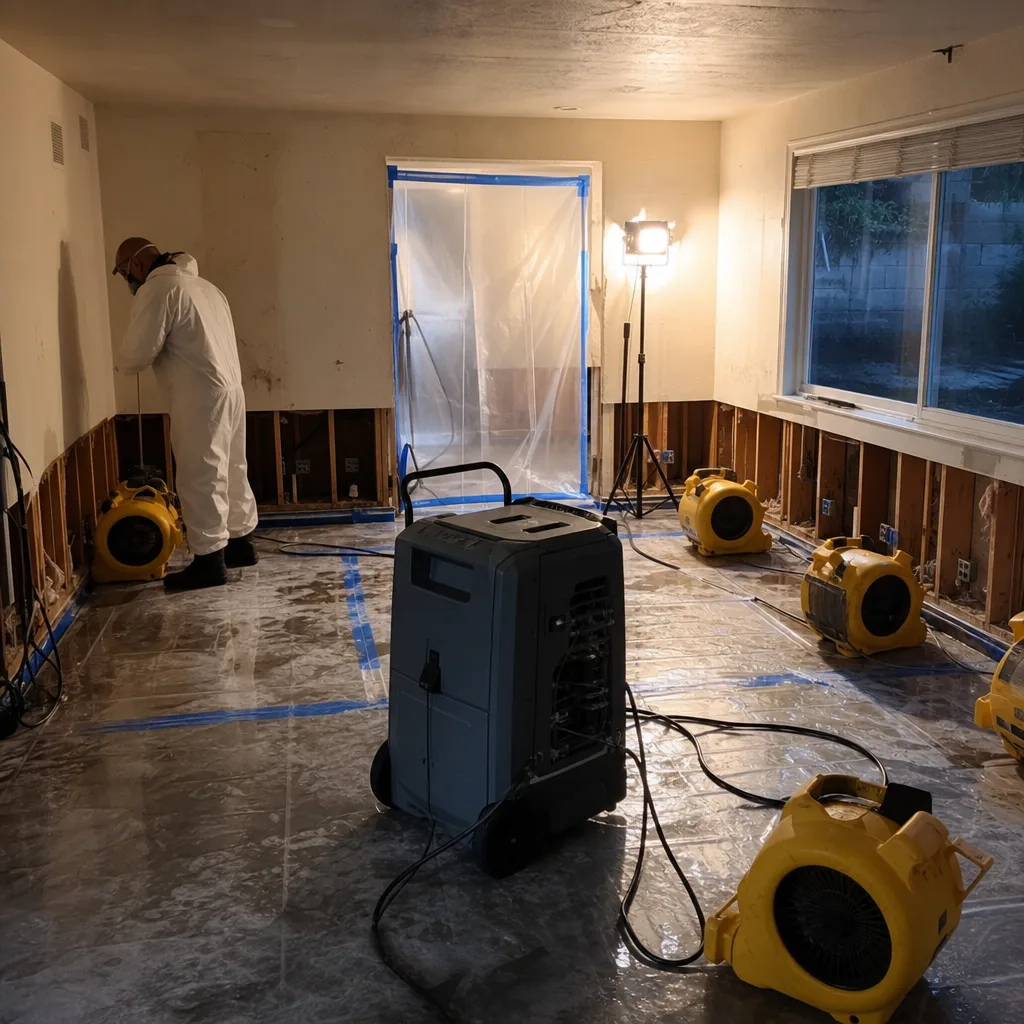
Annual inspections should be completed before Santa Ana wind season, typically October in Southern California. These winds, with sustained speeds of 25-45 mph and gusts exceeding 60 mph, exploit any existing vulnerability and can drive existing moisture deep into wall assemblies.
Task 1: Roof inspection
We recommend professional roof inspection every 3-5 years, but annual homeowner checks can identify urgent issues:
- Lifted, cracked, or missing shingles or tiles, especially at ridges and valleys
- Deteriorated flashing at chimneys, vents, and wall intersections
- Granule loss on asphalt shingles (excessive granules in gutters indicate end of service life)
- Clogged or damaged ventilation - blocked ridge vents create moisture traps in attic spaces
In Oceanside, tile roofs are common, and the marine environment accelerates deterioration of the underlayment. If you can see daylight through the roof deck from inside the attic, or if insulation shows staining, call a roofer.
Task 2: Crawl space or subfloor inspection
Homes with crawl spaces in Oceanside face specific risks. The combination of fog-season humidity and Santa Ana wind-driven pressure can create vapor pressure differentials that pull moisture through foundation vents and into floor assemblies.
- Enter the crawl space with a flashlight and moisture meter (pinless meters cost $30-50 and are sufficient for homeowner use)
- Check wood moisture content at three locations: center of crawl space, near each end. Document readings: “Floor joists: 12%, 11%, 13% - all below 15% threshold”
- Look for standing water, efflorescence on foundation walls, or fungal growth on wood surfaces
- Verify vapor barrier integrity - polyethylene sheeting should cover 100% of soil with 6-inch overlaps
- Check that vents are functional and not blocked by vegetation or debris
Wood moisture content above 15% indicates conditions favorable to wood decay fungi and should trigger professional assessment. At 20%, structural damage is likely occurring.
Task 3: Stucco comprehensive review
Annual stucco inspection goes deeper than quarterly checks:
- Tap-test large areas with a hard rubber mallet - hollow sounds indicate delamination
- Check weep screed at foundation - it must be visible and unobstructed to allow drainage
- Inspect expansion joints, which should be intact and properly sealed
- Review annual photo sequence for progressive cracking or discoloration
Task 4: Santa Ana wind preparation
Before October wind season:
- Trim trees and shrubs to prevent branch contact with roof or walls during winds
- Secure or store loose items that could damage exterior surfaces
- Verify all exterior seals are intact from quarterly inspections
- Check attic ventilation - Santa Ana winds can pressurize attics and force air through any ceiling penetration
How to Document a “No-Problem” Inspection
A “no problem” finding is not a non-event. It is evidence of diligence. The key is making the inspection visible and verifiable.
Minimum documentation standard:
- Date and time of inspection
- Inspector name (self or professional)
- Areas inspected, listed specifically
- Finding for each area, using measurable or observable language
- Action taken: none required, repaired, scheduled, or professional referral
- Photograph of representative condition
Example log entry:
Date: 2024-04-15. Inspector: J. Martinez. Areas: Kitchen sink supply and drain, dishwasher drain loop, refrigerator line, under-sink cabinet base. Findings: Supply lines dry, no corrosion on fittings. Dishwasher drain loop secure above cabinet base. Refrigerator line: no kinks, no moisture at connection. Cabinet base: dry, no staining, no odor. Action: None required. Next inspection: 2024-05-15. Photo: IMG_2047 (cabinet base, dry condition).
Photograph the same angles each time. The value of these images emerges when conditions change - you can demonstrate the progression and establish when the damage began.
Store records in dated folders by year. If you ever file a water damage claim, your adjuster will ask when you first noticed the condition. A maintenance log with “no problem” entries followed by a “staining observed” entry with date establishes a clear timeline.
At DryMark Restoration Oceanside home, we include photo documentation as a standard deliverable on every job, never an upsell. We’ve seen how documented records turn disputed claims into paid claims.
Monitor vs. Call a Professional: Measurable Thresholds
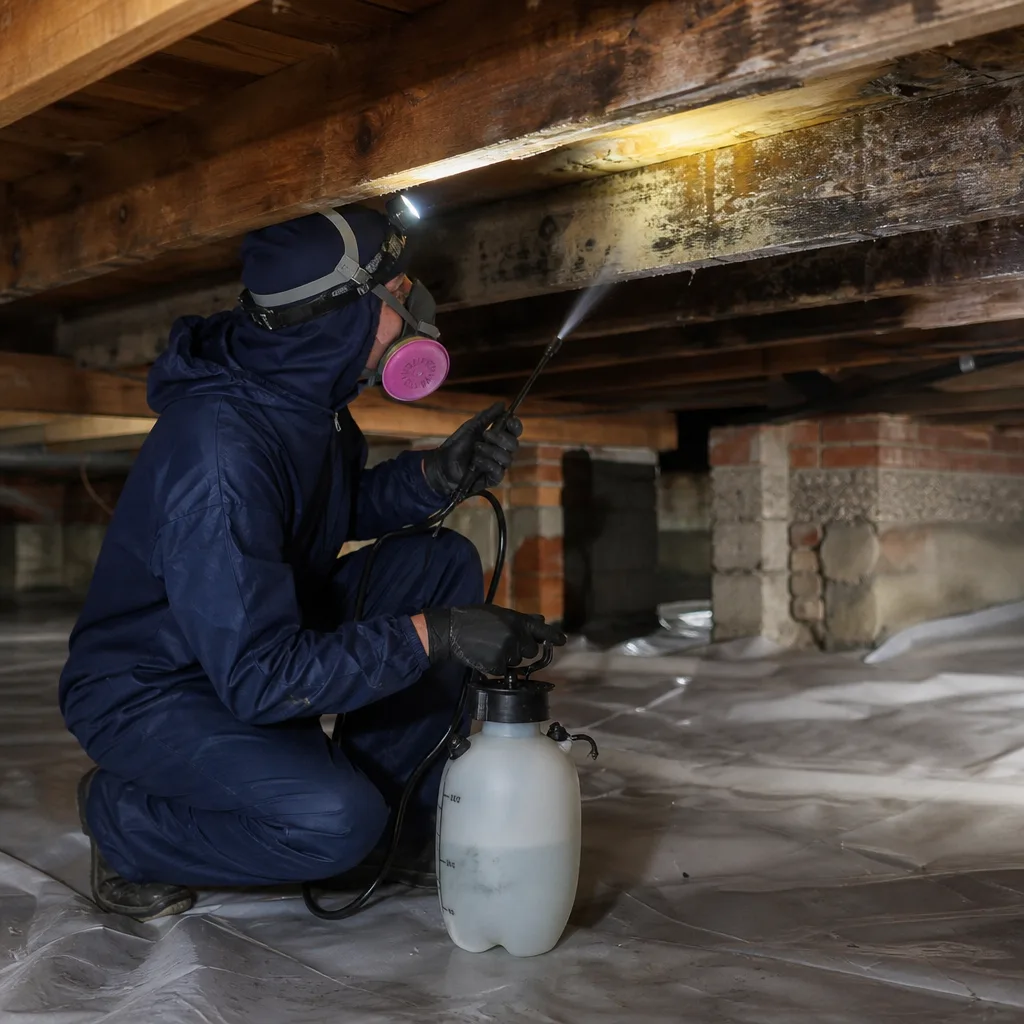
Homeowners waste money on unnecessary calls and delay needed ones. These thresholds, based on IICRC water damage standards and our field experience in Oceanside, provide clear decision points. For cost guidance, review our Damage Restoration Cost Breakdown: The Oceanside Homeowner’s Reference for 2026.
Monitor with next scheduled check:
- Hairline crack in caulk or stucco, less than 1/16 inch, no moisture staining
- Wood moisture content 10-14% in crawl space
- Minor granule loss in gutters, no visible shingle damage
- Single corroded fastener on non-structural trim
Schedule repair within 30 days:
- Caulk crack exceeding 1/8 inch or with moisture staining
- Multiple corroded fasteners in structural connection
- Gutter separation or downspout discharging at foundation
- Wood moisture content 15-19% in crawl space
- Stucco discoloration persisting more than 48 hours after fog clears
Call a professional immediately:
- Active dripping or flowing water from any source
- Standing water in crawl space or against foundation
- Wood moisture content 20% or higher
- Visible mold growth on any surface (any color, any amount)
- Sagging ceiling, buckling floor, or soft wall surface
- Musty odor with no visible source (indicates hidden moisture)
- Stucco delamination or hollow areas exceeding 1 square foot
For water damage assessment in Oceanside, Water Damage Restoration in Oceanside provides documented evaluations with written prices before work begins.
How Your Checklist Archive Shortens Claim Intake
When you call in a water damage claim, the intake process involves three questions that determine coverage and response: What happened? When did it start? What did you know and when did you know it?
A completed checklist archive answers all three before the adjuster arrives.
Claim intake acceleration:
- Cause and origin: Your maintenance log shows the condition of the affected area before the loss. If your March entry documents “water heater T&P valve dry, no corrosion” and your April entry states “moisture observed at T&P discharge pipe, professional called,” you’ve established a sudden failure rather than gradual deterioration.
- Date of loss: The date of your finding becomes the date of loss, which affects coverage triggers and deductible application.
- Due diligence: Consistent maintenance records demonstrate that you did not ignore a known condition, protecting against exclusion arguments.
In our experience, homeowners with documented maintenance logs receive initial coverage determinations 30-50% faster than those without. Adjusters spend less time investigating pre-existing conditions and more time scope development.
The documentation standard we apply on every job - daily moisture logs, photo records on every visit, written scopes with line-item pricing - mirrors what you should maintain as a homeowner. When both parties bring documented evidence to the table, claims resolve faster and more completely.
Our Fire & Smoke Damage Restoration in Oceanside page describes how similar documentation principles apply across loss types.
Common Mistakes to Avoid
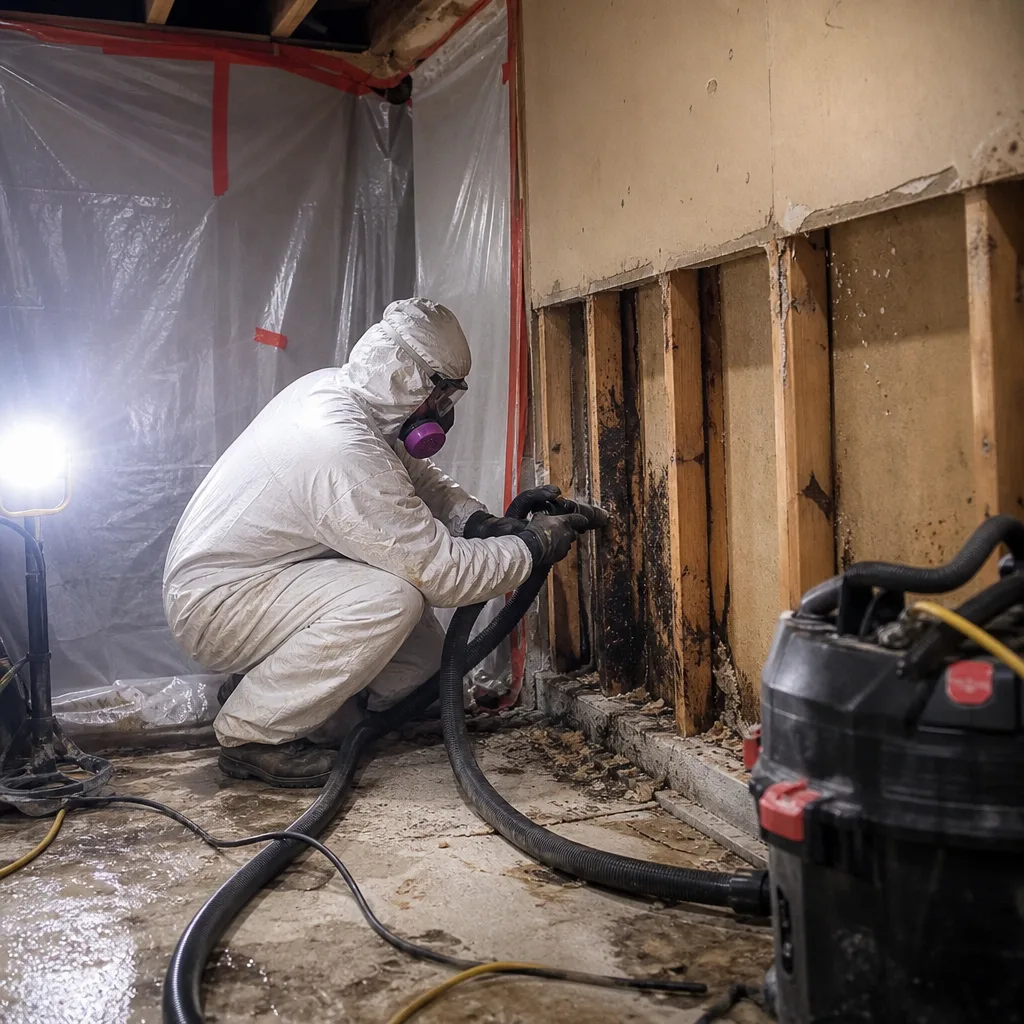
- Using mental notes instead of written records. A memory of “I checked that last month” carries no weight with an insurer. Written entries with dates are evidence; recollections are not.
- Photographing only problems. Photographs of good condition establish your baseline. Without them, you cannot prove when a condition began.
- Ignoring Santa Ana wind preparation. Oceanside homeowners often associate water damage with rain or plumbing, but Santa Ana winds drive existing moisture into wall cavities and create condensation events in attics and crawl spaces.
- Using vague language in log entries. “Looks fine” or “seems okay” are not findings. Use measurable terms: dry, 1/16 inch crack, 12% moisture content, no staining.
- Storing records only in one location. Paper files flood. Digital files can be lost. Maintain both, or use cloud storage with automatic backup.
- Waiting for visible water before acting. By the time you see water inside, the damage behind walls may be extensive. Musty odor, persistent humidity, or unexplained paint failure are earlier indicators.
- Neglecting the vapor barrier in crawl spaces. In Oceanside’s fog-prone climate, a compromised vapor barrier allows continuous moisture migration from soil into floor assemblies. This is slow, hidden, and structurally damaging.
When to Call a Professional
Call a professional when you encounter active water flow, standing water, moisture readings above 15% in structural wood, visible mold, or any condition where you cannot identify the source. In Oceanside’s coastal environment, conditions that would be manageable inland can progress faster due to salt corrosion and persistent humidity.
DryMark Restoration Oceanside offers free estimates in Oceanside. Call (760) 546-9565 for documented assessment with a written price before work begins. Explore more guides & resources on protecting your home. Every evaluation includes photo documentation and moisture readings that become part of your claim record. Our 365-Day Done Right Promise applies to all work, with daily drying logs maintained to IICRC standards.
Frequently Asked Questions
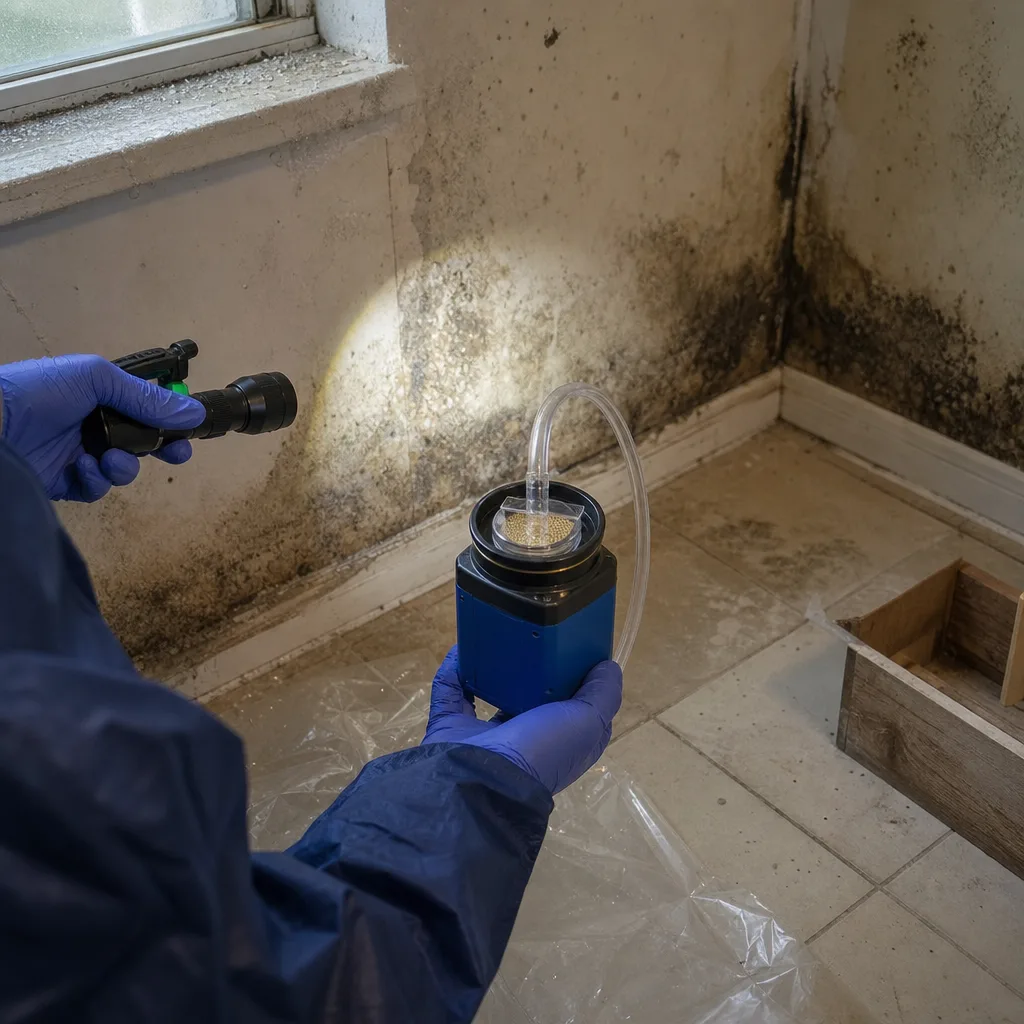
Monthly interior inspections, quarterly exterior checks aligned with marine fog seasons, and comprehensive annual reviews before Santa Ana wind season. This frequency accounts for Oceanside’s specific climate drivers: salt fog corrosion, fog-season moisture absorption, and wind-driven moisture intrusion.
Wood moisture content above 15% indicates conditions favorable to decay fungi and warrants professional assessment. At 20% or higher, structural damage is likely occurring. Drywall or plaster moisture content above 1% above baseline (measured with a pinless meter on an unaffected reference area) indicates active moisture intrusion. Call (760) 546-9565 for a documented moisture assessment - estimates are free.
Insurance may still cover sudden and accidental water damage without maintenance records, but coverage disputes take longer to resolve and “known condition” exclusions are harder to overcome. Maintenance records accelerate claim approval and protect against partial denials. The absence of records does not automatically void coverage, but it removes your best defense against exclusion arguments.
Write a dated entry with the specific area inspected, the observable conditions, and the finding in measurable language. Include a photograph of the representative condition. Example: “Checked under kitchen sink. Supply lines dry, no corrosion. Cabinet base dry, no staining. Photo: IMG_2047. No action required.” This establishes your diligence and provides a baseline for comparison if conditions later change.
Marine fog itself does not cause sudden water damage, but it creates conditions that accelerate deterioration and hide early warning signs. Salt deposits corrode fasteners and compromise seals. Prolonged surface wetness keeps stucco and wood at elevated moisture content. When Santa Ana winds follow fog periods, the vapor pressure differential can drive this accumulated moisture into wall cavities. Fog is a contributing factor, not a direct cause, which makes documentation of its effects especially important.
Monitoring requires a dated record, a defined threshold for escalation, and a scheduled re-check date. Ignoring is the absence of any of these three elements. If you note “hairline crack, monitor next quarter” with a date and a photo, you are monitoring. If you see a crack and take no record, you are ignoring - and an insurer may characterize it as such if the condition later causes damage.
The Bottom Line
A water damage maintenance checklist protects Oceanside homeowners only when it produces a dated, measurable record. Monthly interior checks, quarterly exterior reviews during marine fog season, and annual comprehensive inspections before Santa Ana winds create the documentation trail that insurers and contractors require. The “no problem” entry is as valuable as the repair record - it establishes your diligence and provides the baseline that proves when conditions changed. Store records consistently, use measurable language, and know your thresholds for professional referral. The time invested in documentation is recovered many times over in faster claim resolution and avoided disputes.
For documented water damage assessment in Oceanside, call DryMark Restoration Oceanside at (760) 546-9565. We provide written prices before work begins, photo records on every visit, and daily drying logs that turn restoration invoices into payable claims. Our 365-Day Done Right Promise is a signed guarantee, not a marketing line.
Written by Alicia Brennan, Owner at DryMark Restoration Oceanside, serving Oceanside since 2011.