
Last updated September 23, 2026
Free visual inspection and a written scope of work before any mitigation begins - photos, moisture readings, and drying logs go in your claim file
The scope we write is the scope we bill. Anything new gets shown to you, in writing, before we touch it.
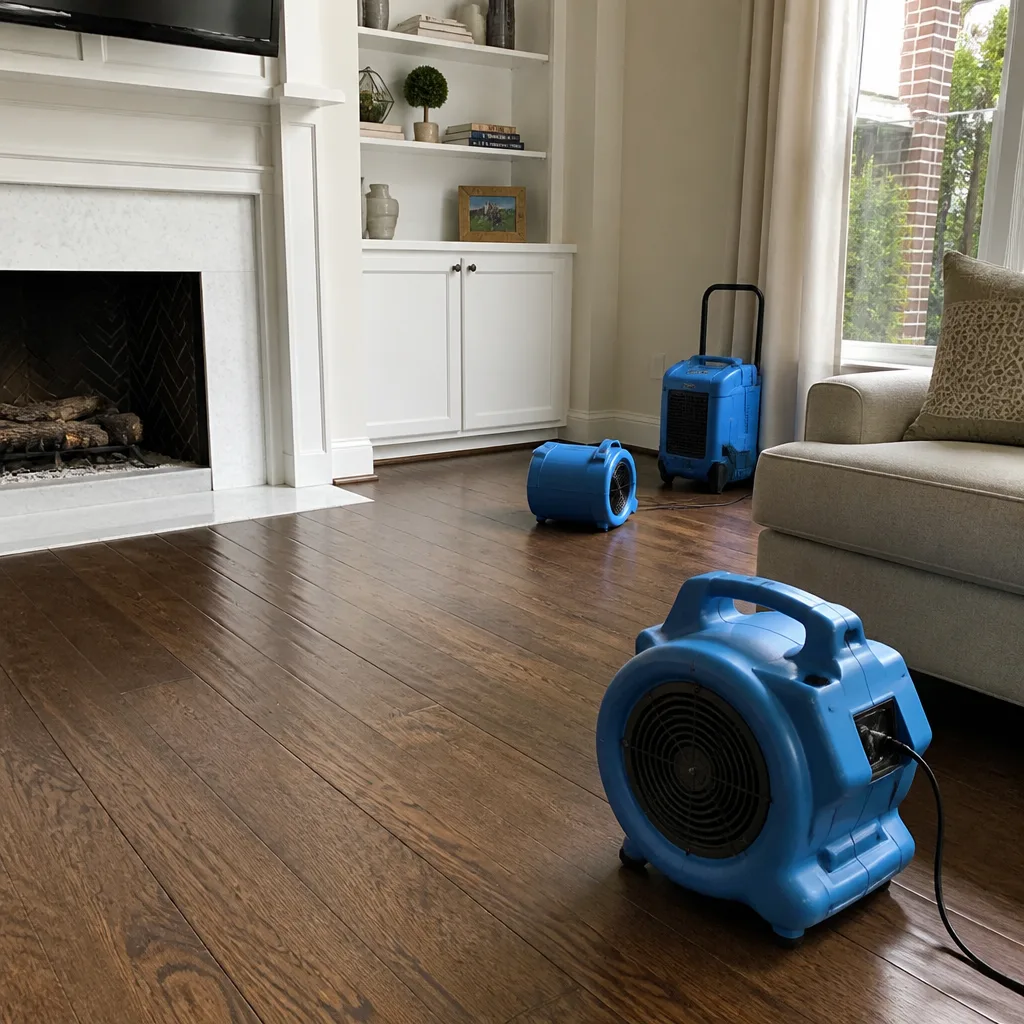
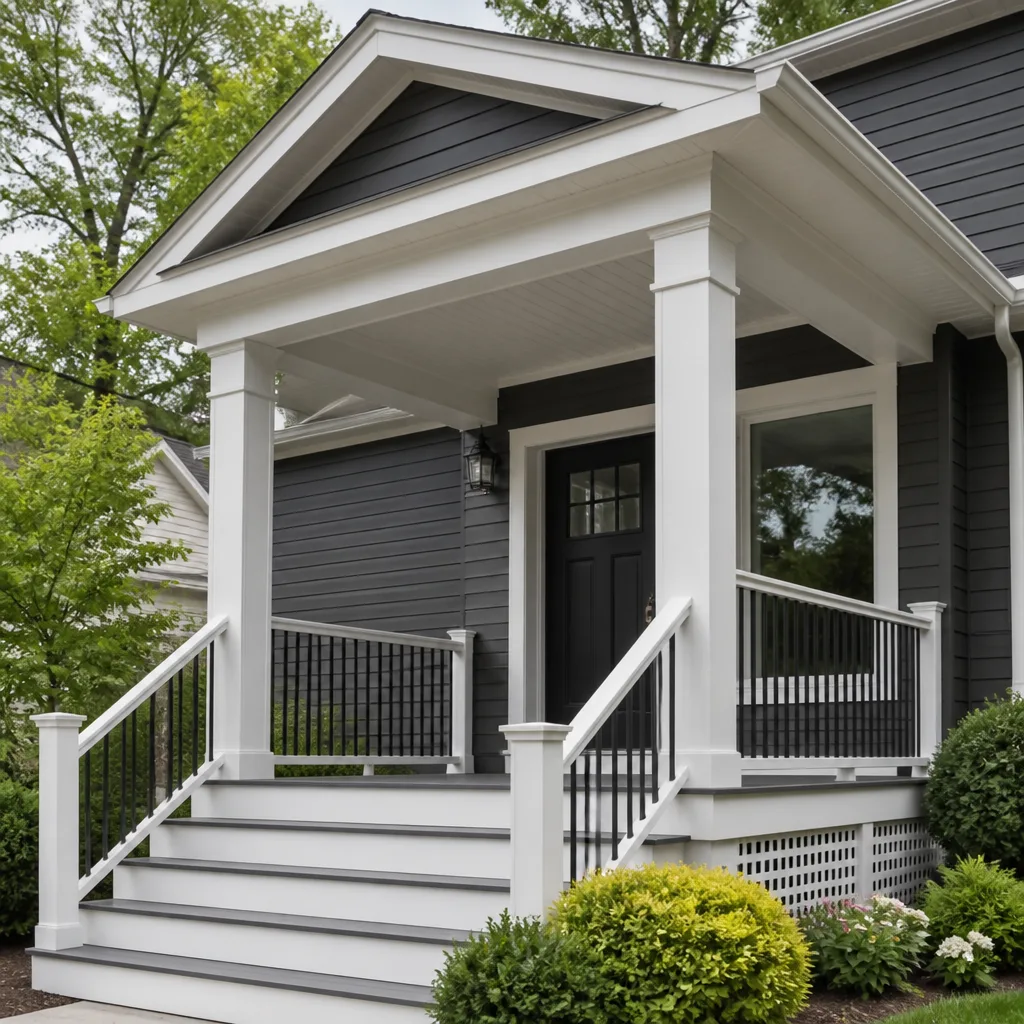
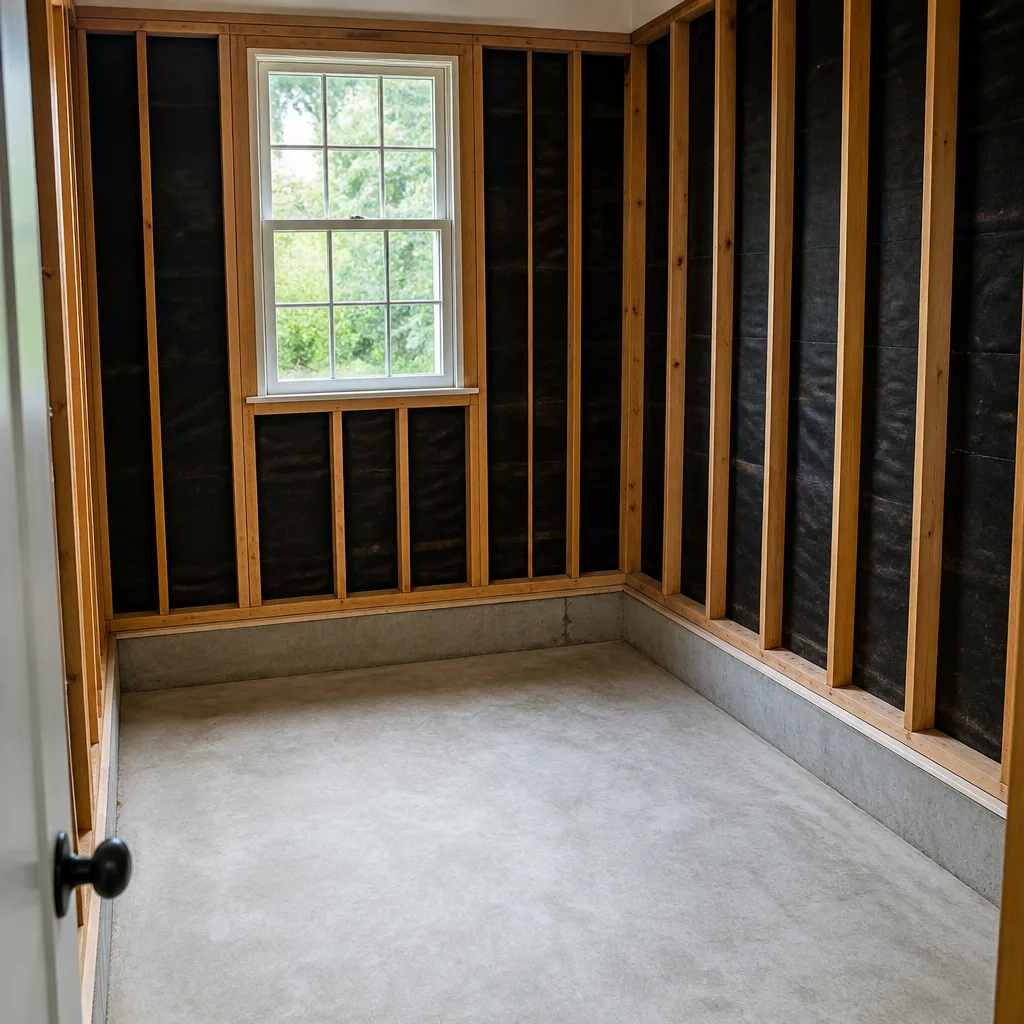
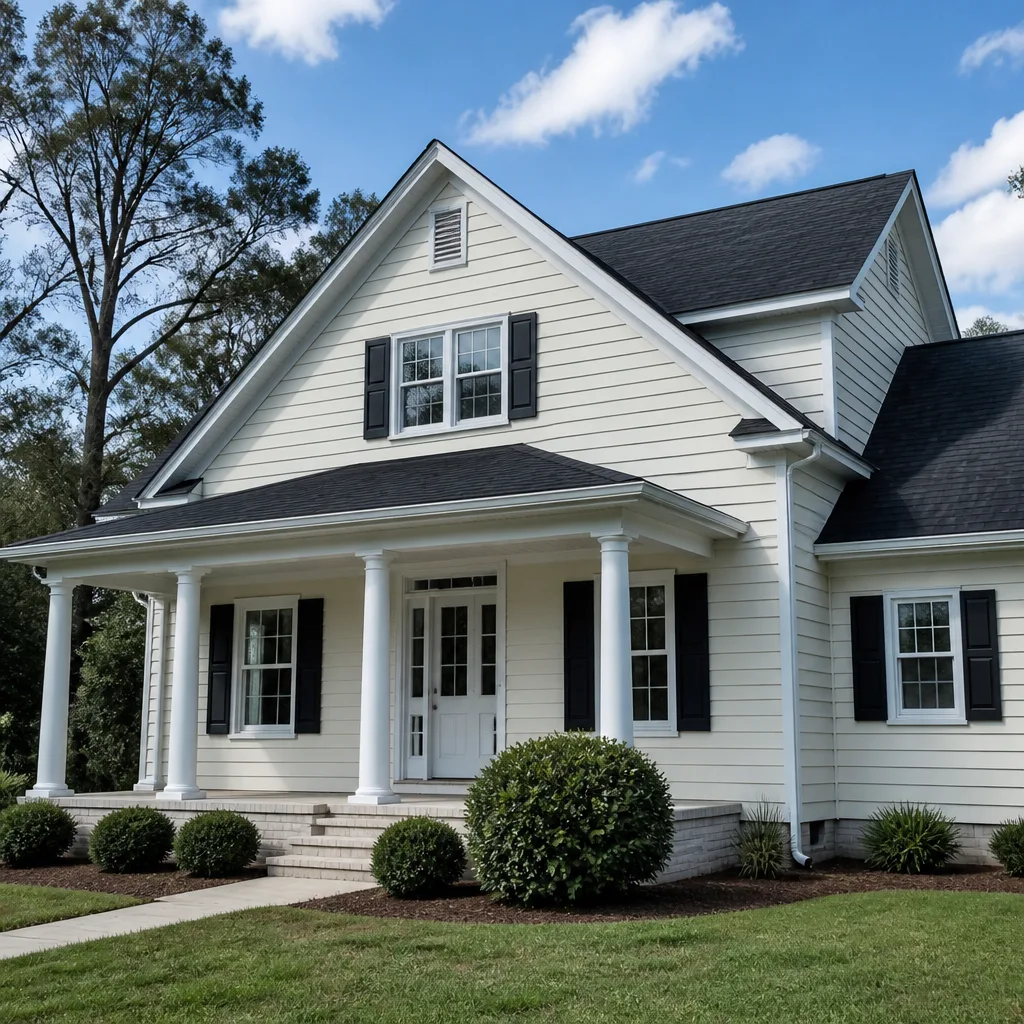
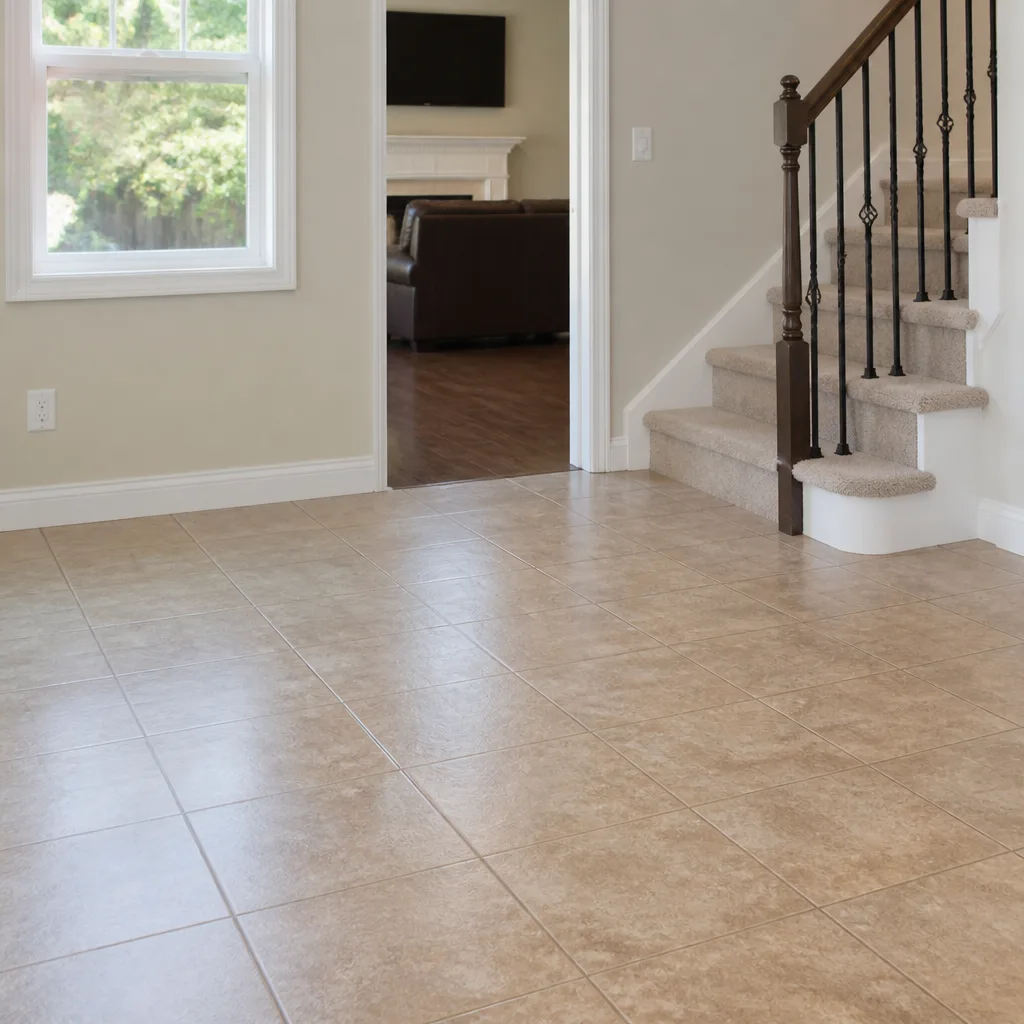
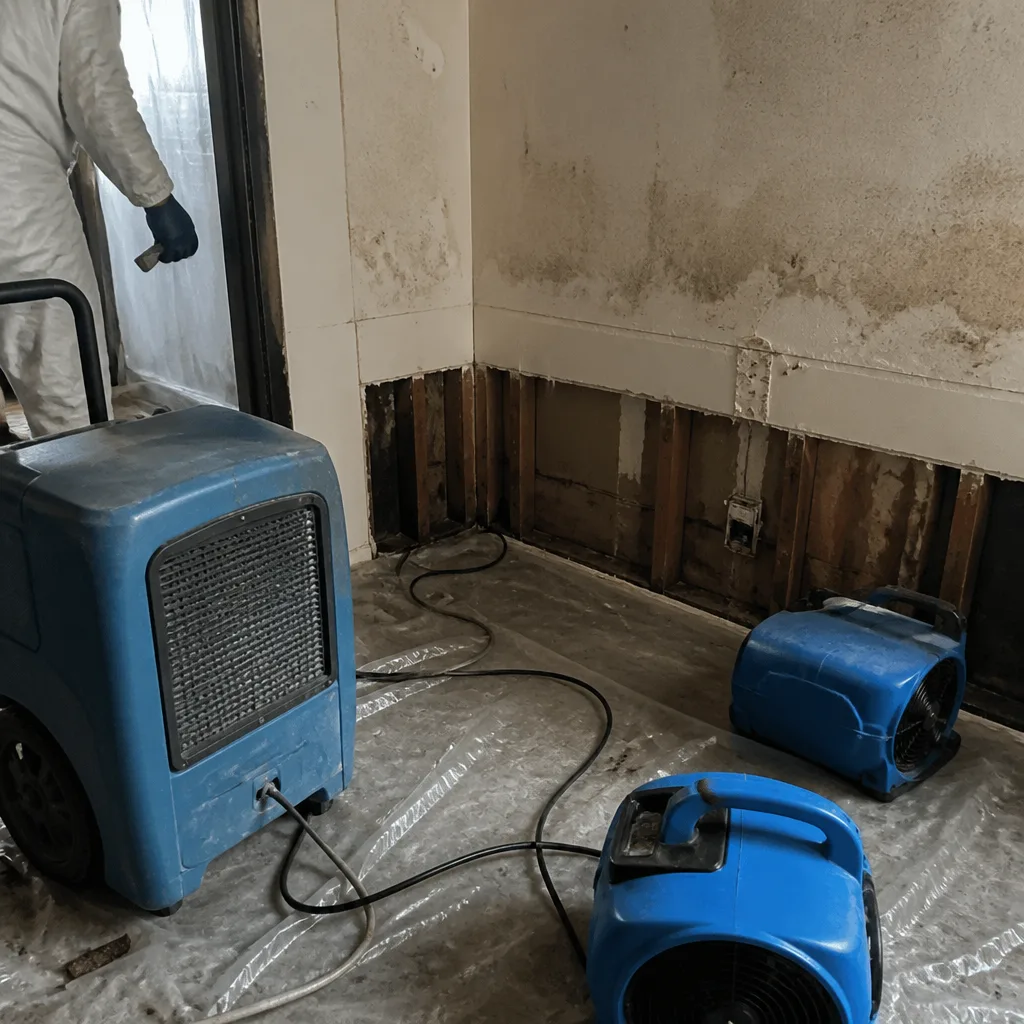 Before
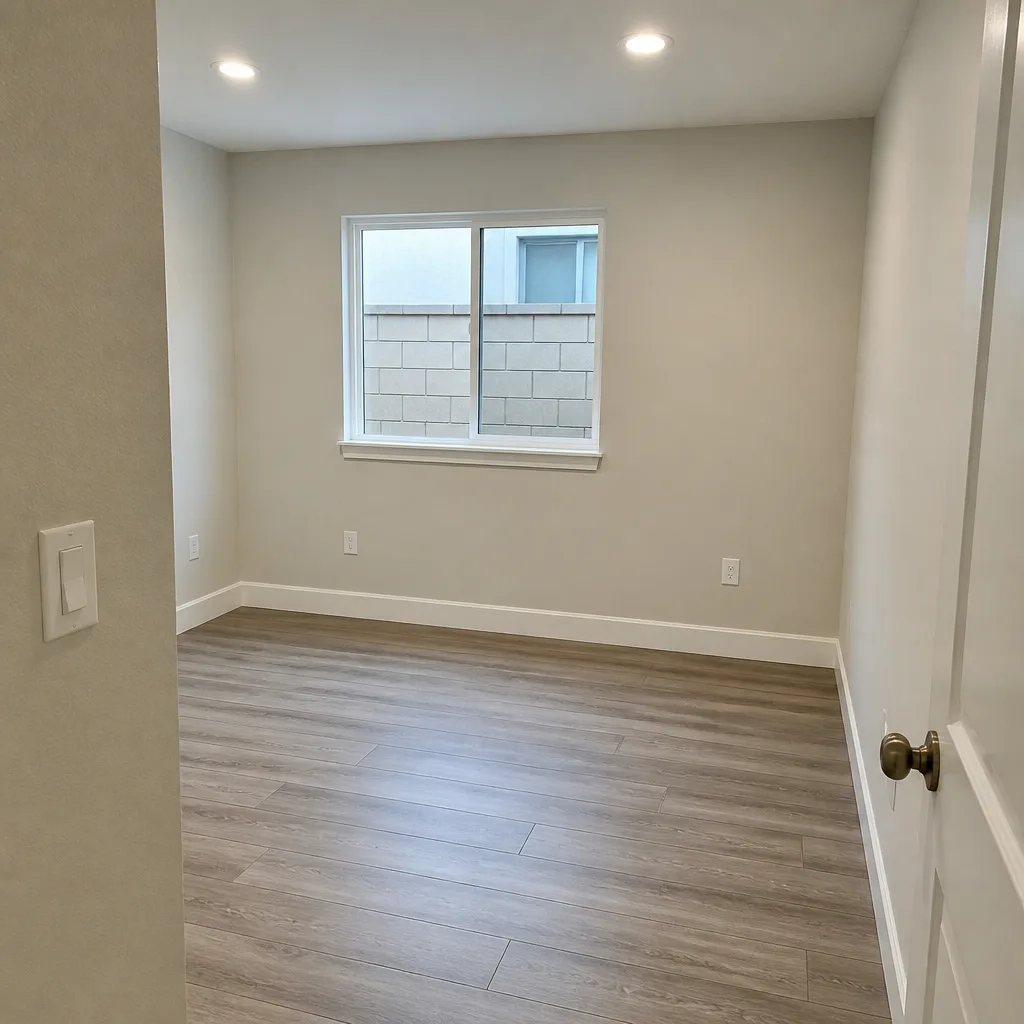 After
After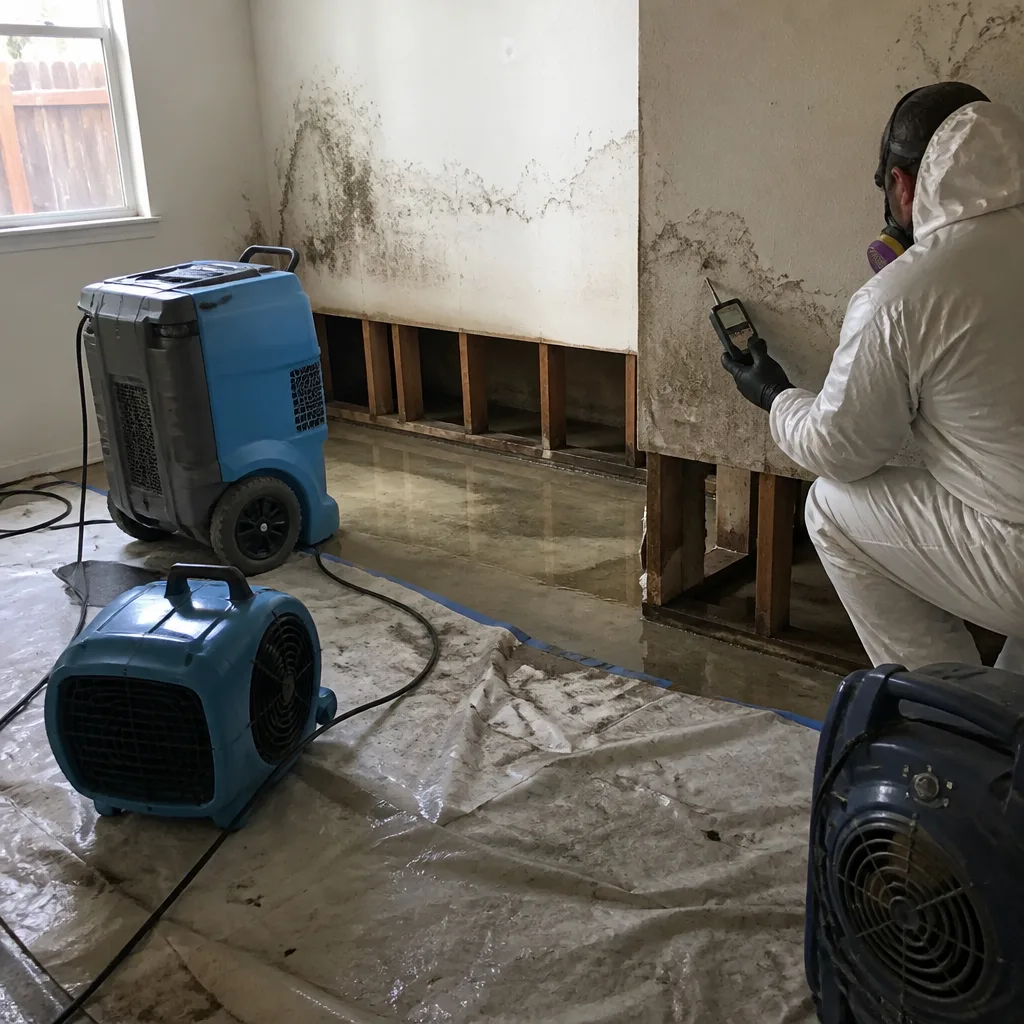 Before
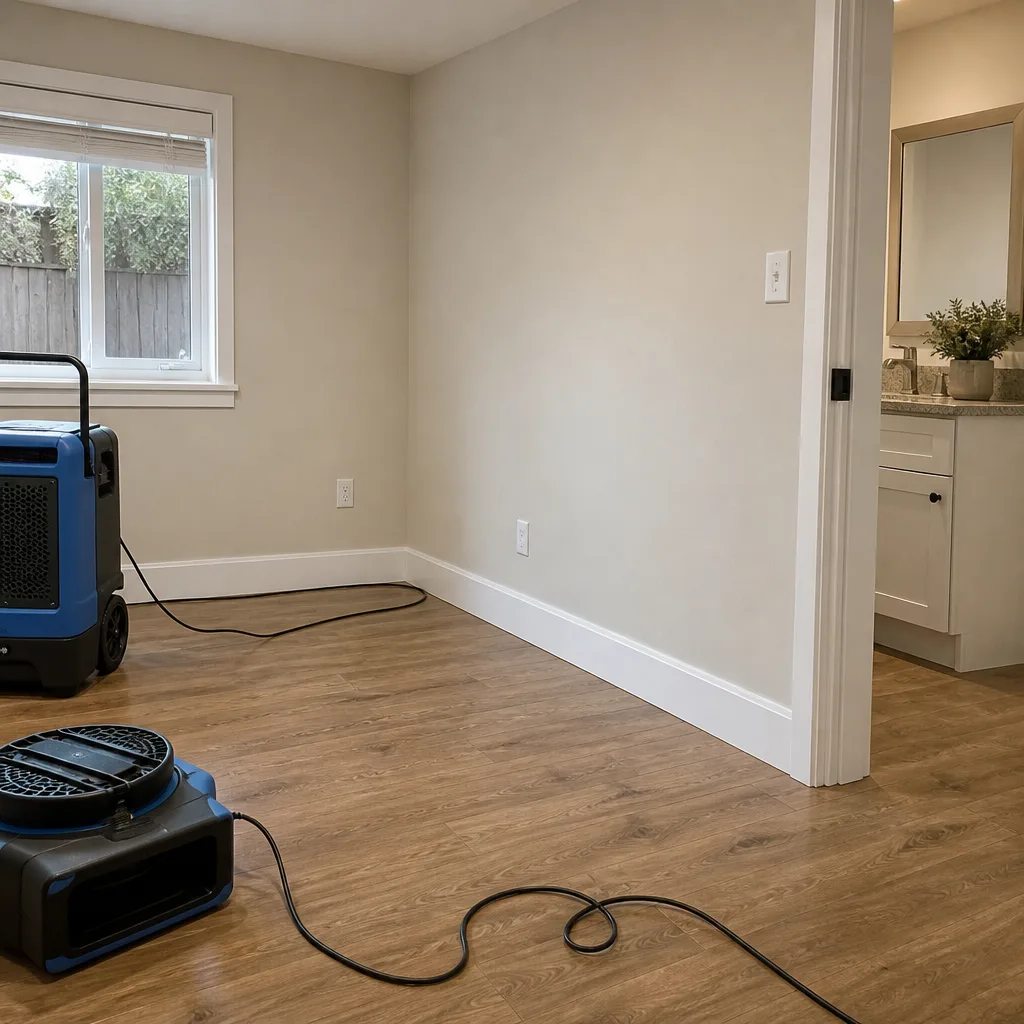 After
After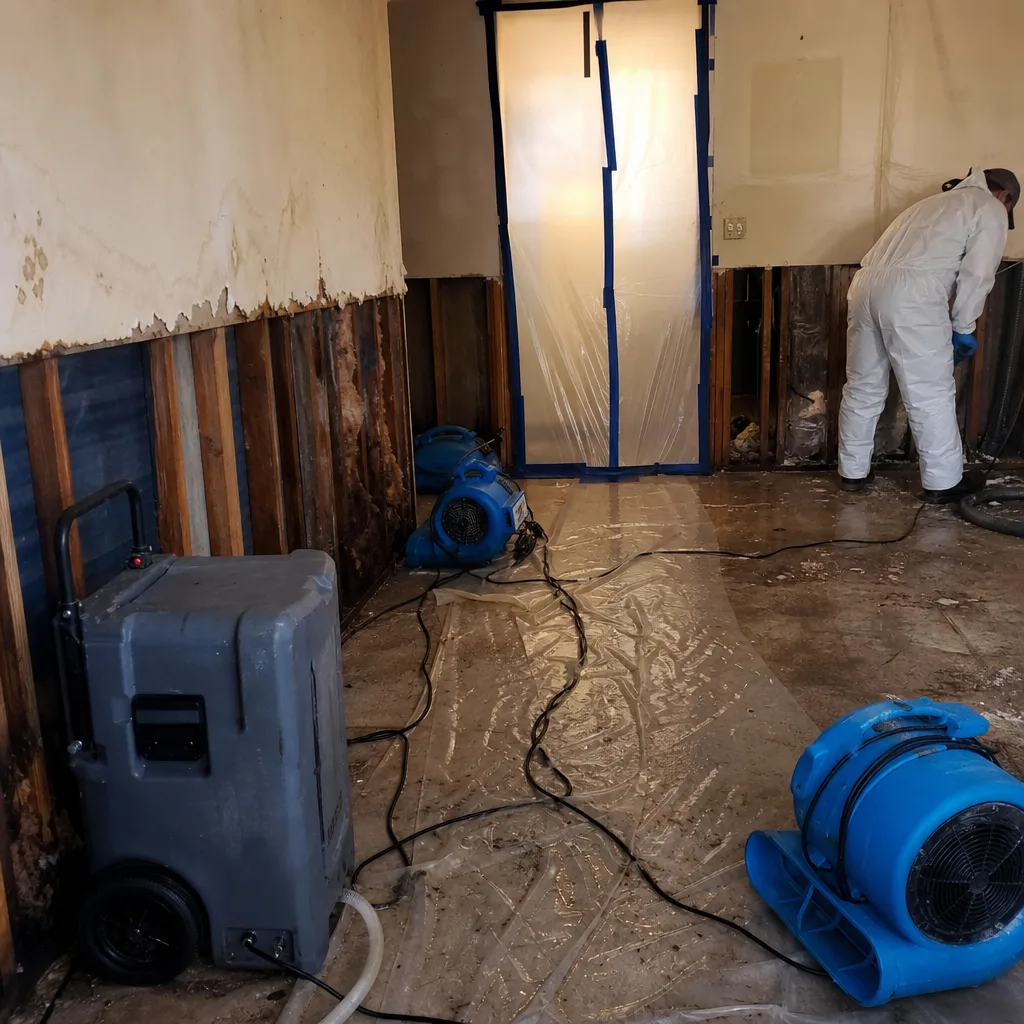 Before
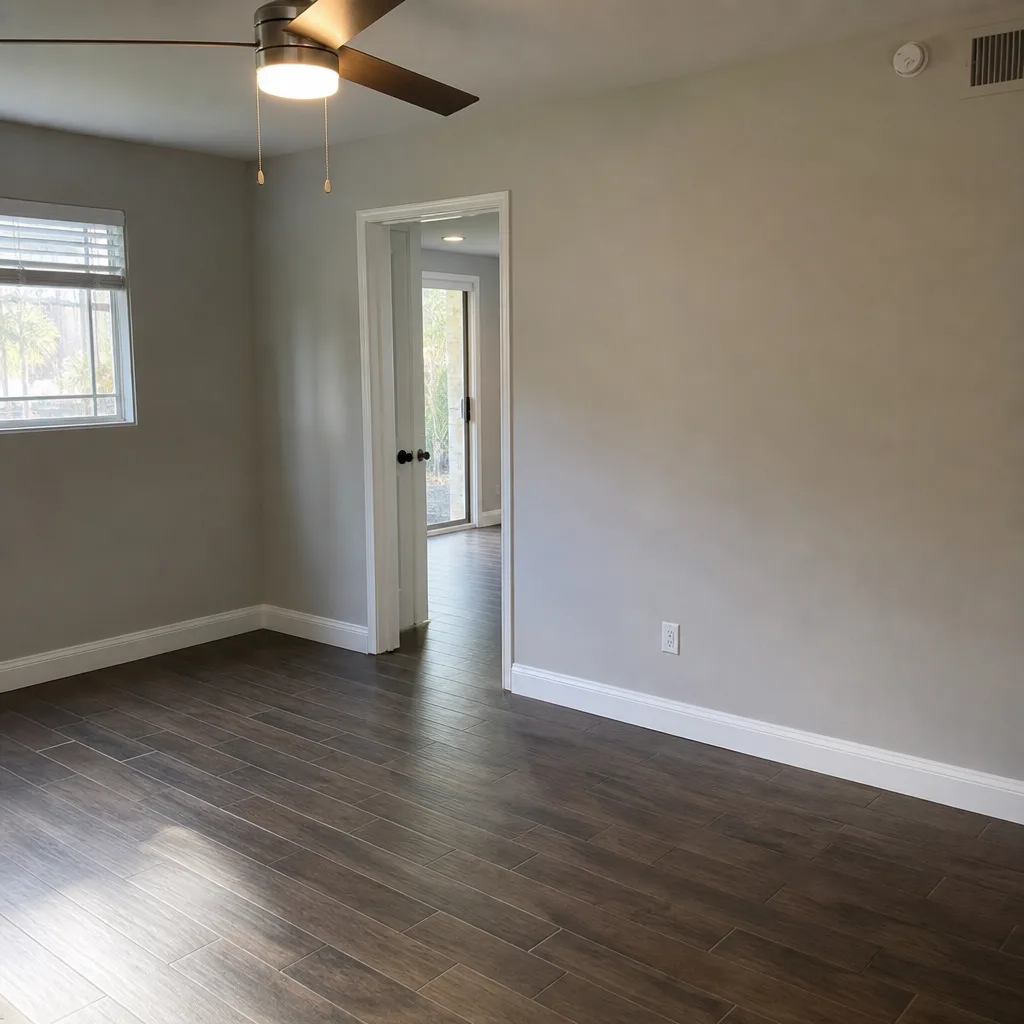 After
AfterDamage Restoration Cost Breakdown: The Oceanside Homeowner’s Reference for 2026
The single most common reason California insurers reduce restoration payouts is not fraud. It’s that the invoice lists a cost category without the supporting documentation that connects it to a measurable scope of work. In Oceanside, where coastal humidity and salt-air corrosion accelerate damage timelines, a restoration bill that lacks daily moisture logs, equipment run-time records, and photo-documented progress is a bill that gets challenged. This guide breaks down what restoration actually costs in Oceanside in 2026, what documentation must accompany each charge, and how to read an invoice before you authorize payment. For Damage Restoration Warning Signs: A Oceanside Homeowner’s Reference Guide, see our companion resource.
Quick Answer
Water damage restoration in Oceanside typically ranges from $3,200 for a contained single-room extraction and drying job to $18,500+ for whole-house mitigation with reconstruction. Mold remediation averages $15-$30 per square foot of affected area, while fire and smoke restoration starts around $8,000 and scales with structural involvement. Every legitimate charge should arrive with a matching document: equipment logs for drying, daily psychrometric readings for extended timelines, and a photo record dated to each visit.
Table of Contents
- Water Damage Restoration Costs in Oceanside
- Mold Remediation Costs and Documentation Requirements
- Fire & Smoke Damage Restoration Costs
- Demolition and Reconstruction Pricing
- How Oceanside’s Coastal Location Affects Your Bill
- Written Scope vs. Time-and-Materials: The Cost Difference
- How to Read a Restoration Invoice Before You Pay
- Common Mistakes to Avoid
- When to Call a Professional
- Frequently Asked Questions
- The Bottom Line
BeforeAfterWater Damage Restoration Costs in Oceanside
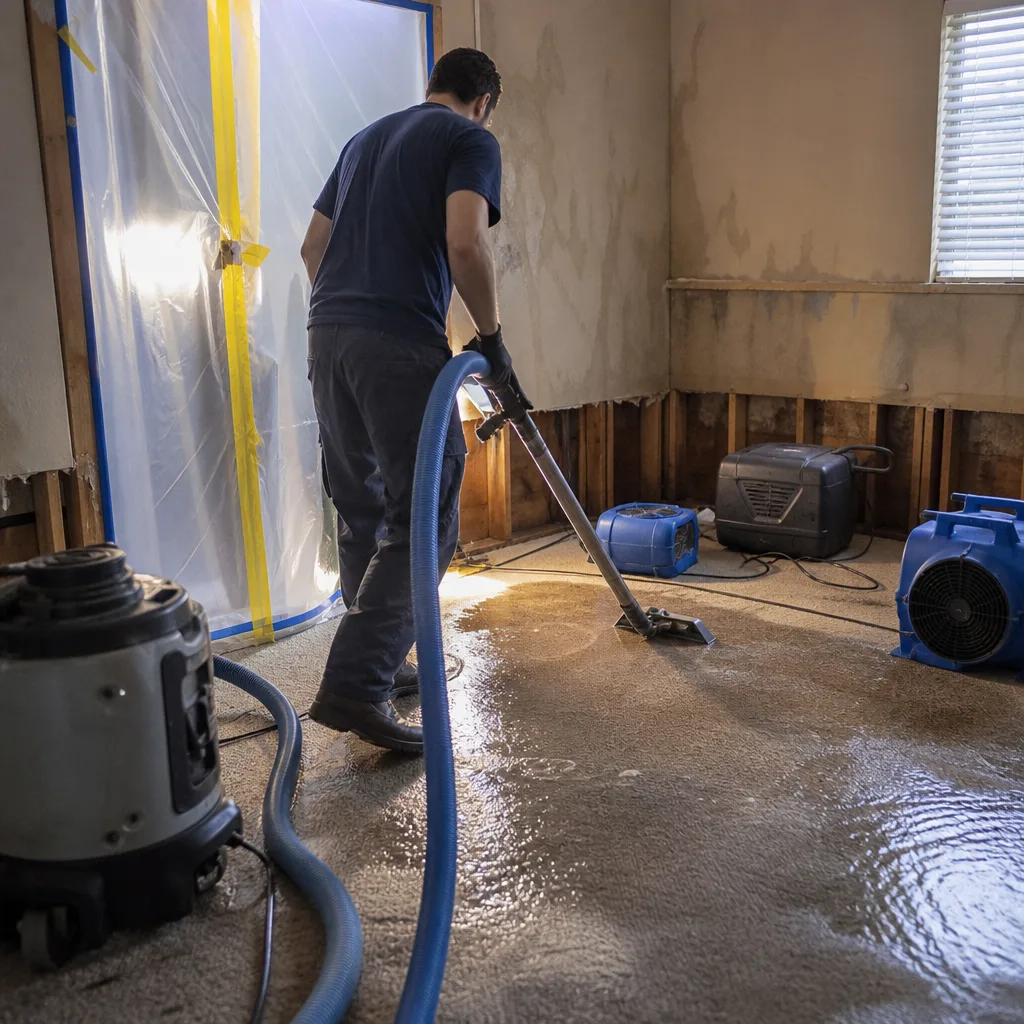
Water damage is the most frequent call we handle in Oceanside, and it’s also the category where documentation gaps cost homeowners the most money at claim time. A properly documented water job separates into measurable phases, each with its own cost structure and required proof.
Category 1 clean water (broken supply line, rainwater intrusion): $3,200-$7,800 for residential spaces up to 1,500 square feet. This assumes extraction, structural drying with dehumidification, and no material replacement.
Category 2 gray water (dishwasher discharge, washing machine overflow): $4,500-$10,500. The elevated range reflects antimicrobial application, additional protective equipment, and more aggressive drying protocols to prevent microbial amplification.
Category 3 black water (sewage backup, seawater intrusion, rising groundwater): $7,500-$18,500+. Oceanside properties near the San Luis Rey River or in low-lying areas of South Oceanside see this more frequently. Category 3 requires removal of porous materials, HEPA air scrubbing, and often extends to 5-7 day drying cycles with daily moisture content verification.
Per-square-foot benchmarks for Oceanside in 2026:
- Water extraction: $1.80-$3.50 per square foot (varies with standing depth and access)
- Structural drying equipment rental: $35-$75 per day per air mover; $85-$150 per day for LGR dehumidifiers
- Injectidry hardwood floor drying system: $450-$650 per day (specialized for Oceanside’s common engineered hardwood installations)
- Thermal imaging and moisture mapping: $275-$450 initial survey
- Daily monitoring visits with documented readings: $175-$285 per visit
The documentation that must accompany each charge: extraction logs noting gallons removed and disposal method; equipment placement diagrams with serial numbers; daily psychrometric data (temperature, relative humidity, specific humidity, and vapor pressure differential - the measurable force that drives moisture from wet materials into the air); and moisture content readings per material type, per room, with target goals defined by IICRC S500 standards.
Without these documents, an adjuster has no basis to confirm that 12 air movers ran for four days, or that the dehumidifier was necessary rather than precautionary. We’ve reviewed competitor invoices where $4,800 in equipment charges sat unsupported by a single equipment log. Haven Standard, Clause 1 requires a written price before work begins; equally important is the documentation package that proves the work happened as scoped.
Water Damage Restoration in Oceanside follows these protocols on every job, from a slab leak in Fire Mountain to a second-story supply line failure in Arrowood.
Mold Remediation Costs and Documentation Requirements
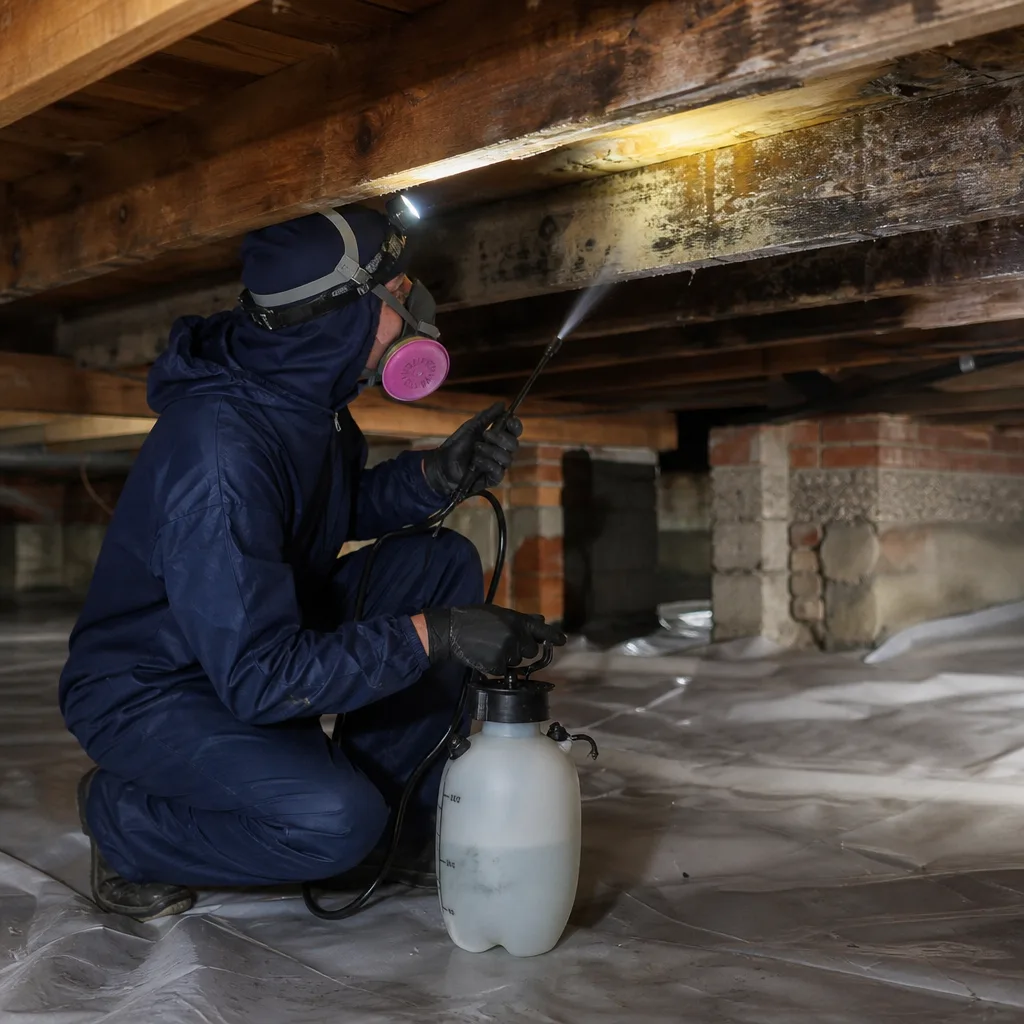
Mold remediation in Oceanside carries a documentation burden even heavier than water damage, because California’s SB 655 and local amendments require specific protocols for rental properties, and because insurers scrutinize mold charges more aggressively than almost any other restoration category.
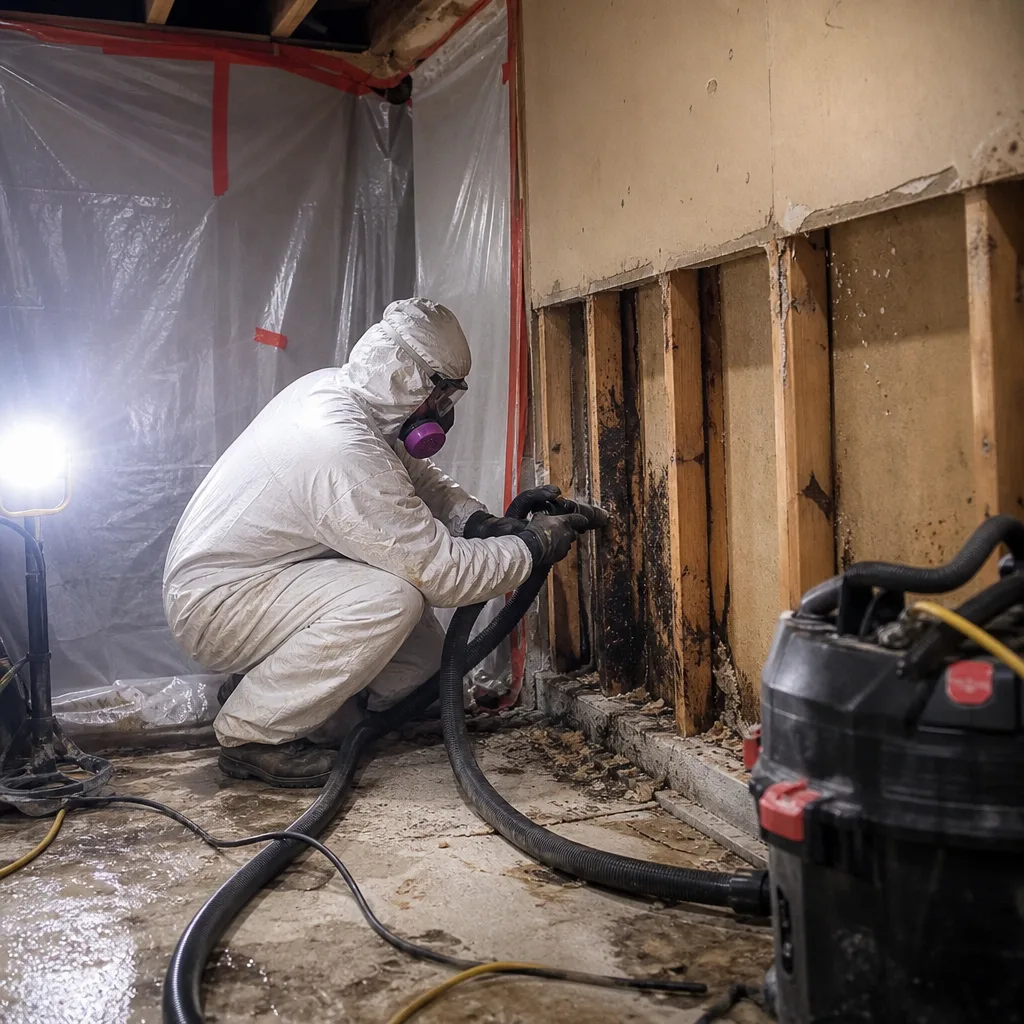
Containment and remediation: $15-$30 per square foot of contained area, not just visible growth. A 10×12 bedroom with wall cavities affected typically runs $4,200-$8,500. Whole-house remediation with HVAC contamination reaches $15,000-$35,000.
Air scrubbing and negative air pressure: $225-$400 per HEPA unit per day, with minimum 48-hour post-remediation clearance.
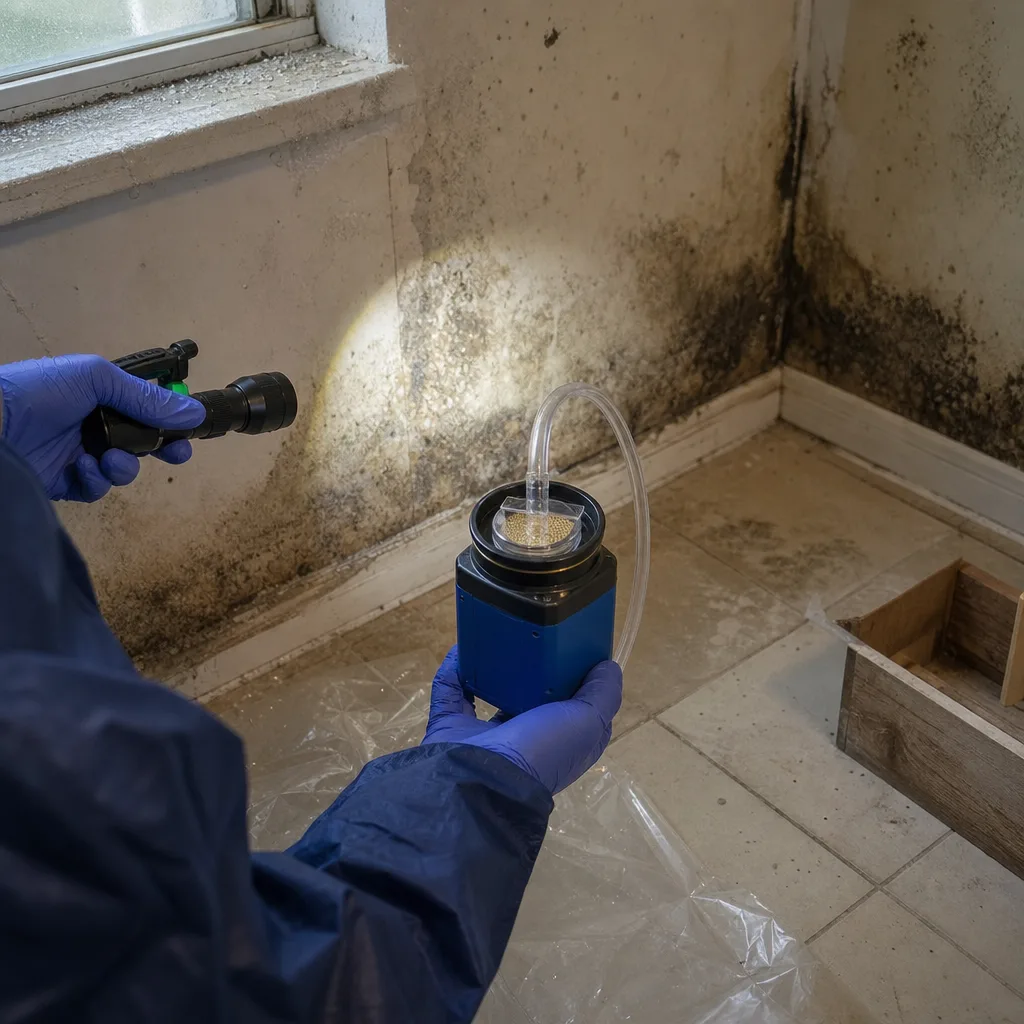
Post-remediation verification (PRV) testing: $450-$850 for third-party air and surface sampling. We recommend independent PRV on every job; it’s the documentation that closes the file.
The Oceanside-specific factor: coastal moisture loads mean mold propagates faster here than inland. A water damage job that might stay Category 1 for 72 hours in Escondido can amplify to Category 2 with microbial growth in 48 hours in Oceanside’s marine layer conditions. This accelerates timelines and can extend remediation scope if initial response is delayed.
Required documentation for mold charges:
- Pre-remediation assessment with moisture source identification, documented in writing and photography
- Containment diagram showing negative air pressure zones, air scrubber placement, and decontamination chamber location
- Material removal log with square footage of affected drywall, insulation, or substrate, photographed before and after
- HEPA vacuum and antimicrobial application records, including product EPA registration numbers and application rates
- Post-remediation clearance report from an independent assessor, with airborne spore counts and comparison to outdoor baseline
We’ve seen Oceanside homeowners challenged on $6,000 in mold charges because the remediation company could not produce a containment diagram or independent clearance. The invoice listed “mold remediation - bedroom” as a single line item. That doesn’t survive review.
Mold Remediation in Oceanside includes written scope, photo documentation, and independent PRV coordination as standard deliverables, not upsells.
Fire & Smoke Damage Restoration Costs
Fire restoration pricing resists simple per-square-foot formulas because the damage spectrum is so wide: a kitchen grease fire with localized soot might run $8,500-$14,000, while a structure fire with smoke migration through multiple floors reaches $45,000-$120,000+ before reconstruction begins.
Cost categories for Oceanside fire restoration in 2026:
- Emergency board-up and securing: $850-$2,400 (required by most insurers within 24 hours)
- Soot and odor removal - thermal fogging and ozone treatment: $1,200-$3,500 per affected zone
- Content pack-out, cleaning, and inventory: $3,500-$8,500 (varies with electronics, artwork, and textile volume)
- HVAC duct cleaning after smoke intrusion: $1,800-$4,200
- Structural deodorization with hydroxyl generators: $185-$325 per unit per day, typically 3-7 days
Oceanside’s coastal position introduces a specific cost driver: salt-laden air combined with acidic soot accelerates metal corrosion. We’ve documented cases in coastal neighborhoods where electrical components and HVAC coils showed corrosion within 72 hours of fire exposure, requiring replacement rather than cleaning. This extends both the remediation scope and the documentation requirement - pre-cleaning and post-cleaning photos of each component, with corrosion assessment notes.
Fire restoration documentation is extensive and insurer-mandated:
- Initial scope of loss with room-by-room damage classification (light, medium, heavy, or structural)
- Content inventory with pre-cleaning condition photos, cleaning method per item type, and post-cleaning verification
- Odor treatment log with equipment type, run times, and treated area square footage
- Air quality readings pre- and post-treatment for hydroxyl or ozone deployment
- Structural drying documentation if water damage from suppression is present (common, and often the larger portion of the bill)
Fire & Smoke Damage Restoration in Oceanside addresses the full documentation chain from board-up through reconstruction, with photo records at each phase.
Demolition and Reconstruction Pricing
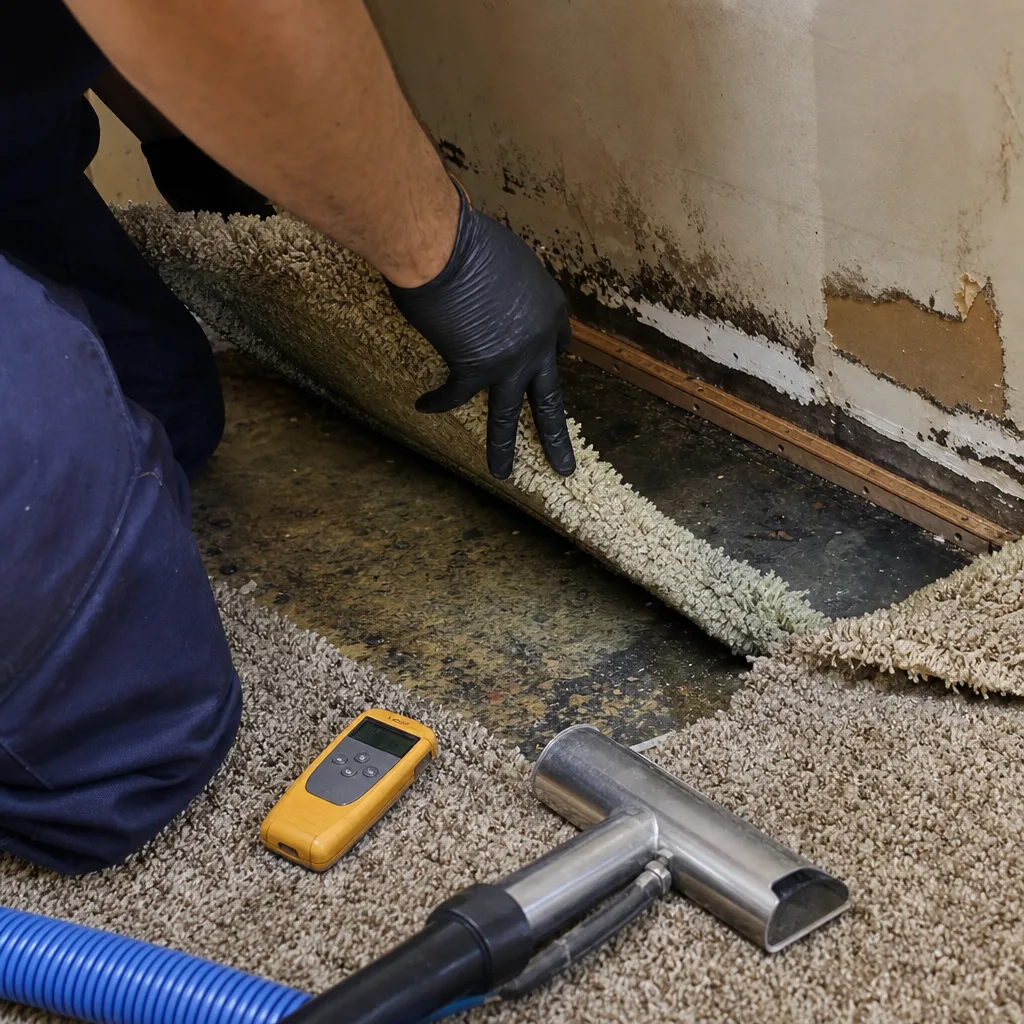
Demolition and reconstruction represent the transition from mitigation to build-back, and this is where cost control becomes most critical for homeowners. Mitigation is largely dictated by moisture readings and contamination levels; reconstruction involves material choices, code requirements, and finish selections that can double or triple a project scope.
Demolition (mitigation phase, not selective remodeling):
- Non-structural demolition - drywall, flooring, ceiling: $2.50-$5.50 per square foot
- Structural demolition - load-bearing walls, subfloor, joists: $8.50-$18.00 per square foot
- Hazardous material handling (lead, asbestos in pre-1978 Oceanside homes): $45-$85 per square foot, with mandatory third-party abatement certification
Reconstruction (build-back, post-mitigation):
- Drywall installation and finish: $3.50-$7.50 per square foot
- Flooring replacement - LVP or engineered hardwood (common in Oceanside): $8.50-$18.00 per square foot installed
- Cabinetry and millwork: $4,500-$12,000 per kitchen, depending on layout preservation
- Electrical and plumbing rough-in after demolition: $2,800-$7,500 per trade
- Painting - primer and two coats: $2.80-$4.50 per square foot
Oceanside-specific reconstruction factors: the city’s proximity to the coast triggers California Building Code requirements for corrosion-resistant fasteners in exterior assemblies, elevated foundation ventilation in crawl spaces, and moisture barrier specifications that exceed inland standards. These are not optional upgrades; they’re code-mandated, and they add 8-15% to material costs versus comparable inland reconstruction. See Damage Restoration Permits, Codes & Inspections in CA: What You Need to Know for full compliance requirements.
Documentation for reconstruction charges must include: a written scope with material specifications and manufacturer names; permit applications and inspection sign-offs; change orders signed by the homeowner before additional work; and final walk-through photos with punch list resolution. Reconstruction is scoped, scheduled, and priced in writing before work begins - never dispatched as emergency service.
How Oceanside’s Coastal Location Affects Your Bill
Oceanside’s position on the Southern California coast creates restoration conditions that inland San Diego County simply doesn’t face. These factors appear as line items on legitimate invoices, and homeowners should recognize them as market realities, not padding.
Accelerated corrosion timeline. Salt air begins corroding metal fasteners, electrical components, and HVAC equipment within 48-72 hours of water exposure. In Vista or San Marcos, the same exposure might allow cleaning rather than replacement. In coastal Oceanside neighborhoods like South Oceanside and the Strand, we regularly document corrosion on hardware that appeared sound at 24 hours. This extends material replacement scopes and must be photo-documented at each inspection.
Marine layer humidity extends drying. Oceanside’s typical summer humidity runs 70-85% in early morning hours, versus 45-60% inland. This slows natural evaporation and often requires extended dehumidifier run times. A drying job that reaches target moisture content in 3 days inland may need 4-5 days on the coast, with daily psychrometric logs proving the equipment was necessary throughout.
Corrosion-resistant material premiums. Fasteners, flashing, and exterior hardware for Oceanside rebuilds must meet enhanced coastal specifications. Stainless steel or hot-dip galvanized fasteners cost 25-40% more than standard zinc-coated equivalents. These aren’t upsells; they’re code compliance for 92054 and adjacent zip codes.
Access and logistics. Dense coastal neighborhoods, limited street parking for equipment trailers, and multi-story buildings without elevator access add labor hours. A water extraction in a third-floor downtown Oceanside condo requires more hose runs, more equipment staging time, and more labor than a comparable single-story ranch in Rancho Del Oro. These appear as labor line items, not mysterious surcharges.
Seawater and brackish water intrusion. Properties near the San Luis Rey River mouth or in historic flood zones face Category 3 classification from rainwater alone if tidal backflow is involved. This triggers full porous material removal and antimicrobial protocols that clean-water jobs avoid. The classification must be documented with water source verification - photos of tide marks, salinity testing, or adjuster confirmation.
Written Scope vs. Time-and-Materials: The Cost Difference
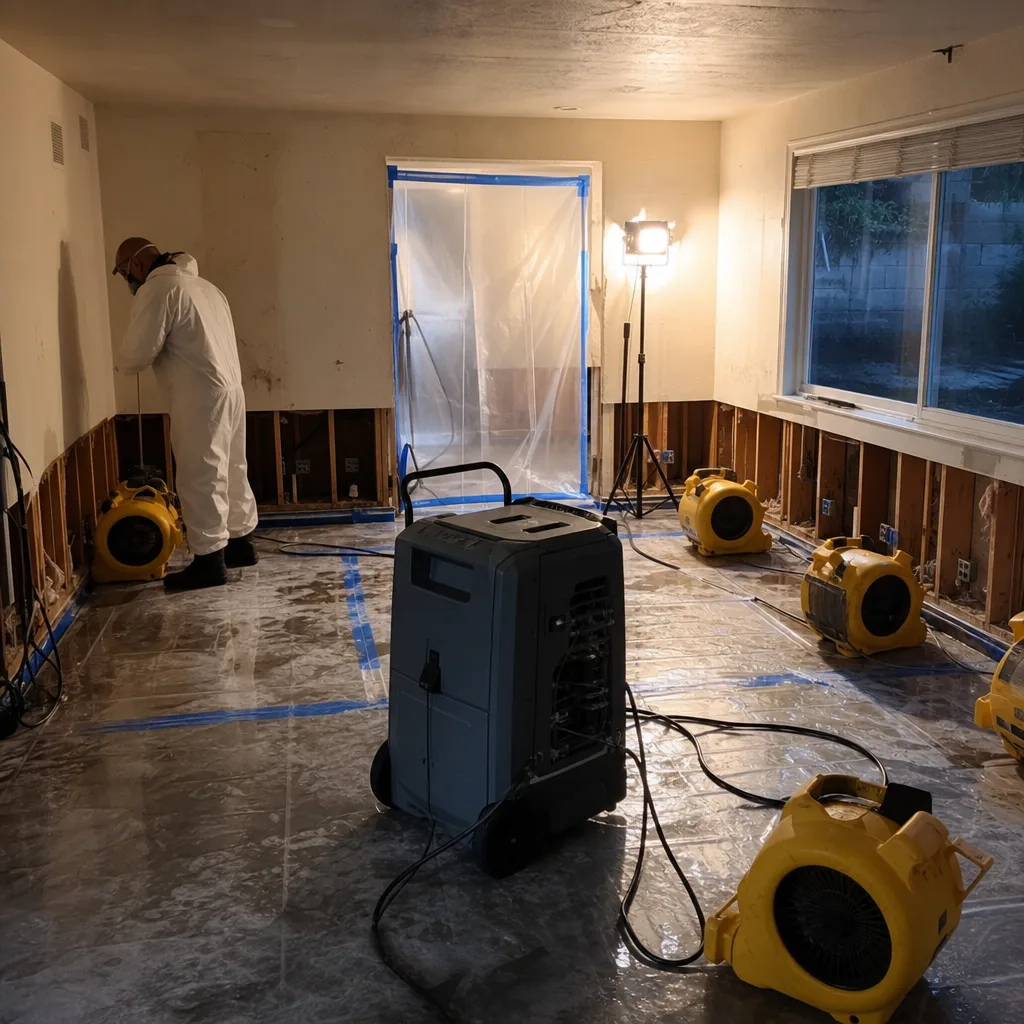
This is where restoration pricing diverges most dramatically, and where Haven Standard, Clause 1 becomes financially consequential for homeowners.
A written scope delivered before work begins defines: the exact square footage of affected area; the specific equipment type and quantity; the daily monitoring schedule; the target moisture content goals per material; and the total price for the defined work. If conditions change, a signed change order precedes additional charges. In our experience across 12,000+ homes, written-scope jobs in Oceanside average 18-27% lower final cost than comparable time-and-materials jobs.
Time-and-materials jobs bill hourly labor plus equipment rental plus materials plus markup. Without a defined endpoint, these jobs accumulate charges through extended timelines, equipment that remains on site longer than necessary, and labor hours that expand with scope ambiguity. We’ve reviewed competitor invoices where time-and-materials water jobs exceeded written-scope equivalents by $4,200-$8,700 for identical starting conditions.
The mechanism is straightforward: a written scope creates accountability for efficiency. The restoration company has incentive to dry the structure to specification as quickly as equipment and physics allow, because the price is fixed. Time-and-materials creates the opposite incentive structure, whether intentionally or not.
Documentation requirement: a written scope should include the contractor’s license number, a detailed line-item breakdown, the total price, and homeowner signature before work begins. Request this. If a company won’t provide it, that is information about how your job will be managed.
How to Read a Restoration Invoice Before You Pay
A restoration invoice should read as a series of documented, verifiable line items - not a lump sum with a narrative attached. Here’s how to evaluate one before authorizing payment.
- Verify the scope matches the pre-work agreement. Every line item should trace to a written scope or signed change order. Charges outside the original scope without a change order are disputed by definition.
- Check for equipment logs with serial numbers. Each dehumidifier, air mover, and air scrubber should have a serial number, placement location, and daily run-time record. Cross-check the count against the scope. We’ve found invoices billing for 14 air movers where photos showed 9 deployed.
- Demand daily moisture readings with target goals. The invoice should reference, or be accompanied by, a drying log showing date, time, room, material type, moisture content percentage, and target goal per IICRC S500. Extended drying without documented progress toward target is a red flag.
- Confirm photo documentation exists for each visit. Not every photo belongs on the invoice, but the invoice should reference a photo record with date stamps matching each site visit. Ask to see it.
- Review labor hours against the timeline. A standard water damage monitoring visit takes 45-90 minutes including readings, equipment adjustment, and documentation. If labor charges suggest 3-hour daily visits for a routine drying job, request task breakdown.
- Validate material charges with delivery receipts. Drywall, insulation, flooring, and paint should have manufacturer documentation and delivery dates matching the reconstruction phase.
- Check for duplicate charges. We’ve seen invoices billing separately for “dehumidifier rental” and “drying equipment,” or for “moisture survey” and “thermal imaging” when these were the same visit. Each charge needs distinct documentation.
A legitimate restoration company will not resist this review. The documentation exists because the work was performed and measured. Resistance to providing supporting documents is itself a signal.
Common Mistakes to Avoid
- Accepting a verbal estimate for emergency work. In Oceanside’s competitive restoration market, some companies dispatch immediately with “we’ll figure out the price after we start.” This violates Haven Standard, Clause 1 and almost always produces higher final bills. Demand written pricing before equipment enters your home.
- Ignoring the documentation gap until claim time. Homeowners focused on immediate damage often neglect to request daily logs and photo records. Six weeks later, when the insurer questions $7,200 in equipment charges, those documents are the only defense. Request them in real time.
- Assuming all water is Category 1. Oceanside’s older plumbing infrastructure and coastal water table mean gray and black water scenarios are more common than homeowners expect. Uninformed acceptance of a low Category 1 estimate can lead to mid-job reclassification and disputed change orders.
- Skipping independent post-remediation verification for mold. Some contractors self-certify clearance. In California’s litigious environment, and with Oceanside’s rental market subject to SB 655, independent PRV is essential documentation for property records and future transactions.
- Paying reconstruction deposits without permit confirmation. Oceanside requires permits for structural, electrical, and plumbing work. A contractor requesting large deposits before permit approval may be undercapitalized or inexperienced with local building department timelines.
- Confusing mitigation speed with reconstruction speed. Water extraction and drying are time-sensitive and can begin same-day. Reconstruction requires scope finalization, material ordering, and permit scheduling. A contractor promising same-day reconstruction is either misinformed or misrepresenting the process.
When to Call a Professional
Call for professional assessment when water has affected more than a single small area you can dry with household equipment; when you smell musty odors after any water event; when soot or smoke residue is visible beyond the immediate fire location; or when sewage, seawater, or rising groundwater is involved. These scenarios require documented protocols that protect both your property and your insurance claim.
DryMark Restoration Oceanside offers free estimates in Oceanside. Our live phone coverage is available 24 hours a day, 7 days a week with no voicemail on emergency lines. Every job is quoted in writing before work begins, documented with a photo record on every visit, and covered by the 365-Day Done Right Promise. Call (760) 546-9565 for a free estimate or a free second opinion on any competitor’s written quote. Browse our more guides & resources for additional homeowner tools.
Frequently Asked Questions
Single-room extraction and drying typically runs $3,200-$7,800, while whole-house Category 3 mitigation with reconstruction reaches $18,500+. Per-square-foot extraction averages $1.80-$3.50, with drying equipment at $35-$150 per day depending on unit type. Call (760) 546-9565 for a written estimate based on your specific conditions - estimates are free.
Most standard California homeowners policies cover sudden and accidental water damage, fire, and storm damage, but exclude gradual leaks, flooding without separate flood coverage, and sewage backup without specific endorsement. The key to coverage is documentation: photo records, equipment logs, and written scopes that connect each charge to a covered peril. We coordinate directly with adjusters and provide the documentation package that supports claim payment.
Emergency mitigation - water extraction, board-up, initial stabilization - can begin same-day with live dispatch. Our 24/7 phone coverage means no voicemail trees or next-business-day delays while water continues migrating. Reconstruction is scoped, scheduled, and priced in writing before work begins; it does not begin same-day. Call (760) 546-9565 for emergency dispatch.
Visible mold growth exceeding 10 square feet, mold in HVAC systems, or mold resulting from Category 2 or 3 water damage requires professional remediation with containment and air filtration. DIY cleaning without containment disperses spores and creates liability exposure, particularly in Oceanside’s humid coastal climate where regrowth is rapid. Professional remediation includes independent post-remediation verification that closes the file for insurance and property records.
We coordinate directly with adjusters, providing the daily drying logs, photo records, and written scopes that support line-item approval. Our documentation is formatted for adjuster review, with equipment serial numbers, moisture content targets, and material specifications that answer questions before they’re asked. Homeowners remain the policyholder and final decision-maker, but the administrative burden of documentation and negotiation falls to us.
An estimate is a preliminary price based on visible conditions. A written scope is a binding agreement defining exact work, materials, equipment, timeline, and total price before work begins, with signed change orders for any modifications. Haven Standard, Clause 1 requires a written scope, not merely an estimate, before any work starts. This prevents the scope creep and post-work billing disputes that characterize time-and-materials jobs.
The Bottom Line
Restoration costs in Oceanside are knowable, documentable, and controllable when homeowners demand the paperwork that proves the work. The 2026 price ranges in this guide reflect actual market conditions for coastal San Diego County, with premiums for corrosion-resistant materials, extended drying timelines, and marine-layer humidity that inland competitors may not account for. The fundamental protection is not the lowest initial quote - it’s the written scope, the daily documentation, and the photo record that transforms a restoration invoice into a claim that gets paid without dispute. Ask for these documents before authorizing work, review them before paying, and keep them with your property records.
Written by Alicia Brennan, Owner at DryMark Restoration Oceanside, serving Oceanside since 2011.