
Last updated September 23, 2026
Free visual inspection and a written scope of work before any mitigation begins - photos, moisture readings, and drying logs go in your claim file
The scope we write is the scope we bill. Anything new gets shown to you, in writing, before we touch it.

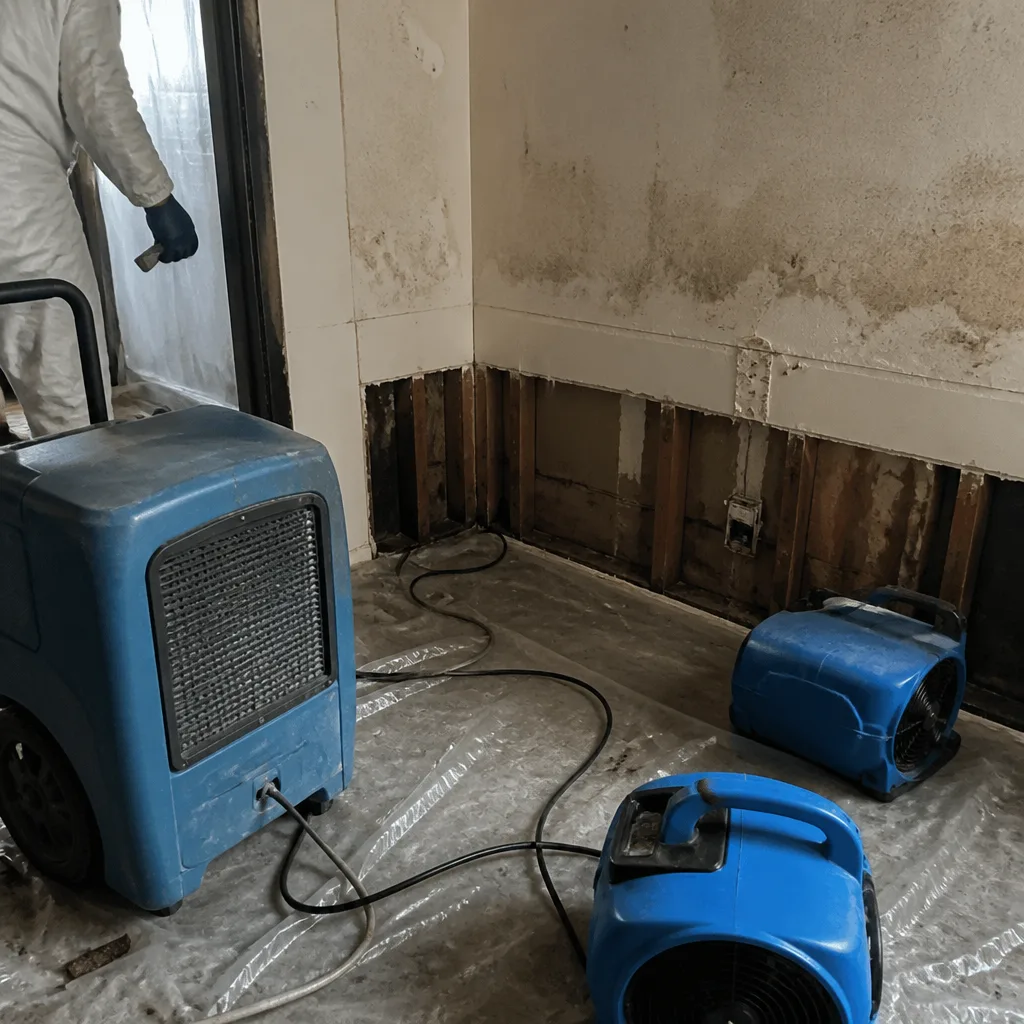 Before
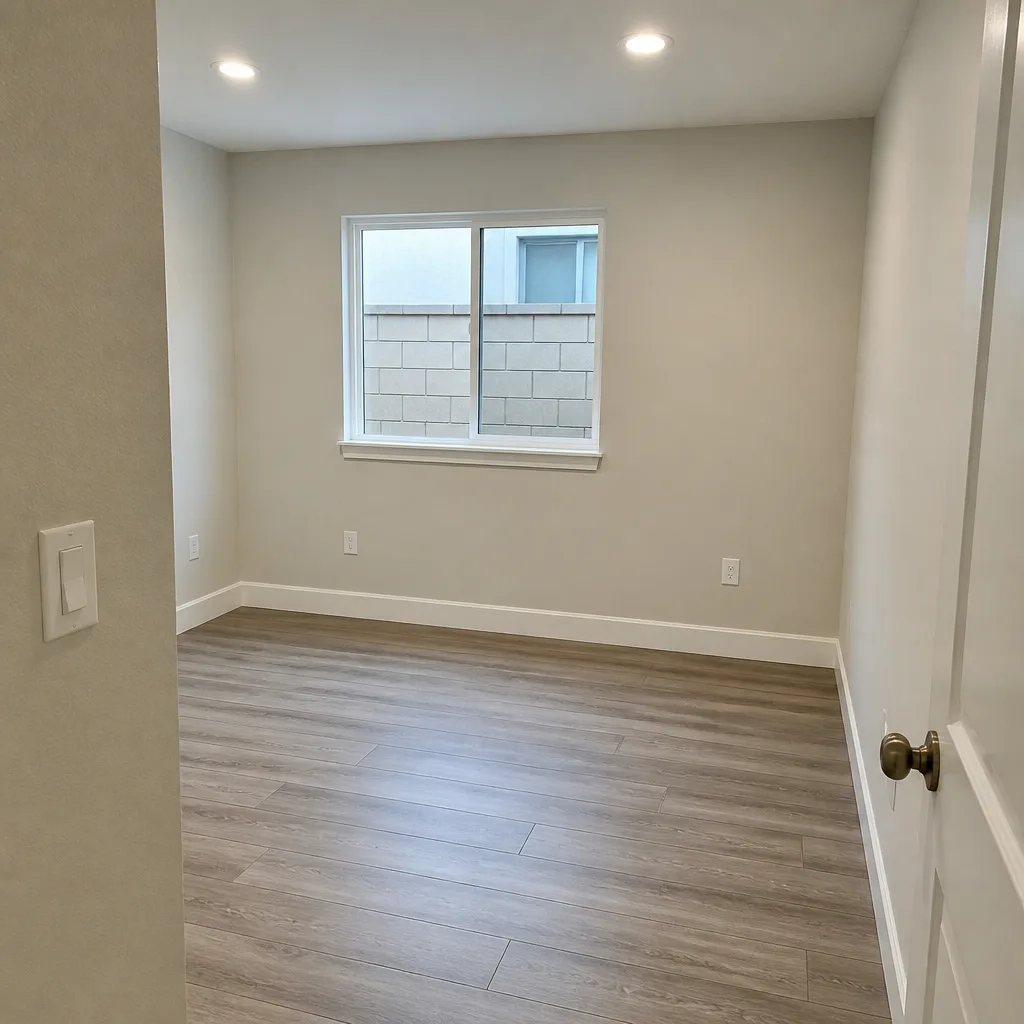 After
After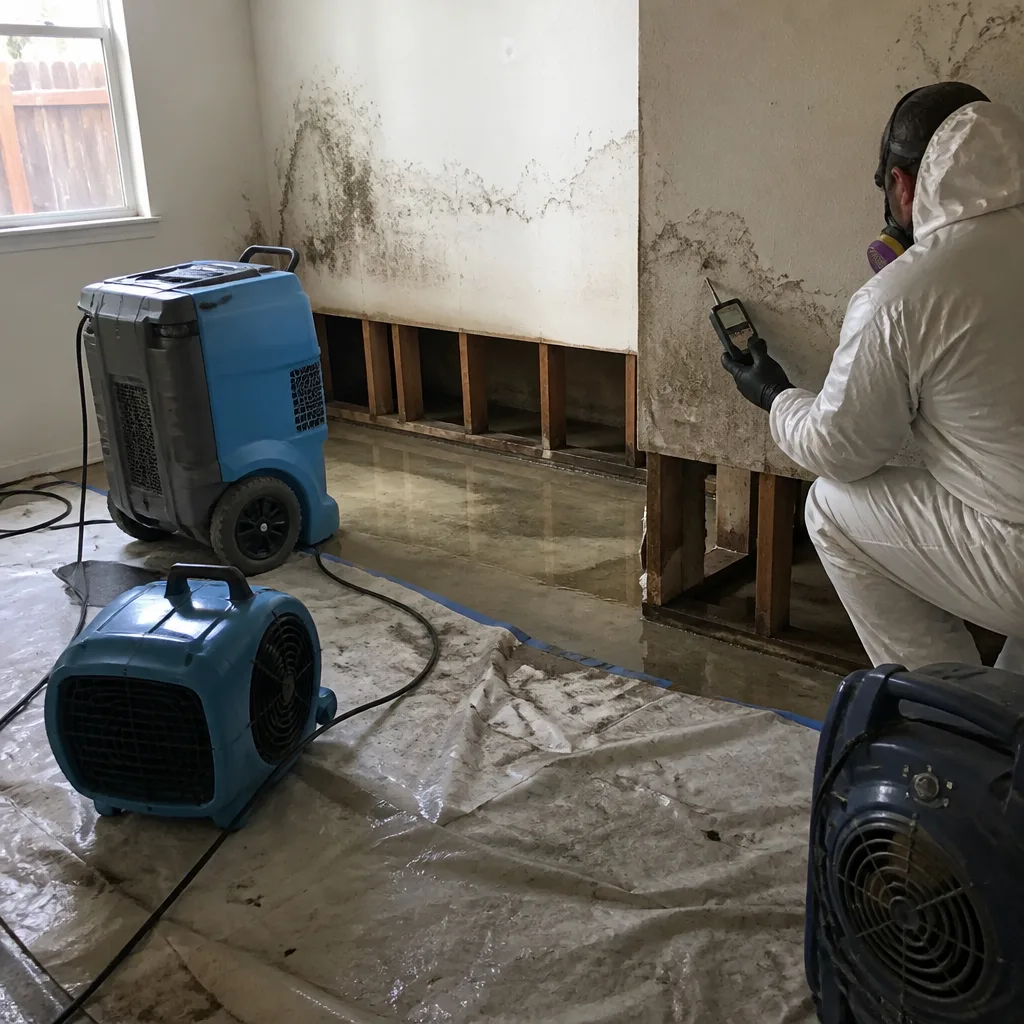 Before
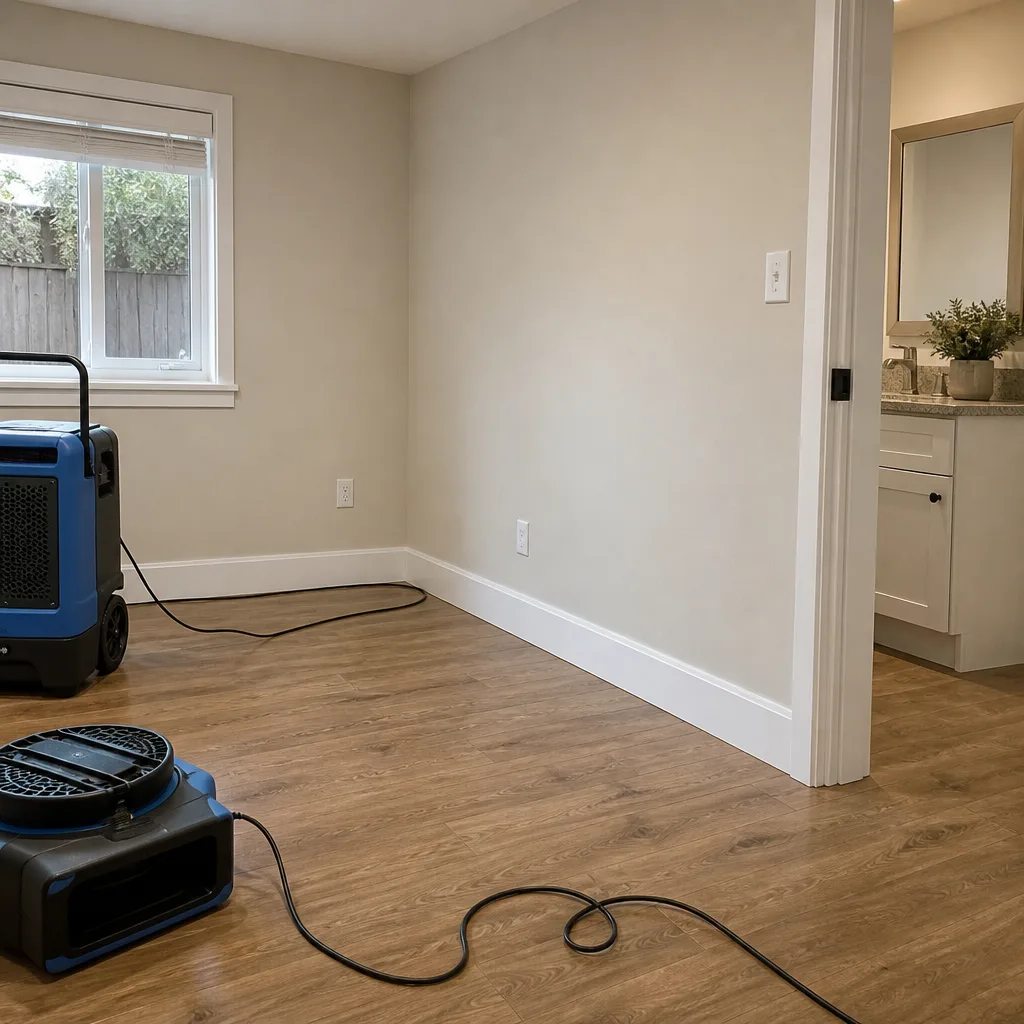 After
After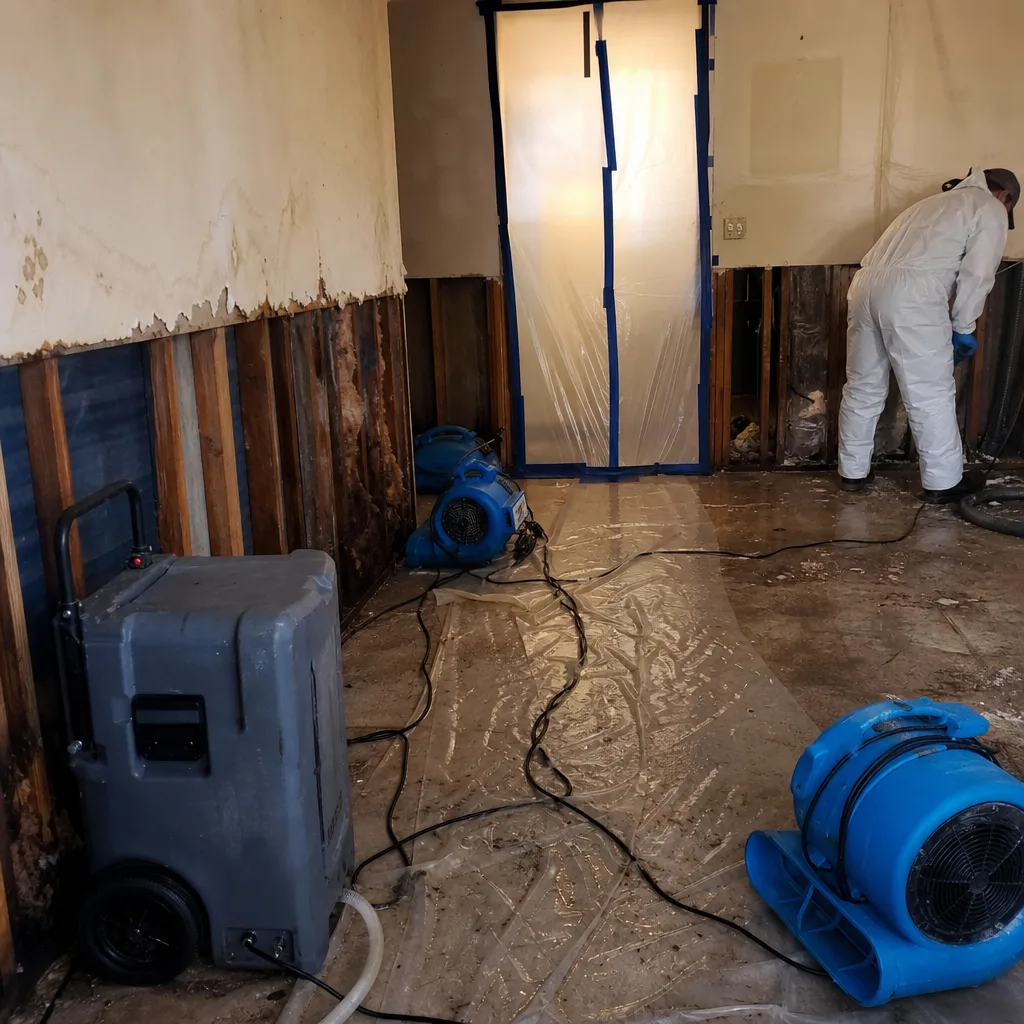 Before
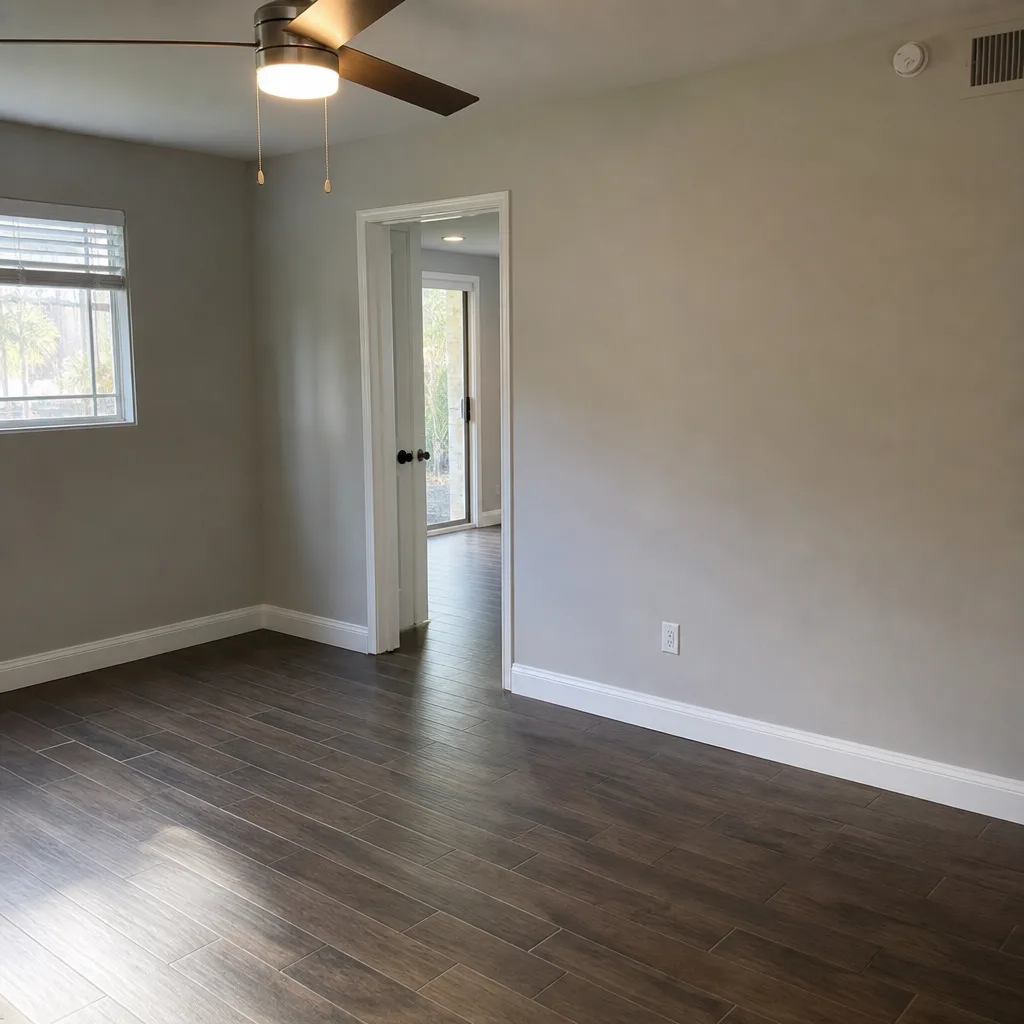 After
AfterDIY vs Professional Damage Restoration: The Oceanside Homeowner’s Decision Guide
Most Oceanside homeowners who attempt DIY water damage restoration quit not because the work is too hard, but because they discover their insurance policy contains a professional remediation clause they never noticed. In 2011, our founder, a former claims adjuster, built Back to Dry around this exact gap: the documentation that turns a restoration invoice into a paid claim. Since then, we’ve restored 12,000+ homes, and the pattern hasn’t changed. Homeowners with shop vacs and box fans do visible work. What they don’t produce is a drying log, psychrometric data, or proof that the structure reached IICRC S500 dry standard. Without that documentation, insurers can and do deny subsequent mold claims. This guide shows you exactly where DIY ends and professional work begins, what your policy likely requires, and what Oceanside’s coastal climate does to drying timelines that generic advice and basic checklists never account forr accounts for.
Quick Answer
For Oceanside homeowners, DIY restoration is reasonable only for Category 1 water damage under 10 square feet with no structural penetration, provided you document everything with photos and moisture readings. Professional intervention is non-negotiable for Category 2 or 3 water, any mold growth, fire or smoke damage, sewage contamination, or when your insurance policy contains a “professional remediation required” clause, which most California HO-3 policies do. The financial case for DIY typically collapses once equipment rental, extended drying time from marine layer humidity, and claim denial risk are factored together.
Table of Contents
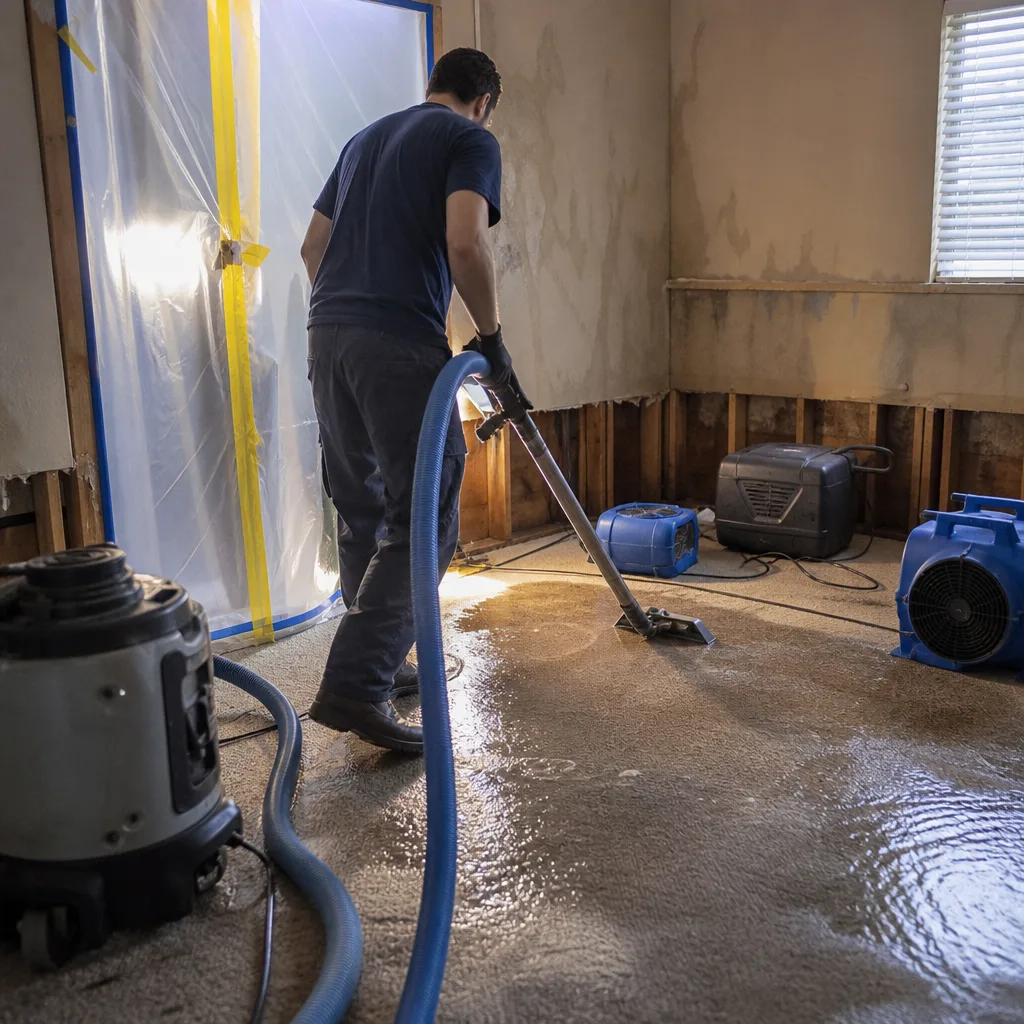
- When DIY Restoration Actually Makes Sense
- The Binary Decision Framework: DIY vs. Professional by Damage Type
- The Insurance Policy Language That Kills DIY Claims
- The True Cost of DIY Restoration in Oceanside
- Oceanside Climate Factors That Shift the Calculus
- What You Can Safely Do in the First Hour
- The Documentation Gap: Why DIY Fails at Claim Time
- What Professional Equipment Actually Does Differently
BeforeAfterWhen DIY Restoration Actually Makes Sense
DIY restoration has a narrow window where it works without compromising your home or your claim. We see it succeed when four conditions line up: clean water source, limited area, no structural penetration, and the homeowner documents obsessively.
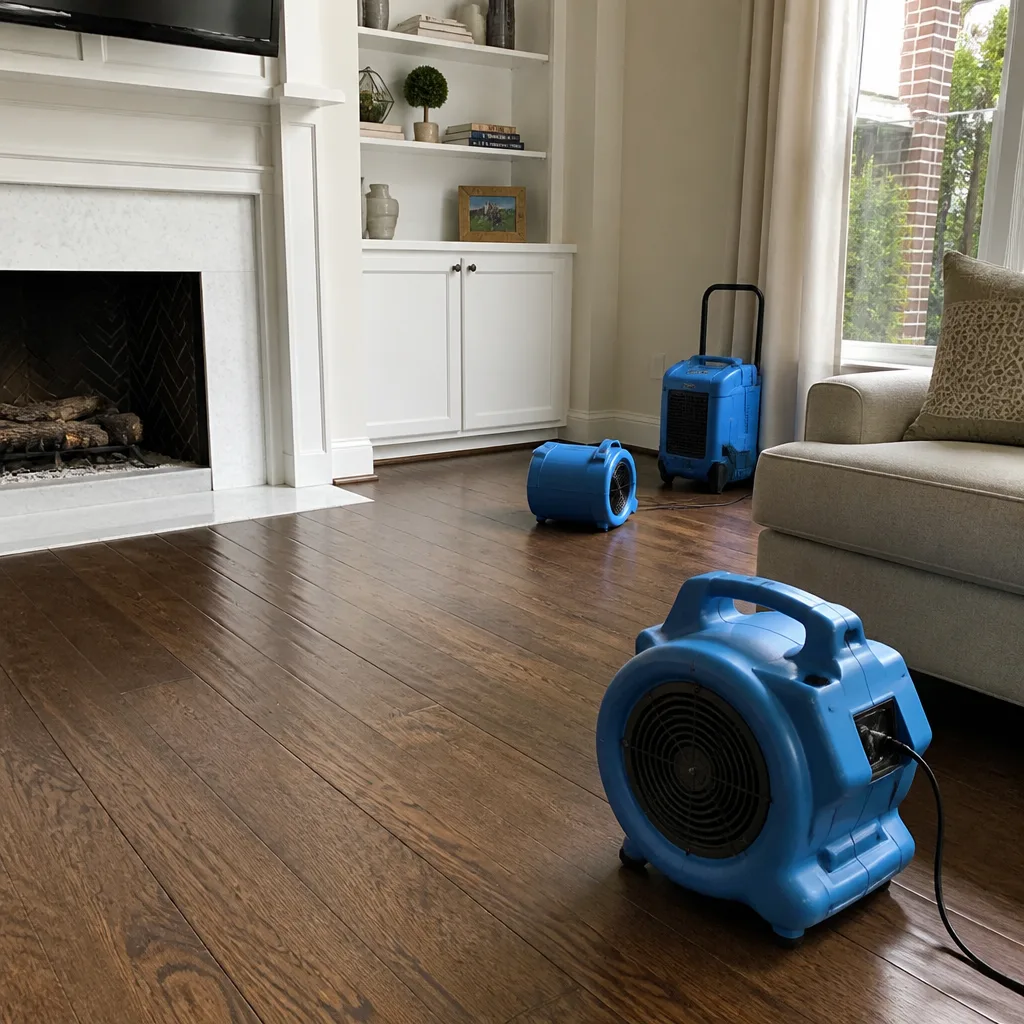
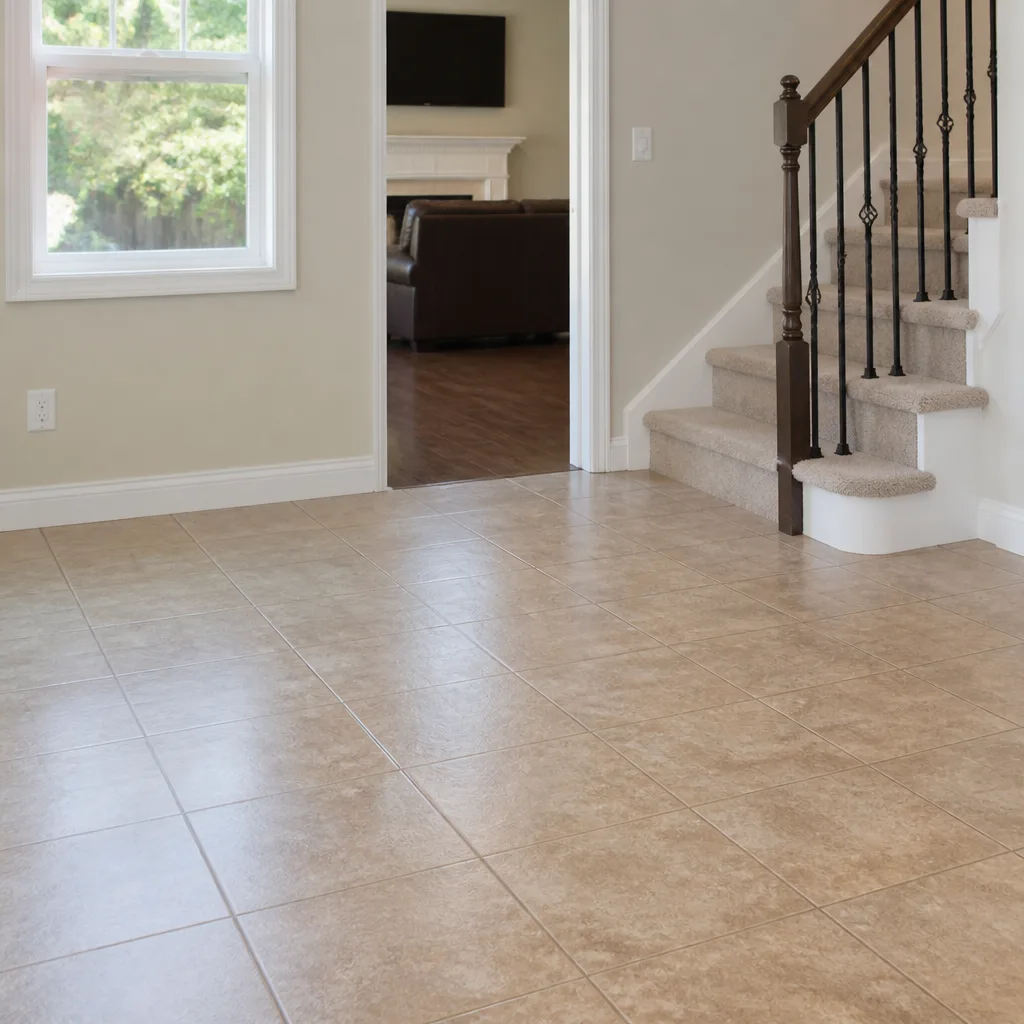
Here’s the specific scenario. A supply line to your kitchen sink fractures. You catch it within minutes. The water pools on tile or sealed vinyl, never reaching drywall, cabinets, or subfloor. The affected area is under 10 square feet. You own or can rent a wet-dry vacuum, have access to multiple high-velocity air movers, and own a pin-type moisture meter, not a surface-scanning tool.
In this case, DIY is defensible. But the documentation burden is higher than most homeowners realize. You need date-stamped photos of the water source, the affected area, and every stage of extraction. You need moisture readings by material class: tile, grout, any baseboard, and the wall behind if there’s any chance water wicked upward. You need to log equipment placement, run times, and daily moisture percentage changes. Without this, you’ve done visible work but created no evidence.
Even here, Oceanside’s year-round climate works against you. The marine layer keeps relative humidity elevated, especially in neighborhoods west of Interstate 5 like Fire Mountain and South Oceanside. What dries in 48 hours inland often needs 72 to 96 hours here. Extended drying time means extended equipment rental, which erodes the cost savings that motivated DIY in the first place.
We also see DIY fail when homeowners confuse surface dryness with structural dryness. Tile feels dry. The grout lines read acceptable on a surface meter. But the wall cavity behind, fed by capillary action through the grout, holds elevated moisture. Three weeks later, there’s mold. The insurer denies the claim because there’s no documentation proving the wall cavity was dried to IICRC S500 standard, which requires wood moisture content below 16% and no elevated readings in gypsum or insulation.
The bottom line: DIY is viable for clean water, small area, hard surface, documented with professional-grade moisture tracking. Deviate from any of those four conditions, and you’re gambling with structural damage and claim denial.
The Binary Decision Framework: DIY vs. Professional by Damage Type
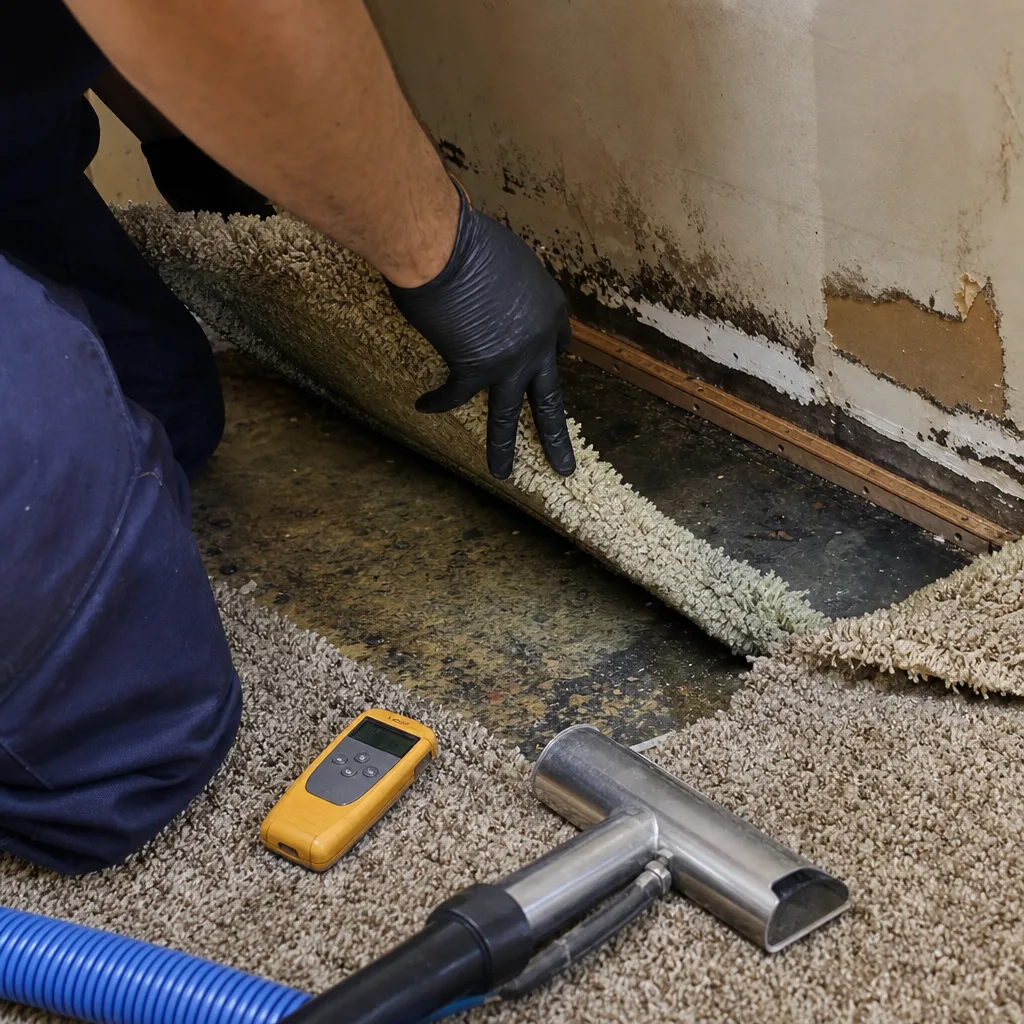
Restoration professionals categorize damage by source, contamination level, and affected materials. These categories determine whether DIY is reasonable or reckless. Use this framework as a decision tree.
Water Damage: The Three Categories
Category 1 (Clean Water): Broken supply line, tub overflow, rainwater intrusion through a compromised roof. DIY is possible under the strict conditions above. Professional service becomes necessary when the water has stood longer than 24 hours (Category 1 degrades to Category 2), when affected area exceeds 10 square feet, or when any porous material is involved: carpet, pad, drywall, baseboard, or insulation.
Category 2 (Gray Water): Dishwasher discharge, washing machine overflow, sump pump failure. Contains detergents, food particles, or minor contaminants. DIY is not recommended. The contamination risk requires antimicrobial treatment, and most insurance policies classify gray water as requiring professional remediation for coverage.
Category 3 (Black Water): Sewage backup, seawater flooding, river or stream intrusion. Never DIY. Pathogen load includes E. coli, salmonella, hepatitis A, and enteric viruses. Professional remediation with full PPE, containment, and disposal documentation is required by California Health and Safety Code and virtually all insurance policies.
Mold Remediation
Never DIY for mold exceeding 10 square feet of visible growth, or any mold resulting from water damage that wasn’t professionally dried. California’s mold disclosure requirements and most insurance policies require documented professional remediation. We cover this in detail on our Mold Remediation in Oceanside page.
Fire and Smoke Damage
Never DIY. Smoke residue is acidic and continues degrading surfaces until chemically neutralized. Structural integrity assessment requires trained evaluation. Insurance policies universally require professional fire restoration for coverage of subsequent damage. See our Fire & Smoke Damage Restoration in Oceanside page for specifics.
Storm and Disaster Damage
Never DIY. Structural compromise, electrical hazards, and contamination combine to make this exclusively professional work. Documentation for FEMA and insurance requires licensed contractor certification.
Reconstruction
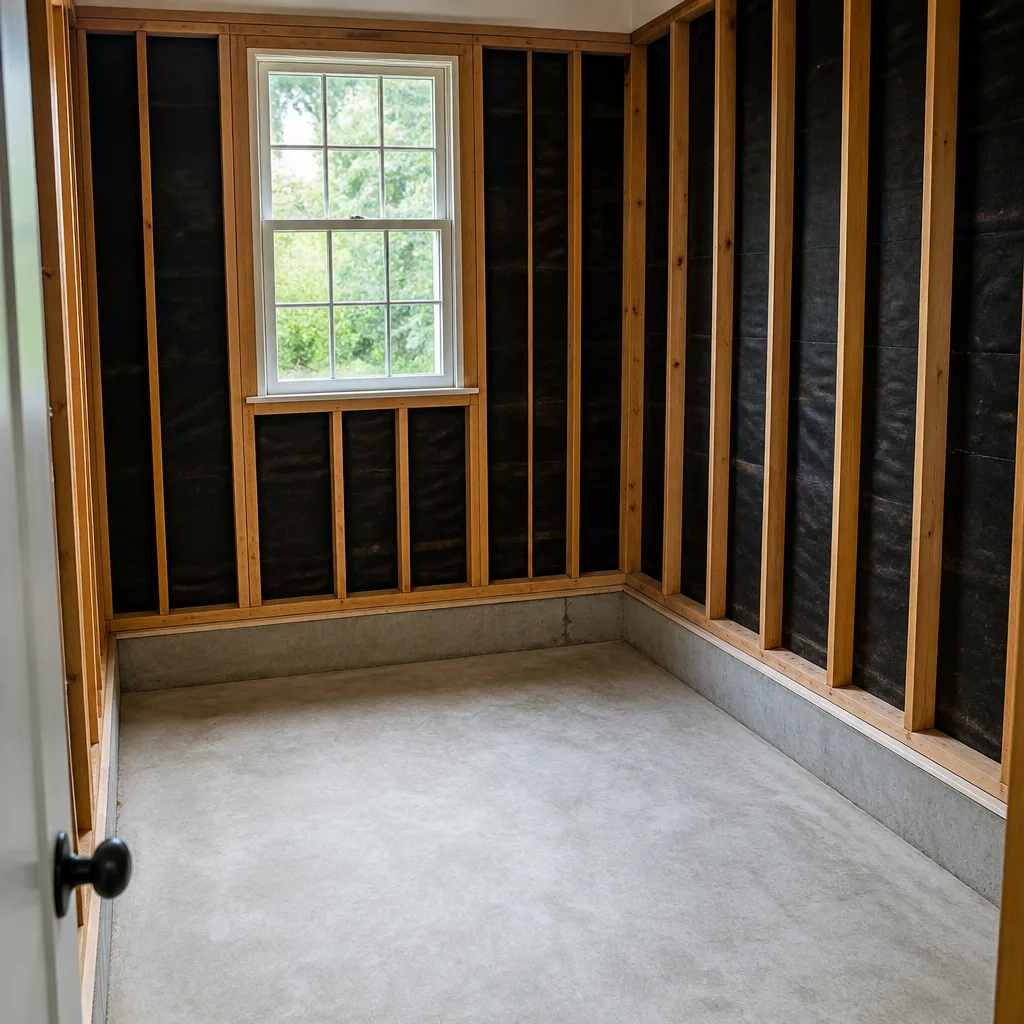
Rebuilding after mitigation is not an emergency service. It’s scoped, scheduled, and priced in writing like any construction project. DIY is possible for cosmetic work if the underlying structure has been professionally dried and documented. Structural, electrical, or plumbing reconstruction requires licensed contractors per California building code.
| Damage Type | DII Reasonable? | Professional Required When |
|---|---|---|
| Category 1 water, <10 sq ft, hard surface | Yes, with documentation | Any porous material affected; water stood >24 hrs |
| Category 1 water, >10 sq ft or any porous material | No | Always |
| Category 2 (gray water) | No | Always |
| Category 3 (black water/sewage) | No | Always, per CA Health & Safety Code |
| Mold, <10 sq ft, no water damage history | Possible with surface treatment | Any hidden growth; post-water-damage mold |
| Mold, >10 sq ft or post-water damage | No | Always, for insurance documentation |
| Fire/smoke damage | No | Always |
| Storm/disaster damage | No | Always, for FEMA/insurance |
The Insurance Policy Language That Kills DIY Claims
Most Oceanside homeowners have never read the remediation clause in their HO-3 policy. We’ve reviewed thousands of claims, and the language is remarkably consistent across California insurers. Here’s what to look for in your own documents.
Flip to the “Duties After Loss” or “Conditions” section. You’re looking for phrases like:
- “Reasonable repairs to protect property from further damage” - this is the opening homeowners misread. It sounds like permission to DIY. It isn’t.
- “Document all damage with photographs and written estimates before repairs begin” - the estimate requirement implies licensed contractor involvement.
- “Professional remediation required for water damage, mold, or contamination” - explicit DIY prohibition.
- “Failure to mitigate may result in denial of subsequent claims” - the hammer. If your DIY effort is judged inadequate mitigation, the insurer can deny not just this claim but future related claims.
The critical passage, found in most California HO-3 policies, runs something like this: “The insured must take reasonable steps to protect covered property from further damage, including, when necessary, engaging professional restoration services to dry, clean, and deodorize affected areas. Failure to employ qualified professionals when the nature or extent of damage warrants such services may result in denial of claims for subsequent damage, including but not limited to mold growth, structural deterioration, or odor.”
Read that again. “When the nature or extent of damage warrants such services” gives the insurer discretion to determine your DIY was insufficient. Without documentation proving you met IICRC S500 dry standard, you have no defense.
We’ve seen this play out in Oceanside specifically. A homeowner in the Ocean Hills neighborhood extracted standing water after a supply line break, ran fans for four days, and replaced the wet drywall himself. Six months later, mold appeared in the wall cavity. The insurer denied the $18,000 mold remediation claim because there was no documentation of proper drying, no moisture logs, no proof the cavity reached dry standard. The homeowner’s $400 DIY “savings” cost him $18,000 out of pocket.
The Haven Standard, Clause 1, exists precisely because our founder saw this pattern as an adjuster: written price before work starts, every time, with no exceptions. The documentation starts before the first fan runs.
The True Cost of DIY Restoration in Oceanside
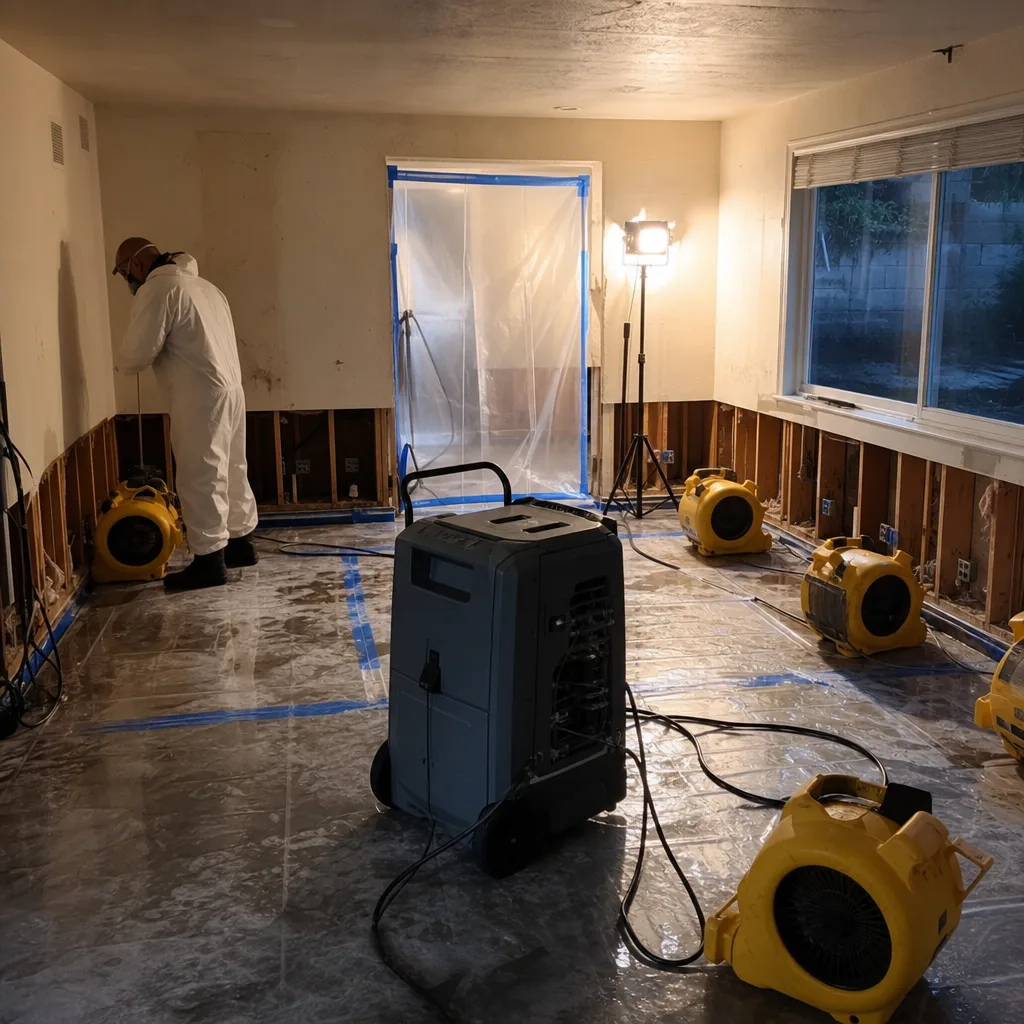
Homeowners considering DIY typically price the equipment rental and stop there. Here’s the full accounting for a typical Category 1 water damage scenario in Oceanside, approximately 150 square feet affecting carpet, pad, and baseboard in a single room.
DII Cost Breakdown
| Item | Cost Range | Notes |
|---|---|---|
| Commercial dehumidifier rental (3-5 days) | $180-$300 | Residential units inadequate; marine layer extends need to 5+ days |
| Air mover rental (3 units, 3-5 days) | $120-$200 | Box fans do not produce sufficient air velocity |
| Wet-dry vacuum rental or purchase | $50-$150 | Shop vacs lack extraction power of professional units |
| Pin-type moisture meter | $80-$250 | Surface meters miss cavity moisture; required for documentation |
| Antimicrobial treatment | $40-$80 | Required for any porous material exposure |
| Replacement materials (pad, baseboard, paint) | $200-$400 | Assumes no structural damage discovered |
| Disposal fees | $75-$150 | Oceanside waste management rates |
| Subtotal, DIY with proper equipment | $745-$1,530 | Does not include your labor time |
| Risk-adjusted: potential claim denial | $5,000-$50,000+ | Subsequent mold, structural, or related claim denial |
Professional service for the same scenario, documented to IICRC standard with a written price before work begins, typically ranges $1,200-$2,400 in Oceanside. The gap between DIY and professional narrows dramatically when you use proper equipment. Add the claim denial risk, and professional service is the lower-cost option in most scenarios.
The cost comparison shifts further against DIY for more guides & resources on Oceanside-specific reasons. Marine layer humidity extends equipment rental. Stucco assemblies common in Oceanside tract homes from the 1970s through 2000s trap moisture in wall cavities, often requiring Injectidry systems or controlled demolition to access. What reads as a simple room drying becomes a multi-cavity project.
Our Water Damage Restoration in Oceanside page details how we scope and price these projects under Haven Standard, Clause 1.
Oceanside Climate Factors That Shift the Calculus
Generic restoration advice from national websites ignores coastal Southern California’s specific challenges. These four factors consistently push Oceanside jobs from DIY territory into professional requirement.
Marine Layer Humidity
Oceanside’s marine layer, most persistent May through August but present year-round, keeps relative humidity at 70-85% during morning hours even when inland areas drop to 40%. Effective drying requires dehumidification capacity calculated for this baseline, not standard conditions. Residential dehumidifiers are rated at 80°F, 60% RH. At 65°F, 80% RH, their output drops by half. Professional-grade units from Dri-Eaz and Phoenix are specified for actual field conditions, with documented performance curves.
Stucco Assembly Moisture Trapping
Oceanside’s housing stock, especially neighborhoods like Rancho Del Oro and Ivey Ranch built 1975-2005, uses stucco over building paper over OSB or plywood sheathing. This assembly performs well when dry. When water intrudes through failed flashing, window seals, or roof penetrations, the stucco wicks moisture laterally and the building paper traps it against the sheathing. Surface readings show dry stucco. The sheathing behind can read 30%+ moisture content, well into decay range. Detection requires invasive moisture mapping or thermal imaging, tools outside DIY scope.
Mold Growth Acceleration
Colony-forming units of common indoor molds, Aspergillus and Penicillium species, germinate in 24-48 hours at 70°F with available moisture. Oceanside’s moderate temperatures mean this window doesn’t narrow in winter as it does in colder climates. The “you have 48 hours” rule applies year-round. But marine layer conditions often mean materials don’t dry naturally within that window, making professional intervention with active dehumidification more critical.
Seawater Intrusion Specifics
Properties west of Coast Highway or in low-lying areas near Buena Vista Lagoon face unique Category 3 contamination from seawater flooding or storm surge. Salt residue is hygroscopic, attracting moisture from air and preventing natural drying. Standard freshwater extraction and drying protocols fail. Specialized desalination flushing, corrosion inhibition, and specific drying targets are required. This is exclusively professional work, and documentation requirements for FEMA and insurance are extensive.
What You Can Safely Do in the First Hour
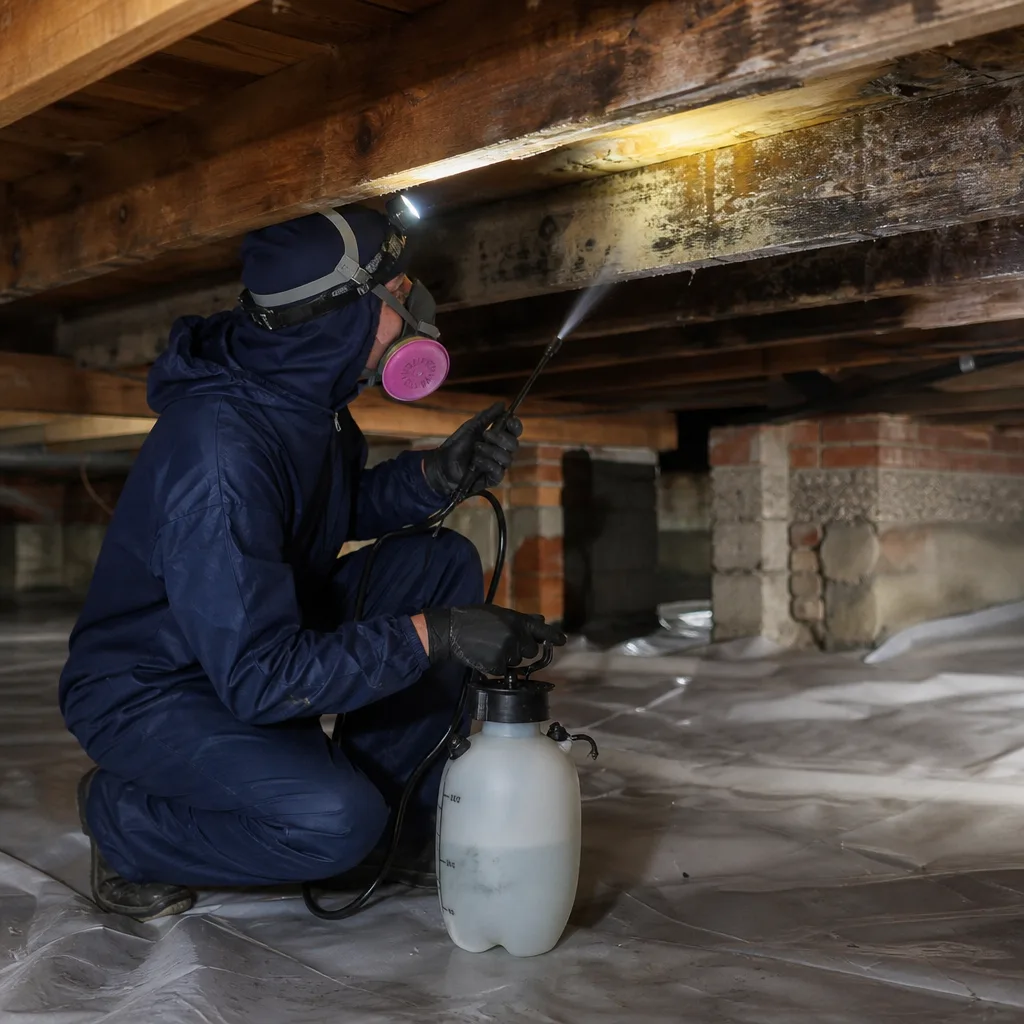
Before professional arrival, certain actions help without compromising your claim or safety. These are limited, specific, and documentation-focused.
- Stop the source. Shut off the supply line, main water valve, or contain the intrusion point. Photograph the source before and after.
- Document everything. Date-stamped photos of water extent, affected materials, and source. Video walkthrough narrating what you observe. This is evidence, not memory.
- Remove standing water you can safely access. Wet-dry vacuum extraction of visible pools on hard surfaces. Do not enter standing water if electrical outlets or equipment are submerged. Do not extract sewage.
- Move unaffected valuables. Furniture, electronics, documents from adjacent dry areas. Photograph their pre-move condition.
- Create airflow to unaffected areas only. If you have fans, direct them at already-dry surfaces to lower ambient humidity. Do not blow air across contaminated or actively wet porous materials, which spreads contamination and drives water deeper.
- Call your insurer and report the claim. Get a claim number. Ask specifically: “Does my policy require professional remediation for this type of damage?” Record the response.
What not to do: do not remove baseboards or drywall (compromises insurance documentation of extent); do not apply bleach to mold (denatures surface, drives roots deeper, creates false sense of resolution); do not throw away damaged materials before photo documentation; do not use heat to accelerate drying (can set stains, warp materials, accelerate mold).
The Documentation Gap: Why DIY Fails at Claim Time
The core problem with DIY restoration isn’t the work quality. It’s the documentation void. Insurance claims are adjudicated on evidence, not effort.
When we handle a water damage restoration in Oceanside, the documentation package includes:
- Initial moisture mapping: readings by room, by material class, with equipment serial numbers and calibration dates
- Daily drying logs: psychrometric data (temperature, relative humidity, specific humidity, vapor pressure) recorded at set intervals
- Equipment placement diagrams: which dehumidifier, which air movers, which Injectidry ports, positioned where
- Progress moisture readings: percentage change by day, with target dry standard noted
- Photo record on every visit: dated, geotagged, showing equipment operation and material condition
- Final clearance readings: proof of IICRC S500 attainment, with technician signature
- Written scope and price: delivered before work began, signed by homeowner, no additions without written change order
This package turns a restoration invoice into a payable claim. Without it, the insurer’s adjuster has discretion to question whether proper drying occurred, whether subsequent damage is related, and whether the claim is valid.
DIY restoration produces none of this. The homeowner has photos, maybe, and a memory of running fans. That’s not evidence. It’s testimony, and testimony doesn’t prevail in claim disputes.
The Haven Standard requires this documentation on every job because our founder, Alicia Brennan, spent years as an adjuster denying claims for exactly this gap. We built the company so homeowners never face that denial.
What Professional Equipment Actually Does Differently
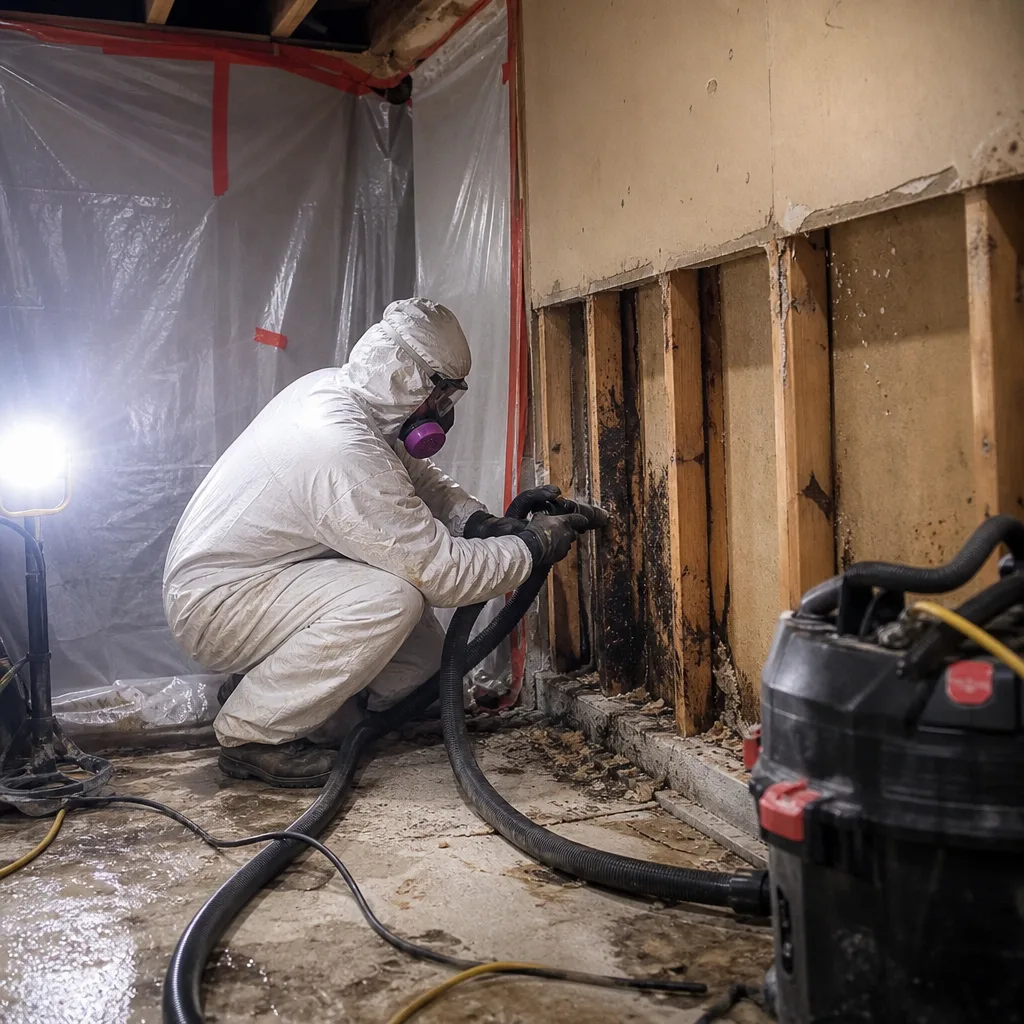
Equipment rental centers stock tools labeled for water damage. The gap between those units and professional-grade systems is measured in performance curves, not marketing.
Dehumidifiers: Residential or rental units typically remove 30-50 pints per day at standard conditions. Professional LGR (low-grain refrigerant) dehumidifiers from Dri-Eaz and Phoenix remove 80-130 pints per day at low specific humidity, the condition that matters for actual structural drying. The difference means dry standard in 3 days versus 7-10 days, which in Oceanside’s climate can mean the difference between mold prevention and mold activation.
Air Movers: Box fans move air at 500-1,000 feet per minute. Professional air movers from XPOWER and B-Air produce 2,500-3,500 FPM at the surface interface, the velocity required for evaporative drying per IICRC S500. More critically, they’re positioned to create controlled airflow patterns, not random circulation.
Injection Drying Systems: Injectidry systems address the stucco and wall cavity problem specific to Oceanside construction. Small ports access the cavity; positive or negative air pressure with controlled dehumidification dries sheathing and insulation without full demolition. No rental center stocks this. It’s a $15,000+ system requiring training to operate without creating secondary damage.
Moisture Detection: Pin meters, thermal imaging, and thermo-hygrometers map moisture invisible to sight or touch. We use FLIR thermal cameras and Delmhorst pin meters calibrated annually. Rental pin meters, if available, are typically uncalibrated surface-scanning tools that miss the cavity moisture that destroys structures.
The equipment difference isn’t about speed or convenience. It’s about reaching dry standard in assemblies that residential tools cannot access, and producing the documented proof that standard was reached.
Common Mistakes to Avoid
- Assuming surface dryness means structural dryness. Tile feels dry. The wall behind it isn’t. Always verify with pin meters at multiple depths.
- Using bleach on mold. Bleach denatures surface growth, leaves viable hyphae in substrate, and creates a false resolution that delays proper remediation. In Oceanside’s humidity, regrowth is rapid.
- Blowing fans across wet carpet or pad. This drives water deeper into subfloor and creates ideal conditions for microbial growth. Airflow must be controlled and directed, not random.
- Ignoring the “professional remediation required” clause until claim denial. Read your policy before the loss, not after. The clause is in there.
- Estimating dry time by inland standards. Oceanside’s marine layer extends drying by 30-50% compared to Riverside or San Bernardino. Budget equipment rental accordingly, or hire professionals with capacity calculated for coastal conditions.
- Discarding damaged materials before documentation. Your insurer needs to see what was affected to validate the scope. Photo, document, then remove.
- Confusing mitigation with reconstruction. Mitigation is emergency drying and stabilization, priced and performed immediately. Reconstruction is rebuilding, scoped and scheduled after mitigation completes. Don’t let a contractor blend the two without written separation.
When to Call a Professional
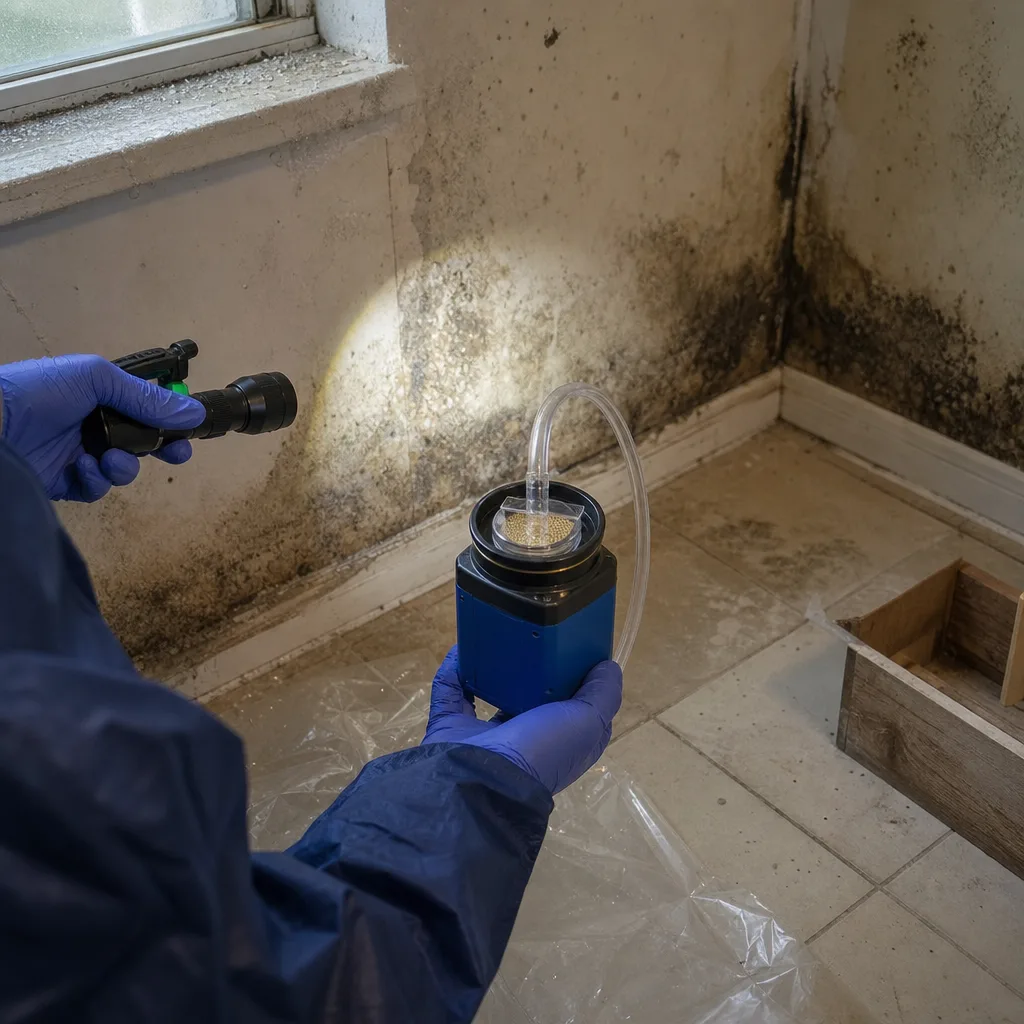
Call a professional when: water has affected any porous material; water has stood longer than 24 hours; the source is gray or black water; mold is visible or suspected; electrical equipment or outlets are involved; the affected area exceeds 10 square feet; your insurance policy contains any professional remediation requirement; or you need documentation for a current or future claim.
In Oceanside specifically, call when marine layer conditions mean natural drying won’t occur within the mold germination window, when stucco assemblies are involved, or when seawater intrusion is possible.
DryMark Restoration Oceanside offers free estimates in Oceanside. Every estimate is delivered in writing before any work begins, per Haven Standard, Clause 1. Our live phone coverage answers 24 hours a day, 7 days a week with no voicemail on emergency lines. Call (760) 546-9565 for a documented assessment.
Frequently Asked Questions
Professional Category 1 water restoration for a single affected room typically runs $1,200-$2,400 in Oceanside, including documented drying to IICRC S500 standard. Comparable DIY with proper equipment rental costs $745-$1,530 but carries substantial claim denial risk that can exceed $50,000 in subsequent damage. The narrow cost gap and documentation benefit make professional service the lower-risk choice for most scenarios. Call (760) 546-9565 for a written estimate - estimates are free.
Most California HO-3 policies cover emergency mitigation you perform, but require professional remediation for the damage to be considered fully mitigated. If subsequent damage occurs and you lack documentation of professional-grade drying, the insurer can deny related claims. The policy language typically states that “failure to employ qualified professionals when the nature or extent of damage warrants such services may result in denial of claims for subsequent damage.” Read your policy’s “Duties After Loss” section for the specific clause.
DryMark Restoration Oceanside maintains live phone coverage 24 hours a day, 7 days a week with no voicemail on emergency lines. For active water damage, we dispatch for assessment immediately upon call. Response time depends on current demand and your location within Oceanside, but emergency mitigation is prioritized. Reconstruction work is scoped and scheduled, not dispatched for same-day arrival. Call (760) 546-9565 to confirm current availability.
For visible mold under 10 square feet with no water damage history, surface cleaning with appropriate antimicrobial may suffice. For any mold resulting from water damage, or growth exceeding 10 square feet, professional remediation is required by most insurance policies and California disclosure requirements. Hidden mold in wall cavities, common in Oceanside’s stucco assemblies, is not addressable by surface cleaning. We offer free second opinions on any competitor’s written mold estimate.
At DryMark Restoration Oceanside, we coordinate directly with your adjuster, providing the documented photo record, daily drying logs, and written scope that adjusters need to process claims efficiently. Our founder’s background as a claims adjuster shaped this process: we know what documentation prevents claim delays and denials. You are never left to translate technical reports to your insurer.
Stop the water source, document everything with date-stamped photos and video, remove standing water you can safely access with a wet-dry vacuum, move unaffected valuables, create airflow to dry areas only, and call your insurer for a claim number. Do not enter standing water with electrical hazards, do not remove building materials, do not apply bleach, and do not discard damaged items before documentation. See our numbered first-hour task list above for complete details.
The Bottom Line
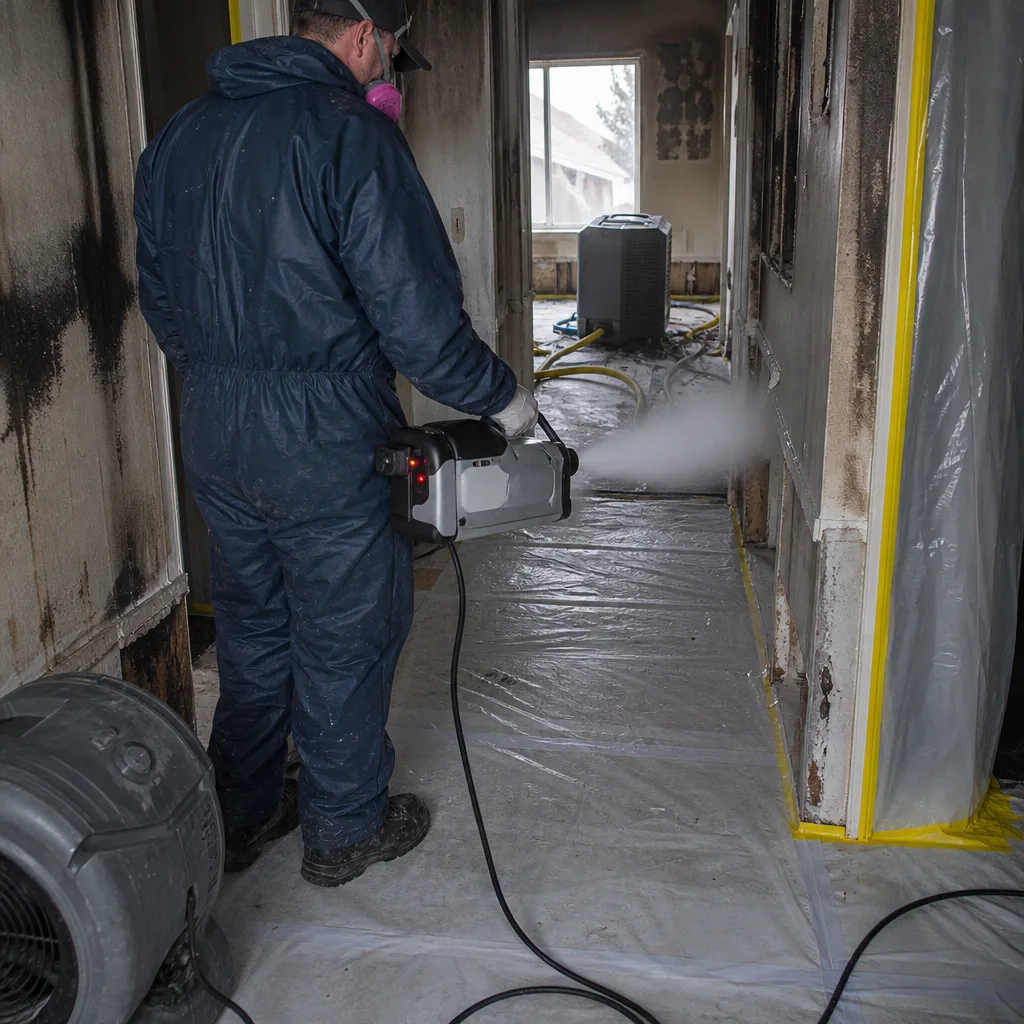
The DIY-versus-professional question in restoration isn’t about your skill with tools. It’s about whether you can produce documentation that satisfies your insurance policy’s remediation requirements and proves the structure reached dry standard. For most water and mold scenarios in Oceanside, the answer is no. Marine layer humidity, stucco construction, and policy language converge to make professional service the lower-risk, often lower-total-cost choice. The limited DIY window, clean water under 10 square feet on hard surfaces with obsessive documentation, narrows further with every coastal climate factor. When in doubt, get a written professional assessment. DryMark Restoration Oceanside provides free estimates, delivered in writing before any work begins, with a documented photo record on every visit and the 365-Day Done Right Promise backed by The Haven Standard.
Written by Alicia Brennan, Owner at DryMark Restoration Oceanside, serving Oceanside since 2011.