
Last updated September 23, 2026
Free visual inspection and a written scope of work before any mitigation begins - photos, moisture readings, and drying logs go in your claim file
The scope we write is the scope we bill. Anything new gets shown to you, in writing, before we touch it.
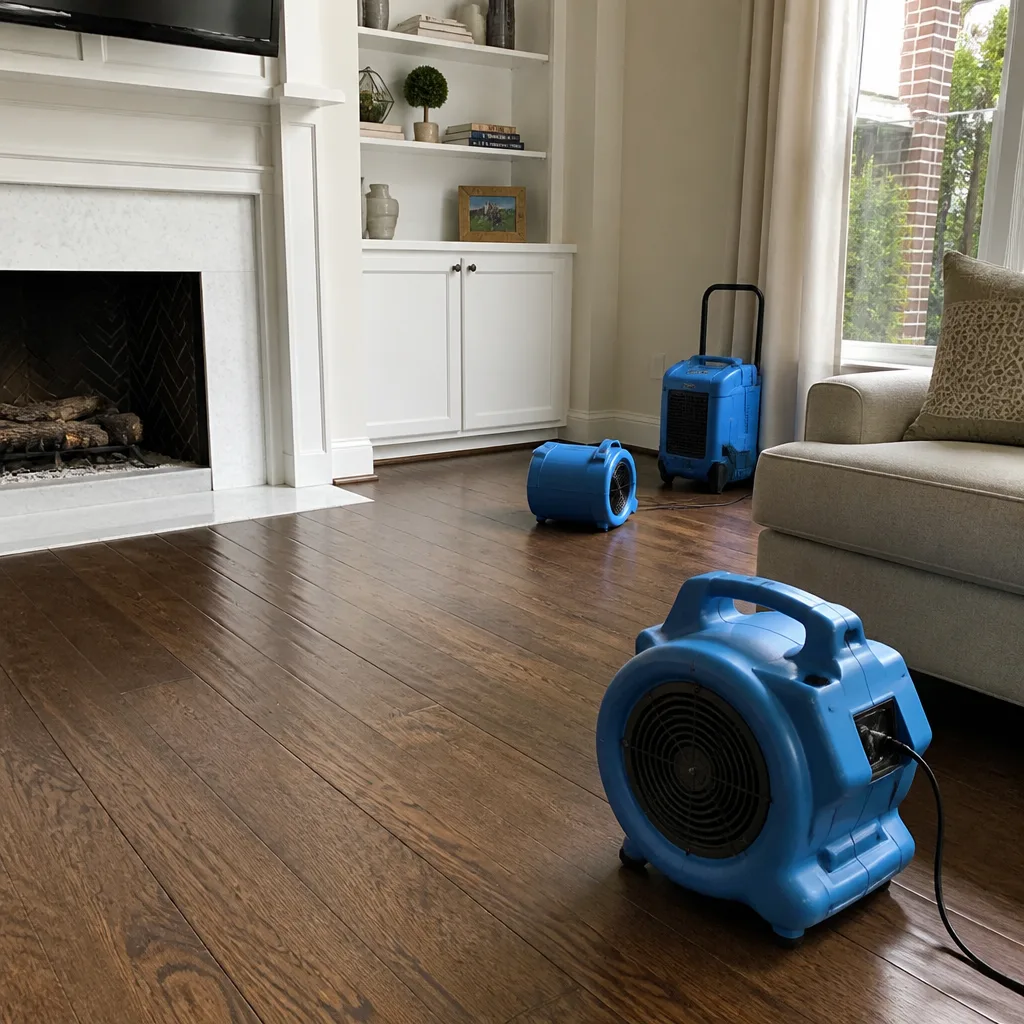

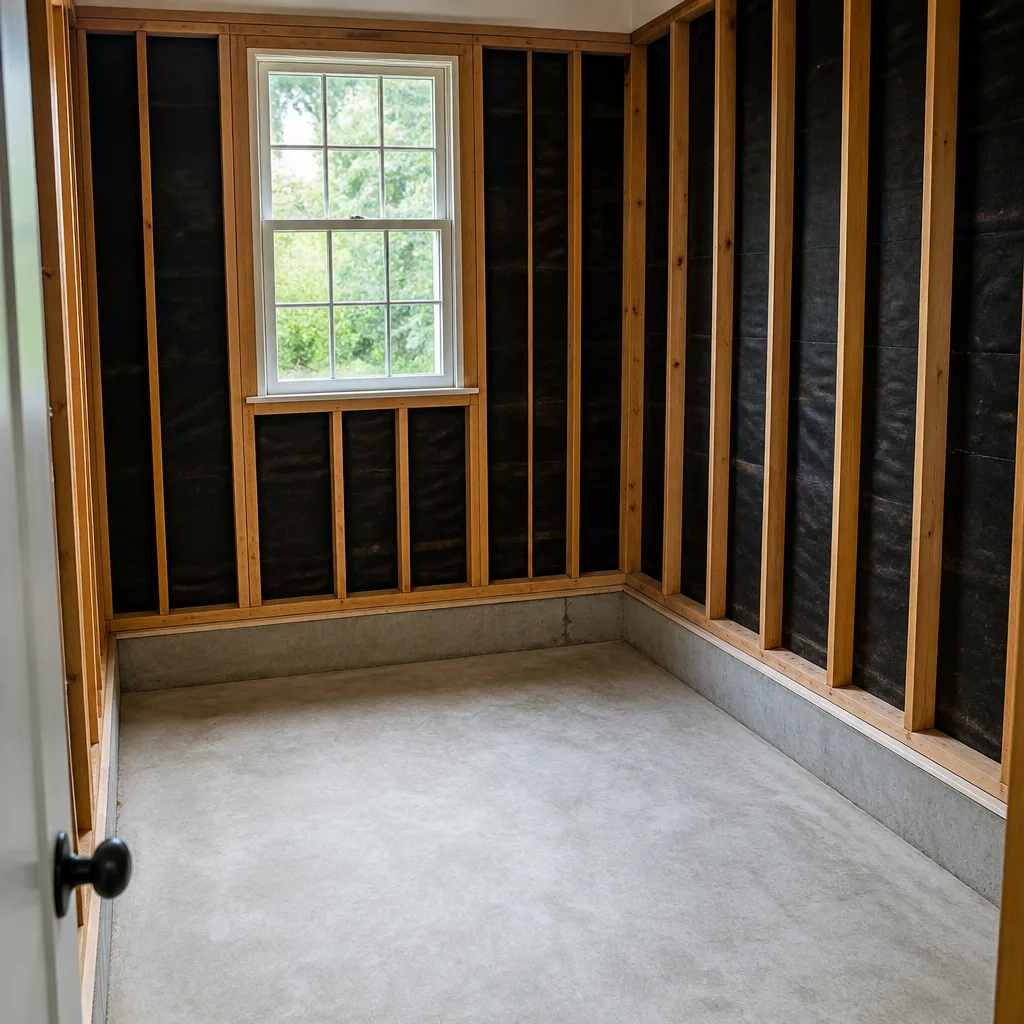

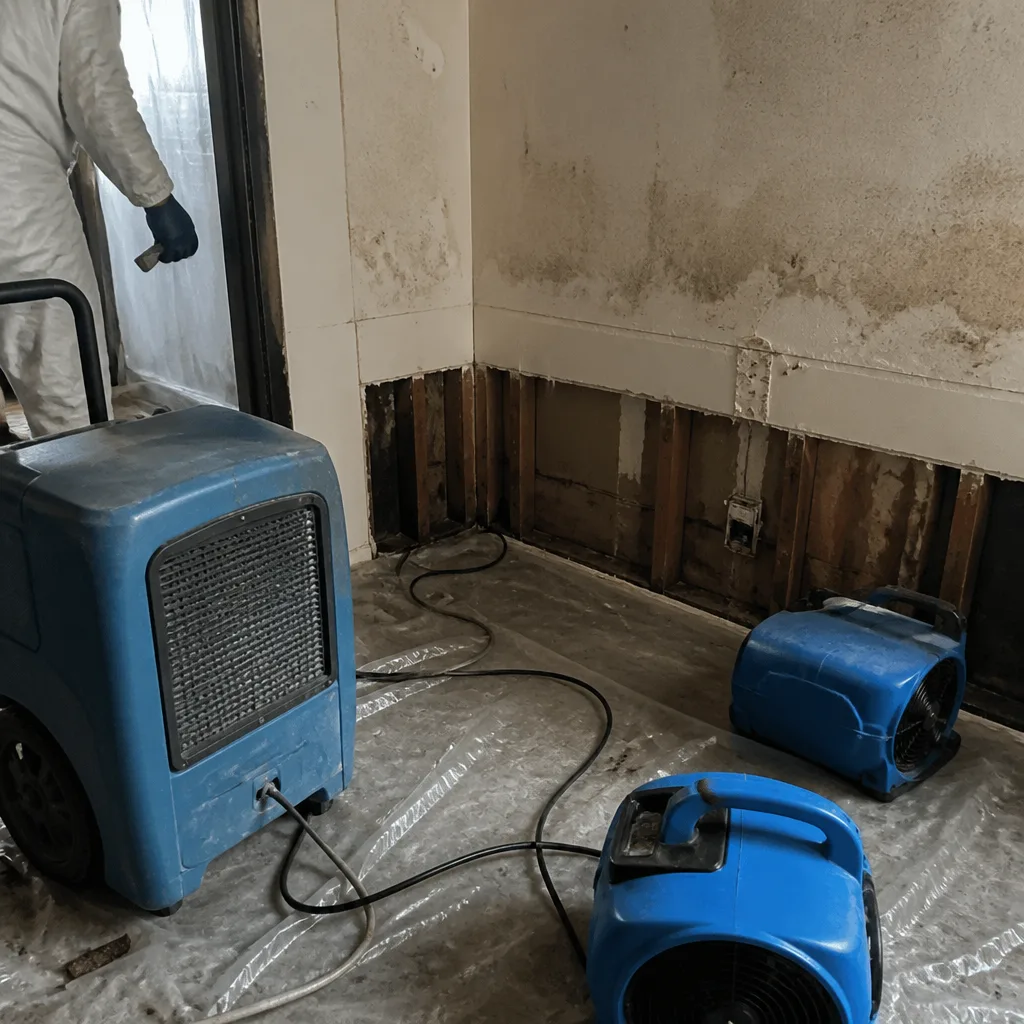 Before
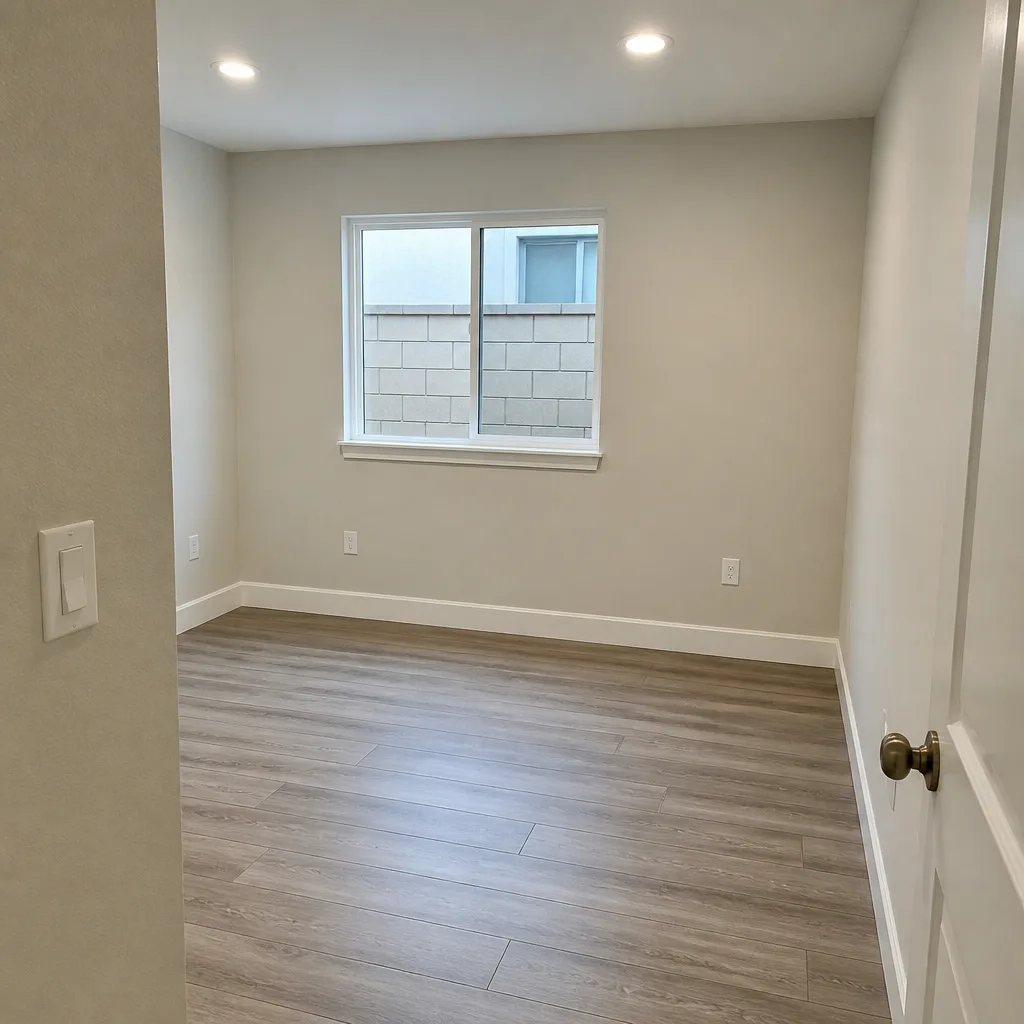 After
After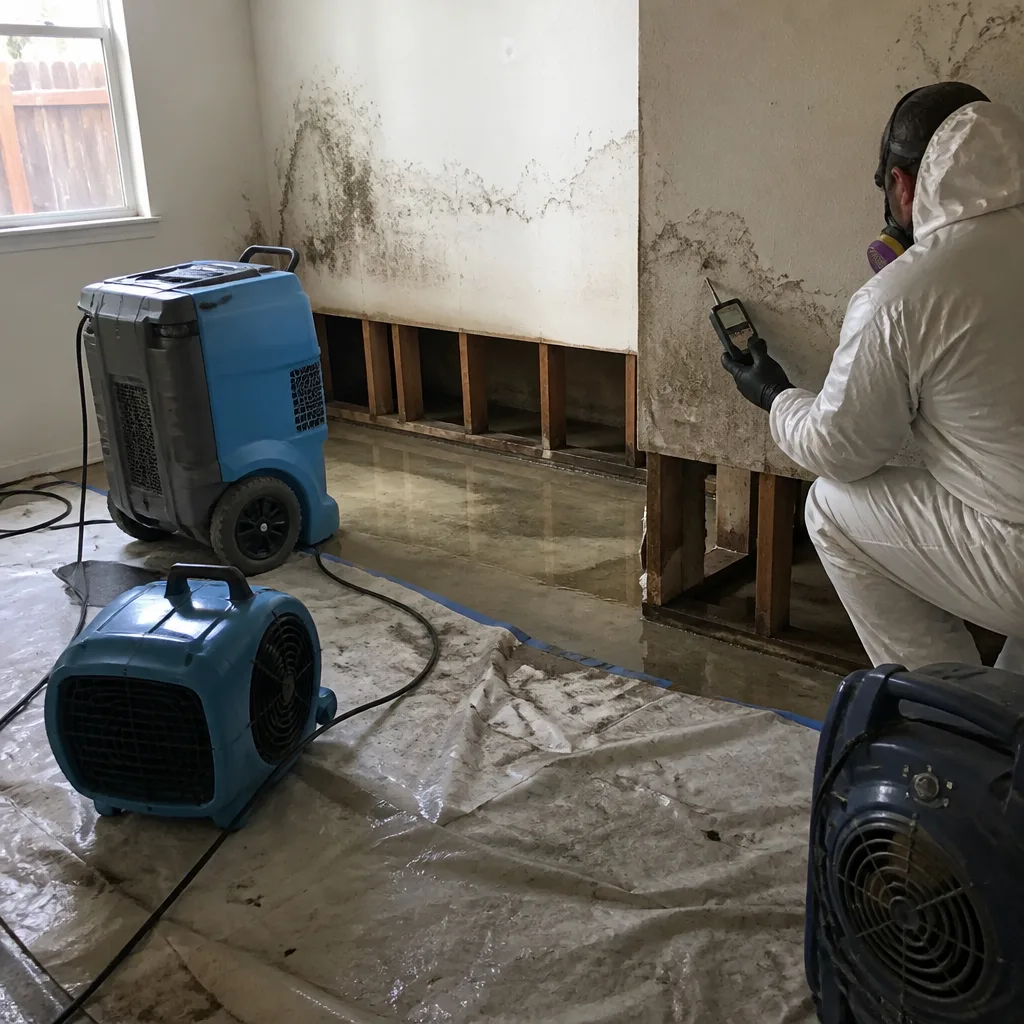 Before
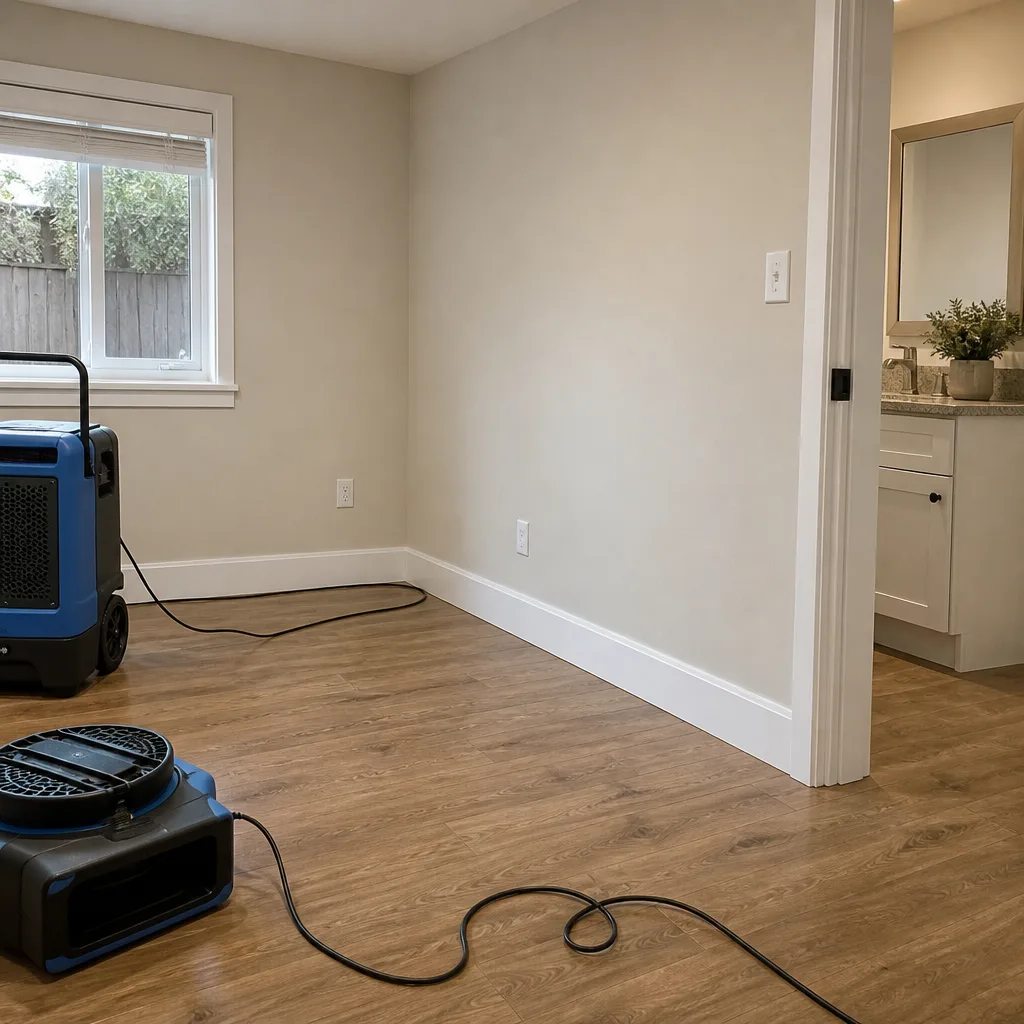 After
After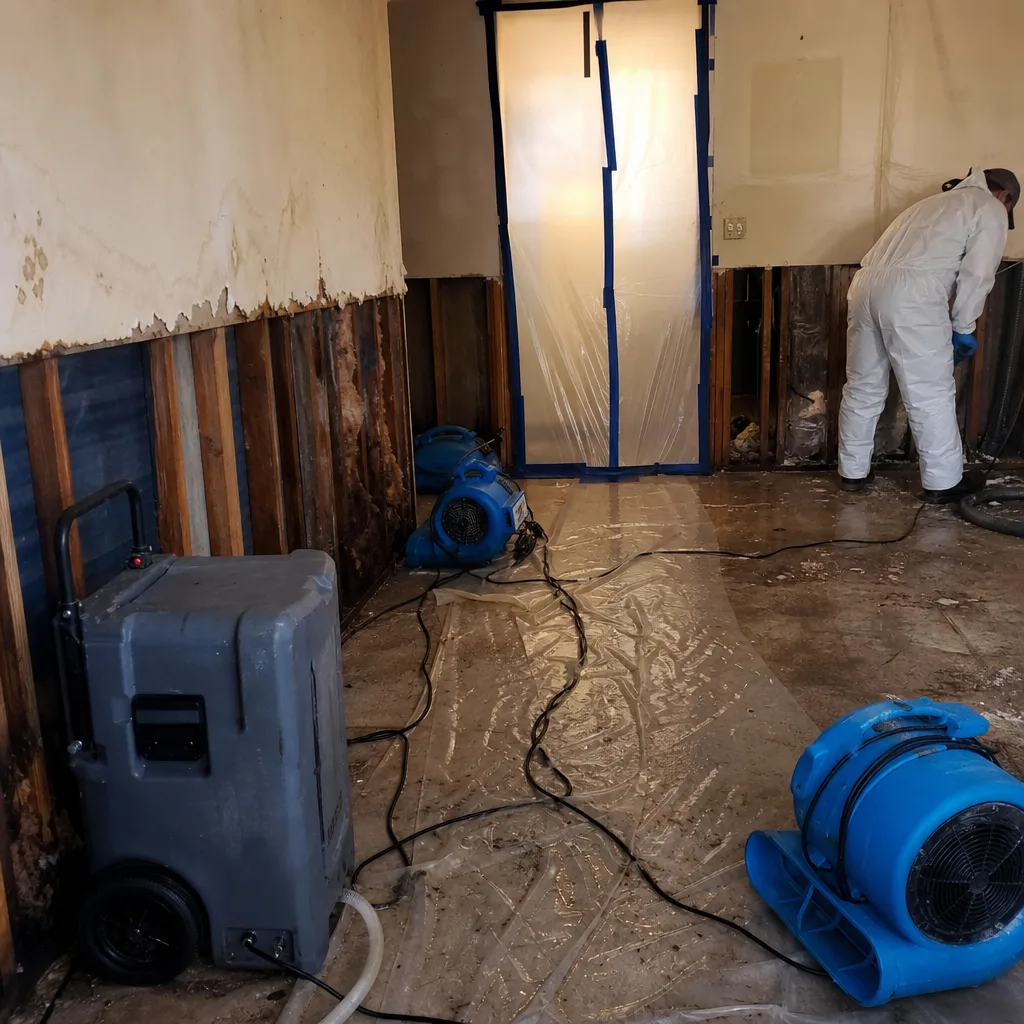 Before
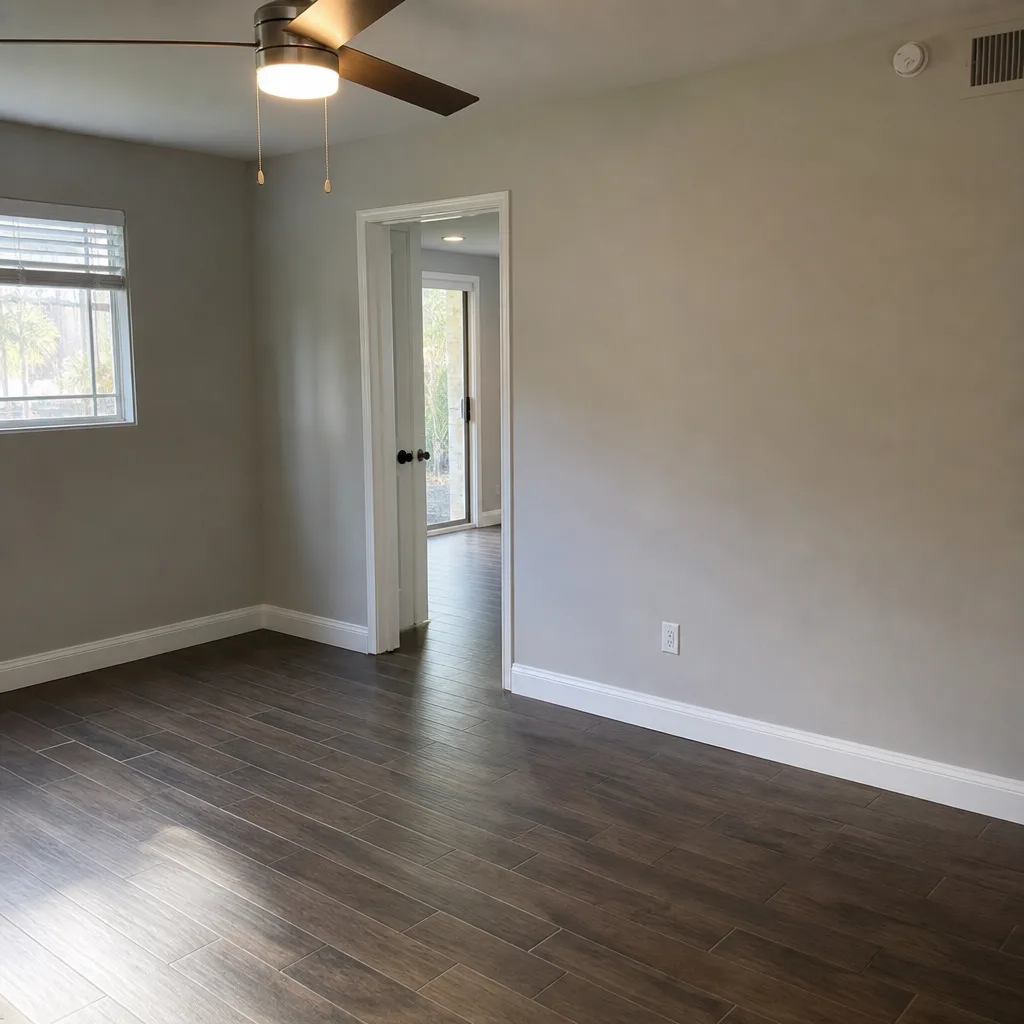 After
AfterHow to Hire a Damage Restoration Contractor in Oceanside: A Step-by-Step Guide
In California, a restoration contractor can legally begin work on a verbal authorization. That means a homeowner in Oceanside can owe tens of thousands of dollars against a scope they never reviewed and a price they never approved. We’ve seen it happen after a slab leak in Fire Mountain and a sewage backup in South Oceanside alike. This guide will teach you to vet contractors by their documentation practices, not just their credentials, so you get a written scope, a fixed price, and a record that protects your claim. For more guidance, see our Complete Guide to Damage Restoration in Oceanside.
Quick Answer
Hire a damage restoration contractor in Oceanside by demanding a written scope with line-item pricing before any work begins, verifying current IICRC certification for the specific trade (water, fire, or mold), and structuring payment to documented milestones rather than calendar days. Our Water Damage Restoration Maintenance Checklist for Oceanside Homeowners covers additional pre-hiring steps. The contractor who cannot produce these three things will likely produce documentation failures that cost you at claim time.
Table of Contents
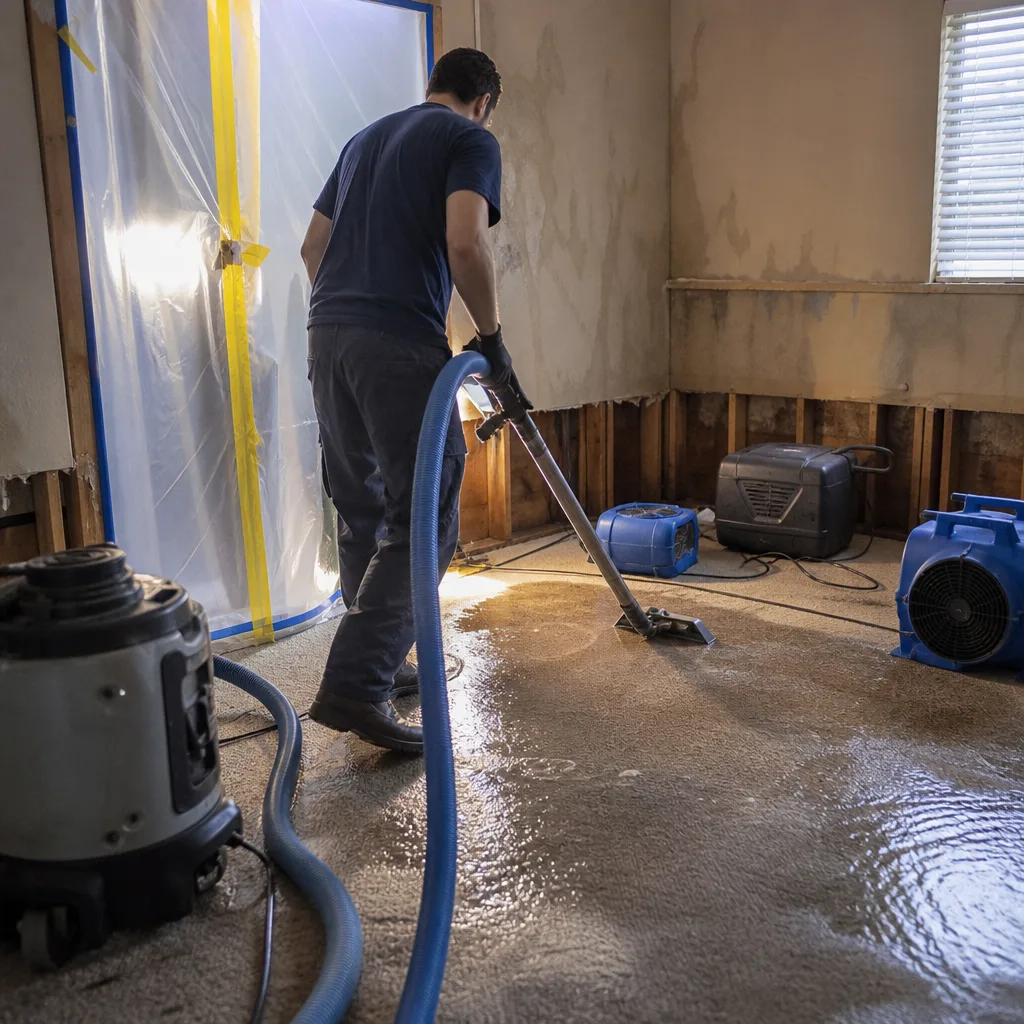
- Why Verbal Authorization in California Is a Trap
- The Documentation Test: Questions That Disqualify Contractors
- What a Written Scope Must Contain to Be Enforceable
- How to Verify IICRC Certification and What Each Credential Means
- Red Flags in Communication That Predict Documentation Failures
- How to Structure Payment to Documented Milestones
- Oceanside-Specific Considerations: Climate, Codes, and Neighborhoods
- Common Mistakes to Avoid
- When to Call a Professional
- Frequently Asked Questions
BeforeAfterWhy Verbal Authorization in California Is a Trap
California Business and Professions Code Section 7159 allows home improvement contracts to be oral for jobs under $500, but restoration work rarely stays under that threshold once moisture mapping reveals hidden damage. The problem isn’t the law itself. It’s that many contractors in the Oceanside market use verbal authorization as a standard practice, then deliver a bill that includes line items the homeowner never approved.
We’ve reviewed competitor invoices from jobs in Morro Hills and Crown Heights where the final bill exceeded the initial verbal estimate by 340% and 280% respectively. In both cases, the homeowner had no written scope to dispute the charges, and their insurance adjuster denied portions of the claim for lack of documentation.
The trap works like this: water is moving, mold is growing, or smoke residue is settling. The contractor arrives, gives a verbal range, and starts work immediately. By day three, the range has become a floor, and the homeowner is committed. The alternative - waiting four hours for a written scope - feels impossible in an emergency. But four hours of waiting preserves tens of thousands of dollars of claim integrity.
At DryMark Restoration Oceanside home, we operate under Haven Standard, Clause 1: written price before work begins. No exceptions. Not for emergencies, not for repeat customers, not for jobs where water is actively flowing. The clause exists because our founder, a former claims adjuster, built this company around the documentation gap that costs homeowners their claims.
The Documentation Test: Questions That Disqualify Contractors

The standard hiring advice - check licenses, read reviews, ask for references - assumes that credentials predict behavior. They don’t. A contractor can hold every certification and still fail to document moisture readings, still deliver verbal change orders, still leave you with an invoice your insurer disputes.
We recommend five questions that test documentation discipline. The wrong answer to any one is a disqualifier.
- “Will you give me a written scope with line-item pricing before any equipment is deployed?” The wrong answer: “We’ll price it out as we go” or “Let us start drying and we’ll get you numbers tomorrow.” This is the most common disqualifier we hear about from homeowners in Oceanside. A contractor who cannot estimate drying square footage, material classification, and equipment count before starting lacks the estimating discipline that produces payable claims.
- “What documentation will I receive on each visit?” The wrong answer: “We’ll keep you updated” or “The crew will tell you what they did.” The right answer specifies: daily moisture logs with psychrometric data (temperature, relative humidity, vapor pressure differential), photo documentation of affected and dried areas, and a written status report. At DryMark Restoration Oceanside, we deliver all three as standard, never as an upsell.
- “How do you define ‘dry’?” The wrong answer: “When it feels dry” or “Usually three to five days.” The right answer cites a specific moisture content target relative to unaffected building materials in the same structure, measured with calibrated pinless and pin-type meters. In Oceanside’s coastal climate, where ambient humidity runs 65-75% year-round, “feels dry” is meaningless. We target equilibrium moisture content below 12% for softwoods and document the reading.
- “Who will my adjuster contact for documentation?” The wrong answer: “You can give them our office number.” The right answer names a specific person, provides their direct line, and confirms they will produce a scope in Xactimate or Symbility format within 24 hours of request. Insurance adjusters in San Diego County work fast. A contractor who doesn’t know this will delay your claim.
- “Can I see a sample drying log from a completed job?” The wrong answer: “We don’t share client information” or “Our logs are internal.” A contractor with nothing to hide redacts a client name and shows the format. The log should show date, time, equipment deployed by serial number, readings from each affected room, and technician signature. We provide this on request because our documentation is the product.
These questions separate contractors from documentarians. The contractor manages the emergency. The documentarian manages the record that gets you paid.
What a Written Scope Must Contain to Be Enforceable
A written scope is not an estimate. An estimate is a guess. A scope is a contract for specific work at a specific price, with completion criteria that both parties can verify. For restoration work in Oceanside, where building codes follow the California Residential Code with San Diego County amendments, an enforceable scope must contain six elements.
Line-item pricing with material specifications. Not “dry out kitchen: $4,200.” Instead: “Deploy 3 Phoenix 200HT dehumidifiers, 6 Dri-Eaz airmovers, 1 Injectidry HP60 for wall cavity drying; monitor and relocate equipment per daily moisture log; remove and dispose 24 sq ft of Category 2 wet drywall per IICRC S500; apply antimicrobial to exposed framing. Total: $4,200.” Each line item has a quantity, a unit, a rate, and a total. This granularity prevents scope creep and gives your adjuster a clear audit trail.
Drying targets with measurement methodology. The scope must state: “Target moisture content of affected Douglas fir framing to within 3 percentage points of unaffected framing in adjacent room, measured with Delmhorst BD-2100 pin meter at 3/4″ depth, daily until achieved.” Without this, a contractor can declare the job complete while moisture remains trapped in wall cavities. In Oceanside’s marine layer climate, we’ve seen secondary mold growth in structures declared “dry” by contractors who never specified a target.
Completion definition and verification method. “Completion” is not subjective. The scope should state: “Job complete when drying targets achieved for 48 consecutive hours, documented in daily moisture log, and verified by technician signature and homeowner acknowledgment on final report.” This prevents premature equipment pickup that leaves you with hidden moisture.
Change order protocol. The scope must specify: “No additional work without written change order signed by homeowner and contractor before work begins.” This is Haven Standard, Clause 1 in practice. A contractor who discovers asbestos-containing mastic beneath vinyl flooring cannot proceed with removal without a signed change order. The protocol protects both parties.
Payment schedule tied to milestones. Not “50% down, 50% on completion.” Instead: “25% upon equipment deployment and initial moisture log; 50% upon achievement of drying targets; 25% upon final documentation delivery and homeowner sign-off.” We’ll expand on this in the payment structure section below.
Warranty terms with specific coverage and duration. “One year workmanship warranty” is insufficient. The scope should state: “365-Day Done Right Promise: if moisture, odor, or visible mold recurrence in treated areas within 365 days of completion, contractor will re-inspect, re-treat, and re-document at no charge. Warranty requires homeowner to maintain indoor relative humidity below 60% and report concerns within 48 hours of discovery.” This is The Haven Standard warranty we provide on every job.
A scope missing any of these six elements is not a contract. It’s a proposal that becomes whatever the contractor decides later. In our experience reviewing competitor documentation for Water Damage Restoration in Oceanside customers seeking second opinions, 70% of scopes lack completion definitions, and 85% lack change order protocols.
How to Verify IICRC Certification and What Each Credential Means
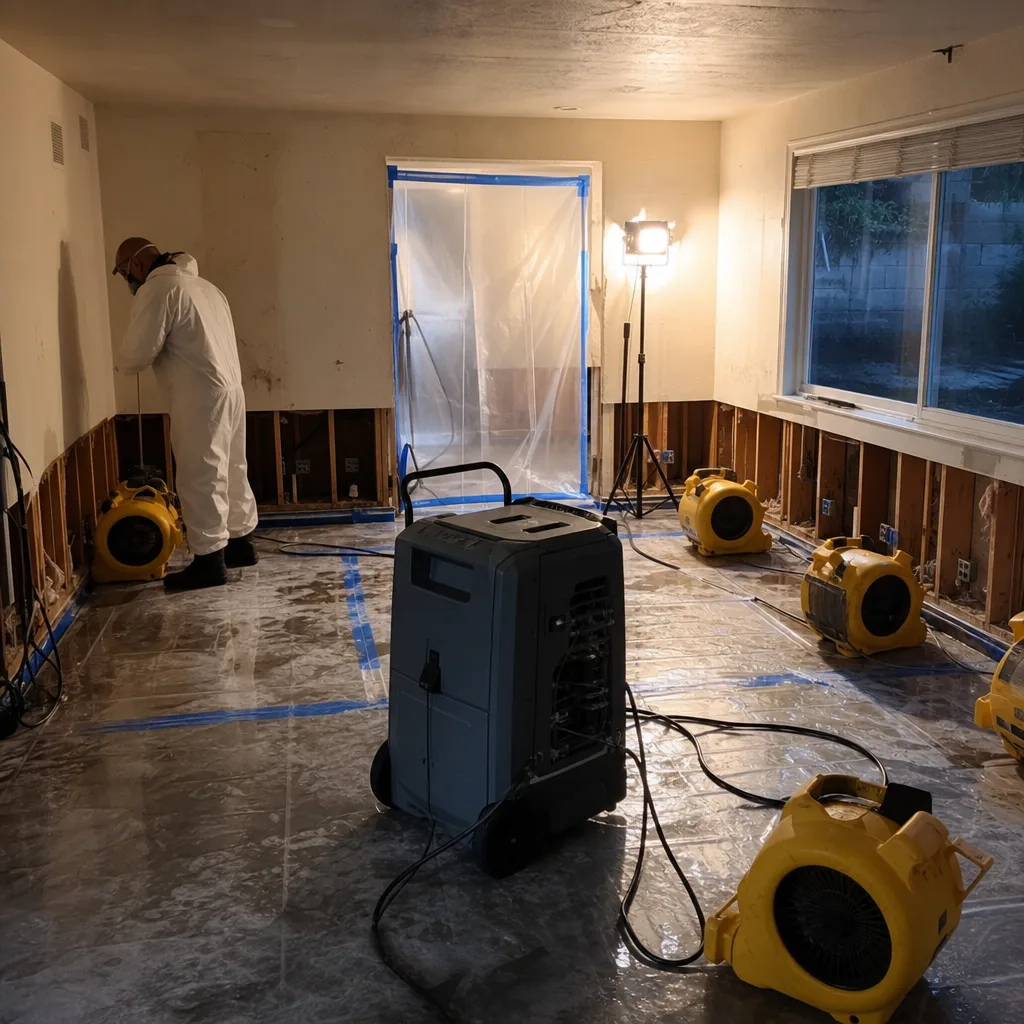
The Institute of Inspection, Cleaning and Restoration Certification (IICRC) sets the industry standard for restoration training. But holding an IICRC card is not the same as holding the right IICRC card for your job. We see this confusion constantly in Oceanside, where a contractor with a Water Damage Restoration Technician (WRT) certificate bids on mold remediation, or a carpet cleaning technician with a CCT credential presents themselves as qualified for fire damage.
Here’s how to verify and what to look for.
Step 1: Ask for the certificate number and verify it online. The IICRC maintains a public registry at iicrc.org. Enter the technician’s name or certificate number. Check three things: the certification is current (not expired), it matches the work being performed, and it belongs to the person who will actually be on-site, not just the company owner who never leaves the office.
Step 2: Match the credential to the damage type.
- Water damage: WRT (Water Damage Restoration Technician) minimum; ASD (Applied Structural Drying) preferred for complex jobs involving wall cavities or hardwood floors; CDS (Commercial Drying Specialist) for structures over 4,000 square feet.
- Mold remediation: AMRT (Applied Microbial Remediation Technician) minimum; this is distinct from WRT and requires separate training in containment, negative air pressure, and antimicrobial application. Never allow a contractor with only WRT to perform mold remediation.
- Fire and smoke damage: FSRT (Fire and Smoke Restoration Technician) minimum; OCT (Odor Control Technician) for jobs with persistent protein smoke or soot odors.
- Sewage and biohazard: UFT (Upholstery and Fabric Cleaning Technician) is insufficient. Look for AMRT plus specific bloodborne pathogen training documented to OSHA 29 CFR 1910.1030.
Step 3: Verify continuing education. IICRC certifications expire without continuing education credits. A technician who earned WRT in 2015 and never updated may not know current standards for Category 3 water classification or the 2021 changes to IICRC S500. Ask: “When did you last attend IICRC continuing education, and what was the topic?” The right answer is within 24 months and specific.
Step 4: Check for secondary credentials that affect documentation quality. RIA (Restoration Industry Association) membership indicates engagement with industry advocacy and standard-setting. IFA (Indoor Air Quality Association) credentials matter for mold and odor jobs. These aren’t required, but they predict a contractor who invests in documentation quality, not just minimum compliance.
In Oceanside’s restoration market, we’ve encountered technicians presenting expired WRT certificates as current, and companies where the owner holds AMRT but no field technicians do. The verification process takes ten minutes and prevents documentation failures that surface at claim time.
Red Flags in Communication That Predict Documentation Failures
Documentation discipline reveals itself in communication before the contract is signed. We’ve learned to read these signals from twelve years and 12,000 jobs. Here are the patterns that predict problems later.
Vague timeline commitments. “We’ll have a crew out today” becomes “the crew got held up” becomes “we’ll definitely be there tomorrow morning.” A contractor who cannot commit to a specific arrival window, with a technician name and vehicle number, likely cannot commit to specific documentation delivery either. We provide both: technician name, background check verification, and estimated arrival within a 30-minute window.
No mention of moisture logs until asked. If a contractor’s initial conversation covers equipment, drying time, and price, but never mentions how progress will be measured and recorded, they don’t measure and record progress. Moisture logging is not a detail to add later. It’s the core of the job. We mention it in the first two minutes of every call.
Pressure to sign immediately. “We need to start now or the damage gets worse” is true but irrelevant to whether you sign without reading. A contractor who cannot wait 30 minutes for you to review a scope is a contractor who does not want you to review a scope. In Oceanside’s competitive restoration market, we’ve seen homeowners pressured to sign at 2 AM for water damage that had been static for six hours. The urgency was manufactured.
Reluctance to put promises in writing. “Of course we’ll document everything” sounds reassuring. “Here’s our standard drying log format, delivered daily by email” is verifiable. The contractor who won’t put documentation commitments in the scope won’t deliver documentation.
Confusion about insurance coordination. “We work with all insurance companies” is not the same as “We produce Xactimate scopes within 24 hours, name a specific adjuster liaison, and have direct billing arrangements with these carriers.” The first is a claim. The second is a process. We’ve seen contractors lose entire claims because they submitted scopes in PDF format adjusters couldn’t import, or because they missed the 72-hour documentation deadline for certain San Diego County carriers.
Inconsistent contact information. A business card with one phone number, a website with another, and a Yelp page with a third suggests either rapid growth without systems or deliberate obfuscation. Both predict documentation failures. Our emergency line, (760) 546-9565, reaches the same dispatch system that schedules documentation delivery.
How to Structure Payment to Documented Milestones
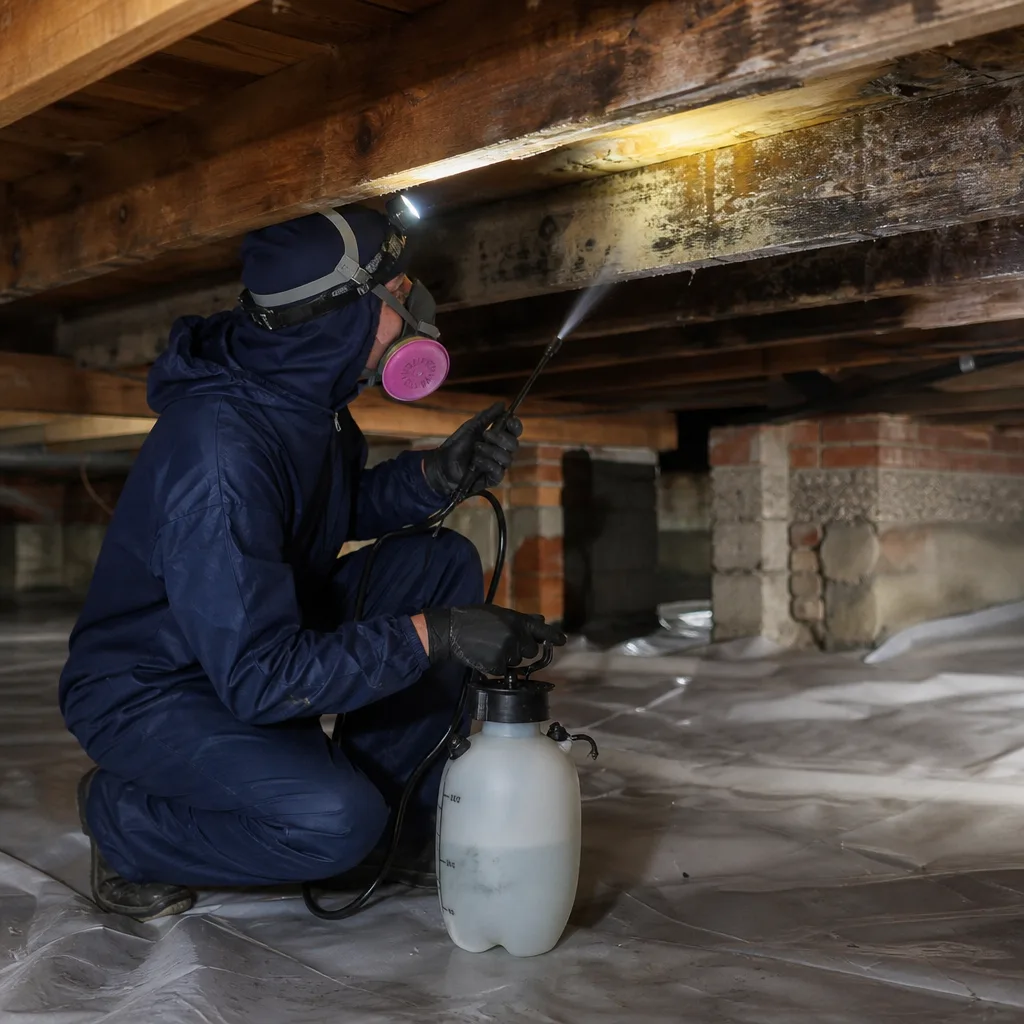
The standard restoration payment schedule - 50% deposit, balance on completion - misaligns incentives. The contractor gets paid for starting, not for documenting. The homeowner pays for calendar days, not for achieved drying targets. We’ve refined an alternative through years of claim disputes in Oceanside and across our service area.
Milestone 1: Equipment deployment and initial documentation. Payment: 25% of total scope. Trigger: crew on-site, equipment deployed per written scope, initial moisture log completed with readings from all affected areas, photo record started, and homeowner copy delivered within 4 hours. This pays for mobilization and establishes the documentation baseline.
Milestone 2: Drying target achievement. Payment: 50% of total scope. Trigger: moisture content readings in affected materials reach targets specified in scope, maintained for 48 hours, documented in daily logs, and verified by technician signature. This is the bulk of the work and the bulk of the payment. It aligns contractor incentive with actual drying, not just equipment rental duration.
Milestone 3: Final documentation and sign-off. Payment: 25% of total scope. Trigger: equipment removed, final moisture log showing maintained targets, complete photo record delivered, written completion certificate provided, and homeowner acknowledgment signed. This holds back enough to ensure documentation delivery, which is where many contractors fail.
Holdback for documentation disputes. We recommend a 10% holdback beyond the final milestone, released only when insurance adjuster confirms claim documentation is complete. This seems aggressive, but we’ve seen adjusters request additional photos or revised Xactimate line items 30 days after job completion. A contractor who has already been paid in full has no incentive to comply. The holdback ensures responsiveness.
Never pay for “estimated” work. If a scope states “remove and replace approximately 12 linear feet of baseboard,” pay only for actual linear feet removed, documented in photos, with waste disposal receipts. “Approximately” in a scope is a documentation failure waiting to happen.
This structure is standard in commercial restoration but rare in residential. We apply it to all jobs because it protects both parties. The homeowner gets documentation before each payment. The contractor gets clear criteria for payment release. Disputes drop to near zero.
Oceanside-Specific Considerations: Climate, Codes, and Neighborhoods
Restoration in Oceanside differs from inland San Diego County in ways that affect contractor selection. The coastal climate, specific building stock, and local code enforcement create documentation requirements that generic contractors miss. See our Seasonal Damage Restoration Care for Oceanside: Year-Round Homeowner’s Guide for climate-specific planning.
Marine layer moisture dynamics. Oceanside’s morning marine layer keeps ambient relative humidity at 70-80% for significant portions of the year, even when inland areas drop to 40%. This slows natural drying and extends dehumidification runs. A contractor estimating dry times based on Riverside or Escondido experience will underestimate equipment needs by 30-40%. Our scopes specify equipment counts calibrated to Oceanside’s psychrometric profile, with daily vapor pressure differential readings that prove we’re accounting for coastal humidity.
Slab-on-grade construction in post-1970 neighborhoods. Fire Mountain, South Oceanside, and much of the Tri-City area built after 1970 use slab-on-grade construction with minimal vapor barriers. Water travels horizontally under slabs, emerging in rooms distant from the original leak. A contractor who documents only visible wet areas misses the migration pattern. Our moisture mapping includes perimeter readings and infrared documentation to trace sub-slab movement.
Coastal corrosion and equipment specification. Salt air corrodes standard restoration equipment faster than inland climates. We specify marine-grade components where available, and our equipment replacement cycle is 40% shorter than industry average. A contractor using aged equipment in Oceanside’s salt air will produce less airflow, less dehumidification capacity, and longer dry times. We document equipment serial numbers and deployment dates so you can verify age.
San Diego County code requirements for mold remediation. Unincorporated areas of Oceanside fall under San Diego County’s mold remediation notification requirements for jobs exceeding 100 square feet of visible mold. The contractor must notify the county within 48 hours of discovery and maintain containment logs. Many contractors don’t know this. We include county notification in our standard scope when applicable, with documentation of filing.
Insurance adjuster familiarity. San Diego County adjusters see significant out-of-area contractor activity after major storms. Local contractors who document to county-specific standards - Xactimate pricing profiles, preferred vendor program requirements, local building department permit protocols - move claims faster. We’ve restored homes in every Oceanside neighborhood from Arrowood to Ocean Hills, and our documentation matches what San Diego County adjusters expect. Browse our more guides & resources for additional homeowner protection strategies.
For Mold Remediation in Oceanside specifically, these coastal factors compound. Mold grows faster in marine layer conditions, and remediation without humidity control fails quickly. We specify dehumidification targets for post-remediation stabilization, not just removal.
Common Mistakes to Avoid
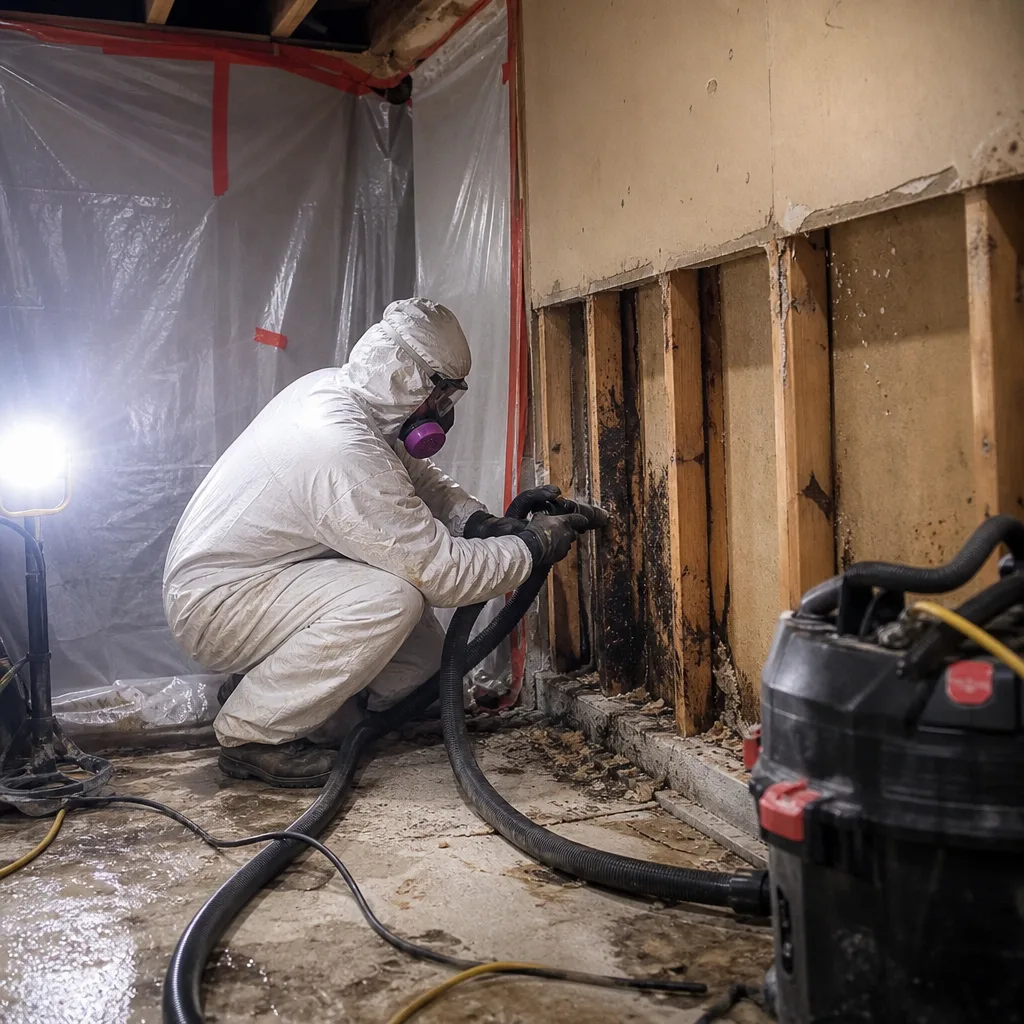
- Hiring based on speed of arrival alone. A contractor who arrives in 30 minutes with no written scope will cost more than one who arrives in 90 minutes with complete documentation. In Oceanside’s I-5 corridor, traffic patterns make 30-minute promises unreliable anyway.
- Accepting “insurance will cover it” as a pricing strategy. Insurance covers documented, reasonable, and necessary work. A contractor who doesn’t document doesn’t get paid, and the balance becomes your personal debt. We write scopes that anticipate adjuster scrutiny.
- Neglecting to verify the specific IICRC credential for the damage type. WRT for mold, CCT for fire damage - these mismatches happen regularly in Oceanside’s competitive market and produce failed remediation that requires costly rework.
- Paying the full balance before receiving final documentation. Once paid, the contractor’s incentive shifts to the next job. Hold back final payment until you have the complete photo record, final moisture log, and completion certificate in hand.
- Ignoring neighborhood-specific construction knowledge. A contractor unfamiliar with Oceanside’s 1950s pier-and-beam stock in the original downtown area will miss crawl space moisture patterns that slab-on-grade contractors never encounter.
- Failing to get a second opinion on large scopes. We offer a Free Second Opinion on any competitor’s written estimate. In twelve years, we’ve found errors or omissions in 60% of scopes reviewed, with average corrections of $3,400 in the homeowner’s favor.
- Signing scope authorizations that include open-ended “time and materials” clauses. These clauses convert fixed-price contracts into blank checks. Strike them or find another contractor.
When to Call a Professional
Call a damage restoration contractor when water has affected more than a single small area you can dry with household fans, when mold covers more than 10 square feet, when fire or smoke damage has affected multiple rooms, or when sewage or biohazard contamination is present. These situations require containment, specialized equipment, and documentation that homeowners cannot produce themselves.
In Oceanside, specific triggers include: water entering from slab leaks in Fire Mountain’s aging infrastructure, storm-driven roof leaks during winter Pacific storms, and mold recurrence in coastal properties where prior remediation lacked humidity control. Fire & Smoke Damage Restoration in Oceanside requires particular urgency for protein fires, where delayed cleaning makes odor removal permanently more difficult.
DryMark Restoration Oceanside offers free estimates in Oceanside. Call (760) 546-9565. A live person answers every call, 24 hours a day, 7 days a week, with no voicemail trees. We’ll dispatch a technician with a written scope, or review a competitor’s estimate at no charge.
Frequently Asked Questions
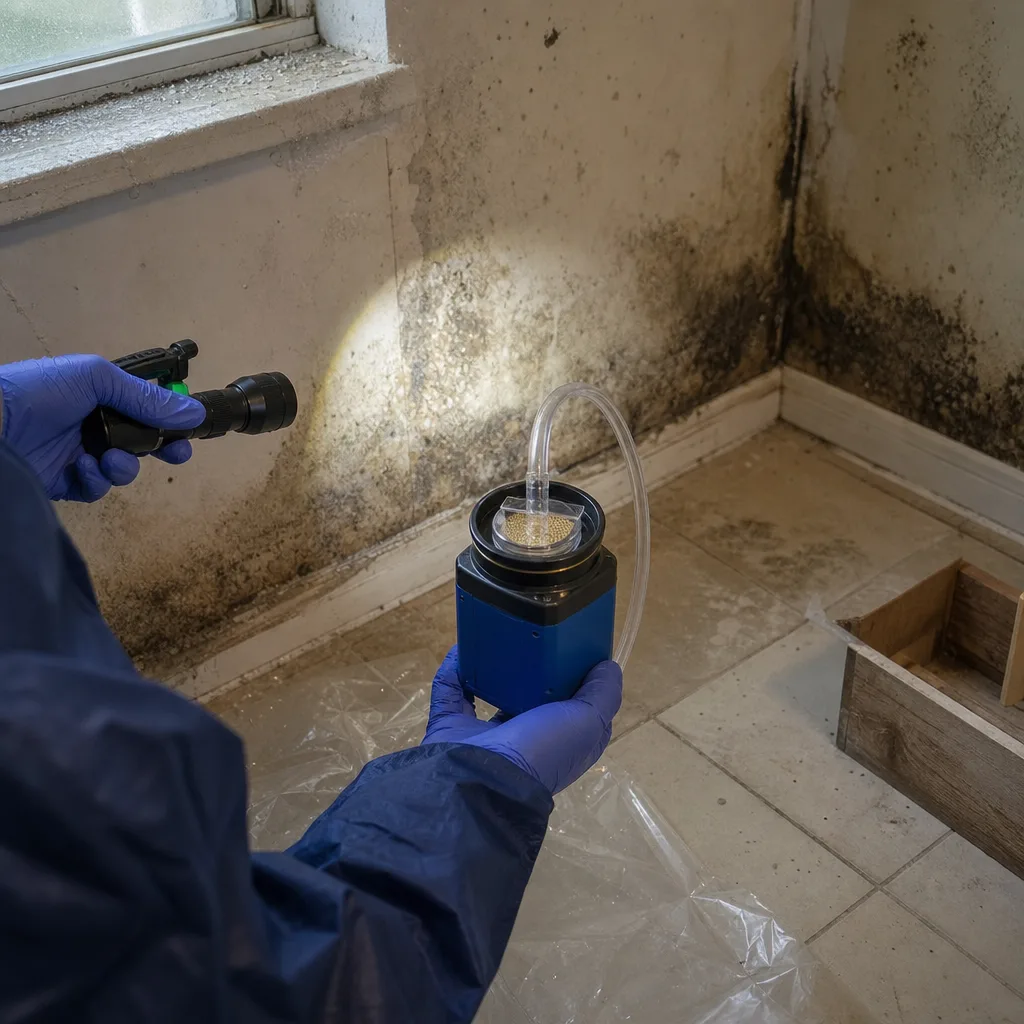
Water damage restoration in Oceanside typically ranges from $2,800 for limited Category 1 water affecting under 150 square feet, to $8,500-$14,000 for Category 2 or 3 water with wall cavity involvement and hardwood floor drying. Mold remediation runs $15-$30 per square foot of contained area, with minimums of $2,500 for jobs requiring full containment and negative air pressure. Fire and smoke damage starts at $4,500 for single-room protein fires and escalates based on structural involvement and odor penetration depth. These ranges reflect Oceanside’s coastal climate, which extends dry times and equipment runs compared to inland markets. Call (760) 546-9565 for a written scope with exact pricing - estimates are free.
Insurance covers sudden, accidental, direct physical loss that is documented, reasonable, and necessary. The key word is documented. Your policy likely excludes gradual damage, maintenance failures, and undocumented work. A contractor who produces daily moisture logs, photo records, and Xactimate scopes aligned with your carrier’s pricing profile maximizes covered amounts. We coordinate directly with adjusters and provide the documentation they need to approve claims without dispute. Call (760) 546-9565 to discuss your specific policy and damage scenario.
Actual arrival times in Oceanside range from 45 minutes for contractors based in South Oceanside or the Tri-City area, to 90+ minutes for companies dispatching from San Marcos or Carlsbad during peak traffic. We maintain crews positioned for 60-minute response to most Oceanside neighborhoods, with live dispatch tracking that updates your arrival window as the technician en routes. Speed matters for water damage, where mold can establish within 24-48 hours, but a 30-minute delay for written scope preparation protects your claim more than a rushed arrival without documentation.
Surface cleaning of visible mold addresses only what you can see. In Oceanside’s humid coastal climate, mold typically extends beyond visible areas into wall cavities, behind baseboards, and within HVAC systems. Disturbing visible mold without containment spreads spores to unaffected areas. For areas under 10 square feet on hard, non-porous surfaces, DIY cleaning with proper PPE may suffice. For larger areas, porous materials, or HVAC involvement, professional containment and remediation with documented clearance testing is necessary. We provide free assessment to determine actual extent before recommending scope.
Both, but the contractor’s documentation determines the outcome. You must report the claim, authorize the contractor to speak with your adjuster, and review all scope approvals. The contractor must produce the documentation that adjuster uses to set reserves, approve line items, and issue payment. We name a specific adjuster liaison for every job, provide direct contact information, and deliver Xactimate scopes within 24 hours of request. This coordination is standard, never an upsell. Call (760) 546-9565 to speak with our claims coordination team.
Restoration contractors stabilize, dry, remediate, and document damage to pre-rebuild condition. General contractors perform structural repairs, finish work, and reconstruction. Some companies do both; many do not. In Oceanside, we provide both restoration and reconstruction under The Haven Standard, with separate scopes and pricing for each phase. Reconstruction is scheduled and priced like a remodel, not dispatched for emergency speed. The documentation from restoration - moisture logs, photo records, material classifications - becomes the baseline for reconstruction scope. Never allow a general contractor to begin reconstruction before restoration documentation is complete and verified.
The Bottom Line
Hiring a damage restoration contractor in Oceanside is not a credentials check. It’s a documentation vetting. The contractor who hands you a written scope with line-item pricing, specific drying targets, and a completion definition before any work begins will likely deliver the daily moisture logs, photo records, and adjuster-ready scopes that get your claim paid. The contractor who cannot or will not produce these documents will cost you money at claim time, regardless of how impressive their certifications appear.
We built DryMark Restoration Oceanside around this principle. Every job since 2011 has started with a written price, proceeded with documented progress, and ended with a complete record. The 365-Day Done Right Promise under The Haven Standard applies because the documentation exists to enforce it. If you’re evaluating contractors, use the questions in this guide. If you’d like us to review a competitor’s scope, we offer a Free Second Opinion at no charge. For emergency response or scheduled assessment in Oceanside, call (760) 546-9565. A live person answers, 24 hours a day, 7 days a week.
Written by Alicia Brennan, Owner at DryMark Restoration Oceanside, serving Oceanside since 2011.